
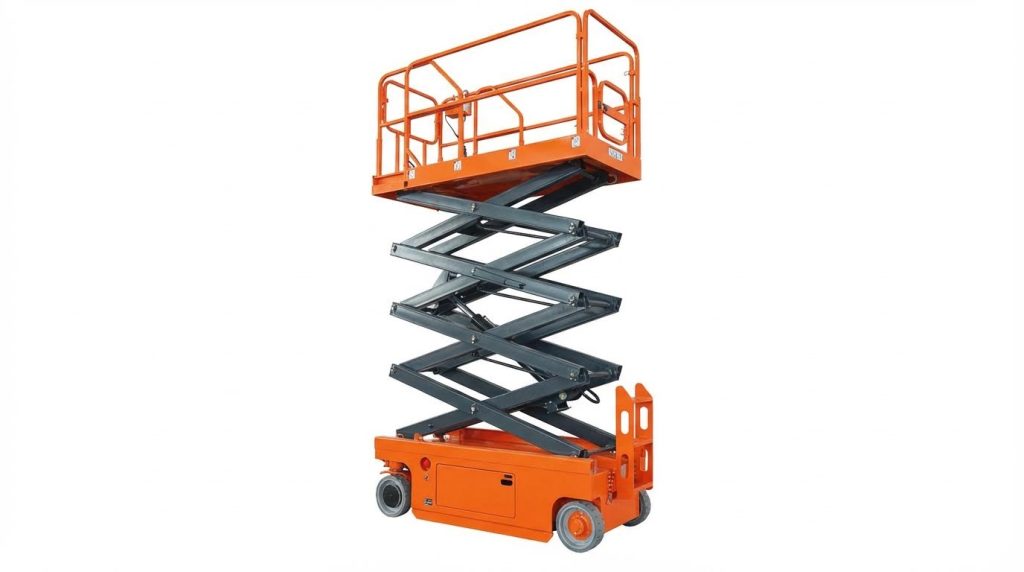
Electric scissor lifts are powered by on‑board rechargeable battery packs that deliver DC voltage to the drive and lift motors, control electronics, and safety systems. Understanding what electric scissor lifts are powered by is critical for maximizing runtime, minimizing downtime, and staying compliant with safety and charging standards. This guide explains what are electric scissor lifts powered by in practical terms: battery chemistries, voltages, capacities, and how charging profiles affect duty cycles and total cost of ownership. You will see how lithium iron phosphate and lead-acid systems compare, what typical voltage ranges look like in the field, and which charging and maintenance practices actually protect your fleet and operators.
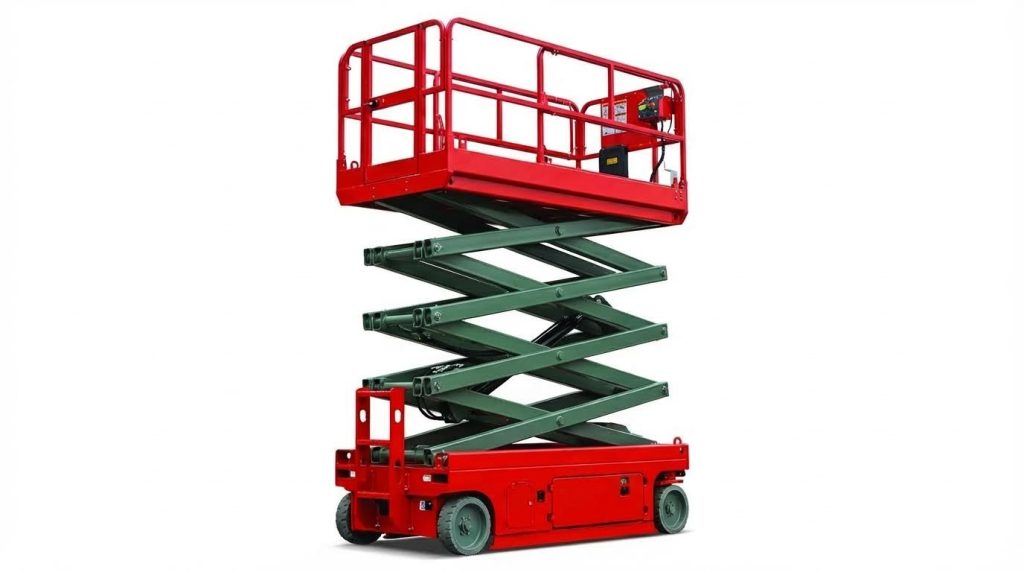
How Electric Scissor Lifts Are Powered
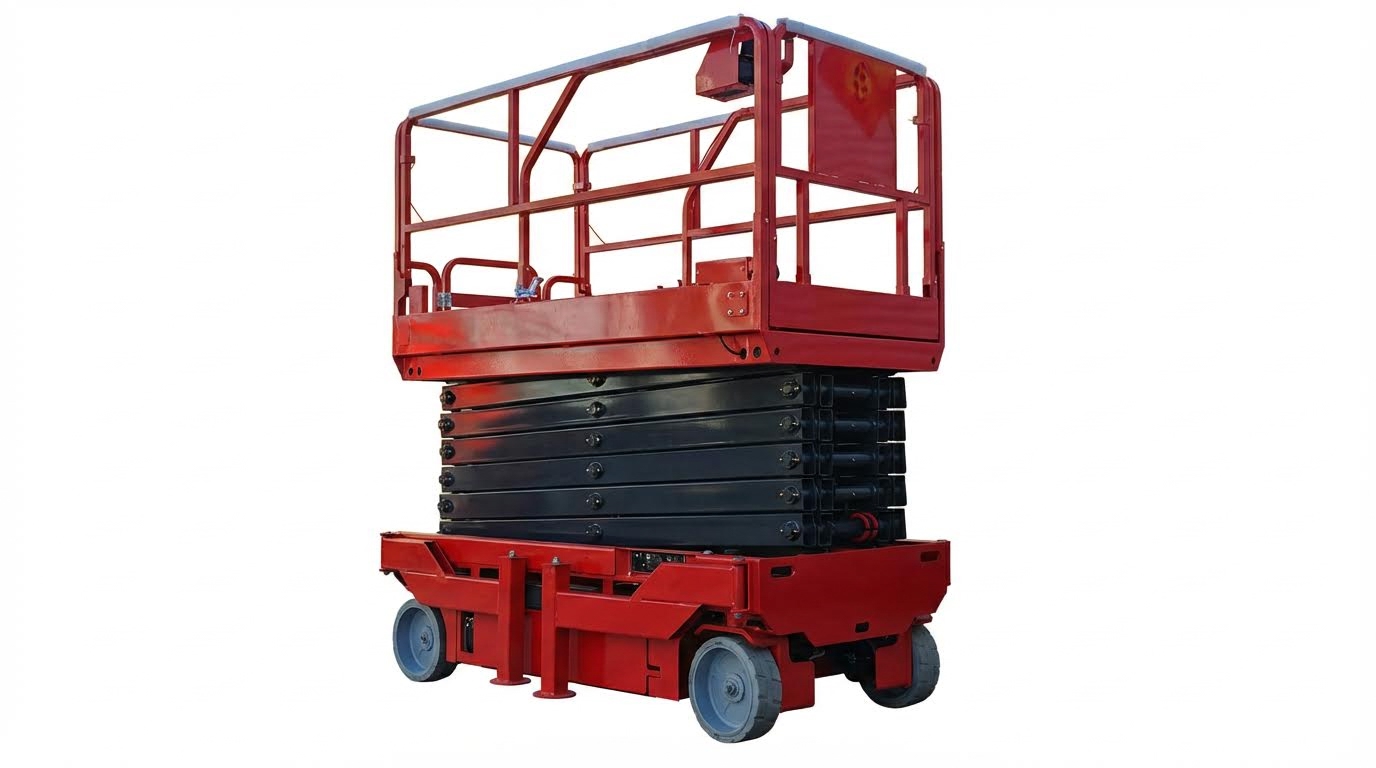
Electric scissor lifts are powered by on‑board DC battery packs that feed electric drive and hydraulic pump motors, so understanding “what are electric scissor lifts powered by” means understanding the whole battery‑to‑hydraulics powertrain.
In practice, the lift’s energy starts in a battery bank (lead‑acid or LiFePO4), flows through contactors and controllers, and ends as hydraulic pressure that raises the platform. The way you size and operate this chain determines run‑time, safety, and total cost of ownership. This section breaks down the powertrain architecture, duty cycles, and the typical voltages and loads these machines see in real warehouses and construction sites.
Powertrain Architecture And Duty Cycles
The powertrain of an electric scissor lift converts DC battery energy into hydraulic lifting and traction work through a battery pack, control electronics, electric motors, and a hydraulic pump sized to the duty cycle.
When someone asks “what are electric scissor lifts powered by,” the engineering answer is: by motive‑power batteries that drive an electric motor‑pump group for the hydraulics and, on many models, electric traction motors for travel. The batteries are usually either valve‑regulated lead‑acid (VRLA) packs in the 65–330 Ah range at C20 discharge designed for repeated deep cycling, or lithium iron phosphate (LiFePO4) packs around 210 Ah with a nominal voltage window of 22,4–28,8 V and very low self‑discharge per month.
- Battery pack: Stores DC energy; chemistry (VRLA vs LiFePO4) sets weight, cycle life, and maintenance needs.
- Battery management / protection: LiFePO4 systems add a BMS with CAN/RS485 communication and sometimes 4G remote monitoring to protect against over‑charge, over‑discharge, and over‑current and to report status.
- Controllers and contactors: Regulate power flow to lift and drive motors, enforcing current and thermal limits.
- Electric motor + hydraulic pump: Converts electrical energy to hydraulic pressure that raises/lowers the scissors.
- Drive motors (where fitted): Use the same DC bus to move the machine, adding to overall load profile.
Duty cycle is the pattern of lifting, holding, driving, and idling over a shift. VRLA batteries in scissor lifts are typically rated for up to about 1.200 cycles at 50 % depth of discharge in motive applications when used correctly, while LiFePO4 systems can reach around 6.000 cycles with 70 % capacity retention at 25 °C under specified charge/discharge conditions for scissor lifts.
| Powertrain Element | Typical Spec / Behavior | Field Impact |
|---|---|---|
| Battery chemistry | VRLA (65–330 Ah C20) or LiFePO4 ~210 Ah VRLA ranges LiFePO4 example | Determines run‑time, weight, and how often you replace packs. |
| Cycle life | VRLA ≈ up to 1.200 cycles @ 50 % DoD; LiFePO4 ≈ 6.000 cycles @ 70 % remaining capacity | Direct driver of battery budget and downtime planning. |
| Max continuous discharge | LiFePO4 example: 206 A continuous, 124 A pulse for 120 s under rated conditions | Defines how hard you can lift/drive without tripping protections. |
| Self‑discharge | LiFePO4 < 3 % per month in storage | Critical for seasonal or low‑utilization fleets. |
| Operating temperature | LiFePO4: charge 0–55 °C; discharge −20–55 °C; storage 0–40 °C specified range | Defines whether the lift can work reliably in cold rooms or hot yards. |
| Ingress protection | Example LiFePO4 pack: IP67 steel enclosure for scissor lifts | Resists water/dust; important for outdoor and construction sites. |
💡 Field Engineer’s Note: The “duty cycle” that kills batteries isn’t just hours per shift; it’s how often operators hold the lift button at relief pressure. Long holds at full height create high current, high heat, and early battery failure.
How duty cycle translates into battery sizing
Engineers convert your expected lifts/hour, average platform load, and drive distance into amp‑hours consumed per shift. From there, they size Ah so that typical daily depth of discharge stays around 50–60 % for lead‑acid and 70–80 % for LiFePO4 to hit the advertised cycle life ranges.
Typical System Voltages And Load Profiles
Typical electric scissor lifts use low‑voltage DC systems (commonly around 24 V nominal) with current spikes during lifting and lower average loads during platform holding and slow travel.
From a power‑systems perspective, what electric scissor lifts are powered by is a low‑voltage DC bus whose exact voltage window is set by the battery chemistry and pack configuration. For LiFePO4 scissor‑lift batteries, a common example is a nominal capacity of 210 Ah with an operating voltage range from 22,4 V to 28,8 V, which also matches the specified charge voltage window for these packs. VRLA packs for lifts are offered in multiple capacities (65–330 Ah at C20) built into system voltages that must match the lift’s rating and charger.
| Electrical Parameter | Typical Value / Range | Field Impact |
|---|---|---|
| Nominal system voltage (LiFePO4 example) | 22,4–28,8 V operating / charge window for scissor lifts | Defines charger voltage; wrong charger risks overheating or fire. |
| Capacity (VRLA) | 65–330 Ah @ C20 discharge rate for lift duty | Higher Ah extends run‑time but adds mass and cost. |
| Max continuous discharge (LiFePO4) | 206 A continuous, 124 A pulse (120 s) under rated use | Supports high‑load lifts without voltage sag or BMS trips. |
| Internal resistance (LiFePO4) | ≤ 0,4 mΩ per pack | Lower resistance means less heat and better voltage stability under load. |
| Typical charge time & pattern | Lead‑acid: slower full charges (≈6–12 h) with equalization; LiFePO4: faster, opportunity‑charge‑friendly in scissor lifts | Impacts shift planning and whether you need spare batteries. |
| Charging temperature range (LiFePO4) | 0–55 °C for charging, −20–55 °C for discharge in rated use | Charging outside this window risks permanent capacity loss. |
Load profile is not flat: lifting a fully loaded platform pulls high current near the battery’s discharge limit, while holding at height draws much less. Travel, especially on slopes, adds intermittent current spikes. Because of these peaks, chargers must be voltage‑compatible with the lift (for example, a 24 V system must use a 24–25,2 V charger) to avoid overheating and fire hazards during recovery charging in the field.
💡 Field Engineer’s Note: If your lifts routinely stall or slow near the top of travel late in the shift, that’s usually a load‑profile problem, not “old motors.” Either your Ah is undersized or your batteries never reach a full charge.
Why temperature and environment matter to voltage and load
At low temperatures, VRLA voltage sags earlier under the same current, which operators feel as sluggish lift speed and fewer lifts per charge. LiFePO4 maintains more stable voltage across its operating range, but both chemistries must respect their specified charge temperature windows to avoid plating, gas evolution, or internal damage during charging.
“”
Fleet battery management
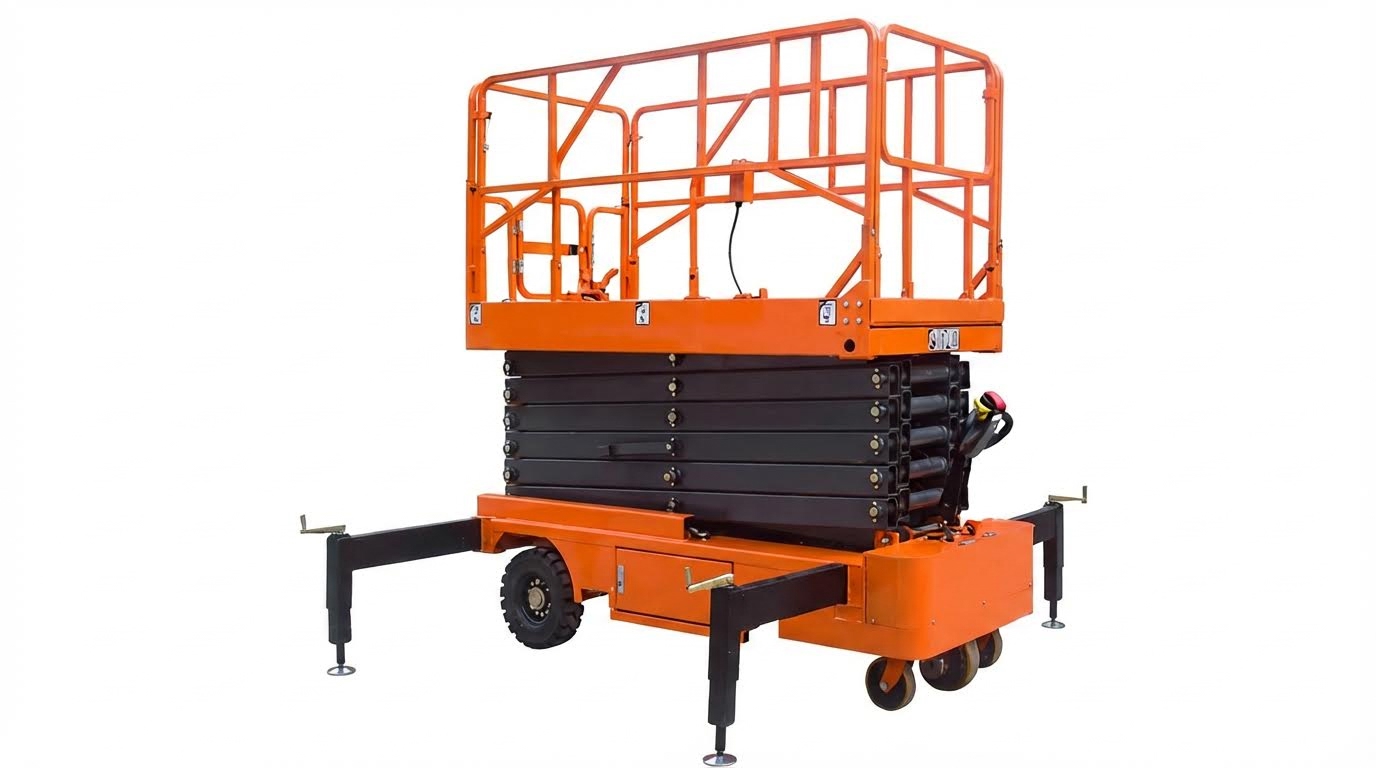
Fleet battery management means matching battery size and chemistry to each lift’s duty cycle, then maintaining and monitoring them so uptime, safety, and total cost of ownership are optimized across the whole fleet.
When people ask “what are electric scissor lifts powered by,” the fleet-level answer is simple: correctly sized lead‑acid or LiFePO4 battery systems, managed as a critical asset—not a consumable. This section focuses on how to size, maintain, and govern those batteries so platform height, runtime, and safety standards all line up with your operation.
💡 Field Engineer’s Note: In most fleets, more failures come from wrong sizing and poor charging discipline than from “bad batteries.” Fix the process, and your batteries suddenly look a lot more reliable.
Sizing Batteries To Platform Height And Usage
Battery sizing for scissor lifts is the process of matching amp‑hours, voltage, and chemistry to the lift’s platform height and duty cycle so you get a full work shift without overstressing the pack.
In practice, what are electric scissor lifts powered by on busy sites? They are powered by battery packs whose capacity (Ah) and voltage are chosen so the machine can complete its daily lift cycles, drive distance, and steering without dropping below safe state‑of‑charge. Undersized packs cause voltage sag, nuisance shutdowns, and premature battery death; oversized packs add cost and weight without real benefit.
| Selection Factor | Typical Options / Data | How To Apply It | Field Impact |
|---|---|---|---|
| Battery chemistry | Lead‑acid or LiFePO4 lithium batteries | Use lead‑acid for low‑intensity, low‑budget work; use LiFePO4 for multi‑shift or high indoor uptime. | Right chemistry cuts maintenance, extends life, and stabilizes runtime. |
| Voltage system | Commonly 24 V class packs (e.g., 22,4–28,8 V range for LiFePO4) voltage window | Match the lift’s rated system voltage; never “mix and match” voltages or series counts. | Correct voltage prevents controller faults, overheating, and torque loss. |
| Capacity (Ah) – LiFePO4 example | Nominal 210 Ah LiFePO4 pack for scissor lifts 210Ah rating | Use 210 Ah‑class packs for medium platforms with full‑shift duty and opportunity charging. | Higher Ah supports more lift cycles and drive time per shift. |
| Capacity (Ah) – VRLA lead‑acid | Approx. 65–330 Ah at C20; common scissor‑lift sizes 220–330 Ah 65–330Ah range | Choose higher Ah for taller platforms or long drive distances; avoid running below ~50% depth of discharge daily. | Correct capacity avoids mid‑shift battery swaps and sulfation from deep discharge. |
| Continuous discharge current | LiFePO4 example: 206 A continuous, 124 A pulse (120 s) current limits | Ensure battery can supply peak lift and steer currents without exceeding continuous or pulse limits. | Prevents nuisance BMS trips and overheating during fast lifts or steep ramps. |
| Platform height & duty cycle | Higher platforms = heavier structure + more lift work per cycle | Estimate lifts/hour and drive distance; size Ah so end‑of‑shift SOC stays above 20–30% (Li) or ~50% (lead‑acid). | Correct sizing keeps performance consistent all day and protects battery life. |
| Operating temperature | LiFePO4: charge 0–55°C, discharge −20–55°C, storage 0–40°C temperature limits | For cold yards, derate expected runtime or consider chemistry with better low‑temp behavior. | Temperature‑aware sizing avoids “mystery” runtime loss in winter or hot warehouses. |
| Physical envelope | Example LiFePO4: 550 × 320 × 245 mm, 48 kg, IP67 steel case mechanical specs | Confirm tray dimensions, weight limits, and IP rating versus your environment (indoor, outdoor, wash‑down). | Proper fit and protection avoid cable strain, water ingress, and structural issues. |
How platform height and usage translate into amp‑hours
For taller lifts (10–14 m working height), the hydraulic pump runs longer per cycle and sees higher loads. If the machine is also driven long distances between work areas, daily energy use jumps. As a rule of thumb, you select higher Ah batteries for:
- High lift frequency: Many up/down cycles per hour.
- Long travel distances: Large warehouses, outdoor yards, or multi‑building campuses.
- Multi‑shift operation: Two or three shifts with limited time for full charging.
In contrast, small indoor maintenance lifts with short travel can use lower Ah packs without sacrificing uptime, especially with LiFePO4 and opportunity charging.
💡 Field Engineer’s Note: When evaluating “what are electric scissor lifts powered by” for a new site, log one week of actual run hours and lift cycles. Spec your Ah on real data, not brochure assumptions.
Maintenance, Monitoring, And Safety Compliance
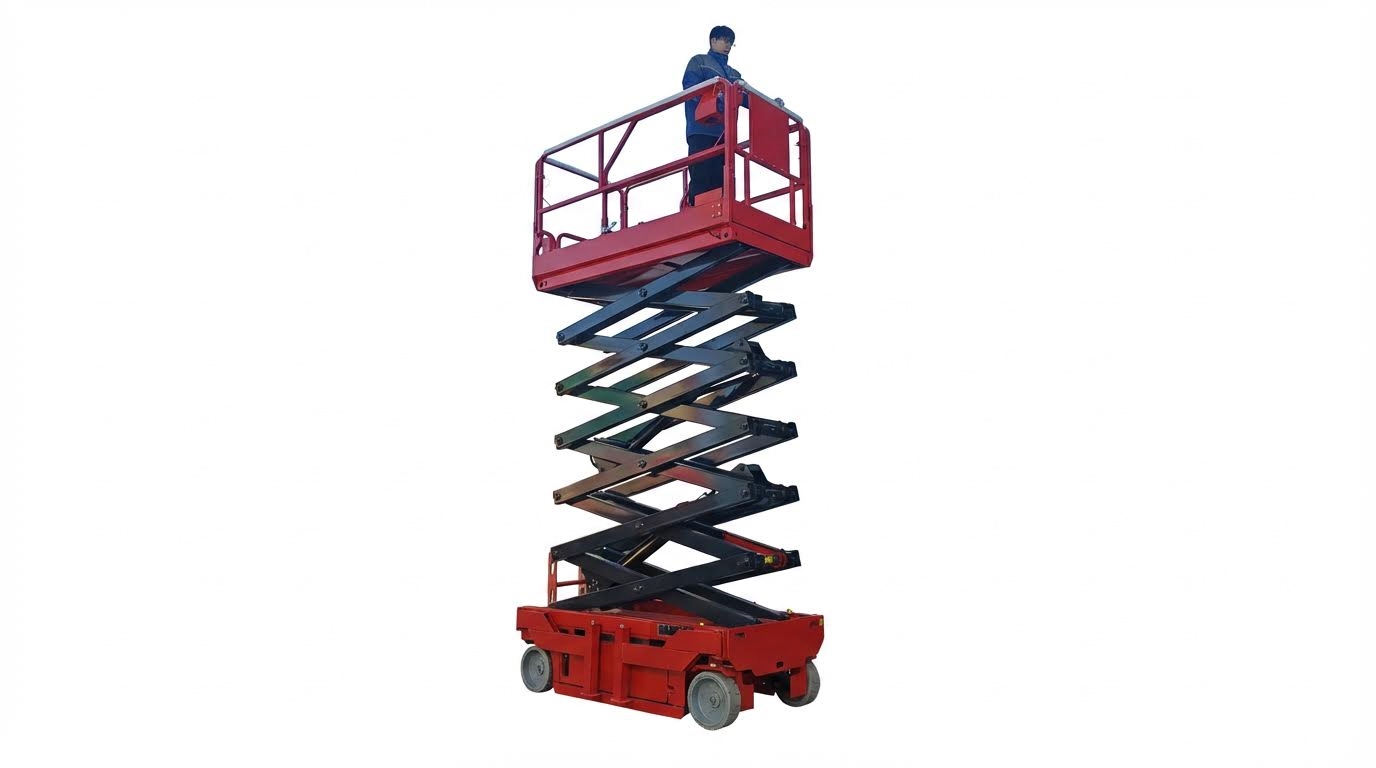
Battery maintenance and monitoring for scissor lifts means enforcing correct charging, inspections, and data tracking so batteries stay within their electrical, thermal, and regulatory limits over thousands of cycles.
Whether your fleet is powered by VRLA lead‑acid or LiFePO4, the physics is the same: abuse shortens life. Following structured maintenance keeps you inside the designed cycle life—up to 6.000 cycles at 70% capacity for some LiFePO4 packs 6000-cycle rating and up to about 1.200 cycles at 50% depth of discharge for certain VRLA batteries 1,200-cycle rating.
- Charging discipline: Park in a dry, ventilated area, lower the platform, power off, and set the brake before charging. Match charger to battery type and system voltage to avoid overheating or fire risk charging procedure voltage compatibility.
- Full charge cycles: Allow batteries to reach 100% before disconnecting; repeated partial charging reduces usable capacity and life, especially on lead‑acid systems partial charge effects.
- Daily SOC management: Avoid discharging below ~20% SOC; deep discharges accelerate wear. Opportunity charging is acceptable for LiFePO4 but not recommended for lead‑acid charging frequency guidelines.
- Visual inspections: Check for cracks, leaks, heat discoloration, and corroded terminals before charging. Dirt or moisture on terminals increases resistance and heat, lowering efficiency and runtime maintenance practices.
- Lead‑acid specific care: Maintain electrolyte levels, keep vents clear, and ensure strong ventilation during charging to disperse hydrogen gas and avoid explosion hazards lead-acid maintenance.
- LiFePO4 BMS monitoring: Use the built‑in BMS with CAN / RS485 and optional 4G telemetry to monitor voltage, current, temperature, and faults remotely BMS communication. This supports predictive maintenance and fleet‑level analytics.
- Environmental controls: Keep charging areas clean, dry, and within recommended temperature ranges (e.g., charge LiFePO4 between 0–55°C, store at 0–40°C) to maintain capacity and safety temperature ranges charging environment.
- Safety and PPE: Enforce PPE (gloves, eye protection), no smoking, and clear signage in charging zones to align with general OSHA/ISO battery handling expectations charging safety.
- Standards and certifications: Prefer batteries with CE, UN 38.3, UL, IEC, CB, and ISO 9001 certifications and correct UN 3480 classification for shipping and storage documentation compliance data.
Using charger indicators and auto‑cutoff correctly
Most chargers use simple LEDs: red/yellow for “charging,” green for “full,” and flashing red for fault. Train operators to:
- Verify status: Confirm solid green before unplugging to avoid chronic under‑charging.
- Respond to faults: Treat flashing red as “do not use” until maintenance checks the battery and cables.
- Rely on auto‑cut: Use chargers with automatic cutoff to prevent overcharge once full, especially during overnight charging indicator functions auto-cut chargers.
💡 Field Engineer’s Note: The fastest way to extend fleet battery life is to formalize a “plug‑in policy” and spot‑check SOC at end of shift. Culture change here is cheaper than any new charger or chemistry.

Final Thoughts On Powering Electric Scissor Lifts
Powering electric scissor lifts well is not only about picking a battery. It is about matching chemistry, voltage, and amp‑hours to real duty cycles, then protecting that system every day. Lead‑acid works for light, single‑shift work with tight budgets. LiFePO4 suits longer shifts, frequent lifts, and fleets that value fast, opportunity charging and long cycle life.
Engineering teams must size batteries from measured lift counts, platform loads, and drive distances, not guesses. Correct sizing keeps discharge within safe limits, avoids voltage sag, and reduces unplanned stops. Matching chargers to system voltage and chemistry prevents overheating, fire risk, and hidden capacity loss.
Operations teams must enforce charging discipline, inspections, and temperature control. Simple rules—always using the right charger, waiting for full charge, avoiding deep discharge, and keeping terminals clean—turn into longer battery life and higher uptime. For LiFePO4 packs, use BMS data and remote monitoring to spot abuse early and plan maintenance.
The best practice is clear: treat batteries as critical lifting components, not consumables. When you combine correct sizing, compatible charging, and firm procedures, your Atomoving scissor lifts deliver safer operation, predictable runtime, and lower total cost over the full life of the fleet.
Frequently Asked Questions
What are electric scissor lifts powered by?
Electric scissor lifts are powered by batteries, which provide clean and quiet operation. The most common types of batteries used in these lifts include lead-acid and lithium-ion. Battery Comparison Guide.
Do electric scissor lifts use hydraulics?
No, electric scissor lifts do not rely on hydraulics or combustion systems. Instead, they use an electric motor powered by batteries to operate the lifting mechanism. This makes them environmentally friendly as they produce zero emissions. Hydraulic vs Electric Lifts.