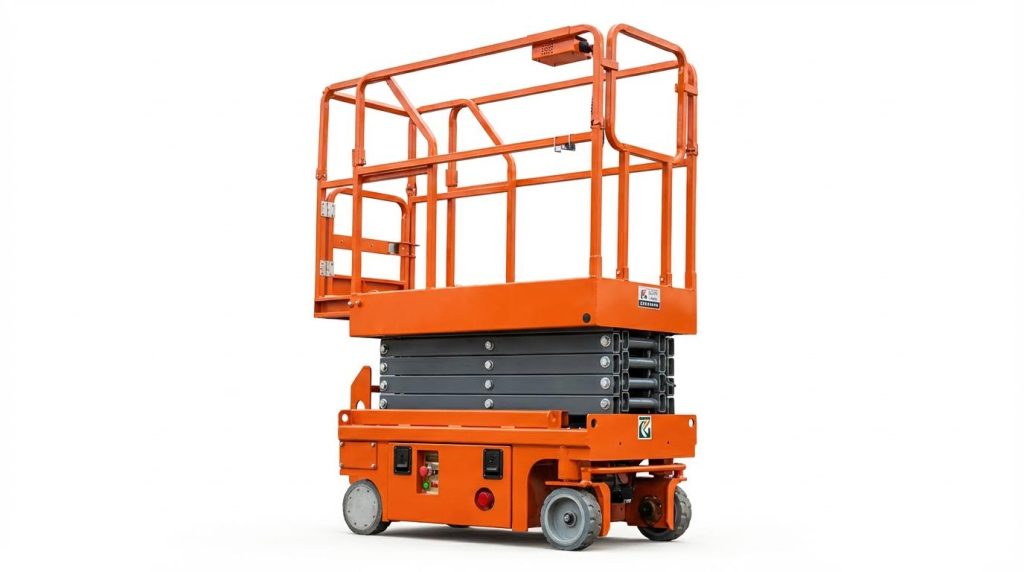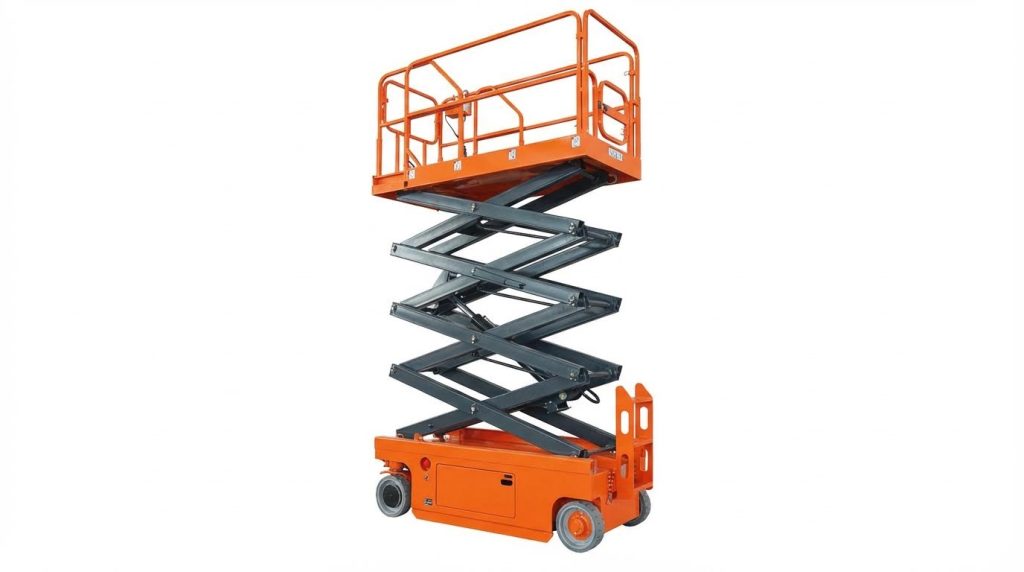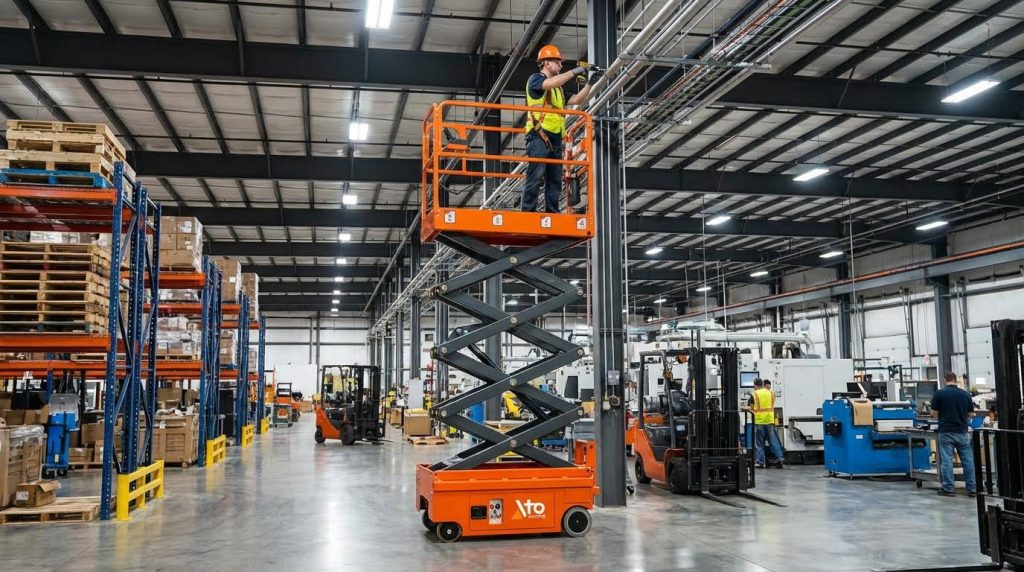
Aerial work platform recordkeeping is the structured system for creating, storing, and retaining inspection and training documents so you can prove compliance and protect workers. This guide explains how long each record type should be kept, how it ties to OSHA and industry standards, and how to build a simple retention plan that actually works in the field. If you have ever asked “how long should inspections on aerial platforms be kept,” you will find clear, time-based answers here, backed by regulatory and best-practice guidance.
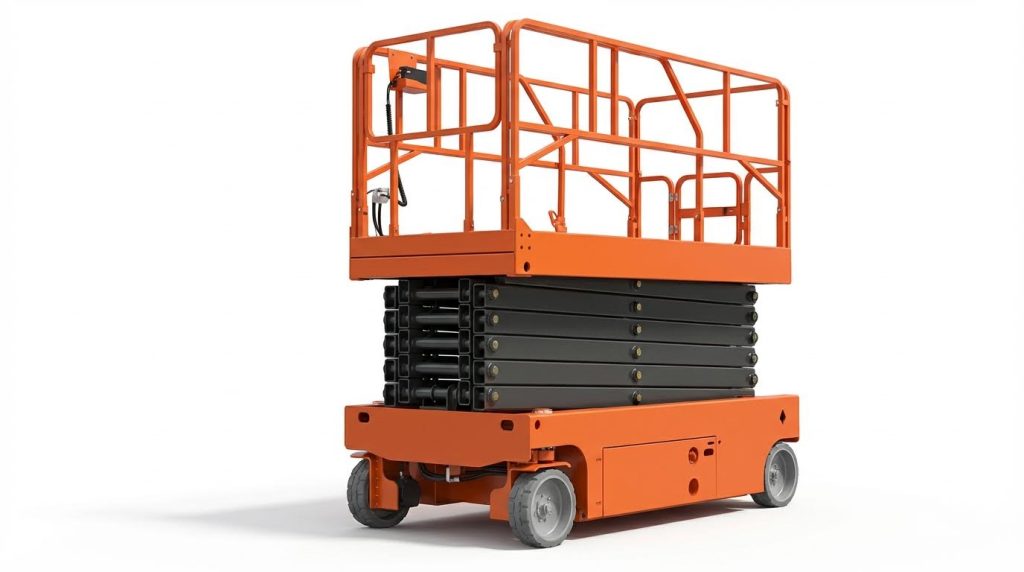
Compliance Basics For AWP Records Retention

Compliance basics for aerial platform (AWP/MEWP) records retention define which documents you must keep, which standard requires them, and for how long, so you can answer audits about how long should inspections on aerial platforms be kept and prove operator competency.
In practice, you are juggling four main frameworks: OSHA for legal minimums, ANSI/CSA for industry “state of the art,” ISO for system structure, and any local rules. Together they define what to inspect, what to train, what to record, and how long to retain it.
| Framework | What It Covers For AWP Records | Typical Documents Affected | Operational Impact |
|---|---|---|---|
| OSHA (e.g. 29 CFR 1926.1412) | Legal requirements for inspections, training, documentation, and retention for lifting equipment and MEWP-type devices | Daily/pre-use, frequent, periodic, and annual inspection reports; training and evaluation records | Sets minimum retention and content needed to avoid citations and fines for inspections and records |
| ANSI/CSA MEWP standards | Best-practice inspection intervals, annual inspection documentation, and training program expectations | Annual/thorough inspection reports, severe-service inspection reports, training syllabi, competency evaluations | Defines “state of the art” that many investigators and insurers expect, including keeping annual inspection records at least four years for thorough inspections |
| CSA / Provincial rules | Canadian equivalents to OSHA/ANSI, often adopting or referencing MEWP standards and adding local retention nuances | Training certificates, inspection logs, rescue plans, safe-work procedures | Aligns with ANSI-style expectations but can impose longer retention or extra documents, especially for training and incident-related records |
| ISO management systems (e.g. ISO 9001, 45001) | How you control, approve, and archive documents and records inside your management system | Documented procedures, controlled forms, electronic logs, version-controlled training content | Forces a structured record system so you can show what was taught or inspected at any date in the past |
The key is to design your record system once around the strictest of OSHA, ANSI/CSA, and your own policy, then apply that standard fleet-wide. This avoids confusion when auditors ask how long should inspections on scissor platform be kept for different inspection types.
💡 Field Engineer’s Note: When you mix paper books on machines with digital logs in the office, gaps appear fast. Standardize on one master system (usually digital) and treat on-machine checklists as temporary notes that must be uploaded or filed the same day.
Regulatory framework: OSHA, ANSI, CSA, ISO
The regulatory framework for AWP recordkeeping combines OSHA’s legal minimums with ANSI/CSA technical standards and ISO-style document control, and your retention rules should be built to satisfy all of them at once.
- OSHA – Legal floor: Defines required inspections, training, and documentation, including annual inspections within 13 months and documented records for those inspections – non‑compliance risks citations and fines. OSHA guidance on inspection documentation
- ANSI/CSA – Industry best practice: Clarifies inspection intervals (pre‑use, frequent, periodic, annual, severe‑service) and expects annual/thorough inspection records to be kept at least four years – sets the benchmark used by insurers and investigators. Best-practice retention for annual inspections
- CSA / Local OHS law: Mirrors ANSI concepts but may add explicit retention for training and rescue plans – important for Canadian and provincial compliance.
- ISO 9001 / 45001 – System backbone: Requires controlled procedures, versioned forms, and defined retention times – gives you a defensible, repeatable record system instead of ad‑hoc filing.
How this ties to “how long should inspections on aerial platforms be kept”
OSHA sets the inspection and documentation duty. ANSI/CSA and best-practice sources then specify that daily/pre-use records are kept until replaced, periodic/frequent inspections for around 1–2 years, and annual/thorough inspections for at least four years. Summary of retention by inspection type
Types of records: inspections, training, repairs
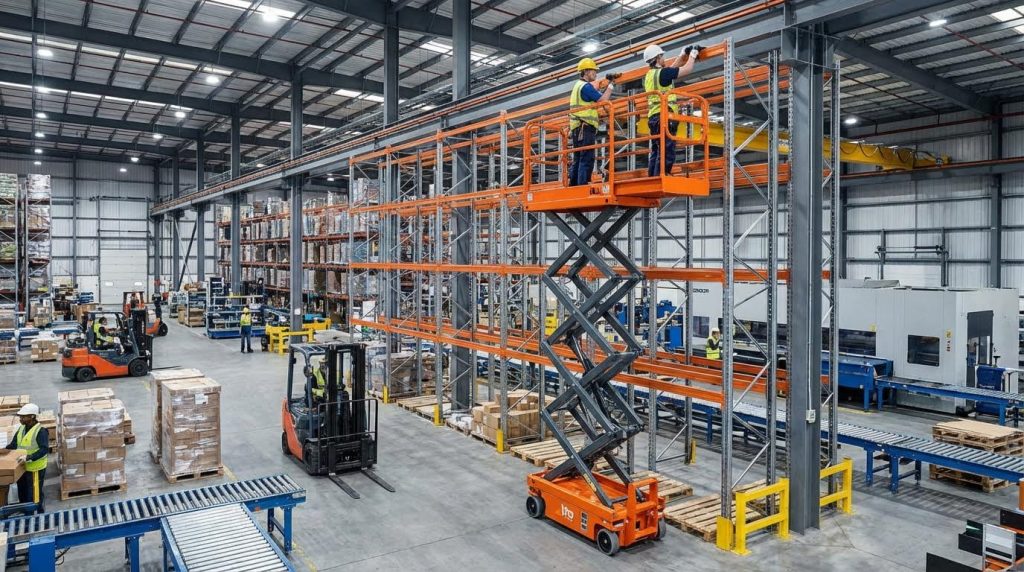
For a compliant AWP record system, you must control three main record families: inspection records, training/competency records, and repair/adjustment records, each with different content and retention expectations.
| Record Type | Core Content Required | Typical Retention Window | Operational Impact / Best For… |
|---|---|---|---|
| Pre-use / daily inspections | Date, unit ID, checklist items, defects, operator name and signature including controls, safety devices, leaks, structure | Kept until replaced by the next record; often current month or until next periodic inspection (30–90 days) per pre-start guidance | Shows the lift was checked before use on the day of an incident; supports frontline safety culture |
| Frequent / periodic inspections | Full report with items checked, defects, corrective actions, date, inspector ID/signature, unit ID for 6–12 month periodic exams | Commonly 1–2 years or at least one full cycle beyond the next periodic inspection; many fleets keep 2–4 years for trending | Best for proving mid‑term integrity and spotting recurring defects over multiple inspection cycles |
| Annual / thorough inspections | Detailed checklist, structural review, functional tests, repairs, sign‑off by qualified person or third party performed within 13 months | At least four years, aligning with ANSI and multiple best-practice sources for annual documentation | Critical evidence in major incidents or litigation; shows long‑term structural and functional integrity |
| Severe-service / post-repair inspections | Assessment after overloading, impact, corrosion, or major repair; structural checks, functional tests, sign‑off by qualified person for severe service and repairs | Best practice is to align with annual inspection retention (≈4 years), especially where structural damage was possible | Shows you restored the lift to safe condition after abnormal stress or critical repairs |
| Operator / occupant / supervisor training | Name, equipment type/subject, provider, completion date, trainer/employer signature; plus evaluations and test results for training documentation | Validity typically 1–3 years before refresher; best practice is to retain records for entire employment plus several years | Proves only trained, evaluated people operated the platform at the time of any incident |
| Training program content | Syllabi, modules, evaluation templates, who delivered and assessed training for program documentation | No fixed expiry; recommended to keep latest versions plus historical versions for several years | Allows you to show exactly what was taught at any point in time if training content is challenged |
| Repair and adjustment records | Nature of repair/adjustment, replaced parts, standards or manufacturer criteria used, post‑repair inspection and functional tests, qualified person sign‑off for repair inspection requirements | Often kept for the life of the unit plus a few years, or at least aligned with annual inspection retention | Provides a maintenance history that supports resale value and defends your decisions after a mechanical failure |
- Link inspections to units: Use a unique ID on every platform and on every record – prevents mix‑ups between similar models.
- Link operators to training: Tie operator IDs on checklists back to training records – proves trained people did the inspections.
- Link repairs to inspections: Always follow major repairs with a documented inspection and functional test – closes the loop on risk.
💡 Field Engineer’s Note: When you decide how long to keep each record type, set your internal retention slightly longer than the strict minimums. That way, if an incident is reported late or a claim surfaces years after, you still have the trail of inspections, training, and repairs to defend your operation.
How Long To Keep Aerial Platform Inspection Records
The direct answer to how long should inspections on aerial platforms be kept is: short-term for daily checks, 1–2 years for frequent/periodic inspections, and at least four years for annual and major inspections, unless stricter local rules apply. This section breaks that down by inspection type so you can prove compliance during any audit.
| Inspection Type | Typical Interval | Minimum Retention Time | Key Content Required | Operational Impact |
|---|---|---|---|---|
| Pre-use / Daily | Each shift / day | Until next documented periodic inspection or replaced by newer daily records (often current month or quarter) | Date, equipment ID, items checked, defects, operator name and signature Daily checklist content | Shows the unit was safe each day and supports incident investigations within the recent operating window. |
| Frequent (weekly–monthly) | Weekly to monthly, depending on use and environment | Commonly 1–2 years or until superseded by several subsequent inspections Frequent inspections retention | Date, inspector ID/signature, equipment ID, items checked, defects, corrective actions | Provides a medium-term safety history and proof of ongoing control of wear and damage. |
| Periodic (e.g., 6–12 months) | Every 6 months when lifting people, 12 months for goods only Periodic inspection frequency | At least one full cycle beyond the next periodic exam; many fleets keep 2–4 years for trend analysis | Full inspection report, defects, corrective actions, date, inspector signature, equipment identification | Supports audits, insurance reviews, and long-term reliability tracking. |
| Annual / Thorough | Every 12 months (within 13 months of last inspection) | At least four years Annual inspection documentation | Detailed checklist, structural review, functional tests, repairs, sign-off by qualified person or third party | Core legal defence documents after serious incidents or regulatory investigations. |
| Severe Service / Post-incident | After overloads, impacts, corrosive exposure, or unusual events | Best practice: treat same as annual inspections and retain for at least four years | Assessment of structural damage, components inspected, defects, and corrective actions Severe service protocol | Shows you properly assessed and repaired the unit after abnormal stress. |
| Post-repair / Post-adjustment | After repairs or adjustments affecting safe operation | Retain with related annual/periodic records; at least four years is common practice | Verification against manufacturer criteria or engineering standard, functional tests, inspector sign-off Repair inspection records | Proves repaired equipment was safe before being put back in service. |
💡 Field Engineer’s Note: When you digitize inspection records, index them by unit ID, date, and inspection type. This lets you instantly prove that inspections never exceeded the 13‑month annual limit and that severe-service events triggered extra checks.
Pre-use and daily inspection checklists
Pre-use and daily aerial platform inspection checklists should be kept at least until the next documented periodic inspection, with many employers retaining them for the current month or quarter to show continuous control. The key is to prove that every shift started with a safe machine.
- Scope: Lift, drive, and emergency controls; horn, parking brake, interlocks; indicators and charger; limit switches and safety devices; leaks, damage, loose pins, and structure – confirms basic safety functions before elevation. Daily inspection checklist content
- Record fields: Date, equipment ID, items checked, defects found, operator name and signature – creates traceability if a defect later links to an incident. Required checklist data
- Retention window: Until the next periodic inspection, typically 30–90 days, or until replaced by the next daily record – keeps the most relevant history while limiting paper buildup. Pre-start inspection retention
- Policy practice: Many fleets standardize on “current month plus last month” for daily sheets – simple rule that still answers how long should inspections on aerial platforms be kept for routine checks.
How to structure daily inspection forms
Use one form per unit per day. Pre-print the equipment ID and location to avoid confusion. Include simple pass/fail checkboxes, a free-text defect field, and a mandatory operator signature line. This format speeds completion while keeping the document audit-ready.
Frequent, monthly, and periodic inspections
Frequent, monthly, and periodic scissor platform inspections should be retained for at least 1–2 years, and often one full cycle beyond the next periodic exam, to demonstrate medium-term control of wear, damage, and environmental effects. These records bridge the gap between daily checks and full annual inspections.
- Frequent inspections: Weekly to quarterly depending on use and environment – catches issues that emerge between daily walk-arounds and annuals. Frequent inspections guidance
- Monthly inspections: Required when units are in service, using similar criteria to daily checks but more detailed – adds a documented “deep dive” every 30 days. Monthly inspection requirements
- Periodic inspections: Every 6 months for lifting people and every 12 months for goods-only use – formal examinations that often align with internal safety audits. Periodic inspection frequency
- Retention target: 1–2 years minimum, with many sites keeping 2–4 years for trend analysis – lets you show defect rates and prove that repeat issues were addressed. Periodic records retention
- Content: Items checked, findings, defects, corrective actions, date, inspector name and signature, equipment ID – meets audit expectations and supports engineering reviews.
💡 Field Engineer’s Note: For fleets working on corrosive or outdoor sites, I recommend a 4‑year retention on all monthly and periodic inspections. Corrosion and fatigue crack patterns often need 2–3 years of history to understand and defend your decisions.
Annual, severe service, and post-repair inspections
Annual, severe service, and post-repair scissor platform lift inspections should be documented in detail and retained for at least four years, because these are the records regulators and investigators look at first after a serious incident. Treat them as long-term legal and engineering evidence, not routine paperwork.
- Annual inspections: Must be performed within 13 months of the last inspection and documented with checklists, structural reviews, and functional tests – proves the unit met its design intent at least once every year. Annual inspection requirements
- Annual retention: At least four years, aligning with ANSI and industry best practice – provides a multi-year safety trail for the same unit. Annual documentation retention
- Severe service inspections: Triggered by overloads, impacts, or corrosive exposure; a qualified person inspects for structural damage and decides if deeper checks are needed – documents your response to abnormal risk. Severe service protocol
- Post-repair inspections: Required after repairs or adjustments that could affect safe operation, verifying compliance with manufacturer criteria or engineering standards – closes the loop between defect, repair, and safe return to service. Repair and adjustment documentation
- Retention for severe/post-repair: Keep with the associated annual and periodic records for at least four years – ensures anyone reviewing the file sees the full defect–repair–reinspection chain.
- Sign-off requirements: Qualified technician or third-party inspector must sign and date – confirms competency and reduces challenges from regulators or insurers.
Practical filing rule for long-term inspections
Create a digital “lifetime file” for each aerial platform, containing all annual, severe service, and post-repair inspections plus major modification records. Even if your minimum legal retention is four years, this approach means critical history stays with the unit until disposal, which is invaluable after structural failures or tip-over events.
Training And Competency Documentation For MEWP Operators
Training and competency documentation for MEWP operators must prove that every operator, occupant, and supervisor was properly trained, evaluated, and refreshed on time, and that these records were retained long enough to demonstrate compliance during audits or incident investigations.
Operator, occupant, and supervisor training records
Operator, occupant, and supervisor training records must clearly show who was trained, on what MEWP type, by whom, when, and how their competency was verified.
Across OSHA- and ANSI-aligned programs, operator training records must capture at least the employee’s name, training subject or equipment type, training provider, date of completion, and trainer or employer signature for aerial work platforms. The same basic data structure works for occupants and supervisors, even where not explicitly mandated, because it proves that each role understood its responsibilities.
| Role | Minimum Record Contents | Typical Validity / Refresher Cycle | Retention Best Practice | Operational Impact |
|---|---|---|---|---|
| Operator | Name, MEWP type, training provider, completion date, trainer/employer signature | 1–3 years before refresher needed depending on program | Keep for entire employment plus several years | Proves each named operator was competent on that MEWP when an incident is reviewed. |
| Occupant | Name, date, basic emergency control training, trainer name/signature | Aligned with operator refresher or when procedures change | Keep at least for duration of assignment to MEWP work | Shows basket occupants could lower the platform safely if the operator is incapacitated. |
| Supervisor | Name, topics (selection, regulations, hazard control), provider, date, signature | Every 3 years or when standards/equipment change | Keep for full supervisory tenure plus several years | Demonstrates that people authorizing work at height understood their legal duties. |
Several sources recommend retaining operator training records for the full duration of employment, since some state-level rules explicitly require that approach for aerial work platforms. This retention strategy also aligns with how long incident claims and civil litigation can arise after a fall or tip-over.
- Operator records: Include the exact MEWP category and model family – proves competency on that configuration, not just “lifts in general.”
- Occupant records: Note that training is for emergency-only use of controls – avoids confusion that they are authorized operators.
- Supervisor records: Document hazard assessment and selection training – supports your choice of platform height, outreach, and load rating.
How this links to “how long should inspections on aerial platforms be kept”
Inspection records and training records are reviewed together after incidents. If you can show that inspections were retained for the correct period and that the operator’s training record was still valid on the incident date, you close two major liability gaps at once.
💡 Field Engineer’s Note: When investigating near-misses, I often saw valid inspection checklists but no matching operator training file for that date. Align your training record retention with your longest inspection record (often four years for annuals) so every inspection entry has a traceable, trained operator behind it.
Training content, evaluations, and refresher cycles
Training content, evaluation records, and refresher cycles must be documented well enough that you can prove not just that people attended, but that they were actually assessed as competent on the MEWP tasks you assigned.
MEWP training programs must include formal instruction, practical training, and evaluations by knowledgeable personnel, and employers should document the modules, evaluation methods, and test results for aerial work platforms. Documentation of training program content and practical evaluations should be retained, with guidance suggesting that the latest syllabi and evaluation templates plus historical versions be kept for several years to show exactly what was taught at any point in time for aerial lift training.
| Document Type | What To Capture | Suggested Retention | Operational Impact |
|---|---|---|---|
| Training syllabus / modules | Topics, duration, learning objectives, MEWP types covered, standards referenced | Keep current version plus several historical versions | Shows that content matched the regulations in force on the training date. |
| Written tests / quizzes | Employee name, date, score, assessor, version of test | At least as long as operator training records | Proves the operator understood rules, signage, and load charts. |
| Practical evaluations | Checklist of maneuvers, pass/fail, restrictions, evaluator name and signature | At least as long as operator training records | Links real-world driving and platform control skills to the authorization card. |
| Rescue plan training | Rescue scenarios, roles (operator, occupant, ground), date, trainer | Retain while the rescue plan version is in force | Documents that everyone knew how to lower a stuck platform and protect a fallen worker. |
Employees authorized to operate aerial platform must receive training before operating and at least every three years thereafter, with some schemes using shorter 1–3 year cycles and specific triggers for earlier retraining such as unsafe operation or equipment changes. Annual training refreshers that review inspection and maintenance records, responsibilities, and new equipment information are also recommended in many safety programs for aerial lifts.
- Refresher triggers: New MEWP type, near-miss, accident, or observed unsafe behavior – reset the clock and document the reason on the record.
- Content updates: When standards or site rules change, update the syllabus and keep the old one – lets you prove what rules applied on a past date.
- Link to inspections: Cross-reference training dates with your inspection logs – shows that trained people were doing the documented checks.
Connecting training retention to “how long should inspections on aerial platforms be kept”
Annual and thorough inspection records are typically retained for at least four years for aerial platforms. If your operator training records and evaluation files are kept for a shorter period, you may be able to show that the MEWP was inspected, but not that the person signing those inspections was still properly trained and evaluated at that time.
💡 Field Engineer’s Note: In multi-site fleets, I recommend setting your training record retention equal to your longest inspection retention period plus one full refresher cycle. If you keep annual inspection reports for four years, keep operator and evaluation records for at least seven; that way every inspection line item is backed by a demonstrably competent operator throughout the record’s life.

Final Thoughts On Building A Compliant AWP Record System
A strong AWP record system does more than satisfy OSHA or ANSI rules. It proves that every platform was safe to use and that trained people made sound decisions over time. When you set clear retention times for inspections, training, and repairs, you create a continuous safety story for each unit.
Daily and periodic inspections show short- and medium-term control of risk. Annual, severe-service, and post‑repair inspections create the long-term engineering and legal backbone. Training records then link each checklist and repair decision to a competent person. Together, these records close gaps that investigators and insurers look for after an incident.
The best approach is simple and strict. Choose retention periods that meet or exceed the toughest OSHA, ANSI/CSA, local, and internal rules. Standardize formats and fields. Use unique unit IDs and align training retention with your longest inspection records. Then implement a digital “lifetime file” for each platform, and treat paper as temporary.
Operations and engineering teams that follow this method do not scramble during audits. They can show exactly what was inspected, who was trained, what was repaired, and when. That discipline protects workers first, and also protects the business, whether you run one lift or a full Atomoving fleet.
Frequently Asked Questions
How long should inspection records for aerial platforms be retained?
Inspection records for aerial platforms should generally be kept for at least 12 months following the date of inspection. This ensures compliance with regulatory standards and allows for proper tracking of equipment maintenance history. For specific guidelines, always refer to local regulations or industry best practices.
What is the frequency of inspections for aerial platforms?
The frequency of inspections for aerial platforms depends on their usage and regulatory requirements. Typically, thorough inspections are conducted annually, while more frequent checks may be required based on operational intensity or manufacturer recommendations. Inspection Frequency Guidelines can provide additional insights into setting up an appropriate schedule.
Are annual inspections mandatory for aerial lifts?
Yes, annual inspections are often mandatory for aerial lifts to ensure safety and compliance with standards such as OSHA. These inspections help identify potential issues before they lead to accidents or equipment failure. Always consult the latest OSHA Safety Standards for detailed requirements.