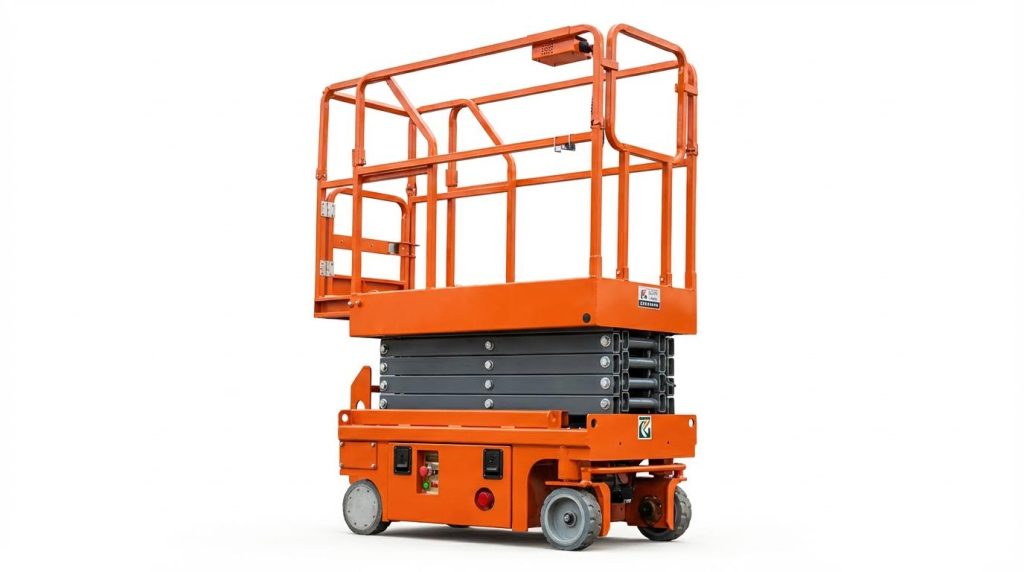
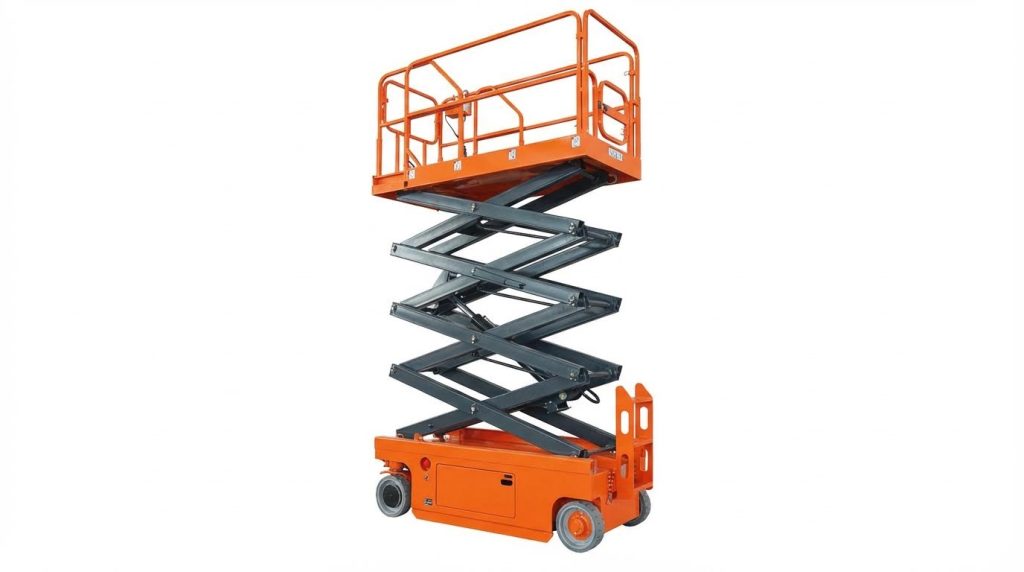
Aerial work platform training typically expires on a three‑year maximum cycle, but real expiry depends on competency, incidents, and equipment changes. This guide explains when an aerial work platform training expires, what triggers early refreshers, and how to structure renewal programs that satisfy OSHA, ANSI A92, and internal safety expectations while keeping operators genuinely competent and audit‑ready.
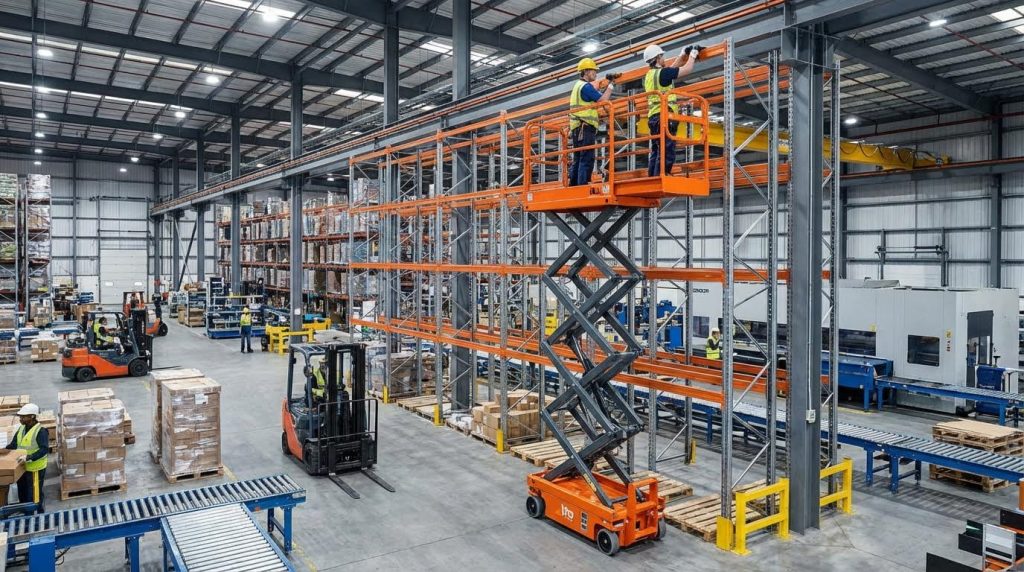
Regulatory Rules For AWP Training Expiry

Regulatory rules answer the key question “when does an aerial work platform training expire” by combining OSHA’s ongoing-competency requirement with ANSI A92’s three-year maximum and earlier retraining triggers after incidents or major changes. Employers then layer their own renewal cycles on top.
From a risk and engineering standpoint, you should treat the three-year cycle as a hard upper limit, not a target. High-risk operations, complex sites, or fast-changing fleets usually justify shorter internal expiry periods.
OSHA versus ANSI A92 retraining cycles
OSHA focuses on continuous operator competency, while ANSI A92 defines a three-year maximum interval and clear early-retraining triggers that many safety managers now treat as the practical expiry rules for aerial platform training.
OSHA standards require employers to train and evaluate aerial lift operators, but they do not set a fixed expiry date for training. Instead, OSHA expects operators to remain competent at all times and to be retrained whenever performance, incidents, or job conditions show that skills have degraded. ANSI A92 fills that gap by requiring retraining at least every three years and sooner when specific triggers occur, such as unsafe operation, accidents, or significant changes in equipment or site conditions.
| Requirement Set | Formal Expiry Interval | Early-Retraining Triggers | Operational Impact |
|---|---|---|---|
| OSHA (29 CFR 1910.67 / 1926.453) | No fixed expiry date; “maintain competency” expectation | Incidents, unsafe behavior, new hazards or equipment, poor evaluation results | For compliance, you must prove you retrain whenever competency drops, not just by a calendar date. |
| ANSI A92 MEWP standards | Maximum of 3 years between full retraining cycles | Accidents, near misses, unsafe operation, new machine types, long periods without use | Defines a clear answer to “when does an aerial work platform training expire” for most employers. |
| Typical Employer Policy (industry practice) | 3 years or shorter (often 1 year in high-risk work) | Same as OSHA/ANSI, plus client or project-specific demands | Internal rules often go beyond ANSI to reduce incidents and strengthen audit defensibility. |
Several industry sources confirm that operator certifications are typically valid for up to three years and that retraining is required at or before that interval to reflect updated safety standards and technology changes. One guidance document notes that retraining is required every three years and sooner when unsafe operation, accidents, near misses, or long gaps in equipment use occur. Another source explains that certificates and digital records are normally issued with validity “up to three years,” but this is contingent on incident-free operation and continued competency. This discussion reinforces that three years is a maximum validity period, not a guaranteed entitlement.
- OSHA focus: Ongoing competency – You must retrain whenever operators show gaps, regardless of the date on the card.
- ANSI A92 focus: Time-bound cycle – Sets a three-year cap so training cannot quietly age out beyond that point.
- Employer duty: Blend both – Use the three-year limit, but act faster when incidents or behavior demand it.
How this applies to mixed fleets and multiple sites
If you run mixed fleets (scissor platform, boom lifts, vertical masts) across several sites, you should align your internal expiry date with the strictest standard in use. For example, if one client or project mandates a two-year renewal, standardize on two years across the board so operators are never “out of date” when they move between sites.
💡 Field Engineer’s Note: In practice, OSHA inspectors look less at the date printed on the card and more at whether the operator’s recent behavior, incident history, and familiarization with the specific machine match your written program. If your policy says “three-year expiry” but you ignore clear warning signs in year one or two, the calendar will not protect you during an investigation.
Three-year maximum and common annual practices
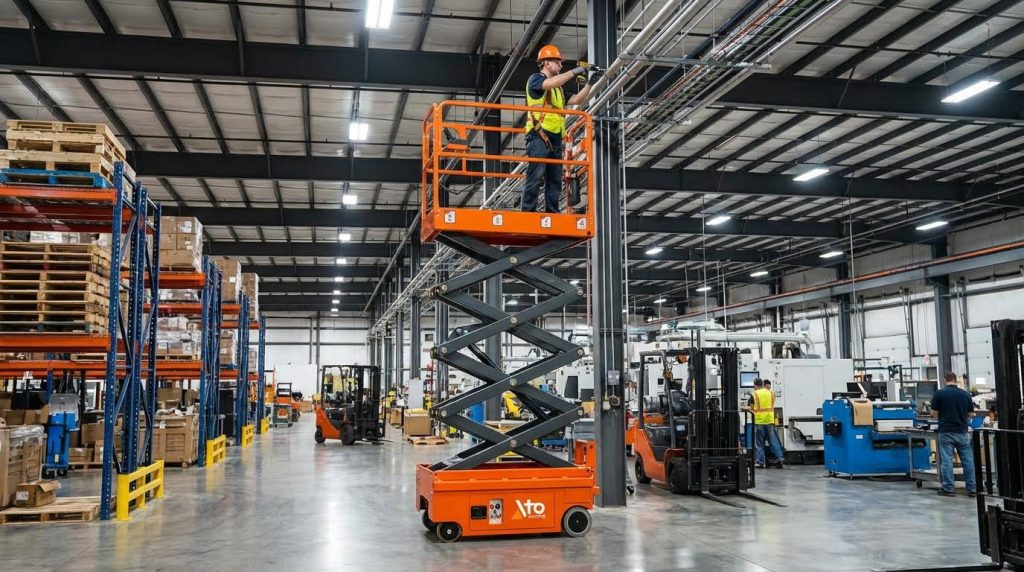
The three-year maximum from ANSI A92 is the dominant benchmark for when aerial work platform training expires, but many high-risk operations voluntarily adopt annual renewal cycles to tighten control of operator competency and documentation.
Multiple sources describe a three-year validity period as the industry standard for aerial work platform and MEWP operator certification, aligning with ANSI A92 guidance. One training overview states that participants receive certification and must retrain every three years to keep up with evolving safety standards and equipment technology. Another reference notes that digital certificates and evaluation forms are typically issued with a validity of up to three years, provided there are no incidents or major changes in equipment or job conditions. This same source explains that employers must trigger earlier retraining if operators show unsafe behavior, are involved in accidents or near misses, are assigned to new machine types, or face significantly changed site conditions.
| Renewal Practice | Typical Interval | Where It’s Used | Operational Impact |
|---|---|---|---|
| ANSI-aligned maximum | Every 3 years | General industry, low to moderate-risk facilities | Minimizes training load but requires strong monitoring for incidents and behavior between cycles. |
| Enhanced annual renewal | Every 12 months | Steel erection, utilities, petrochemical, confined or congested sites | Higher admin workload, but faster integration of new rules and stronger defense in audits and incident reviews. |
| Hybrid model | 3-year full + annual micro-refresh | Larger fleets with digital training systems | Short yearly modules keep awareness high while full recertification stays on a three-year rhythm. |
In some jurisdictions, technical inspection rules also interact with training cycles. For example, one regulatory framework requires periodic technical inspections at least every two years after commissioning and annually thereafter for aerial devices. The same guidance ties refresher training to pre-use and post-use inspection competence, emphasizing that operators must be trained to check guardrails, controls, emergency lowering systems, and hydraulic or electric systems as part of the renewal process. Many employers therefore schedule training expiry to coincide with these engineering inspections, so that operators and maintenance teams reset their knowledge at the same time.
- Three-year maximum: Treat as the outer boundary – Never let an operator go beyond three years without full retraining and evaluation.
- Annual cycles: Common in high-risk work – Better for sites with complex traffic, overhead hazards, or frequent configuration changes.
- Aligned with inspections: Smart scheduling – Pair training expiry with statutory equipment inspections to catch both human and mechanical issues.
How to choose between 1-year and 3-year cycles
Start by mapping your incident rate, near-miss reports, and the complexity of your work. If operators regularly work at heights above 10 m, near live conductors, or in congested steelwork, an annual or hybrid renewal model is usually justified. If your work is repetitive, indoors, and well-controlled, a three-year cycle with strong trigger-based refreshers may be sufficient.
💡 Field Engineer’s Note: Where I have seen the biggest gap is in fast-growing sites that kept a three-year expiry on paper while doubling their fleet and changing layouts every few months. The lifts evolved faster than the training. Moving to annual or hybrid refreshers immediately reduced near misses because operators finally saw the new traffic routes, exclusion zones, and wind policies formalized in training instead of learning them ad hoc on the floor.
Triggers And Content For Refresher Training
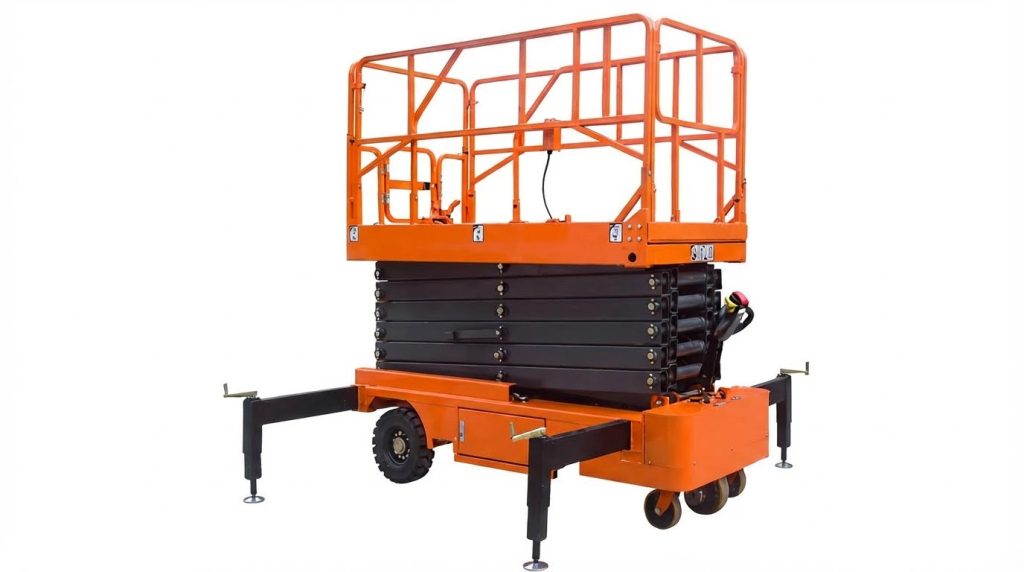
Refresher training for aerial work platforms is triggered by expiry of the typical three‑year cycle or sooner after incidents, unsafe behavior, long inactivity, or major equipment and site changes. Smart programs then target high‑risk topics like load, stability, and fall protection.
Incident, behavior, and technology change triggers
Refresher training is required whenever risk spikes: after accidents, near misses, unsafe operation, long inactivity, or new machine types and site conditions.
- Accidents and near misses: Any fall, collision, tip‑risk, or electrical contact event – Shows a gap between current behavior and safe practice.
- Observed unsafe behavior: Bypassing interlocks, overreaching, riding the guardrails, or ignoring alarms – Signals loss of competency before the paper “expiry date.”
- Extended non‑use: Operators who have not used a MEWP for months – Skills and “feel” for platform movement and braking fade.
- New machine type or control layout: Moving from scissor to boom, or to a different control philosophy – Reduces the risk of control confusion and unintended movement.
- Major site or process change: New traffic flows, different ground conditions, or indoor‑to‑outdoor work – Resets operators’ mental map of hazards.
- Technology upgrades: New load‑sensing, envelope control, or proximity sensors – Ensures operators interpret alarms and limits correctly.
When does an aerial work platform training expire in practice?
Most aerial work platform certifications are valid for up to three years, but this is a maximum window, not a guaranteed term. Training effectively “expires” earlier if any of the above triggers occur, because OSHA expects operators to remain competent at all times, and ANSI A92 calls for retraining after incidents, unsafe operation, long inactivity, or significant changes in equipment or site conditions.
💡 Field Engineer’s Note: Treat any serious near miss as if the card expired that day. A focused 1–2 hour refresher tied to the actual event does more to change behavior than waiting for the scheduled three‑year renewal.
Core renewal topics: load, stability, and fall protection
Refresher content must go beyond a rules recap and directly attack the main physics risks: overloading, instability, and falls from height.
- Rated load and platform capacity: Reading nameplates in kg and understanding total load (people, tools, materials) – Prevents overload that can trigger tilt or structural damage.
- Center of gravity and outreach: How boom extension, deck extension, and side loading move the combined center of gravity – Reduces tip‑over risk when working at maximum height or outreach.
- Ground conditions and gradients: Identifying soft spots, trenches, ramps, and slopes – Avoids sudden sink‑in or loss of stability on >2–3% grades.
- Wind and weather limits: Differentiating indoor‑only from outdoor‑rated units and reading wind ratings – Prevents operating a light‑duty scissor platform in external wind where it was never designed to be stable.
- Fall protection systems: Harness types, correct lanyard length, and approved anchor points on the platform – Stops “clipped to the guardrail” and other common misuses.
- Guardrail integrity and gates: Checking rails, toeboards, and self‑closing gates – Maintains the primary barrier preventing falls from the platform.
- Entrapment and overhead hazards: Planning travel paths and work positions relative to ceilings, beams, and pipes – Reduces crush and entanglement incidents.
- Pre‑use inspection routine: Daily checks of controls, emergency lowering, tires, and structure – Catches defects before they become incidents.
- Emergency response and rescue: How ground staff use emergency lowering and who leads rescue – Limits time at height if an operator is incapacitated.
How deep should refresher topics go?
For low‑risk, repetitive tasks, a short, targeted refresher may focus on 3–4 recent problem areas (for example, overload alarms and missed pre‑use checks). In higher‑risk work at 20–40 m, or where there is exposure to power lines or congested steelwork, the refresher should closely resemble an initial course, including full theory on stability, electrical approach distances, and a complete practical test.
💡 Field Engineer’s Note: Use your own incident and near‑miss data to choose topics. If 70% of your reports involve platform impacts with racking at 6–8 m, spend less time on generic theory and more time on slow‑speed maneuvering and spotting in tight aisles.
Hands‑on, online, and VR evaluation methods
Effective refresher training blends short theory modules with practical demonstrations and, where available, VR or simulator scenarios that are too dangerous to stage live.
- Classroom or live online theory: Short, focused sessions on regulations, site rules, and recent incidents – Aligns everyone on “how we do it here” without pulling machines off the floor for long.
- Self‑paced e‑learning: Modules with quizzes and scenario questions – Lets experienced operators move quickly while flagging those who struggle for extra coaching.
- Hands‑on practical evaluation: On the actual MEWP types used on site – Confirms the operator can translate theory into safe control inputs and positioning.
- Scenario‑based tasks: Simulated work such as picking at 8–10 m in a narrow aisle or working around pipework – Tests hazard scanning, signaling, and communication, not just joystick skills.
- Virtual reality or simulator training: High‑risk situations like high‑wind alarms, sudden loss of drive, or entrapment – Builds decision‑making under stress without exposing people or equipment.
- Structured scoring and feedback: Checklists for start‑up, travel, elevation, and shutdown – Creates an auditable record and clear coaching points.
Choosing the right mix for your site
Small facilities with low working heights might rely on classroom plus a brief driving and elevation check. Multi‑site operations, or those with work above 15–20 m or near power lines, gain more from blended programs: online pre‑work, site‑specific classroom sessions, VR for rare events, and detailed hands‑on testing on each machine family (scissor platform lift, boom, vertical mast).
💡 Field Engineer’s Note: Always run the hands‑on test on the roughest realistic surface and tightest turning space your operators will see. If they only ever practice on a wide, flat yard, their “pass” does not mean much in a cramped, sloping process area.
Designing A Refresher Program For Your Facility

Designing a refresher program for your facility means turning the three‑year maximum validity into a risk‑based cycle with clear triggers, content, and records that prove you knew exactly when an aerial platform training expire and what you did about it.
A good program answers four questions: how often you renew, what content you cover, how you assess competence, and how you prove it during audits or investigations.
💡 Field Engineer’s Note: When you move from indoor to outdoor work or add rough‑terrain MEWPs, treat it like a new risk profile, not “business as usual.” I have seen more tip‑overs from wind and soft ground after such changes than from any other single factor; early refresher training around new conditions is far cheaper than repairing bent booms and dealing with injury claims.
Choosing renewal intervals by risk profile
Choosing renewal intervals by risk profile means you start from the three‑year maximum and shorten it where exposure, complexity, or incident history justify more frequent checks.
ANSI A92 and most industry guidance treat three years as the outer limit for scissor platform or MEWP operator validity, not a guarantee of safe performance. Typical certificates or digital records show a three‑year validity period from issue, with earlier retraining required after unsafe behavior, near misses, accidents, or major equipment changes. Certification validity and early retraining triggers confirm that this is a maximum term.
To design your intervals, you segment operators and tasks by risk instead of applying a single blanket date.
| Risk Profile | Typical Renewal Interval | Key Factors | Operational Impact |
|---|---|---|---|
| Low | 36 months (3 years) | Indoor scissor lifts, smooth floors, low heights (<8 m), low incident history. | Matches common “three‑year” cycle; minimal admin load while staying within ANSI guidance. |
| Medium | 24 months (2 years) | Mixed indoor/outdoor, heights 8–15 m, moderate traffic, occasional near misses. | Tighter control of skills and site rule changes; better defense if OSHA reviews why when does an aerial work platform training expire in your facility. |
| High | 12 months (1 year) | Steel erection, petrochemical, utilities, congested plants, frequent changes, complex booms. | Higher admin effort, but stronger evidence of due diligence and faster integration of new technology or rules. |
| Very High / Specialist | 6–12 months plus task‑specific refreshers | Work near live power, extreme heights (>30 m), complex outreach, heavy public exposure. | Supports client and insurer requirements; reduces likelihood of catastrophic incidents. |
On top of these planned intervals, you overlay early refresher triggers. These include unsafe operation, accidents or near misses, long gaps in equipment use, new machine types or control layouts, and major changes to site conditions. Documented retraining triggers show that employers must not wait for the calendar to roll over.
- Define tiers: Group jobs into low, medium, high, and very high risk – Aligns renewal frequency with real exposure, not HR convenience.
- Set default intervals: Start with 36, 24, or 12 months per tier – Gives supervisors a clear planning rule.
- Add trigger rules: Require immediate review after incidents or unsafe behavior – Prevents “certified but dangerous” operators from staying in the field.
- Link to job changes: Mandate refresher when assigning to new MEWP types or higher heights – Accounts for different control logic and stability envelopes.
How to decide if 12 or 36 months is right for you
Map your last 24 months of incidents, near misses, and equipment damage against operator experience and lift type. If most issues cluster around specific departments, heights, or machine families, shorten the renewal there first instead of changing the whole company at once.
Recordkeeping, digital logs, and audit readiness
Recordkeeping, digital logs, and audit readiness turn your training plan into defensible evidence that you knew when an manual pallet jack training expire and renewed it in time.
OSHA expects employers to certify that operators received training, evaluation, and retraining when needed, and to retain records identifying the trainee, instructor, training date, and topics covered. Many employers keep these records for the duration of employment and show them during inspections or investigations. Guidance on required training records highlights that clear documentation should include both issue and expiry dates.
Modern programs combine physical certificates or wallet cards with digital logs that hold deeper detail and automate reminders.
| Record Type | Key Data Fields | Typical Retention | Operational Impact |
|---|---|---|---|
| Wallet card / certificate | Name, unique ID, MEWP class, issue date, expiry date. | Valid term (up to 3 years) plus employment duration copies. | Allows quick field checks by supervisors and clients. |
| Digital training log | All card data plus instructor, training provider, modules, assessment results. | Employment duration; sometimes longer for high‑risk work. | Supports root‑cause investigations and trend analysis. |
| Evaluation forms | Practical test checklist, machine type, pass/fail, corrective coaching notes. | At least through the next renewal cycle. | Shows that operators were assessed on real or representative equipment. |
| Alert / reminder system | Upcoming expiry dates (60–90 days), trigger‑based retraining flags. | Rolling, as long as the system is active. | Prevents accidental lapses and supports scheduling. |
Digital systems often attach certificates and evaluation forms to HR or safety management records, with validity up to three years when operation remains incident‑free. Digital training and recordkeeping practices show how online modules and electronic forms streamline both renewals and audits.
- Standardize formats: Use one template for all certificates and cards – Makes cross‑site verification fast and reduces confusion.
- Centralize data: Store logs in a single digital system, not scattered spreadsheets – Improves control and backup.
- Automate alerts: Configure reminders 60–90 days before expiry – Gives time to schedule refreshers without disrupting production.
- Map to operators: Maintain a matrix linking each operator, lift class, last training date, and expiry – Provides an instant snapshot for OSHA or client audits.
- Link to incidents: Tag incident reports to operator IDs and training dates – Helps you justify shortening intervals where risk is proven.
Making your records truly audit‑ready
During OSHA or third‑party audits, inspectors often ask for a list of operators and proof that training was current at the time of an incident or random inspection. A simple export from your digital log, showing that no one operated beyond the three‑year maximum and that early retraining followed any unsafe operation, goes a long way toward demonstrating due diligence.

Final Thoughts On Managing Training Expiry
Aerial work platform training expiry is not just a date problem. It is a risk and engineering problem that you manage with time limits, triggers, and proof. OSHA demands continuous competency, while ANSI A92 sets a three‑year cap. Your job is to use that cap as an outer boundary and then tighten intervals wherever exposure, height, or incident history raise the stakes.
Well‑designed refresher programs link training directly to the physics of the job. Load, stability, and fall protection sit at the center, supported by strong pre‑use inspections, emergency procedures, and realistic hands‑on tests. When you align these topics with your actual fleet and site layouts, operators understand not just the rules but why those rules keep platforms upright and people inside the guardrails.
Digital recordkeeping then closes the loop. Clear expiry dates, trigger‑based retraining, and auditable logs show that you knew when training would expire and acted before risk rose. The best practice is simple: treat three years as the maximum, use shorter cycles where conditions justify it, refresh early after any warning sign, and document every decision. That approach protects people, keeps you compliant, and supports reliable, long‑term use of Atomoving aerial work platforms.
Frequently Asked Questions
When does aerial work platform training expire?
Aerial work platform training typically needs to be renewed every three years, according to ANSI recommendations. Aerial Lift Training Renewal. However, recertification may be required sooner if the operator demonstrates unsafe practices or if there are changes to equipment or worksites.
Does OSHA require training for aerial lifts?
Yes, OSHA requires training for all workers who operate or work with aerial lifts under regulation 1926.454. OSHA Aerial Lift Training. This ensures that employees are knowledgeable about safe operation practices and potential hazards.
What factors influence the expiration of aerial lift certifications?
Several factors can influence when an aerial lift certification expires:
- ANSI recommends renewal every three years.
- Unsafe operating practices may necessitate earlier recertification.
- Changes in equipment or worksite conditions can also require updates to training.