
Atomoving
High Lift
High Lift Pallet Truck
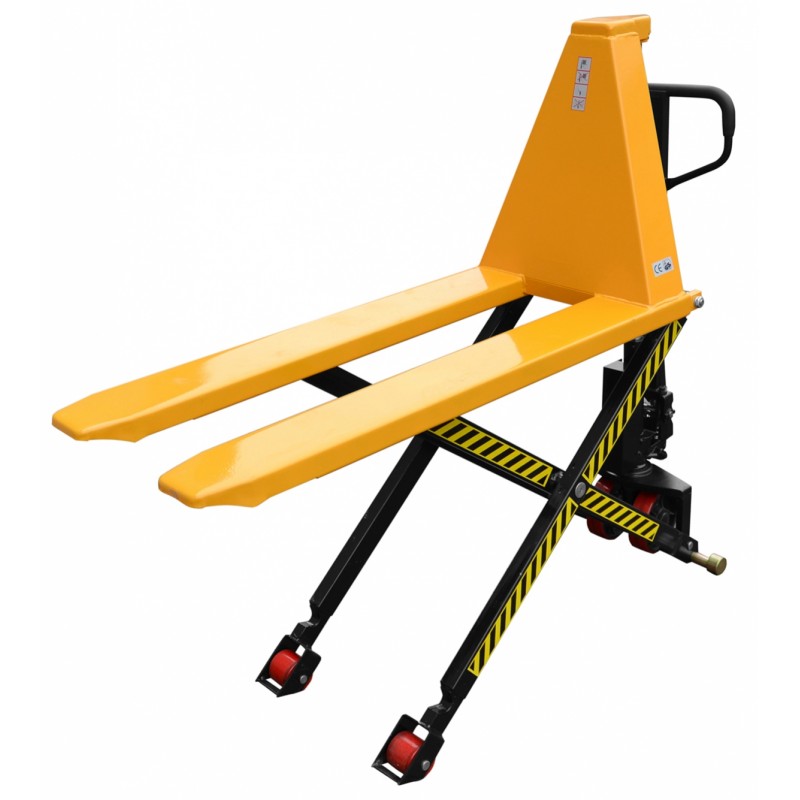
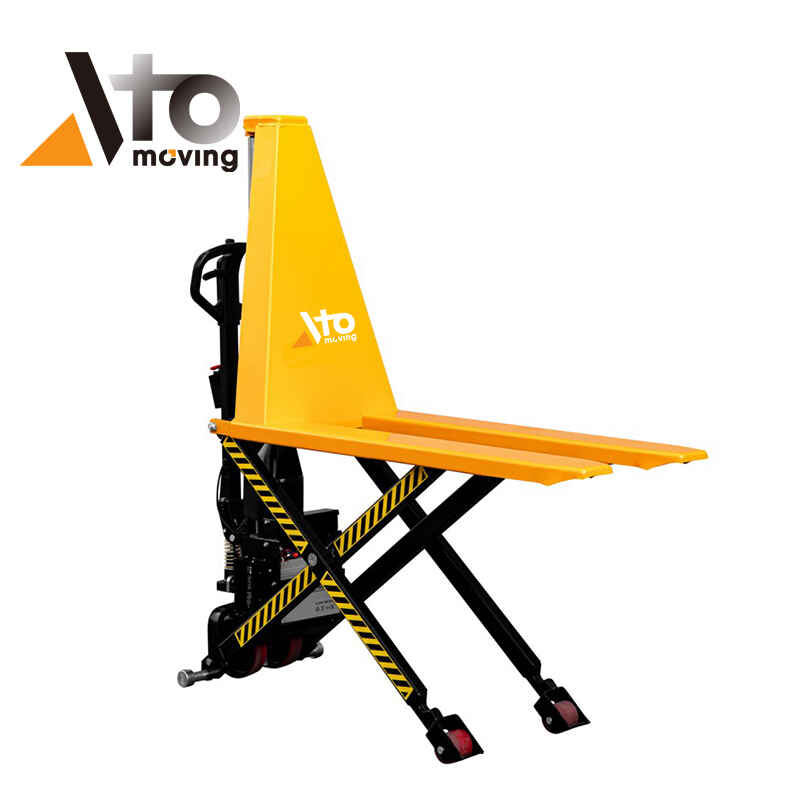
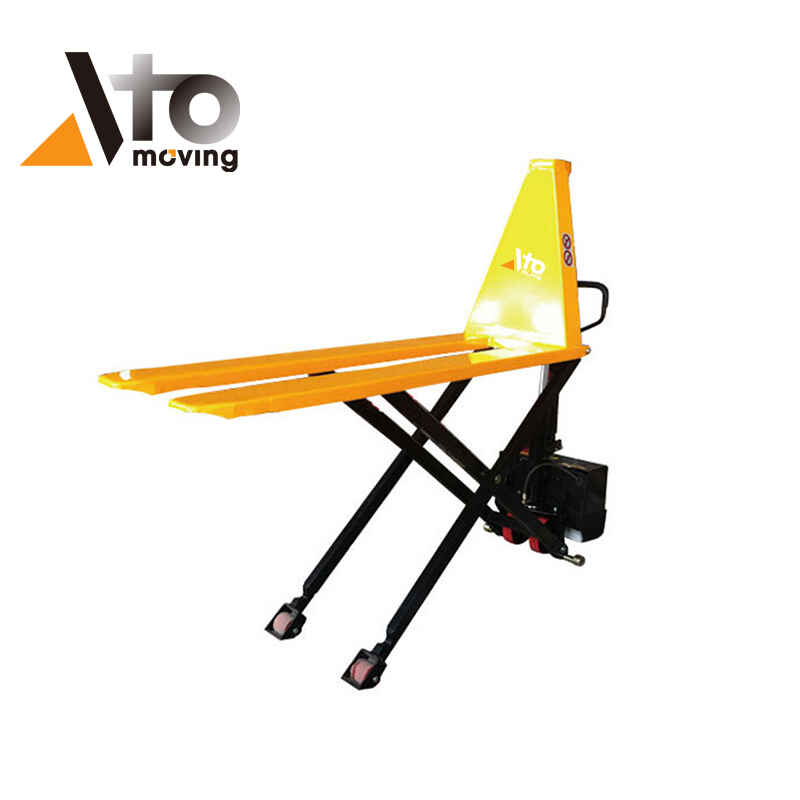
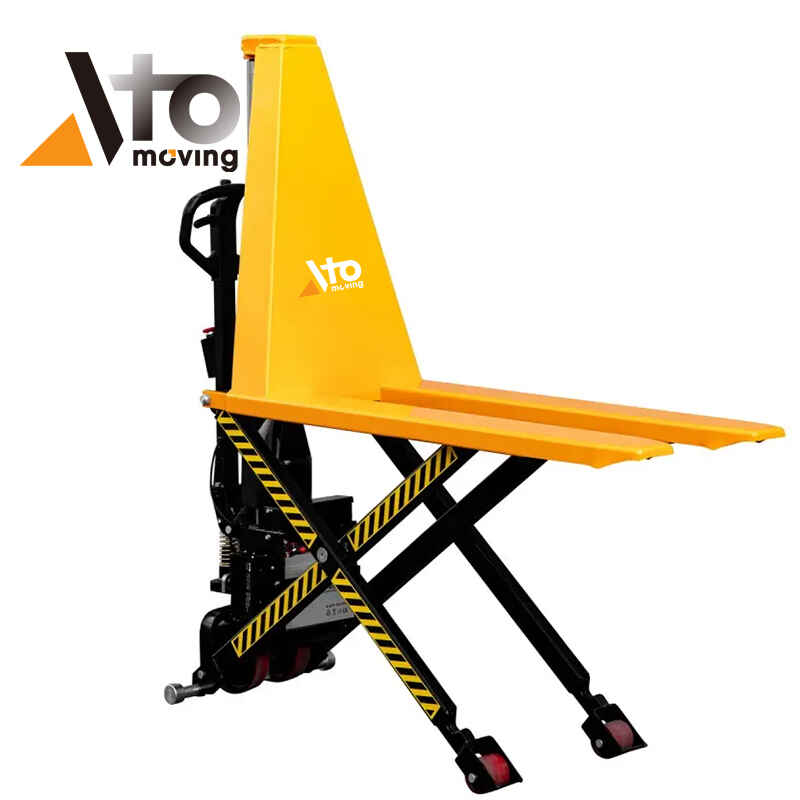
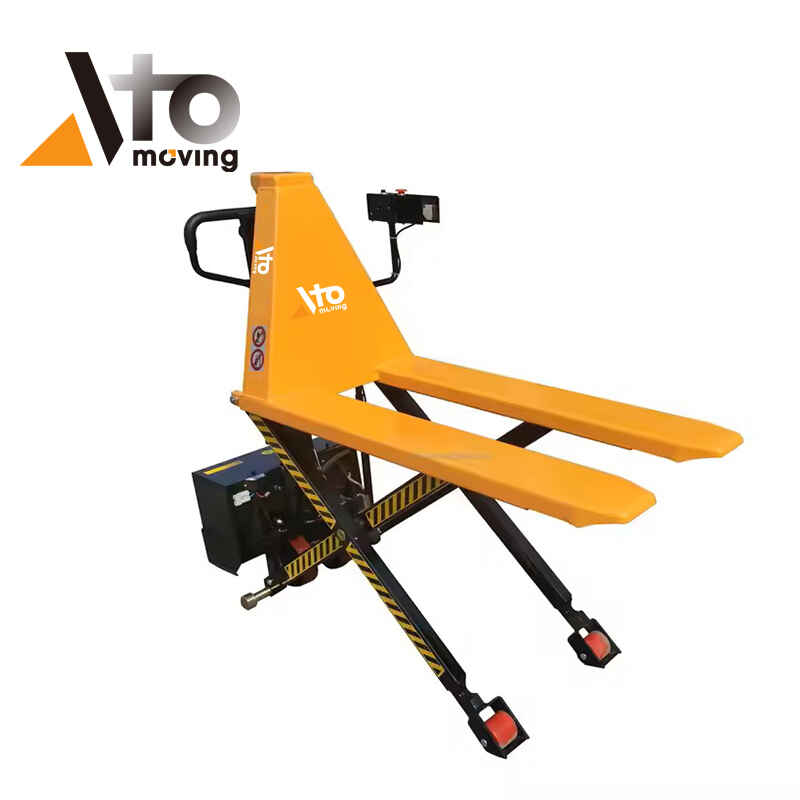
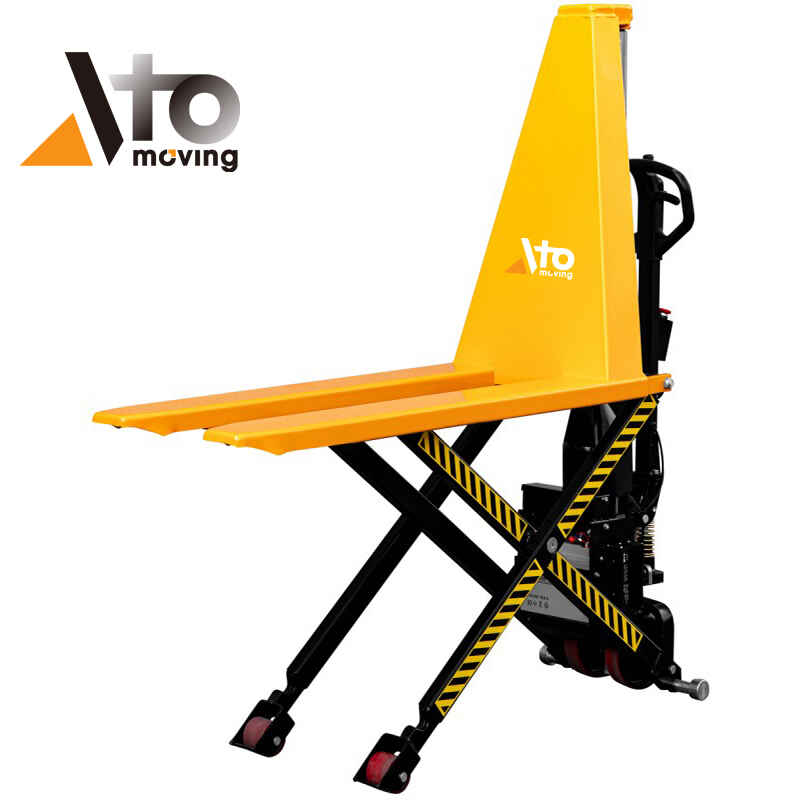
Experience the evolution of material handling with our comprehensive range of High Lift Pallet Trucks, engineered to revolutionize workplace efficiency and safety. Our portfolio spans from robust manual models to cutting-edge automatic solutions, all delivering an impressive 800mm lift height.
The manual series, available in single and double piston configurations, offers reliable performance with cost-effective operation. For enhanced productivity, our electric models combine powerful lifting capabilities with ergonomic design, featuring rapid 10-12 second elevation times and versatile workstation functionality. The pinnacle of our innovation is showcased in our auto-sensing model, equipped with advanced infrared technology that automatically adjusts to cargo height, minimizing operator strain and maximizing efficiency. Each model is thoughtfully designed to serve dual purposes – functioning as both a pallet truck and portable work table – while maintaining capacities of up to 1500kg.
Designed to Perform
Whether you’re handling open or closed bottom pallets, loading conveyors, or feeding presses, Atomoving’s high lift solutions deliver unmatched versatility and safety features.
Frequently Asked Questions
What is high lift?
High-Lift Handling Trucks Overview
High-lift handling trucks are efficient electric equipment in the material handling industry, specifically designed for high-level stacking and short-distance transportation of palletized goods. Compared to conventional handling equipment, their defining characteristic is the mast lifting system capable of elevating cargo to heights of 3-6 meters, meeting storage and retrieval requirements for high-level racking in modern warehousing. Equipment typically employs electric drive systems (fully electric or semi-electric), achieving smooth lifting through hydraulic systems. Operators need only use tiller controls or buttons to achieve precise fork positioning, significantly enhancing operational efficiency while reducing physical strain.
Classification and Characteristics
High-lift handling trucks can be categorized into multiple types based on function and structure. By drive method, they divide into fully electric types (both travel and lifting electrically powered, suitable for high-intensity operations) and semi-electric types (electric lifting only with manual propulsion, suitable for low-frequency use). By application scenario, they separate into narrow aisle types (compact chassis suitable for VNA warehouses) and wide-leg types (forks with extended outriggers accommodating non-standard pallets or oversized cargo). Some premium models also feature steering assistance or intelligent positioning functions, further optimizing operational experience.
Core Advantages and Applications
The core advantages of high-lift handling trucks lie in enhancing space utilization and operational safety. Their compact design accommodates narrow aisles under 1.5 meters, solving access problems that traditional forklifts cannot navigate. Simultaneously, electric operation eliminates heavy physical exertion from manual handling, while standard anti-slip braking and overload protection functions reduce accident risks. Typical applications include e-commerce warehousing (high-level rack replenishment), manufacturing (production line material flow), and cold chain logistics (heavy pallet stacking). Selection requires matching equipment parameters based on rack height, aisle width, and load requirements (typically 1-2 tons) to maximize efficiency.
What is a high lift used for?
A high lift is a type of material handling equipment designed to lift pallets, goods, or materials to greater heights than standard pallet trucks. It is commonly used in warehouses, storage facilities, and workshops for stacking pallets, organizing racking systems, loading and unloading vehicles, and managing inventory at elevated levels. High lifts help improve efficiency and safety when working at height.
Do you need training to operate a high lift?
Yes, proper training is required to operate a high lift safely. High lifts involve lifting loads at height, so incorrect operation can lead to tipping, falling loads, or injuries. Most workplace safety regulations and employers require basic training on operation, load limits, stability, inspection, and emergency procedures before using any high lift equipment.
What is the difference between a high lift and a pallet jack?
Reference
[1] Toyota Forklifts Iceland. “High-lifting hand pallet trucks”. Toyota Forklifts Iceland, Accessed February 22, 2026. https://toyota-forklifts.is/our-products/handpallet-trucks/high-lifting/.
[2] Darr Equipment. “A Guide to the High Lift Pallet Jack”. Darr Equipment, Accessed February 22, 2026. https://darrequipment.com/news/a-guide-to-the-high-lift-pallet-jack?tmpl=component&print=1&format=print.