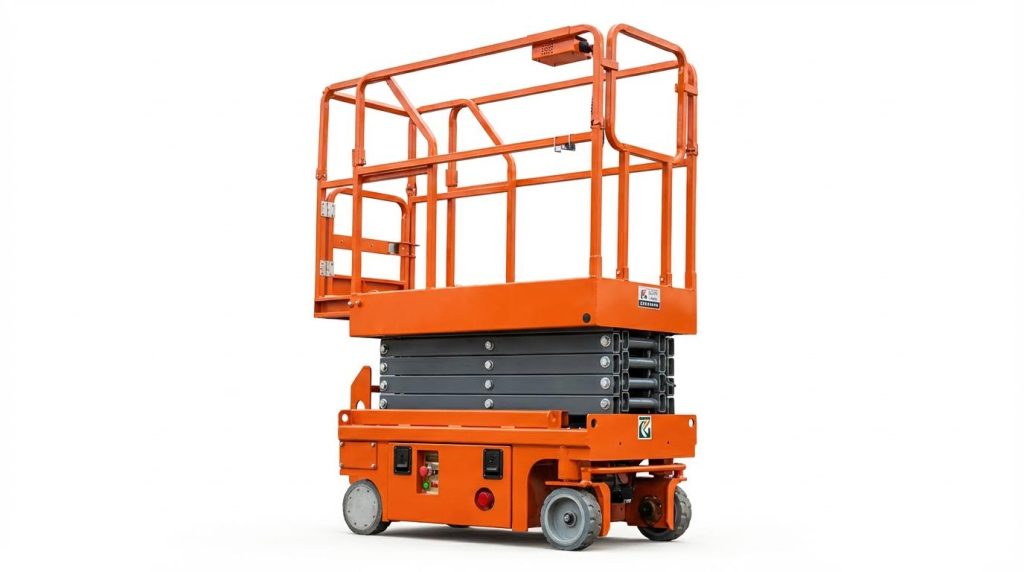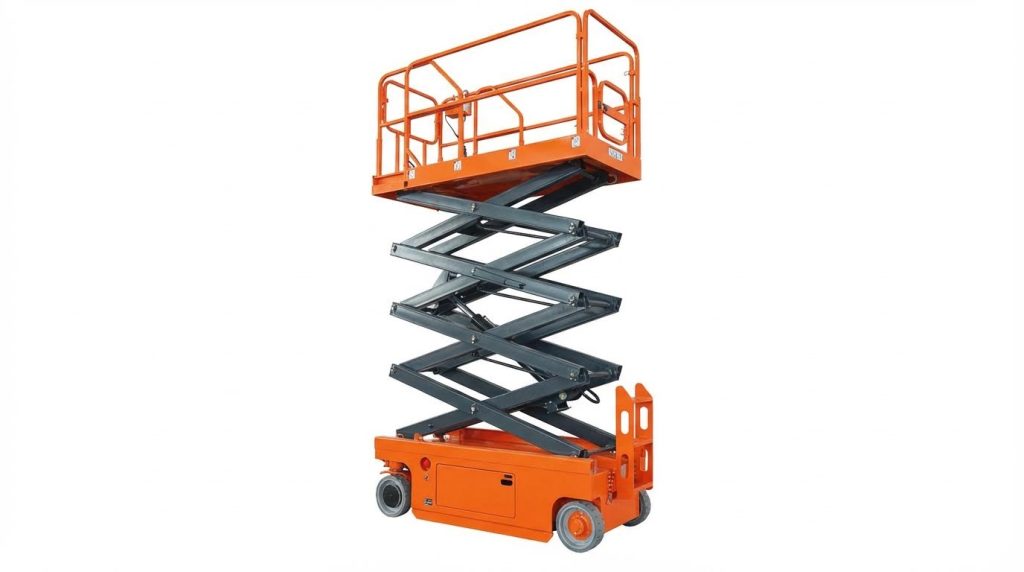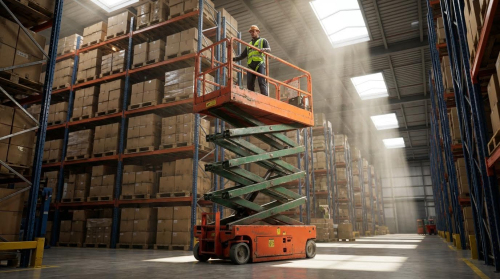
Hydraulic scissor lifts depended on disciplined maintenance and accurate fault diagnosis to remain safe and productive. The complete workflow covered daily fluid and safety checks, structured weekly and monthly inspections, and long-term corrosion control strategies. Technicians also needed robust methods for diagnosing electrical, control, and drive-system faults, including 02 errors, sensor alarms, and no-response conditions. By combining preventive maintenance, regulatory-compliant inspections, and modern diagnostic tools, operators reduced accidents, extended asset life, and handled software and EMC issues in an integrated way.
Preventive Maintenance For Hydraulic Scissor Lifts

Preventive maintenance for hydraulic scissor lifts focused on keeping structural, hydraulic, and electrical systems within design limits. Operators structured tasks into daily, weekly, monthly, and long-term activities to control risk and life-cycle cost. This tiered approach reduced unplanned downtime and supported compliance with manufacturer instructions and safety regulations.
Daily Checks: Fluids, Structure, Safety Devices
Daily checks occurred before the first use of the shift. Technicians verified hydraulic oil, engine oil, and coolant levels against dipsticks or sight gauges and topped up with fluids meeting the specified viscosity and performance class. They inspected the entire machine for leaks, visible damage, missing fasteners, and unauthorized modifications, paying attention to scissor arms, platform guardrails, tires, and brakes. Operators function-tested all controls, including lift, lower, drive, and steering, and confirmed that emergency stops, tilt alarms, overload alarms, and lowering systems operated correctly.
Daily routines also included checking the owner’s manual for legibility and presence in the platform storage box. Teams confirmed tires had no cuts, bulges, or severe tread wear and that inflation pressure matched the stated value in the manual. They checked for hydraulic hose chafing, loose clamps, and wet fittings around cylinders and manifolds. These short inspections allowed early detection of hydraulic leaks or braking defects that previously led to serious accidents and fatalities when ignored.
Weekly And Monthly Mechanical Inspections
Weekly maintenance concentrated on lubrication and functional wear points. Technicians greased pivots on scissor arms, steering linkages, and other moving joints using the specified grease grade to maintain low friction and minimize pin and bushing wear. They verified correct operation of safety devices such as platform gates, locking pins, and harness anchor points, and rechecked emergency stop and emergency lowering systems under controlled conditions. For electric units, they confirmed weekly that the charging system delivered the correct voltage and current profile.
Monthly inspections were more detailed and often performed by maintenance staff rather than operators. Personnel inspected structural members for cracks, deformation, corrosion, or loose welds, especially at high-stress joints in the scissor pack and chassis. They examined hydraulic hoses and cylinders for abrasion, blistering, leaks, or rod scoring, replacing components that approached end of life. They also evaluated the drive system, including wheels or tracks, reduction gearboxes, and brakes, for abnormal noise, backlash, or overheating. Electrical harnesses underwent visual checks for insulation damage, loose connectors, and signs of overheating at terminals.
Battery, Charging, And Electrical Care
Battery and electrical maintenance played a critical role in reducing power-up failures and intermittent faults. For electric scissor lifts, operators checked electrolyte levels in flooded lead-acid batteries weekly and cleaned terminals to remove corrosion, maintaining tight cable lugs and correct torque. They ensured batteries reached full charge after each shift and verified that onboard or external chargers operated within the recommended voltage window. Poor charging practices in the past shortened battery life and caused low-voltage trips, unstable drive performance, and unexpected shutdowns.
Monthly, technicians inspected main power cables, Anderson connectors, key switches, and ground points for looseness or discoloration that indicated overheating. They checked fuses and circuit breakers for correct ratings and signs of fatigue. Control panels and joysticks were tested for smooth travel, proper return-to-neutral, and consistent response. Protective covers over ECUs, displays, and keypads reduced dust and moisture ingress, which previously contributed to intermittent contact and control failures. This systematic care reduced the likelihood of no-response conditions when operators turned the key and supported stable sensor and alarm performance.
Long-Term Structural And Corrosion Control
Long-term maintenance, typically every six to twelve months, focused on structural integrity and corrosion control. Technicians performed close visual and sometimes non-destructive testing on the frame, scissor arms, welds, and platform structure to identify cracks, fatigue, or section loss, which were more common on outdoor units. They removed rust, treated bare metal with appropriate primers, and applied touch-up coatings to restore corrosion protection. Drainage paths around the chassis and platform were cleared to prevent water accumulation
Electrical And Control System Troubleshooting
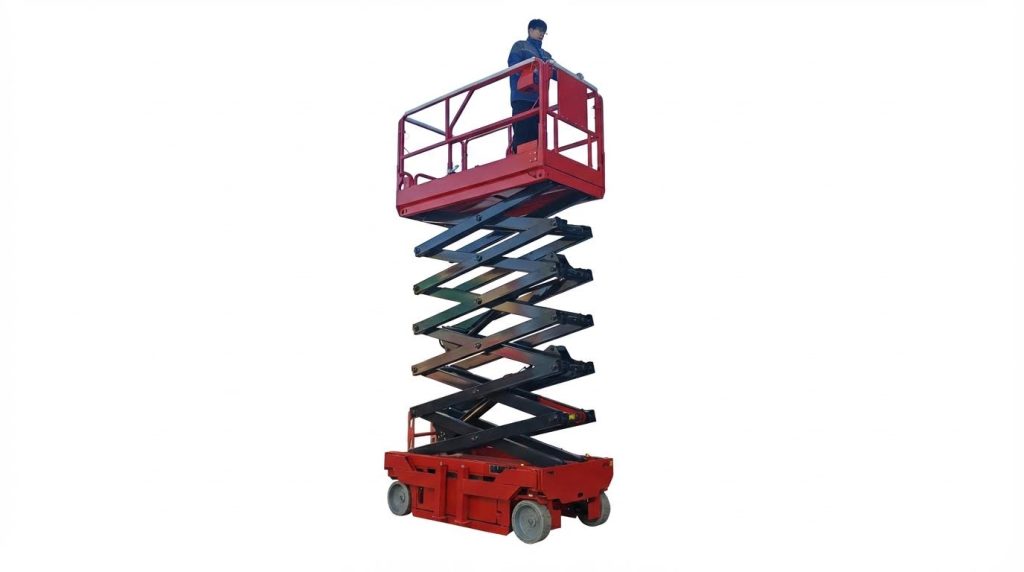
Electrical and control faults had represented a dominant share of hydraulic self-propelled scissor lift failures. Their complexity required structured diagnostics that combined visual checks, multimeter measurements, and fault code interpretation. Maintenance teams reduced downtime when they treated every symptom as a system-level interaction between power supply, wiring, controllers, sensors, and actuators. The following subsections outlined practical approaches aligned with field experience and manufacturer guidance.
Power-Up Failures And No-Response Conditions
Power-up failures typically appeared as a dead machine after key-on, with no work indicator, ECU, or PCU display. The first diagnostic step was always to verify the energy path: battery voltage under load, main power switch, Anderson connector, key switch, and ground bonding. Loose or oxidized terminals at these points frequently caused voltage drops that a multimeter on open circuit could not reveal. Technicians performed wiggle tests on connectors while monitoring voltage to detect intermittent opens. If supply and ground were stable, they then checked fuses, contactors, and ECU supply pins to confirm that 24 V reached the controller. Only after confirming correct power distribution did they suspect ECU or PCU hardware failure.
Fault Codes, 02 Errors, And Intermittent Trips
02-type faults often occurred immediately after startup or during operation when the handle or wiring harness experienced poor contact. In practice, reactivating the handle and reseating connectors temporarily cleared the error, indicating marginal terminal engagement or broken conductor strands. Effective troubleshooting required inspection of the PCU spring wire, plug crimp quality, and the main harness terminal blocks, followed by continuity and insulation tests. Intermittent trips under vibration or articulation suggested micro-gaps at connector pins or damaged insulation near bending points. Technicians logged when and under which maneuvers the 02 fault appeared to correlate it with specific harness sections or controls. For persistent 02 controller failures after handle activation, replacing the handle and lower control ECU and then re-powering allowed isolation of the defective module.
Drive, Steering, And Lift Motor Fault Diagnosis
Drive and lift issues presented as inability to walk, steer, or raise the platform, sometimes with active fault codes. A structured approach started with verifying that the system powered on normally and that command signals left the joystick or handle. Technicians measured output signals from the ECU to the motor driver and from the driver to the motor, checking against manufacturer voltage or PWM specifications. Abnormal motor behavior, such as unstable speed, excessive surface temperature, or visible sparking, pointed toward internal motor problems like worn carbon brushes or contaminated reversing slip rings. Intermittent poor contact inside the motor produced fluctuating torque and irregular current draw, which accelerated thermal stress. If the machine showed no action and no output signal after power-on, focus shifted back to the wiring harness, interlocks, and limit switches that could inhibit drive or lift commands despite a healthy motor.
Sensors, Alarms, And Weighing System Issues
Sensor faults affected body attitude measurement, tilt alarms, overload protection, and weighing accuracy. LL alarms that triggered on apparently level ground after lifting often traced to misadjusted or drifting inclination switches. Technicians measured the inclination switch output to confirm clean transitions between high and low levels, then reset or recalibrated the device on a verified horizontal reference. OL alarms without significant load indicated incorrect installation, wiring issues, or drift in angle and pressure sensors used for weighing functions. Troubleshooting required monitoring sensor output voltage across the full stroke and comparing it with factory ranges, followed by zero and span calibration with no-load and rated-load conditions. Because these sensors formed part of the safety chain, any damaged or unstable unit required replacement rather than field repair, and recalibration had to follow manufacturer procedures and applicable safety standards.
Advanced Reliability, Safety, And Compliance
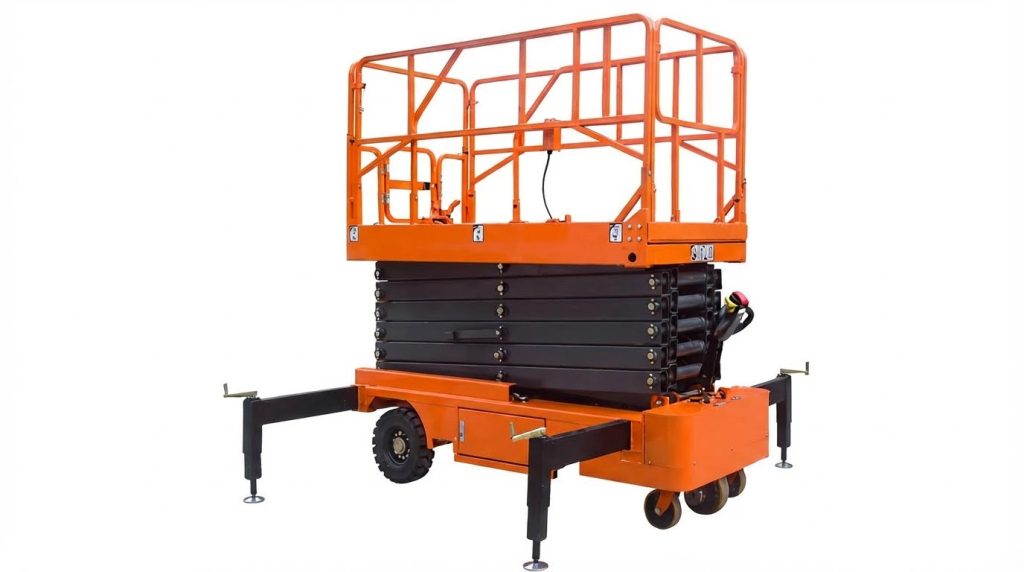
Advanced reliability engineering for hydraulic scissor lifts linked design margins, maintenance strategy, and control logic. Safety performance depended on disciplined load management, verified inspection intervals, and robust electronic architectures. Digital diagnostics and predictive tools increasingly supported condition-based interventions instead of purely time-based maintenance. Integrated approaches reduced unplanned downtime, mitigated accident risk, and supported regulatory compliance across diverse operating environments.
Load Management, Overload, And Stability Risks
Effective load management started with strict adherence to the rated capacity stated in the operating handbook. Exceeding this value increased structural stress on scissor arms, pins, and platform welds and elevated tipping risk, especially at maximum elevation. Engineers evaluated not only total mass but also horizontal and vertical load distribution, because off-centre loads shifted the combined centre of gravity towards platform edges. This shift reduced stability margins against wind loads and dynamic effects from personnel movement.
Overload conditions triggered OL alarms on lifts equipped with weighing functions based on angle and pressure sensors. Frequent OL alarms without visible load indicated sensor miscalibration, mounting errors, or drift in pressure transducers. Technicians verified sensor output voltages across the full stroke and recalibrated the weighing system under no-load and rated-load conditions according to manufacturer procedures. They also inspected platform for hidden loads such as stored tools or materials that operators sometimes ignored in their load estimates.
Stability analysis also considered environmental influences. Wind, rain, and uneven ground reduced the effective safety factor, even when loads remained within nominal capacity. Good practice required operators to distribute tools and materials evenly, keep heavy items near the platform centre, and avoid sudden horizontal motions at height. Engineers specified load sensors or platform scales on critical applications to provide real-time feedback and prevent operators from unintentionally exceeding safe limits.
Inspection Intervals And Regulatory Compliance
Reliability and compliance frameworks defined inspection intervals at daily, monthly, and annual levels. Daily pre-use checks covered hydraulic leaks, fluid levels, tire condition, brakes, and all operational controls, including emergency stops and alarms. These quick inspections detected early-stage faults such as hose sweating, loose fasteners, or slow response in joysticks before they escalated into failures. They also ensured that personal protective equipment and guardrails were present and intact.
Monthly inspections were more detailed and focused on structural integrity and electrical systems. Technicians checked scissor arms, welds, and chassis for cracks, corrosion, or deformation, particularly on outdoor units exposed to moisture and de-icing salts. Electrical harnesses, connectors, and battery terminals were inspected for insulation damage, corrosion, and strain at articulating points. Drives, hydraulic cylinders, and hoses were evaluated for wear patterns consistent with misalignment or overload operation.
Annual inspections by qualified technicians supported compliance with regulations such as OSHA and relevant EN or ISO standards. These inspections typically included load testing to the rated capacity, verification of safety circuits, and functional checks of emergency lowering systems. Documentation of findings, corrective actions, and calibration records formed part of the compliance evidence. Organizations with disciplined inspection regimes historically recorded lower accident rates and reduced liability exposure.
Predictive Maintenance And Digital Diagnostics
Predictive maintenance for scissor lifts relied on condition monitoring data from hydraulic, mechanical, and electrical subsystems. Parameters such as motor current, surface temperature, speed fluctuations, and hydraulic pressure trends indicated emerging issues. For example, intermittent poor contact in motor circuits manifested as unstable vehicle movement, variable speed, and elevated motor temperatures. Persistent anomalies prompted targeted inspection of carbon brushes, slip rings, and connectors rather than broad component replacement.
Control systems increasingly stored fault histories and counters for events such as 02 errors, LL alarms, and OL alarms. Engineers analysed these logs to identify recurring patterns linked to specific operating modes, ambient conditions, or operators. High frequencies of LL alarms on level ground pointed towards inclination switch misalignment or internal failure, which technicians confirmed by measuring the switch output between high and low levels on a known horizontal plane. Historical data also supported optimization of maintenance intervals, shifting from purely time-based to usage-based or event-based scheduling.
Digital diagnostics tools, including handheld service terminals or PC-based software, interfaced with ECUs to read real-time
Summary Of Best Practices And Key Takeaways
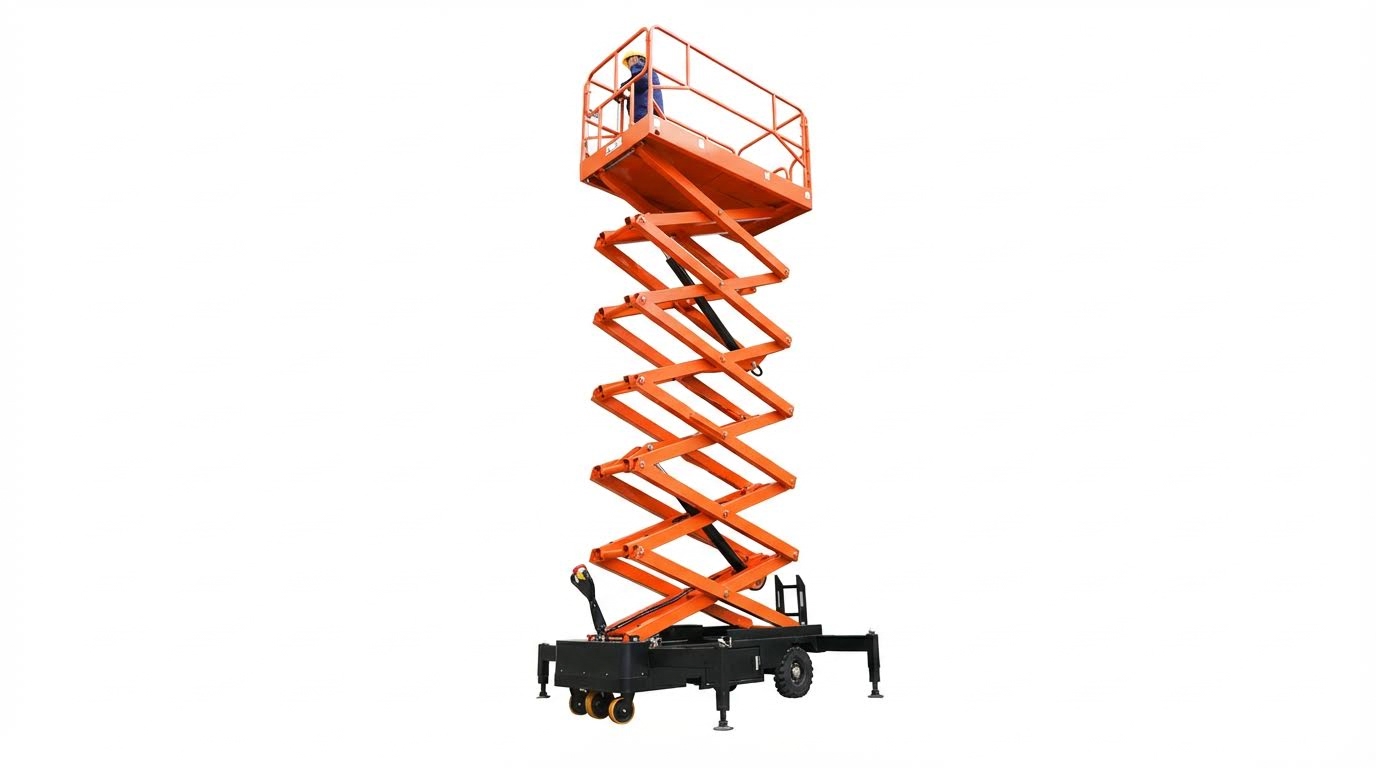
Hydraulic scissor lift reliability depended on disciplined preventive maintenance and structured fault diagnosis. Daily checks of hydraulic fluids, structure, tires, brakes, and safety devices reduced unexpected failures and extended service life. Weekly and monthly tasks, including lubrication, hose and cylinder inspection, drive system checks, and emergency-lowering tests, supported safe mechanical performance. Long-term structural inspections for corrosion and fatigue, combined with correct storage and protective covers, preserved frame integrity and scissor mechanisms.
Electrical and control reliability required systematic troubleshooting of power-up failures, 02 faults, and intermittent trips. Technicians achieved stable operation by verifying key switches, connectors, wiring harnesses, and ECU/PCU interfaces, and by confirming correct sensor outputs for tilt, overload, and weighing functions. Motor-related drive, steering, and lift problems often traced back to poor electrical contact, damaged brushes, or abnormal driver outputs, which multimeter testing and targeted component replacement resolved. Careful handling of software updates and attention to EMC and hardware quality minimized electronic control anomalies.
From a safety and compliance perspective, strict adherence to rated load, platform weight distribution, and wind limits remained critical. Overloading, poor housekeeping, and inadequate PPE historically led to severe incidents, including tip-overs and falls. Regulatory frameworks, such as OSHA-based requirements, emphasized defined inspection intervals, documented annual examinations, and competent-person sign-off. Future practice increasingly favored predictive maintenance, sensor calibration, and digital diagnostics to detect degradation before failure, while still grounding decisions in manufacturer manuals and verified field data.