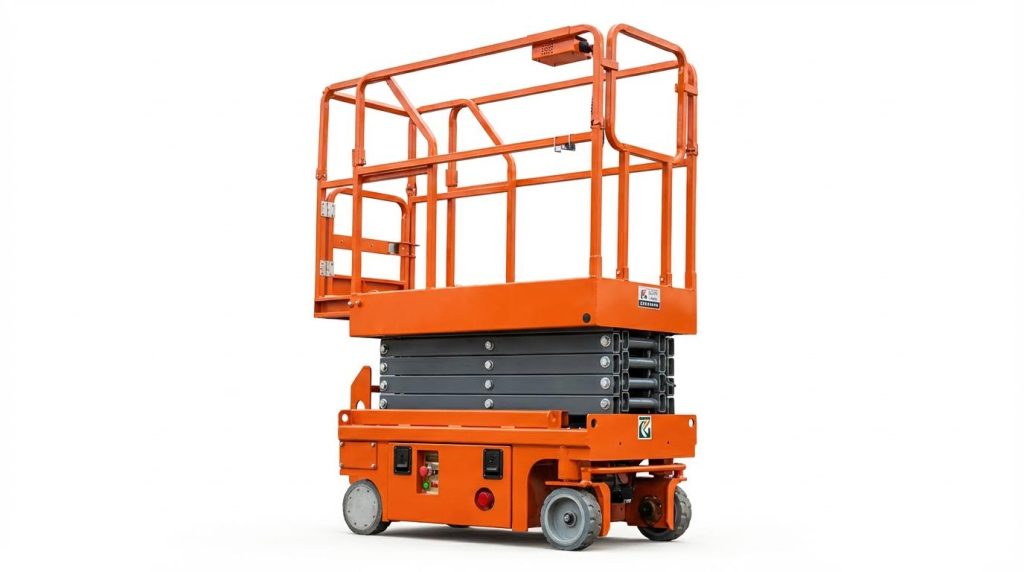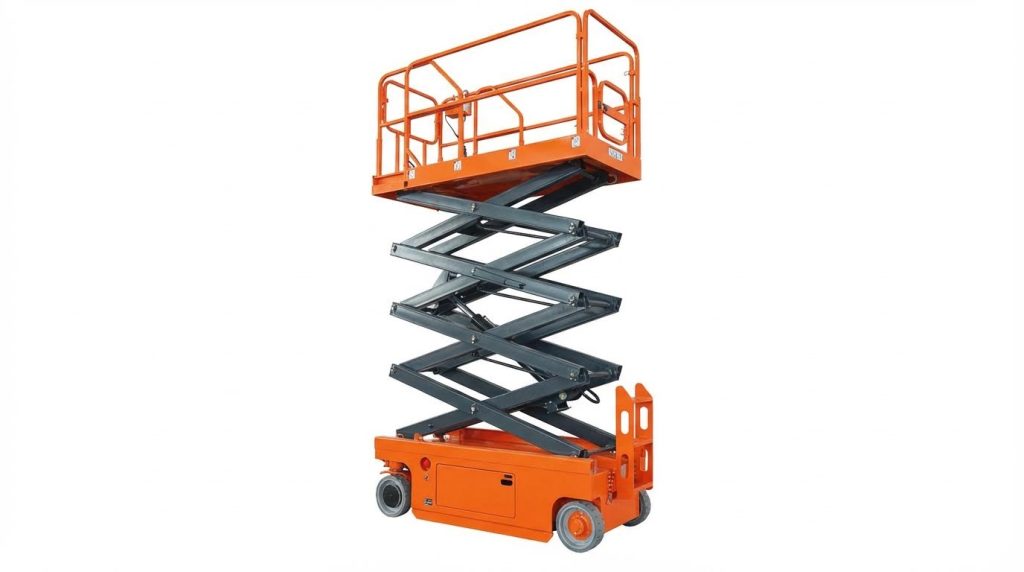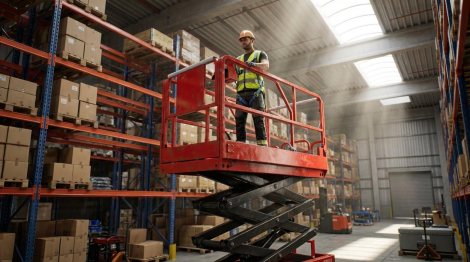
Elevated work platforms combined significant fall, crush, structural, and electrical hazards, so regulators tied safety to both training and engineered controls. This article outlined how OSHA 1910.66, 1910.178, and global standards such as PUWER, LOLER, CSA B354, and AS/NZS 1418.10 defined baseline requirements for EWPs. It then examined operator training, fall protection instruction, and the role of competent and authorized persons in certifying safe use and maintaining records. Finally, it linked engineering controls, structured inspection programs, and emerging digital tools to lifecycle risk management and overall EWP compliance.
OSHA And Consensus Standards For EWPs
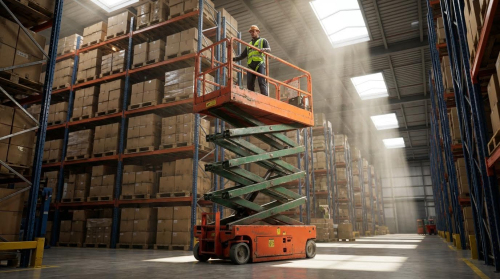
Elevated work platform safety relied on a structured framework of OSHA regulations and consensus standards. Engineers and safety managers used these rules to design, specify, and operate platforms within defined risk tolerances. Understanding the interaction between U.S. OSHA rules and international standards helped global organizations maintain consistent safety performance across fleets.
Key OSHA 1910.66 And 1910.178 Requirements
OSHA 29 CFR 1910.66 covered powered platforms, manlifts, and vehicle-mounted work platforms in general industry. It required that only personnel proficient in operation, safe use, and inspection could operate working platforms. A competent person had to deliver training on hazard recognition, platform operation, fall protection, emergency actions, and work procedures. Employers had to enforce rated load limits posted on the platform and prohibit work on snow, ice, or other slippery materials unless employees removed them. The standard also addressed environmental and process hazards, including protection from corrosives, heat-producing processes, and wind speeds above 25 miles per hour (40.2 km/h). Wire ropes or lifelines exposed to welding or cutting heat were treated as permanently damaged and removed from service. OSHA 1910.178, while focused on powered industrial trucks, influenced EWP use where lift trucks supported platforms or personnel baskets. It required operator training, evaluation, and written programs addressing load stability, surface conditions, and traffic hazards. Together, these standards formed a baseline for training, operation, inspection, and environmental limits for elevated work platforms in U.S. facilities.
PUWER, LOLER, CSA, AS/NZS And Global Standards
Outside the United States, several regulatory frameworks governed elevating work platforms and mobile elevating work platforms. In the United Kingdom, PUWER required that work equipment be suitable, properly maintained, and inspected, while LOLER mandated thorough examinations of lifting equipment at defined intervals, often every six months for personnel lifts. These regimes emphasized pre-use checks, competent inspections, and documented defect correction before operation. In Canada, standards such as CSA B354.7:17 (R2022) defined inspection categories, including daily, frequent, annual, and hour-based inspections. They required checks on structural components, hydraulics, controls, and safety devices, with clear criteria for removing machines from service. Australia and New Zealand applied AS/NZS 1418.10:2011, which specified major inspections at the end of design life, typically ten years, or earlier if usage exceeded design assumptions. This major inspection involved strip-down, detailed assessment, and rebuild with a formal engineering report. Multinational operators often harmonized internal procedures to meet the most stringent applicable standard, ensuring consistent inspection intervals, documentation, and training expectations across regions.
Defining Competent, Qualified, And Authorized Persons
OSHA and consensus standards distinguished between competent, qualified, and authorized persons for EWP activities. A competent person could identify existing and predictable hazards and had authority to take prompt corrective measures; this role typically covered operator training, pre-use inspection oversight, and lockout decisions. A qualified person possessed a recognized degree, certificate, or extensive experience enabling them to solve or resolve engineering and safety problems, such as structural assessments or major inspection sign-offs. An authorized person was an employee whom the employer specifically permitted to operate or work on an EWP after proper training and evaluation. For training on working platforms, OSHA 1910.66 required that a competent person deliver the instruction and verify that trainees understood operation, inspection, and fall protection use. Global standards similarly required that only trained and authorized individuals conduct pre-use checks, operate controls, or perform maintenance, reinforcing a clear separation between casual users and formally designated personnel.
Documentation, Certification, And Record Retention
Regulatory frameworks placed strong emphasis on written records for training, inspection, and maintenance. OSHA 1910.66 required employers to certify employee training through a record showing the trainee’s identity, the trainer’s signature, and the completion date. This certification had to remain on file for the duration of employment and be available to authorized representatives during audits or incident investigations. PUWER, LOLER, CSA B354.7, and AS/NZS 1418.10:2011 similarly required detailed inspection logs, including dates, scope, defects found, corrective actions, and the identity and qualifications of the inspector. For major inspections at or before
Training Requirements For Safe Platform Operation
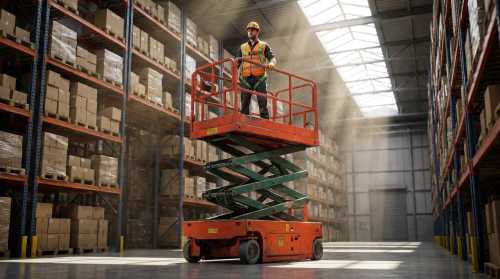
Training for safe elevated work platform (EWP) operation relied on a structured framework combining OSHA requirements, manufacturer instructions, and national standards such as PUWER, LOLER, CSA B354, and AS/NZS 1418.10. Effective programs addressed operator competence, task-specific hazards, and the full lifecycle of the machine, from pre-use inspection to emergency rescue. Employers had to integrate classroom theory, practical demonstration, and documented assessment, then maintain verifiable training records for regulatory review. The following subsections outlined the core elements of a compliant, technically robust training system.
Core Operator Training And Refresher Intervals
Core operator training covered hazard recognition, machine classifications, safe driving and elevating practices, and limitations such as rated capacity and slope. OSHA 1910.66 required that only individuals proficient in operation, safe use, and inspection could use powered platforms, with training conducted by a competent person. Programs included pre-use checks, emergency lowering, safe travel near drop-offs, and procedures if the platform snagged or malfunctioned. Refresher training became necessary after incidents, unsafe behaviors, equipment changes, or significant regulatory updates, and best practice set intervals at three to five years depending on jurisdiction and company policy. Employers documented initial and refresher training dates, the trainer’s identity, and evaluation outcomes to demonstrate ongoing competence.
Fall Protection Use, Inspection, And User Instruction
Operators and occupants required detailed instruction on personal fall protection systems, as mandated by OSHA 1910.66 and related appendices. Training covered selection of harnesses and lanyards, correct connection to designated anchor points, and differences between fall restraint and fall arrest configurations. Users learned pre-use inspection techniques for webbing, stitching, connectors, and energy absorbers, along with retirement criteria after impact loading or visible damage. Instruction also addressed compatibility between components, clearance requirements to prevent ground strike, and procedures after any change in system configuration. Employers had to ensure that fall protection training preceded platform use and was refreshed when equipment, procedures, or standards changed.
Model-Specific And Site-Specific Familiarization
Beyond general EWP theory, operators needed familiarization on each specific model they would operate. This familiarization covered control layouts, emergency stop and ground override locations, grade and wind limits, outreach envelopes, and any electronic stability or overload systems. Training referenced the manufacturer’s manual for load charts, maximum platform occupants, and restrictions on using the platform as a crane or tie-off point for other structures. Site-specific instruction addressed local hazards such as overhead conductors, confined access routes, underground services, and adverse weather exposure. Operators learned designated travel paths, exclusion zones, rescue plans, and communication protocols, ensuring that the same machine could be used safely in different environments.
Competent-Person Duties In Training And Supervision
A competent person, as defined by OSHA and consensus standards, had the knowledge and authority to identify hazards and implement corrective actions. This individual developed or validated training content, delivered or oversaw instruction, and ensured that written procedures or pictorial guides aligned with manufacturer manuals. Competent persons verified that trainees achieved proficiency through practical evaluation, not just classroom attendance, and withheld authorization if performance remained unsafe. They also reviewed inspection logs, incident reports, and regulatory changes to trigger targeted refresher training. Supervision duties included spot checks of in-field operations, enforcement of fall protection use, and immediate intervention when operators deviated from safe practices or exceeded rated capacities.
Engineering Controls, Inspection, And Safe Use
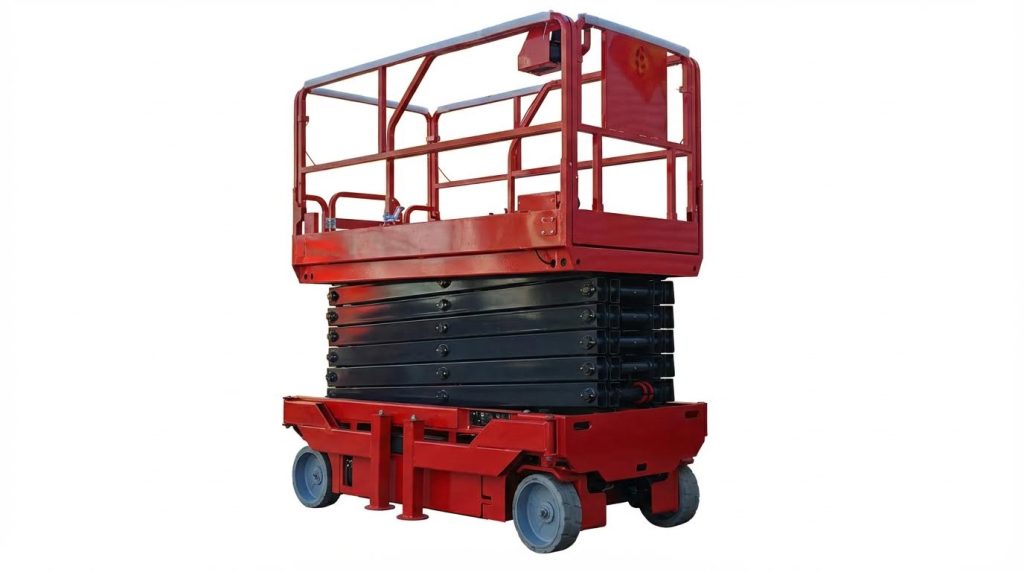
Engineering controls for elevating work platforms (EWPs) relied on robust structural design, integrated safety devices, and clearly defined operating envelopes. Safe use depended on aligning these engineered limits with disciplined inspection regimes and trained operator behavior. Regulatory frameworks such as OSHA 29 CFR 1910.66, PUWER, LOLER, CSA B354.7:17, and AS/NZS 1418.10:2011 defined minimum expectations for design integrity, inspection frequency, and documentation. Effective programs combined mechanical safeguards, procedural controls, and digital monitoring to manage lifecycle risk.
Load Ratings, Stability, And Structural Integrity Checks
Load ratings for working platforms had to match the values on the platform load rating plate and the manufacturer’s documentation. Operators needed to consider total live load, including personnel, tools, and materials, and to distribute this load evenly over the platform floor. EWPs were not designed to act as cranes unless explicitly engineered and approved for that duty, so suspended loads and side pulls were prohibited. Exceeding rated capacity, increasing lateral surface area with sheeting or banners, or tethering the platform to structures significantly reduced stability and increased tip-over risk.
Stability depended on firm, level support, correct use of outriggers or stabilizers, and adherence to grade and slope limits, typically below 5% when elevated. The chassis, scissor pack, boom sections, welds, and fasteners required routine visual checks for cracks, deformation, corrosion, and loose connections. Wire ropes, chains, and lifting pins had to be free of kinks, broken wires, elongation, or wear, and any component exposed to heat-producing processes was treated as permanently damaged. Guardrails, gates, and barriers on scissor mechanisms formed critical structural safety elements and had to remain intact, correctly installed, and free of unauthorized modification.
Pre-Use, Periodic, And Major Inspection Programs
Pre-use inspections were legally required under frameworks such as PUWER and were also mandated by manufacturers and consensus standards like CSA B354.7:17. These checks occurred at the start of each shift and after any incident, and covered documentation, decals, controls, emergency lowering systems, wheels and tires, brakes, steering, outriggers, hydraulic leaks, hoses and cables, and platform guardrails. Operators verified posted load capacities, inspected for uncontrolled motion, improper adjustments, cracked welds, damaged ropes or wires, and confirmed that safety devices and interlocks operated correctly. Any defect had to be reported immediately, with the EWP removed from service until a qualified person completed repairs.
Frequent or periodic inspections were scheduled based on calendar intervals, hours of use, or duty severity, often quarterly or as defined by CSA or manufacturer guidance. These inspections went beyond visual checks and included functional tests, detailed structural reviews, and verification of electrical insulation where applicable. Annual or third-party assessments involved independent competent persons and could incorporate non-destructive testing to detect hidden fatigue or corrosion. Major inspections, typically at ten years or at the end of design life as per AS/NZS 1418.10:2011, required stripping, inspecting, and rebuilding critical components, then documenting the work scope, assessment methods, and inspector qualifications to demonstrate continued fitness for service.
Weather, Wind, And Environmental Hazard Controls
Weather and environmental conditions had a direct impact on EWP stability and control, so operators had to evaluate these factors before and during use. OSHA 1910.66 limited platform operation in winds above 25 miles per hour (40.2 km/h), except for controlled relocation to storage, and required anemometers on exterior platforms to monitor wind speed. Operators assessed not only wind velocity but also gusting, direction relative to platform orientation, and the increased sail area introduced by materials or enclosures on the platform. Ice, snow, or other slippery contaminants on walking surfaces were unacceptable unless workers were actively removing them with appropriate controls.
Environmental hazards also included corrosive substances, heat sources, and hazardous atmospheres. Wire ropes, lifelines, and platform components exposed to acids or corrosive agents needed protection and periodic washing with neutralizing solutions according to manufacturer recommendations. Components subjected to welding, cutting, or other heat-producing processes required shielding, and any exposed wire rope or lifeline was considered permanently unserviceable. Job-site assessments identified ditches, drop-offs, overhead obstructions, energized conductors, vehicle traffic, and poor
Summary Of EWP Safety, Compliance, And Lifecycle Risk
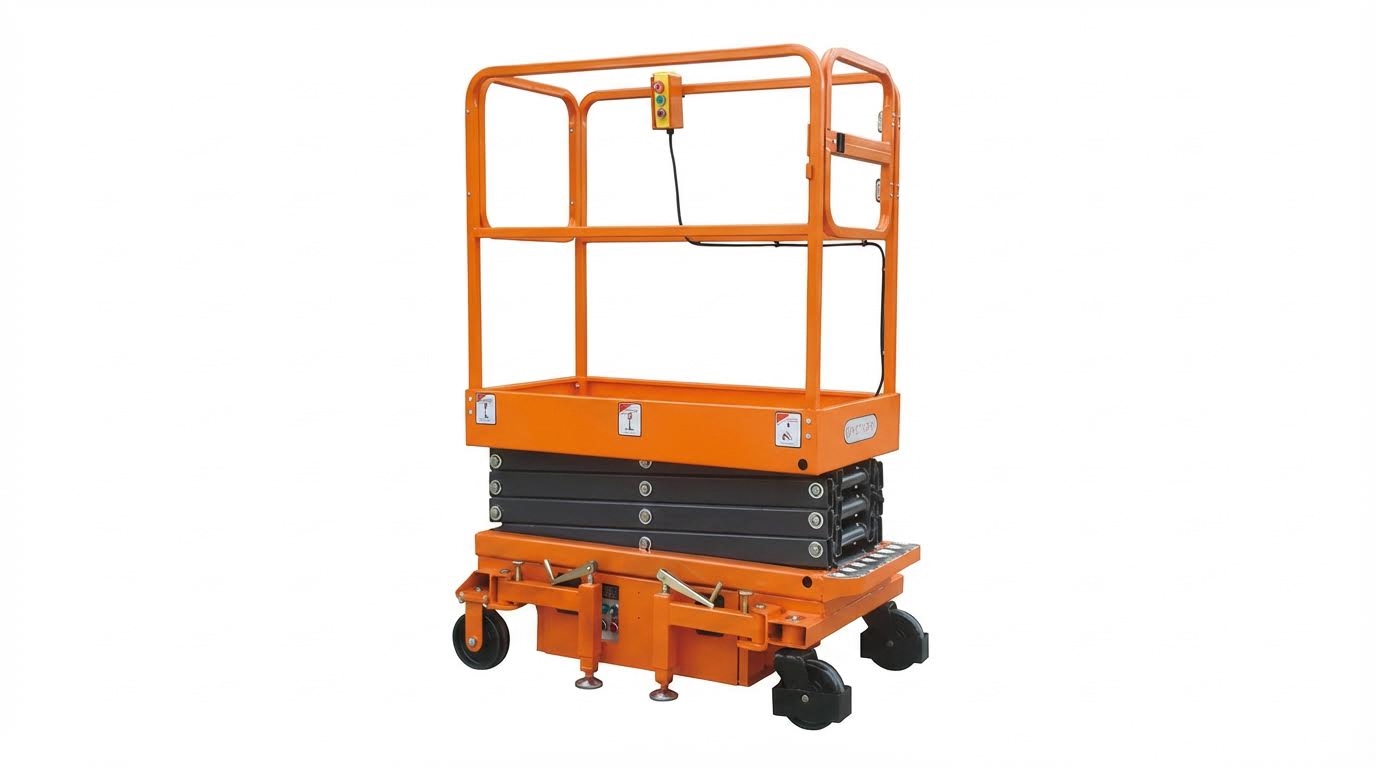
Elevated work platform safety relied on an integrated system of regulation, training, and engineered controls. OSHA 29 CFR 1910.66 and related provisions set mandatory baselines for powered platforms, including competent-person training, written procedures, fall protection, and strict adherence to rated loads and wind limits. Parallel frameworks such as PUWER, LOLER, CSA B354, and AS/NZS 1418.10 required systematic pre-use, periodic, and end-of-design-life inspections, with clear expectations for competent inspection personnel and traceable records. Across these regimes, regulators emphasized operator proficiency, formal certification, and retention of training and inspection documentation for legal and technical verification.
Engineering controls and inspection programs formed the backbone of lifecycle risk management. Load rating plates, interlocks, emergency ground controls, guardrails, and properly positioned outriggers addressed primary mechanical and stability hazards. Structured inspection tiers—shift checks, frequent or hours-based inspections, annual or third‑party examinations, and 10‑year major rebuilds—reduced the probability of structural failure and uncontrolled motion, particularly where corrosion, fatigue, or misuse occurred. Environmental controls, including wind cut‑off thresholds around 40 km/h, surface bearing checks, and protection from corrosives or heat processes, further limited catastrophic events. Digital telematics and QR‑code documentation access improved compliance by supporting real‑time fault reporting, maintenance scheduling, and on‑demand access to model‑specific instructions.
Future practice pointed toward more data‑driven lifecycle management, with predictive analytics flagging overload events, shock loads, and out‑of‑envelope operation long before traditional inspection intervals. However, these tools did not replace the regulatory requirement for competent persons, documented training, and physical inspection; they only augmented them. Practically, organizations needed a documented EWP safety program that aligned OSHA and local standards, defined competent, qualified, and authorized roles, enforced fall protection and MSAD rules, and embedded inspection and maintenance into asset management systems. A balanced approach treated EWPs as critical lifting equipment, managed over their full design life, with decisions grounded in standards, field data, and conservative engineering judgment.