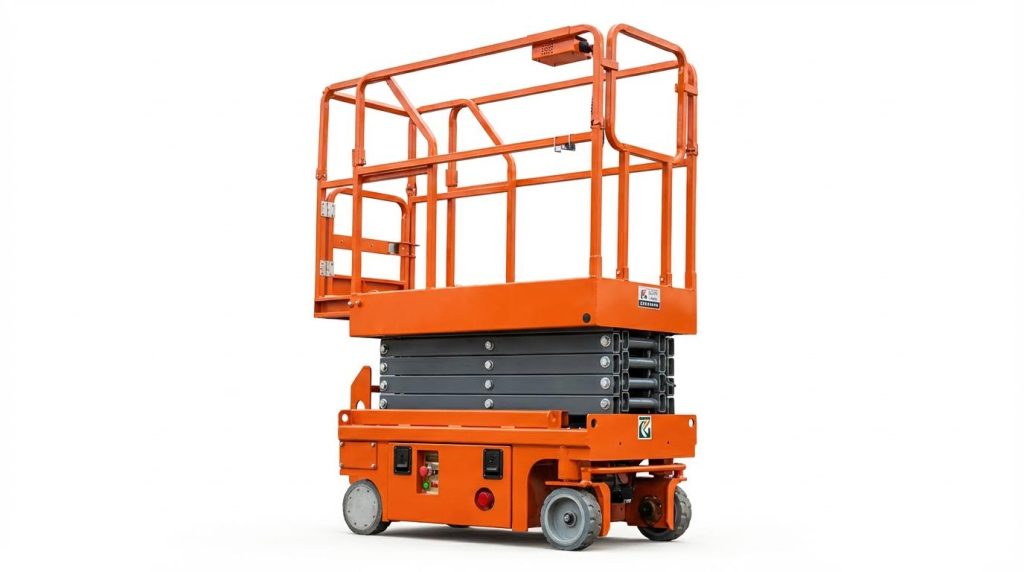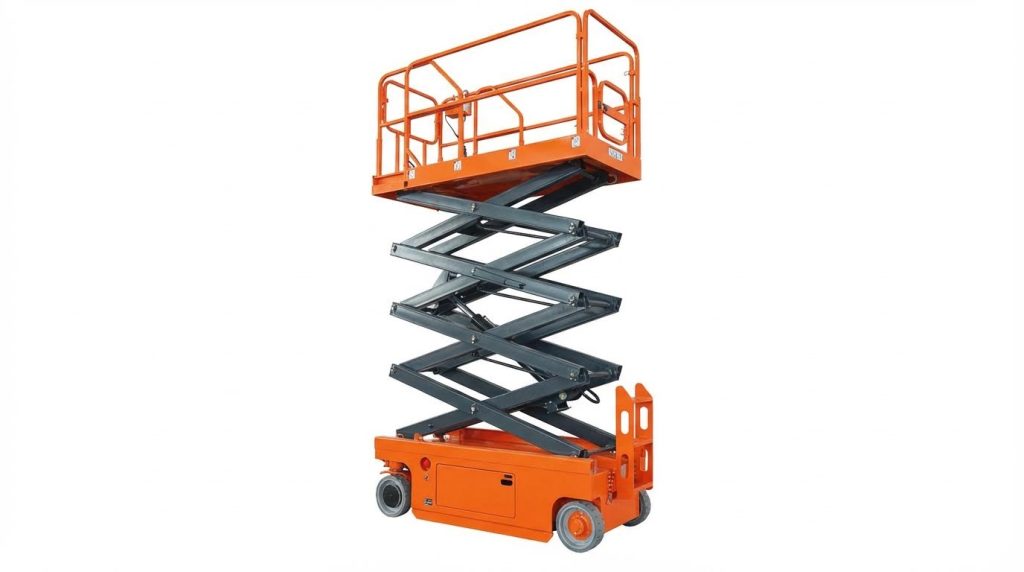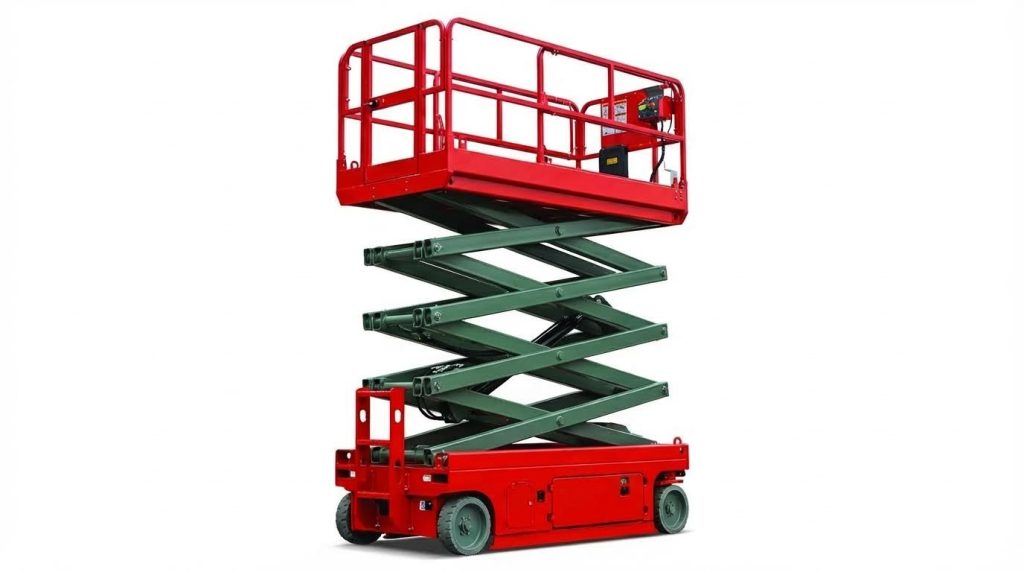
Scissor lifts, classified as mobile elevating work platforms (MEWPs), played a critical role in construction, maintenance, and industrial access tasks. Their safe and efficient use depended on rigorous planning, disciplined operation, and structured maintenance programs.
This article covered site planning and stability control, safe operating techniques and load management, and structured inspection and maintenance frameworks. It also examined emerging technologies such as AI-based diagnostics, remote monitoring, and all‑electric architectures that reshaped lifecycle costs and safety performance.
Each section translated regulatory expectations and manufacturer guidance into practical, field-ready procedures for supervisors, technicians, and operators. The goal was to connect day‑to‑day operating decisions with long‑term reliability, compliance, and risk reduction across diverse work environments.
Site Planning, Setup, And Stability Control
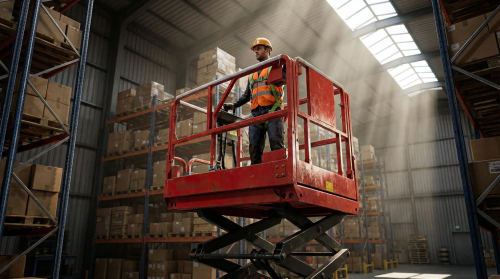
Site planning for scissor lifts focused on eliminating instability before any elevation occurred. Engineers and supervisors evaluated ground conditions, traffic patterns, weather exposure, and overhead risks as an integrated system. Proper setup reduced the likelihood of tip-overs, structural overloads, and contact with other equipment or power lines. The following subsections detailed the core controls that supported safe, repeatable deployment in industrial and construction environments.
Ground Conditions, Leveling, And Positioning
Operators positioned scissor lifts only on firm, level, and compacted ground. They avoided soft soils, voids, trenches, and unverified covers such as pits or service ducts, which could collapse under point loads. Before elevation, they verified that the chassis sat level within the manufacturer’s allowable slope tolerance, typically less than 3° for indoor units. Where fitted, outriggers or stabilizers were fully deployed and locked, and the ground under pads distributed loads with cribbing if necessary.
Pre-use checks included confirming tire condition, correct inflation, and brake effectiveness so the lift held position under load. Operators avoided positioning on ramps or cross-slopes and did not attempt to “self-level” by partially driving onto blocks or debris. They oriented the platform so the primary work area lay within the machine’s rated operating envelope, minimizing horizontal reach demands. Good positioning reduced steering corrections at height and kept the center of gravity well within the base footprint.
Exclusion Zones, Traffic Control, And Spotters
Site planners established exclusion zones around the lift using cones, barriers, or temporary fencing. These zones prevented pedestrians and mobile equipment from entering the crush and struck-by hazard area beneath and around the platform. Traffic control plans addressed forklift aisles, truck routes, and crane swing radii so no vehicle could contact the lift during operation. Where interaction with other equipment remained possible, supervisors implemented dedicated traffic marshals or physical separation.
Spotters supported the operator during positioning, relocation, and close-quarters work. They used agreed hand signals or radios and maintained a clear line of sight to both the lift and surrounding hazards. Spotters never walked under the elevated platform and stayed outside the pinch zones created by scissor arms and chassis. On congested sites, coordinated communication between spotters, equipment operators, and supervisors reduced the probability of side impact or entrapment incidents.
Weather, Wind Limits, And Outdoor Use Constraints
Outdoor scissor lift use depended on weather conditions that met manufacturer limits. Operators checked wind speed with calibrated anemometers and respected the specified maximum, often below 12.5 m/s (approximately 28 mph) for outdoor-rated units. They halted operations during thunderstorms, heavy rain, icing, or poor visibility, which degraded traction, braking, and operator situational awareness. Wet or frozen surfaces increased slip risk and could reduce tire-ground friction, affecting stability.
Planners considered wind funneling between buildings and gusts near roof edges, which produced higher effective wind loads on the platform. They secured loose materials and tools so wind could not turn them into projectiles or shift the effective load distribution. When weather forecasts indicated deteriorating conditions, crews completed lowering and shutdown procedures before conditions exceeded limits. This forward planning reduced emergency descents in marginal weather, which carried additional risk.
Electrical Clearance And Overhead Obstruction Checks
Before setup, crews performed a structured overhead hazard survey. They identified power lines, communication cables, building projections, pipe racks, and overhead cranes within the intended work envelope. For electrical hazards, they maintained minimum approach distances consistent with regulatory requirements, typically at least 3 m from energized low-voltage lines and greater clearances for higher voltages. Where clearances could not be guaranteed, planners arranged power isolation or alternative access methods.
Operators verified that the full planned travel path, including maximum platform height, remained free of beams, ductwork, and other obstructions. They avoided positioning where vertical or horizontal movement could trap workers between the platform and fixed structures. Pre-job briefings highlighted specific overhead risks, and ground personnel monitored for crane movements or suspended loads entering the area. Continuous reassessment of overhead and electrical
Safe Operating Techniques And Load Management
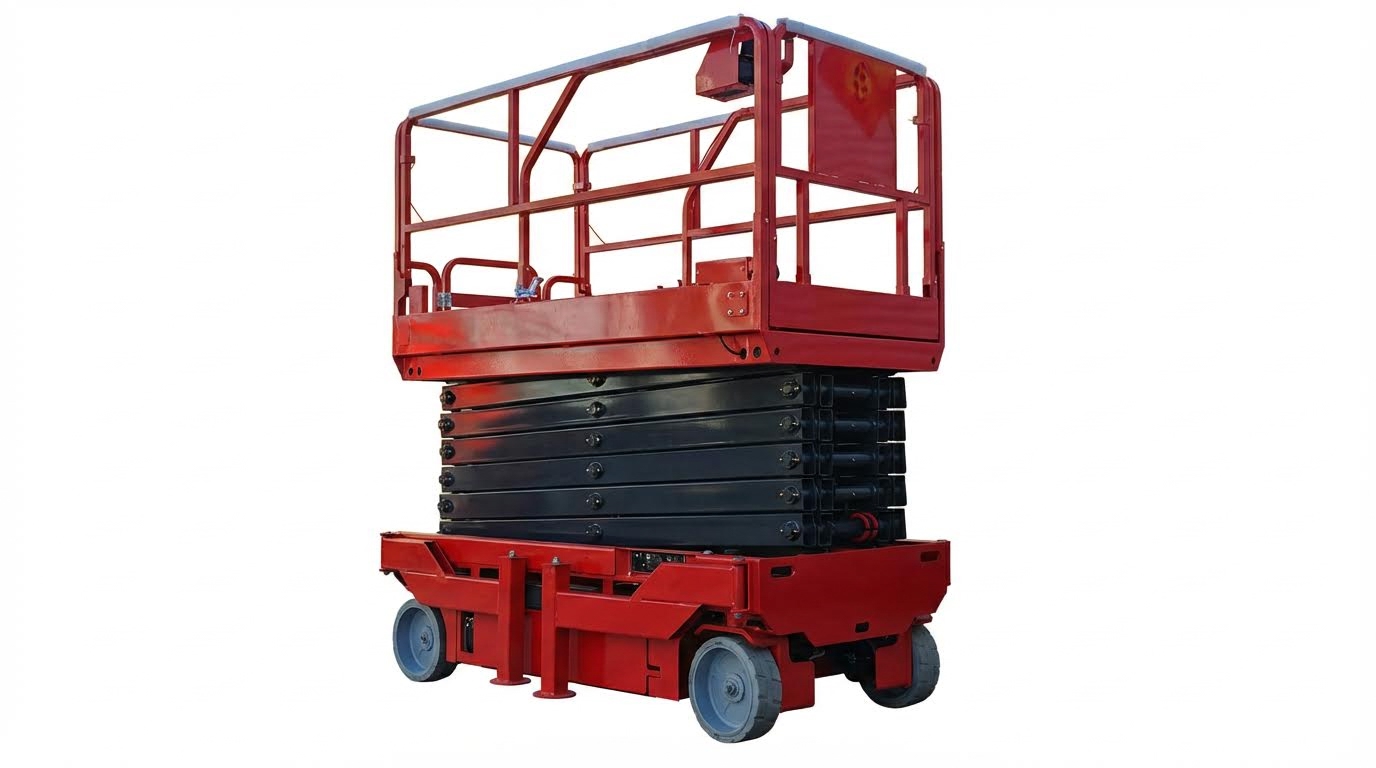
Safe operating techniques and disciplined load management directly controlled incident rates with scissor lifts. Operators relied on structured pre-use inspections, strict adherence to rated capacity, and correct work positioning to maintain stability. Effective communication between platform and ground personnel reduced collision risks and improved response to abnormal conditions. This section linked practical operating behaviors with the underlying mechanical and stability limits of MEWPs.
Pre-Use Inspection And Functional Tests
Operators started every shift with a standardized pre-use inspection checklist. They checked mechanical elements such as scissor arms, pins, platform structure, and welds for cracks, deformation, or corrosion. They inspected hydraulic systems for leaks, hose abrasion, and correct fluid levels, or verified electric actuators and wiring for damage and loose connections. Functional tests covered platform and ground controls, including lift, lower, drive, and steering responses.
Safety systems required verification before elevation. Operators confirmed the integrity and correct locking of guardrails, mid-rails, and toe boards, and verified that access gates latched securely. They tested emergency stop buttons at both control stations and ensured emergency lowering systems operated smoothly. Brake function and wheel condition, including tire wear and inflation on mobile units, were checked to ensure the lift held position on level ground.
Electrical and power systems also required attention. Battery charge level, charger connections, and cable insulation were inspected on electric units, while engine fluids and exhaust routing were checked on internal-combustion variants. Operators documented defects and locked out equipment until qualified technicians completed repairs. This routine prevented use of compromised lifts and aligned with regulatory expectations for MEWP daily inspections.
Load Ratings, Center Of Gravity, And Tool Management
Safe load management started with the platform’s rated capacity, expressed in kilograms and including personnel, tools, and materials. Operators calculated total load and ensured it remained below the manufacturer’s maximum, often with an additional internal safety margin. They distributed weight uniformly across the platform floor to avoid overloading one end or one side. Concentrated point loads near guardrails or corners increased bending stresses and reduced stability.
Center of gravity control was critical, especially at full elevation. Operators kept heavy items close to the platform’s geometric center and as low as practical. They avoided stacking materials above guardrail height, which raised the combined center of gravity and increased overturning risk. Dynamic effects, such as personnel walking or materials shifting, could further displace the center of gravity if the load layout was poor.
Tool management practices reduced both fall hazards and unplanned load shifts. Workers used tool belts, lanyards, or integrated anchor points to secure hand tools, preventing dropped-object incidents. They maintained a clutter-free platform, removing unused materials and coiling hoses or cables to avoid trip hazards. These measures preserved usable floor area, simplified movement, and maintained predictable loading during operation.
Guardrails, Work Positioning, And Fall Prevention
Guardrail systems formed the primary fall protection on scissor lifts. Operators verified that top rails, mid-rails, and toe boards were present, undamaged, and firmly attached before elevation. They confirmed entry gates or chains closed and latched, eliminating unintended openings in the perimeter. Regulatory bodies treated missing or modified guardrails as a critical defect requiring immediate removal from service.
Work positioning practices complemented the physical guardrail system. Operators stood fully on the platform floor and kept both feet inside the guardrail envelope at all times. They positioned the lift so that work remained within comfortable reach without leaning or climbing on mid-rails, top rails, or improvised step stools. When reach was insufficient, they lowered, repositioned, and re-elevated the platform instead of overextending.
Fall-prevention protocols extended to tool and harness use where required by site rules or national standards. When harnesses were mandated, operators connected lanyards only to manufacturer-approved anchor points on the platform, not to guardrails or external structures. They never used ladders, boxes, or other equipment on the platform to gain extra height, because this compromised guardrail effectiveness and altered the operator’s center of gravity. These combined practices minimized both falls from height and dropped-object risks.
Communication Protocols Between Platform And Ground
Clear communication between platform occupants and ground personnel supported safe maneuvering and emergency response. Before starting
Inspection, Maintenance, And Emerging Technologies
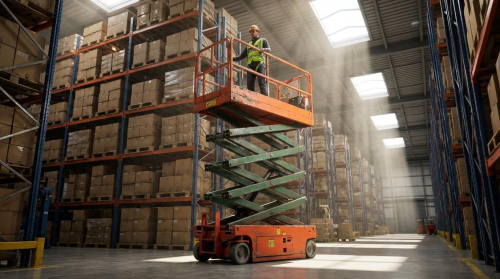
Inspection and maintenance programs for scissor lifts reduce failure risk and extend service life. Modern fleets also integrate digital tools that improve visibility of asset condition and utilization. Combining disciplined inspection regimes with data-driven technologies supports safer, more cost-effective operation across large sites.
Daily, Monthly, And Annual Inspection Programs
Daily inspections focus on immediate operational safety before each shift. Operators check hydraulic systems for leaks, verify fluid levels, test emergency stops and other controls, and inspect tires and brakes for wear and correct inflation. They also confirm guardrails, gates, and platform entry points function correctly and lock securely. Any defect that affects safe operation requires tagging the lift out of service until repair.
Monthly inspections address deeper structural and electrical conditions. Technicians examine welds, scissor arms, pins, and pivot points for cracks, deformation, or corrosion. They inspect wiring harnesses, connectors, and control boxes for insulation damage or moisture ingress. Battery electrolyte levels and terminal corrosion receive particular attention on electric units. Documentation of findings supports trend analysis and regulatory compliance.
Annual inspections are typically performed by a qualified person under applicable MEWP standards. These inspections often include load testing to verify the platform supports its rated capacity without abnormal deflection. Inspectors review all safety systems, including emergency lowering, tilt sensors, and interlocks, for correct calibration and response. They also verify compliance with relevant regulations and manufacturer bulletins issued during the previous year. A complete inspection record becomes part of the lift’s permanent maintenance history.
Preventive Maintenance And Battery Care Practices
Preventive maintenance programs schedule tasks by operating hours and calendar time rather than waiting for failures. Daily routines include checking hydraulic fluid levels, visual leak checks, and quick function tests of lift and drive controls. Weekly tasks typically add lubrication of pivot points, scissor arm slides, and steering linkages. These tasks reduce friction, lower actuator loads, and limit wear on pins and bushings.
Monthly preventive activities focus on systems that degrade more slowly. Technicians inspect drive motors, hoses, and fittings, and test emergency lowering systems under controlled conditions. They also verify brake holding capability on rated slopes and re-torque critical fasteners where specified. Semi-annual or annual tasks include structural inspections for rust, fatigue cracks, or coating breakdown, along with calibration checks for sensors and limit switches.
Battery care strongly influences lifecycle cost on electric scissor lifts. Poorly maintained lead-acid batteries often required replacement in about one year, while well-maintained units typically lasted up to three years. Good practice included cleaning battery banks to remove conductive dirt, tightening connections, and neutralizing acid residue. Technicians used amp-draw and charge tests with digital testers to detect weak cells early. Opportunity charging and avoiding deep discharges helped maintain capacity. Advanced monitoring systems now provide state-of-charge, event logs, and alarms that support predictive maintenance and reduce unexpected downtime.
AI Diagnostics, Digital Twins, And Remote Monitoring
AI-based diagnostics and remote monitoring changed how fleets managed scissor lift health. Connected control systems streamed data on fault codes, duty cycles, energy use, and operator behavior to cloud platforms. Algorithms analyzed this data to identify emerging issues such as rising current draw in drive motors or abnormal tilt sensor activations. Maintenance teams could then schedule targeted interventions before a failure caused a safety incident or outage.
Digital twins created virtual representations of individual lifts, combining design models with real operating data. These models simulated structural loads, hydraulic pressures, and component temperatures under different duty profiles. Engineers used them to optimize inspection intervals, validate load test results, and evaluate the impact of usage patterns on fatigue life. This approach supported more precise, risk-based maintenance planning compared with fixed-interval schedules.
Remote monitoring also improved regulatory and internal compliance. Fleet managers could verify that daily inspections occurred, confirm adherence to load and height limits, and track exposure to harsh conditions such as frequent outdoor use in high-wind environments. Integration with work management systems enabled automatic work order creation when diagnostic thresholds triggered. Over time, aggregated data informed purchasing decisions by revealing which models delivered lower lifetime maintenance cost and higher uptime.
All-Electric Lifts And Energy-Efficient Actuation
All-electric scissor lifts eliminated hydraulic circuits and their associated leak risks. Designs like fully electric MEWPs used electric actuators
Summary Of Key Practices And Future Directions
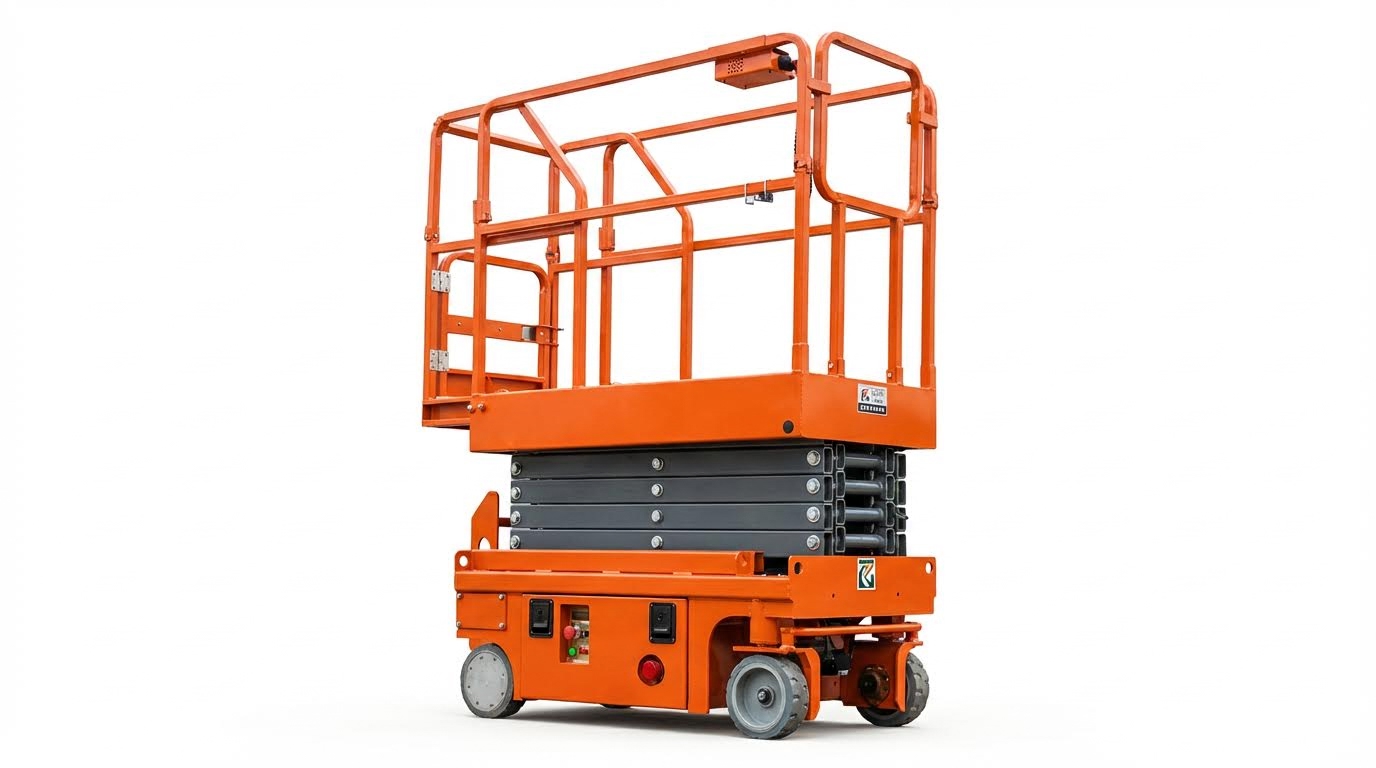
Safe scissor lift operation relied on three pillars: planning, execution, and lifecycle care. Robust site planning addressed ground bearing capacity, level setup, exclusion zones, traffic control, weather limits, and electrical clearance. During operation, trained personnel followed the operator’s manual, completed structured pre-use inspections, respected rated load and center-of-gravity limits, stayed within guardrails, and maintained clear platform–ground communication. Over the equipment lifecycle, formal daily, monthly, and annual inspection programs, supported by preventive maintenance and disciplined battery care, reduced failures and extended service life.
Industry practice increasingly integrated digital technologies into these fundamentals. AI-assisted diagnostics, connected sensors, and advanced battery monitoring systems provided real-time health data, state-of-charge visibility, and predictive maintenance alerts. VR-based training and simulation platforms allowed operators to rehearse full job cycles, including emergencies, in controlled conditions, improving hazard recognition and procedural consistency. All-electric, low-leakage architectures with reduced hydraulic circuits and self-diagnostics lowered environmental risk and maintenance hours while supporting tighter regulatory compliance.
Implementing these advances required structured change management. Fleets needed standardized inspection checklists, documented maintenance intervals, and clear criteria for removing units from service. Organizations had to align training content with national MEWP standards, manufacturer instructions, and site-specific rules, then refresh competence at defined intervals. Data from telematics and digital logs had to feed into risk assessments, fleet renewal decisions, and work method statements. A balanced approach treated new technologies as enhancers of, not substitutes for, core controls such as physical guardrails, exclusion zones, and conservative load management. Future best practice will combine rigorous engineering controls, high-fidelity training, and data-driven maintenance to deliver higher productivity without eroding safety margins.