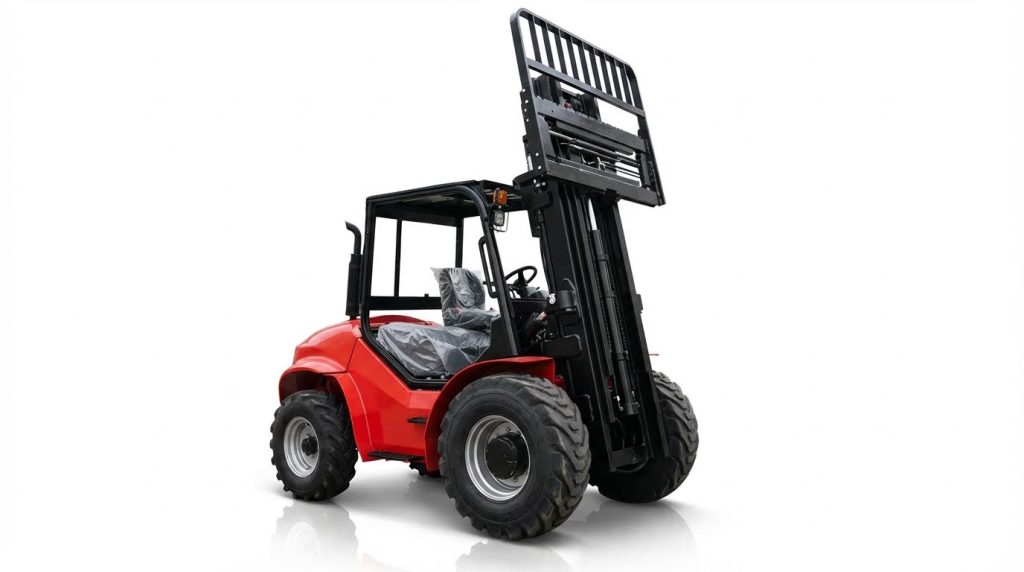
Electric forklifts had become the dominant choice in warehouses and logistics centers because they reduced emissions and operating noise. Their performance, however, depended heavily on battery runtime, charging strategy, and long-term battery health. This guide examined how duty cycles, environment, truck design, and operator behavior jointly determined runtime, then detailed life, care, and limits for lead-acid batteries. It also reviewed lithium-ion systems, monitoring technologies, and structural design before concluding with practical strategies to extend runtime and reduce lifecycle cost.
Key Factors That Determine Forklift Runtime
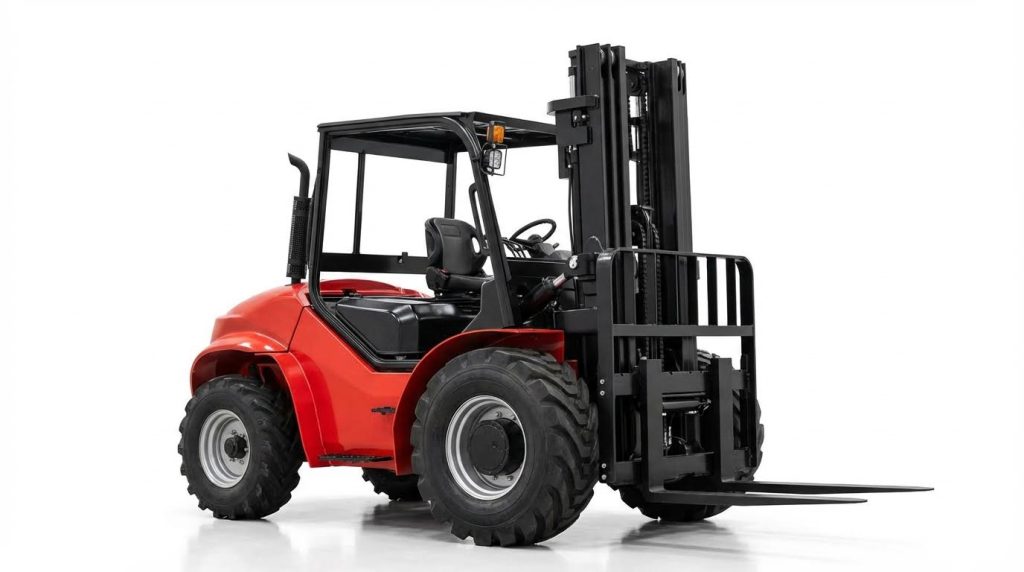
Forklift runtime depended on how quickly the truck drew energy from the battery under real operating conditions. Theoretical battery capacity in ampere-hours rarely matched usable energy on the floor because losses, peaks, and idle periods all modified demand. Engineering teams therefore evaluated runtime as a system outcome that linked duty cycle, environment, truck design, and operator behavior. Understanding each factor quantitatively allowed accurate shift planning, charger sizing, and battery technology selection.
Duty Cycles, Load Profiles, And VDI 2198 Assumptions
Duty cycle described the time distribution between lifting, traveling, and idling, usually referenced to VDI 2198 test profiles. A typical profile with about 50% lifting, 30% travel, and 20% idle produced roughly 6 hours of operation from a 48 V, 850 Ah lead-acid pack storing about 40 kWh. High-lift or ramp-intensive cycles increased current draw and cut runtime to 4–5 hours, while light picking with short lifts extended runtime toward 8–10 hours. Engineers modeled load profiles as average and peak currents, then applied efficiency and temperature derating factors to estimate realistic usable capacity.
Environment: Temperature, Floor Conditions, And Grades
Ambient temperature strongly influenced runtime by affecting internal resistance and chemical reaction rates. In cold storage, both lead-acid and lithium batteries delivered less available capacity and higher voltage sag, which shortened runtime even with unchanged duty cycles. Hot environments accelerated degradation and increased thermal losses, so batteries reached end of shift at lower effective capacity. Floor roughness and grades added mechanical load; soft or damaged floors and frequent ramp climbing increased traction motor current, raising energy consumption per meter traveled.
Truck Design, Motors, And Hydraulic Efficiency
Truck architecture set the baseline energy demand for any given task. High-efficiency AC traction and pump motors, optimized gear ratios, and variable-displacement or speed-controlled hydraulic systems reduced current draw during lifting and travel. Poorly matched hydraulic valves, undersized conductors, or high-loss controllers converted more electrical energy into heat, shortening runtime from the same battery pack. Structural mass and tire selection also mattered; heavier trucks and high rolling-resistance tires required more torque and therefore higher average current, especially in start–stop applications.
Operator Behavior And Its Measurable Impact
Operator technique translated directly into measurable differences in kWh per pallet moved. Aggressive acceleration, hard braking, and unnecessary high-speed travel caused current spikes, increased heat, and reduced effective runtime by well over 10% in monitored fleets. Training operators to coast, combine lift and travel efficiently, and minimize idle with key-on reduced energy use by roughly 12–15% without hardware changes, as telematics data had shown. Modern monitoring systems logged events such as over-speed, harsh braking, and excessive lift heights, enabling targeted coaching that stabilized runtime across shifts and operators.
Lead-Acid Forklift Batteries: Life, Care, And Limits
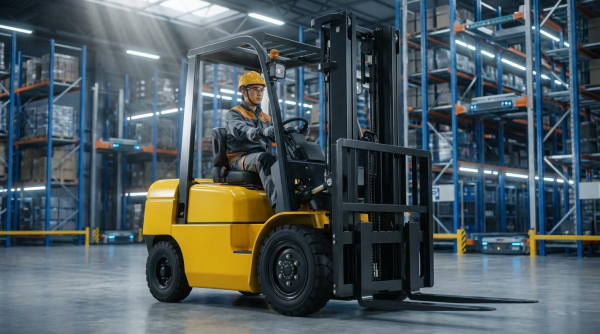
Lead-acid traction batteries remained the workhorse of electric forklifts for decades, especially in single or two‑shift operations. Their runtime, cycle life, and safety margins depended strongly on correct sizing, charging discipline, and thermal management. Engineers specified these batteries using ampere-hour (Ah) capacity, duty-cycle assumptions such as VDI 2198, and targeted service life in full cycles. Understanding these constraints allowed operators to balance capital cost, swap logistics, and lifecycle energy cost.
Typical Runtime, Ah Sizing, And Cycle Life Targets
A typical 48 V, 850 Ah lead-acid traction battery provided roughly 40 kWh of usable energy under rated conditions. Under a VDI 2198 duty cycle with about 50% lifting, 30% travel, and 20% idle, such a pack delivered around 6 hours of continuous work. High-intensity applications with frequent high lifts or ramp work pushed motor currents higher and cut runtime to about 4–5 hours. Light picking or low-load use extended runtime up to roughly 8–10 hours, but still within the same Ah rating.
Engineers sized Ah capacity so that daily discharge stayed near 70–80% depth of discharge, avoiding repeated deep cycles. Industry standards classed a traction battery as end-of-life once it could only hold about 80% of its original rated Ah. With proper sizing and operation, flooded lead-acid traction batteries often achieved 1,200–1,500 full cycles before reaching that threshold. Oversizing slightly for harsh duty cycles reduced peak discharge rates and slowed aging, but increased mass and truck counterbalance effects.
Charging Protocols, Equalization, And Opportunity Charging
Lead-acid traction batteries required disciplined charging to achieve design life. Best practice recharged the battery when state of charge dropped to about 20–30%, then completed a full charge cycle without interruption. Using the manufacturer-specified charger ensured correct voltage profile and charge current, limiting overcharging, gassing, and plate corrosion. Repeated partial charges, often called opportunity charging, raised average plate sulfation and shortened cycle life.
Equalization charging applied a controlled overcharge at a higher voltage periodically, often weekly or after a defined number of cycles. This process broke down sulfation layers and rebalanced cell voltages, recovering some lost capacity and extending usable life by months or years. Operators documented equalization events in logbooks to coordinate with watering schedules and avoid thermal stress. Engineers avoided fast-charging flooded lead-acid packs because high currents elevated electrolyte temperature and accelerated degradation.
Watering, Cleaning, And Thermal Management Practices
Flooded lead-acid forklift batteries consumed water through electrolysis during normal charging. Maintenance staff checked electrolyte levels at least weekly and topped up only after charging, using deionized or distilled water. They kept plates fully submerged but avoided overfilling, which caused acid overflow during gassing and corrosion of trays and connectors. Allowing plates to dry even partially caused irreversible capacity loss and increased internal resistance.
Cleanliness and temperature control had major impacts on performance. Technicians wiped cases and lids regularly to remove dust, dirt, and acid residues that could create leakage currents or tracking paths. They ensured terminals and intercell connectors were tight and corrosion-free to minimize resistive heating and voltage drops. Ideal operating and charging environments stayed cool and well ventilated; elevated temperatures accelerated grid corrosion, while cold storage reduced available capacity and increased voltage sag. Good airflow around the battery compartment helped dissipate heat during charge and equalization.
End-Of-Life Criteria, Testing, And Replacement Planning
Industry practice defined end-of-life for lead-acid traction batteries when they retained less than 80% of original rated capacity in ampere-hours. Professional service providers performed load or capacity tests to quantify remaining capacity under controlled discharge conditions. Routine voltage checks, specific gravity measurements for flooded cells, and visual inspections for swelling, leaks, or cracked cases supported early fault detection. Abnormal odors or electrolyte seepage triggered immediate removal from service due to safety and corrosion risks.
Planned replacement strategies reduced unplanned downtime and safety incidents. Fleet managers tracked cycles, watering events, equalization dates, and measured capacities in logbooks or digital maintenance systems. When test data showed accelerating capacity loss or rising internal resistance, they scheduled replacements during planned outages. Coordinated planning also addressed recycling logistics, since lead-acid batteries fell under strict hazardous waste and recycling regulations in most jurisdictions. This structured approach kept runtime predictable and lifecycle cost under control across the forklift</
Lithium-Ion Forklift Batteries And Emerging Technologies
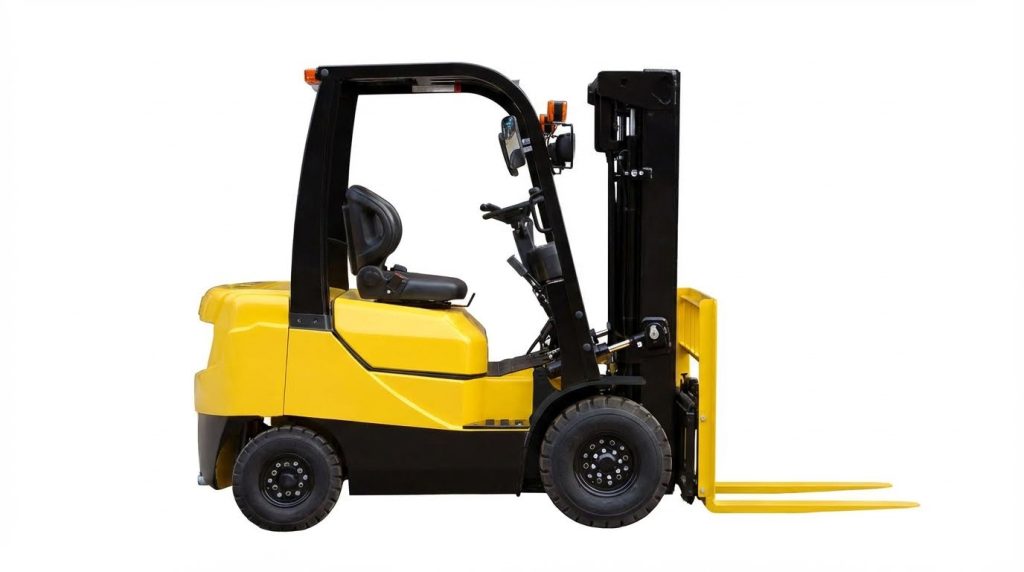
Lithium-ion batteries reshaped electric forklift design by enabling higher energy density, fast charging, and lower routine maintenance. They eliminated watering tasks and reduced ventilation requirements compared with lead-acid, which improved uptime and safety. In parallel, telematics, battery management systems, and digital twins increased data visibility and allowed predictive maintenance. Structural innovations and shock protection features further improved pack durability in harsh material-handling environments.
Runtime, Fast Charging, And Multi-Shift Operation
Lithium-ion packs delivered longer effective runtime per kilowatt-hour because they maintained higher voltage under load and tolerated deeper cycling. Typical warehouse trucks achieved 6–8 hours of operation per charge under VDI 2198-type duty cycles, while light-duty picking extended runtime toward 10 hours. Fast chargers at around 150 A fully recharged mid-size packs, for example 460 Ah, in under two hours, which supported continuous 24/7 operation with a single battery. Operators performed opportunity charging during breaks, often adding roughly 30% state-of-charge in 15 minutes without the heat issues seen in lead-acid. This capability removed the need for battery rooms and swap stations in many multi-shift fleets.
BMS Control, SOC Windows, And Temperature Limits
Every lithium-ion forklift pack relied on an integrated Battery Management System (BMS) to supervise cell voltages, currents, and temperatures. The BMS enforced recommended state-of-charge (SOC) windows, typically keeping operation between about 20% and 80% to avoid deep discharges that accelerated cell degradation. It also limited charging to an approximate 0°C to 45°C temperature band because charging outside this range increased aging, overheating risk, or lithium plating. Periodic BMS calibration ensured SOC estimation accuracy, which maintained consistent runtime predictions and protected against inadvertent overcharge or over-discharge. When combined with correct charger matching, BMS control extended cycle life and reduced unexpected shutdowns.
Telematics, AI Monitoring, And Digital Battery Twins
Modern electric forklifts increasingly integrated telematics that recorded energy use per lift, discharge depth, and temperature history. Fleet managers used this data to benchmark trucks, detect inefficient driving patterns, and trigger alerts when operators exceeded defined kWh-per-task thresholds. AI-based analytics processed large datasets to predict when a battery approached 80% of original capacity, which industry standards treated as end-of-life. Digital battery twins, virtual models linked to real-time sensor inputs, simulated degradation under different duty cycles and charging strategies. These tools supported optimized charging schedules, right-sized battery selection, and proactive maintenance planning that minimized unplanned downtime.
Structural Design, Shock Protection, And Safety
Lithium-ion forklift packs required robust mechanical design to withstand constant vibration, curb impacts, and pallet strikes. Manufacturers used reinforced steel enclosures, for example stamped plates of around 3 mm thickness, and integrated thermoplastic polyurethane (TPU) shock pads to isolate cells from mechanical shocks. Such measures increased pack life by reducing weld fatigue, connector loosening, and internal short-circuit risk. Safety systems included fuses, contactors, and BMS-controlled shutdown logic that responded to overcurrent, overvoltage, and overtemperature events. Proper mounting, cable strain relief, and compliance with relevant electrical and industrial truck standards ensured safe operation across demanding warehouse and outdoor environments.
Summary: Extending Runtime And Reducing Lifecycle Cost
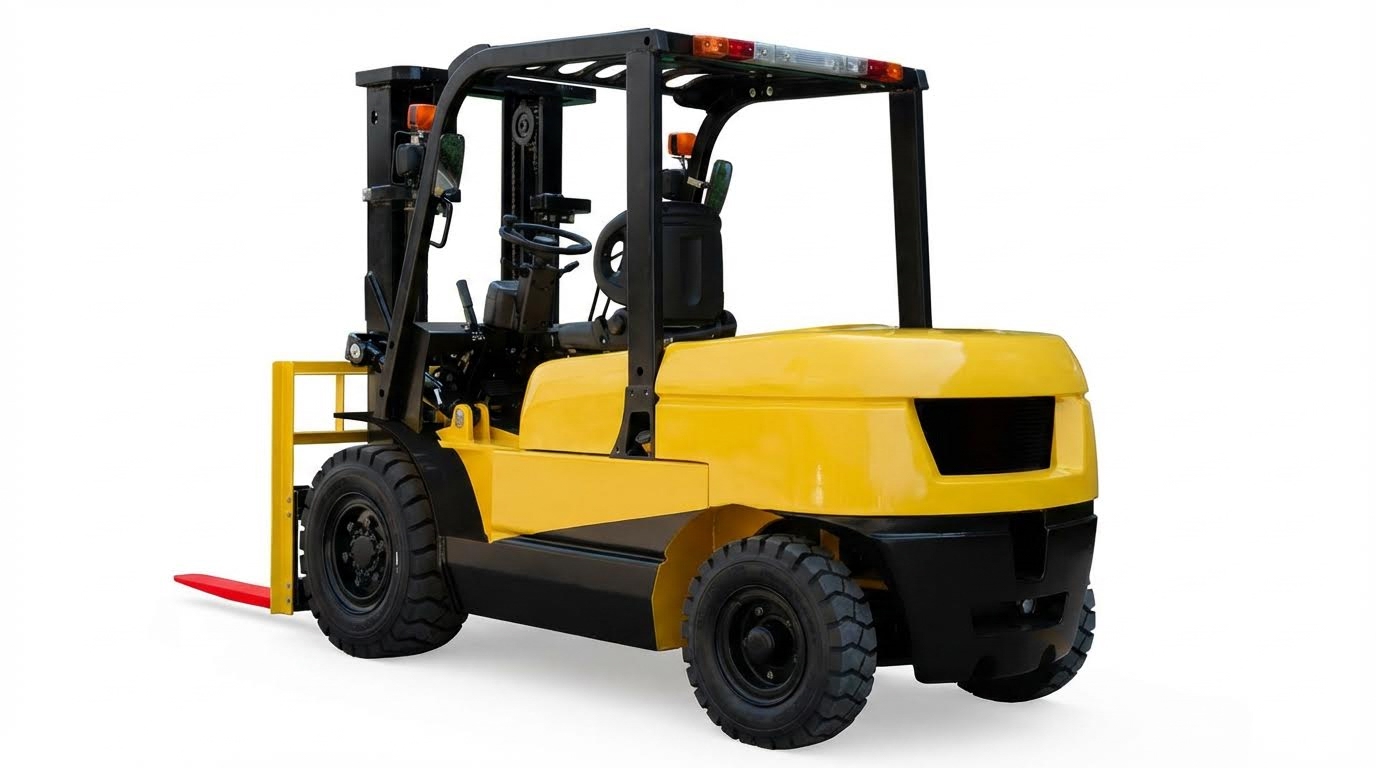
Electric forklift battery life and runtime depended on a tightly coupled set of factors. Duty cycle, load profile, ambient temperature, and floor conditions determined the base energy demand, while truck design and operator behavior shifted real-world runtime by several hours per shift. Lead-acid systems required disciplined charging, watering, cleaning, and equalization to reach target cycle life, whereas lithium-ion systems traded higher capital cost for fast charging, lower maintenance, and better multi-shift availability. Across both chemistries, structured maintenance programs, operator training, and data-driven monitoring consistently reduced unplanned downtime and total cost of ownership.
Industry practice increasingly treated batteries as managed assets rather than consumables. Engineers specified ampere-hour capacity and chemistry based on measured kWh per shift, VDI 2198 duty assumptions, and temperature exposure, then validated performance with telematics and periodic capacity tests. Forward-looking fleets adopted BMS analytics, runtime telemetry, and digital battery twins to predict degradation, right-size packs, and optimize charge windows between 20% and 80% state of charge. Future trends pointed toward wider lithium-ion adoption, modular packs, and AI-assisted charge scheduling that coordinated with grid tariffs and warehouse workflows.
Practical implementation required clear standard operating procedures. Sites defined when to charge (typically 20–30% state of charge), how to complete full cycles, and how to handle equalization and watering for lead-acid units. They enforced temperature limits, kept batteries clean and dry, and removed from service any unit showing swelling, leakage, or abnormal odor. A balanced technology roadmap compared lead-acid plus spare packs against lithium-ion plus fast charging, using lifecycle cost models that included energy, maintenance, labor, and downtime. Operations that integrated correct sizing, disciplined care, and data-centric control consistently extended runtime while lowering lifecycle cost per operating hour.