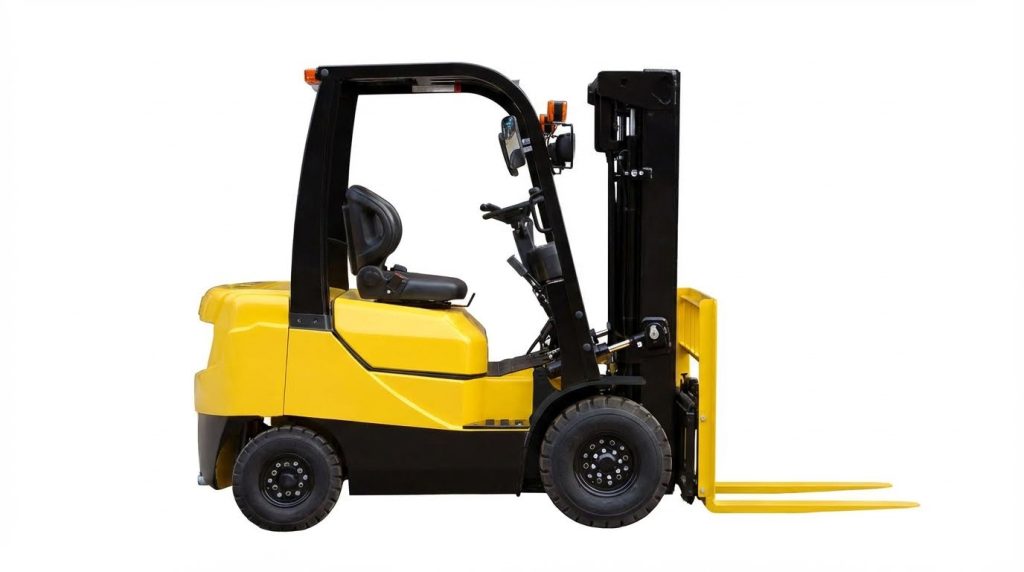
Daily pre-use inspections of forklifts formed a critical control for safety, regulatory compliance, and asset reliability. This article structured those inspections around OSHA requirements, risk management fundamentals, and operator competency obligations. It then broke the process into pre-start visual checks, followed by operational function tests before placing a truck in service. Finally, it summarized best practices and highlighted how data, logging, and emerging technology could strengthen future inspection regimes.
Throughout, the focus stayed on engineering-grade detail: what to check, acceptable conditions, and clear out-of-service criteria. The checklist approach supported consistent execution across electric, LPG, and internal combustion forklifts in demanding industrial environments.
OSHA Requirements And Risk Management Basics
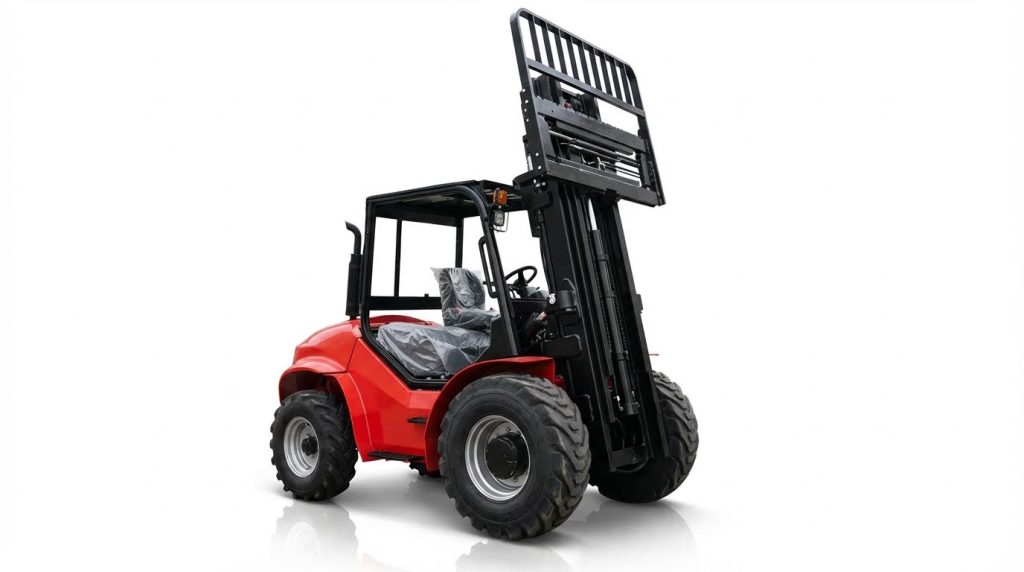
OSHA framed daily forklift inspections as a mandatory control, not an optional safety enhancement. Engineering teams used these requirements to standardize risk management, reduce failure rates, and demonstrate regulatory compliance. A structured approach to inspection, documentation, and defect response reduced incident frequency and improved equipment availability. The following subsections detailed how to translate the regulatory text into field-ready engineering practice.
Daily And Per-Shift Inspection Requirements
OSHA standard 29 CFR 1910.178(q)(7) required that every powered industrial truck be examined at least once per workday. For three-shift operations, the rule required an inspection after each shift, before placing the truck into service. The inspection sequence started with a key-off visual check, followed by an operational test with the engine or traction system running. Operators needed to verify fluid levels, look for leaks or cracks, and check tires, forks, mast chains, and hydraulic hoses for visible defects. Any unsafe condition, including fuel leaks, abnormal temperatures, or hazardous exhaust, mandated immediate removal from service until repair by authorized personnel.
Operator Competency, Licensing, And Training
OSHA treated operator qualification as a core risk control equal to mechanical inspection. Regulations required that forklift operators receive formal instruction, practical training, and evaluation of performance before independent operation. Employers had to ensure operators held any jurisdiction-required driver’s license and passed site-specific assessments. Training content covered pre-use inspections, load limits, stability principles, and fuel or battery handling, including required personal protective equipment. Refresher training became necessary after incidents, near misses, unsafe behavior, or significant changes in equipment or operating conditions.
Lockout, Tagout, And Out-Of-Service Criteria
Out-of-service decisions followed clear OSHA triggers to prevent unsafe operation. Any truck with defective brakes, steering, hoist mechanisms, fuel leaks, low or no oil pressure, or abnormal overheating required immediate withdrawal from service. Supervisors or maintenance personnel then applied lockout or tagout devices according to the facility’s energy control program, especially for electrical, hydraulic, or LPG systems. Only qualified technicians could remove locks or tags after verifying that defects were corrected and the truck met manufacturer specifications. This structured isolation process reduced the probability of inadvertent startup and uncontrolled energy release during repair.
Recordkeeping, Logs, And Audit Readiness
Inspection logs formed the documentary backbone of a defensible risk management system. Facilities typically used daily checklists that captured date, truck ID, operator name, inspection results, defects found, and corrective actions. Maintaining these records supported OSHA compliance demonstrations, internal audits, and root-cause analyses after incidents. Trend analysis of repeated faults, such as recurring hydraulic leaks or tire failures, allowed engineering teams to adjust maintenance intervals or component specifications. Digital log systems improved traceability, reduced missing records, and enabled rapid retrieval during regulatory inspections or third-party audits.
Pre-Start Visual Checks Of Structure And Systems
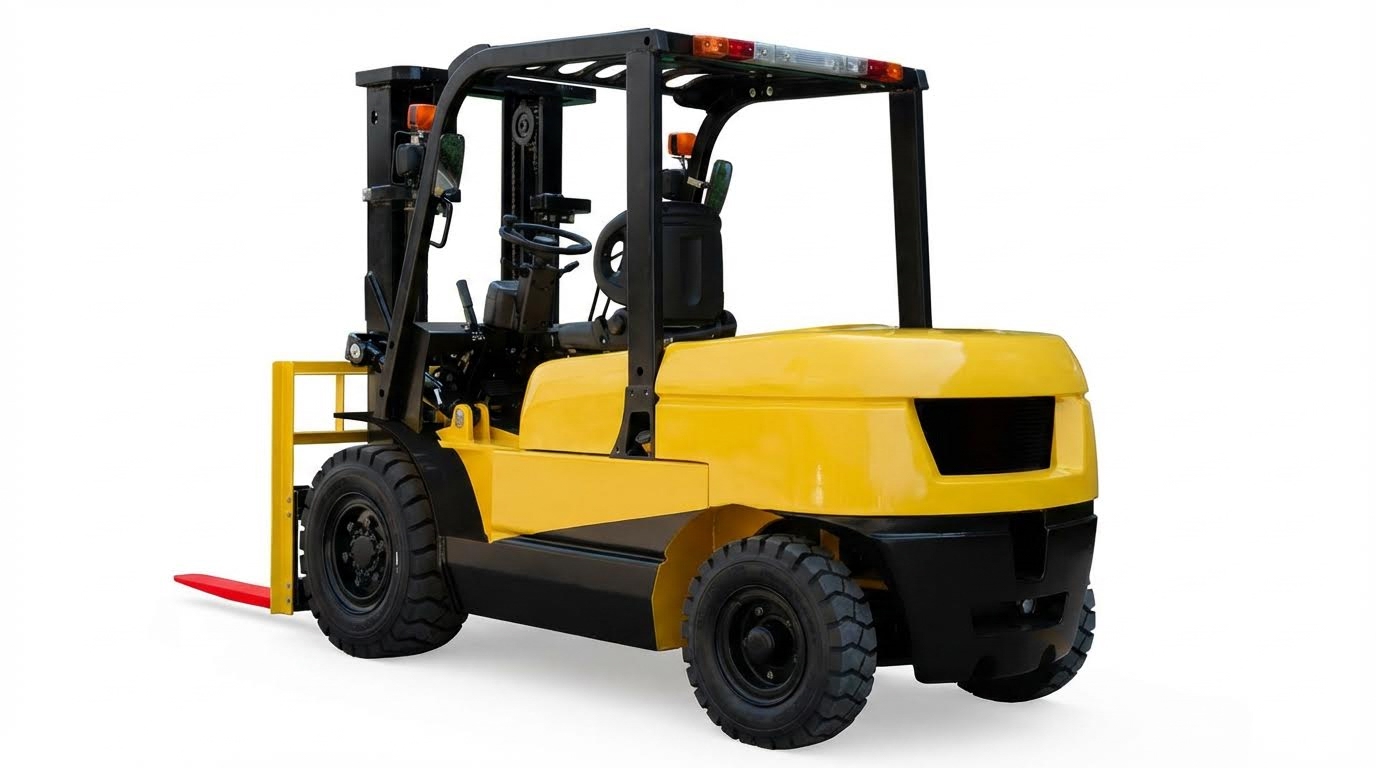
Pre-start visual checks established the baseline condition of the forklift before any load handling. These inspections reduced the probability of in-service failures, supported OSHA compliance, and extended component life. A systematic walk‑around sequence helped operators detect structural damage, leaks, and missing safety hardware. Engineering-led programs typically standardized these checks into repeatable, auditable routines.
Structural Integrity, Mast, Carriage, And Fork Wear
The structural inspection started with the truck frame, overhead guard, and counterweight. Operators looked for cracks, dents, deformation, corrosion, or evidence of impact on welds and structural members. The mast channels and rollers required checks for straightness, abnormal wear marks, and free movement without binding. Mast chains were inspected for equal tension, proper lubrication, damaged links, and missing or deformed pins, using a tool rather than hands inside the mast.
Forks required close inspection at the heel and shank for cracks, gouges, or permanent bending. Excessive wear at the fork heel, typically above 10% loss of original thickness, reduced rated capacity and required removal from service. Retaining pins, clips, and fork locks had to be present and fully seated to prevent fork dropout. The carriage plate and load-bearing surfaces were checked for distortion, missing bolts, and secure engagement with the mast.
Tires, Wheels, And Load Backrest Inspection
Tire condition directly influenced stability and stopping distance. Operators inspected tread depth, sidewall integrity, and contact surface for cuts, chunking, embedded objects, and uneven wear. Pneumatic tires required verification of pressure against manufacturer specifications using a calibrated gauge, while solid tires required checks for separation, flat spots, and legal wear limits. Wheel rims were inspected for cracks, distortion, missing or loose fasteners, and signs of impact damage.
The load backrest extension had to be straight, securely fastened, and free from cracks or weld failures. Any deformation could allow loads to shift rearward toward the operator. Finger guards and load backrest grids were checked for missing bars or sharp edges that could damage packaging. If the backrest or wheel assemblies showed structural defects, the truck was tagged out until repair by authorized maintenance personnel.
Power Source: Battery, LPG, And IC Engine Checks
Power source checks differed by energy type but followed the same safety logic: verify integrity, containment, and connections. For electric forklifts, operators inspected the battery case for cracks, leaks, and corrosion at terminals and connectors. Cables and plugs had to be free of fraying, exposed conductors, and loose lugs, while battery restraints and hood latches held the pack firmly in place. Electrolyte levels and vent caps required inspection with appropriate personal protective equipment and in accordance with manufacturer limits.
For internal combustion engines, visual checks covered engine oil, coolant, and hydraulic fluid levels, plus belts, hoses, and the air filter housing. Operators looked for oil, fuel, or coolant leaks around lines, fittings, and under the truck. LPG systems required confirmation that the cylinder was correctly seated, restraint brackets were secure, and the pressure relief valve pointed upward. Hoses, connectors, and the tank surface were inspected for dents, cracks, abrasion, frost marks, or odor indicating leaks, with any suspected leak triggering immediate removal from service.
Safety Devices, Labels, And Operator Compartment
Safety device checks ensured that passive and active protections were available before operation. Operators verified seat belts for intact webbing, correct retraction, and functional latches. Mirrors, horns, lights, and backup alarms were visually confirmed present and undamaged before functional testing. Fire extinguishers, where fitted, had to be charged, accessible, and within inspection date.
Labels and nameplates were checked for legibility and correctness, including capacity data that matched the truck model and installed attachments. Missing or unreadable capacity plates invalidated safe operation planning. The operator compartment had to be free of grease, loose tools, packaging, and debris that could obstruct pedals or levers. The presence and readability of the operator’s manual completed the pre-start verification of the control station and documentation environment.
Operational Function Tests Before Putting In Service
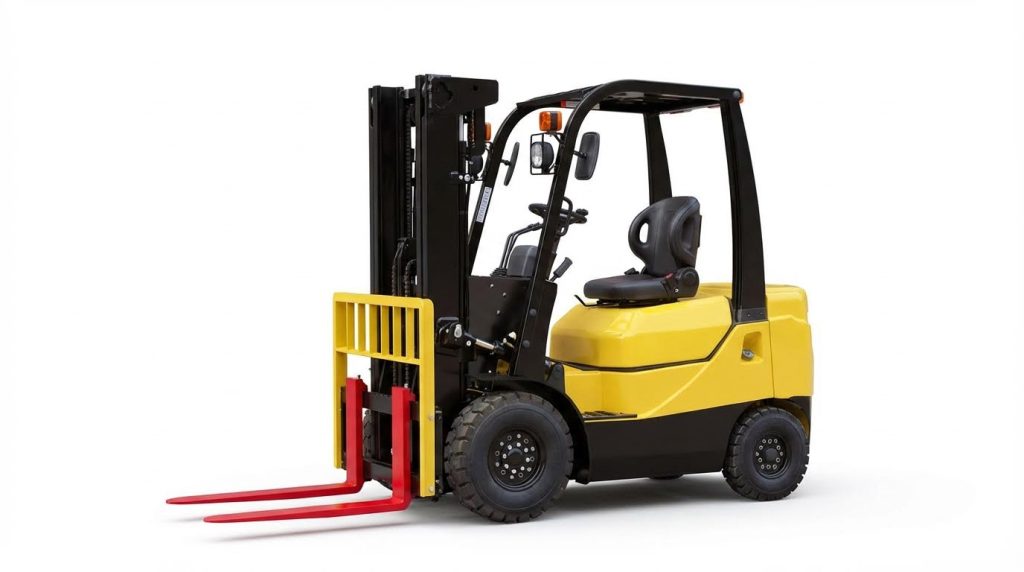
Operational checks verified that a forklift which passed the visual inspection still performed safely under power. Engineers treated these tests as functional validation of steering, braking, traction, hydraulics, and electrical systems under realistic load paths. OSHA required that operators completed these checks at least once per shift and removed any unsafe truck from service. A structured, repeatable sequence reduced human error and supported defensible maintenance records.
Steering, Braking, And Drive Function Verification
Operators performed steering checks in an open, marked area with the mast lowered and unloaded. They verified full steering range, absence of binding, and predictable response with no excessive free play at the steering wheel. Brake tests included service brake stopping distance at low speed, parking brake holding ability on rated gradients, and consistent pedal feel without sponginess or sink. Drive controls in forward and reverse needed smooth engagement, no unexpected surging, and correct inching control behavior where fitted. Any pulling to one side, delayed response, or loss of traction under modest acceleration indicated issues requiring immediate removal from service.
Hydraulics, Attachments, And Mast Motion Checks
Hydraulic function tests started with the truck on level ground, mast vertical, and rated forks or attachments installed. Operators raised and lowered the mast through full stroke, checking for smooth motion, no chatter, and no drift when controls returned to neutral. They tilted the mast fully forward and back, verifying symmetrical movement, correct speed, and absence of hydraulic lag or jerky transitions. Attachments such as clamps, rotators, or side-shifters required full-range cycling under no load to confirm correct response, sealing integrity, and secure mounting. Visible hose bulging, delayed response, or audible cavitation during operation signaled hydraulic faults that mandated lockout and maintenance.
Electrical Systems, Gauges, And Warning Indicators
With the key on and engine running or traction system energized, operators confirmed horn, headlights, brake lights, turn signals, and backup alarms operated correctly. For electric trucks, they checked the battery discharge indicator, hour meter, and any state-of-charge or fault displays for normal readings. Internal combustion units required verification that oil pressure, coolant temperature, and charging system indicators stayed within manufacturer limits, with no persistent warning lamps. Dashboard telltales, including parking brake, seat belt, and system fault icons, needed to illuminate during self-test and then extinguish as specified. Any abnormal gauge reading, flashing warning light, or inoperative safety device required immediate reporting and removal from service per 29 CFR 1910.178.
Abnormal Noise, Vibration, And Overheating Signs
During low-speed operation, operators listened for grinding, clicking, squealing, or knocking that differed from the truck’s known baseline sound profile. They monitored for new vibrations through the seat, floor plate, mast, or steering wheel, which often indicated tire damage, bearing wear, or drivetrain misalignment. Short functional runs allowed quick checks of engine or motor temperature trends and verification that radiator and cooling airflow prevented rapid overheating. Operators watched for smells of burning insulation, hot oil, or fuel vapors, which signaled electrical faults or leaks. Any indication of overheating, fuel leakage, or abnormal mechanical noise required that the forklift be shut down, tagged out, and inspected by authorized maintenance personnel before further use.
Summary Of Best Practices And Future Innovations
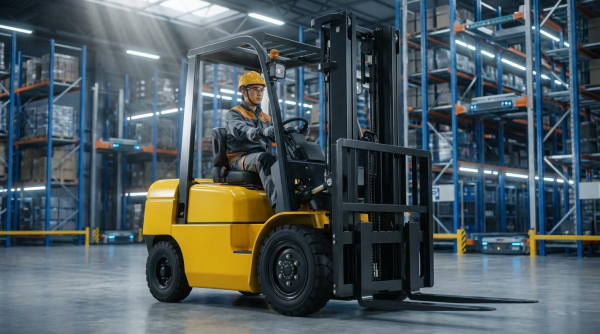
Daily pre-use inspections functioned as a primary engineering control for forklift risk. OSHA required examinations at least once per day, or once per shift for continuous operation, and mandated immediate removal from service when defects affected safety. Best practice combined a structured checklist with a two-stage process: key-off visual inspection followed by an engine-on or power-on functional test. Operators verified structural integrity, forks and mast condition, tires, fluids, power source, safety devices, and then confirmed braking, steering, hydraulics, and controls under no-load conditions.
Organizations improved outcomes when they formalized recordkeeping, used standardized inspection forms, and tied defect reports directly into maintenance work orders. Engineering teams specified measurable acceptance criteria, such as tire wear limits, fluid level ranges, and normal coolant and oil pressure values, to avoid subjective judgments. Clear lockout and tagout rules, plus authority for operators to remove unsafe trucks from service, reduced incident rates and aligned with 29 CFR 1910.178 requirements. End-of-shift walk-arounds and designated safe parking areas further reduced residual risk.
Future practice increasingly integrated telematics, on-board diagnostics, and electronic pre-use checklists. These systems supported automated timestamped logs, exception reporting, and predictive maintenance based on sensor data such as temperature, vibration, and hydraulic pressure trends. Camera-based object detection and proximity warning systems continued to supplement traditional horns and lights. However, engineering controls and automation did not replace operator training. Effective programs maintained a balanced approach: robust training and licensing, disciplined daily inspections, data-driven maintenance, and progressive adoption of safety technologies as they matured and complied with evolving standards.