Electric forklift batteries sat at the core of material-handling reliability, cost, and safety. Their lifecycle spanned initial performance, mid-life reconditioning, and regulated end-of-life recycling for both lead-acid and lithium-ion chemistries. This article examined engineering fundamentals, detailed reconditioning workflows, and compliant decommissioning and recycling practices grounded in current regulatory expectations. It concluded with strategic guidance for fleet owners on balancing reconditioning, replacement, and disposal to reduce lifecycle cost and environmental impact while maintaining operational safety.
Engineering Basics Of Forklift Battery Lifecycles
Engineering teams needed a clear view of how forklift batteries aged before defining reconditioning or disposal strategies. Lifecycle behavior depended strongly on chemistry, operating profile, and maintenance quality. Lead-acid and lithium-ion packs showed distinct degradation modes, but both responded to temperature, depth of discharge, and charging discipline. Understanding failure mechanisms, early warning signs, and regulatory drivers formed the foundation for safe, economical lifecycle management.
Lead-Acid Vs. Lithium-Ion: Failure Modes
Lead-acid forklift batteries primarily failed through sulfation, electrolyte loss, and plate degradation. Repeated undercharging and frequent deep discharges promoted sulfate crystal growth on lead plates, which reduced active surface area and capacity. Low water levels exposed plates, causing overheating, warping, and irreversible shedding of active material. Corroded terminals and strap connections increased resistance and heat generation under load.
Lithium-ion packs degraded through different mechanisms. High temperatures and operation outside 20–80% state of charge accelerated loss of lithium inventory and electrode breakdown. Poor BMS calibration or bypassed protections led to cell overcharge or deep discharge, which caused gas generation, swelling, and potential internal short circuits. Mechanical abuse or manufacturing defects could trigger localized failures that propagated through thermal runaway if not mitigated by pack design.
Lead-acid packs tolerated occasional abuse but showed progressive capacity loss and longer charge times. Lithium-ion packs maintained stable performance over more cycles but required stricter control of temperature, charge profile, and current limits. These contrasting failure modes dictated different reconditioning options and end-of-life decisions.
Key Performance And Safety Warning Signs
Key performance indicators signaled when batteries approached functional or safety limits. For lead-acid units, reduced runtime under normal loads, frequent need for opportunity charging, and inability to reach full specific gravity indicated sulfation or electrolyte imbalance. Uneven cell voltages, rapid self-discharge, and hot spots during charge suggested internal resistance growth or failing cells. Visible corrosion, acid residue, or warped cases flagged mechanical and chemical stress.
For lithium-ion packs, faster-than-expected capacity fade, sudden voltage drops under moderate load, or repeated BMS-induced shutdowns indicated cell imbalance or degradation. Swelling of modules, localized heating, or audible venting were critical safety warnings. Charge sessions that terminated abnormally early or took significantly longer pointed to BMS protection events or reduced usable capacity.
Across both chemistries, operators needed to treat spilled electrolyte, persistent hydrogen odor, or any signs of smoke as immediate hazards. Engineering teams should log runtime, charge cycles, and alarm codes to differentiate normal aging from emergent safety issues. Early detection allowed reconditioning where feasible and prevented unsafe continued operation.
Regulatory And Compliance Drivers For Disposal
End-of-life handling of forklift batteries operated under strict regulatory frameworks. In the United States, the Mercury-Containing and Rechargeable Battery Management Act mandated proper collection and recycling of lead-acid and rechargeable batteries. Lead-acid units were classified as hazardous waste if not routed into approved recycling streams, due to lead and sulfuric acid content. Improper disposal risked groundwater contamination on the order of tens of thousands of liters per battery.
For lithium-ion packs, transport and disposal fell under U.S. Department of Transportation hazardous materials rules. These rules required correct labeling, documentation, and packaging to prevent short circuits and fire during transit. Facilities performing disassembly and recycling had to manage fire risk, often using cryogenic or inert atmospheres to control thermal runaway during processing. OSHA air quality standards governed worker exposure to lead dust and other particulates at recycling plants.
Fleet owners therefore needed to select recyclers that held recognized certifications such as R2 or e-Stewards and could provide recycling certificates. These documents demonstrated legal compliance and supported corporate environmental reporting. Regulatory pressure, combined with high recovery rates for lead and strategic metals, made compliant recycling both a legal obligation and a resource-efficiency opportunity.
Technical Process For Reconditioning Lead-Acid Packs
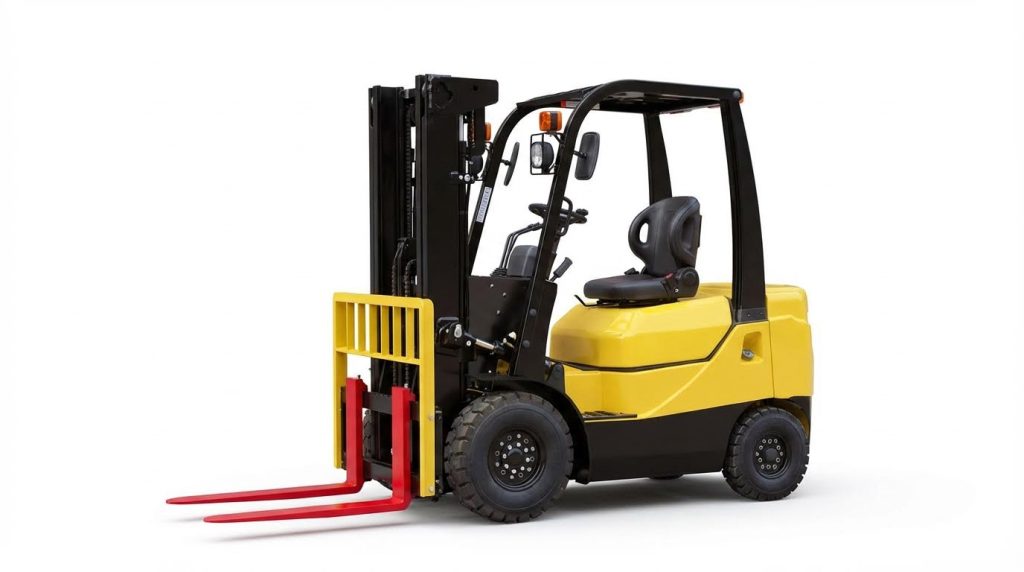
Lead-acid forklift battery reconditioning followed a structured, test-driven process. Engineers restored capacity by reversing sulfation, correcting electrolyte levels, and replacing failed cells where economically justified. A controlled workflow reduced safety risks from acid, hydrogen gas, and potential short circuits. The following subsections described a typical industrial procedure aligned with safety and environmental regulations.
Diagnostic Testing, Inspection, And Cell Evaluation
Reconditioning started with a full visual and electrical assessment. Technicians inspected cases for cracks, deformation, leaks, and severe corrosion; any damaged cases disqualified the pack from reconditioning. They cleaned terminals using a baking soda and water solution to neutralize acid and improve contact. After cleaning, they measured open-circuit voltage per cell with a voltmeter or multimeter and checked electrolyte levels in each cell.
A hydrometer then measured the specific gravity of the electrolyte to estimate state of charge and cell health. Cells with significantly lower specific gravity than the pack average indicated sulfation or stratification. In industrial practice, technicians logged cell-by-cell voltage and specific gravity to identify weak or dead cells. Packs with multiple cells below about 1.75 V per cell, or with evidence of internal shorts, usually moved directly to replacement and recycling.
Desulfation, Electrolyte Service, And Equalization
Once basic integrity was confirmed, the next step targeted sulfation and electrolyte condition. Technicians topped up low electrolyte levels with distilled water, but only after an initial charge to avoid overflow during gassing. They avoided tap water because dissolved minerals accelerated plate degradation and reduced battery life. For heavily sulfated batteries, they used a charger with a dedicated reconditioning or desulfation mode, or a separate desulfator.
Desulfation applied controlled pulses or extended low-current charging to break down lead sulfate crystals on the plates. In some workshop practices, an electrolyte boost using a magnesium sulfate (Epsom salt) solution in distilled water was added to marginal cells, although this remained a remedial, not OEM-approved, measure. After desulfation, technicians performed an equalization charge: a controlled overcharge at low current to balance cell voltages and mix electrolyte. During equalization, they monitored temperature, vented hydrogen safely, and periodically rechecked electrolyte levels and specific gravity.
Cell Replacement, Balancing, And Final Validation
If diagnostics identified isolated dead or severely underperforming cells, technicians replaced these cells with units of matching capacity, chemistry, and similar age where possible. They disconnected the pack, removed intercell connectors, and swapped cells using insulated tools and appropriate PPE to prevent shorts and acid exposure. After reassembly, they cleaned and tightened all connections to minimize contact resistance and heat generation under load. The pack then underwent a full charge followed by a controlled load test.
The load test typically lasted several hours at a defined current, simulating rated forklift duty. During the test, technicians monitored terminal voltage, cell-level voltages where accessible, and temperature rise. They verified that voltage stayed above manufacturer limits for the specified discharge period and that no cell showed abnormal voltage drop. A final hydrometer check confirmed that specific gravity across cells stayed within a narrow band, indicating good balance. Only packs passing these criteria returned to service; others moved to partial salvage or recycling.
When Reconditioning Is Not Technically Viable
Reconditioning was not suitable for every lead-acid forklift battery. Packs with cracked or leaking cases posed high safety and environmental risks and required immediate removal from service and direct routing to certified recyclers. Extremely low voltage batteries, especially those below roughly 1.75 V per cell, often indicated deep sulfation, plate shedding, or internal shorts that desulfation could not reverse. Severe terminal corrosion, melted connectors, or warped plates observed during inspection also signaled structural damage.
If diagnostic testing showed multiple weak cells distributed across the pack, the cost of cell replacement and labor usually exceeded the value of the recovered capacity. Fleet managers then favored full pack replacement with parallel recycling to recover lead and plastics. Regulatory and safety requirements further limited reconditioning in cases of suspected internal short circuits or thermal damage. In those scenarios, best practice combined prompt decommissioning, safe transport, and compliant recycling rather than attempting restoration.
Safe Decommissioning, Transport, And Recycling
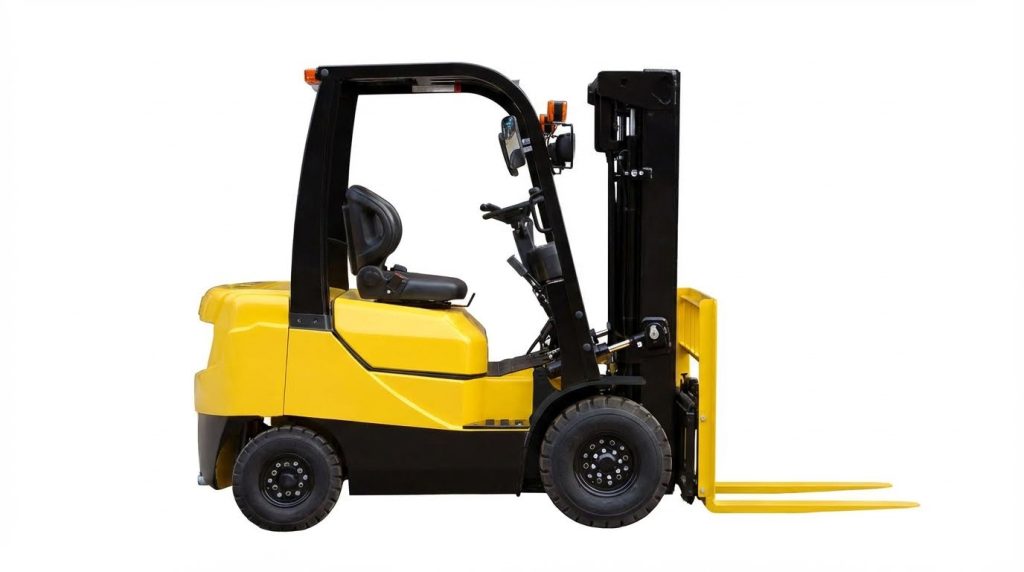
Safe decommissioning of electric forklift batteries required a structured process that protected workers, equipment, and the environment. Operators had to distinguish clearly between lead-acid and lithium-ion chemistries because their hazards and treatment paths differed significantly. Engineering controls, documented procedures, and regulatory compliance shaped how batteries were disconnected, moved, and handed over to recyclers. Effective programs reduced incident risk, cut lifecycle costs, and demonstrated due diligence to regulators and auditors.
Preparing Spent Batteries For Removal And Transport
Preparation began with formal decommissioning: tagging the battery as out of service, isolating it electrically, and recording serial numbers. Technicians disconnected the pack following lockout-tagout procedures, verifying zero voltage at terminals with a calibrated multimeter. They inspected cases for cracks, leaks, bulging, or damaged vents; any leaking lead-acid unit required neutralization of spilled electrolyte with a baking soda solution and containment in acid-resistant trays. Operators sealed vent caps, protected terminals with non-conductive covers, and secured cables to prevent accidental contact.
For transport, batteries had to be upright, strapped or blocked on pallets or in steel bins rated for the mass. Regulations required the use of appropriate PPE, including chemical-resistant gloves, goggles, and in some cases face shields and aprons. Forklift operators moved batteries using designated lifting points or battery rollers to avoid case deformation. Documentation included waste codes, chemistry identification, gross mass, and destination recycler, aligning with U.S. Department of Transportation rules for hazardous materials, especially for lithium-ion packs.
Lead-Acid Recycling Flows, Yields, And Energy Savings
Lead-acid forklift batteries entered a mature recycling stream with high material recovery. Facilities first drained and collected sulfuric acid, which they neutralized and converted into industrial chemicals such as sodium sulfate or cleaners. Mechanical processing separated plastic cases from the lead-bearing components, after which smelters melted the lead fractions to produce refined metal with purities near 99%. Plastic components were washed, pelletized, and reused in new battery cases, achieving plastics recovery rates close to 98%.
Overall recycling yields for lead-acid systems reached 95–99% by mass, making them one of the most recycled industrial products. Each tonne of recycled lead avoided extraction of more than 2 tonnes of lead ore and reduced energy use by roughly 35–40% compared with primary mining and smelting. These savings translated into lower greenhouse gas emissions and reduced environmental disturbance from mining operations. Proper recycling also prevented single batteries from contaminating tens of thousands of litres of groundwater with dissolved lead and acid.
Lithium-Ion Disassembly, Fire Risk, And Metal Recovery
Lithium-ion forklift batteries required more complex and tightly controlled end-of-life handling. Before disassembly, facilities often discharged packs to safe voltage levels and, in some processes, cryogenically cooled them to minimize thermal runaway risk. Technicians dismantled modules and cells in inert or controlled atmospheres, managing fluorinated electrolytes and combustible components to prevent fires. Any damaged or swollen packs demanded isolation in fire-resistant containers and continuous monitoring.
Downstream, recyclers used mechanical shredding combined with hydrometallurgical processes to recover cobalt, nickel, lithium, copper, and aluminum. Typical recovery efficiencies reached approximately 75–85% overall, with cobalt recovery around 80% and lithium recovery between 50–70%. Processed lithium compounds and metals re-entered cathode and alloy supply chains, reducing dependence on virgin mining and associated CO2 emissions by up to about 70%. Industry research pursued direct cathode recycling and improved hydrometallurgy to push lithium recycling efficiencies toward 90% by 2030.
Selecting Certified Recyclers And Verifying Compliance
Fleet owners had to choose recyclers that demonstrated robust environmental, health, and safety controls. Key indicators included certifications such as R2 or e-Stewards, documented compliance with the U.S. Battery Act for lead-acid units, and adherence to DOT hazardous materials transport rules for lithium-ion batteries. Reputable facilities operated advanced filtration systems meeting or exceeding OSHA air quality limits, with particulate removal efficiencies near 99.9% for lead dust. They also provided written procedures for acid neutralization, electrolyte treatment, and fire mitigation.
Service contracts needed to specify chain-of-cust
Summary And Strategic Implications For Fleet Owners
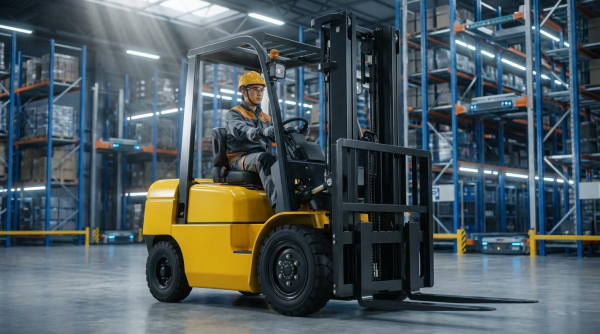
Electric forklift battery strategies affected operating cost, safety, and environmental performance. Reconditioning extended service life when degradation arose mainly from sulfation, water loss, or moderate imbalance. Lead-acid packs typically operated reliably for one to three years before performance declined sharply, while lithium-ion systems retained capacity longer but required stricter thermal and safety management. Recycling processes for both chemistries reached high material recovery rates, with lead-acid approaching 95–99% and lithium-ion 75–85% by mass.
For fleets, the first strategic decision involved establishing technical criteria that separated candidates for reconditioning from units requiring direct recycling. Voltage thresholds, hydrometer readings, physical inspection, and load tests provided objective gates. A structured workflow reduced unplanned downtime and avoided unsafe attempts to recover cracked, leaking, or internally shorted batteries. Integrating preventive maintenance, operator training, and BMS monitoring reduced the frequency of deep discharge and overheating events, which otherwise accelerated replacement cycles.
End-of-life management had direct regulatory and reputational implications. Lead-acid and lithium-ion batteries fell under hazardous materials and transport rules, including the Battery Act and Department of Transportation regulations. Using certified recyclers with R2, e-Stewards, or equivalent credentials provided documented compliance, traceability, and certificates of recycling. These partners optimized smelting or hydrometallurgical recovery, cut CO2 emissions relative to virgin mining, and protected workers through filtration and exposure controls.
Looking forward, recycling technologies for lithium-ion batteries targeted yield improvements toward 90% through direct cathode recovery and advanced hydrometallurgy. Fleet owners that tracked these developments could time replacement programs and chemistries to benefit from higher residual value and lower lifecycle emissions. A balanced strategy combined rigorous in-house maintenance, data-driven reconditioning decisions, and long-term contracts with qualified recyclers. This approach stabilized total cost of ownership, reduced environmental risk, and positioned fleets to adopt future battery technologies without stranded assets.