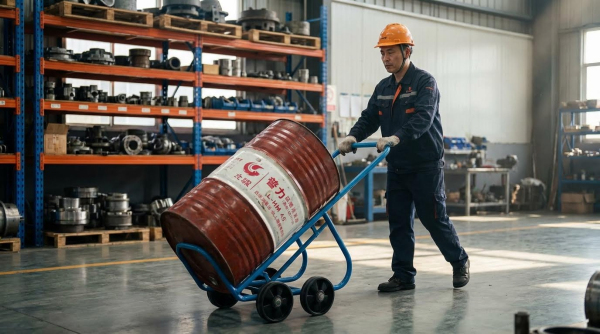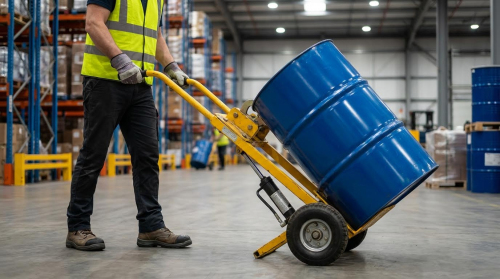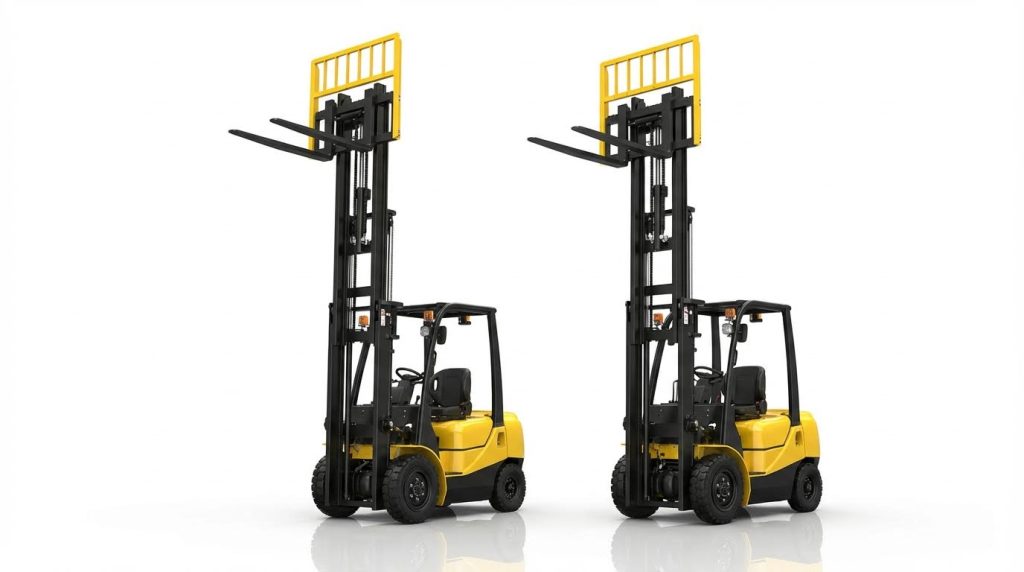
Electric forklifts relied on a complex set of fluids and oils to deliver safe, efficient, and durable operation. Hydraulic oils, gear and axle lubricants, battery electrolytes, and greases each served distinct mechanical and safety functions. Choosing the correct fluid type, viscosity, and chemistry affected component life, energy efficiency, and regulatory compliance across entire fleets. This guide outlined fluid types in modern electric forklifts, selection methods for performance and longevity, maintenance and safety practices, and practical implementation strategies for engineering teams and fleet operators.
Fluid Types In Modern Electric Forklifts
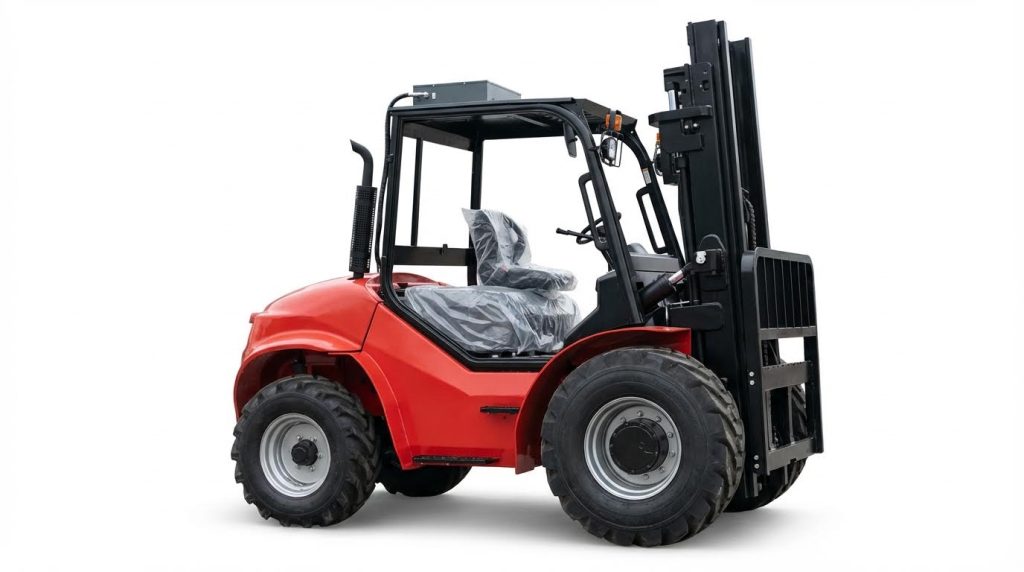
Electric forklifts relied on several distinct fluid systems that supported lifting, traction, braking, and energy storage. Each fluid family operated under different loads, temperatures, and contamination risks, so engineers specified tailored chemistries rather than a single universal product. Understanding these fluid roles allowed maintenance planners to optimize change intervals, reduce failures, and comply with safety and environmental regulations. The following sections outlined the main fluid categories used in modern electric forklift fleets.
Hydraulic Fluids For Lift, Tilt, And Steering
Hydraulic fluids in electric forklifts powered the mast lift cylinders, tilt cylinders, and often the steering circuit. Mineral-based hydraulic oils offered reliable lubrication and film strength for typical warehouse temperatures and duty cycles. Synthetic hydraulic fluids provided higher viscosity index, better oxidation resistance, and stable performance in cold storage or high-temperature environments. Biodegradable fluids, typically based on vegetable oils or synthetic esters, reduced environmental impact while maintaining comparable wear protection to mineral oils.
Engineers selected hydraulic fluids that met industry standards such as Denison HF-0, HF-1, and HF-2 or equivalent OEM test requirements. Premium fluids, including high-performance synthetic formulations, demonstrated extended drain intervals, sometimes up to 6000 hours in well-controlled systems. Correct viscosity grade and anti-foam performance were critical to avoid cavitation in high-lift masts and to maintain precise steering response. Mixing different hydraulic chemistries was not recommended because additive incompatibility could cause sludge, seal swelling, or loss of anti-wear protection.
Gearbox, Drive Axle, And Wet Brake Oils
Electric forklifts used reduction gearboxes and drive axles to convert motor speed into usable tractive effort. These components required gear oils or dedicated axle fluids with extreme-pressure additives to protect gears, bearings, and differential assemblies. Where manufacturers integrated wet disc brakes inside the axle housing, the oil also had to provide controlled friction characteristics for stable braking torque. This dual role demanded fluids with carefully balanced anti-wear, friction modifier, and oxidation inhibitor packages.
Viscosity grades typically followed ISO or SAE classifications, chosen according to ambient temperature range and load profile. High-viscosity-index formulations kept film strength at elevated temperatures while avoiding excessive drag at low temperatures. OEM specifications often referenced ZF TE-ML categories or proprietary HydrTrans-type standards to ensure compatibility with axle seals, clutch materials, and brake friction plates. Using incorrect oil type in wet brake systems risked brake chatter, reduced braking efficiency, or accelerated disc wear.
Battery Electrolyte And Water Management
Traction batteries in electric forklifts used sulfuric acid electrolyte to support electrochemical energy storage. The electrolyte consisted of diluted battery-grade sulfuric acid and demineralized or distilled water, prepared under controlled conditions. Operators never used industrial sulfuric acid or tap water because impurities altered specific gravity, increased self-discharge, and shortened battery life. Electrolyte levels had to remain approximately 10–15 millimetres above the plate tops without exceeding the marked upper level.
Water management followed strict procedures tied to the charging cycle. Technicians typically added distilled water before charging, then verified levels again after charging to avoid overfilling and acid spills. Seasonal adjustments to electrolyte density optimized performance in cold or hot environments, especially for non-sealed traction batteries. Ventilation of battery compartments remained essential because hydrogen gas evolved during charging, creating an explosion risk if concentrations exceeded approximately 4% in air.
Greases And Specialty Lubricants
Greases in electric forklifts lubricated mast rollers, chain sheaves, steer axles, pivot pins, and sometimes small electric motor bearings. These applications required consistent film retention under oscillating loads, shock impacts, and contamination from dust or moisture. Lithium or lithium-complex greases with anti-wear and corrosion inhibitors were common for mast and chassis points. For high-load or slow-speed bearings, engineers often specified greases with solid lubricants such as molybdenum disulfide to prevent boundary wear.
Specialty lubricants addressed niche requirements, including dielectric greases for electrical connectors and sliding contact lubricants for control linkages. In cold-storage or outdoor fleets, low-temperature greases with high-viscosity-index base oils ensured adequate pumpability and start-up torque. Food-handling environments sometimes required NSF H1-registered lubricants for incidental contact near pallets or product zones. Correct grease selection and relubrication intervals reduced mast noise, minimized chain elongation, and extended the service life of rotating joints and bearings.
Selecting Forklift Fluids For Performance And Life
Fluid selection in electric forklifts directly affected component wear, pump efficiency, and thermal stability. Engineers balanced viscosity, base oil type, additive chemistry, and seal compatibility against OEM requirements and duty cycles. Modern fleets increasingly specified fluids that extended drain intervals and reduced environmental risk while still passing severe bench and pump tests. The following subsections outlined key decision factors for hydraulic, drivetrain, and multi-purpose fluids.
Mineral, Synthetic, And Biodegradable Hydraulics
Mineral-based hydraulic oils historically dominated forklift lift, tilt, and steering systems. They provided reliable lubrication, acceptable oxidation stability, and good air release for standard ambient conditions. However, synthetic hydraulic fluids offered superior viscosity index, better low-temperature flow, and higher film strength at elevated temperatures. Products such as full-synthetic forklift hydraulic and transmission fluids achieved fluid lives near 6 000 hours, roughly four times conventional mineral oils, when systems remained clean and properly filtered.
Biodegradable hydraulic fluids, typically based on vegetable oils or synthetic esters, reduced environmental impact in leakage-prone applications. They approached mineral-oil performance in wear protection and thermal stability when correctly formulated and maintained. Engineers selected biodegradable grades where spill risk near soil or water triggered regulatory or corporate environmental requirements. For electric forklifts, the choice between mineral, synthetic, and biodegradable fluids depended on temperature envelope, duty severity, expected drain intervals, and site environmental constraints.
Viscosity Grades, OEM Specs, And Seal Compatibility
Correct viscosity grade ensured stable hydrodynamic films in pumps, valves, and cylinders across the operating temperature range. High-viscosity-index fluids maintained sufficient thickness at 60–80 °C oil temperatures while remaining pumpable during cold starts. Engineers referenced ISO VG grades or OEM-specific hydraulic and transmission fluid codes, then validated against ambient conditions and duty cycle. Overly high viscosity increased energy losses and cavitation risk, while too low viscosity accelerated wear and internal leakage.
Compliance with OEM and industry specifications reduced the risk of varnish, foaming, and pump damage. High-performance forklift fluids met standards such as Denison HF-0 / HF-1 / HF-2, various ZF TE-ML categories, and major agricultural and industrial hydraulic-transmission specifications. These approvals implied proven oxidation stability, filterability, water separation, and anti-wear performance in vane, gear, and piston pumps. Seal compatibility was equally critical; qualified fluids demonstrated compatibility with common NBR, FKM, and other elastomers used in forklift hydraulic and transmission seals, minimizing shrinkage, swelling, or hardening.
Fire-Resistant And Environmentally Safer Options
In high-risk environments, such as warehouses handling flammable materials, engineers considered fire-resistant hydraulic fluids. Water-glycol or synthetic fire-resistant formulations reduced ignition risk compared with mineral oils, especially near hot surfaces or potential hose failures. Some premium fire-resistant fluids operated at pressures up to roughly 50 MPa, matching conventional hydraulic performance when systems were correctly designed. However, engineers had to verify pump compatibility, seal material suitability, and potential derating of component life.
Environmentally safer fluids included low-toxicity, readily biodegradable hydraulic oils and low-ash additive packages. These products aimed to limit ecological damage in case of leaks while maintaining anti-wear and corrosion protection. Castrol and similar suppliers offered bio-based hydraulic fluids that passed extended pump tests, such as 600-hour Denison trials, demonstrating durability under severe conditions. Selection required balancing higher fluid cost against reduced cleanup liabilities, regulatory compliance, and corporate sustainability targets, particularly for outdoor or dockside electric forklift operations.
Unified Fluids To Simplify Fleet Maintenance
Unified fluids for hydraulic, transmission, and wet brake systems simplified inventory and reduced misfill risk in mixed-brand fleets. Full-synthetic forklift HTF-type products were formulated for combined hydraulic and drivetrain service, with additive systems tailored to protect gears, pumps, and clutches simultaneously. These fluids met a broad set of OEM and industry specifications, allowing use across multiple forklift makes without compromising warranty conditions when approvals were listed. Extended drain capability, up to about 6 000 operating hours in clean systems, reduced maintenance downtime and oil disposal volume.
From a maintenance engineering perspective, unified fluids improved standardization of procedures and sampling programs. Technicians no longer handled several similar-looking oils, lowering the probability of cross-contamination between hydraulic and axle reservoirs. However, engineers still needed to confirm compatibility with existing residual oils, seals, and friction materials before fleet-wide conversion. A controlled changeover plan, including flushing where required and subsequent oil analysis, ensured that unified fluids delivered the expected performance and life benefits.
Maintenance Intervals, Monitoring, And Safety
Maintenance intervals for electric forklift fluids and oils directly affected reliability, lifecycle cost, and safety performance. Engineers defined strategies around operating hours, environment, and duty cycle, rather than calendar time alone. Modern fleets increasingly combined fixed-interval changes with condition-based triggers to avoid both premature replacement and catastrophic failures. Safety procedures for hydraulic, gear, and battery fluids formed an integral part of these programs, not an afterthought.
Service Intervals And Fluid Change Strategies
Manufacturers typically specified hydraulic and transmission fluid changes between 1 000 h and 2 000 h or annually, whichever came first. High-end synthetic fluids, such as long-drain hydraulic and transmission oils, extended fluid life up to about 6 000 h under controlled conditions. Engine-driven auxiliary systems or diesel hybrids usually required engine oil changes around 200 h to 300 h, with filters replaced at the same time. Technicians adjusted intervals downward for dusty, hot, or high-load environments, where oxidation, contamination, and thermal stress accelerated degradation.
Effective strategies combined tiered inspections with scheduled replacement. Daily operator checks covered fluid levels, visible leaks, mast lubrication, and obvious contamination. Monthly or quarterly services included sampling, filter inspection, and top-up of hydraulic, drive axle, and brake fluids according to the service manual. Annual or major services bundled fluid changes, steering calibration, and brake checks to minimize downtime. Case studies showed that fleets adhering to 250 h to 300 h preventive service blocks reduced downtime by up to 70% and cut annual equipment costs by roughly 25% to 40% compared with reactive maintenance.
Condition Monitoring And Predictive Maintenance
Condition monitoring allowed engineers to move beyond fixed-hour changes. Oil analysis for hydraulic and axle oils measured viscosity, oxidation, particle counts, water content, and wear metals. Trending these parameters against baseline values indicated when fluids lost lubricity, accumulated abrasive particles, or suffered thermal breakdown. Visual checks for discoloration, foaming, and burnt odor provided quick field screening between laboratory analyses.
Electric forklifts also benefited from sensor-based monitoring. Temperature sensors on power electronics, drive motors, and hydraulic circuits helped detect abnormal heat linked to low fluid levels or restricted flow. Some fleets integrated telematics to log operating hours, load profiles, and alarm events, feeding predictive models. These models flagged units with accelerated wear patterns for early intervention. When combined with structured inspections, predictive maintenance reduced unplanned stoppages and limited secondary damage to pumps, valves, and bearings.
Battery Fluid Handling, Ventilation, And PPE
Electric forklift batteries used sulfuric acid electrolyte, which generated hydrogen gas during charging and discharge. This gas had explosive limits between about 4.1% and 72% by volume in air, so charging areas required robust ventilation and strict ignition control. Operators kept vent caps clear and ensured no smoking, open flames, or welding occurred near charging stations. Engineers specified dedicated, well-ventilated rooms with hydrogen detection where large fleets operated.
Electrolyte management demanded precise procedures. Technicians used only battery-grade sulfuric acid and distilled water, never tap water or industrial acid. They always added acid to water, not water to acid, to avoid violent exothermic reactions. For flooded cells, they topped up with distilled water before charging, then rechecked levels to maintain roughly 10 mm to 15 mm above the plates without exceeding the upper mark. Personnel wore splash goggles, chemical-resistant gloves, long sleeves, and aprons, and in higher-risk operations used face shields and emergency showers. Any acid splash received at least 30 minutes of water flushing and immediate medical evaluation.
Recordkeeping, Compliance, And Failure Case Data
Structured recordkeeping underpinned compliant and efficient maintenance programs. Each forklift carried a log of operating hours, fluid changes, filter replacements, oil analyses, battery services, and corrective actions. Technicians often marked the date and hour on filters and used digital maintenance management systems to trigger work orders at defined intervals. These records supported occupational safety (K3) and ISO audit requirements and demonstrated regulatory compliance for hazardous materials handling and waste oil disposal.
Failure and incident data provided feedback for continuous improvement. Analyses of warehouse accidents showed that roughly two-thirds of forklift incidents involved units that had not received regular servicing. Fleets that skipped scheduled maintenance faced sharply higher repair costs and multiple days of annual downtime per unit. By contrast, operations that adhered to 300 h service blocks and documented procedures experienced limited unplanned outages and predictable maintenance budgets. Engineers used this data to refine intervals, update risk assessments, and justify investments in higher-performance fluids or monitoring technologies.
Summary And Practical Implementation Guidance
Electric forklift fluids and oils governed reliability, safety, and life-cycle cost. Engineers specified hydraulic, drivetrain, and lubrication products by base chemistry, viscosity grade, and OEM approvals, while treating battery electrolyte as a separate electrochemical system with strict safety controls. Modern fluids, including high‑VI synthetics and biodegradable formulations, enabled longer drain intervals, reduced wear, and better low‑temperature performance compared with legacy mineral oils.
Industry data indicated that structured preventive maintenance reduced equipment costs by roughly 25–40% and cut downtime by up to 70%. Practical programs combined fixed-hour changes, such as 200–250 hours for engine-type oils and 1 000–2 000 hours for hydraulics, with condition-based extensions using visual checks and, where justified, oil analysis. Unified hydraulic/transmission fluids that met multiple specifications simplified stocking and reduced cross‑contamination risk, provided seal compatibility and OEM approvals were verified.
Battery electrolyte management required the most stringent safety measures. Operators used only battery‑grade sulfuric acid and distilled water, maintained electrolyte 10–15 mm above plates, and charged in ventilated areas to control hydrogen concentration. PPE, emergency showers, eyewash stations, and neutralizing agents such as sodium bicarbonate formed the minimum safety infrastructure for battery service areas.
Looking forward, higher‑performance synthetics, fire‑resistant formulations, and bio‑based fluids were aligning with stricter environmental and safety regulations. Fleet managers balanced longer drain intervals against contamination risks and warranty conditions, using maintenance records to demonstrate compliance during audits. A robust implementation roadmap linked fluid selection, standardized procedures, operator training, and digital recordkeeping, delivering safer operation, predictable costs, and extended electric forklift service life.