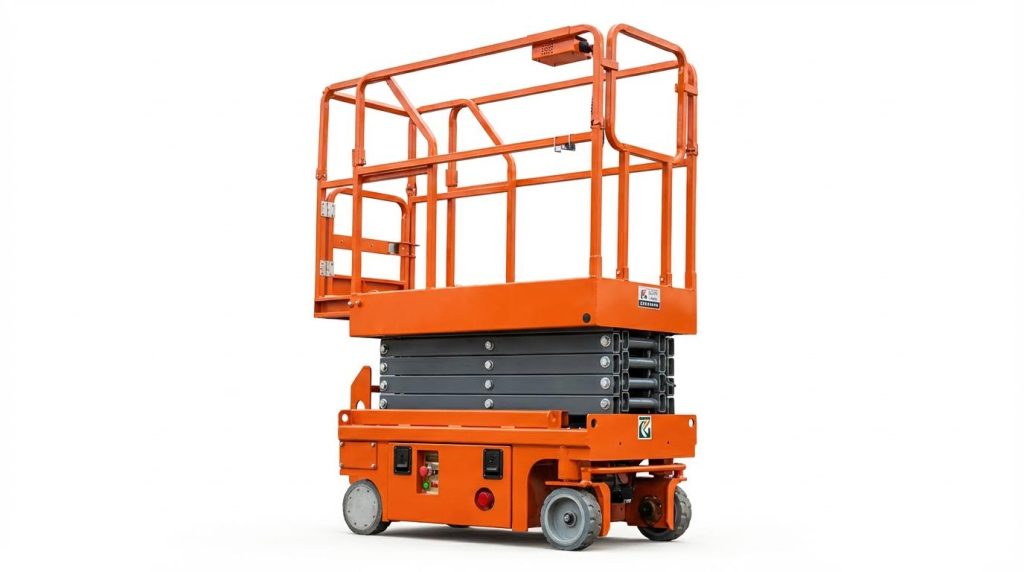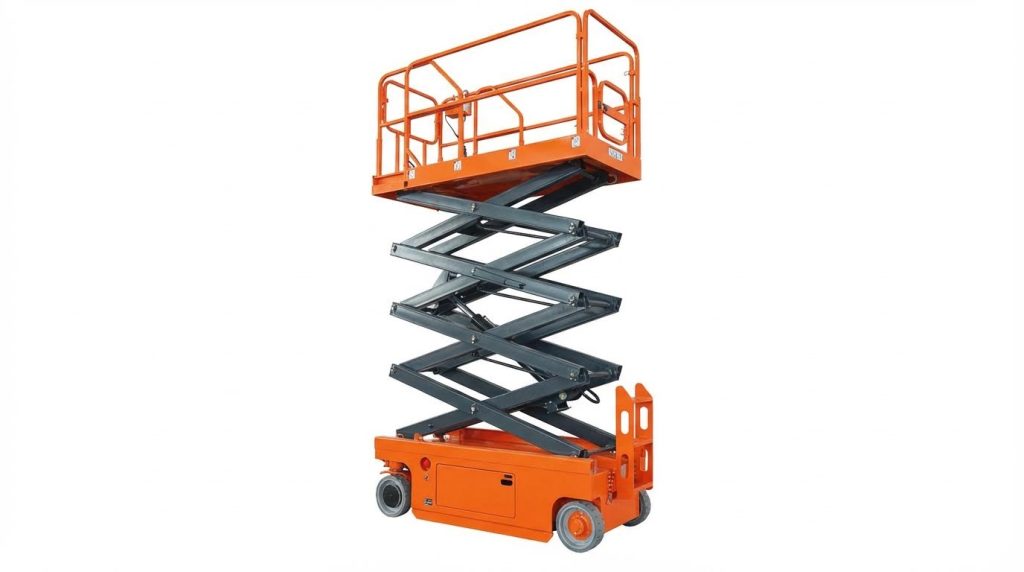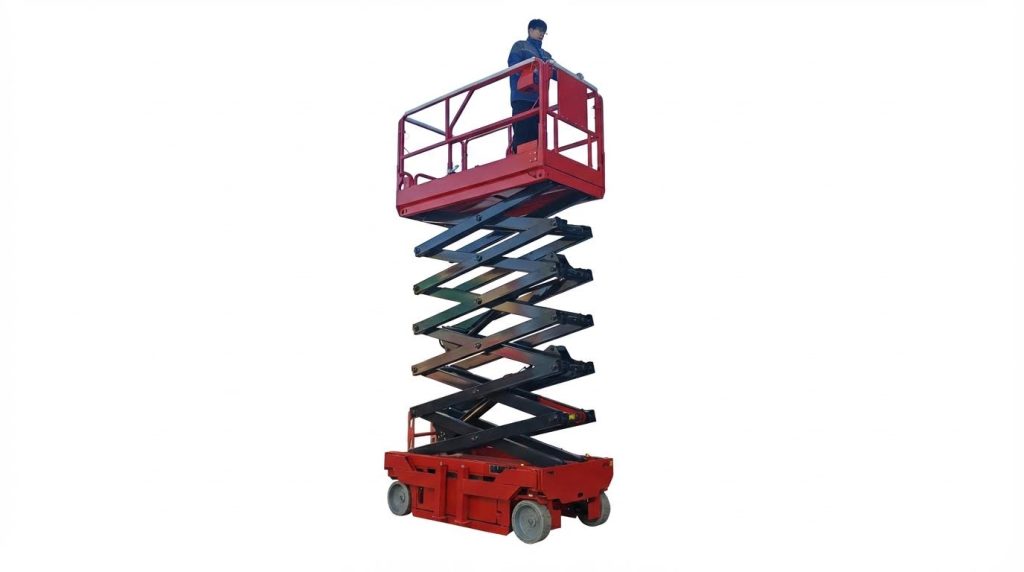
Scissor lifts provided controlled vertical access for tasks ranging from indoor maintenance to heavy construction. Choosing the right model required balancing platform height, load capacity, and power source against site conditions and regulatory constraints. The full article examined core selection criteria, matched lift types to specific applications, and addressed safety, standards, and lifecycle performance, including maintenance and advanced electric drive technologies. It concluded with practical, stepwise guidance that helped engineers and site managers specify a scissor lift that fit both operational needs and compliance requirements.
Core Selection Criteria For Scissor Lifts
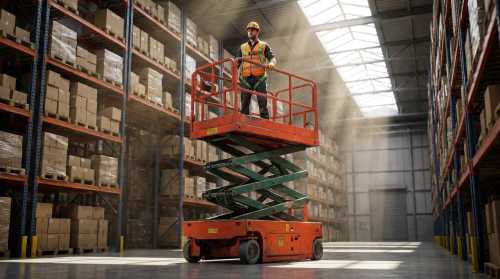
Core selection criteria for scissor lifts linked the task, environment, and regulatory envelope. Engineers evaluated height, load, power source, platform geometry, and mobility as an integrated system. Poorly matched lifts reduced productivity and increased incident risk. The following criteria structured a rational selection process for most industrial and construction scenarios.
Defining Required Platform Height And Reach
Required platform height depended on working height, not just ceiling height. Planners subtracted the worker’s standing reach from the task elevation to define minimum platform height. Typical commercial scissor lifts provided platform heights from roughly 3 m to 16 m, with working heights about 2 m higher. Indoor electric units usually stayed below 9 m, while rough-terrain models reached 15–16 m for façade or steel erection work. Users also checked horizontal reach needs, such as clearance over machinery or conveyors, since scissor lifts offered limited outreach compared with booms. Where lateral reach was critical, engineers either repositioned the lift more frequently or specified alternative access equipment.
Calculating Load, Tools, And Material Weights
Load capacity calculations included the combined mass of personnel, tools, and materials on the platform. Typical rated capacities ranged from about 225 kg to 900 kg, with heavy-duty rough-terrain units reaching approximately 900–1 000 kg. Engineers listed each load component, applied a suitable safety margin, and compared the result with the manufacturer’s rated platform capacity. They also considered dynamic effects from movement, material handling, or wind that effectively increased load. Uneven distribution, such as stacking materials on one side, reduced stability, so operators maintained even weight spread within the guardrails. Exceeding the rating risked structural overload, hydraulic failure, or tipping, and violated OSHA and ANSI/ASME requirements.
Indoor vs Outdoor: Power Source And Emissions
Indoor applications typically favored electric scissor lifts due to zero local exhaust emissions and low noise. Compact electric models operated efficiently on smooth concrete floors in warehouses, retail spaces, and clean facilities. Their battery systems required planned charging windows and proper maintenance to avoid unplanned downtime. Outdoor or mixed-use sites with uneven ground often used engine-driven rough-terrain lifts, which provided higher ground clearance and greater power but produced exhaust and higher noise levels. Where outdoor work occurred near air intakes or enclosed courtyards, planners considered electric rough-terrain or hybrid solutions to control emissions. Wind limits, temperature ranges, and moisture exposure also influenced the choice of powertrain and control systems.
Platform Size, Access, And Maneuverability
Platform dimensions influenced both productivity and access constraints. Wider or longer platforms supported more workers and materials, but increased machine footprint and turning radius. Typical mobile scissor lifts offered platforms sized to pass through standard industrial doors, with optional deck extensions to increase working envelope without enlarging the base. Engineers checked aisle widths, turning spaces, and floor load ratings to ensure the lift could travel safely to the work zone. Guardrail height, entry gates, and step-in height affected ergonomic access, especially for repetitive tasks. For dense production lines or service bays, high maneuverability and tight steering geometry often outweighed maximum platform size. Designers matched platform geometry to the workflow, such as side loading from conveyors or end loading from pallet trucks.
Matching Lift Types To Applications And Sites
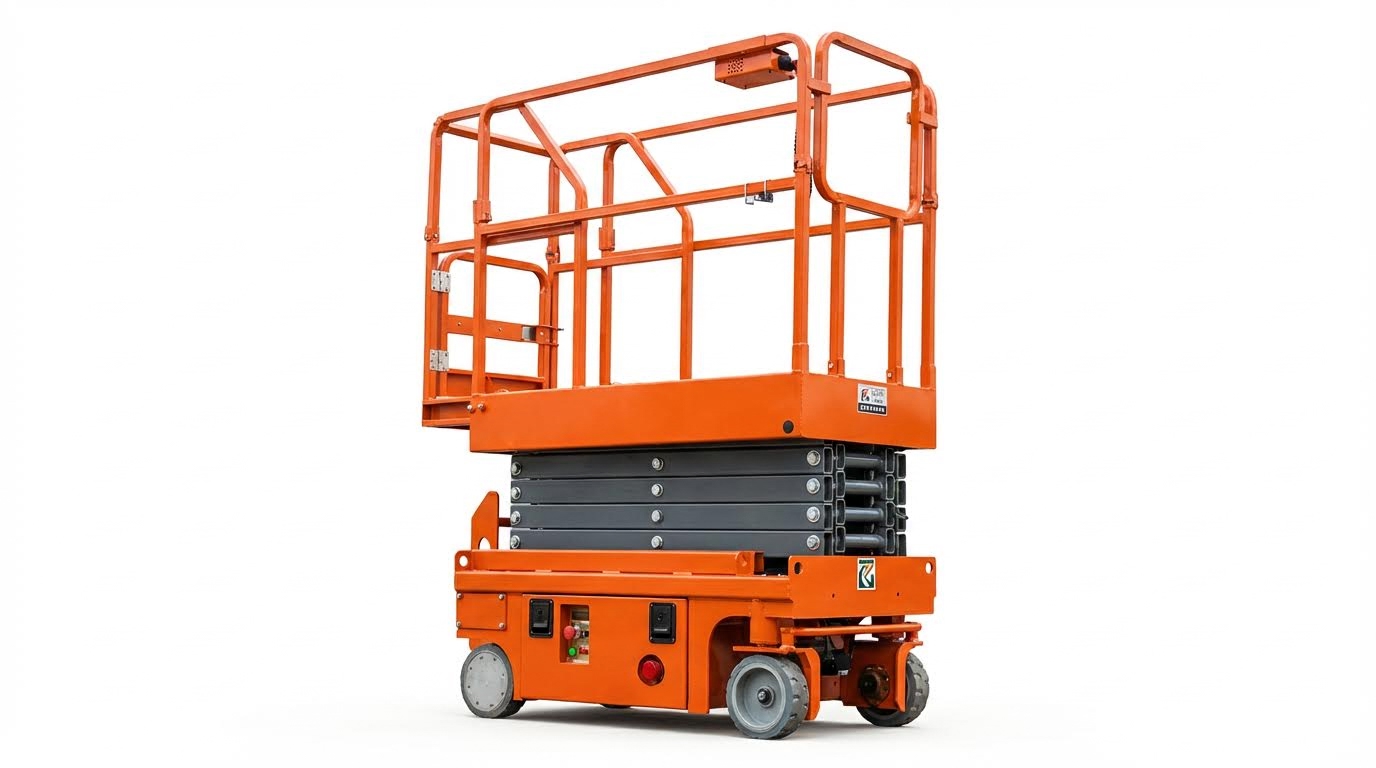
Selecting the correct scissor lift type depended on the work environment, duty cycle, and surface conditions. Engineers evaluated power source, tire configuration, platform geometry, and mobility to align with each site. This section compared electric, rough-terrain, and stationary lifts, then addressed how to integrate them into broader material-handling systems.
Electric Lifts For Warehouses And Clean Facilities
Electric scissor lifts suited indoor work where emissions and noise had to remain low. These units used battery-electric drives and compact chassis, which allowed navigation in narrow aisles and between racking. Typical indoor models reached 6–9 m platform height and carried 230–450 kg, covering one or two workers plus tools. Non-marking tires, tight turning radii, and low overall weight reduced floor loading, which was critical on mezzanines or elevated slabs. Facilities with frequent vertical picking or maintenance tasks often standardized on a small set of platform heights to simplify training and spare parts.
Rough-Terrain Lifts For Construction And Yards
Rough-terrain scissor lifts supported outdoor tasks on unfinished or uneven ground. They incorporated high-traction tires, oscillating axles, and higher ground clearance to maintain stability on compacted soil or gravel. Typical rough-terrain platforms reached 12–16 m with capacities up to about 900 kg or 2 000 kg on the largest units. Many models offered diesel or dual-fuel powertrains, four-wheel drive, and outriggers or stabilizers for added support on marginal surfaces. Planners needed to account for access routes, transport width, and ground bearing pressure, especially near trenches, utilities, or backfilled areas.
Stationary Lifts For Lines, Pits, And Workstations
Stationary scissor lifts operated as fixed-position height-adjustment devices rather than mobile access platforms. They typically mounted in pits or on the floor and interfaced with conveyors, pallet trucks, or workbenches. Designers sized these tables for frequent cycling, high load repetition, and integration with guarding or interlocks. Capacities often exceeded 1 000 kg, with travel heights optimized for ergonomic working ranges rather than maximum elevation. Corrosion-resistant finishes and sealed components improved service life in washdown, chemical, or outdoor loading dock environments. Because personnel sometimes rode these platforms, compliance with EN 1570 or equivalent standards and proper guarding remained critical.
Integrating Lifts With Conveyors And Pallet Flow
Effective integration of scissor lifts into material-flow systems reduced manual handling and idle time. In warehouses, mobile or stationary lifts aligned with pallet flow racks and gravity conveyors to bridge level differences between floor, dock, and storage levels. Engineers matched platform size to pallet dimensions and allowed clearance for pallet jacks or AGVs to enter and exit safely. Controls could interlock with conveyor sensors, preventing lift motion when loads were transferring. In assembly environments, synchronized lift heights along a line maintained consistent ergonomics as product moved between stations. Clear traffic patterns, visual markings, and guarding minimized collision risks with forklifts and other mobile equipment.
Safety, Standards, And Lifecycle Performance
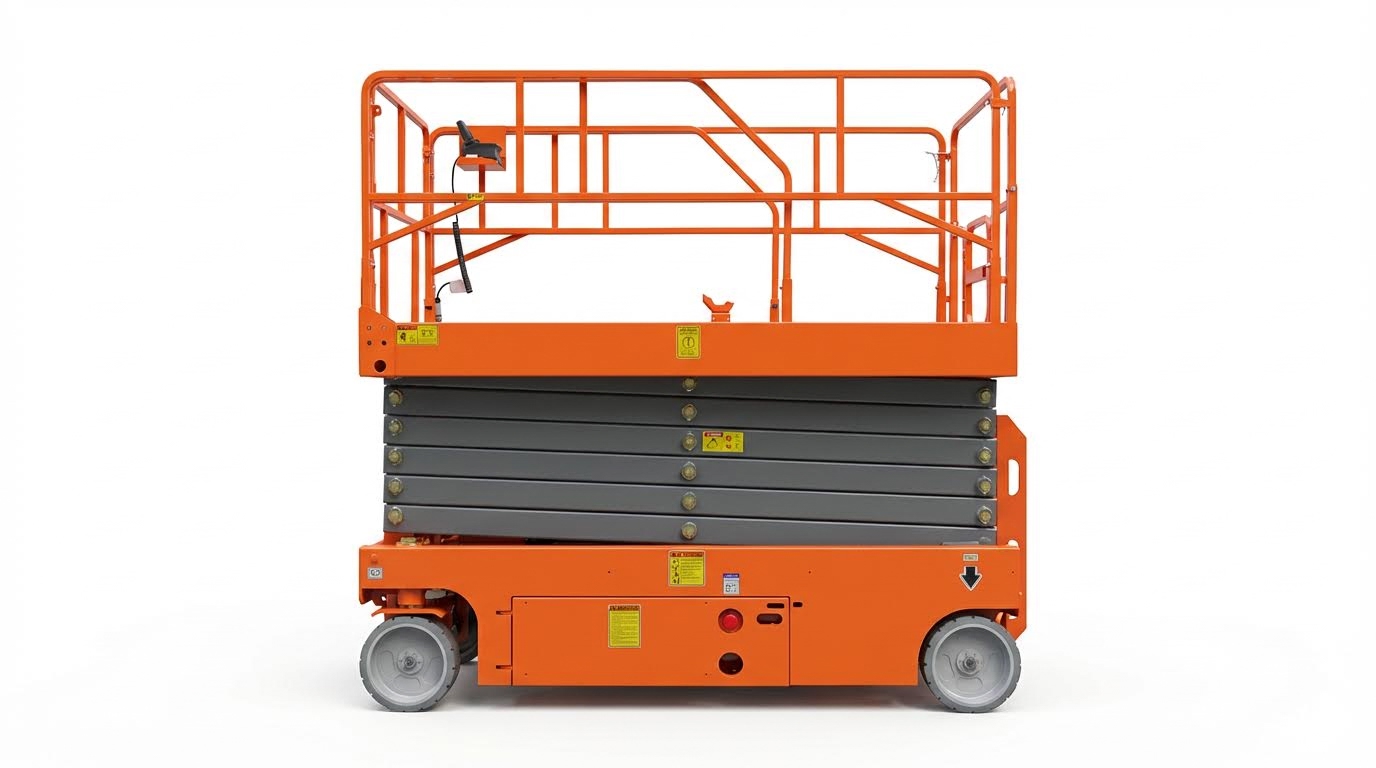
OSHA, ANSI, CE And Site-Specific Compliance
Regulatory compliance anchored safe scissor lift operation and procurement. In North America, ANSI A92 and ASME standards defined design, stability, testing, and labeling requirements for mobile elevating work platforms. OSHA regulations required employers to ensure operator training, fall protection, safe use, and documented inspections. In Europe, CE marking and EN 1570 for lifting tables governed design, guarding, and safety circuits for industrial scissor mechanisms.
Operators needed certification on the specific lift type and model, not just generic aerial work platforms. Site owners often added stricter rules, such as lower wind limits, mandatory harness use, or restricted zones near energized lines. Written procedures had to link manufacturer instructions, applicable standards, and local rules into one coherent safe-use plan. Procurement teams benefited from specifying compliance clauses, documentation, and proof of third-party testing in purchase or rental contracts.
Stability, Ground Conditions, And Safe Operation
Platform stability depended on both machine design and real ground conditions. Manufacturers rated scissor lifts for operation only on firm, level surfaces within specified slope limits. Rough-terrain units used large, treaded tyres and sometimes outriggers or stabilizers, but still required compacted, obstruction-free ground. Operating on soft soil, slopes, or over trenches increased tipping risk even when loads stayed within limits.
Safe operation started with a documented site assessment before each job. Crews identified overhead hazards such as power lines, beams, and pipework, and checked for underground services that could compromise slab integrity. Barriers, cones, and spotters helped keep pedestrians and vehicles outside the lift’s working envelope. Operators had to stay within guardrails, avoid climbing or leaning out, and distribute tools and materials evenly to maintain the centre of gravity within design limits.
Preventive Maintenance And Inspection Routines
Structured preventive maintenance extended scissor lift life and reduced unplanned downtime. Daily pre-start checks covered visible damage, leaks, tyre condition, decals, guardrails, and function tests for lift, drive, steering, and emergency stops. Weekly or monthly routines included inspecting hydraulic hoses, fittings, cylinders, pins, rollers, and welds for wear, cracks, or looseness. Technicians also verified operation of limit switches, interlocks, and overload or tilt protection.
Maintenance programs typically required semi-annual hydraulic fluid changes and scheduled lubrication of scissor arms, pivot points, and rollers with specified greases. For pit-mounted or floor-mounted industrial lifts, cleaning debris from pits and surrounding areas prevented jamming or roller damage. Detailed records of inspections, findings, and repairs supported regulatory compliance and asset management. Professional servicing by qualified technicians at defined intervals helped catch structural fatigue or control issues before failure.
Batteries, All-Electric Drives, And Diagnostics
Battery health strongly influenced availability for electric and hybrid scissor lifts. Routine tasks included checking electrolyte levels on flooded batteries, cleaning terminals, inspecting cases for swelling or cracks, and verifying charger operation. Amp-draw and load tests ensured each battery met capacity specifications, reducing mid-shift failures. Good charging discipline and avoiding deep discharges extended typical lead-acid battery life from roughly one year to three years or more.
All-electric scissor lifts with lithium-ion batteries reduced maintenance by eliminating hydraulic circuits and using sealed, self-lubricating components. These designs lowered fluid leak risk, simplified environmental compliance, and enabled faster charging and opportunity charging. Integrated diagnostic systems and telematics provided real-time fault codes, state-of-charge data, and charging history to maintenance teams. This data-driven approach supported predictive maintenance, higher uptime, and more accurate total cost-of-ownership calculations over the machine lifecycle.
Summary And Practical Scissor Lift Selection Steps
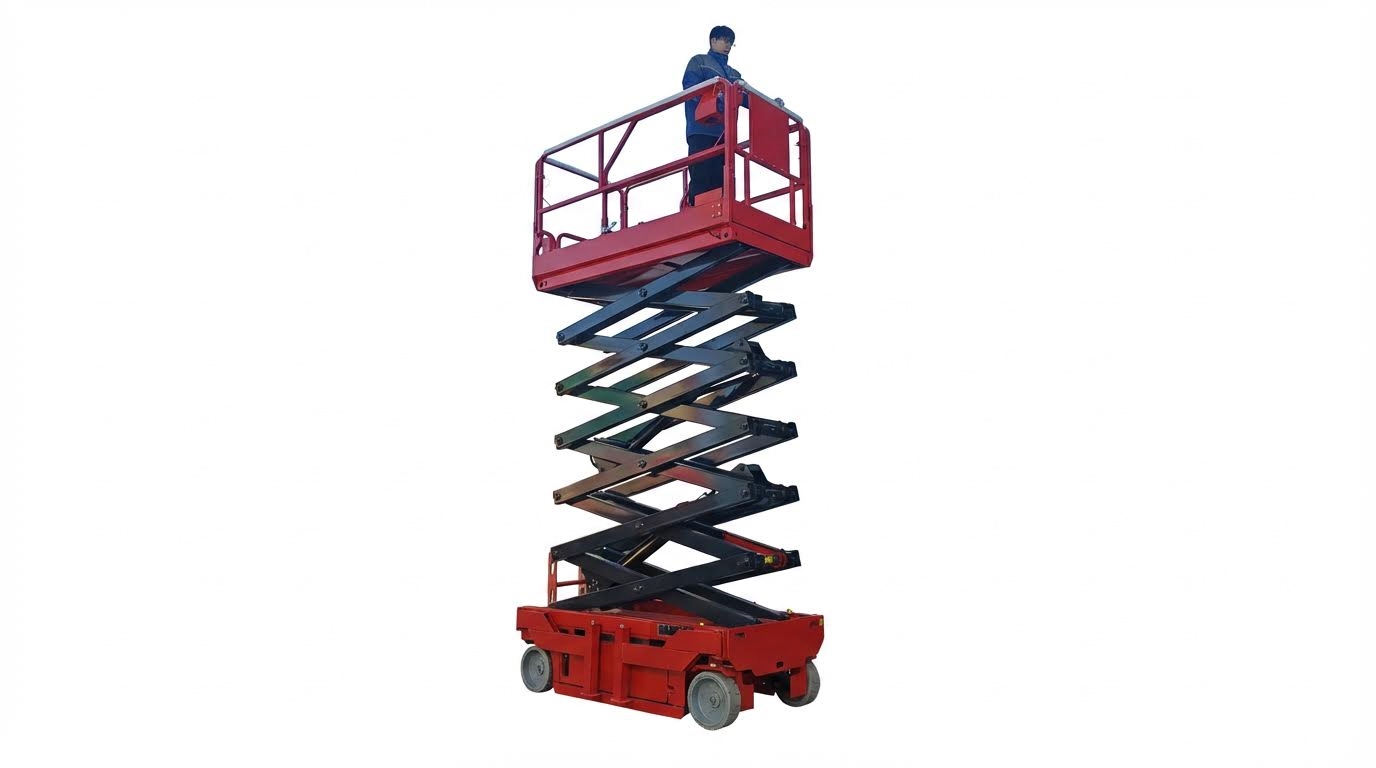
Scissor lift selection required a structured evaluation of height, load, environment, and duty cycle. Typical working heights ranged from 3 m to about 16 m, with platform capacities between roughly 225 kg and 900 kg. Indoor applications favored compact electric units with low noise and zero local emissions, while outdoor and rough-terrain work relied on higher-clearance, engine-driven or high-capacity electric machines. Safety, regulatory compliance, and maintenance planning strongly influenced lifecycle cost and operational risk.
In practice, users should first define the maximum working height, then back-calculate the necessary platform height with a safety margin. Next, they should sum personnel, tools, and materials, compare this to the rated platform capacity, and apply an additional buffer to avoid overloads. The operating environment then drives the choice between electric and internal combustion power, smooth or rough-terrain running gear, and stationary versus mobile configurations. Platform dimensions, access style, and turning radius must align with aisle widths, door clearances, and the surrounding process layout.
Safety and standards considerations include complying with OSHA requirements in the United States, ANSI/ASME design standards, and CE or EN 1570 where applicable. Operators should implement pre-use inspections, verify guardrails and emergency stops, and avoid operation on unstable or sloped surfaces. A preventive maintenance program that covers structural checks, hydraulic or electric drive systems, and batteries reduces unplanned downtime and extends service life. Recent trends toward all-electric, hydraulics-free lifts with integrated diagnostics and advanced battery monitoring have reduced serviceable components and improved energy efficiency, but they require updated training and diagnostic practices.
A balanced selection approach combines technical fit, safety performance, and lifecycle economics. Users should compare purchase or rental cost against productivity gains, reduced manual handling, and lower incident rates. Documented selection criteria, standardized training, and periodic fleet reviews help organizations adapt to evolving technology while maintaining compliance and controlling total cost of ownership.