Forklift hydraulic systems governed lifting, tilting, and attachment functions, so their reliability directly affected safety and productivity. This article outlined core hydraulic components and circuits, then linked their design limits for pressure, flow, and temperature to real-world maintenance decisions. It translated OSHA-aligned daily and weekly inspection routines into practical checklists, with emphasis on fluid selection, contamination control, filters, hoses, seals, and leak management. Finally, it detailed how to diagnose noise, aeration, cavitation, low power, jerky motion, and drift, and showed how structured oil change and flushing procedures supported a shift from reactive repairs to predictive, data-informed maintenance.
Core Components Of Forklift Hydraulic Systems
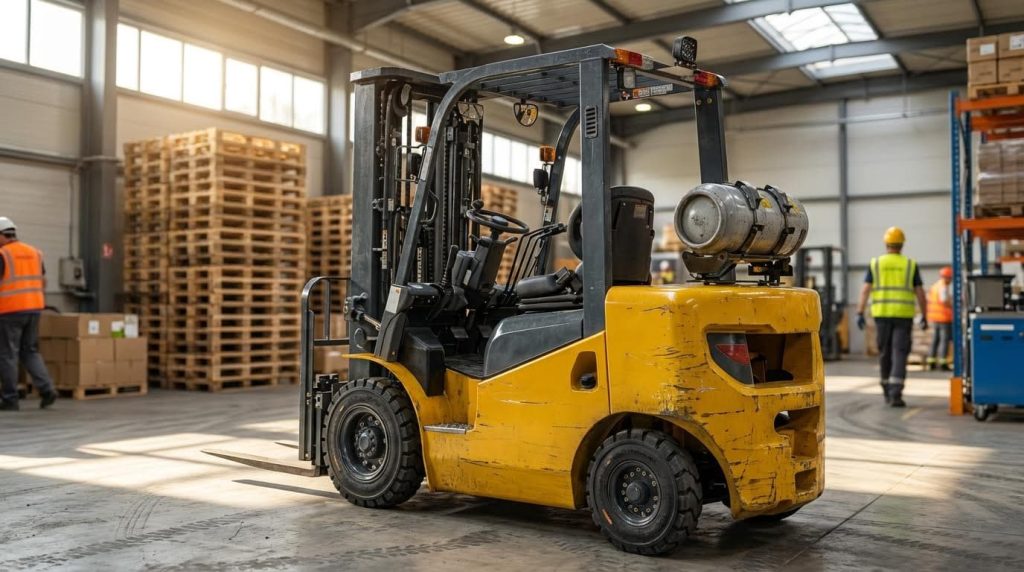
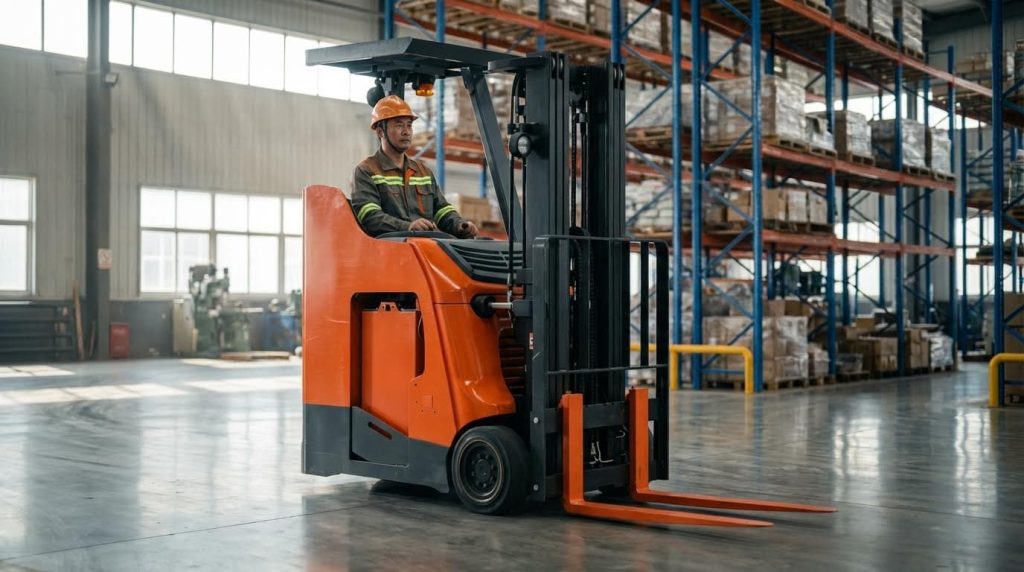
Forklift hydraulic systems converted engine or electric motor power into controlled lifting and tilting forces. Core components included pumps, cylinders, valves, reservoirs, and interconnecting lines that formed closed hydraulic circuits. Each component operated within defined pressure, flow, and temperature limits to satisfy lifting capacity, speed, and duty-cycle requirements. Understanding these fundamentals helped engineers design, maintain, and troubleshoot systems with high reliability and regulatory compliance.
Pumps, Cylinders, Valves, And Reservoir Basics
The hydraulic pump generated flow by drawing oil from the reservoir and delivering it to the circuit under pressure. Forklifts typically used gear or vane pumps because of their compact size, moderate pressure ratings, and robust performance in dirty environments. Lift and tilt cylinders converted fluid pressure into linear motion, with bore diameter and rod size determining theoretical lifting force according to F = p·A. Control valves directed flow to specific actuators, provided load holding via check or pilot-operated valves, and limited maximum pressure through relief valves to protect components. The reservoir stored oil, allowed air and contaminants to separate, provided cooling surface area, and housed suction strainers or return filters to maintain fluid cleanliness.
Hydraulic Circuits For Lift, Tilt, And Attachments
Lift circuits supplied pressure to the mast lift cylinders, raising and lowering forks by extending or retracting cylinder rods. Designers sized lift circuits to achieve target lift speeds at rated load while keeping line velocities within accepted limits to minimize pressure drop and heat generation. Tilt circuits powered tilt cylinders at the mast base, rotating the mast forward and backward to stabilize loads and improve load handling. Attachment circuits supported side-shifters, clamps, or rotators, often through auxiliary sections on the main control valve or separate electrohydraulic valves. Circuit layouts included series, parallel, or priority flow arrangements so steering and braking retained priority even when lift or attachment functions operated at high demand.
Pressure, Flow, And Temperature Design Limits
Forklift hydraulic systems operated within defined pressure ranges, typically between 10 MPa and 21 MPa, depending on capacity class and mast design. Relief valves established maximum working pressure, while standby or margin pressures for combination fork/brake pumps were set according to technical manuals to ensure responsive control. Required pump flow depended on desired lift and tilt speeds, cylinder areas, and acceptable cycle times, with higher flows increasing heat generation and demanding larger return and suction lines. Designers targeted oil temperatures between roughly 43 °C and 60 °C, as higher temperatures accelerated seal wear, reduced oil viscosity, and increased leakage, while low temperatures raised viscosity, caused sluggish response, and promoted cavitation. Temperature control relied on proper reservoir sizing, correct fluid viscosity grade, and, when necessary, dedicated oil coolers and accurate temperature monitoring.
Preventive Maintenance And Inspection Routines
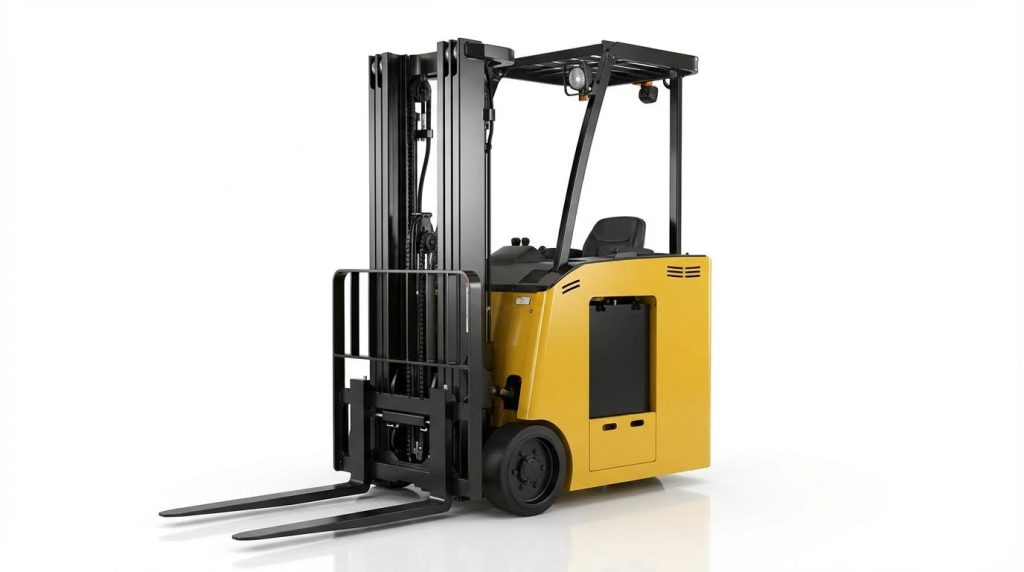
Preventive maintenance of forklift hydraulic systems reduced unplanned downtime, improved safety, and supported OSHA compliance. Structured checklists, fluid management, and component inspections formed the backbone of effective programs. Modern best practices combined mechanical inspection with contamination control and temperature monitoring. This section described how to translate these principles into daily, weekly, and scheduled routines.
Daily And Weekly Hydraulic Checklists (OSHA Aligned)
Daily checks aligned with OSHA requirements focused on safety-critical functions and obvious defects. Operators inspected the ground under the truck for hydraulic oil spots, then verified smooth lift, tilt, and steering operation without jerks or hesitation. They confirmed fluid level in the hydraulic reservoir stayed between the upper and lower marks on the dipstick or sight glass. Any abnormal pump noise, such as whining or “gargling marbles,” required immediate reporting and lockout of the truck.
Weekly inspections added more detailed technical checks beyond the operator walk-around. Technicians verified that the same specified hydraulic oil grade remained in use and that no mixing had occurred. They inspected breather caps, breather filters, and fill screens, ensuring no one had drilled, removed, or bypassed them to speed refilling. They scanned built-in thermometers or used infrared thermometers to confirm hydraulic operating temperatures stayed roughly within 43–60 °C; higher values suggested low fluid, cooler fouling, or relief valve misadjustment.
Weekly routines also included visual inspection of hoses, pipes, and fittings for wetness, bulging, fraying, or chafing. Excessive leakage or oil mist around connections indicated seal wear or over-tightened, deformed joints. Technicians checked filter condition indicators or pressure differential gauges and replaced clogged elements immediately. Where electrically controlled servo valves or electric drive motors existed, infrared scans identified hot spots above about 65 °C, which pointed to sticking spools, internal bypassing, or bearing distress.
Fluid Selection, Testing, And Contamination Control
Correct hydraulic fluid selection ensured compatible viscosity, additive package, and seal compatibility for the specific forklift model. Maintenance teams followed manufacturer specifications for ISO viscosity grade and anti-wear performance, and they avoided substituting mechanical oil or mixing different hydraulic oils. Mixing fluids with different base stocks or additive chemistries risked sludge formation, foaming, and varnish that impaired valve operation. Weekly checks verified that top-up oil matched the original fluid designation and brand family.
Simple on-site contamination tests supported decisions on oil replacement or filtration. Technicians took small samples and dropped them on clean filter paper, then observed the diffusion pattern after drying. A light yellow ring with a clear center indicated mild contamination, while a dark, dense central spot or irregular halo suggested heavy particulate or oxidation products that required immediate oil change or off-line filtration. Visual inspection for milky color indicated entrained air or water; in such cases, the truck stayed parked while air separated or until root causes of water ingress were identified.
Contamination control also relied on strict cleanliness during oil handling. Before refilling, personnel cleaned the reservoir area, used dedicated funnels with fine mesh screens, and kept containers sealed until use. When performing scheduled oil changes, they flushed residual oil and contaminants with dedicated cleaning oil circulated for roughly 15–20 minutes. They then drained the system completely, cleaned or replaced filters, and refilled through filtration to keep particle counts within recommended limits. These practices reduced pump wear, cylinder scoring, and servo valve sticking.
Filter, Hose, And Seal Inspection And Replacement
Hydraulic filters protected pumps and valves from abrasive wear, so timely replacement was critical. Maintenance plans specified filter change intervals based on operating hours or differential pressure indicator readings, whichever occurred first. When indicators showed high restriction, technicians replaced elements rather than bypassing them, which would have allowed contaminants to circulate. During each change, they inspected filter heads and seals for damage or deformation that could cause internal leakage or bypassing.
Hose inspections focused on both external condition and routing. Technicians looked for cracks, weathering, bubbling, or exposed reinforcement, which indicated imminent failure under pressure. They checked for chafing against mast structures, chains, or frame members and installed clamps or guards where necessary. Any hose with blistering or oil seepage at the crimp ferrule was tagged and replaced, as such defects often preceded bursts. All replacement hoses met the original pressure rating and bend radius requirements.
Seal and joint inspections targeted cylinders, control valves, and pump shafts. Wet rods, oil rings around gland nuts, or oil collection in mast channels indicated rod seal wear and potential contamination ingress. At fittings, technicians avoided over-tightening, which could deform flares or threads and paradoxically increase leak risk. Instead, they torqued connections to specified values using calibrated tools. Where repeated leakage occurred, they replaced damaged sealing surfaces rather than relying on additional tightening or sealant.
Cleaning, Leak Management, And Environmental Safety
Cleanliness around the hydraulic system reduced contamination and improved leak detection. Maintenance personnel routinely wiped dust and debris from reservoirs, valve blocks, and hose bundles, paying attention to joints and electrical connectors. Clean surfaces made fresh leaks immediately visible as wet spots or tracks. During major service, they cleaned the inside of the reservoir, removing rust, sludge, and deteriorated oil deposits before refilling. They used non-linting sponges or wipes instead of cotton rags, which could shed fibers into the system.
Leak management combined technical repair with environmental controls. When leaks appeared, technicians identified root causes such as worn seals, cracked hoses, or damaged fittings, then repaired or replaced components rather than topping up fluid repeatedly. They contained spilled oil with absorbent pads and trays and disposed of contaminated materials according to local environmental regulations. Old hydraulic oil drained during changes went to approved recycling or disposal facilities, never to general waste or ground drains.
Safety procedures protected personnel from high-pressure hazards during cleaning and repair. Before working on hydraulic components, technicians shut down the forklift, engaged the parking brake, lowered the mast, and relieved system pressure. They disconnected power sources on electric trucks and wore gloves and eye protection against high-pressure injection or splashes. They adhered to manufacturer fluid specifications and documentation, which supported both regulatory compliance and long-term system reliability.
Diagnosing Common Hydraulic Faults In Forklifts
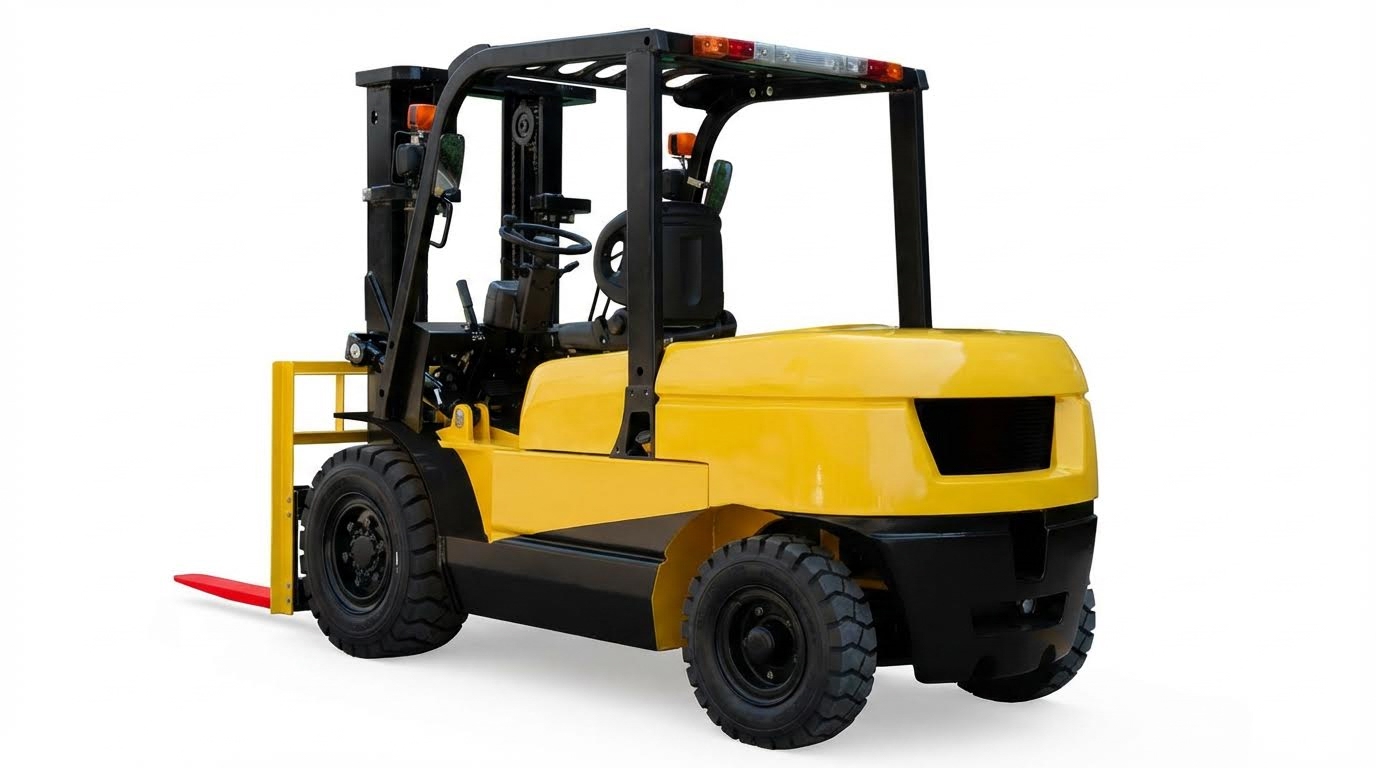
Forklift hydraulic fault diagnosis relied on structured inspection, measurement, and elimination. Technicians first confirmed fluid condition, reservoir level, and temperature, then correlated symptoms such as noise, drift, or loss of function with likely failure modes. Modern practice combined OEM procedures, such as those in TM 10-3930-659-20, with contamination control and safety protocols. This section outlined practical diagnostic paths that reduced downtime and prevented repeat failures.
Noise, Aeration, And Cavitation Root Causes
Abnormal hydraulic noise typically indicated aeration, cavitation, or mechanical damage. Interquip engineers identified air ingress at the gear pump oil inlet, joint surfaces, or shaft seals, often confirmed by milky oil or foaming in the reservoir. Low oil level, clogged suction filters, and high-viscosity oil at low temperature increased suction vacuum and promoted both aeration and cavitation. Technicians used plastic film over suction joints to detect air leaks, monitored reservoir flow patterns for whirlpools, and listened for characteristic sounds: a “gargling marbles” noise for aeration and a high‑pitched whine for cavitation. Corrective actions included restoring fluid to the specified level, cleaning or replacing suction filters, tightening or replacing leaking fittings, and warming the system to the recommended operating temperature range of roughly 43–60 °C. After maintenance, operators cycled lift and tilt functions without load to purge residual air.
Low Power, Jerky Motion, And Drift Troubleshooting
Low hydraulic power during lifting or tilting usually traced to insufficient pump output, internal leakage, or pressure setting errors. TM 10-3930-659-20 procedures required testing main and fork/brake pump flow and standby pressure, then replacing damaged pumps or adjusting relief and standby settings if readings fell outside specification. Jerky or sluggish motion often resulted from air in lines, degraded or contaminated oil, sticking control valves, or partially blocked filters that caused unstable flow. Technicians flushed old fluid, replaced filters, and checked valve spools for sticking or scoring to restore smooth operation. Cylinder drift, where forks or masts slowly settled under load, indicated internal cylinder leakage past piston seals or external leakage at rod seals and fittings. The manual recommended drift tests on suspect cylinders and replacement of units that failed to hold pressure, together with inspection of control valves for bypassing. Systematic checks of hoses, joints, and seals for bubbling, sweating, or chafing completed the low‑power and drift diagnosis.
Systematic Oil Change And Flushing Procedures
Effective hydraulic fault correction required controlled oil change and flushing, not just topping up fluid. Industry guidance specified oil replacement intervals between 6 000 h and 10 000 h, or earlier if contamination tests showed dark deposits or severe discoloration on filter paper. Before draining, technicians lowered the mast, slightly raised the forks from the ground, and neutralized all controls to minimize residual pressure. They then returned tilt and lift oil from cylinders to the tank by controlled mast movement and hose disconnection, followed by opening the reservoir drain plug to remove old oil fully. Cleaning steps included wiping the tank interior with non‑linting material, soaking filters in kerosene where permitted, and circulating dedicated cleaning oil for 15–20 minutes to flush lines and components. After draining the cleaning oil, mechanics installed new or cleaned filters, refilled with manufacturer‑specified hydraulic oil through filtration, and verified the level between upper and lower dipstick marks. Final checks involved running all hydraulic functions to distribute fresh oil, bleeding remaining air, and inspecting for leaks at drains, hoses, and filter heads.
From Reactive Repairs To Predictive Maintenance
Transitioning from reactive repair to predictive maintenance reduced hydraulic failures and extended component life. Instead of waiting for loss of lift or severe noise, maintenance teams implemented standardized inspections, such as OSHA‑aligned daily checks and weekly hydraulic surveys covering levels, temperatures, filter indicators, and hose condition. Data from recurring issues, for example repeated cavitation in a specific truck, supported root‑cause analysis and targeted design or configuration changes, such as upsizing suction lines or revising relief settings. Oil analysis and contamination trending allowed prediction of pump or valve wear before functional failure, enabling planned replacements during scheduled downtime. Infrared scanning of servo valves and electric motors, combined with pressure and flow testing, created a condition‑based maintenance framework. Over time, fleets used these diagnostics to refine service intervals, prioritize high‑risk units, and justify investments in better filtration and cleaner work practices, thereby converting unplanned hydraulic outages into manageable, scheduled tasks.
Summary And Practical Implementation Guidelines
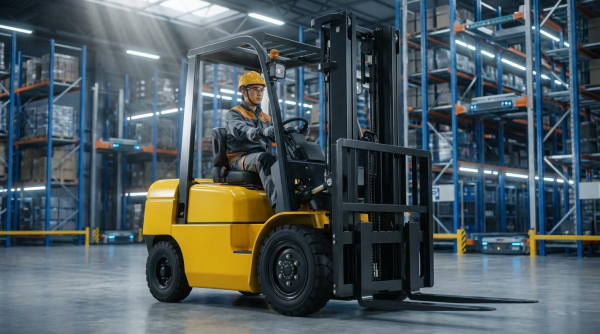
Forklift hydraulic system maintenance relied on structured inspection routines, correct fluid management, and disciplined contamination control. Daily OSHA-aligned checks, supported by weekly condition monitoring, reduced leak-related downtime and safety incidents. Fluid type, viscosity grade, and cleanliness level directly influenced pump life, cylinder sealing performance, and control valve reliability. Field data showed that regular filter replacement, reservoir cleaning, and system flushing extended component life and stabilized operating pressures.
Across industry, maintenance strategies evolved from purely reactive repairs toward condition-based and predictive approaches. Infrared temperature scanning of pumps, motors, and servo valves, combined with pressure and flow testing, enabled early detection of sticking valves, bypassing cylinders, and suction restrictions. Noise signatures such as “gargling marbles” or high-pitched whine helped differentiate aeration from cavitation, guiding targeted corrective actions on suction lines, oil levels, and filter loading.
For practical implementation, sites benefited from codified checklists that tied specific findings to actions: topping up or replacing oil, bleeding trapped air, adjusting standby pressure, or tagging units out of service. Documented intervals based on duty cycle, along with oil sampling and visual tests, supported decisions on when to flush versus simply top up. Workshops needed clean, low-dust conditions, correct personal protective equipment, and clear procedures for draining, flushing, refilling, and environmentally compliant disposal of used oil and filters.
Looking forward, integration of sensors for temperature, pressure, and fluid condition with fleet management systems enabled trend analysis and predictive scheduling. However, these tools complemented rather than replaced fundamental practices: correct oil selection, tightness without over-torquing, protection of breathers and fill screens, and rigorous leak management. Operations that combined disciplined basics with modern diagnostics achieved higher availability, lower life-cycle cost, and better compliance with safety regulations.