Electric forklifts operated outdoors in rain required careful engineering and disciplined operating practices. This article examined weather limits, electrical integrity, traction, and operator safety when using electric forklifts in wet conditions. It covered IP ratings, sealing strategies, maintenance routines, and the role of tires, speed control, visibility, and PPE in rainy environments. The final section integrated these aspects into a practical, engineering-based framework for safe, reliable wet-weather forklift operation.
Weather Limits For Outdoor Electric Forklift Use
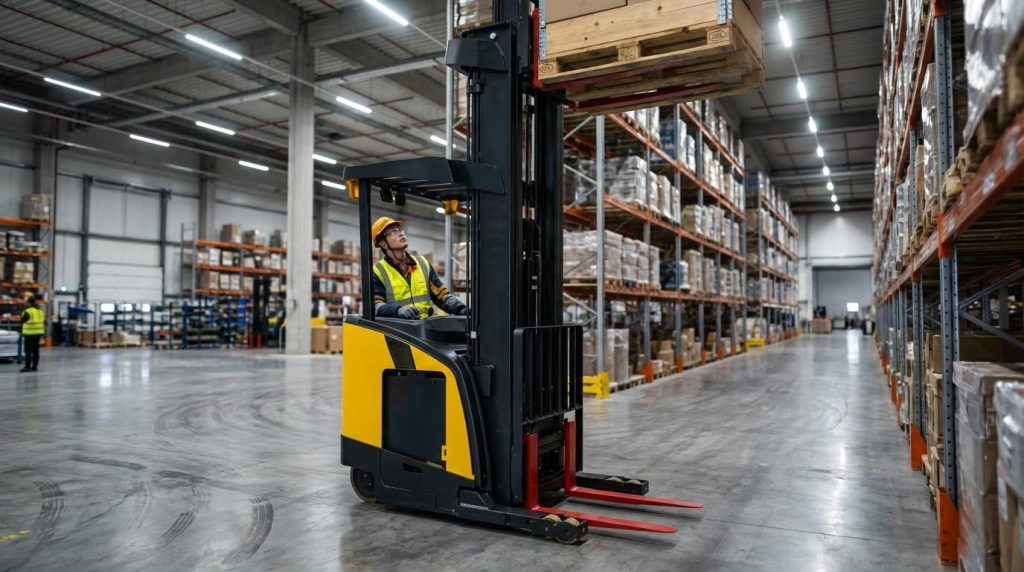
Outdoor operation in rain required clear weather limits for electric forklifts. Engineers defined these limits using rainfall intensity, exposure duration, and equipment design. Operators needed practical rules that combined manufacturer data, IP ratings, and site risk assessments. This section outlined how to translate those factors into safe, repeatable operating envelopes.
Light Rain vs. Heavy Rain: Safe Operating Envelope
Light rain generally allowed short-duration operation when the forklift design supported outdoor use. Heavy or wind-driven rain increased water ingress risk into motors, controllers, and battery compartments. Industry practice treated light, intermittent rain as acceptable with reduced speed and frequent condition checks. Heavy or prolonged rain required suspending operation and moving units to shelter. Site procedures usually defined trigger points based on visibility loss, standing water depth, and forecast duration. Operators also verified that safety systems, including brakes and steering, still responded normally on wet ground.
IP Ratings And Environmental Protection Levels
Ingress Protection ratings gave a quantified measure of resistance to dust and water. Outdoor-capable electric forklifts often used enclosures and connectors rated at least IP54, and higher for harsh sites. Higher second digits in the IP code indicated better protection against rain, splashing, or temporary immersion. Engineers matched required IP levels to expected exposure, such as roofed docks versus open yards. Regulatory and standards guidance from IEC tables helped interpret what each IP level could withstand. Maintenance records tracked whether modified components, like added sensors or accessories, preserved the original IP rating.
Outdoor-Duty Designs And Component Selection
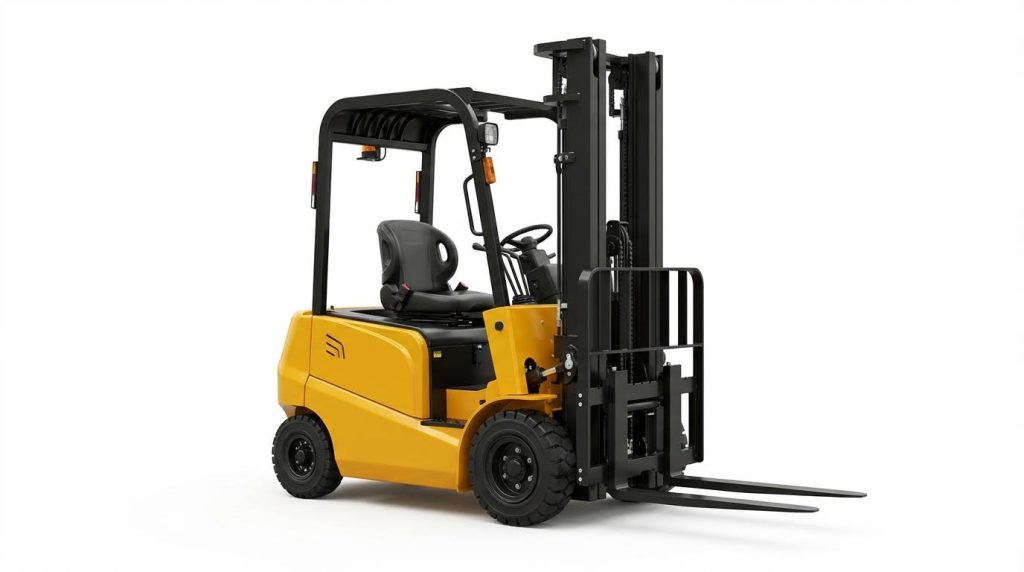
Outdoor-duty electric forklifts relied on sealed controllers, encapsulated contactors, and corrosion-resistant harnesses. Designers specified gaskets, cable glands, and breathable membranes to block water while allowing pressure equalization. Exposed components such as tilt cylinders and mast rollers used coatings and seals compatible with repeated wetting. Synthetic rubber hoses and UV-stable plastics tolerated temperature swings and solar exposure in open yards. Pneumatic or treaded tires improved traction on wet pavement and compacted soil compared with smooth cushion tires. Option packages often included weatherproof cabins, wipers, demisters, and enhanced lighting for rain operation.
Storage, Parking, And Standby Weather Protection
Parking strategy significantly influenced long-term reliability in rainy climates. Best practice placed electric forklifts under roofs or inside buildings whenever they were not in use. Where indoor storage was impossible, operators used fitted covers that left ventilation paths for batteries. Parking on level, drained surfaces reduced standing water around tires and undercarriage. Technicians inspected parking areas to avoid directing roof runoff onto chargers, battery compartments, or control panels. After exposure to severe or prolonged rain, maintenance teams scheduled inspections for moisture ingress and early corrosion. These measures extended component life and kept electrical insulation resistance within safe limits.
Electrical Integrity, Batteries, And Water Ingress
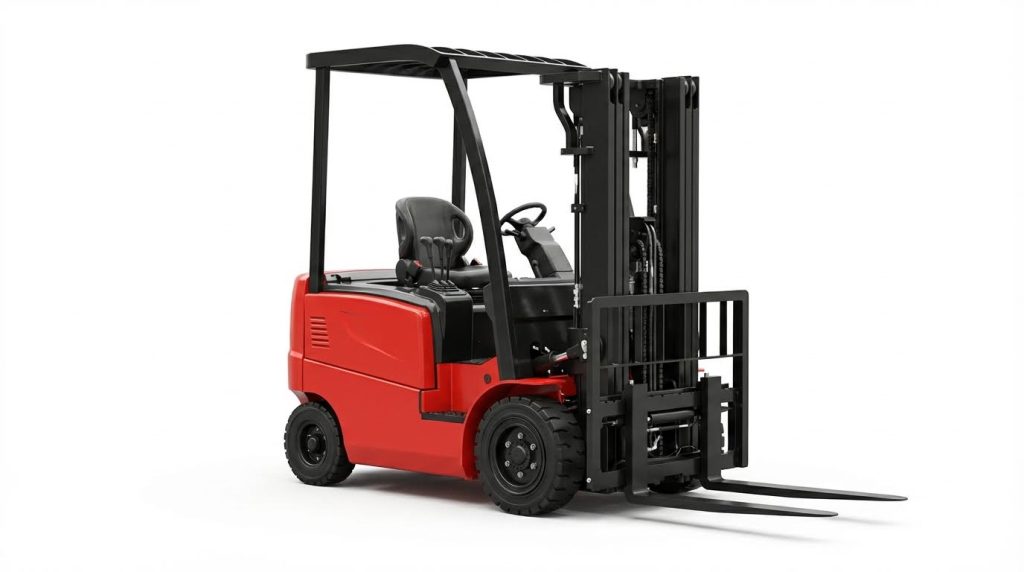
Outdoor operation in rain stressed the electrical integrity of electric forklifts. Engineers had to control water ingress to protect traction systems, control electronics, and high‑energy batteries. Design choices, maintenance discipline, and correct accessories determined whether a truck stayed reliable in light rain or failed after short exposure. Understanding typical ingress paths, sealing strategies, and inspection methods allowed operators to define safe duty cycles and storage practices.
Typical Water Ingress Paths And Failure Modes
Water typically entered through panel gaps, cable penetrations, damaged gaskets, and unprotected ventilation openings. Wheel spray and puddles drove water upward into motor compartments and underbody cavities. Once inside, moisture caused tracking across insulation, connector short circuits, and corrosion of busbars and printed circuit boards. Repeated wetting and drying cycles accelerated insulation degradation and led to intermittent faults, nuisance shutdowns, or permanent controller failures. In severe cases, short circuits in high‑current paths generated localized heating and posed fire or arc hazards.
Battery Compartments, Connectors, And Sealing
Battery compartments faced high risk because they combined strong electrolytes, high currents, and vented enclosures. Designers used formed steel or composite trays with drain paths, raised cable entries, and compression gaskets on access doors to limit standing water. High‑current connectors used molded housings, rubber boots, and strain‑relieved cable glands to achieve appropriate IP ratings. Maintenance teams had to verify that plugs latched fully and that boots covered mating interfaces without cracks or hardening. Any damage to insulation, lugs, or cable sheathing increased the probability of water tracking, galvanic corrosion, and voltage leakage to chassis.
Inspection, Cleaning, And Corrosion Control
Routine inspections after wet operation focused on seals, harness routing, and visible corrosion points. Technicians checked for moisture inside covers, around contactors, and beneath batteries, using dry cloths or compressed air to remove residual water. Cleaning procedures avoided high‑pressure jets on electrical enclosures, which could force water past gaskets and vents. Corrosion control relied on prompt removal of oxide layers, application of compatible dielectric greases on terminals, and repainting of chipped metallic surfaces. Documented inspection intervals, often daily in rainy seasons, reduced the likelihood of latent moisture damage and unexpected downtime.
Using Covers, Canopies, And Weatherproof Cabins
Covers and cabins acted as the first barrier against rainfall and wind‑driven spray. Simple vinyl or rigid covers over the mast and operator area reduced direct water exposure on dashboards, pedals, and steering columns. Purpose‑built weatherproof cabins used framed structures with sealed windows, wiper systems, and controlled ventilation to limit condensation while maintaining visibility. These cabins protected both operators and consoles, especially in cold, wet climates where heaters improved comfort and reduced fogging. When combined with correctly rated enclosures and gaskets, such superstructures extended allowable outdoor duty time in light rain while still requiring avoidance of heavy or prolonged rainfall.
Traction, Stability, And Operator Safety In Wet Areas
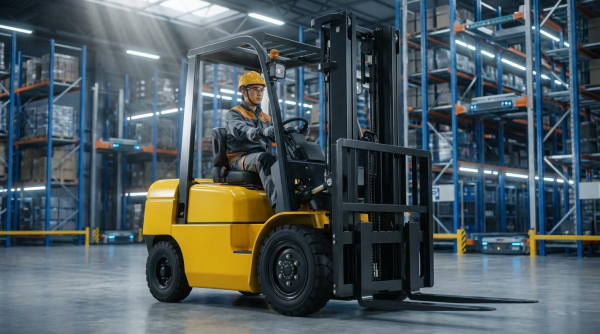
Wet operating areas reduced friction, impaired visibility, and increased stopping distances for electric forklifts. Engineering controls, operating rules, and operator behavior together determined the residual risk level. Traction, vehicle stability, and operator protection required coordinated treatment, from tire selection to training and site procedures. The goal was to maintain predictable handling, adequate grip, and clear sightlines despite rain and surface contamination.
Tire Selection For Wet Pavement And Rough Yards
Tire choice strongly influenced traction on wet pavements and unpaved yards. Pneumatic tires with deep tread patterns provided better water evacuation and grip on wet asphalt, concrete, and compacted gravel than smooth solid tires. On rough yards, larger-diameter pneumatic or foam-filled tires reduced sinkage in soft spots and improved stability over ruts and puddles. In high-risk zones, chains or traction aids increased grip but required speed reduction and careful turning to avoid surface damage and shock loads.
Speed Limits, Braking, And Maneuvering On Slippery Surfaces
Wet surfaces increased stopping distances and reduced lateral grip, so operators had to lower speed limits in rain. Facilities typically derated dry-condition speed limits by 30–50% for wet operation, depending on surface texture and slope. Smooth throttle inputs and progressive braking minimized wheel slip and preserved directional control. Tight turns, especially on painted markings, metal plates, or ramps, required wider radii and earlier deceleration to avoid understeer, oversteer, and tip-over risks.
Visibility, Lighting, And Operator PPE In Rain
Rain, spray, and low cloud cover degraded visibility for both operators and pedestrians. Forklifts required fully functional headlights, tail lights, and flashing beacons to maintain conspicuity in wet, low-contrast environments. Wipers, demisters, and clear, unscratched screens or cab windows helped preserve sightlines to forks, pedestrians, and obstacles. Operators benefited from waterproof jackets, trousers, and non-slip safety footwear, which reduced distraction, improved pedal control, and lowered slip-and-fall risk when mounting or dismounting.
Training, Procedures, And Site Rules For Wet Operation
Structured training programs addressed the specific hazards of wet-weather operation, including reduced traction, hydroplaning risk, and impaired visibility. Operators learned to recognize when rainfall intensity, standing water depth, or wind made operation unsafe and required task suspension. Site procedures often defined wet-weather speed limits, designated one-way routes, and prohibited travel through flooded zones or near unprotected edges. Refresher training and toolbox talks reinforced lessons from near-misses and ensured that wet-weather rules stayed aligned with actual site conditions and incident data.
Summary: Engineering Safe Wet-Weather Forklift Operation
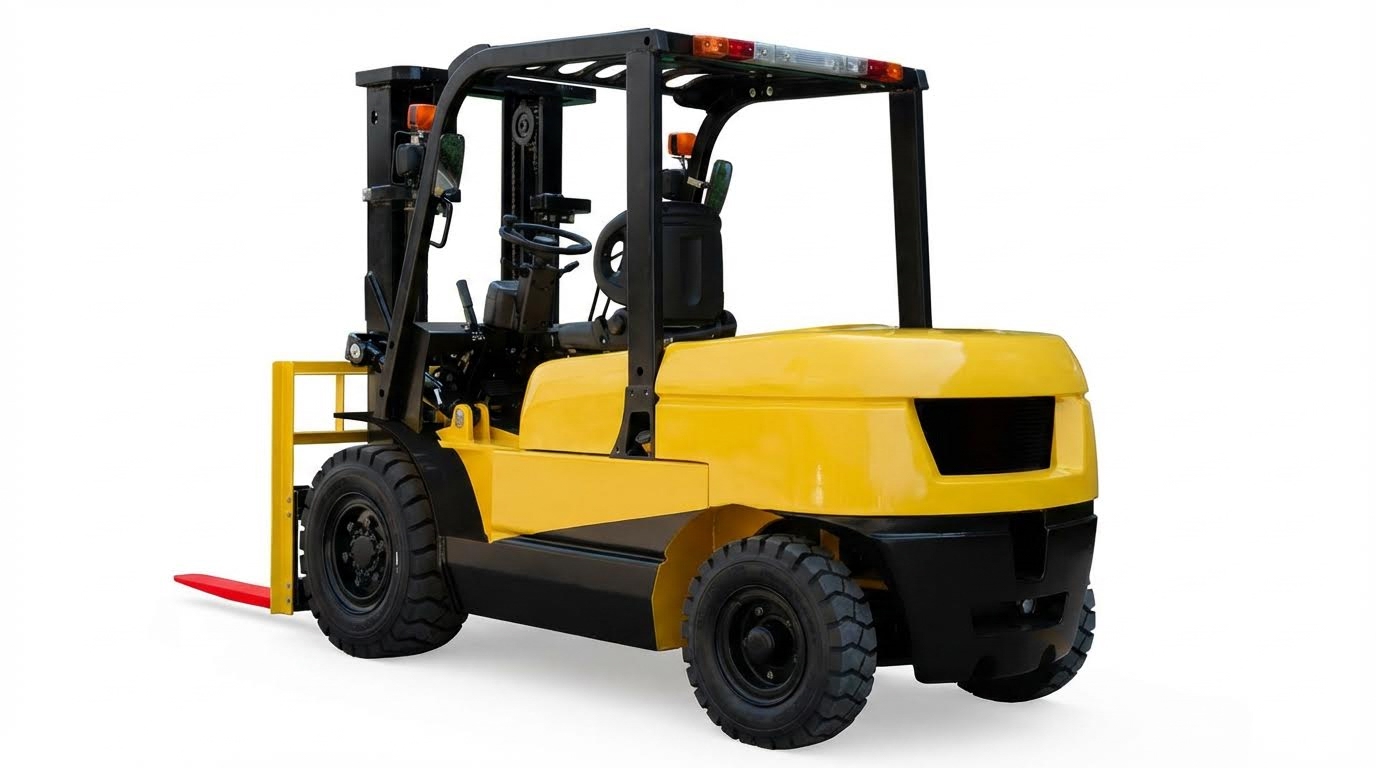
Electric forklifts operated in rain required disciplined engineering controls and procedural safeguards. Light rain fell within the safe operating envelope for most outdoor-rated machines, provided operators respected reduced traction and visibility. Heavy rain, ponding water, and storms created unacceptable electrical and stability risks, so operations needed to pause or switch to more suitable equipment. IP-rated designs, sealed enclosures, and appropriate storage practices formed the foundation of reliable outdoor use.
Industry experience up to early 2025 showed that higher IP ratings, protected battery compartments, and robust sealing significantly reduced water ingress incidents. Preventive maintenance, including seal inspection, corrosion control, and post-rain checks, proved critical for long-term reliability. Sites that enforced wet-weather speed limits, traction-appropriate tires, and strict visibility rules reported fewer skids and near-misses. Operator training that explicitly addressed wet conditions, combined with clear site procedures, closed the gap between design intent and real-world use.
Future developments would likely focus on higher-integrity sealing systems, smarter diagnostics that detected moisture early, and cabins that integrated weather protection with ergonomic controls. As electric fleets expanded outdoors, standards around IP classifications, functional safety in wet conditions, and maintenance intervals would continue to tighten. Practitioners implementing electric forklifts in rainy climates should align equipment selection, infrastructure, and procedures with these trends. A balanced approach that respected equipment limits, leveraged engineering improvements, and enforced operational discipline would keep wet-weather forklift operation both productive and safe.