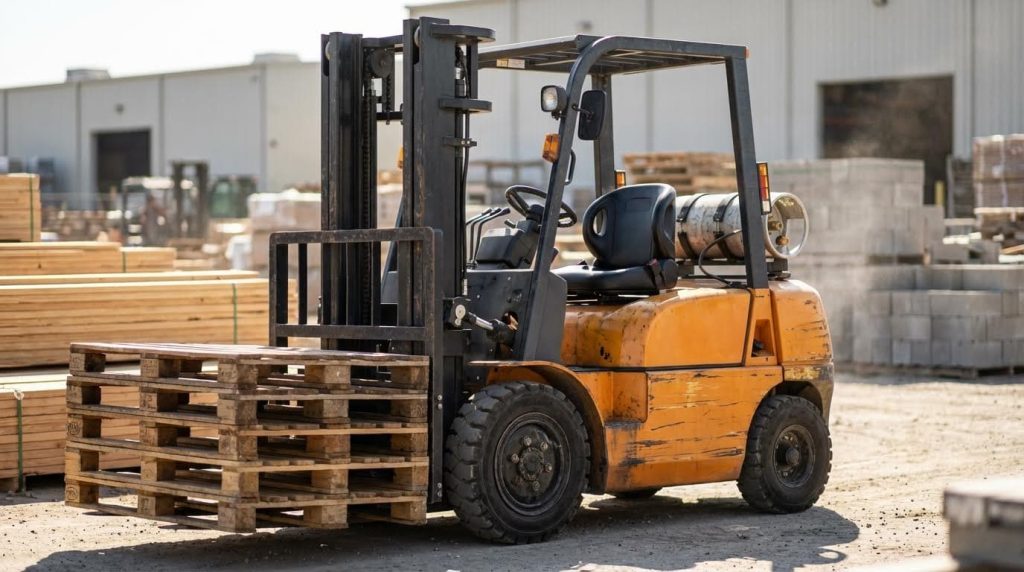
Propane-powered forklifts played a central role in warehousing and industrial logistics, thanks to predictable power delivery and fast refueling. This article examined how cylinder size, fuel energy content, and forklift capacity interacted to determine runtime and fuel consumption. It also reviewed safety, compliance, and maintenance practices for liquid propane systems, including OSHA and NFPA requirements, tank changeout, leak checks, and regulator care. Finally, it outlined practical strategies to optimize propane forklift performance, from preventive maintenance and fuel monitoring to selecting the right cylinder configuration for multi-shift operations.
Key Forklift Propane Cylinder Sizes And Specs
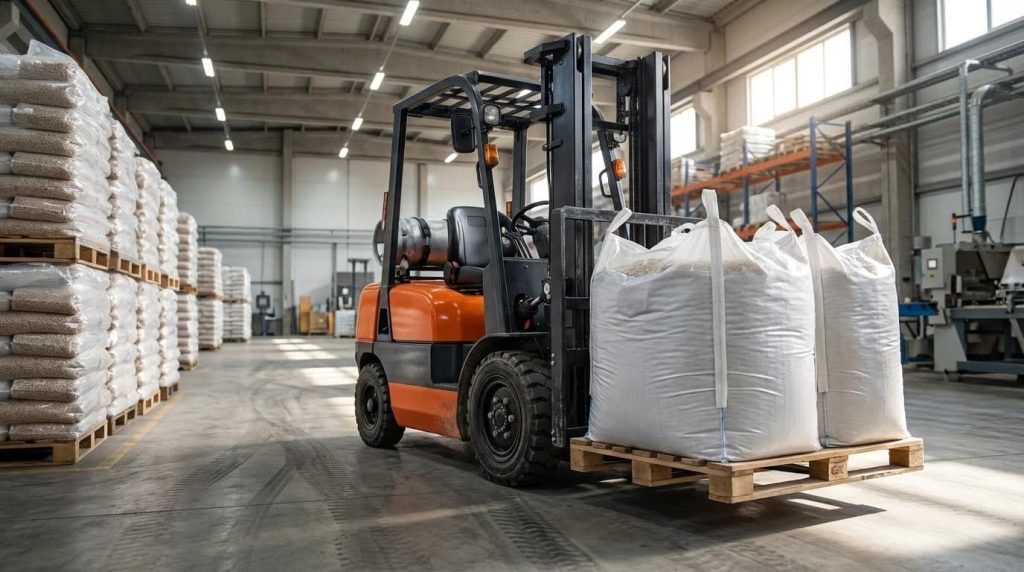
Forklift propane cylinders followed standardized sizes and performance characteristics that directly affected runtime, handling, and safety. Understanding capacity, BTU content, and construction helped engineers and fleet managers match fuel systems to truck class and duty cycle. This section described the dominant cylinder sizes, their energy content, structural variants, and fixed ASME tank options for specialized applications.
Common 30, 33, And 43 Lb Cylinder Options
Industrial forklifts primarily used 30 lb, 33 lb, and 43 lb liquid propane cylinders. The 33 lb cylinder served as the de facto standard for most 3,000–5,000 kg rated counterbalance and reach trucks. It held about 8 gallons of LP and around 715,000 BTU, which supported a typical single shift under moderate load. The 30 lb cylinder contained roughly 7 gallons and around 650,000 BTU and suited lighter-capacity or compact forklifts that required lower profile or reduced weight. Heavy-duty trucks with larger engines and higher lift capacities used 43 lb cylinders, which stored about 935,000 BTU and extended runtime between changeouts. Selection depended on truck class, engine displacement, and expected load profile.
BTU Content, Gallons, And Weight Calculations
Liquid propane had an energy content of approximately 91,500 BTU per gallon and a density of about 4.24 kg per 10 liters. Engineers converted cylinder mass to volume by dividing propane weight by this density, then multiplied by BTU per gallon to obtain usable energy. A 30 lb cylinder contained about 7.07 gallons and roughly 647,000 BTU, while a 33 lb cylinder held about 7.78 gallons and approximately 712,000 BTU. These values allowed runtime estimates when combined with measured or specified fuel consumption in gallons per hour or BTU per hour. For example, a medium-capacity forklift that consumed about 1.25 gallons per hour used roughly 114,000 BTU per hour, which yielded theoretical runtimes of about 5.7 hours for a 30 lb tank and 6.2 hours for a 33 lb tank. In practice, operators observed lower runtimes due to idle losses, transient loads, and environmental effects.
Steel Versus Aluminum Cylinder Characteristics
Forklift propane cylinders used either steel or aluminum construction, and each material presented distinct handling and durability characteristics. Steel cylinders typically had higher tare weight, for example about 27 lb for a 20 lb tank and up to roughly 44 lb for a 43.5 lb model. Aluminum cylinders reduced tare mass significantly, with values around 17 lb for 20 lb and about 24 lb for 33.5 lb sizes, which improved ergonomics during manual changeout and reduced overall truck weight. Manufacturers applied features such as permanently positioned relief valves, rugged foot rings, and vacuum purging to both material types to enhance safety and service life. Aluminum designs often incorporated shot blasting or similar surface treatments to improve corrosion resistance. Fleet managers balanced initial cost, weight reduction, corrosion environment, and handling risk when choosing between steel and aluminum.
Mounted ASME Tanks And Special Applications
Beyond removable cylinders, some forklifts and related industrial vehicles used permanently mounted ASME-rated propane tanks. These tanks integrated directly with the chassis and provided tailored capacities, for example between roughly 25.4 lb (about 5.8 gallons) and 36.1 lb (about 8.2 gallons) for compact horizontal designs. Typical dimensions reached up to about 610 mm in length and 305 mm in diameter, enabling installation within tight bodywork envelopes. Mounted tanks suited applications that required reduced changeout frequency, enhanced impact protection, or specific center-of-gravity control, such as specialty warehouse trucks or outdoor industrial equipment. Designers had to meet ASME construction rules and ensure compliance with LP gas codes for mounting, shielding, and routing of fuel lines. In specialized roles, facilities also used propane buffer tanks or larger stationary vessels to support centralized refueling systems, which decoupled forklift runtime from individual cylinder logistics and improved fleet-level fuel management.
Estimating Runtime And Fuel Consumption
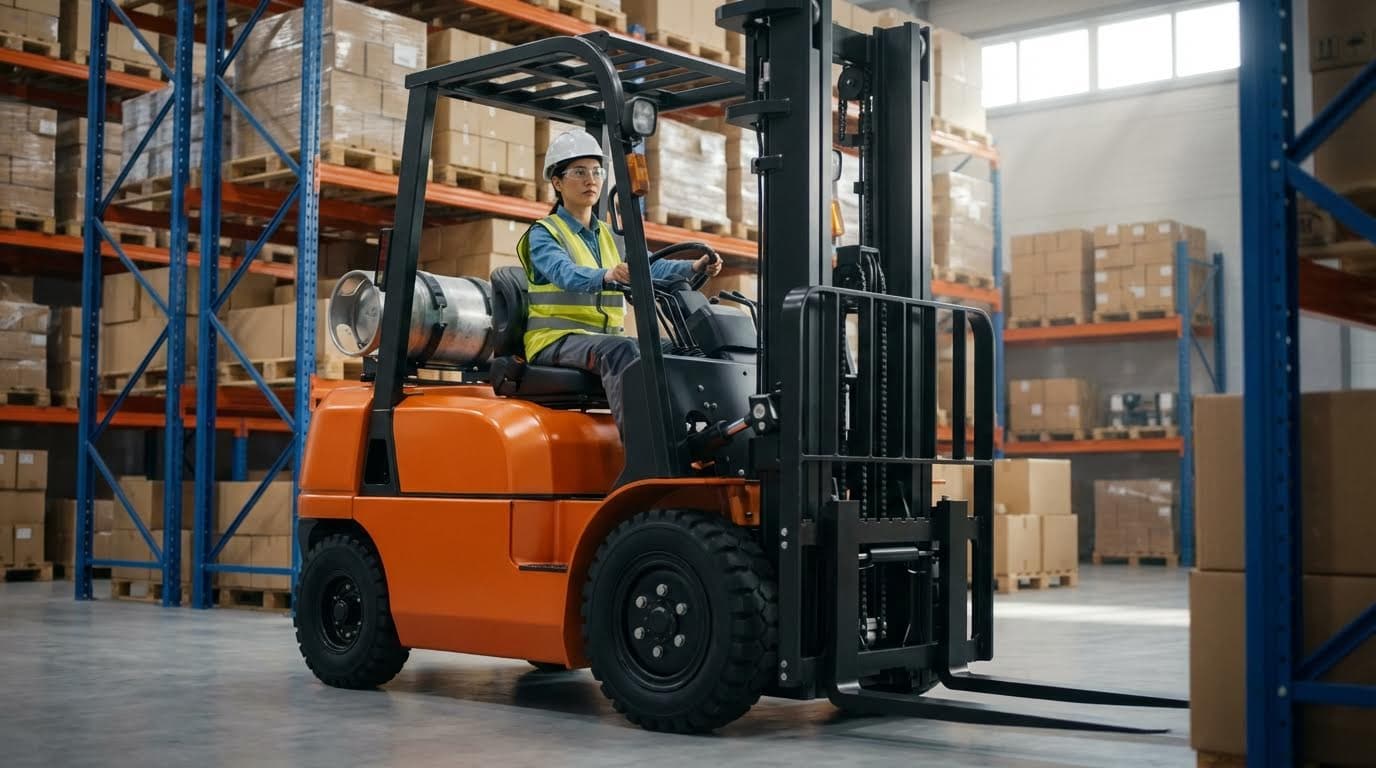
Estimating runtime required understanding how tank capacity, engine demand, and operating profile interacted. Accurate estimates reduced unplanned downtime, optimized tank inventory, and supported right-sizing of propane infrastructure. Engineers and fleet managers typically combined nameplate data, BTU content, and observed duty cycles to build reliable runtime models.
Relating Tank Size To Forklift Capacity And Load
Tank size had to match the forklift’s rated capacity and typical load profile. Small forklifts in the 1,400–2,300 kg capacity range usually consumed about 1 gallon of propane per hour. Medium units rated 2,300–3,600 kg consumed around 1.25 gallons per hour, while larger trucks above 3,600 kg reached 1.5 gallons per hour or more. A 30 lb cylinder with roughly 7 gallons suited light to moderate duty, whereas a 33 lb cylinder with about 8 gallons was standard for most counterbalanced stacker and reach trucks. Heavy-duty applications or trucks with larger engines often used 43 lb cylinders to extend runtime and reduce changeouts.
Using BTU And Gallon Data To Predict Runtime
Runtime prediction started with the energy content of liquid propane. One gallon contained about 91,500 BTU, and one gallon weighed roughly 4.24 pounds. A 30 lb tank therefore held about 7.07 gallons and approximately 647,000 BTU, while a 33 lb tank held about 7.8 gallons and around 712,000 BTU. Dividing tank BTU content by the engine’s hourly energy demand yielded a theoretical runtime. For example, a medium truck consuming about 1.25 gallons per hour used roughly 114,000 BTU per hour, giving about 5.7 hours for a 30 lb tank and about 6.2 hours for a 33 lb tank under steady conditions. Real-world values often differed due to varying loads and idling.
Impact Of Duty Cycle, Environment, And Operators
Duty cycle strongly influenced actual fuel use relative to theoretical calculations. Frequent lifting of near-rated loads, rapid acceleration, and continuous travel shortened runtime compared with light shuttle work or partial loads. Rough floors, ramps, and outdoor operation on uneven terrain increased rolling resistance and engine load, which raised hourly consumption. Extreme temperatures also affected performance, because low ambient temperatures reduced vaporization rates and could limit effective fuel delivery. Operator behavior remained critical; aggressive driving, unnecessary high-speed travel, and long idling periods all increased consumption, while smooth acceleration, planned routes, and reduced idle time extended tank life.
Practical Sizing For Multi-Shift Operations
Multi-shift operations required aligning tank capacity, changeout procedures, and shift patterns. Facilities often targeted at least one full shift of runtime per tank to avoid mid-shift changeouts in high-traffic windows. For an eight-hour shift, a medium-duty truck consuming 1.25 gallons per hour needed roughly 10 gallons, which exceeded a single 33 lb tank’s usable volume, so planners either accepted a scheduled mid-shift change or specified larger cylinders or additional trucks. Fleet managers also considered tank staging locations, spare cylinder counts, and refilling logistics to prevent trucks from running dry in critical process areas. Runtime data from logbooks or telematics helped refine tank sizing and shift assignments over time, improving utilization and reducing fuel-related interruptions.
Safety, Compliance, and Maintenance Practices
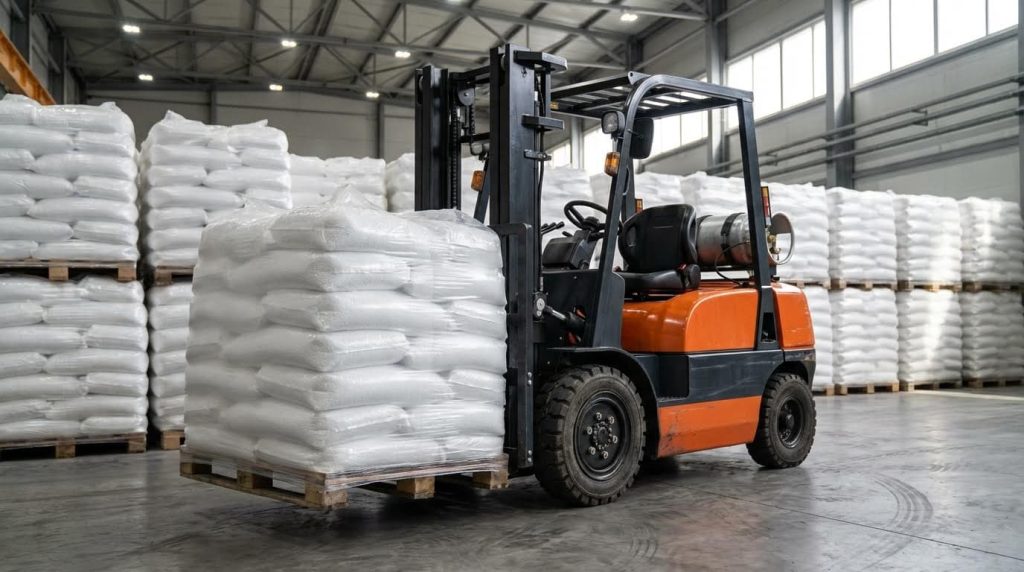
Safety, regulatory compliance, and disciplined maintenance determined the reliability and risk profile of propane forklifts. LP gas introduced specific fire, explosion, and cold-burn hazards that required structured controls. OSHA and NFPA standards provided the baseline, while site procedures translated them into daily practice. Robust maintenance and monitoring programs extended component life and reduced unplanned downtime.
OSHA And NFPA Rules For LP Storage And Handling
OSHA regulation 1910.178(f)(2) required that LP gas storage and handling comply with NFPA 58-2012. These codes mandated upright storage of cylinders in well-ventilated locations, away from ignition sources and excessive heat. Facilities had to secure cylinders with chains, racks, or other restraints to prevent tipping or impact damage. Operators and supervisors needed training on emergency shutdown, leak response, and local fire marshal requirements. Compliance checks typically included cylinder condition, separation distances, ventilation provisions, and signage.
Safe Tank Changeout, Leak Checks, And PPE
Safe tank changeout started by parking in a low-traffic, ventilated area, lowering forks, applying the parking brake, and shutting the engine off. Operators wore wrap-around safety glasses and insulated gloves because liquid propane exited the valve near −44 degrees Fahrenheit and could cause frostbite. Before disconnecting the coupler, the operator usually closed the cylinder valve and let the engine run until it stopped, bleeding residual fuel from the line. After installing the replacement tank, the operator opened the valve slowly and used a soap-and-water solution on fittings and hoses to check for leaks, watching for bubbles, frost, or extended hissing. Damaged or leaking cylinders were tagged out of service and moved to a designated quarantine area.
Regulator Function, Inspection, And Replacement
The propane regulator reduced high tank pressure to a stable outlet pressure suitable for the engine and, in many designs, vaporized liquid propane to gas. Internal diaphragms, springs, and relief valves controlled outlet pressure and shut off flow under abnormal conditions. Technicians inspected regulators for external damage, loose fittings, frost accumulation, and evidence of leaks during scheduled maintenance. Symptoms such as hard starting, misfires, poor power, or persistent propane odor indicated possible regulator malfunction. Industry practice replaced regulators at intervals near five years, or earlier if inspection or performance tests revealed defects.
Preventive Maintenance And Fuel Monitoring Tech
Preventive maintenance programs for propane forklifts included daily pre-use checks and periodic inspections of cylinders, hoses, couplers, regulators, and mounting hardware. Technicians verified hose flexibility, o-ring integrity, and correct routing to avoid chafing or kinking. Scheduled services included leak testing, cleaning regulators and filters, and confirming correct engine tuning to minimize fuel consumption. Facilities increasingly used fuel gauges, low-fuel indicator lights, or telematics-based monitoring to track tank levels and runtime. These tools reduced unplanned fuel outages, improved shift planning, and supported data-driven right-sizing of cylinder inventories and refueling infrastructure.
Summary: Optimizing Propane Forklift Performance
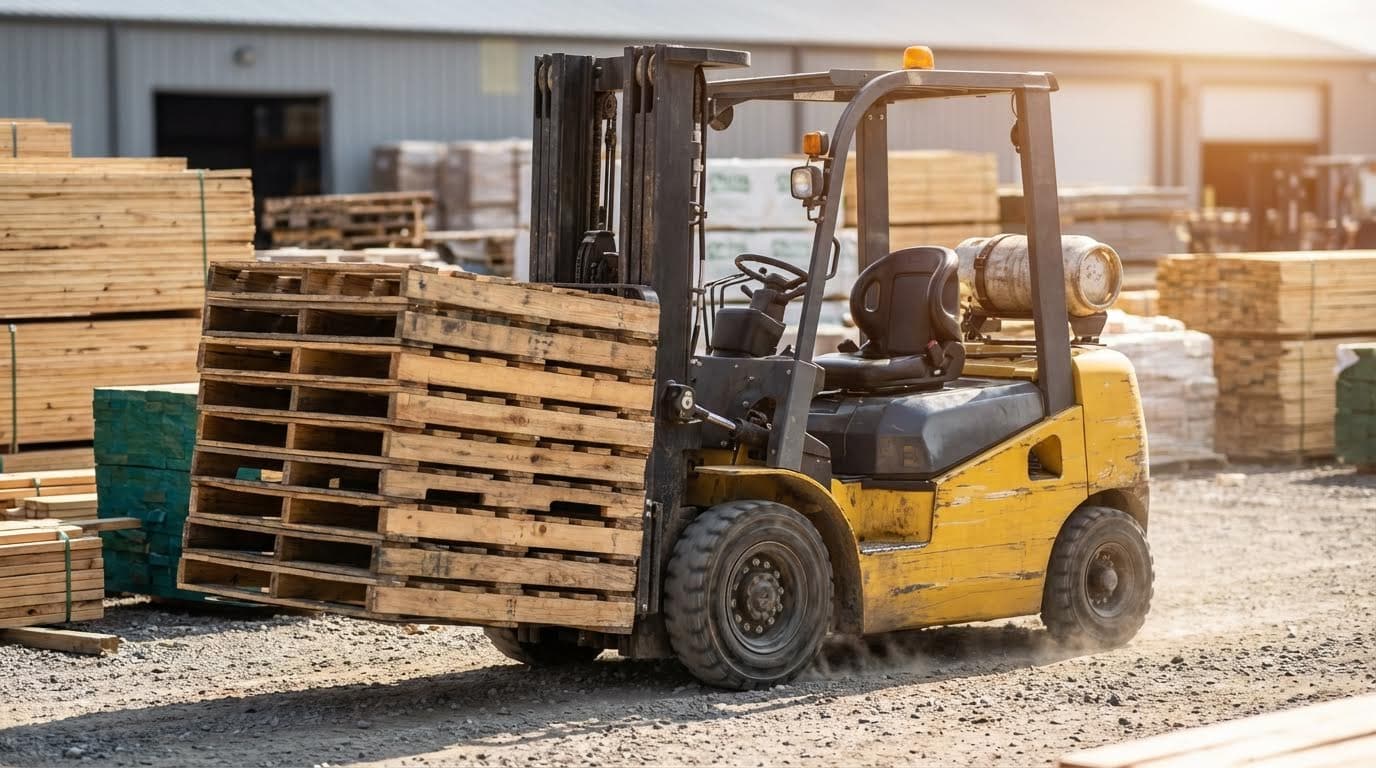
Propane-powered forklifts offered consistent power, fast refueling, and flexible indoor–outdoor use when operators matched cylinder size, runtime expectations, and duty profile. Typical 30 lb, 33 lb, and 43 lb cylinders contained roughly 7–8 gallons of LP, translating to about 650,000–935,000 BTU, while medium-capacity trucks consumed around 1.25 gallons per hour. Correct runtime estimation combined this BTU content with realistic fuel burn based on truck capacity, load intensity, and cycle frequency rather than nominal “one shift per tank” rules. Facilities that sized cylinders and fleets for peak demand reduced unplanned stops, mid-task tank changes, and associated safety risks.
Regulatory frameworks such as OSHA 1910.178 and NFPA 58 defined baseline requirements for LP storage, ventilation, separation from ignition sources, and cylinder handling. Compliance drove practices like upright storage in secure racks, pre-use leak checks with soapy water, and mandatory PPE including eye protection and insulated gloves during changeouts. Technically sound maintenance programs inspected cylinders, valves, hoses, regulators, and mounting hardware on a fixed schedule, and replaced regulators roughly every five years or at the first sign of frost buildup, unstable pressure, or fuel odor. These measures limited vapor accumulation, fire hazards, and unplanned downtime.
Looking ahead, operations increasingly integrated fuel gauges, low-fuel indicators, and telematics-based fuel monitoring to predict remaining runtime per truck and coordinate tank inventory. This trend supported tighter labor planning, leaner spare cylinder stocks, and better alignment of forklift capacity with task profiles and shift structures. A balanced approach combined proven cylinder technologies, adherence to codes, structured preventive maintenance, and data-driven runtime prediction. Facilities that applied these principles achieved higher utilization, lower fuel waste, and safer, more predictable propane forklift performance across single and multi-shift operations.