LPG forklifts used internal combustion engines powered by liquefied petroleum gas stored under pressure in removable cylinders. Their performance, safety, and reliability depended on correct fuel handling, system inspection, and adherence to defined operating procedures across single- and dual-fuel configurations.
This article examined the fundamentals of LPG forklift technology, detailed start-up and fuel-switching practices, and outlined maintenance, cylinder handling, and regulatory requirements. It concluded with a consolidated view of best practices that supported safe, efficient, and compliant plant operation.
Fundamentals Of LPG Forklift Technology
LPG forklifts used internal combustion engines that ran on liquefied petroleum gas stored under pressure. This section outlined the fuel characteristics, storage principles, and hardware that enabled safe vaporization and delivery to the engine. It also positioned LPG units against diesel and electric trucks in plant applications. Understanding these fundamentals supported correct specification, safe operation, and compliant maintenance strategies.
What Defines An LPG-Powered Forklift
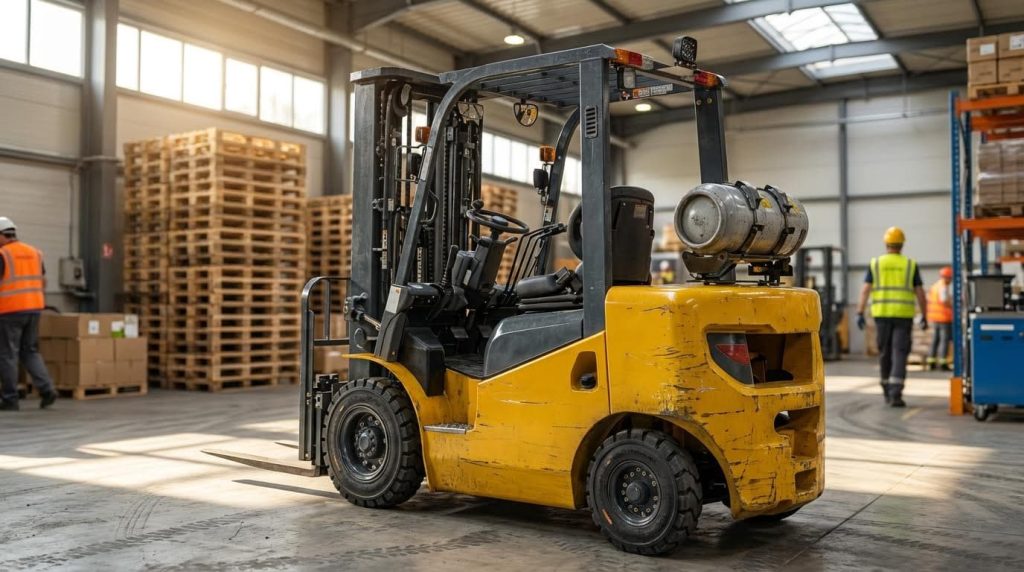
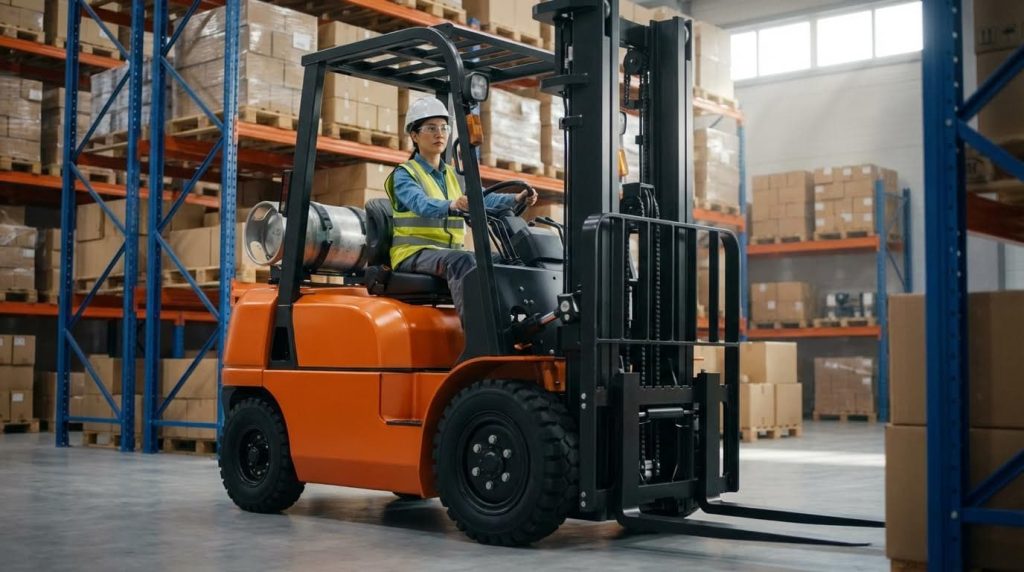
An LPG-powered forklift used an internal combustion engine fueled by liquefied petroleum gas in cylinders. The LPG remained in liquid phase under pressure and vaporized before entering the intake system. A dedicated LPG fuel circuit, including tank, pressure reducer, and mixer or injection system, supplied the engine. The truck retained typical industrial truck architecture, with hydraulic lifting, counterweight, and mast assemblies. In dual-fuel designs, a switching valve allowed operation on gasoline or LPG, but only one fuel operated at a time. LPG forklifts delivered high power density and quick refueling, which suited multi-shift material handling.
LPG Fuel Properties And Storage Principles
LPG consisted mainly of propane and butane, colorless, nontoxic, and nearly odorless in pure form. Suppliers added odorant to aid leak detection. The fuel stored as a high-pressure liquid; one gallon of liquid yielded roughly 270 gallons of vapor. Cylinders for forklifts operated as pressure vessels and had to comply with national pressure vessel and gas cylinder supervision regulations and standards such as GB17259. When mounted horizontally, the relief valve and locating pin had to align upward to keep the relief path in vapor space and ensure correct pick-up tube orientation. Storage required open-air, lockable, ventilated racks, protection from impact, separation from ignition sources, and adherence to mass limits for indoor and outdoor storage. Operators had to avoid overfilling by using an 80% liquid level control and stopping filling when white mist vented from the level port.
Core Components Of The LPG Fuel System
The LPG fuel system included the cylinder, shutoff valve, quick-connect coupling, pressure regulator or reducer, and mixer or injection components. The cylinder supplied liquid LPG through a pick-up tube to the outlet, controlled by a manual valve and internal excess-flow device. A pressure reducer used engine coolant heat to vaporize liquid LPG and reduce pressure to near-atmospheric levels suitable for mixing with intake air. Downstream, a mixer or gaseous injection system metered fuel according to engine load and speed. High-pressure lines, hoses, and fittings required periodic inspection for corrosion, abrasion, and leakage, with defective parts replaced immediately. System design had to permit full shutoff, leak testing with soapy water, and safe depressurization before maintenance.
LPG Vs Diesel And Electric In Plant Operations
LPG forklifts provided fast refueling, stable power output, and strong performance in continuous indoor–outdoor duty. Compared with diesel trucks, LPG units produced lower particulate emissions and allowed safer use in ventilated indoor spaces, though not in classified hazardous atmospheres. Diesel forklifts usually offered higher torque and better fuel economy for very heavy outdoor loads but generated more noise and exhaust treatment complexity. Electric forklifts eliminated tailpipe emissions and reduced noise, which suited clean or enclosed environments, but required battery charging infrastructure and careful energy management across shifts. LPG trucks bridged the gap where plants needed flexible deployment, long run times of roughly six to eight hours per tank, and minimal downtime for refueling. Selection depended on load profile, duty cycle, ventilation capability, and regulatory constraints on emissions and fuel storage.
Operating Procedures For LPG And Dual-Fuel Trucks
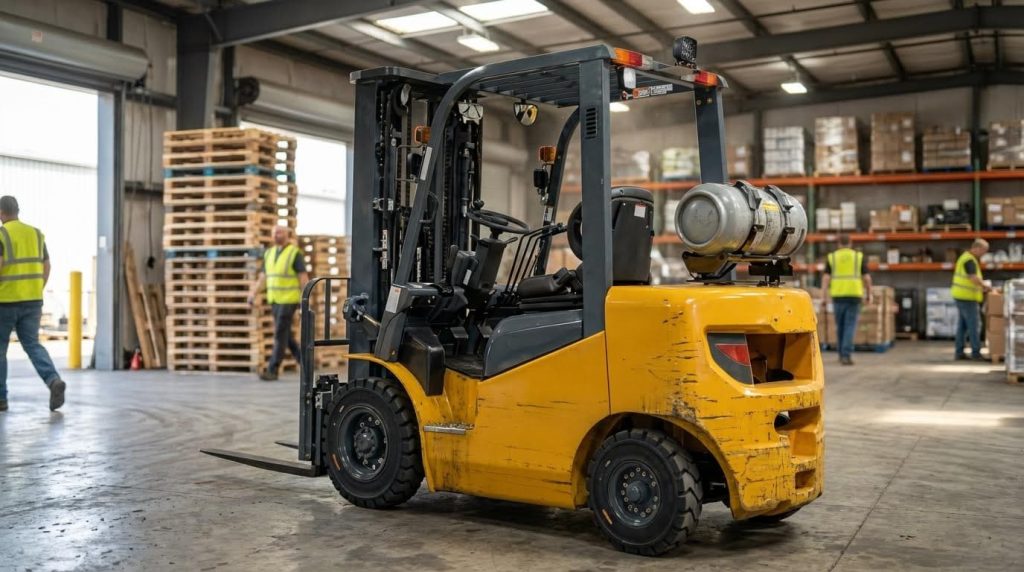
Correct operating procedures ensured LPG forklifts delivered reliable power and controlled emissions in industrial plants. Technically structured routines for inspection, starting, load application, and shutdown reduced failure risk and unplanned downtime. Dual-fuel trucks required additional discipline during fuel switching to avoid misfire, flameout, or fuel system damage. This section outlined practical, standards-aligned procedures that operators could apply directly in plant operations.
Pre-Start Checks And System Leak Inspection
Operators first verified basic engine readiness by checking engine oil level, coolant level, and battery condition. They then confirmed the LPG cylinder sat correctly on the bracket, with the locating pin aligned and the relief valve oriented to the vapor space. The manual cylinder valve had to remain closed during visual inspection of hoses, fittings, regulators, and shutoff valves for abrasion, corrosion, or mechanical damage. After confirming integrity, operators slowly opened the manual valve and watched, listened, and smelled for leak indicators. A structured leak test used soapy water on connections and joints; bubble formation indicated leakage that required immediate shutdown and repair. Only after the gas circuit passed visual and functional checks did the truck proceed to engine start.
Engine Start-Up, Warm-Up, And Load Application
Before cranking, operators turned the cylinder valve fully open and set any fuel selector to the LPG position. They switched on the ignition and allowed gas to stabilize in the mixer or injection system for several seconds. Starting followed gasoline-engine practice, but without depressing the accelerator, to avoid over-fueling and backfire. If the engine failed to start after several attempts, procedures required fault diagnosis rather than repeated cranking to protect the starter motor. After start, the engine idled while coolant and oil temperatures rose, typically two to three minutes, until coolant exceeded about 50 °C and oil exceeded about 40 °C. Only then did operators gradually apply load, monitoring for abnormal noise, vibration, or hesitation, and ensuring sufficient ventilation in the work area.
Dual-Fuel Switching: Gasoline–LPG Changeover Rules
Dual-fuel trucks used a selector valve or switch to choose gasoline or LPG, and operators had to switch only with the truck fully stopped. When changing from gasoline to LPG, the engine first ran at elevated speed while the selector moved to an intermediate or “OFF” position to consume residual gasoline in the carburetor until the engine stalled. The selector then moved to the LPG position, the cylinder valve remained open, and the engine restarted on LPG. Switching from LPG to gasoline generally allowed direct movement of the selector from LPG to GAS without pausing in the center position, following manufacturer instructions. Operators kept at least one-quarter of the gasoline tank filled for emergency use and periodically consumed gasoline, for example about 10 kg per month, to prevent degradation of the gasoline system. Any hesitation, knocking, or stalling during switching required immediate investigation rather than repeated toggling of the selector.
Cold-Weather Operation And Vaporization Issues
Low ambient temperatures reduced LPG vaporization in the cylinder and stressed the pressure reducer or vaporizer. In cold climates, operators allowed longer warm-up periods after the first start so engine coolant could heat the pressure reducer adequately. When LPG vaporization remained insufficient, frost or ice formed on the reducer body, indicating low surface temperature and restricted fuel flow. Technicians removed frost using warm water or heated coolant, never open flame, to avoid localized overheating or ignition. Operating guidelines recommended waiting until coolant approached normal operating temperature, around 80–90 °C, before sustained high-load work. During extended idling or light-load operation in cold weather, operators monitored for power loss or misfire that signaled vaporization limits and adjusted duty cycles accordingly.
Maintenance, Safety, And Regulatory Compliance
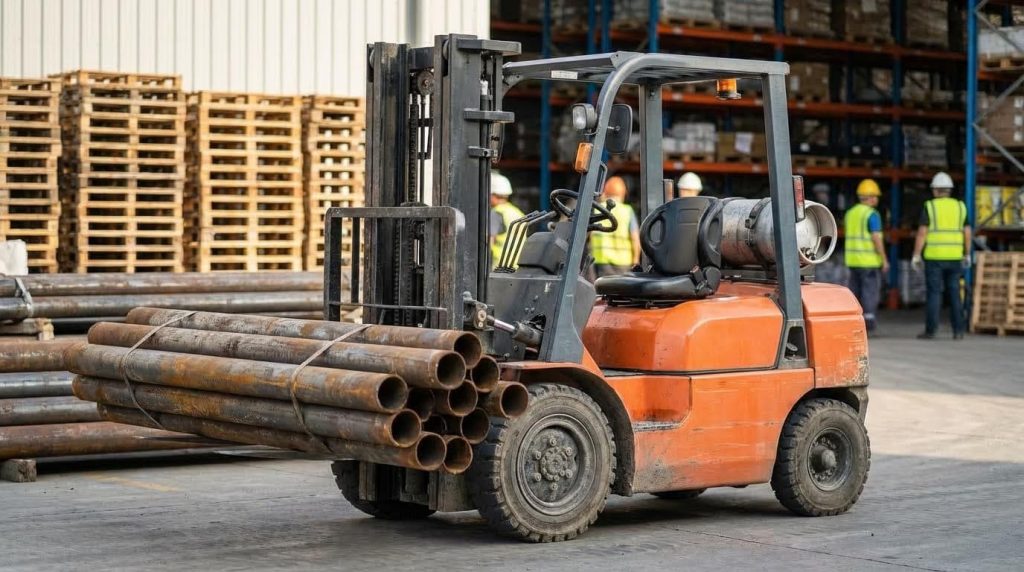
Maintenance, safety, and regulatory compliance formed the backbone of reliable LPG forklift operation. Structured inspection regimes, disciplined cylinder handling, and adherence to pressure vessel regulations reduced incident rates and unplanned downtime. Operators and maintenance teams who understood engine, hydraulic, and LPG subsystems could detect degradation early and extend equipment life. This section detailed the essential practices that aligned field operation with technical standards and legal requirements.
Routine Engine, Hydraulic, And LPG System Care
Routine care started with the internal combustion engine, which required gas‑rated lubricants with high oxidation resistance and detergency. Operators checked oil level in the sump, coolant level in the radiator, and air filter condition before shifts. Maintenance teams changed engine oil and filters at intervals specified for gas engines, inspected spark plugs, ignition components, and exhaust paths, and kept coolant free of scale by using soft water and suitable antifreeze. Hydraulic systems needed regular checks of fluid level, fluid cleanliness, and hose integrity, with leaks in lines, fittings, or cylinders repaired immediately to prevent pressure loss and load instability. For the LPG circuit, technicians inspected cylinders, regulators, hoses, and fittings for corrosion, mechanical damage, and seepage, replacing any suspect component to prevent gas release under pressure.
Cylinder Handling, Refilling, And Storage Rules
Safe cylinder handling relied on strict control of ignition sources and correct refilling procedures. Refilling or cylinder exchange occurred outdoors or in well‑ventilated areas with the truck shut down and the operator off the seat. The filling gun engaged securely with the cylinder valve, and the 80% liquid level port was opened; appearance of white mist signaled that filling must stop to avoid overfilling. Cylinders were never dropped, rolled, or exposed to heat sources, welding areas, or high‑temperature equipment. Storage practices followed a segregation principle: cylinders stayed in ventilated, lockable racks or cages, protected from vehicle impact, kept upright or in the prescribed orientation, and positioned clear of exits and walkways according to safety regulations.
Leak Detection, Ventilation, And PPE Requirements
Leak control combined engineering measures with operator behaviour. LPG vapour, being heavier than air, accumulated near the floor, so work areas required effective low‑level ventilation to avoid gas pockets. Technicians checked suspected leaks using soapy water on fittings and hose joints, watching for bubble formation rather than using open flames. During tank changes and LPG system work, personnel wore wrap‑around eye protection and insulated gloves to prevent frostbite from contact with liquid gas or high‑velocity vapour. Operators received training to recognize leak indicators such as visible frost, hissing sounds, or strong odour, and evacuation protocols required immediate closure of cylinder valves and ventilation of the area before restarting equipment.
Applicable Codes, Service Life, And Inspection Cycles
LPG cylinders and associated pressure components fell under pressure vessel and gas cylinder safety regulations. Cylinders used on industrial trucks complied with national codes, including pressure vessel supervision rules and dedicated gas cylinder standards, which defined design, test pressure, and allowable defects. Typical propane cylinders had an initial service life limit, often 12 years before first requalification, with subsequent requalification intervals between 5 and 10 years depending on jurisdiction. Pressure relief valves on cylinders also had replacement intervals, commonly at 10–12 years and then every decade, to maintain reliable over‑pressure protection. Facilities implemented inspection registers that tracked manufacture dates, requalification dates, and valve replacement history, ensuring that out‑of‑date cylinders were removed from service and not refilled until properly requalified by certified inspectors.
Summary Of LPG Forklift Operation And Best Practice Conclusion
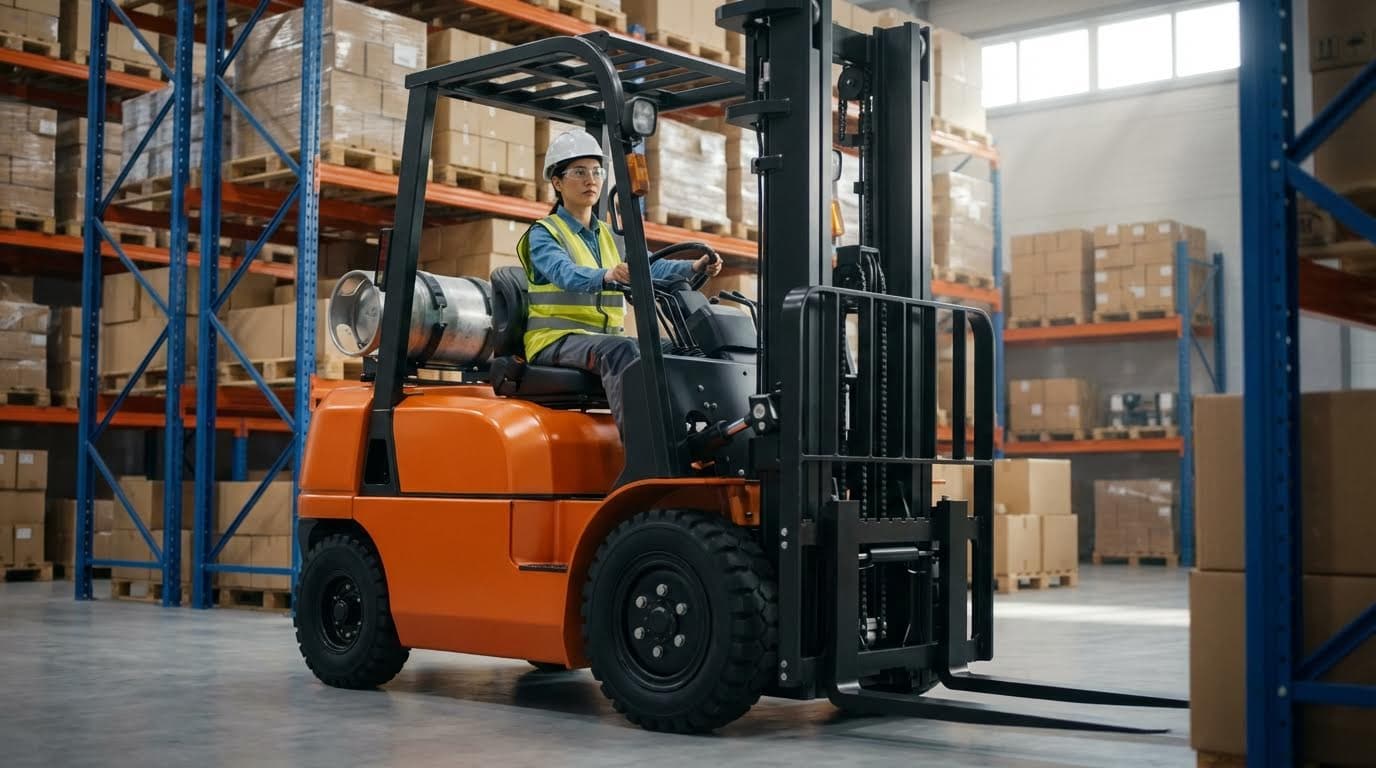
LPG forklifts used internal combustion engines supplied by high-pressure liquefied petroleum gas stored in certified cylinders. Correct operation depended on systematic pre-start checks, controlled engine start-up, proper warm-up, and disciplined shutdown procedures. Dual-fuel units required strict adherence to fuel-switching rules, including switching only at standstill and correctly purging gasoline from the carburetor when moving to LPG. Cold-climate use demanded attention to vaporization limits, pressure reducer icing, and coolant temperature before applying rated loads.
Safe and reliable service relied on structured maintenance of the engine, hydraulic circuit, and LPG system, including periodic oil and filter changes, coolant management, hose and fitting inspections, and prompt replacement of worn components. Cylinder handling followed regulated practices: outdoor refilling with ventilation, no ignition sources, correct filling to the 80% level, and secure storage in protected, ventilated racks with impact protection. Leak control combined routine soapy-water testing of joints, continuous attention to abnormal odor, frost, or noise, and immediate isolation and ventilation of any suspected release. Regulatory frameworks, such as pressure vessel and gas cylinder safety supervision regulations and relevant national standards, governed cylinder design, inspection cycles, and requalification intervals.
Industry trends pointed toward tighter emissions limits, improved low-temperature performance, and enhanced safety interlocks on fuel systems and cylinder mounts. Facilities that planned for compliant storage capacity, operator training, PPE use, and preventive maintenance achieved lower incident rates and longer equipment life. In practice, the most robust strategy integrated technical operating procedures, codified inspection routines, and regulatory compliance into a single site standard, while remaining flexible enough to incorporate future advances in LPG system design and alternative powertrain technologies. For facilities using specialized material handling equipment like semi electric order picker, ensuring compatibility with LPG systems can further enhance operational efficiency. Additionally, tools such as hydraulic pallet truck and manual pallet jack play a critical role in supporting safe and efficient workflows.