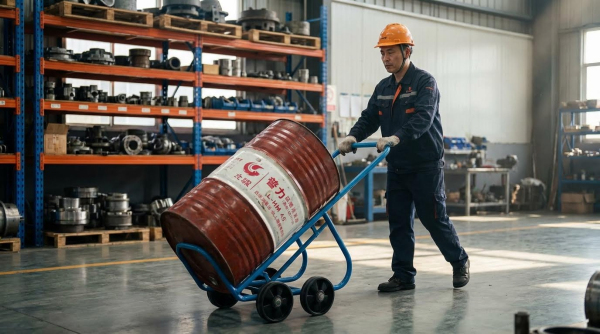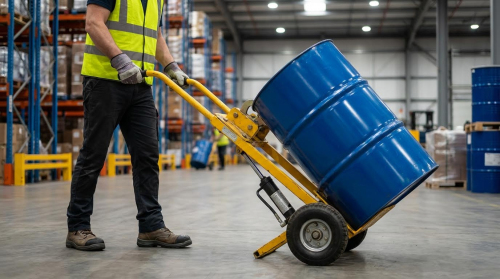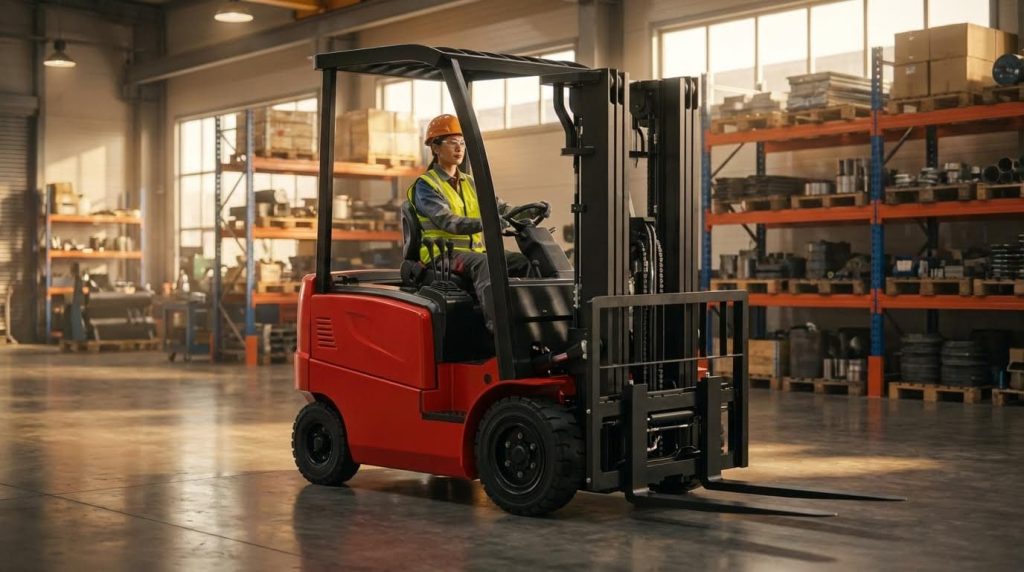
Electric and propane forklifts followed very different engineering paths, and those choices shaped their performance, cost, and safety profiles. This article examined how powertrain architecture, duty cycles, and environmental constraints influenced real-world application fit. It then compared lifecycle cost, energy use, and supporting infrastructure, including hydraulic pallet truck, charging systems, and propane logistics. Finally, it addressed safety, compliance, and sustainability factors to build a structured framework for selecting the right forklift powertrain for a given operation.
Core Design And Performance Differences
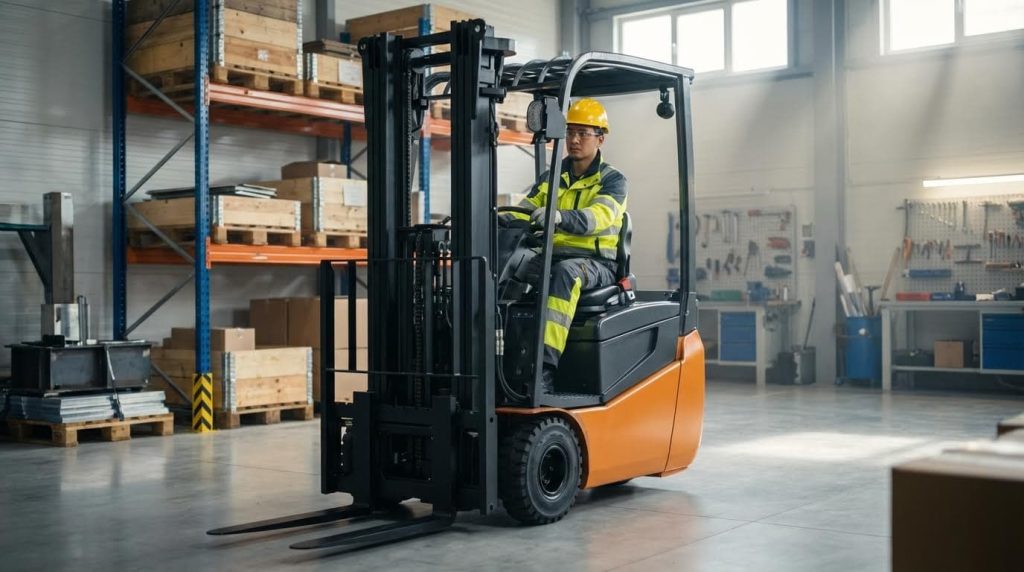
Core design differences between electric and propane forklifts directly affect performance, reliability, and cost. Engineers must match powertrain architecture, duty cycle capability, and environmental constraints to the site requirements. This section compares systems on a technical basis, focusing on quantifiable parameters and real operating conditions. It highlights tradeoffs that influence fleet selection and long-term ownership strategy.
Powertrain Architecture: Electric Vs. IC Systems
Electric forklifts used traction motors powered by battery packs and solid-state controllers. Their drivetrains had fewer moving parts than internal combustion (IC) trucks, which reduced wear points and lubrication needs. IC propane forklifts relied on engines with fuel, ignition, exhaust, and cooling subsystems, each adding failure modes and service tasks. Electric units delivered instant torque and precise control, while IC engines provided continuous power as long as the fuel supply remained available.
Electric trucks commonly used lead-acid or lithium-ion batteries as the energy source. Lead-acid packs required periodic watering and equalization, while lithium-ion systems offered higher cycle life with no routine maintenance. IC systems depended on LPG tanks, regulators, and fuel lines that required leak checks and compliance with NFPA and OSHA rules. The simpler electric architecture supported lower annual service hours and parts replacement costs compared with propane platforms.
Duty Cycles, Load Profiles, And Application Fit
Duty cycle and load profile determined whether electric or propane powertrains operated more efficiently. Electric forklifts performed well in predictable, stop-and-go warehouse work with defined shifts and planned charging windows. Their batteries supported one or multiple shifts depending on capacity, charge rate, and intermediate opportunity charging. Propane forklifts suited high-intensity or multi-shift operations where rapid refueling with spare cylinders minimized downtime.
For heavy loads and continuous outdoor operation, IC trucks historically offered robust performance without range anxiety. However, modern electric designs handled comparable rated capacities without sacrificing productivity when properly sized. Engineers evaluated average load weight, lift height, travel distances, and peak demand periods when selecting powertrains. Quantified metrics such as daily energy use in kilowatt-hours or liters of LPG guided model selection and fleet sizing.
Indoor Vs. Outdoor Use And Environmental Constraints
Electric forklifts produced zero point-of-use exhaust emissions, which made them suitable for enclosed warehouses and cold storage facilities. They eliminated carbon monoxide and nitrogen oxides, reducing the need for additional ventilation systems indoors. Propane forklifts emitted combustion gases and therefore required engineered airflow, monitoring, and compliance with exposure limits. Facilities with strict air quality regulations or food-grade operations typically favored electric fleets.
Outdoor environments with uneven terrain, temperature swings, and weather exposure historically favored IC trucks. Propane units tolerated rain and dust better because they lacked high-voltage battery packs and open charging connectors. Electric forklifts operated outdoors when designs included appropriate ingress protection and traction features, but charging infrastructure needed protection from the elements. Site planners weighed ventilation cost, emissions limits, and environmental permitting when comparing architectures.
Noise, Vibration, And Operator Ergonomics
Electric forklifts operated with significantly lower noise levels than propane models because they lacked combustion and exhaust pulses. Reduced noise improved verbal communication, alarm audibility, and operator focus in dense warehouse traffic. Electric powertrains also generated less vibration and heat at the operator position, which enhanced comfort during long shifts. Lower whole-body vibration exposure aligned with occupational health guidelines and reduced fatigue risk.
Propane forklifts produced characteristic engine noise, exhaust resonance, and higher vibration transmitted through the chassis. These factors could mask early signs of mechanical issues or create the need for hearing protection in confined spaces. Electric trucks’ smooth torque delivery allowed finer speed modulation and precise positioning at racks and loading docks. Ergonomic gains translated into higher sustained productivity and fewer operator errors under repetitive handling tasks.
Lifecycle Cost, Energy Use, And Infrastructure
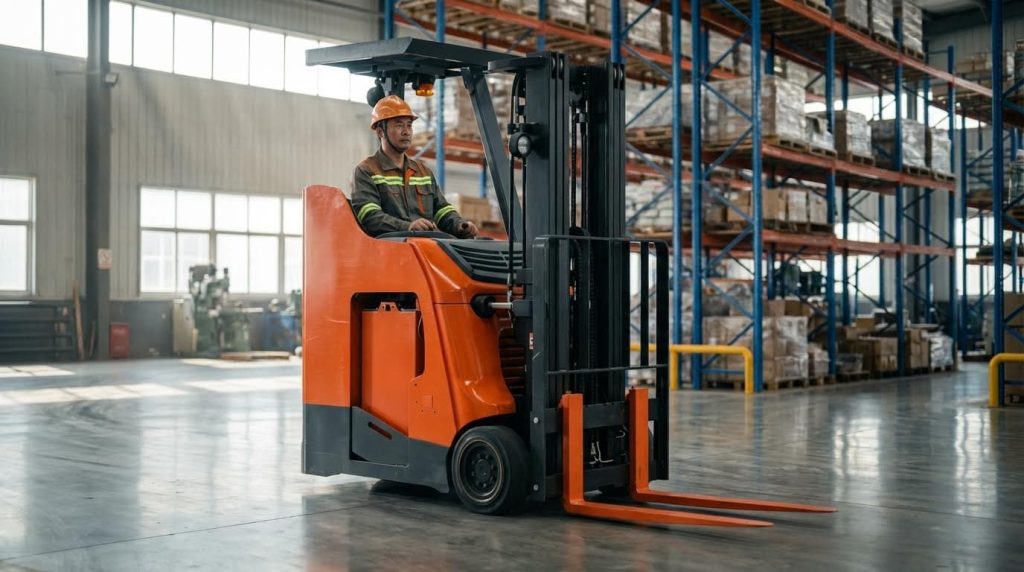
Lifecycle economics and infrastructure requirements largely determined whether operations adopted electric or propane forklifts before January 2026. Engineers compared not only purchase price but also energy, maintenance, and facility costs over the full service life. Decisions also depended on battery technology, fueling or charging logistics, and available electrical capacity. A structured cost and infrastructure analysis helped align the powertrain choice with throughput and sustainability targets.
Capital Cost, TCO, And Payback Calculations
Electric forklifts typically had a higher capital cost than propane internal combustion (IC) trucks. For example, one representative comparison reported an IC truck purchase price of about USD 25,380, while the electric truck chassis cost about USD 29,750, plus roughly USD 10,000 per traction battery and USD 5,000 per charger. This brought the initial electric package to approximately USD 44,750 versus USD 25,380 for IC. However, annual ownership cost data showed a different picture: IC trucks cost about USD 45,310 per year to own, while electric trucks cost about USD 23,544, giving annual savings near USD 21,766. With those values, a simple payback on the higher electric capital outlay occurred in roughly one year, well within the 11‑year electric service life versus about 7 years for IC units. Engineers usually ran discounted cash-flow or net present value calculations, including residual value, to confirm that lower energy and maintenance costs more than offset higher upfront investment.
Fuel, Electricity, And Ventilation Cost Modeling
Energy and ventilation models compared daily LP gas use against electricity consumption. A typical IC truck consumed about 17.3 gallons of liquefied petroleum (LP) per day at a fuel price near USD 2.25 per gallon, while an equivalent electric truck used roughly 101 kilowatt-hours per day at around USD 0.065 per kilowatt-hour plus a peak demand charge of about USD 7. Engineers converted these figures to cost per operating hour and cost per tonne-metre of material moved. IC trucks also incurred ventilation costs, reported at about USD 0.08 per truck-hour, due to exhaust emissions, while electric units required about USD 0.01 per truck-hour, mainly for battery-powered stacker charging areas. LP systems had a tank loss factor of about 10%, which increased effective fuel cost. When analysts combined fuel, electricity, ventilation, and service-hour assumptions, electric fleets typically showed substantially lower operating cost, especially in high-utilisation, multi-shift indoor applications.
Battery Technologies: Lead-Acid Vs. Lithium-Ion
Electric forklift fleets relied primarily on lead-acid or lithium-ion batteries, each with distinct lifecycle implications. Traditional lead-acid traction batteries, such as 24-cell packs rated around 765 ampere-hours, typically delivered 1,500 to 2,000 charge cycles and about three years of life under standard duty. They required regular watering, equalisation charging, and controlled ventilation during charging due to gas evolution. Lithium-ion batteries offered over 3,000 cycles, faster charging, and essentially zero routine maintenance, but carried higher upfront cost. Their longer life and lower maintenance often improved total cost of ownership, particularly in multi-shift operations where opportunity charging reduced the need for spare batteries and change-out equipment. Engineers evaluated battery type using duty-cycle modelling, expected utilisation hours, and energy prices, while also considering recycling pathways and end-of-life handling within environmental compliance frameworks.
Charging, Propane Logistics, And Facility Layout
Infrastructure planning contrasted electrical charging systems with propane storage and handling layouts. Electric fleets required dedicated charging zones, distribution panels sized for aggregated charger loads, and, for lead-acid systems, adequate ventilation to manage hydrogen emissions. A typical charger with a charge rate of about 42 amperes per 100 ampere-hours supported overnight or planned opportunity charging, while water top-up procedures took roughly three minutes per battery. Lithium-ion systems enabled more flexible layouts because they reduced or eliminated battery rooms and heavy battery-changing equipment. Propane fleets needed outdoor cylinder storage cages, compliant with standards such as NFPA 58, plus clear access routes for tank delivery, staging, and exchange. Designers located these cages away from ignition sources and provided space for safe cylinder handling and inspection. When engineers overlaid traffic flows, safety clearances, and energy infrastructure, electric forklifts tended to simplify indoor layouts, while propane systems imposed more constraints on ventilation, storage zoning, and operator movement during refuelling.
Safety, Compliance, And Sustainability Factors
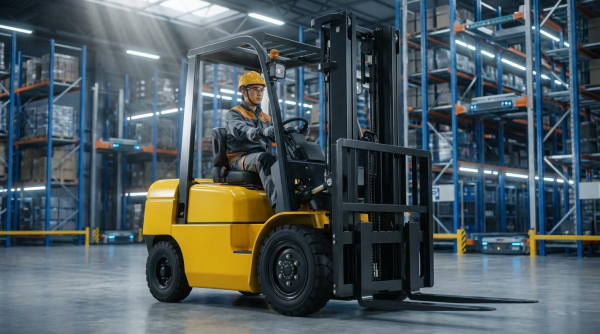
Safety, regulatory compliance, and sustainability drove a major shift from propane to electric forklifts before 2026. Engineering teams compared emissions, failure modes, and maintenance regimes rather than focusing only on purchase price. Regulators tightened exposure limits and documentation requirements, while corporate ESG targets accelerated low‑emission fleet transitions. A structured comparison of emissions, fuel handling, electrical risks, and digital maintenance tools helped operators select the most appropriate powertrain architecture.
Emissions, Air Quality, And Regulatory Limits
Electric forklifts produced zero exhaust emissions at the point of use, which eliminated carbon monoxide and NOx in indoor spaces. Propane and other IC forklifts emitted combustion gases and required engineered ventilation, gas detection, and periodic emission testing to remain within occupational exposure limits. Facilities followed OSHA and local regulations for CO and CO₂ concentrations, often integrating ventilation rates and forklift operating hours into air quality calculations. Electric fleets simplified compliance by removing exhaust sources, which aligned well with corporate decarbonization and carbon‑credit programs.
Propane Handling, Storage, And Failure Modes
Propane systems introduced high‑pressure fuel storage, transfer, and leak risks that engineers managed through strict procedures. Cylinders up to 100 lb required outdoor storage in lockable, ventilated cages and compliance with NFPA 58 and OSHA rules regarding separation from ignition sources. Typical failure modes included hose degradation, regulator leaks, damaged valves, and improperly secured cylinders that could shift or detach during operation. Operators mitigated these risks with daily leak checks using soapy water, visual inspection for frost, dents, or corrosion, and PPE such as insulated gloves and wrap‑around eye protection during tank changes.
Electrical Safety, Battery Care, And Training
Electric forklifts shifted the primary hazard domain from combustible fuel to high‑current electrical and chemical energy storage. Lead‑acid batteries required controlled charging areas with ventilation, eye‑wash access, and procedures for electrolyte contact or spills, while watering tasks took only a few minutes but demanded correct PPE and tools. Lithium‑ion packs reduced routine maintenance but still needed training on thermal runaway indicators, isolation procedures, and correct handling of damaged modules. Maintenance staff learned lockout‑tagout for chargers and traction circuits, torque requirements for cable terminations, and periodic inspection of connectors, insulation, and battery restraints to prevent arcing or mechanical damage.
Telematics, Diagnostics, And Predictive Maintenance
Telematics platforms enabled continuous monitoring of both electric and propane fleets, but electric forklifts benefited strongly from data‑driven maintenance. Integrated sensors tracked battery state of charge, temperature, charge cycles, and fault codes, allowing predictive replacement of cells or contactors before failures caused downtime. For propane units, telematics captured fuel consumption, engine hours, and alarm events, helping plan tune‑ups, emission checks, and cylinder logistics. Digital maintenance logs and diagnostic tools supported regulatory documentation, while predictive analytics reduced unplanned outages and improved overall fleet safety performance.
Summary: Choosing The Right Forklift Powertrain
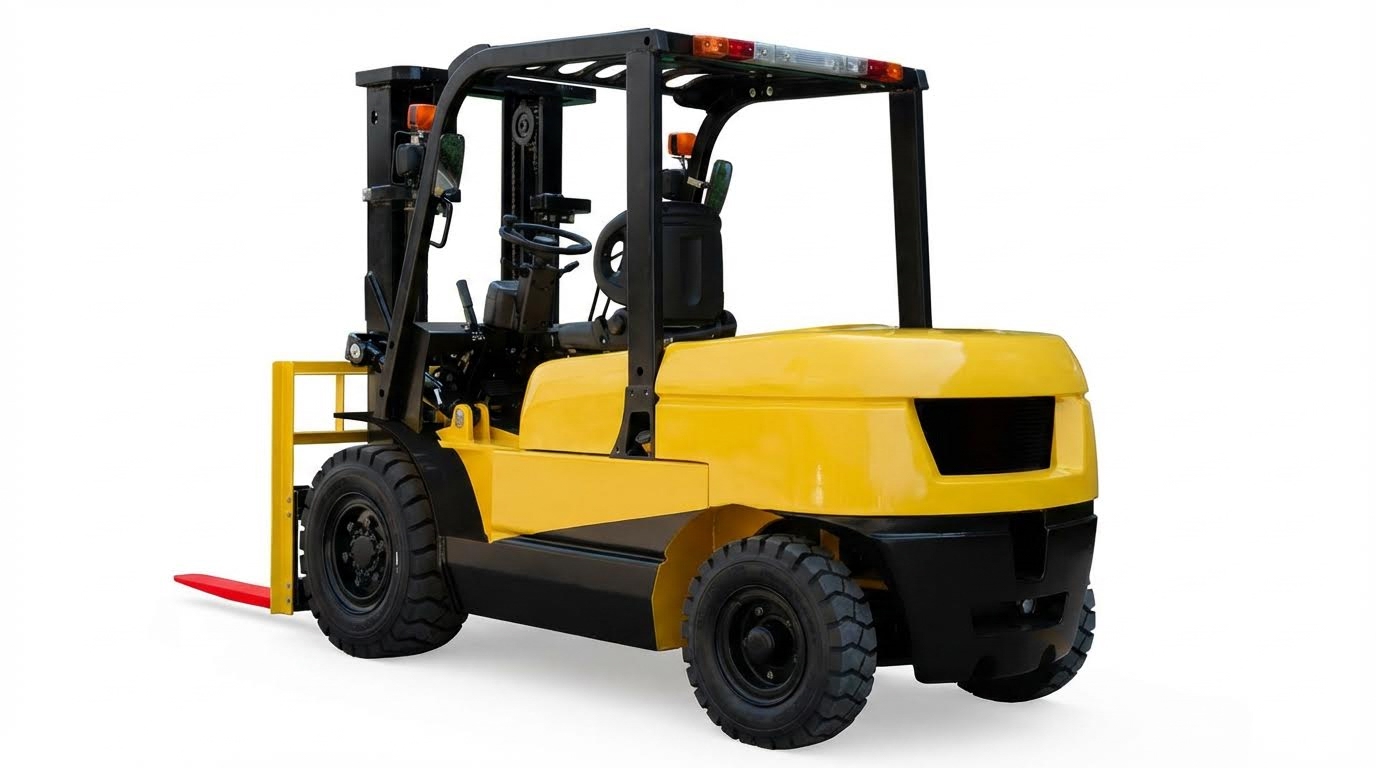
Electric forklifts captured nearly 65% of the market before January 2026, driven by lower operating costs and zero exhaust emissions. Internal combustion propane trucks still offered strong performance for heavy outdoor duty, long run times, and rapid refueling. Quantitative comparisons showed annual ownership costs of approximately $45,310 for IC trucks versus $23,544 for electric units, with typical service lives of 7 and 11 years respectively. Higher electric capital cost, including batteries and chargers, was offset by reduced fuel, maintenance, and ventilation expenses over the asset life.
From an industry perspective, the trend clearly moved toward electrification, supported by carbon-reduction policies, government incentives, and advances in lithium-ion batteries exceeding 3,000 charge cycles. Electric fleets improved indoor air quality, reduced noise, and simplified compliance with emission and ventilation regulations. Propane forklifts remained relevant where extreme temperatures, rough outdoor terrain, or multi-shift operations with limited charging windows dominated. Engineers needed to evaluate duty cycles, load spectra, and uptime requirements before committing to a single technology or a mixed fleet.
Practical implementation required detailed TCO modeling that included energy tariffs, LP pricing, ventilation costs, and service labor hours, alongside infrastructure items such as charging stations, electrical capacity, and compliant propane storage. Battery choice between lead-acid and lithium-ion affected maintenance regimes, charging strategies, and space allocation. A balanced powertrain roadmap treated electrics as the baseline for indoor and mixed-use facilities, while retaining propane units for edge cases where fast refueling and high continuous power density remained critical. Over time, continued improvements in battery energy density, fast charging, and digital fleet management were likely to expand the viable envelope for electric forklifts and gradually narrow the use cases where propane trucks offered a clear engineering advantage.