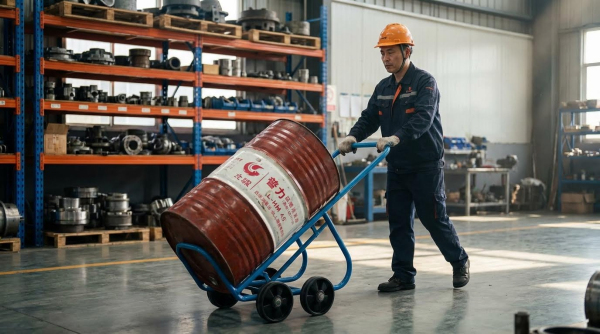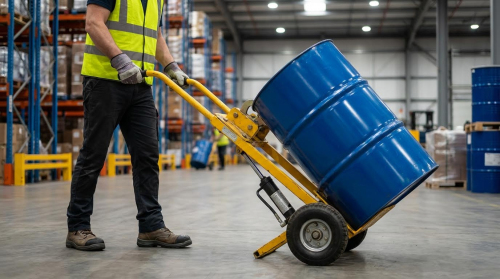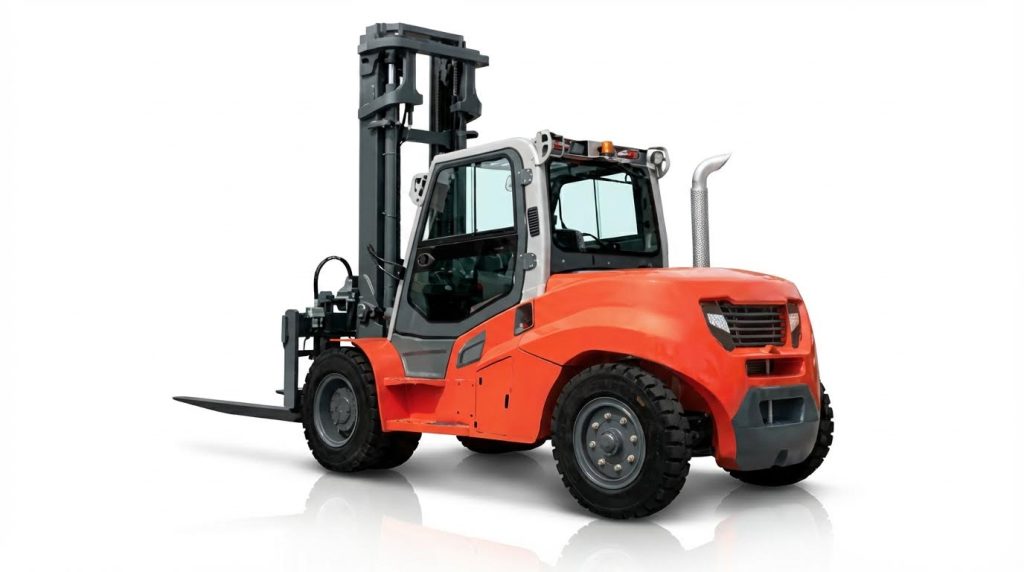
Diesel forklift operation in modern plants required a balanced focus on safety, performance, and asset longevity. This article examined core operating principles, driving techniques, and load handling skills that reduced risk and improved throughput. It also covered refueling protocols, structured maintenance regimes, and the role of telematics in lifecycle management. Finally, it translated these practices into concise takeaways that plant teams could apply to standardize operations and strengthen their safety culture.
Core Principles Of Diesel Forklift Operation
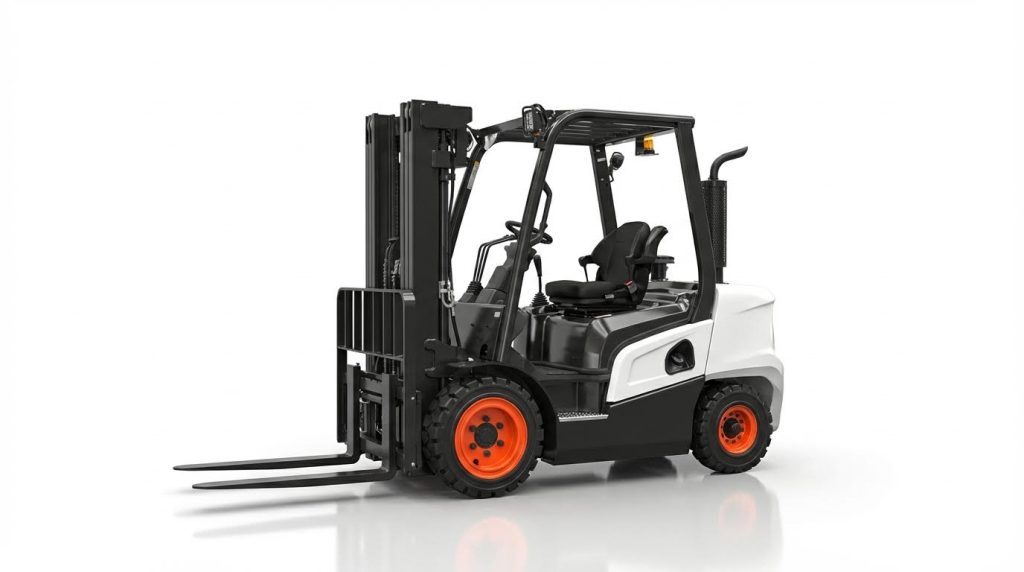
Core principles of diesel forklift operation focused on predictable machine behavior, controlled risk, and regulatory compliance. Operators applied standard procedures before, during, and after operation to keep trucks safe and available. These principles covered inspections, load physics, driving discipline, and environmental controls. Together they created a framework that reduced incidents and extended asset life.
Pre-Shift Inspections And Safety Checklists
Pre-shift inspections ensured the forklift met basic safety and performance requirements before loading. Operators checked brakes, steering, tires, mast, forks, chains, and hydraulic circuits for visible damage, leaks, or abnormal wear. They verified fluid levels in engine oil, coolant, fuel, hydraulic oil, and brake fluid, topping up within manufacturer limits. They also confirmed that instruments, horns, lights, alarms, and seat belts operated correctly, and documented findings on a checklist for traceability.
Inspection routines typically followed a walk-around pattern, then an operational test with the engine running. Operators looked for leaks at pipe joints, tanks, cylinders, and radiators, and checked tire pressures and tread cleanliness. Any critical defect, such as ineffective brakes or cracked forks, required immediate lockout and maintenance intervention. This systematic approach reduced unexpected failures, supported legal obligations under safety regulations, and formed the first barrier against incidents.
Load Center, Stability Triangle, And Axle Loads
Safe diesel forklift operation relied on understanding load center and the stability triangle. The rated capacity assumed a specified load center distance, typically 500 mm for standard manual pallet jack, with the load evenly distributed. When the load center moved forward or upward, the combined center of gravity shifted toward the front axle, reducing stability and effective capacity. Overlength loads, offset loads, or attachments altered this geometry and required derating according to the capacity plate.
The stability triangle concept described the support points between the front wheels and the pivot point of the rear axle. The truck remained stable while the combined center of gravity of truck and load stayed within this triangle. Excessive mast tilt forward, sharp cornering, or braking with elevated loads pushed the center of gravity outside this area and risked tip-over. Operators therefore kept loads low, tilted the mast slightly backward in travel, and avoided sudden directional changes, especially near maximum capacity.
Safe Driving, Speed Limits, And Traffic Zoning
Safe driving practices controlled kinetic energy and interaction with pedestrians and other vehicles. Facilities defined speed limits for different zones, such as low speeds in aisles and higher but still controlled speeds near loading docks or outdoor yards. Operators adjusted speed for visibility, floor conditions, gradients, and load height, and avoided rapid acceleration, harsh braking, or sharp steering inputs. They maintained clear sightlines, using spotters or cameras where direct visibility was restricted.
Traffic zoning separated forklift routes from pedestrian walkways wherever feasible. Marked lanes, floor arrows, and signage guided truck movement and reduced conflict points. Mirrors at blind corners, warning lights, and audible alarms improved awareness at intersections and doorways. Site rules usually mandated priority for pedestrians, reduced speed in mixed-traffic areas, and full stops at high-risk crossings. Consistent enforcement and inclusion of these rules in operator training supported a robust safety culture.
Indoor Use, Exhaust Exposure, And Ventilation
Indoor use of diesel forklifts required specific controls for exhaust, noise, and heat. Engine exhaust contained carbon monoxide and other pollutants, especially when combustion quality degraded due to poor maintenance. Newer trucks used catalytic converters and improved engine management to reduce emissions, but adequate ventilation remained essential. Facilities therefore assessed air change rates, monitored air quality where necessary, and limited simultaneous diesel truck operation in confined zones.
Operators and supervisors watched for signs of inadequate combustion, such as visible smoke, strong odor, or increased fuel consumption, and reported issues for maintenance. Routine checks for fuel and oil leaks minimized slip hazards and fire risks while also reducing airborne contaminants. Refueling took place in designated, well-ventilated areas away from ignition sources, with engines shut down. Where indoor air quality targets were tight, sites combined diesel use with alternative power sources, zoning strategies, and stricter run-time limits to keep exposures within regulatory thresholds.
Diesel Forklift Driving And Load Handling Skills
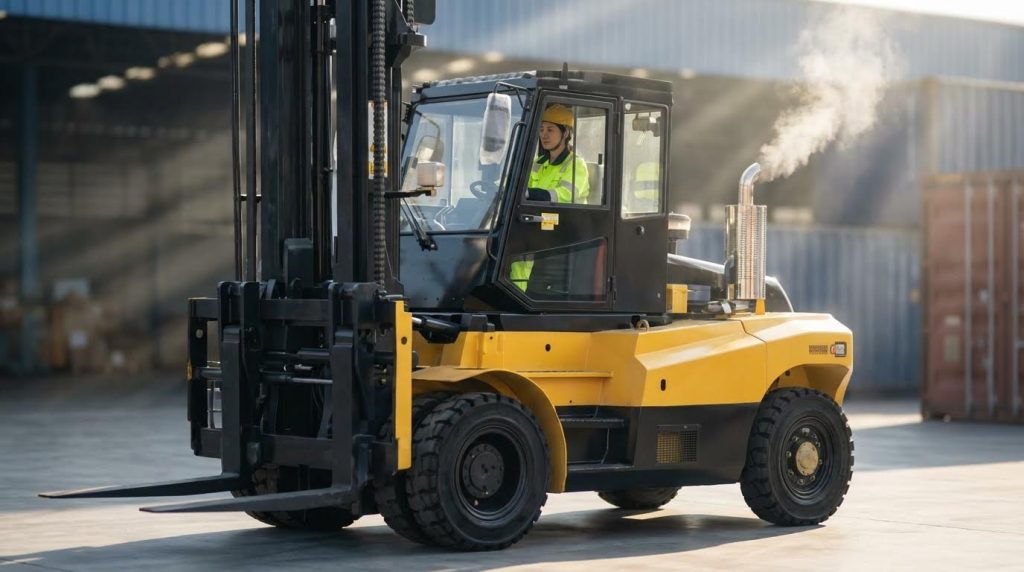
Diesel forklift driving and load handling skills determine real-world safety, productivity, and component life. Operators needed structured techniques for starting, maneuvering, stacking, and working on uneven ground. Modern assistance systems such as cameras, proximity sensors, and telematics supported these skills with better visibility and data. This section outlined practical, trainable methods that aligned with regulatory expectations and typical site rules.
Starting, Maneuvering, And Parking Procedures
Operators first completed pre-start checks, then mounted using three points of contact and adjusted the seat, steering column, and mirrors. They started the diesel engine with the transmission in neutral, parking brake applied, and hydraulics centered, monitoring warning lights and gauges for oil pressure, coolant temperature, and charge status. Low-speed maneuvering required smooth steering inputs, controlled acceleration, and early braking because rear-wheel steering changed the pivot point and increased tail swing. Parking procedures included selecting a designated bay, stopping on level ground, lowering forks fully to the floor, tilting the mast forward, shifting to neutral, engaging the parking brake, shutting down the engine, and removing the key. On slopes, operators parked across the gradient only if specified by site rules, always chocking wheels when required and never leaving the truck with forks raised or engine running.
Stacking, De-Stacking, And Pallet Handling
Effective pallet handling started with assessing load weight, dimensions, and condition against the forklift rating plate and attachment capacity. Operators aligned the truck square to the load, set forks at equal spacing, and inserted them fully under the manual pallet jack to keep the load center within the stability triangle. They lifted just high enough to clear the floor, tilted the mast slightly backward to secure the load, and traveled with the forks low, maintaining visibility and a safe speed. For stacking, operators stopped square to the rack, raised the load to height while stationary, then inched forward to place it without impacting beams or adjacent loads. De-stacking reversed the sequence, with controlled withdrawal of forks and verification that the remaining stack remained stable, while damaged pallets or skewed loads triggered a stop and report instead of forced handling.
Operating On Ramps, Docks, And Uneven Floors
On ramps, operators always kept the load upgrade: driving forward uphill with a loaded truck and reversing uphill with an unloaded truck when specified by procedures. They used low gear, avoided gear changes on the slope, and maintained a constant, reduced speed to prevent rollback or loss of control. At loading docks, they verified dock condition, capacity, and the presence of wheel chocks or dock locks before entering vehicles, avoiding entry if floors were damaged, slippery, or unsupported. Uneven floors, expansion joints, and potholes required slower travel, forks kept low, and no turning on steep cross-slopes to avoid lateral instability. Site rules typically prohibited side-on travel across steep ramps and required immediate reporting of damaged floor areas so maintenance teams could restore a safe driving surface.
Using Cameras, Sensors, And Telematics Data
Cameras and proximity sensors improved visibility around the mast, rear counterweight, and blind corners, especially in narrow aisles and high racking. Operators still used direct observation and mirrors as the primary method, treating cameras and sensors as supplementary aids rather than replacements for line-of-sight checks. Telematics systems recorded impacts, speeding events, harsh braking, and operating hours, enabling supervisors to identify risky behavior and schedule preventive maintenance based on actual usage. Fleet management dashboards supported analysis of fuel consumption, idle time, and utilization by truck and shift, helping planners match fleet size and driver deployment to demand. Training programs increasingly incorporated telematics feedback and camera footage into coaching sessions, reinforcing correct driving habits and documenting competency for regulatory compliance and internal audits.
Refueling, Maintenance, And Lifecycle Management
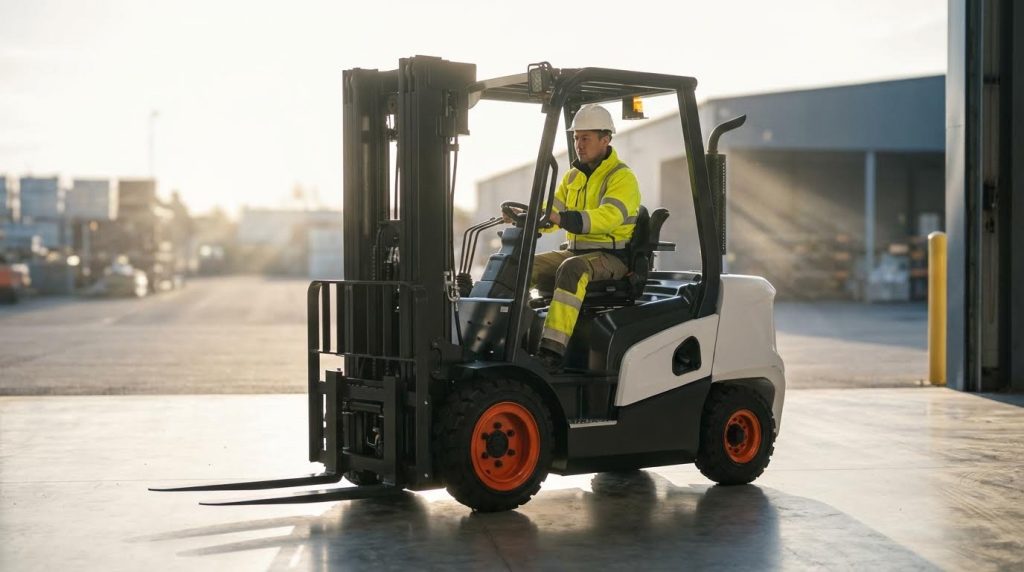
Refueling, maintenance, and lifecycle control determined the real cost and safety profile of diesel forklifts. Structured procedures reduced fire, explosion, and emission hazards while keeping availability high. Modern telematics and analytics supported data-driven decisions on service intervals, fleet size, and replacement timing. This section explains how to refuel safely, maintain equipment systematically, and quantify lifecycle performance.
Safe Diesel And LPG Refueling Procedures
Safe refueling started with correct parking and isolation of the truck. Operators parked in the designated refueling bay, selected level ground, placed the transmission in neutral, lowered the forks, engaged the parking brake, and shut off the engine. They opened the filler cap, filled the tank slowly to avoid splashing and static buildup, and never filled to the top to allow for thermal expansion. Refueling occurred outdoors or in well-ventilated areas, away from ignition sources, with strict no‑smoking enforcement and spill kits available.
For diesel, operators checked for leaks around tanks, lines, and filters before and after refueling. They avoided running the tank dry to prevent sediment from entering the fuel system and blocking injectors. Any visible spills required immediate containment and cleanup using absorbent materials and approved waste containers. Facilities defined clear procedures for isolating a truck with fuel leaks and tagged it out of service until repaired. Exhaust hazards, particularly carbon monoxide, were controlled by maintaining combustion quality and verifying emission control devices.
LPG refueling introduced additional hazards from flammability and cold burns. Only trained personnel handled LPG cylinders and connectors, using gloves and eye protection as required by site procedures. Operators shut the service valve, stopped the engine, and vented residual pressure according to the cylinder design before disconnecting. They avoided refueling or cylinder changes in confined spaces where vapors could accumulate, and kept LPG trucks away from heat sources, exits, and drains. During long-term parking, the service valve remained closed, and cylinders were stored upright in designated ventilated cages.
Daily, Weekly, And Periodic Maintenance Tasks
Daily maintenance occurred after each shift and focused on immediate safety and reliability. Operators or technicians checked engine oil level in the crankcase, diesel level in the tank, and coolant level in the radiator, topping up to specified marks. They inspected battery electrolyte height, ensured vent holes were clear, and verified tight, corrosion‑free terminals. Brake systems, including hydraulic and hand brakes, were checked for free travel and effectiveness, and tire pressure and tread were inspected, removing embedded debris. The hydraulic system oil level, visible leaks at hoses and joints, and correct operation of mast lift and tilt were verified before returning the truck to service.
Weekly and monthly checks extended beyond fluids and visible leaks. Forks were inspected for straightness, cracks, and wear at the heel, and masts, chains, and rollers were checked for deformation, elongation, or damage. Technicians examined the engine, exhaust, and intake systems for leaks, loose fasteners, and abnormal noise. Monthly tasks typically included checking for loose or worn parts, cleaning or replacing air filters, inspecting radiators, and rotating or replacing tires according to wear patterns. Any defects affecting lifting, steering, or braking triggered immediate corrective maintenance and lockout procedures.
Structured periodic maintenance followed defined hour‑based intervals. Level 1 maintenance, usually at around 100 operating hours, included checking cylinder compression or vacuum, adjusting valve clearances, and confirming thermostat function. Technicians inspected multi‑way control valves, lift and tilt cylinders, steering cylinders, and gear pumps for smooth operation. They replaced engine oil, cleaned crankcase ventilation, and serviced oil and diesel filters. Level 2 maintenance at roughly 500 hours involved deeper tasks such as cleaning fuel tanks and lines, inspecting torque converters and gearboxes, and replacing lubricants. Steering gear, brake assemblies, wheel hubs, and hydraulic cylinders were disassembled, cleaned, inspected, and reassembled with new seals or bearings where required.
Predictive Maintenance, Telematics, And Analytics
Predictive maintenance used real‑time and historical data to anticipate failures before they caused downtime. Telematics units on diesel forklifts collected operating hours, shock events, speed profiles, and error codes from engine and hydraulic systems. Fleet software correlated this data with maintenance history and component lifetimes to predict when filters, brakes, or hydraulic components approached wear limits. This approach reduced unplanned stoppages and extended component life by aligning service actions with actual usage rather than fixed time alone.
Sensors and cameras supported both safety and maintenance analytics. Shock and tilt sensors identified harsh driving, overloading, or impacts with racking, which correlated strongly with mast, fork, and wheel damage. 360‑degree camera systems and proximity sensors logged near‑miss events and frequent braking in specific zones, indicating layout or training issues. Maintenance teams used these insights to target inspections on high‑risk trucks and components. Combined with oil analysis and temperature monitoring in transmissions and hydraulic circuits, predictive models flagged early signs of contamination or overheating.
Telematics platforms also enforced maintenance discipline. They locked out trucks when mandatory inspections or services were overdue, requiring a technician release after completion. Integration with digital work orders ensured parts availability and technician scheduling matched predicted needs. Analytics dashboards displayed fleet‑wide key indicators such as average time between failures, maintenance cost per operating hour, and energy or fuel consumption. Plant engineers used these metrics to compare diesel forklifts with alternative powertrains and to justify investments in training, layout changes, or upgraded safety systems.
Cost, Uptime, And Lifecycle Performance Metrics
Lifecycle management relied on quantitative metrics that linked maintenance and operation practices to cost and availability. Key indicators included uptime percentage, mean time between failures, and maintenance cost per operating hour. Fuel consumption per tonne‑kilometre of load moved showed how driving style, route design, and truck condition affected energy efficiency. Tracking tire, brake, and hydraulic component replacement intervals revealed whether operators drove within recommended speed and load limits. Consistent measurement allowed benchmarking across sites and shifts.
Direct costs included fuel, lubricants, spare parts, and technician labour, while indirect costs covered downtime, overtime, and production delays. Plants calculated total cost of ownership over the expected service life, factoring in acquisition price, residual value, and major overhauls. Telematics data on utilization helped right‑size fleets, removing underused units and reducing capital tied up in equipment. High idle ratios or low load factors indicated opportunities to consolidate work onto fewer, better‑maintained forklifts.
End‑of‑life decisions balanced rising maintenance costs against safety, reliability, and performance. Increasing frequency of critical failures, structural wear on masts or chassis, or non‑compliance with updated emission or safety standards signaled the need for replacement. Analytics tools modelled scenarios comparing continued operation with refurbishment or new acquisition. Plants that integrated refueling controls, structured maintenance, and data‑driven lifecycle analysis typically achieved higher uptime, lower incident rates, and more predictable budgeting for their diesel forklift fleets.
Summary And Key Takeaways For Plant Teams
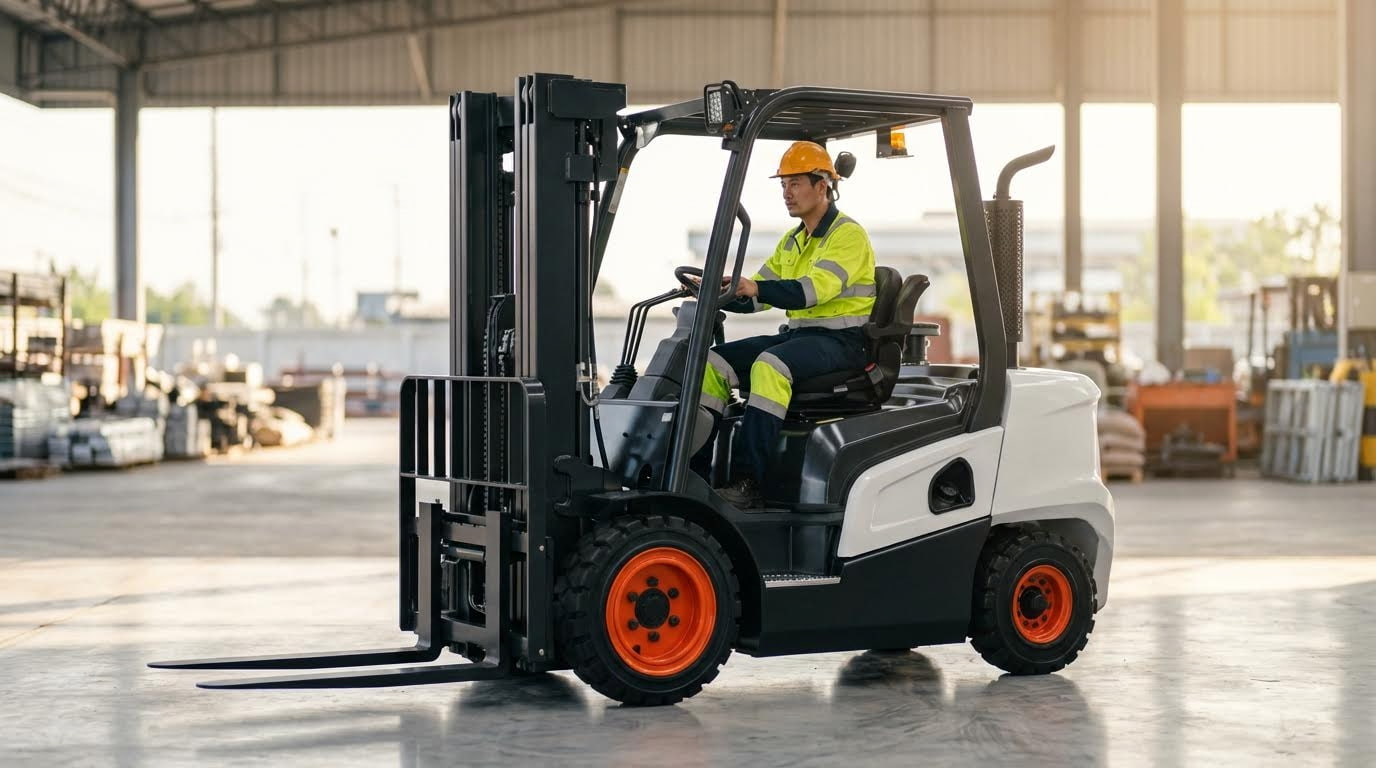
Safe diesel forklift operation relied on three foundations: trained operators, well-maintained equipment, and controlled environments. Structured training and certification programs ensured that drivers understood load limits, stability, speed control, and emergency procedures. Routine inspections before each shift, supported by weekly and scheduled maintenance, reduced mechanical failures and accident risk. Clearly defined warehouse traffic rules, pedestrian segregation, and floor upkeep further minimized collision and tip-over hazards.
Maintenance strategies evolved from reactive repairs to planned and predictive programs. Daily checks of brakes, hydraulics, tires, and fluid levels, combined with Level 1 and Level 2 technical maintenance, extended component life and preserved lifting performance. Telematics, sensors, and fleet management software monitored usage, flagged risky driving, and optimized service intervals, which improved uptime and reduced lifecycle cost per operating hour. Plants that integrated refueling controls, leak detection, and exhaust management also reduced environmental and health risks.
Implementation required cross-functional commitment. Managers needed to enforce training validity periods, refresher cycles, and authorization rules for different forklift types. Supervisors had to verify pre-shift checklists, monitor speed compliance in aisles and docks, and respond quickly to defects or near-miss reports. Maintenance teams had to follow OEM-based service schedules, track oil and filter replacement intervals, and document all interventions for audit and regulatory compliance.
Looking ahead, wider use of analytics, 360-degree vision systems, and connected safety devices would continue to raise performance expectations. Plants that treated diesel forklift safety as a continuous improvement process, rather than a one-time initiative, achieved lower incident rates, higher productivity, and longer asset life. The most resilient operations combined disciplined procedures with data-driven decisions, ensuring that every shift started with safe equipment, competent operators, and a controlled operating environment.