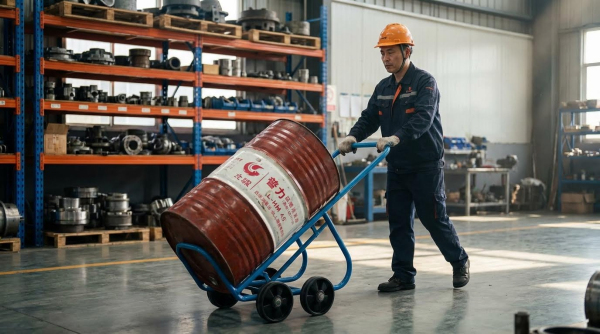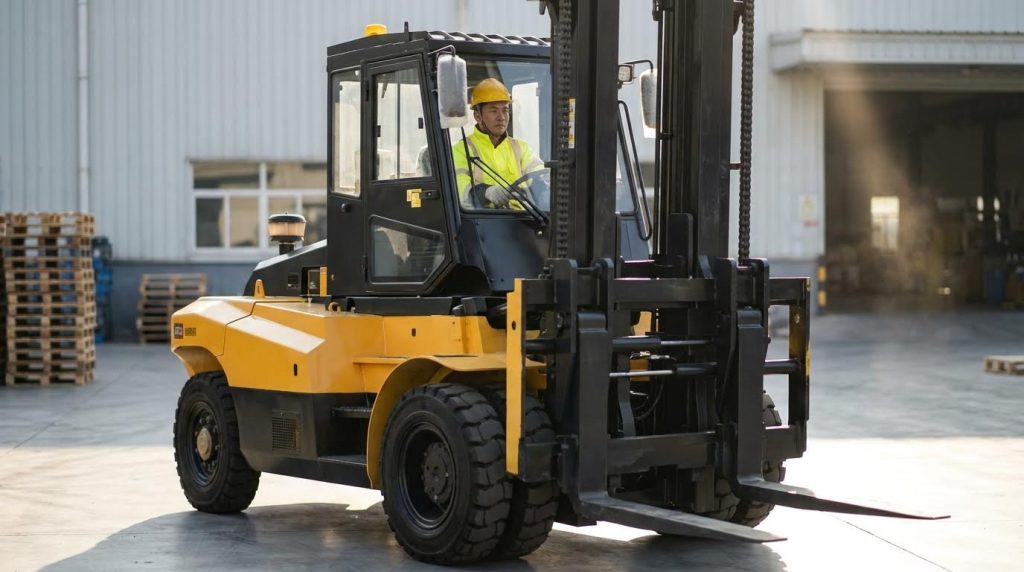
Diesel forklift fuel system maintenance best practices covered in this article span design fundamentals, fault diagnosis, and preventive care. The complete outline addresses how low- and high-pressure circuits operate, how tanks, pumps, filters, and injectors interact, and how fuel flow paths influence reliability. It then examines diagnostic methods for distinguishing circuit failures, interpreting injection timing symptoms, reading exhaust smoke color, and tracing causes of engine weakness or flameout. Finally, it details safe work practices, filter and line service, air bleeding and water draining, maintenance intervals, and concludes with a concise risk and care summary for diesel forklift fuel systems.
Core Design And Components Of Diesel Fuel Systems
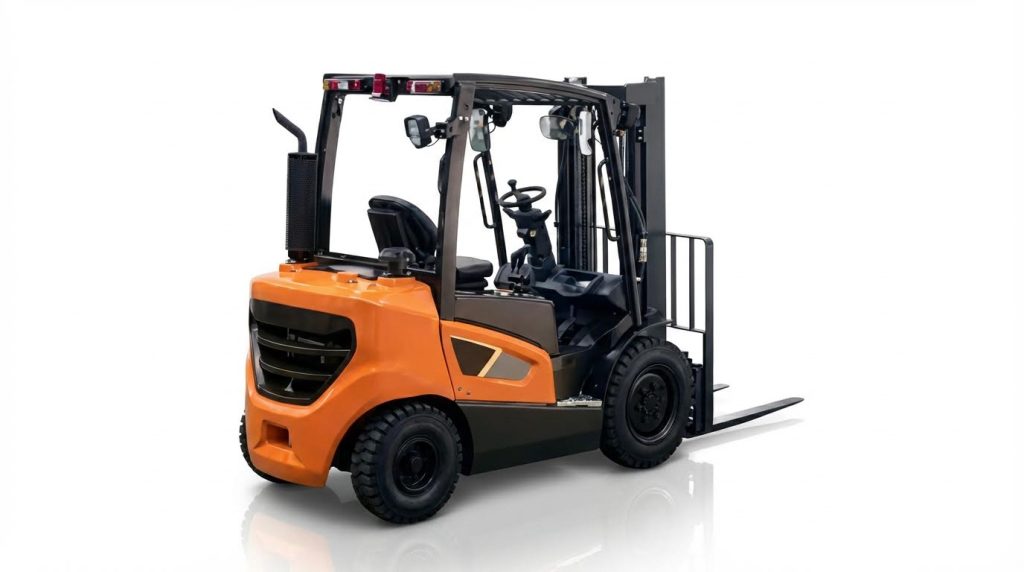
Diesel forklift fuel systems used a staged pressure design to deliver clean, metered fuel to the engine. Engineers separated low-pressure supply from high-pressure injection to simplify diagnostics and control. The layout aimed to minimize aeration, control contamination, and maintain stable pressure across varying loads. Understanding this architecture helped technicians maintain reliability, emissions performance, and safety.
Low-Pressure Vs. High-Pressure Circuits Explained
The low-pressure circuit transported fuel from the tank to the injection pump at modest pressures, typically below 0.5 MPa. It included the tank, suction lines, lift or feed pump, sedimenter, and primary and secondary filters. Failures in this circuit manifested as no fuel flow, foamy diesel, or air ingress, and caused hard starting or stalling. The high-pressure circuit started at the fuel injection pump outlet and operated at tens to hundreds of megapascals. It supplied precisely metered fuel pulses to each injector through rigid high-pressure lines. Technicians distinguished circuit faults by deflating the injection pump inlet; no or foamy flow indicated low-pressure issues, while normal flow with performance problems indicated high-pressure faults.
Key Components: Tank, Pumps, Filters, Injectors
The fuel tank stored diesel and incorporated venting, internal baffles, and a pickup designed to minimize sediment ingestion. A mechanical or electric feed pump drew fuel from the tank and established the low-pressure supply to the injection pump. Filters and a water sedimenter removed particulate and water, protecting precision components from wear and corrosion. The fuel injection pump generated high pressure and timed fuel delivery to each cylinder. Injectors atomized fuel into fine droplets, enabling efficient combustion and controlling smoke and emissions. Failures in pumps or injectors required repair or replacement to restore correct pressure and spray characteristics.
Fuel System Layout And Flow Direction Basics
Typical diesel forklift fuel systems followed a linear flow path from tank to engine and back to the tank via return lines. Fuel usually flowed from the tank through a coarse pre-filter or sedimenter, then through the feed pump, followed by a finer main filter before entering the injection pump. High-pressure lines then routed fuel from the pump to each injector, while leak-off and excess fuel returned at low pressure to the tank. Filter housings and some lines used arrows or markings to indicate flow direction, which technicians followed during installation. Correct orientation prevented flow restriction, ensured proper filtration, and reduced the risk of air pockets. A clear mental model of this layout supported efficient troubleshooting, such as isolating blockages or identifying points where air or water could accumulate.
Diagnosing Common Fuel System Faults
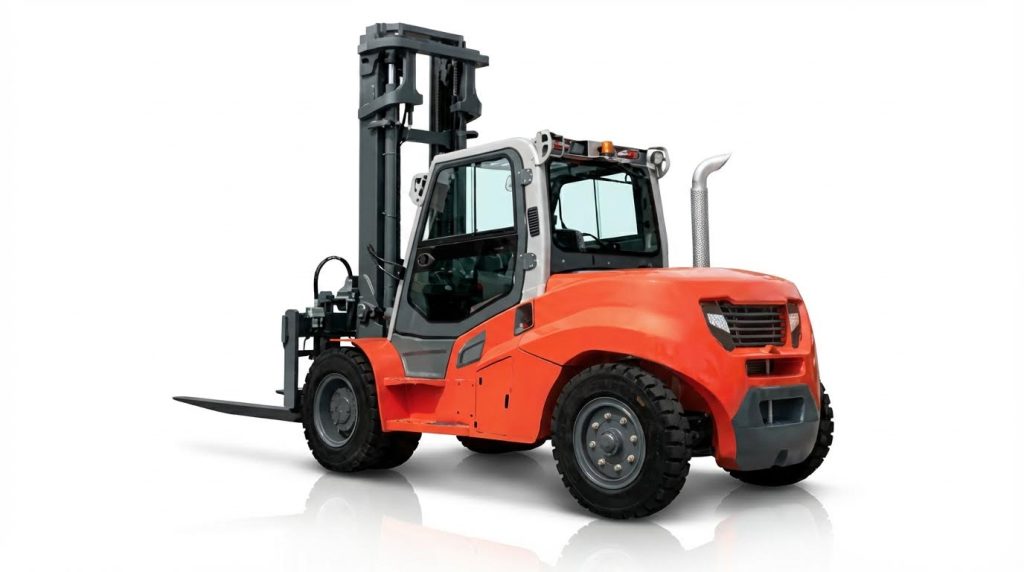
Accurate diagnosis of diesel forklift fuel system faults reduced downtime and prevented secondary engine damage. Technicians typically started with a structured check of pressure circuits, injection timing, exhaust appearance, and load response. This systematic approach isolated whether faults originated in fuel delivery, combustion quality, or mechanical degradation. Clear symptom–cause mapping also supported consistent maintenance records and regulatory compliance.
Differentiating Low- And High-Pressure Failures
Technicians distinguished low- and high-pressure circuit faults by inspecting fuel flow after deflating the injection pump. If no fuel or foamy diesel exited, they classified the problem as a low-pressure issue, usually upstream of the injection pump. Typical causes included an empty tank, blocked fuel lines, clogged pump strainers, contaminated filters, or aging and leaking hoses. If fuel flow appeared stable and bubble-free, they focused on high-pressure components such as the injection pump and injectors, checking for seizure, wear, or control linkage faults. This binary test minimized unnecessary disassembly and guided targeted component replacement.
Symptoms From Injection Timing Errors
Incorrect injection timing produced characteristic sound and performance signatures. Premature timing caused sharp, rhythmic metallic knocking, increased cylinder temperatures, weak acceleration, black exhaust smoke, and difficult hot or cold starting. Late timing led to dull, indistinct combustion noise, poor speed response to throttle input, overheating under load, white exhaust smoke, and general power loss. Technicians corrected timing by loosening the pump fixing screws and rotating the pump body to advance or retard injection in small increments. They then verified improvements through idle stability, load response, and exhaust clarity.
Smoke Color Analysis For Root Cause
Exhaust smoke color served as a rapid diagnostic indicator for combustion and fuel quality issues. Persistent white smoke often indicated water contamination in diesel or excessively retarded injection timing, especially during warm operation. Black smoke typically resulted from early fuel supply timing, restricted air intake from clogged filters, poor injector atomization, or overloading beyond rated capacity. Blue smoke with a noticeable oil odor suggested lubricating oil entering the combustion chamber from high oil levels in intake systems or worn engine components. Technicians always combined smoke observations with temperature, load, and fuel system checks to confirm root causes.
Engine Weakness, Stalling, And Flameout Causes
Engine power loss often traced back to insufficient fuel supply in the low-pressure circuit. Blocked tank vent holes, restricted pipelines, loose joints, or degraded gaskets reduced delivery to the injection pump, especially at higher loads. Additional contributors included dirty air or diesel filters, insufficient pump output, air or moisture trapped in lines, incorrect timing, restricted exhaust, low injection quantity, or poor injector spray patterns. Sudden flameout during operation usually indicated fuel starvation from an empty tank, blocked or ruptured pipes, clogged filters, air ingress at loose joints, or a failed feed pump. Effective troubleshooting required checking fuel level, line integrity, filter condition, air bleeding status, and then assessing mechanical factors such as valve train condition and piston–ring wear.
Preventive Fuel System Maintenance Procedures

Preventive maintenance of diesel forklift fuel systems reduced unplanned downtime and extended engine life. It relied on structured procedures that controlled contamination, managed wear, and mitigated safety risks from fuel and exhaust. Technicians combined scheduled tasks, condition checks, and fault trend analysis to keep systems within design performance. The following subsections detailed practical methods that aligned with typical industrial maintenance standards.
Safe Work Practices And Lockout For Fuel Work
Fuel system work always started with isolating energy sources. Technicians parked the forklift on level ground, selected Neutral, lowered the forks, engaged the parking brake, and shut the engine off. They removed the ignition key and, in formal programs, applied lockout/tagout devices to prevent inadvertent starting. Work areas required good ventilation and strict control of ignition sources, including a ban on smoking and hot work nearby.
Personnel wore safety glasses, diesel-resistant gloves, and protective clothing to limit skin and eye contact with fuel. They positioned drip pans and absorbent pads under filters, lines, and fittings to capture leaks and prevent slips or soil contamination. Any spilled fuel was cleaned or allowed to evaporate under controlled conditions, following local environmental rules. Technicians used non-sparking tools where explosion risk existed and confirmed fire extinguishers were accessible and inspected.
Fuel Filter Replacement And Line Inspection
Fuel filter replacement intervals typically ranged from 500 h to 1 000 h of operation, adjusted for dust levels and fuel quality. Before replacement, technicians verified the correct filter specification and prepared tools, new seals, and a drain pan. They relieved system pressure using a manual primer or by carefully loosening fittings, then clamped or pinched supply lines to limit fuel loss. Filters located along frame rails or in the engine compartment were removed by undoing clamps or threaded connections while noting orientation and flow direction.
With the old filter removed, mechanics inspected fuel lines for cracking, abrasion, swelling, or seepage at joints. Aged or leaking hoses, damaged clamps, and distorted fittings were replaced to avoid future low-pressure circuit faults. The new filter was installed in the same orientation, observing any flow arrows, and connections were tightened to manufacturer torque values to avoid distortion or leaks. Cleanliness around ports and threads was critical, because introduced particles could rapidly clog injectors and pumps.
Air Bleeding, Water Draining, And Priming
After opening the fuel circuit, air removal was essential to prevent hard starting, rough idle, or flameout. Technicians located the bleed screw on the injection pump or filter head and loosened it slightly. They then operated the manual priming pump or used the electric pump with the key in the ON position, directing fuel into a container. Bleeding continued until a steady, bubble-free fuel stream emerged, after which the bleed screw was tightened without over-torqueing.
Water separators or sedimenters required periodic draining, especially in humid climates or with variable fuel quality. With the engine stopped, the drain plug was opened and the priming pump actuated until water and contaminants cleared and clean diesel appeared. The plug was then secured and checked for leaks. Final priming of the system continued until firm resistance was felt at the primer, indicating a filled circuit. The engine was started and allowed to idle while technicians checked for leaks and verified stable operation.
Service Intervals, Records, And Predictive Tools
Effective fuel system care relied on structured service intervals integrated into the overall maintenance plan. Daily checks covered visible leaks, fuel level management, and exhaust appearance, while weekly and monthly tasks included filter inspection, hose condition checks, and sedimenter draining. Longer intervals, such as three-month or semiannual services, incorporated comprehensive fuel system inspections and verification of injection performance. Refueling practices, including filling at day’s end and avoiding tank overfill, reduced sediment disturbance and thermal expansion issues.
Maintenance records documented dates, operating hours, parts replaced, and observed symptoms, and operators retained them for several years to support audits and trend analysis. These logs helped identify recurring issues such as frequent filter clogging or repeated air ingress, which could indicate poor fuel quality or hidden line defects. Some fleets supplemented schedules with predictive tools such as fuel consumption tracking, exhaust smoke trend observation, and periodic fuel sampling. Only trained personnel performed adjustments to injection timing or high-pressure components, ensuring regulatory compliance and consistent engine efficiency.
Summary Of Diesel Forklift Fuel System Care And Risks
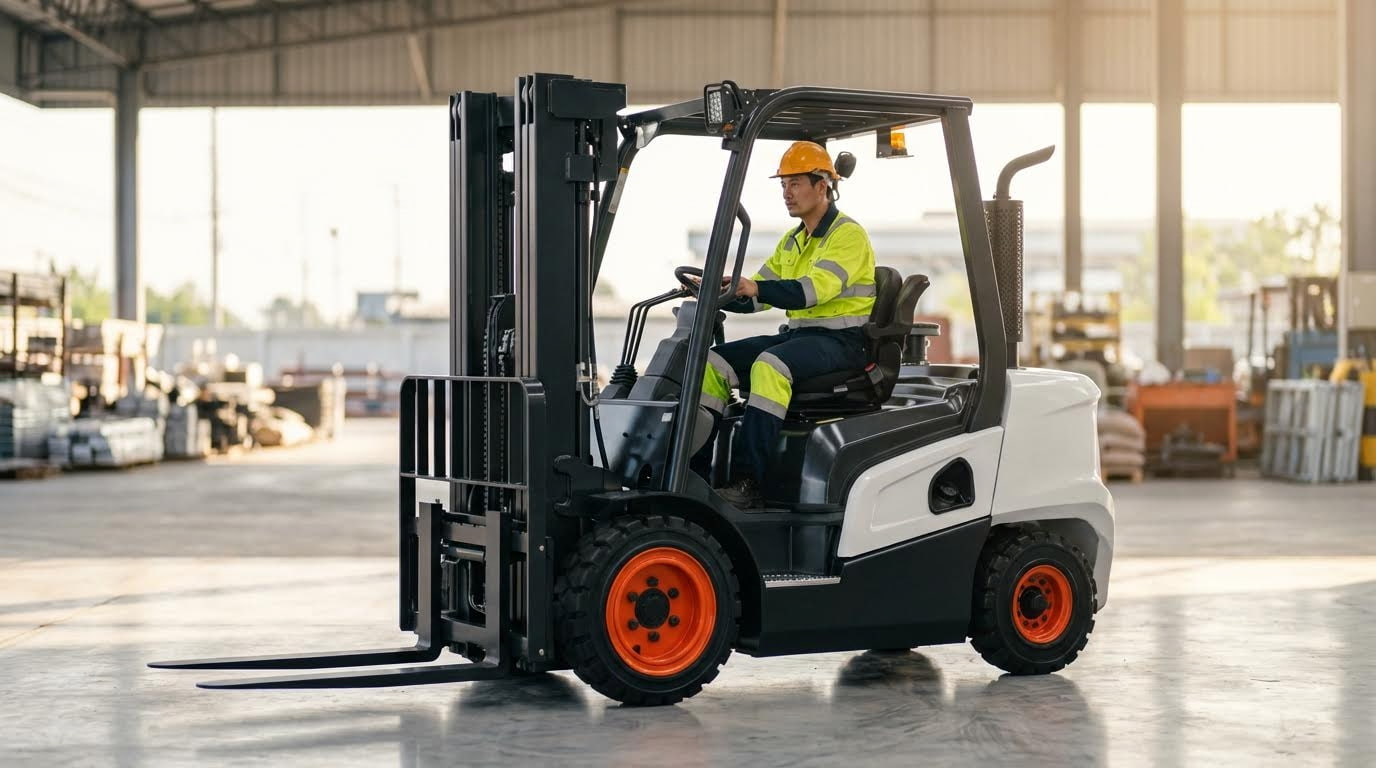
Diesel forklift fuel system care relied on structured inspection routines, correct fault diagnosis, and disciplined maintenance methods. Technicians distinguished low-pressure from high-pressure circuit faults by observing fuel delivery at the injection pump, then targeted filters, lines, pumps, or injectors accordingly. Correct injection timing remained critical because early or late timing affected combustion quality, exhaust temperature, and smoke color, while also driving engine knock, power loss, and starting difficulty. Exhaust smoke analysis, especially white, black, or blue smoke, provided fast, low-cost clues about water contamination, air–fuel ratio, oil ingress, or timing deviation.
Industry practice emphasized preventive measures over reactive repair. Regular fuel filter replacement, air bleeding, and water draining from sedimenters reduced the risk of injector damage, pump wear, and sudden flameout from contaminated fuel. Safety procedures, including parking on level ground, lockout of ignition, good ventilation, and strict refueling protocols, reduced fire, explosion, and exposure hazards. Regulatory frameworks and internal company standards required documented maintenance records, trained personnel, and adherence to lockout/tagout and PPE policies to maintain compliance and traceability.
Future trends pointed toward wider use of on-board diagnostics, pressure sensors, and telematics to monitor fuel pressure, filter loading, and injector performance in real time. These tools supported predictive maintenance strategies, allowing filter changes, injector servicing, or tank cleaning before performance degraded or emissions exceeded limits. In practice, operators and maintenance planners needed to integrate sensor data with traditional inspections, smoke observation, and manual pressure checks to obtain a balanced, cost-effective maintenance regime. Combining robust design, disciplined procedures, and data-driven monitoring minimized downtime, extended component life, and controlled both safety and environmental risks in diesel forklift operation. Additionally, integrating advanced tools like forklift drum grabber, electric drum stacker, and drum handler could further enhance operational efficiency in material handling applications.