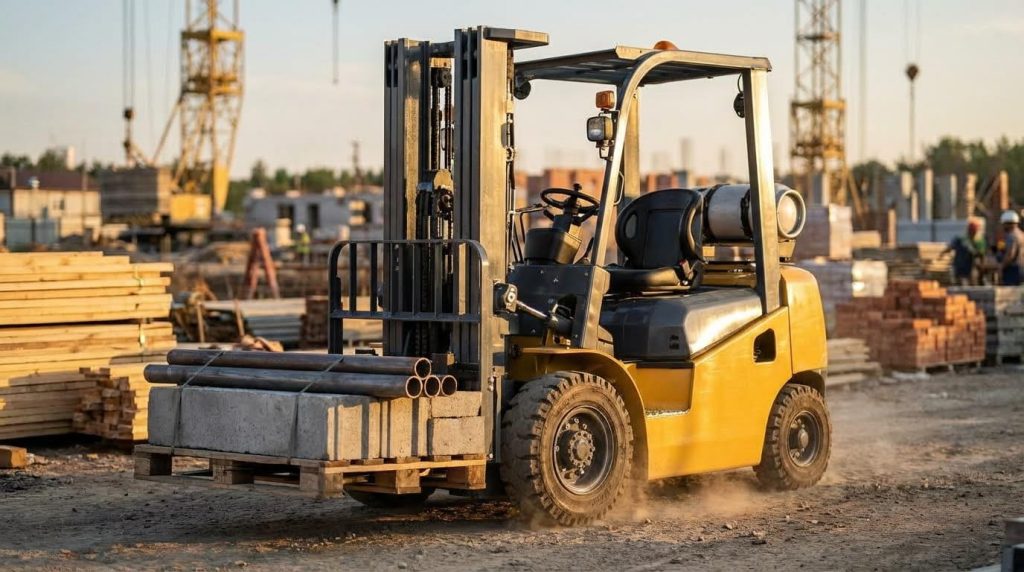
Gasoline forklifts occupied a specific niche between diesel, LPG, and electric trucks in material handling fleets. This article examined how fuel characteristics shaped operating profiles, cost, and environmental performance across internal combustion options. It then detailed engine behavior, wear mechanisms, and maintenance regimes that governed reliability and lifecycle cost. Finally, it addressed safe fuel handling, storage, and refueling practices, before summarizing how to select and manage gasoline forklifts effectively in modern operations.
Fuel Characteristics And Operating Profiles
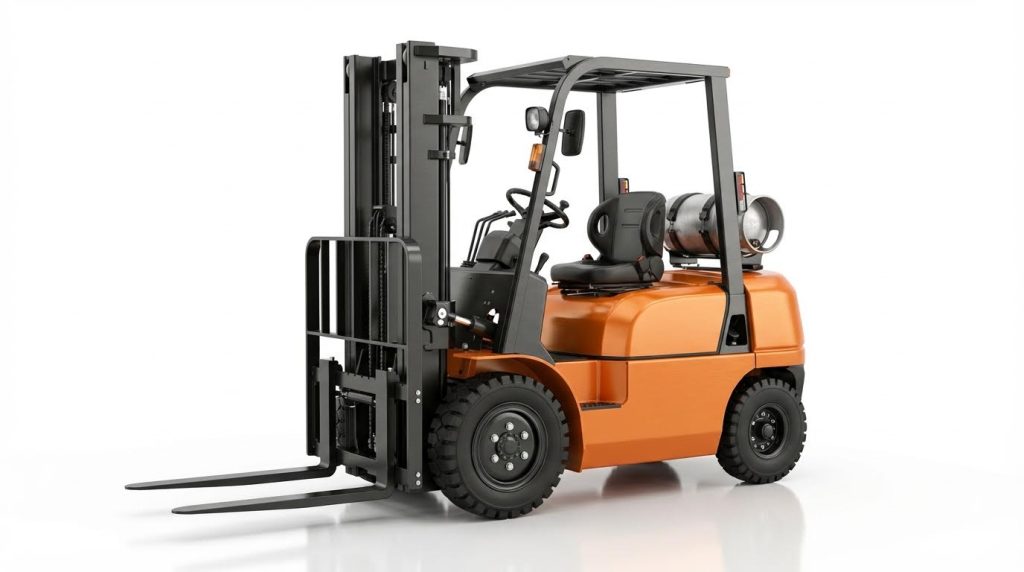
Fuel choice strongly influenced how gasoline forklifts operated, what loads they handled, and where they ran. Engineers evaluated energy density, combustion behavior, and emission profiles before specifying gasoline, diesel, or LPG. These parameters affected power output, maintenance cycles, and total cost of ownership. Understanding the operating profile allowed users to match gasoline forklifts to appropriate tasks and environments.
Gasoline Vs. Diesel Vs. LPG For IC Forklifts
Gasoline, diesel, and LPG powered internal combustion forklifts with distinct performance and cost characteristics. Gasoline forklifts were typically smaller and lighter than diesel units, which improved maneuverability in tight warehouse aisles. Diesel units delivered higher torque and better fuel efficiency under heavy loads, so users preferred them for outdoor, high-duty applications. LPG offered cleaner combustion and lower carbon deposits than gasoline, which reduced engine wear and allowed more favorable indoor use. Gasoline forklifts sat between diesel and LPG in emissions and cost, with lower particulates than diesel but higher carbon deposits and maintenance than LPG. Fleet managers therefore reserved gasoline mainly for light-duty, short-shift, or mixed indoor–outdoor tasks where low noise and low initial capital cost mattered.
Typical Load Ranges And Duty Cycles
Gasoline forklifts usually operated in the medium and small capacity range, often below heavy container-handling classes. Their relatively lower power output made them suitable for light-load pallet movements, daily warehouse replenishment, and staging in loading bays. Duty cycles typically involved intermittent operation with frequent starts, short travel distances, and moderate lift heights. Under these profiles, lower noise and reduced vibration improved operator comfort compared with diesel machines. Continuous multi-shift or high-gradient yard work stressed gasoline engines, increased fuel consumption, and accelerated carbon buildup. For those heavier cycles, diesel or high-capacity LPG forklifts provided better efficiency and durability.
Energy Density, kWh Use, And TCO Benchmarks
Gasoline had an energy density of roughly 34 megajoules per liter, which translated to about 2.83 kilowatt-hours per liter at 30% engine efficiency. Under ISO 23308-1 VDI cycle conditions, gasoline forklifts consumed around 0.42 kilowatt-hours per pallet move. This figure helped engineers compare fuel costs with diesel and electric alternatives on an energy-delivered basis. Total cost of ownership analyses placed gasoline forklifts between electric and diesel, with fuel costs per kilowatt-hour delivered about 20% higher than diesel. Maintenance labor averaged about 7.4 hours per 1,000 operating hours because carbon deposits and more complex mechanical systems drove extra service work. When users evaluated TCO, gasoline units often appeared attractive where capital budgets were tight and annual utilization remained moderate.
Noise, Emissions, And Indoor Air Quality
Gasoline forklifts operated at around 60 decibels A-weighted, which was significantly quieter than typical diesel units at roughly 85 decibels A-weighted. Lower noise levels improved operator comfort and reduced acoustic exposure in loading docks and small warehouses. Emission behavior sat between diesel and LPG or electric solutions. Gasoline engines emitted fewer particulates than diesel, which improved indoor air quality, but they still produced more carbon deposits and particulate matter than LPG and compressed natural gas. Carbon dioxide-equivalent emissions reached about 685 grams per pallet move, higher than electric forklifts but lower than diesel. These characteristics meant safety managers often allowed gasoline forklifts in well-ventilated indoor spaces for light-duty use, while strictly controlling exposure durations and monitoring air quality.
Engine Behavior, Wear Mechanisms, And Maintenance
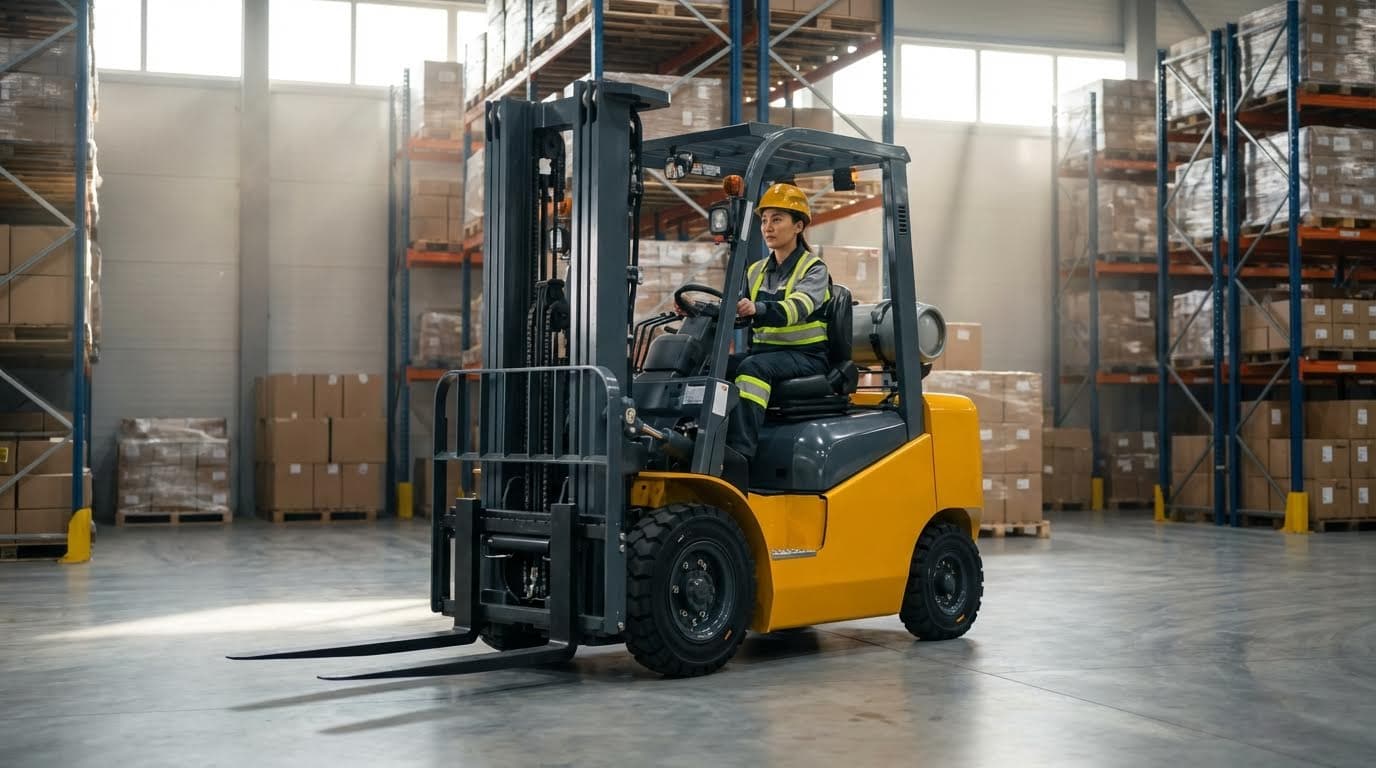
Gasoline forklift engines operated as compact internal combustion units optimized for light to medium loads. Their behavior under varying duty cycles directly affected power stability, wear rates, and fuel efficiency. Understanding combustion quality, lubrication, and structural loads allowed fleets to set realistic maintenance intervals and avoid premature failures. This section linked engine physics with practical service actions to keep gasoline forklifts reliable over their economic life.
Combustion, Carbon Deposits, And Power Output
Gasoline forklifts relied on spark-ignition combustion, which produced smoother torque and lower vibration than compression-ignition diesel engines. However, incomplete combustion generated carbon deposits on valves, piston crowns, and spark plugs, especially under high-load or stop‑start cycles. These deposits restricted airflow and altered mixture formation, which reduced volumetric efficiency and lowered effective power output over time. Fleet operators mitigated this by controlling idle time, avoiding persistent overload, and enforcing periodic decarbonization and tune‑ups. Compared with LPG or CNG engines, gasoline units showed higher particulate formation, which accelerated wear on valve seats and ring packs if air and fuel filtration were poor.
Scheduled Service: Oil, Filters, And Spark Plugs
Scheduled service for gasoline forklifts focused on stabilizing lubrication quality and keeping contaminants out of the combustion and fuel systems. Engine oil typically required replacement every 200–250 operating hours, with viscosity grades selected according to ambient temperature and manufacturer data. Air, fuel, and oil filters protected against abrasive particles and sludge; clogged elements increased pumping losses, raised fuel consumption, and accelerated wear of bearings and cylinder liners. Spark plugs formed a critical ignition component and needed replacement at defined intermediate intervals to maintain stable ignition timing, cold starting, and consistent specific fuel consumption. Maintenance plans also incorporated daily or weekly checks of oil level, coolant level, and visible leaks to catch deviations before they caused catastrophic failures.
Transmission, Chassis, And Safety-Critical Checks
Gasoline forklifts frequently used automatic or powershift transmissions, which required periodic oil level checks and fluid renewal at intervals near 3,000 operating hours. Degraded transmission oil reduced clutch pack life, caused shift shock, and increased drivetrain heat generation. Chassis inspections covered tires, steering linkages, brake systems, and mast structures, because these components carried the combined dynamic loads of truck and payload. Weekly inspections verified tire pressure, fork wear, chain condition, and hydraulic hose integrity, directly influencing stability and stopping distance. Safety‑critical checks such as brake functionality, parking brake holding capability, and emergency lowering performance aligned with regulatory requirements and internal safety standards.
Using Telematics And KPIs For Fleet Reliability
Telematics systems on gasoline forklifts captured engine hours, fuel consumption per pallet moved, idle ratios, and fault codes. Fleet managers used these data streams to synchronize maintenance with actual usage intensity instead of fixed calendar intervals. Key performance indicators included fuel use in kWh per pallet, maintenance labor hours per 1,000 operating hours, and unplanned downtime frequency. Trend analysis revealed units with abnormal fuel burn or repeated engine alarms, which often indicated developing issues such as injector fouling or ignition problems. Integrating telematics with computerized maintenance management systems allowed precise scheduling of oil changes, filter replacements, and inspections, improving reliability while minimizing out‑of‑service time.
Safe Fuel Handling, Storage, And Refueling Practice
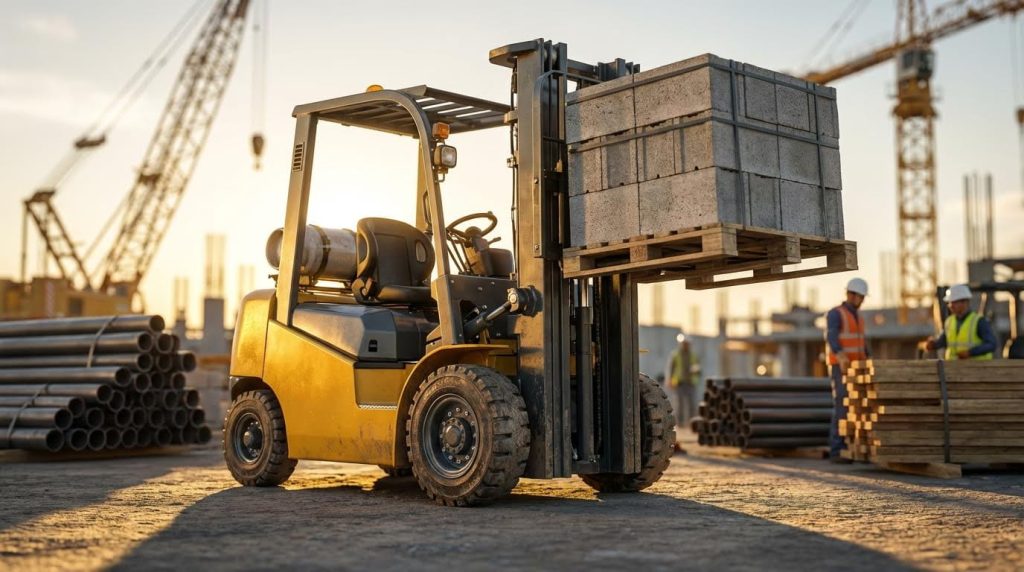
Safe handling of gasoline for forklifts required disciplined procedures and engineering controls. Operators and supervisors had to integrate OSHA-aligned practices, equipment design, and training into daily routines. Effective control of ignition sources, vapors, and spills reduced fire risk and protected indoor air quality. This section outlined practical methods to align field practice with regulatory expectations and contemporary industry benchmarks.
Refueling Procedures And OSHA-Aligned Protocols
Refueling gasoline forklifts required strict control of ignition sources and vapors. Operators had to park in a designated refueling zone, select neutral, lower forks to the floor, engage the parking brake, and shut the engine down before opening the filler cap. OSHA-aligned practice prohibited smoking, open flames, and mobile phone use in the refueling area because gasoline vapors ignited at low energy levels. Fuel addition had to be slow to limit static generation and splashing, and operators should never fill the tank to the brim because thermal expansion could cause overflow. Facilities had to place and maintain Class B fire extinguishers near the refueling point and mark the zone with “No Smoking” and flammable-liquid signage. Refueling schedules that topped tanks at the end of the shift reduced condensation inside tanks and minimized the chance of running the system dry, which could pull sediment into the fuel circuit.
Tank Design, Venting, And Spill Risk Management
Gasoline forklift tanks and associated hardware had to manage vapor, pressure, and impact loads safely. Tanks required robust mounting, corrosion-resistant materials, and protected routing of fuel lines away from hot surfaces and electrical components. Venting systems had to prevent vacuum lock during operation while limiting uncontrolled vapor release into occupied spaces. Caps needed positive sealing and clear threads to avoid seepage during cornering or braking. Spill risk management relied on graded refueling pads, hydrocarbon-compatible absorbents, and defined cleanup procedures so that any overflow or hose drips were contained rapidly. Facilities had to keep drains and sumps protected from direct fuel entry and maintain spill kits and incident logs that aligned with local environmental regulations for flammable liquids. Periodic inspection of tanks, hoses, clamps, and seals reduced the probability of chronic leaks that elevated fire and indoor air quality risks.
Operator Training, PPE, And Hazard Controls
Effective control of gasoline hazards depended on trained operators and structured supervision. OSHA requirements mandated truck- and site-specific instruction, including recognition of gasoline vapor behavior, ignition sources, and emergency actions. Training programs had to cover pre-refueling checks, correct shutdown sequence, spill response, and when to remove a truck from service due to leaks or fuel odors. Operators should wear chemical-resistant gloves and eye protection during refueling to protect against splashes and skin contact. Facilities had to implement administrative controls, such as designating specific personnel for refueling, restricting access to the area, and enforcing lockout of defective units. Engineering controls included natural or mechanical ventilation in indoor refueling spaces, intrinsically safe lighting and electrical equipment where required, and clear traffic segregation to prevent collision during refueling. Periodic drills and refresher courses reinforced correct behavior and ensured that written procedures translated into consistent field practice.
Summary: Selecting And Managing Gasoline Forklifts
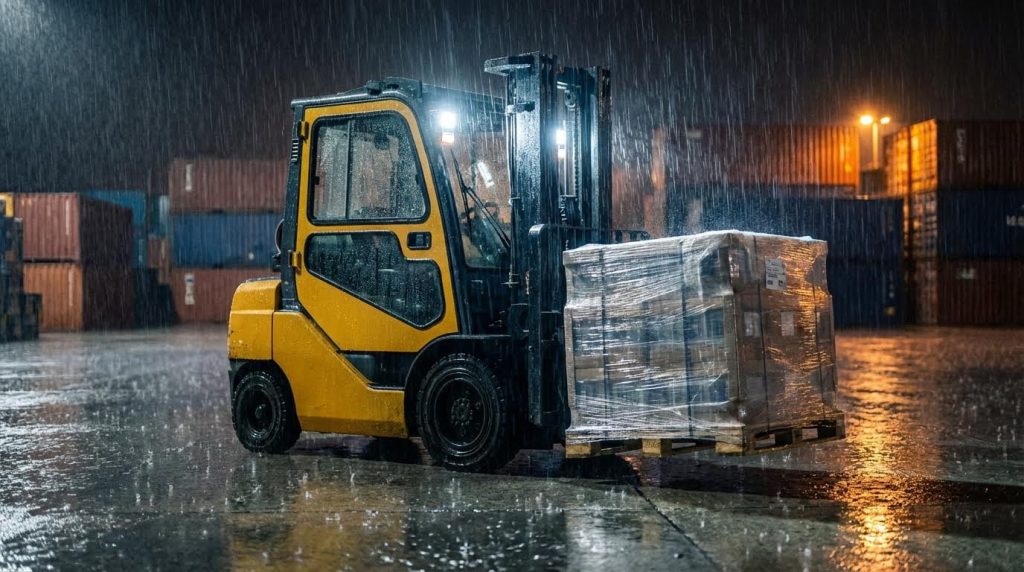
Gasoline forklifts occupied a defined niche between electric, diesel, and LPG machines. They offered relatively low noise, modest weight, and straightforward refueling, but traded this against higher fuel cost per kilowatt-hour, higher CO₂ per pallet move, and more intensive engine maintenance. Their best fit lay in light to medium loads, intermittent or single-shift work, and mixed indoor–outdoor operations where low capital expenditure and flexible deployment mattered more than lifecycle efficiency.
From a technical perspective, gasoline engines delivered adequate but not high torque, with energy density around 2,830 Wh/L at typical efficiencies. ISO 23308-1 duty-cycle data and telematics analyses showed about 0.42 kWh and roughly 685 g CO₂-equivalent per pallet move, which exceeded electric alternatives and undercut diesel. Maintenance demand, including 200–250 hour oil and filter intervals, spark plug replacement, and timing belt management, required structured service planning and around 7.4 maintenance labor hours per 1,000 operating hours. These characteristics pushed operators to rely on preventive maintenance, condition monitoring, and KPI tracking to keep total cost of ownership controlled.
Industry practice increasingly combined gasoline forklifts with telematics, safety analytics, and standardized refueling stations to reduce risk and unplanned downtime. Future trends pointed toward tighter emission regulations, greater adoption of electric and low-carbon fuels, and more data-driven fleet right-sizing. In that context, gasoline units remained viable where duty cycles were moderate, refueling logistics favored liquid fuel, and capital budgets constrained electrification. Effective management depended on matching truck type to duty cycle, enforcing OSHA-aligned refueling and PPE protocols, and using measured indicators such as fuel use per pallet weighing scales, failure rates, and service compliance to decide when to retain, hybridize, or phase out gasoline-powered assets in favor of cleaner technologies.