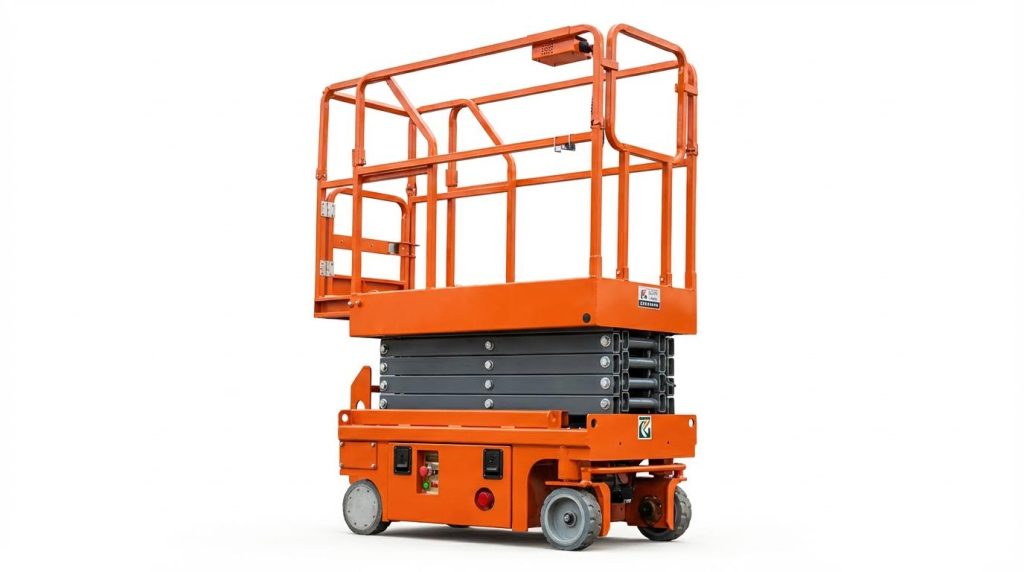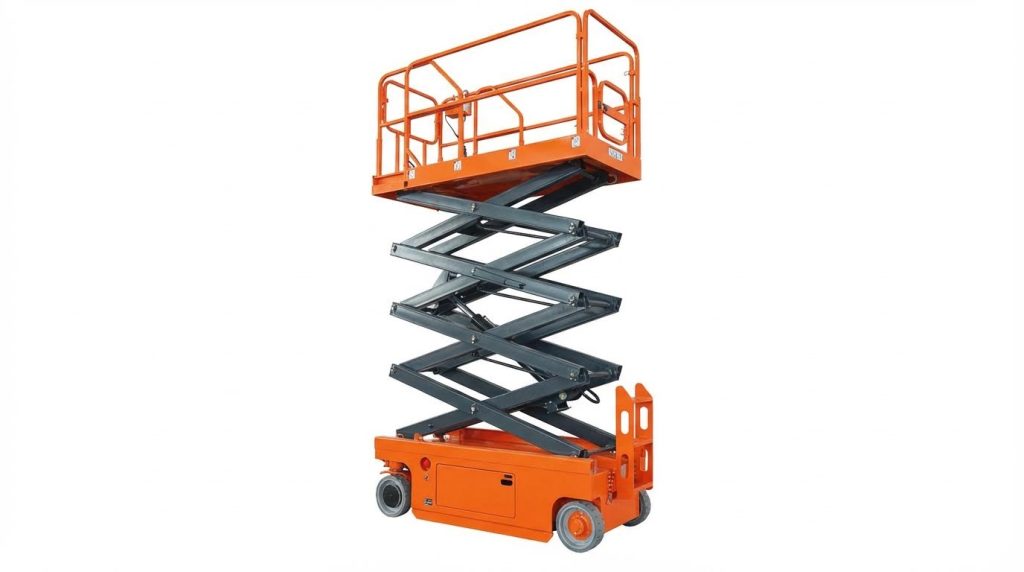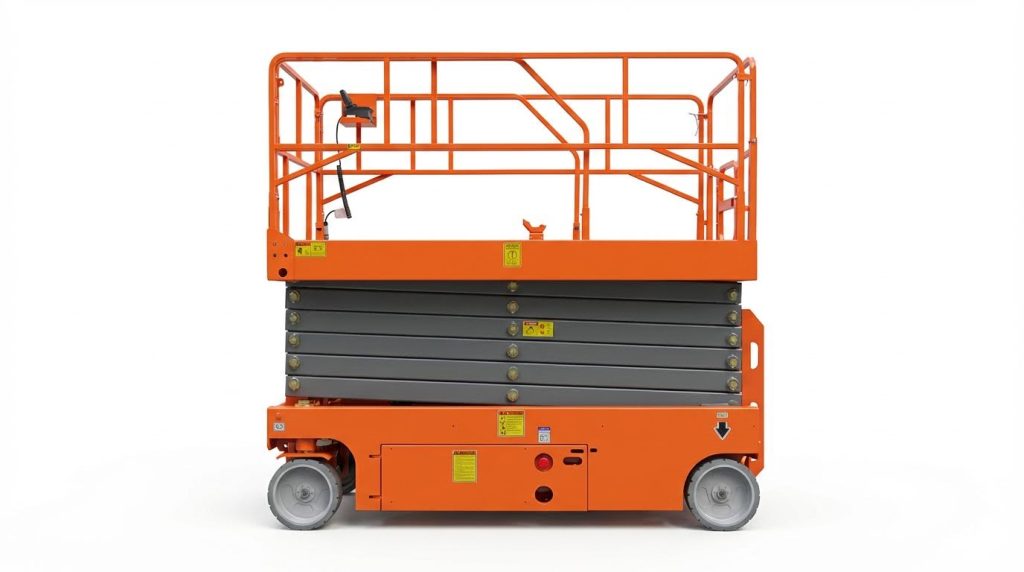
Aerial work platforms required strict compliance with OSHA and ANSI standards to control fall, tip‑over, and electrocution risks. This guide outlined how core OSHA rules defined aerial lift scope, employer duties, and documentation for both general industry and construction. It then connected these legal requirements to ANSI A92 mobile elevating work platform (MEWP) design, stability, and training criteria that engineers and safety managers used in practice. Finally, it aligned engineering controls, inspections, and safe‑use procedures so that equipment design, field operation, and regulatory compliance formed one coherent system.
Core OSHA Regulations For Aerial Work Platforms
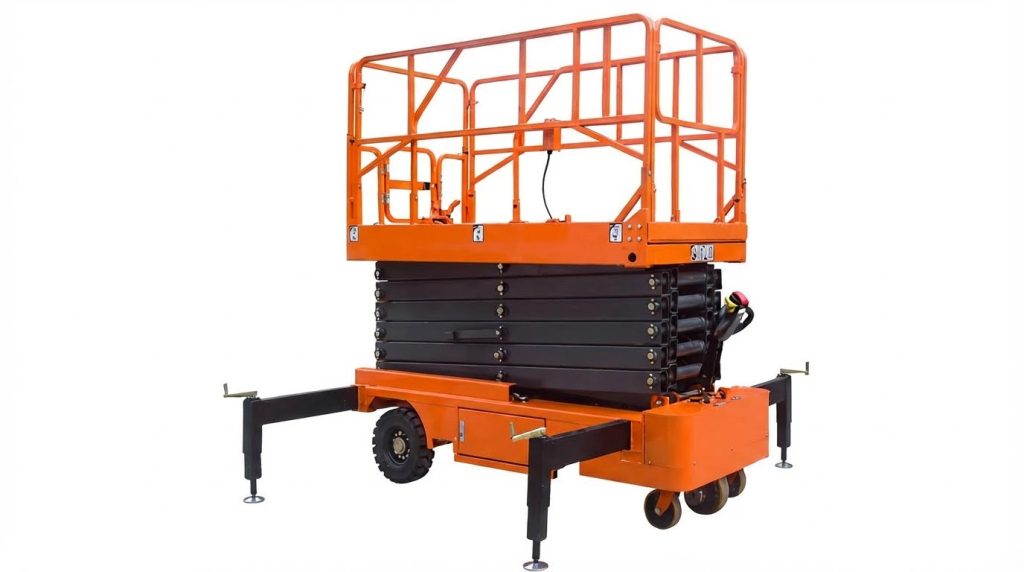
OSHA defined clear minimum safety requirements for aerial work platforms used in both general industry and construction. These rules addressed design references, safe operation, electrical hazards, and employer responsibilities. Understanding how 29 CFR 1910 and 1926 applied in different work environments helped answer “what is the OSHA standard for aerial work platforms” in practical terms. The following sections broke down the core regulatory pieces safety managers and engineers needed to align equipment selection, procedures, and training.
OSHA 1910.67 And 1926.453 Scope And Definitions
OSHA 1910.67 applied to vehicle‑mounted elevating and rotating work platforms used in general industry. It covered extendable boom platforms, aerial ladders, articulating booms, vertical towers, and combination devices, whether powered or manually operated. OSHA 1926.453 served the same function on construction sites and referenced ANSI A92.2‑1969 for design and performance expectations. Both standards defined aerial lifts as distinct from scaffolds and manlifts, which fell under different sections such as 1910.68 and 1926 subpart L. Knowing these scope boundaries helped employers classify equipment correctly and apply the right rule set when developing safe‑use procedures and training content.
General Industry Vs. Construction Requirements
In general industry, 1910.67 tied aerial lift use to broader provisions such as 1910.22 for housekeeping and 1910.132–1910.140 for personal protective equipment and fall protection. It required pre‑start inspections, safe operation within manufacturer ratings, and compliance with electrical safety rules when working near energized parts. In construction, 1926.453 integrated with 1926.20(b) accident prevention responsibilities and 1926.21 safety training and education. Construction rules emphasized written accident‑prevention programs, competent‑person oversight, and coordination with other subpart provisions such as 1926 subpart M for fall protection and subpart K for electrical work. Engineers and safety professionals needed to decide whether a task fell under maintenance/plant operations or construction/alteration, because that choice determined whether 1910.67 or 1926.453 governed aerial platform use.
Electrical Work Rules: 1910.333 And 1910.269
When scissor platforms operated near electrical hazards, OSHA required compliance with 1910.333 and, for power generation and transmission work, 1910.269. Section 1910.333(c)(3) addressed minimum approach distances, de‑energizing, and guarding of overhead lines for general industry tasks. Section 1910.269(p) added specific requirements for line‑clearance tree trimming and utility work, including qualified‑worker criteria and approach distances tied to system voltage. Both sections required operators in aerial lifts to treat lines as energized unless properly de‑energized and grounded, maintain minimum clearances, and use appropriate insulating equipment when justified. These rules worked together with 1910.67 and 1926.453 by limiting where platforms could be positioned and dictating when insulated booms and additional protective measures were necessary.
Employer Duties, Documentation, And Enforcement
OSHA placed primary responsibility for scissor platform lift safety on employers through several cross‑cutting provisions. Under 1910.67 and 1926.453, employers had to ensure platforms met applicable ANSI design standards, remained within rated capacities, and were removed from service when defects appeared during pre‑shift inspections. Sections 1926.20 and 1926.21 required accident‑prevention programs, documented training, and competent‑person supervision for aerial lift operations on construction projects. In general industry, 1910.132 and 1910.30 mandated hazard‑based PPE selection and documented training on fall protection systems used in lifts. Employers also had to keep inspection, maintenance, and training records available for OSHA review, which supported enforcement actions when incidents occurred. For engineers and safety managers asking “what is the OSHA standard for aerial work platforms,” these documentation and duty clauses translated regulations into auditable programs, checklists, and training matrices that demonstrated compliance.
ANSI A92 And MEWP Design And Training Standards
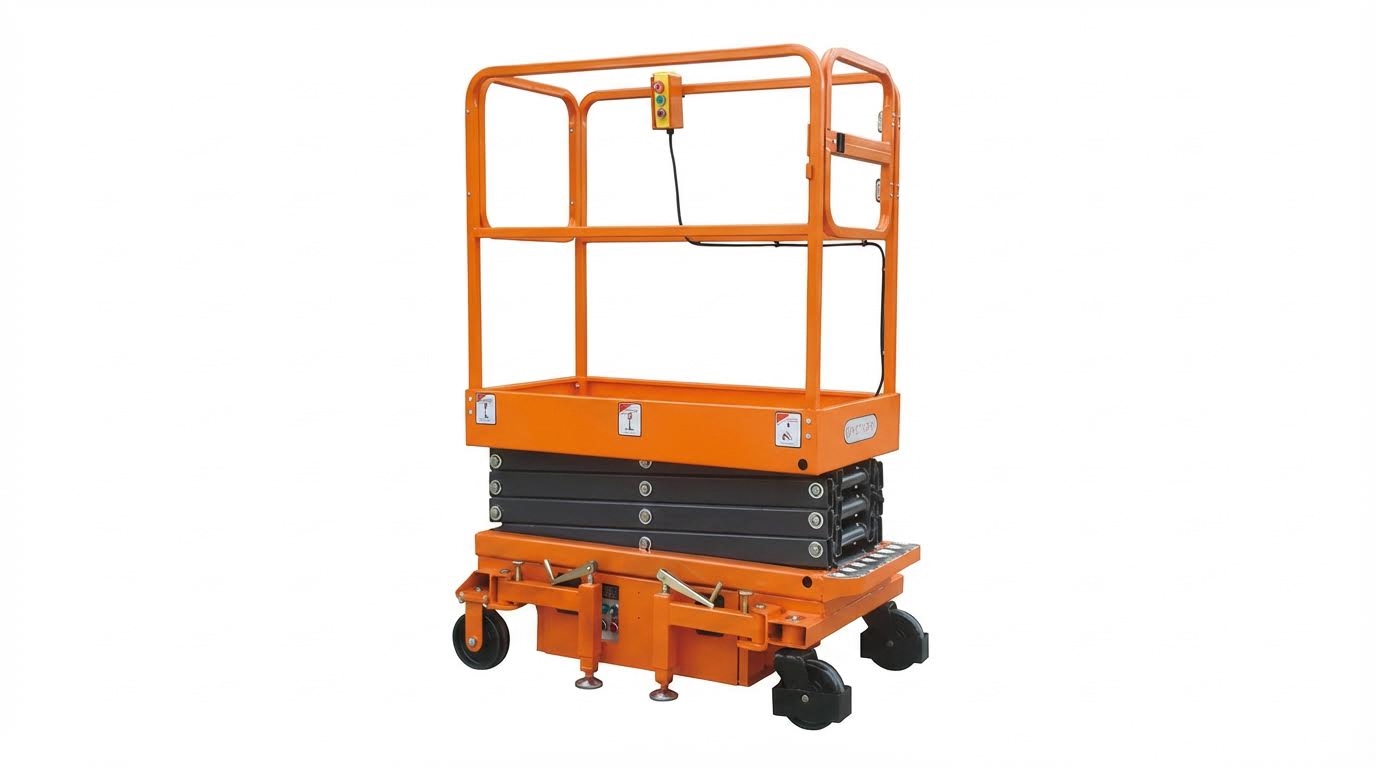
ANSI A92 standards complemented OSHA rules for aerial work platforms and mobile elevating work platforms (MEWPs). They defined how equipment designers, owners, and trainers translated OSHA’s performance-based requirements into concrete engineering and training practices. Understanding these standards helped employers answer “what is the OSHA standard for aerial work platforms” in practical design and training terms. The A92.2 legacy rules and the newer A92.20/22/24 set focused on design, safe-use, and training across the full MEWP lifecycle.
ANSI A92.2 Legacy Rules Vs. A92.20/22/24 MEWP Set
ANSI A92.2 originally addressed vehicle-mounted elevating and rotating aerial devices, including insulated and non-insulated booms. It provided design, construction, and electrical insulation criteria that supported OSHA 1910.67 and 1910.269 requirements for overhead line work. The modern MEWP suite restructured these concepts into three coordinated documents: A92.20 for design and testing, A92.22 for safe-use, and A92.24 for training. This shift aligned terminology with international MEWP classifications and clarified responsibilities among manufacturers, owners, users, and operators. From a compliance perspective, OSHA regulations defined the “what,” while the A92.20/22/24 set supplied the detailed engineering and procedural “how.”
Design, Stability, And Test Requirements For MEWPs
ANSI A92.20 specified structural design factors, stability margins, and functional safety requirements for MEWPs. It required proof and verification tests for load, tilt, braking, and emergency lowering functions before a machine entered service. Stability criteria considered rated load, outreach, platform configuration, and wind loading, with defined maximum allowable wind speeds. The standard mandated guardrails, toe boards, controls, interlocks, and emergency stop functions that supported OSHA fall protection and machine guarding rules. It also addressed labeling, load charts, and rated capacity indicators so operators could respect manufacturer limits referenced in OSHA standards for aerial work platforms. Type and group classifications (for example, 1A, 3B) helped engineers and safety managers match platform geometry and drive capability to specific applications and terrain.
Operator, Supervisor, And Occupant Training Criteria
ANSI A92.24 detailed training program structure for operators, supervisors, and occupants of MEWPs. It required both formal instruction and practical evaluation on the specific MEWP type and model, consistent with OSHA expectations for competent training. Content covered hazard recognition, pre-start inspections, function tests, load limits, fall protection, and emergency procedures. The standard distinguished between general training, which remained valid across similar MEWP types, and familiarization, which addressed model-specific controls and features. Supervisors needed additional training on selecting appropriate MEWPs, verifying work area assessments, and enforcing safe-use procedures. Occupants received focused instruction on fall protection use, platform behavior, and emergency descent so they could support the operator in maintaining OSHA-compliant practices.
Field Modifications, Insulated Booms, And Ratings
ANSI A92.2 and the newer MEWP standards controlled field modifications that could affect structural integrity, stability, or electrical protection. Any modification outside manufacturer specifications required written approval and recertification, which aligned with OSHA’s prohibition on unsafe alterations to aerial devices. For insulated booms used near energized lines, ANSI A92.2 set dielectric design and periodic test requirements that complemented OSHA 1910.269 approach-distance and insulation rules. Loss of insulation test status meant the boom had to be treated as non-insulating, with work practices adjusted accordingly. The standards also defined rated load, platform occupancy, and configuration limits, including the effect of attachments and tools on capacity. Clear rating plates and documentation helped employers demonstrate that aerial work platforms operated within both ANSI and OSHA-defined limits for safe use.
Engineering Controls, Inspections, And Safe Use

Engineering controls, structured inspections, and disciplined operating practices formed the backbone of OSHA’s approach to aerial platform safety. When safety professionals asked “what is the OSHA standard for aerial work platforms,” the practical answer extended far beyond a single rule number. It linked design controls, inspection regimes, and task‑specific safe‑use procedures under both general industry and construction frameworks.
Pre‑Start And Periodic Inspection Requirements
OSHA required pre‑start inspections at the beginning of each shift for aerial lifts and mobile elevating work platforms. These checks aligned with 29 CFR 1910.67, 1910.269, and 1926.453, which collectively defined safe operating condition expectations. Operators or designated personnel inspected structural members, welds, guardrails, platforms, and anchorage points for visible damage or corrosion. They also checked hydraulic hoses, cylinders, fittings, fluid levels, tires, brakes, steering, emergency lowering systems, and all control functions.
Any defect that affected safe operation triggered immediate removal from service until a qualified person completed repairs and tests. OSHA’s broader maintenance and inspection rules in 1910.22 and 1926.20 reinforced this “tag and lockout” approach. Periodic inspections occurred at defined intervals, typically at least annually, and followed manufacturer criteria plus ANSI A92 guidance. These deeper inspections documented serial numbers, inspection dates, findings, and corrective actions to demonstrate regulatory compliance.
From an engineering standpoint, pre‑start checks validated critical safety factors such as structural integrity, control reliability, and hydraulic containment. Periodic inspections verified that fatigue, corrosion, and wear had not reduced design safety margins below acceptable limits. Together, these inspection regimes operationalized the OSHA standard for scissor platform by turning static design assumptions into continuously verified field performance.
Fall Protection, Guardrails, And PFAS Integration
Falls remained a primary hazard identified in OSHA’s aerial lift guidance and related standards. Vehicle‑mounted platforms covered by 1910.67 and construction lifts addressed by 1926.453 had to provide complete guardrail systems around the platform perimeter. Top rails, mid‑rails, and toeboards needed to meet strength and dimensional criteria defined in subpart D and subpart M, resisting specified horizontal and vertical loads.
OSHA also required personal fall protection when workers operated boom‑type platforms, especially near electrical hazards under 1910.333 and 1910.269. A properly fitted full‑body harness connected to designated anchor points formed the core of a personal fall arrest system. Lanyards or self‑retracting lifelines had to limit arresting forces and free‑fall distances within subpart I limits. Belting off to adjacent structures, poles, or scaffolds was prohibited because it defeated the platform’s engineered fall‑protection system.
Engineering integration focused on anchor point capacity, load paths, and compatibility between PFAS hardware and platform structure. Designers considered dynamic arrest loads, potential swing‑fall trajectories, and clearances to lower levels and obstructions. In practice, the OSHA standard for scissor platform lift translated into a combined system: compliant guardrails, engineered anchorage, and PFAS selection and use that matched the platform’s rated configuration and intended tasks.
Load Ratings, Stability, And Outrigger Practices
OSHA’s aerial lift rules treated stability as a core engineering requirement rather than an operator preference. Manufacturers established rated capacities for platforms based on structural strength and overturning stability factors specified in ANSI A92 design standards. OSHA then required employers and operators to respect those ratings, considering the combined mass of personnel, tools, and materials on the platform.
Operators could not exceed nameplate capacities or use platforms as cranes, material hoists, or supports for oversized components. Dynamic effects such as wind loading, sudden starts, and abrupt stops had to remain within design assumptions. When lifts incorporated outriggers, OSHA expected them to be deployed according to manufacturer instructions whenever surface conditions allowed. Outriggers had to rest on firm, level support, often with pads or cribbing to distribute contact pressures.
Wheel chocks, set brakes, and barricades around the work zone further enhanced stability, especially on grades or near vehicle traffic. For powered platforms and transportable outriggers, OSHA referenced stability factors of at least two or four against overturning, depending on configuration. These numerical requirements anchored the answer to “what is the OSHA standard for aerial work platforms” in quantifiable safety margins. Proper outrigger use, combined with strict adherence to load ratings, reduced tip‑over risk and maintained structural performance within validated test envelopes.
Work Area Hazard Assessment And Power Line Clearance
OSHA tied safe aerial work platform use to systematic work area hazard assessment. Before moving equipment into position, competent persons evaluated ground conditions for voids, trenches, slopes, soft soils, and slippery surfaces. They identified overhead obstructions, tight clearances, and potential struck‑by hazards from adjacent equipment or falling objects. This assessment aligned with general duty obligations under 1910.132 and construction planning requirements in 1926.20 and 1926.21.
Electrical hazards received specific treatment in 1910.333 and 1910.269 for work near energized lines. OSHA required minimum approach distances, typically at least 3.05 m from uninsulated power lines up to 50 kilovolts, unless stricter volt‑based tables applied. Employers had to treat all lines as energized unless utilities verified otherwise and implemented protective measures such as insulating covers, insulating booms, or equipotential grounding arrangements. Insulated platforms still required careful maintenance and periodic dielectric testing under ANSI A92.2 concepts to retain insulating classification.
Operators incorporated this hazard assessment into daily practice by checking for overhead conductors, maintaining required clearances, and repositioning platforms rather than overreaching. Wind speed, weather, and visibility also formed part of the assessment, with operations halted above manufacturer wind limits. In effect, OSHA’s standard for aerial work platforms embedded hazard recognition and power line clearance directly into the definition of safe use, not as optional best practice but as enforceable duty.
Summary: Aligning AWP Design, Use, And Compliance
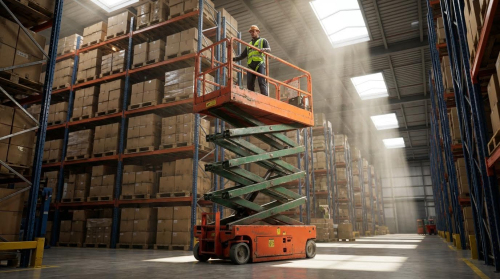
Aligning aerial work platform design, operation, and compliance required a structured approach to OSHA and ANSI requirements. For anyone asking “what is the OSHA standard for aerial work platforms,” the answer centered on 29 CFR 1910.67 for general industry and 1926.453 for construction, supported by related rules for electrical work, training, and fall protection. ANSI A92 and later MEWP standards then added detailed design, stability, testing, and training criteria that manufacturers and employers used to close practical gaps left by the OSHA performance-based rules.
From an engineering perspective, compliant AWPs and MEWPs integrated robust guardrail systems, PFAS anchorage points, defined load ratings, and validated stability factors against overturning. Design and testing followed ANSI requirements for structural integrity, control reliability, and insulated components where electrical hazards existed. In parallel, OSHA and ANSI inspection regimes mandated pre-start checks, periodic structural and functional inspections, and documented maintenance, which reduced failure rates and supported predictable lifecycle performance.
For owners and employers, practical implementation meant building a management system that linked equipment selection, documented risk assessment, operator and supervisor training, and written procedures for power-line clearance, outrigger deployment, and emergency response. Digital inspection checklists, load-planning tools, and geo-tagged service records helped demonstrate due diligence to regulators and insurers. Facilities that standardized on clear roles—competent person, qualified person, and operator—achieved better control over modification approvals, insulated boom testing, and lockout of defective units.
Looking ahead, the regulatory framework for scissor platform and other aerial work platforms continued to move toward harmonized global MEWP concepts, more explicit human-factors considerations, and closer integration of electronic stability controls and telematics. Engineers and safety managers should expect tighter traceability of inspections, automated load and tilt monitoring, and clearer expectations for blended classroom–hands-on training. Organizations that treated OSHA’s aerial lift standards as a baseline and actively integrated ANSI/SAIA A92 guidance into design, procurement, and field practice positioned themselves to manage evolving technology while maintaining a defensible safety posture.