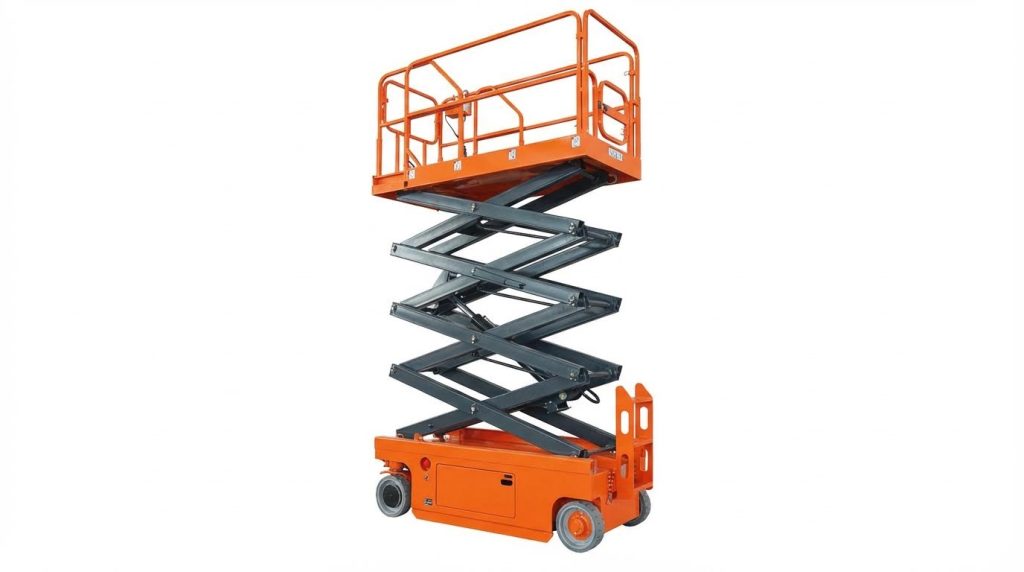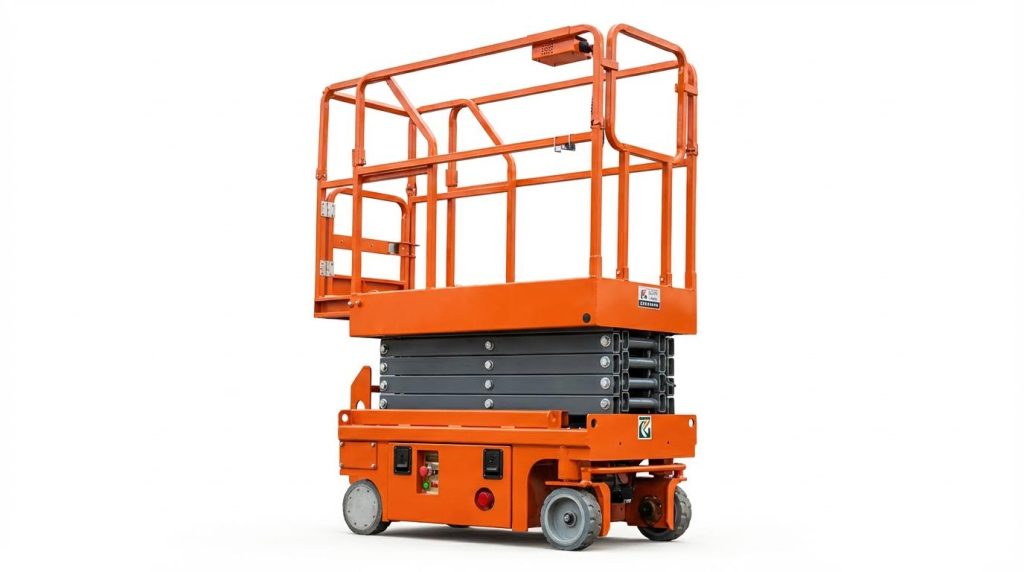
Aerial work platform inspection records supported structured safety programs, regulatory compliance, and lifecycle cost control. This article explained required inspection types and intervals, along with the technical items each checklist should cover. It also detailed recordkeeping rules, retention times, and how to use inspection data for analytics and lifecycle decisions. Finally, it summarized best practices so fleet managers and safety professionals know how long inspection records should be kept and how to structure them for aerial platforms.
Inspection Types And Required Intervals
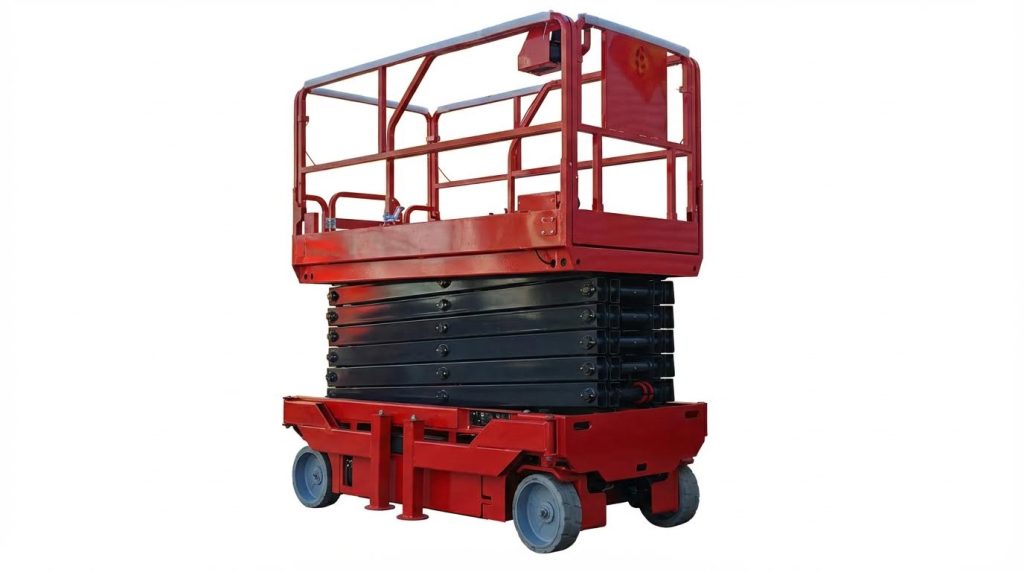
Inspection types and intervals for aerial work platforms followed a layered structure that combined operator checks, frequent technical inspections, and formal annual compliance assessments. This structure aligned with OSHA 1910.67, OSHA 1926.453, and ANSI A92 requirements, and it strongly influenced how long organizations needed to keep inspections on aerial platforms for audit and incident investigation purposes. Clear separation between daily operator walk‑arounds, frequent mechanical inspections, and annual compliance inspections helped maintenance teams plan resources and document retention consistently.
Daily, Weekly, And Monthly Operator Checks
Daily inspections occurred before each shift and focused on immediate operational safety. Operators visually checked for leaks, damaged hoses, cracked welds, tire condition, and loose or missing fasteners. They tested all platform and ground controls, brakes, steering, alarms, and emergency stop functions to verify correct response. Weekly checks typically expanded the scope to include battery condition, hydraulic fluid levels, tire pressure, and basic lubrication of exposed moving joints. Monthly checks added closer examination of booms, scissor stacks, platforms, guardrails, decals, and emergency lowering systems for wear, corrosion, cracks, or deformation. Although regulations did not always prescribe exact retention periods for these operator logs, safety professionals usually kept them at least until the next higher‑level inspection and often for one year to support trend analysis and to show that daily and monthly checks bridged the gaps between frequent and annual inspections.
Frequent Inspections: 3 Months Or 150 Hours
Frequent inspections addressed deeper mechanical and structural risks than routine operator checks. ANSI A92 defined triggers such as three months or 150 operating hours in service, whichever occurred first, purchase of used equipment without current documentation, or return to service after an idle period exceeding three months. A qualified mechanic inspected all functions and controls, including lower controls and any override provisions, and verified correct operation under load where appropriate. The checklist covered chains and cables for wear and adjustment, hydraulic and engine oil, coolant, filters, lubrication of all moving parts, and visual inspection of structural members, pins, shafts, locking devices, and decals. Because these inspections formed a critical compliance layer between daily checks and annual inspections, organizations typically linked their retention to risk and legal exposure, keeping frequent inspection records at least through the next annual inspection and often for several years to document service history, support failure investigations, and demonstrate that the three‑month or 150‑hour rule had been consistently applied.
Annual ANSI/OSHA Compliance Inspections
Annual inspections represented the highest formal level of AWP examination. ANSI required them at intervals not exceeding thirteen months from the previous annual inspection date. A mechanic qualified on the specific aerial platform type performed a comprehensive review of structural components such as chassis, substructure, turret, booms, scissor arms, welds, and mounting points. The inspection also covered electrical wiring, control systems, hydraulic components, emergency lowering means, and the presence and legibility of all safety decals and placards. Any defect that affected safe operation had to be corrected before the platform returned to service. Industry guidance indicated that annual inspection records warranted longer retention than daily or frequent checks because regulators and investigators often requested them after incidents. Many fleets aligned with ANSI guidance that annual records should be retained for at least five years, which helped answer queries about how long inspections on aerial platforms should be kept to support compliance audits, insurance reviews, and litigation defense.
Triggers After Repairs, Damage, Or Idle Periods
Certain events required inspections outside the normal calendar or hour‑based schedule. After structural repairs, component replacement, or significant modifications, a qualified mechanic needed to verify that the platform met manufacturer specifications and applicable standards before returning it to service. Any incident involving damage, overload, tip risk, or suspected impact on structural integrity triggered a detailed inspection of booms, scissor stacks, chassis, pins, and welds. Similarly, if an aerial work platform remained out of service for more than three months, ANSI treated its return to operation as a trigger for a frequent inspection, even if hours of use remained low. These event‑driven inspections often carried high evidentiary value because they related directly to abnormal conditions, so technicians and safety managers usually filed their records with repair documentation and retained them at least as long as annual reports, and often for the remaining life of the unit. This practice created a continuous trace from damage or major repair back to subsequent inspections, supporting both reliability engineering and regulatory expectations for how long critical aerial platform inspections should be kept.
What To Record In AWP Inspection Documents
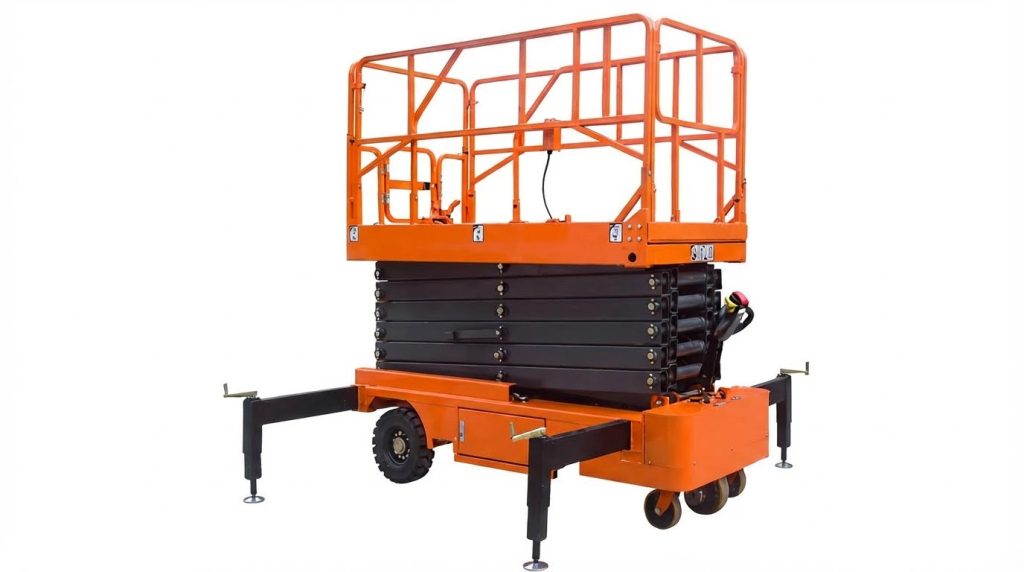
Aerial work platform inspection documents needed clear, consistent structure. Well-designed records captured technical condition, safety performance, and operator readiness. They also supported decisions on how long inspections on aerial platforms should be kept for compliance and risk management. The following subsections described the core content areas every inspection record should include.
Mechanical, Hydraulic, And Structural Items
Inspection documents needed a dedicated section for mechanical, hydraulic, and structural components. Checklists typically covered engines or drive motors, steering, brakes, tires, and wheel fasteners, because failures in these areas affected basic mobility. Hydraulic content included cylinders, hoses, fittings, valves, pumps, and reservoir levels, plus contamination checks and filter element condition. Structural records documented booms, scissor stacks, welds, pins, rollers, chassis, outriggers, and platform structure, including cracks, corrosion, deformation, or loose fasteners. Inspectors recorded measured values where possible, such as fluid levels, pressure readings, or wear limits, and noted whether defects required immediate “out of service” tagging. These detailed entries later supported lifecycle analysis and helped justify how long inspection records for aerial platforms should be kept to demonstrate that critical load‑bearing elements remained within design limits.
Controls, Safety Devices, And Emergency Systems
Inspection forms always needed a separate area for controls and safety systems. Records documented the function of upper and lower controls, including direction, speed modulation, and emergency stop response. Inspectors verified override capability from ground controls and noted any lag, sticking, or unintended movement. Safety devices such as tilt sensors, load-sensing systems, interlocks, limit switches, alarms, horns, and lights required explicit pass or fail entries, with comments for abnormal behavior. Emergency systems, including emergency lowering means, manual descent valves, backup power for descent, and emergency platform controls, were tested and recorded. Documentation had to state whether any malfunction was corrected before return to service, which was critical during audits. These records formed part of the evidence trail regulators reviewed, so organizations often aligned their retention periods for aerial platform inspection documents with the time frames used for incident investigations and warranty or liability exposure.
Workplace And Environmental Risk Factors
AWP inspection documents did not only address the machine itself. They also captured workplace and environmental risk factors observed during pre-use and periodic checks. Typical checklist items included ground bearing capacity, slope, soft soil, floor openings, and obstructions such as rebar, debris, or uneven joints. Inspectors recorded overhead hazards, including power lines, low ceilings, pipework, and ducting, plus required minimum approach distances for energized conductors. Weather-related factors such as wind speed, precipitation, ice, and visibility formed another subsection, especially for outdoor operation. Traffic separation, pedestrian routes, and proximity to other equipment were noted to assess collision risk. Documenting these conditions provided context if an incident occurred months or years later and influenced decisions on how long aerial platform inspection and site-condition records should be retained to support root-cause analysis and defend risk assessments.
PPE, Training, And Operator Qualification Data
Comprehensive AWP inspection records linked equipment condition with human factors. Forms typically included a field for operator name, ID, and verification of current training on that specific platform category. Inspectors or supervisors confirmed that the operator held valid authorization and that familiarization training for the exact model had occurred. PPE documentation covered full-body harnesses, lanyards or self-retracting lifelines, anchorage use, hard hats, eye protection, gloves, and protective footwear, plus insulated PPE when working near electrical hazards. Records indicated PPE condition, expiry dates where applicable, and any deficiencies that prevented operation. Some organizations attached or referenced separate training logs and fit-test records, creating a unified compliance package. Because regulators could request these combined records long after an event, safety managers often synchronized their retention policies for operator qualification and aerial platform inspection documents, ensuring both remained available for the full legal and contractual exposure period.
Recordkeeping Rules, Retention, And Data Use

Recordkeeping for aerial work platform inspections supported regulatory compliance and risk management. Well-structured logs also created a data foundation for reliability analysis, lifecycle costing, and fleet optimization. This section explained what regulators and standards required, how long to retain specific records, and how digital tools and analytics transformed inspection data into actionable insights.
OSHA, ANSI, And Manufacturer Record Requirements
OSHA required documented pre-use inspections for aerial lifts under 29 CFR 1926.453 and 1910.67. Inspectors expected written or digital checklists that showed daily operator checks and periodic maintenance activities. ANSI A92 standards added explicit requirements for frequent and annual inspections, including documentation. ANSI-based guidance typically required that annual inspection records for aerial work platforms be retained for at least five years, since investigators and insurers often reviewed this history after incidents. Manufacturers usually specified exact inspection items, intervals, and documentation formats in the service manual. Their instructions were considered part of the mandatory maintenance program because OSHA referenced manufacturer recommendations as a baseline for safe condition. A compliant record set therefore included daily or pre-use checklists, frequent and annual inspection reports, out-of-service tags and corrective actions, and repair or modification documentation. Each record needed clear identification of the unit, date, hours, findings, and the qualified person who performed the inspection.
How Long To Keep Inspection And Repair Records
For the question “how long should inspections on scissor platform be kept,” best practice exceeded bare legal minimums. ANSI guidance indicated annual inspection reports should remain on file for at least five years. Many fleet owners aligned all major inspections and repair records with this five-year horizon to support accident investigations and resale value. Daily and pre-use checklists were often retained for one to three years, depending on company policy and local regulatory expectations. However, any inspection linked to a structural repair, stability issue, or safety-critical modification should stay with the machine history for its entire service life. Repair work orders, parts replacement logs, and failure analyses provided essential context when evaluating recurring defects or latent design issues. Digital storage costs were low, so archiving all inspection and repair records for the life of the unit plus several years after disposal offered strong legal and engineering traceability. The key was a structured retention schedule that defined which documents were kept for months, years, or life-of-equipment.
Digital Checklists, Analytics, And AI Monitoring
Digital inspection checklists replaced paper forms and enabled centralized, searchable records. Operators completed pre-use and periodic inspections on tablets or phones, attaching photos of defects and timestamps. This data flowed into maintenance management systems, which could flag overdue inspections, recurring fault codes, or units with rising defect counts. Analytics tools processed inspection outcomes, repair histories, and utilization hours to calculate failure rates and mean time between failures. AI-based monitoring further enhanced this by correlating inspection notes, sensor data, and telematics such as engine hours or hydraulic temperatures. Algorithms could highlight patterns that suggested emerging problems, like increasing mentions of slow boom function before a hydraulic pump failure. Digital signatures and access control supported audit readiness, while automatic backups protected records against loss. For safety managers, dashboards showed compliance status across sites and identified operators or shifts with higher defect detection rates, improving training focus.
Using Cost And Failure Data For Lifecycle Decisions
Inspection records and repair logs formed the empirical basis for lifecycle management decisions. Engineers and fleet managers tracked direct repair costs, labor hours, and downtime for each aerial work platform. By combining this with failure frequency and severity, they estimated total cost of ownership and remaining useful life. For example, repeated hydraulic leaks, cylinder replacements, and structural weld repairs on a high-hour unit indicated escalating lifecycle cost and declining reliability. Management could then compare projected future repair costs against the price of replacement or refurbishment. Failure data also supported design feedback and specification updates. If inspection logs repeatedly flagged similar issues on a model, purchasing teams could adjust future procurement criteria. Cost and defect trends helped optimize inspection intervals as well, balancing safety and availability. Units with stable histories might stay on standard schedules, while those with accelerated wear patterns justified more frequent checks or early retirement.
Summary Of Best Practices For AWP Inspection Records

Aerial work platform owners and users should treat inspection records as critical safety and legal documents, not simple checklists. For the core question “how long should inspections on aerial platforms be kept,” annual inspection records should remain on file for at least five years to align with ANSI expectations and typical investigation windows. Daily, weekly, and monthly pre-use and frequent inspection records should remain available for the full service life of the unit plus a defined period, typically at least three to five years after sale, retirement, or major rebuild, so investigators and insurers can reconstruct maintenance history.
Best practice combines clear retention rules with a structured hierarchy of documents. Keep annual ANSI/OSHA compliance inspections, major repair reports, structural assessments, and incident-related inspections permanently in a central archive. Store routine operator checklists and frequent inspections in a searchable digital system, linked to asset ID, hour meter, and location. This structure supports fast retrieval when regulators request proof that inspections occurred at required intervals such as daily pre-use, three‑month or 150‑hour frequent inspections, and annual compliance checks within thirteen months.
From a risk and lifecycle perspective, long retention of aerial platform inspection records enables trend analysis on failures, recurring defects, and cost patterns. Fleet managers can correlate issues like hydraulic leaks, structural cracking, or recurring control faults with age, hours, or application, and then refine inspection intervals or replacement policies. Digital checklists, analytics, and AI monitoring can automatically flag overdue inspections, missing signatures, or abnormal defect rates across a fleet. Over time, this data improves availability, supports accurate residual value estimates, and helps demonstrate due diligence if an incident occurs years after an inspection.