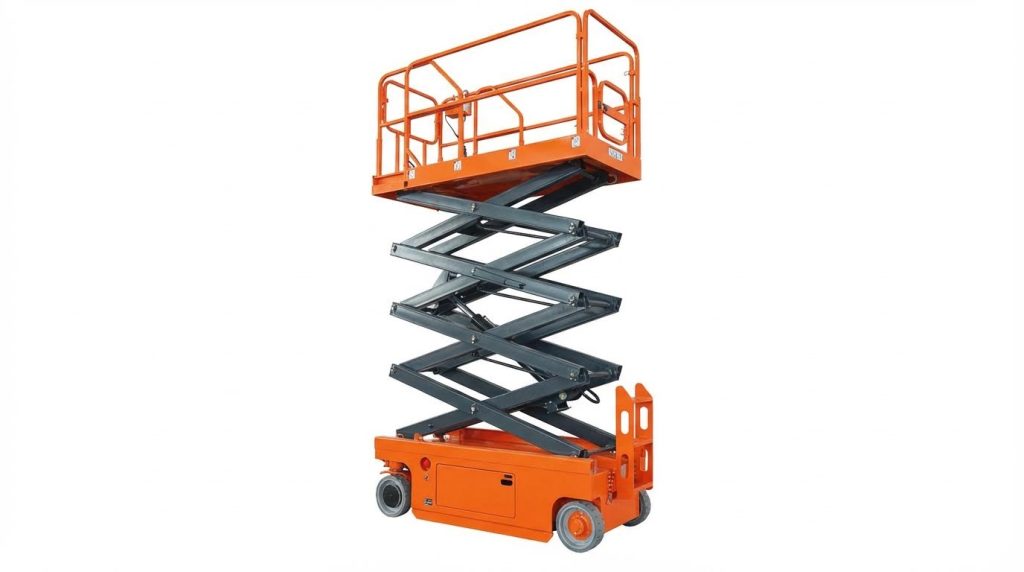
Aerial work platform training renewal cycles determined when an operator’s authorization expired and what triggered retraining. This article examined regulatory cycles for Mobile Elevating Work Platform operator renewal, including OSHA and ANSI expectations, three‑year versus annual practices, and high‑risk PAL+ style qualifications. It then explored how to design effective refresher and upgrade training, from core safety topics to blended classroom, online, VR, and hands‑on evaluation that reflect new technology and changing site conditions. Finally, it addressed recordkeeping, audits, and compliance risk so employers understood how to structure certificates, cards, and digital logs to prove when aerial work platform training expired and how aligned training, compliance, and safety reduced lifecycle risk.
Regulatory Cycles For AWP Operator Renewal
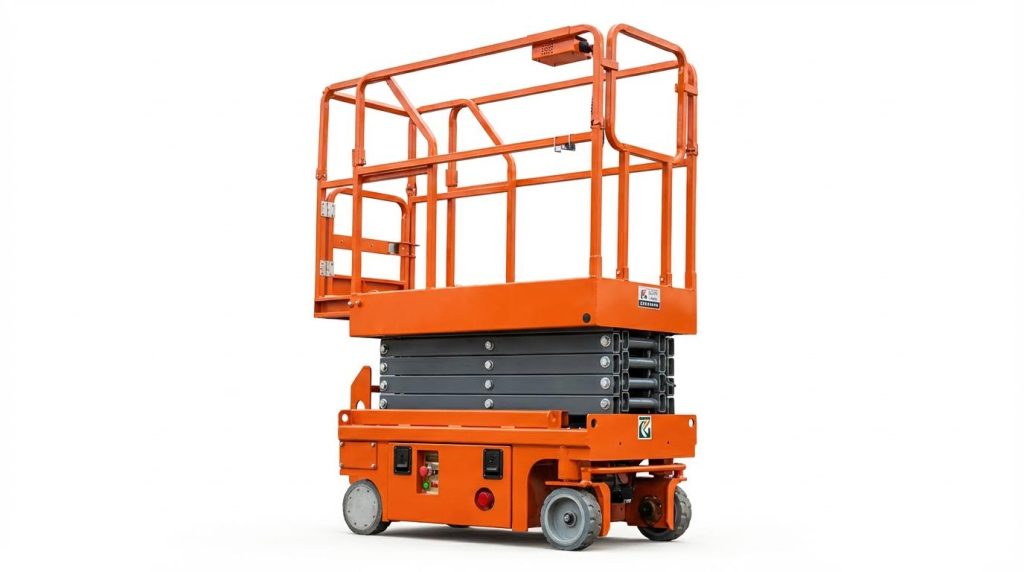
Regulatory cycles for aerial work platform (AWP) operator renewal determined how often employers needed to update training, evaluations, and documentation. Understanding when an aerial work platform training expired required aligning OSHA rules, ANSI/SAIA A92 guidance, and employer policies. This section explained baseline three‑year MEWP retraining expectations, compared them with annual practices, and showed how incidents or technology changes could force earlier refreshers. It also outlined how advanced qualifications such as PAL+ fit into a risk‑based renewal strategy for higher‑hazard work.
OSHA And ANSI Requirements For MEWP Retraining
OSHA did not specify a fixed expiry date for aerial work platform training but required operators to remain competent at all times. In practice, OSHA enforcement and ANSI/SAIA A92 standards pushed employers toward a three‑year recertification cycle for MEWP operators. ANSI A92 required retraining at least every three years and sooner if performance deteriorated, operators stopped using the equipment for an extended period, or significant technology or site changes occurred. When an aerial work platform training expired under an employer’s policy, operators needed both updated theory and a documented hands‑on evaluation to restore compliance. Employers who failed to retrain operators after incidents, near misses, or observed unsafe behavior risked OSHA citations, civil liability, and increased insurance scrutiny.
Three-Year Versus Annual Certification Practices
Across the industry, the three‑year interval became the de facto standard for MEWP and scissor lift operator recertification. This schedule aligned with ANSI A92 guidance and with typical third‑party course validity periods, which often issued cards that expired three years after the completion date. However, some employers adopted annual aerial work platform training expiry cycles, especially in high‑risk sectors such as steel erection, petrochemical maintenance, or utility work. Annual cycles increased administrative burden but provided tighter control of competency, allowed faster integration of new site rules, and strengthened the defense in OSHA or insurance audits. When deciding between three‑year and annual renewal, safety managers weighed incident history, workforce turnover, task complexity, and exposure to evolving standards or client requirements.
Triggers For Early Refresher Or Recertification
Even where a three‑year expiry date applied, OSHA and ANSI expected earlier refresher training under specific conditions. Common triggers included accidents, near‑miss events, or documented unsafe operation such as overloading platforms, bypassing interlocks, or ignoring fall protection requirements. Additional triggers occurred when operators spent long periods without using AWPs, were assigned to new machine types with different control layouts or stability characteristics, or faced significantly changed site conditions such as new overhead obstructions or traffic patterns. After these triggers, a competent person had to reassess the operator, deliver targeted retraining on the identified gaps, and document the new completion date. Treating these events as formal recertification points helped clarify when an aerial work platform training effectively expired before its nominal date.
Advanced PAL+ Qualification And High-Risk Work
Advanced PAL+ qualification represented an elevated competency standard for Mobile Elevating Work Platform operators engaged in high‑risk tasks. PAL+ built on a valid base operator license and added intensive theory, practical testing, and scenario‑based assessment in constrained spaces, complex structures, or uneven terrain. The qualification typically remained valid for five years, provided operators met logbook and utilization requirements; otherwise, they repeated the full course at renewal. Principal contractors and clients in sectors such as steelwork, net rigging, and complex maintenance frequently specified PAL+ or equivalent proof of advanced training for work packages with high entrapment or fall‑from‑height risk. For these roles, the effective expiry of aerial work platform training was not just the basic MEWP card date but the shorter of the PAL+ validity, site‑specific induction requirements, and any client‑imposed recertification intervals.
Designing Effective Refresher And Upgrade Training
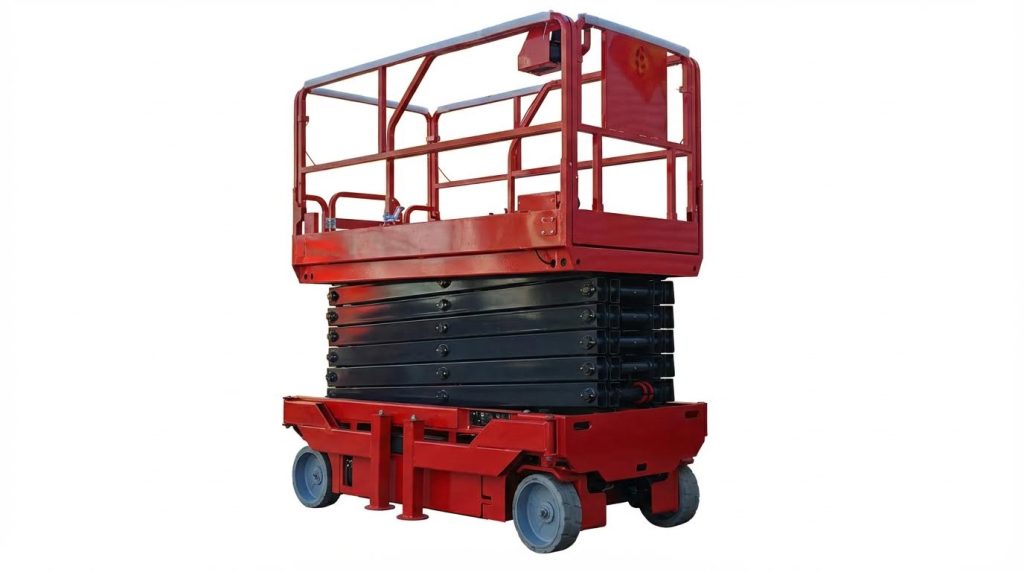
Designing refresher and upgrade training for aerial work platforms must align tightly with regulatory renewal cycles. Employers need programs that keep operators competent across the full three‑year recertification window and any shorter internal expiry policy. An effective design links “when does an aerial work platform training expire” to what must be retaught, how it is delivered, and how quickly operators return to safe performance. The following subsections focus on technical content, delivery modes, technology integration, and data‑driven targeting.
Core Safety Topics For Renewal And Recertification
Refresher content must first reinforce why and when aerial work platform training expires. OSHA and ANSI guidance placed MEWP retraining at three‑year intervals, while some employers adopted annual expiry policies to reduce risk. Core topics therefore revisited hazard recognition, including tip‑over risks, entrapment, falling objects, and electrical contact. Training also restated load limits in SI units, weight distribution, and the impact of outreach and wind on stability. Fall protection remained mandatory content, covering harness selection, lanyard anchorage, and rescue planning. Operators reviewed pre‑use inspections, function tests, and workplace risk assessments before elevating. Refresher modules highlighted triggers that forced early retraining, such as accidents, near misses, unsafe operation, new equipment, or long gaps since last use. This structure ensured that when a certificate approached expiry, operators regained competence in the highest‑risk areas first.
Classroom, Online, VR, And Hands-On Evaluation
Effective renewal programs combined theory with performance checks. Classroom or live online sessions covered standards, expiry rules, and site procedures, including how long scissor platform training remained valid under company policy. Self‑paced e‑learning worked well for regulations, definitions, and multiple‑choice testing. However, standards still required hands‑on practical evaluation on representative MEWPs before extending an operator’s validity period. Instructors observed pre‑operation inspections, control familiarization, safe travel, positioning, and emergency lowering. Virtual reality simulators supported complex scenarios that were difficult or unsafe to replicate on site, such as high‑wind alarms, platform entrapment, or power failures. A blended model let employers revalidate operators approaching expiry with minimal downtime, while still demonstrating due diligence under OSHA and ANSI frameworks.
Integrating New Technology And Site Conditions
Every renewal cycle offered a checkpoint to introduce new technology and changed site conditions. When a company deployed MEWPs with different control layouts, drive systems, or integrated diagnostics, refresher sessions addressed the gap before previous training effectively expired. Operators learned to interpret on‑board load sensing, tilt alarms, and envelope control systems that limited unsafe movements. Training also reflected new fall protection devices, anchor layouts, and rescue equipment. Site‑specific content covered altered traffic routes, new overhead obstructions, ground bearing capacities, and exclusion zones around energized conductors. When projects moved from indoor to outdoor work, renewal training added wind criteria, weather limits, and ground slope tolerances. By tying these updates to the moment certificates neared expiry, safety managers ensured that recertified operators matched the current technology and environment, not the conditions that existed years earlier.
Using Data And AI For Targeted Refresher Content
Data from inspections, incident reports, telematics, and written tests allowed safety teams to focus refresher time where risk remained highest. When analyzing “when does an aerial work platform training expire,” organizations increasingly treated the printed expiry date as a maximum interval, not an automatic three‑year pass. AI tools could cluster near‑miss events, unsafe behaviors, and control‑misuse patterns by operator group, shift, or MEWP type. Training designers then built short, targeted modules on recurring failure modes, such as bypassing pre‑use checks or overloading platforms. Adaptive e‑learning systems adjusted question difficulty and topic depth based on each operator’s responses, shortening renewal time for strong performers while flagging others for extended coaching. Integrated scheduling systems used expiry dates, risk scores, and utilization data to trigger refresher invitations before operators lapsed. This approach reduced blanket retraining hours, lowered compliance risk, and kept the highest‑risk topics in constant focus.
Recordkeeping, Audits, And Compliance Risk
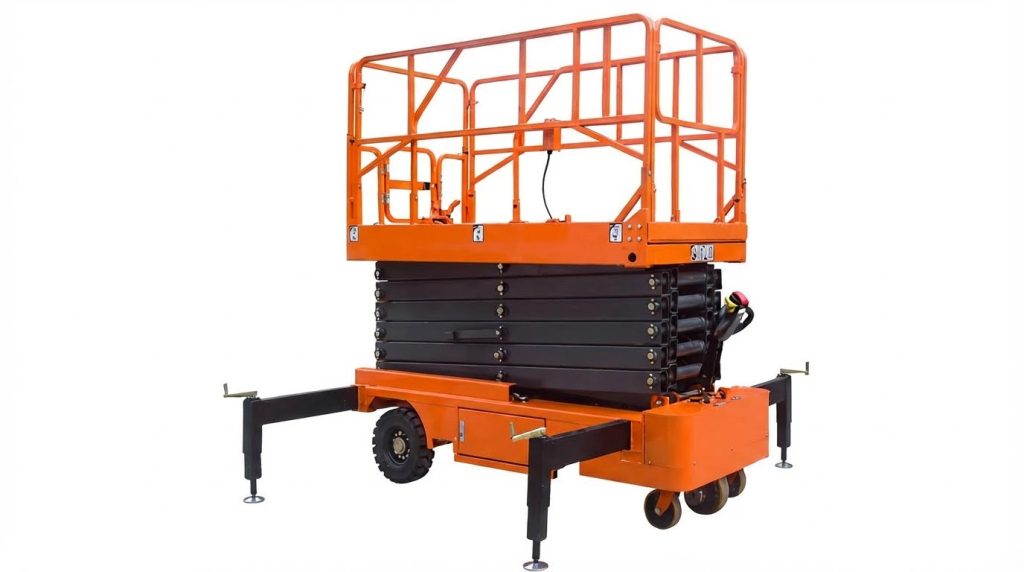
Recordkeeping underpins proof of when an aerial platform training expires and whether operators remained competent between cycles. Well-structured records reduce OSHA enforcement risk, support ANSI/CSA conformance, and give safety managers data to justify refresher timing. Mechanical, electrical, and control hazards on MEWPs changed over time, so documentation had to show that training content stayed aligned with current technology and site conditions. Robust systems also helped quantify lifecycle cost and risk across large mixed fleets.
Required Training Records And Retention Periods
OSHA required employers to certify that aerial platform operators received training, evaluation, and, when needed, retraining. A compliant record identified the trainee, the instructor or evaluator, the training date, and topics covered, including equipment-specific content. Employers typically kept these records for the duration of employment, even when the formal certification validity was three years or one year, depending on the adopted program. Clear documentation of issue and expiry dates answered the practical question “when does an aerial work platform training expire” during inspections or post-incident investigations. Where companies used a three-year MEWP cycle, records showed the last full course date plus any interim refreshers triggered by accidents, near misses, or performance issues. In stricter internal systems using annual renewal, records indicated a one‑year validity, with refresher completions logged as separate entries. Retention policies also covered toolbox talks, microlearning modules, and site-specific orientations, which demonstrated ongoing hazard communication beyond the base license period.
Structuring Certificates, Cards, And Digital Logs
Certificates, operator cards, and digital logs worked best when they carried harmonized data fields. Each document showed the operator’s name, unique ID, equipment class or category, completion date, and calculated expiration date. This structure allowed supervisors to verify at a glance whether scissor platform training had expired before assigning a task. Wallet cards supported field checks, while digital logs in learning management systems (LMS) or maintenance platforms provided deeper traceability. Digital systems could link an operator’s record to specific MEWP models, showing when familiarization training occurred for new technology. They also supported automated alerts 60–90 days before expiry, reducing the chance of lapsed credentials. Including audit trails of edits and reissues in the database helped demonstrate document integrity during OSHA or third‑party reviews. Consistent formats across certificates and cards simplified cross-site verification for large contractors and reduced administrative errors in expiry calculations.
Preparing For OSHA And Third-Party Safety Audits
Audit-ready organizations treated training records as controlled documents, similar to inspection and maintenance logs. For OSHA or ANSI-based audits, safety teams prepared a matrix that mapped each operator to their current MEWP category, last training date, and training expiry date. Auditors often sampled records for operators involved in high‑risk tasks, recent incidents, or complex MEWP types. Being able to show that refresher training occurred within three years, or earlier when triggered by unsafe operation or new equipment, demonstrated due diligence. Third‑party safety audits for clients or insurers also examined alignment between documented training cycles and internal policies. If a company claimed annual aerial work platform renewals, any operator working past the one‑year mark without refresher training signaled a compliance gap. Pre‑audit reviews typically checked for missing signatures, inconsistent dates, and mismatches between site rosters and LMS exports. Providing organized electronic folders, with certificates, evaluation forms, and attendance sheets, shortened audit duration and reduced follow‑up requests.
Using Records To Manage Lifecycle Cost And Risk
Training records did more than prove when an aerial work platform training expired; they also supported risk and cost analysis. By correlating incident logs with operator experience, expiry status, and refresher history, safety engineers could identify patterns, such as higher near‑miss rates in the last six months of a certification cycle. This evidence informed decisions on whether to maintain a three‑year renewal interval or shift to annual micro‑refreshers for specific high‑risk tasks. Digital records also linked training histories with MEWP utilization, allowing fleet managers to see which platforms required additional familiarization because of advanced controls or new safety systems. Where insurers requested loss-control data, companies could demonstrate that operators involved in claims held valid, in‑date training at the time of the event. Over time, these datasets supported cost–benefit calculations, comparing the expense of more frequent refreshers against reductions in downtime, damage, and regulatory penalties. Structured recordkeeping therefore became a core engineering control within the broader MEWP safety management system.
Summary: Align Training, Compliance, And Safety
When does an aerial work platform training expire depends on the governing standard, employer policy, and risk profile. OSHA and ANSI guidance historically supported three‑year MEWP retraining cycles, while some programs adopted annual expiration to drive tighter control. A practical strategy aligned training intervals with incident history, technology changes, and site hazards rather than using a single fixed date. This summary connects renewal timing, refresher design, and recordkeeping so employers can maintain compliant, defensible, and safety‑focused aerial work platform programs.
Technically, most aerial work platform or scissor lift certifications remained valid for a maximum of three years, but retraining triggered earlier after accidents, near misses, unsafe operation, or long gaps in use. Some employers chose one‑year expiration dates to exceed the minimum and keep competencies current. The key finding was that the question “when does an aerial work platform training expire” could not be answered only with a calendar; it also depended on performance and site changes. Aligning renewal with risk reduced incidents and helped avoid OSHA penalties that exceeded USD 10,000 in documented cases.
From an industry perspective, regulators and standards bodies moved toward competency‑based approaches that combined periodic cycles with event‑based refreshers. Digital records, online modules, VR simulations, and AI‑driven analytics started to individualize refresher content, focusing on the hazards each operator struggled with most. Future trends pointed to integrated platforms where incident data, inspection findings, and utilization hours automatically generated targeted renewal or upgrade assignments, including advanced high‑risk qualifications comparable to PAL+‑type schemes.
For implementation, employers needed clear written rules for when aerial work platform training expires, how early refreshers were triggered, and how records proved compliance during audits. Policies worked best when they tied renewal dates to documented risk assessments, task types, and machine categories, and when they synchronized operator training with supervisor and occupant instruction. A balanced program treated training as a lifecycle control: it protected people, stabilized operating costs, and provided objective evidence that the organization actively managed MEWP risk rather than only reacting after incidents.