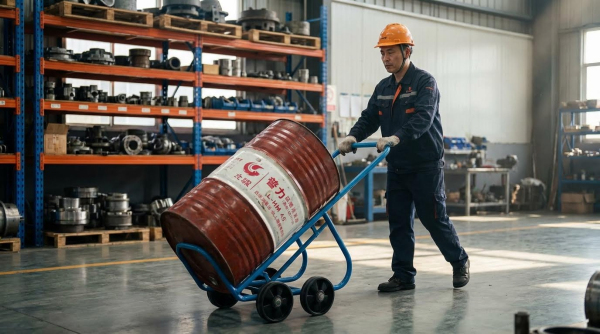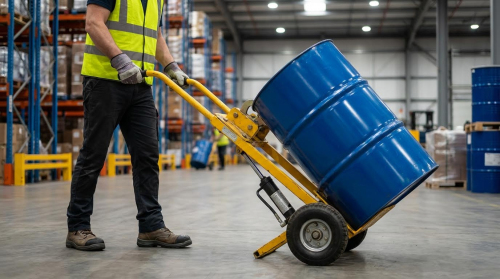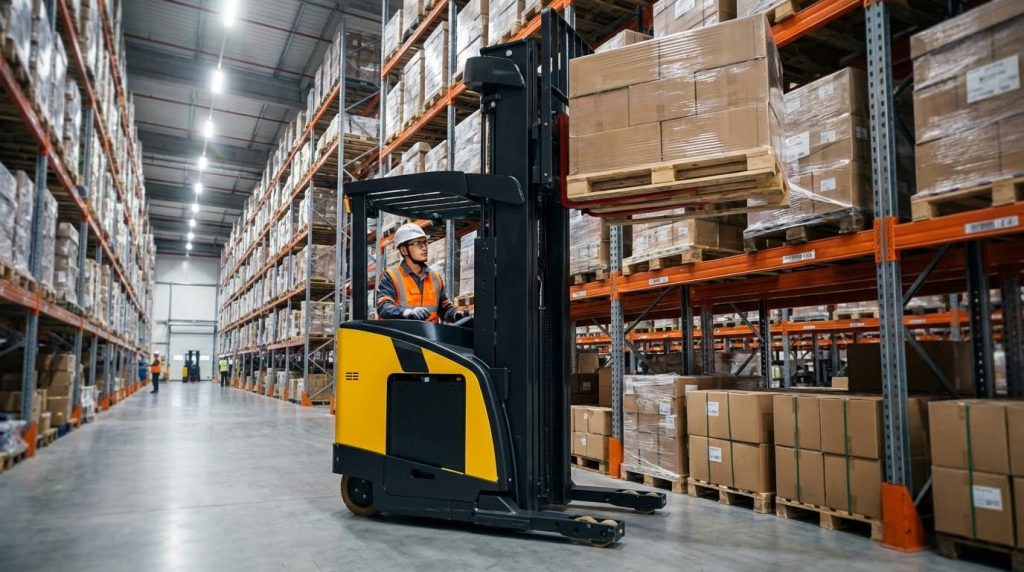
Understanding how many fully loaded pallets a forklift can lift per trip requires more than reading the nameplate. The full answer depends on rated capacity, load center, stability, attachments, terrain, and the operating envelope defined in the truck’s load chart. This article walks through the engineering calculations behind safe pallet counts, from single to multi-pallet configurations, and shows how to apply safety factors and regulatory margins. It also explains how standards, best practices, and emerging technologies shape safe, efficient pallet handling so you can determine a defensible “maximum pallets per trip” for any manual pallet jack or hydraulic pallet truck in service.
Core Factors That Limit Pallets Per Forklift Trip
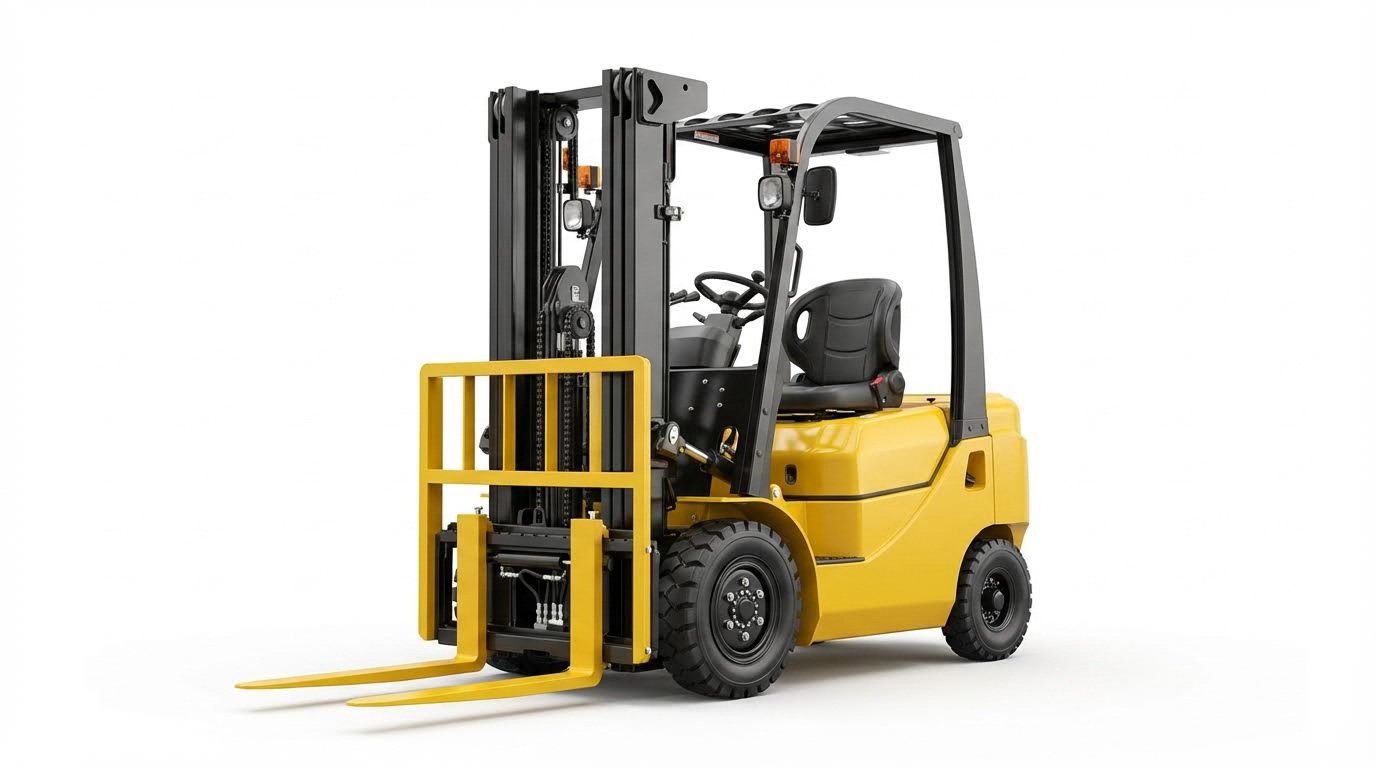
When planners ask “how many fully loaded pallets forklift lift per trip,” engineers look beyond the headline capacity figure. The answer depends on interacting limits: rated capacity versus load center, the stability triangle and center-of-gravity movement, the impact of attachments or multi-pallet tools, and the real operating envelope created by floor conditions and aisle geometry. Understanding these factors in combination lets you determine a safe pallet count per trip instead of relying on optimistic catalog values.
Rated Capacity, Load Center, And Pallet Count
The rated capacity on the forklift data plate assumed a specified load center, typically 500 mm from the fork face for standard pallets. When a truck carries two or more fully loaded pallets, the combined center of gravity usually moves forward beyond this nominal distance. Engineers used a simple load-moment relationship: rated capacity × rated load center ≥ actual load × actual load center. If the actual load center increased by 20–25%, the safe capacity dropped proportionally, often by 15–25% once safety margins were applied. Each additional pallet added both mass and distance, so the allowable “how many fully loaded pallets forklift lift” per trip was usually one or two, unless the truck and attachments were specifically rated for multi-pallet handling. Operators had to confirm the multi-load rating on the capacity plate or attachment documentation, not rely on the base truck rating.
Stability Triangle, CG Shift, And Tip-Over Risk
Forklift stability depended on the stability triangle formed by the two front wheels and the pivot point of the steer axle. The combined center of gravity of truck plus load had to remain inside this triangle for static stability. Adding extra pallets shifted the center of gravity forward and often upward, especially when stacking or lifting to higher tiers. Dynamic effects such as braking, turning, or travelling over uneven surfaces further displaced the center of gravity and reduced the effective margin. Multi-pallet configurations narrowed the gap between the center of gravity position and the triangle edge, so a minor operator error could trigger a forward or lateral tip-over. For this reason, stability considerations often limited pallet count per trip before the theoretical capacity limit was reached.
Effects Of Attachments And Multi-Pallet Tools
Attachments such as fork positioners, multi-pallet handlers, or telescopic forks added dead weight and moved the load further forward. Manufacturers therefore issued de-rated capacity charts for each attachment configuration. A truck originally rated for 2,500 kg at a 500 mm load center might drop to 1,600–1,800 kg when fitted with a multi-pallet clamp or double-pallet handler. This reduction directly cut the number of fully loaded pallets the forklift could lift in one trip. Multi-pallet tools also changed load geometry; two side-by-side pallets or two in-line pallets increased the effective load width or length, which raised torsional moments on the mast and carriage. Engineers evaluated both vertical load moment and torsional stability before approving multi-pallet operation. Operators had to treat the attachment’s rated capacity, not the base truck rating, as the governing limit.
Terrain, Aisle Layout, And Operating Envelope
The practical answer to “how many fully loaded pallets forklift lift safely” depended strongly on the operating environment. On smooth, level concrete with wide aisles, a truck with a rated multi-pallet attachment could legally and safely handle two or more pallets per trip within its de-rated capacity. On ramps, dock plates, or floors with local settlement, the effective stability margin dropped sharply because the center of gravity moved relative to the stability triangle. Slopes above roughly 5° significantly increased tip-over risk, especially with elevated or multi-pallet loads. Narrow aisles, tight turns, and congested traffic required slower speeds and reduced pallet counts to maintain control and visibility. Engineers therefore defined different operating envelopes, often allowing maximum pallet count only on designated routes with verified floor flatness, adequate aisle width, and controlled gradients.
Engineering Calculations For Safe Pallet Handling
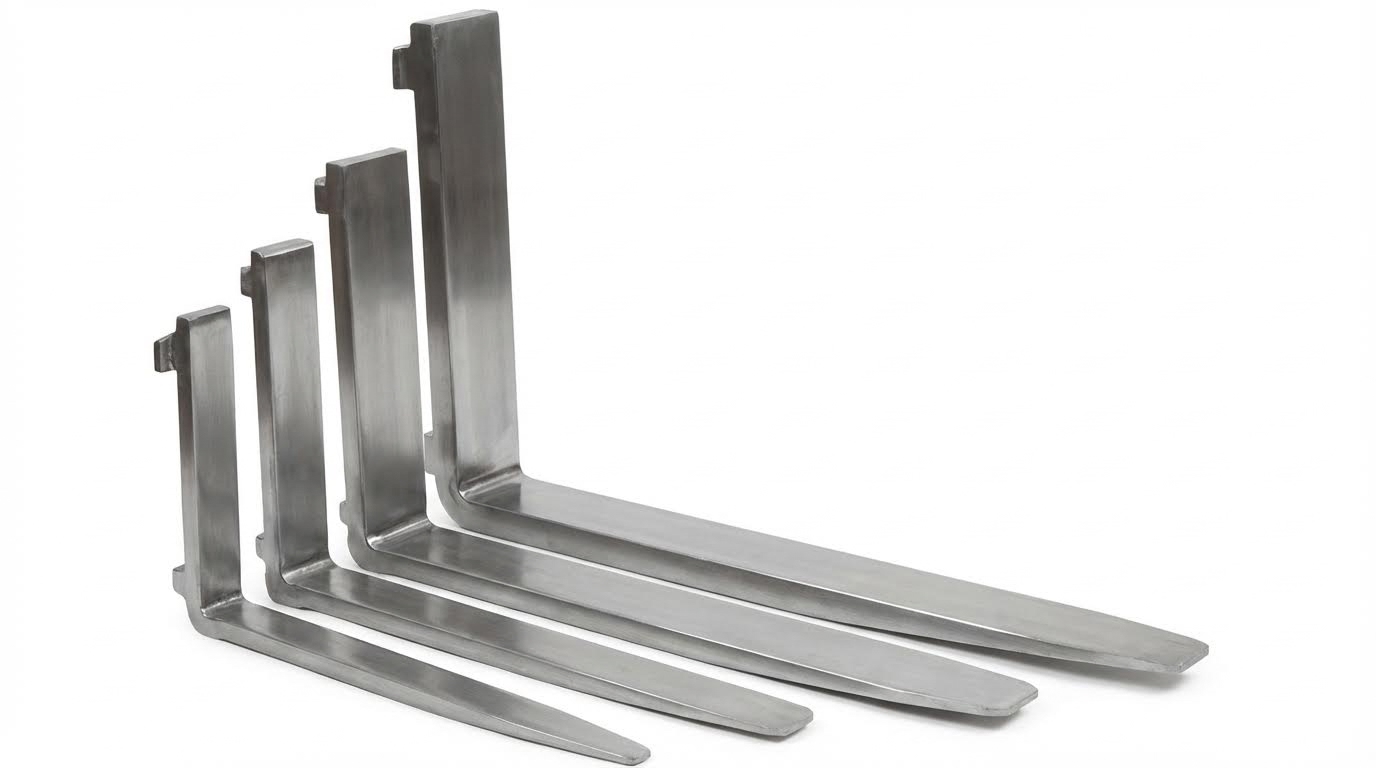
Engineering calculations determine how many fully loaded pallets a forklift can lift per trip without breaching capacity or stability limits. Engineers combine rated capacity, load center, and load moment principles with safety factors and regulations to define safe pallet counts. This section explains how to interpret load charts, adjust for height and tilt, and derate capacity for multi‑pallet configurations. It also shows how to embed regulatory margins so theoretical calculations translate into safe daily operations.
Using Load Charts, ROC, And Load Center Formulas
Load charts and Rated Operating Capacity (ROC) values give the starting point for calculating how many fully loaded pallets a forklift can lift. Manufacturers typically state ROC at a standard load center, such as 500 mm or 600 mm, and at a defined lift height. Engineers then adjust this rating using the load center formula: Safe Capacity = ROC × (Standard Load Center ÷ Actual Load Center). If a forklift had a 2 500 kg ROC at a 500 mm load center, but a long pallet pushed the actual load center to 600 mm, the theoretical capacity would drop to about 2 083 kg before adding any safety margin. This reduction becomes critical when estimating whether the truck can handle one heavy pallet, two medium pallets, or multiple light pallets in a single trip. If the combined pallet mass and attachment weight exceed the derated capacity, the configuration is unsafe even if the truck can physically lift the load.
Single, Double, And Multi-Pallet Configurations
Single pallet handling uses the base ROC with only modest adjustments for load shape and height, so capacity calculations are straightforward. When an operator lifts two pallets front to back, the combined center of gravity moves forward, effectively increasing the load center and reducing allowable total mass. Engineers therefore treat double‑pallet handling as a multi‑load system and calculate an equivalent single load center based on the weighted average distance of each pallet’s center of gravity from the fork heel. Multi‑pallet attachments that carry three or more pallets amplify this effect and can push the combined center of gravity well beyond the standard design point. In practice, safe pallet counts often drop to two or even one when pallets are fully loaded near their structural limit of about 2 000 kg, especially on trucks with modest ROC values. The key question is not only how many fully loaded pallets a forklift can lift, but how far forward their combined center of gravity moves relative to the truck’s stability triangle.
Adjusting Capacity For Height, Tilt, And Stacking
Lift height strongly influences how many fully loaded pallets a forklift can handle per trip. As mast height increases, the load’s center of gravity rises, which reduces the lateral stability margin and can trigger additional derating on the load chart. Engineers therefore read capacity values at the actual intended stacking height, not just at ground level. Mast tilt also changes effective load center: forward tilt moves the center of gravity outward and increases overturning moment, while slight back tilt pulls the load closer and improves stability. When stacking pallets up to heights around 7 m, the combination of height, tilt, and dynamic motion during travel can reduce safe capacity by 20–30% compared with low‑level handling. For multi‑pallet lifts, the highest pallet tier often governs, because any sway or oscillation at height amplifies the risk of tip‑over. Calculations must therefore include vertical CG position, tilt angle, and expected acceleration when braking or turning.
Applying Safety Factors And Regulatory Margins
Engineering calculations for pallet counts must end with conservative safety factors that align with OSHA, PUWER, and related standards. A common approach applies a 10–20% reduction to the theoretical capacity derived from ROC and load center formulas, yielding an operational limit that accounts for measurement uncertainty, dynamic loads, and operator variability. For example, a configuration that produced a 4 000 kg theoretical capacity might be limited to 3 200–3 600 kg in real operations. That margin directly influences how many fully loaded pallets a forklift can lift; a truck that could theoretically move three light pallets might be restricted to two when regulatory margins are applied. Compliance checklists also require daily inspections and proper training in load moment principles, so operators understand why these deratings exist. Embedding these safety factors in site rules, fleet management software, and digital load indicators ensures that engineering calculations translate into consistent, enforceable limits on pallets per trip.
Safety, Compliance, And Technology Advancements
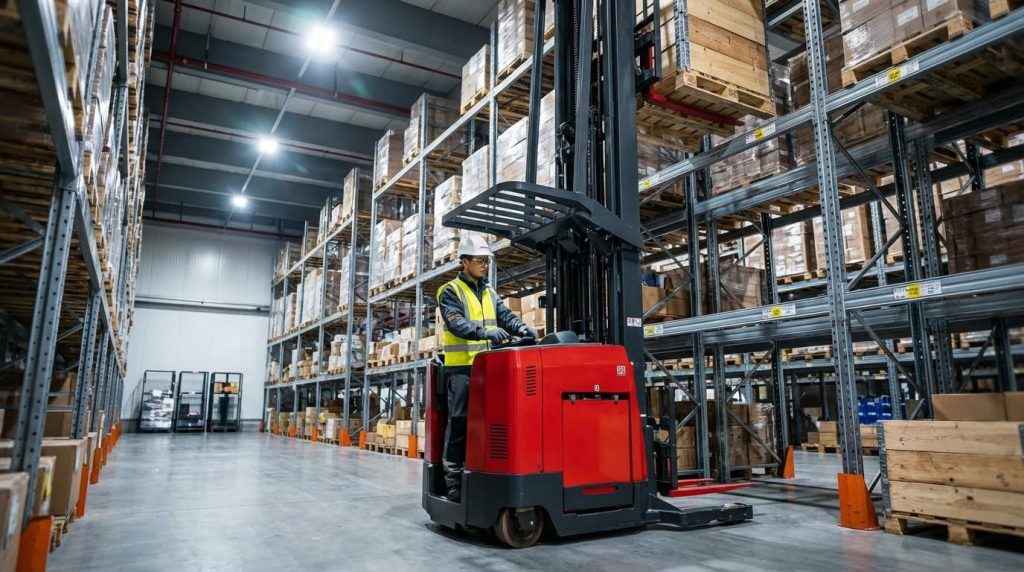
Safety rules and modern technology directly limited how many fully loaded pallets a forklift could lift per trip. Regulations defined mandatory capacity margins, while digital tools monitored stability in real time. Operations that integrated compliance, best-practice loading, and advanced sensors achieved higher pallet throughput without increasing risk. This section links legal frameworks, field procedures, and emerging technologies to practical pallet-per-trip decisions.
OSHA, PUWER, LOLER, And ISO Design Constraints
OSHA, PUWER, LOLER, and ISO standards collectively constrained how many fully loaded pallets a forklift could lift safely. OSHA 1910.178 required operators in the United States to follow the truck’s rated capacity and use load charts, which effectively capped pallet count per trip. In the United Kingdom, PUWER governed most low-lift hydraulic pallet truck, while LOLER applied to high-lift operations, demanding periodic thorough examinations that verified lifting mechanisms against design loads. ISO industrial truck standards defined test methods, stability criteria, and marking requirements, so manufacturers rated capacity at a specified load center and height, not at arbitrary multi-pallet configurations. When a site attempted double- or multi-pallet handling, safety managers had to demonstrate that the combined pallet mass, stacked height, and shifted center of gravity still sat within these standardized limits. In practice, compliance checklists forced conservative assumptions about pallet weight and distribution, which reduced theoretical pallet-per-trip numbers to values that regulators considered demonstrably safe.
Best Practices For Pallet Loading And Securing
Best-practice loading directly influenced how many fully loaded pallets a forklift could lift without instability. Supervisors first specified a maximum pallet weight, often below 2 tonnes, and enforced uniform stacking patterns that used at least 80% of the pallet surface. Operators positioned forks as wide as the pallet openings allowed, inserted them fully, and centered the combined pallet stack so the load’s center of gravity stayed close to the truck’s design load center. Loads were wrapped, strapped, or banded to prevent shifting, and the overall center of gravity height stayed below roughly two-thirds of pallet width to limit overturning moment. When carrying two pallets, these rules became stricter: both pallets needed similar mass, similar stacking height, and secure wrapping to avoid differential sway during turns or on uneven surfaces. Sites that ignored these practices often found that the theoretical capacity for two fully loaded pallets per trip became unsafe in real operations, especially near maximum lift height or on sloped floors.
Sensors, AI, And Digital Tools For Stability
Modern sensors and AI tools changed how engineers evaluated how many fully loaded pallets a forklift could lift per trip. Load stability indicators and weighing forks measured actual pallet mass and load center, then compared the result with the truck’s rated operating curve in real time. If the combined load or its moment approached the limit, the system warned the operator or restricted lift and travel functions, effectively enforcing a dynamic pallet-per-trip cap. Vision systems, cameras, and laser alignment aids improved fork placement on multi-pallet picks, reducing partial fork engagement and uneven loading that previously caused tip-overs. AI-based collision-avoidance systems monitored surrounding traffic and obstacles, which allowed safer operation at higher utilization levels without relaxing capacity rules. Fleet management platforms logged overload events, near-misses, and brake or mast alarms, so engineers could correlate incident data with pallet counts and refine internal rules on when double- or multi-pallet handling remained acceptable.
Energy Efficiency, Maintenance, And Lifecycle
Energy efficiency and maintenance strategies also influenced how many fully loaded pallets a forklift could lift per trip over its lifecycle. Lithium-ion powered trucks typically achieved up to about 30% lower energy consumption than comparable lead-acid designs, which supported frequent starts, short runs, and repeated lifting of heavy pallet pairs without deep performance sag. However, repeated operation at or near rated capacity accelerated wear on hydraulics, forks, and mast components, so maintenance programs needed strict inspection intervals for cracks, deformation, and chain elongation. Predictive maintenance tools used sensor data and operating hours to flag trucks that experienced frequent overload attempts or high-duty multi-pallet cycles, prompting earlier component replacement before structural capacity degraded. Engineers also considered whole-life energy and maintenance costs when deciding whether multi-pallet attachments were justified: higher per-trip pallet counts reduced travel cycles but increased instantaneous stress, so lifecycle models balanced throughput gains against accelerated component fatigue and battery cycling.
Summary: Determining Safe Pallets Per Trip
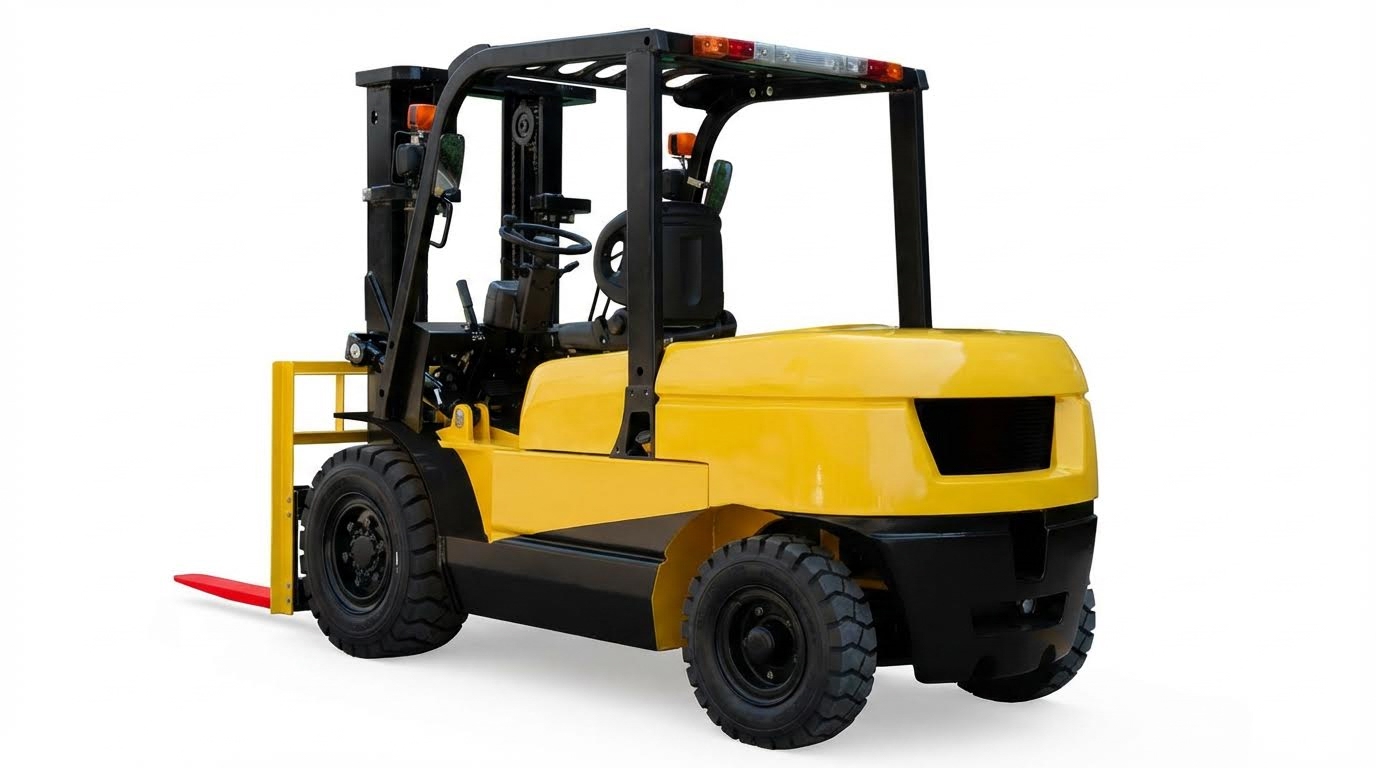
Determining how many fully loaded pallets a forklift can lift per trip requires a structured engineering and regulatory approach, not a rule-of-thumb. The starting point is always the truck’s rated capacity at the specified load center from the data plate and load chart. Operators then adjust this value for real-world factors such as pallet weight, load height, attachments, lift height, and travel distance. Applying appropriate safety factors and observing legal limits ensures that productivity gains never compromise stability or compliance.
From an engineering perspective, the safe pallet count per trip equals the adjusted capacity divided by the verified mass of each pallet load, rounded down to the nearest whole pallet. Adjustments must account for increased load center when carrying multiple pallets, reduced residual capacity from fork positioners or multi-pallet attachments, and any height, tilt, or stacking requirements. On uneven terrain or slopes, effective capacity and stability margins decrease significantly, so operations should revert to single-pallet handling or lower stacking heights. Stability considerations focus on keeping the combined center of gravity within the stability triangle and below the recommended height relative to pallet width.
Regulations such as OSHA 1910.178, PUWER, and LOLER require that operators never exceed rated capacity, follow the manufacturer’s load charts, and complete regular inspections and training. Emerging technologies, including load stability sensors, on-board weighing forks, and AI-based collision avoidance, have already improved the reliability of real-time capacity decisions. Over the next decade, digital twins, connected fleet analytics, and automated rule engines will likely calculate safe pallets per trip dynamically based on live sensor data. In practice, facilities that standardize pallet weights, maintain equipment rigorously, and embed conservative safety margins achieve high throughput while keeping the answer to “how many fully loaded pallets can a walkie pallet truck lift per trip” firmly inside demonstrable engineering and legal limits.