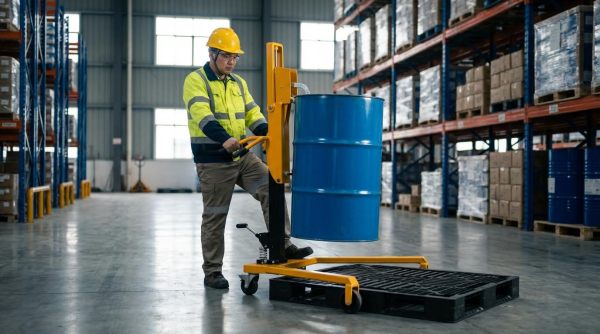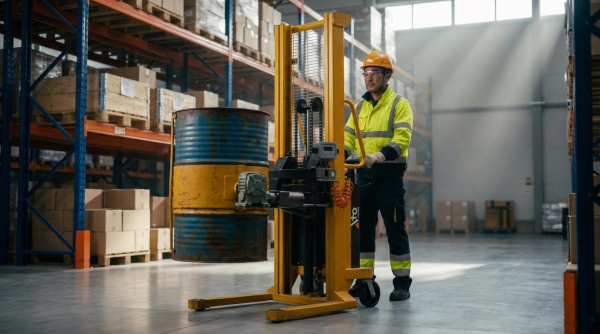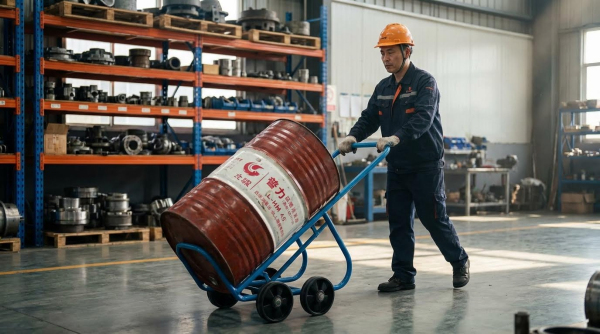
Facilities searching for how to move drums of chemicals safely must balance ergonomics, containment, and regulatory duties. This article walks through risk assessment, drum classification, and inspection steps that shape compliant handling plans for hazardous and non-hazardous liquids.
You will see how to match drum handling equipment and secondary containment to drum size, mass, and chemical hazard class. The article then explains safe lifting, transfer, and spill-prevention procedures, including PPE, ventilation, and ignition control for flammable products.
Later sections connect emergency response planning with practical choices like spill pallets, salvage drums, and zoning for incompatible chemicals. The summary consolidates these elements into a short checklist that helps engineers, EHS leaders, and supervisors build a robust program for moving and storing chemical drums.
Risk Assessment And Regulatory Requirements
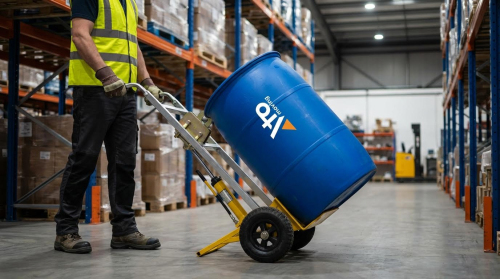
Safety teams that ask how to move drums of chemicals must start with risk assessment and regulations. This section explains how to classify contents, inspect drum integrity, and apply spill-control rules before any movement. It also shows how zoning and segregation prevent incompatible chemicals from turning a simple move into a major incident.
Classifying Drum Contents And Hazards
Safe movement always starts with knowing what is inside the drum. Labels, safety data sheets, and shipping papers define if the contents are flammable, corrosive, toxic, oxidizing, or reactive. If a drum is unlabeled or unclear, treat it as hazardous and keep it closed until sampling confirms the contents. This approach reduces the chance of exposure, ignition, or violent reaction during handling.
Before planning how to move drums of chemicals, classify each drum by:
- Physical state: gas, liquid, or solid
- Primary hazard: fire, toxicity, corrosivity, reactivity
- Secondary hazards: pressure, temperature, radioactivity
Use this classification to set PPE, handling methods, and containment needs. For example, flammable liquids need ignition control and bonding, while strong acids need splash protection and corrosion-resistant surfaces. Mixed storage without classification increases the risk that a small leak becomes a large release.
Pre-Move Inspection And Integrity Checks
Inspect each drum before any lift, roll, or transfer. Look for rust, dents at the chime, bulging heads, wet spots, missing bungs, or loose lids. Replace missing closures and tighten fittings before you move the drum. If the drum is stacked or buried and you cannot see it, relocate it to an accessible area and then inspect it.
Key checks before deciding how to move drums of chemicals include:
| Check item | Reason |
|---|---|
| Label and markings | Confirm contents and hazards |
| Estimated mass | Choose suitable handling equipment |
| Shell and chime condition | Avoid failure during lifting or rolling |
| Leaks or stains | Trigger containment and salvage actions |
Drums that may rupture if moved should be emptied into a sound container using approved transfer devices. Keep salvage drums and absorbents near work areas where leaks are possible. This reduces response time if an inspection finds damage.
OSHA, DOT, And Local Spill-Containment Rules
Regulations define minimum controls before and during drum movement. OSHA rules require a hazard assessment, suitable PPE, and fire protection near drums with flammable or toxic contents. Drums larger than about 200 litres with flammable liquids often need secondary containment that holds at least 35% of the stored volume. Employers must also keep fire extinguishers rated for the specific hazard close to transfer points.
Transport rules treat every move on public roads as a shipment. Drums must be closed, secured against tipping, and correctly labeled for the hazard class. Local codes often add bunding or sump capacity requirements around storage and transfer areas. When planning how to move drums of chemicals, verify that the route, equipment, and temporary staging zones all maintain required containment volume. A written spill containment program should define how to isolate and capture the full drum volume during major transfer operations.
Zoning, Segregation, And Incompatible Chemicals
Zoning and segregation reduce the impact if a drum leaks while moving. Group storage and handling areas by hazard class, such as flammable liquids, oxidizers, and corrosives. Keep known incompatible chemicals apart, even when drums seem sound. Typical separation uses distance, fire-rated walls, or dedicated sumps so that a single spill cannot mix with another reactive liquid.
Before you decide how to move drums of chemicals through a plant, map the route across these zones. Avoid paths that pass close to ignition sources, hot surfaces, or incompatible storage. Use marked inspection and transfer areas with good lighting and level floors. Clear labeling and floor markings help operators park, stage, and move drums without crossing segregation lines. This zoning approach turns each move into a controlled operation instead of an improvised task.
Selecting Drum Handling Equipment And Containment
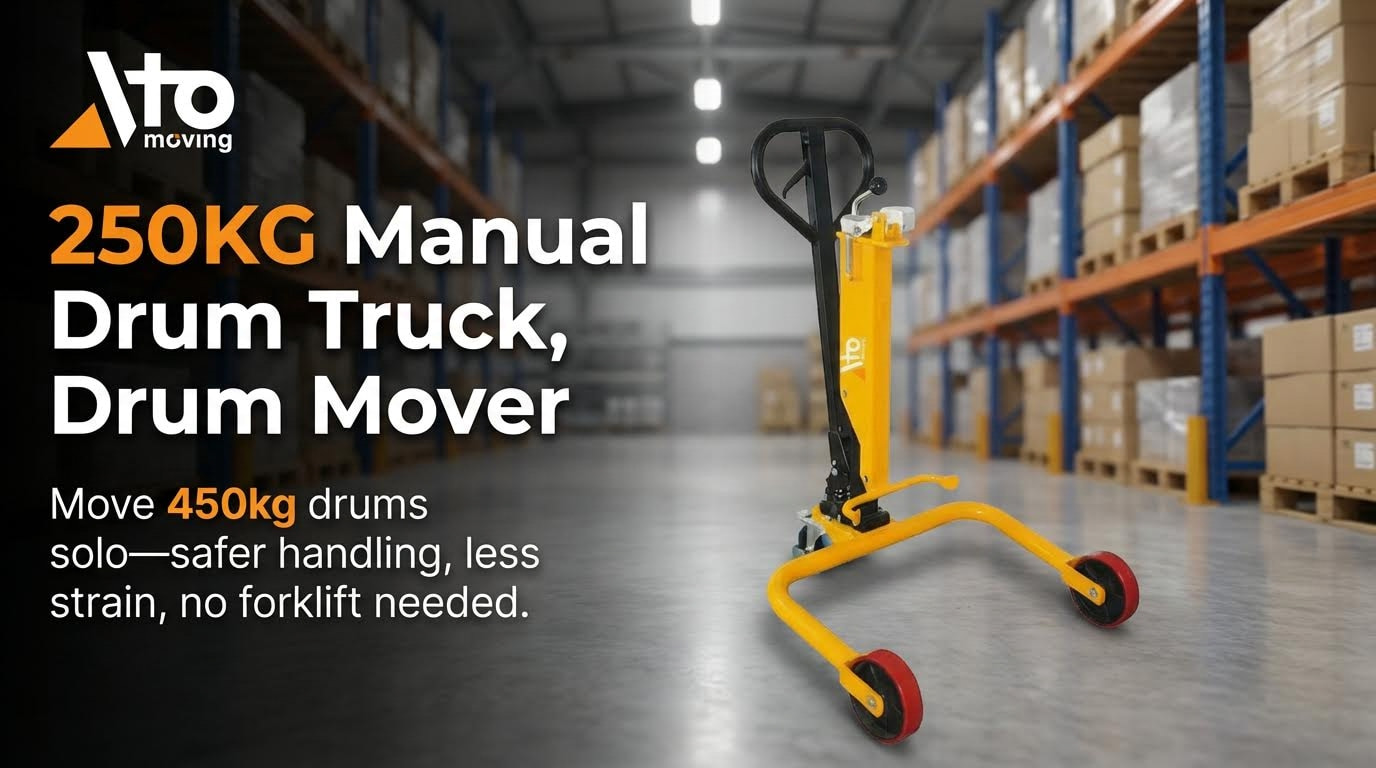
Safe choices for drum movers and spill control start with a clear view of risk. Engineers must link each tool to drum type, fill level, and chemical hazard. This section explains how to move drums of chemicals with the right mix of handlers, spill pallets, and containment systems. It focuses on practical selection rules that support OSHA and spill-control requirements while keeping operators out of the line of fire.
Matching Equipment To Drum Type, Size, And Mass
Selection starts with drum geometry and weight. A typical 205 litre steel or plastic drum can weigh several hundred kilograms when full. Equipment must support this mass with a safety margin and keep the drum restrained during starts, stops, and turns. The goal is stable handling, not just rated capacity on paper.
Key matching checks for how to move drums of chemicals safely include:
- Drum construction: steel, plastic, or fibre needs compatible grippers and clamps.
- Head type: open-head versus tight-head affects lifting points and tilt options.
- Diameter and height: frames, cradles, and dollies must fit without excessive clearance.
- Mass and centre of gravity: trucks and lifters must remain stable with raised loads.
Engineers should also check floor conditions, slopes, and thresholds. Small wheels on a drum dolly can bind on rough floors and raise push forces. Wide, chemical resistant wheels reduce effort and protect coatings. Where drums hold flammable liquids, non-sparking contact surfaces and bonding points reduce ignition risk during movement.
Manual, Hydraulic, And Powered Drum Movers
Manual, hydraulic, and powered movers each suit different duty levels and risk profiles. Manual drum trucks, cradles, and dollies fit low volume handling and short moves on good floors. They reduce lifting but still rely on operator push or pull force. This keeps cost low but limits throughput and increases strain in heavy use.
Hydraulic drum stackers and lifters add vertical travel with foot or hand pumps. They help load pallets, racks, and spill pallets without manual deadlifting. Typical designs grip the drum by the chime or body and raise it to working height. Hydraulic units work well where power is not available or where only a few drums move per hour.
Powered drum handlers use electric or internal combustion drives. They include walk-behind movers, ride-on units, and below-hook attachments. These tools handle higher volumes, longer travel paths, and tight schedules. They also cut musculoskeletal injury risk because the system provides both lift and traction. When choosing powered units, engineers must consider battery type, spark risk, and zoning for flammable atmospheres.
Spill Pallets, Racks, Carts, And Secondary Containment
Containment is central to how to move drums of chemicals without uncontrolled spills. Secondary containment must hold leaks from a failed drum and drips during transfer. For drums of 200 litres or more, many rules required bunds or pans that hold at least a set fraction of the stored volume, often 25–35%. Designers must also consider local fire and environmental codes.
Common containment options include:
| Solution | Typical use | Key features |
|---|---|---|
| Spill pallets | Static drum storage | Sump volume, removable grates, forklift pockets |
| Drum racks | Horizontal dispensing | Stackable frames, integrated sumps or base pans |
| Spill carts and dollies | Mobile transfer | Enclosed sumps, pour spouts, braking castors |
| Modular bunds | Tank and IBC areas | Linked sumps, ramp access |
Engineers should verify chemical compatibility for all wetted plastics and seals. Polyethylene usually suits acids, caustics, and many organics, but not all solvents. Racks and pallets must also support combined drum mass with acceptable deflection. For example, two 205 litre drums on a rack can impose several kilonewtons on a narrow beam. Low deflection keeps drums level and reduces tipping risk during handling.
Integration With Forklifts, AGVs, And Cobots
Integrating drum handling with forklifts, automated guided vehicles, and cobots improves flow and reduces manual touches. Forklift drum clamps and below-fork attachments let drivers lift, tilt, and place drums without leaving the seat. This speeds up work but demands strict training and clear traffic routes. Loads must remain within truck capacity charts, especially when drums are clamped ahead of the forks.
AGVs and mobile robots can move drums between storage, decanting, and production cells. They follow mapped routes with defined speeds and stopping distances. To use them safely, engineers must design standardized pick-up points, robust guarding, and interlocks at transfer stations. Sensors should detect misaligned drums before lift or clamp actions start.
Cobots can support drum-related tasks such as opening bungs, positioning funnels, or handling small containers near large drums. They must not take over primary lifting of full drums unless paired with certified mechanical fixtures. In all automated systems, secondary containment stays essential. Spill pallets, bunded lanes, and local sumps must assume that a drum can still leak during a robotic move.
Safe Handling, Transfer, And Spill-Prevention Procedures
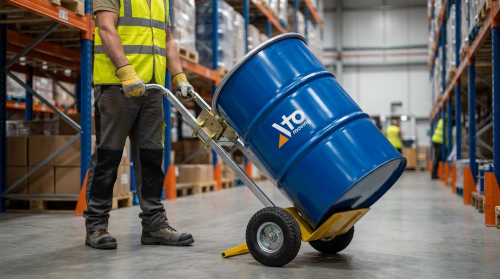
Safe chemical drum handling starts with a clear plan for each move. Supervisors should link procedures to the site hazard assessment and spill-control plan. Operators then follow repeatable steps for lifting, tilting, transferring, and emergency response. This section explains how to move drums of chemicals safely while limiting leaks and exposure.
Drum Lifting, Tilting, And Stacking Best Practices
Full 205-litre drums often weigh 180–360 kilograms. Manual lifting is not acceptable for these loads. Use purpose-built drum trucks, lifters, or pallet-handling gear whenever possible. This cuts back injuries and keeps drums stable during movement.
Before lifting, check bungs and lids and tighten them. Read the label and treat any unlabeled drum as hazardous. Keep drums vertical during travel unless you use approved tilting or rotating gear for controlled pouring. Avoid sudden stops, sharp turns, and uneven floors, because these create side loads and can tip drums or carts.
Stacking rules should follow both regulations and site policy. A common safe practice is to limit free-standing rows to two drums high and two drums wide. Taller stacks make inspection difficult and raise collapse risk. When you stack on racks, confirm rack capacity and use chocks or containment features to stop rolling and shifting. Never pressurize drums to empty them; use pumps or gravity systems sized for the liquid and viscosity.
Leak Prevention During Dispensing And Transfers
Most spills occur during filling, dispensing, or line changeovers. Plan transfer steps in advance and keep spill-control gear close to the work area. Use funnels that fit the drum opening and have splash guards or lids to reduce drips. For flammable liquids, use non-sparking tools and bonding and grounding as required by your fire and electrical codes.
Operators should avoid overfilling. Leave headspace that matches chemical and temperature limits. When you move drums of chemicals for dispensing, park them on spill pallets, dollies with sumps, or carts with integral containment. This captures leaks at the source. Check hose connections, gaskets, and valves before each use. Close valves and replace bungs as soon as transfers stop. A written checklist for transfer steps helps keep small leaks from turning into reportable spills.
PPE, Ventilation, And Ignition-Control Measures
Personal protective equipment must match the drum contents and task. At a minimum, chemical-resistant gloves, safety footwear, and eye protection are common for drum handling. Aprons, face shields, or respiratory protection may be necessary for corrosive, toxic, or volatile liquids. A site hazard assessment should define PPE levels for each drum class and work area.
Good ventilation reduces vapor build-up during transfers and spill cleanup. Local exhaust near filling points helps keep airborne levels lower. For flammable or explosive vapors, keep drums away from hot surfaces, open flames, and unprotected electrical gear. Follow rules that forbid storing pressure vessels and drums with flammables near ignition sources. Use only tools and handling equipment that will not create sparks in designated hazardous zones. Clear signs, lockout of heaters, and regular inspections reinforce these controls.
Emergency Response, Spill Kits, And Salvage Drums
Every area where you move drums of chemicals should have a simple, written emergency plan. The plan must cover alarm steps, initial containment, evacuation routes, and cleanup limits for operators. Spill kits should match the largest likely release and the chemicals in use. Typical kits include absorbent pads, neutralizers, non-sparking tools, and disposal bags or containers.
Regulations require salvage drums and suitable absorbents where leaks and ruptures may occur. Use approved salvage drums to overpack damaged or leaking containers. If a drum cannot be moved without rupture, transfer the contents with a pump or device rated for that chemical into a sound container. Fire extinguishers rated for the hazard class must stay near drum handling and transfer points. Regular drills and short toolbox talks help operators react quickly and safely when a spill or small fire occurs.
Summary: Key Practices For Safe, Compliant Drum Handling
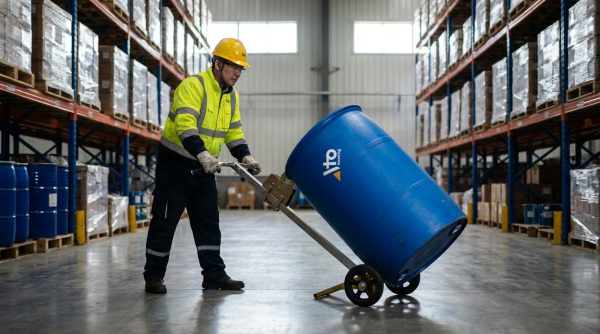
Safe drum handling starts with a clear plan for how to move drums of chemicals without leaks or injuries. Facilities need robust methods for inspection, lifting, transfer, and spill control. The goal is simple. Keep the drum sealed, the chemical contained, and the operator out of harm’s way.
Key engineering practices include pre-move inspections, conservative stacking, and correct equipment selection. Drums should be checked for labels, closures, corrosion, and deformation before any move. Unlabeled or damaged drums must be treated as hazardous and handled with extra controls. Site layouts should limit drum travel distance and avoid unnecessary re-handling.
From a regulatory view, OSHA, DOT, and local spill rules require hazard assessment, secondary containment, and ready access to spill kits and salvage drums. Typical controls include bunded storage, spill pallets, and dikes sized for a defined percentage of drum volume. Fire extinguishers, ventilation, and ignition control are mandatory where flammable vapors may exist.
Future practice will combine proven mechanical tools with better sensing and tracking. Digital logs, zone mapping, and real-time alerts will support operators but will not replace basic discipline. Facilities that standardize safe routes, train staff, and match Atomoving and other equipment to drum mass and chemistry will handle change in regulation and technology with minimal disruption.
Frequently Asked Questions
What is the best way to move drums of chemicals?
To move drums of chemicals safely, always use the right drum handling equipment. A drum truck, forklift attachment, or below-hook drum lifter specifically designed for drum handling is recommended. Avoid moving drums with a bare fork on your forklift as it can cause slippage or damage. Drum Handling Safety Tips.
- Use equipment designed for drum handling.
- Avoid using bare forks on forklifts.
What safety precautions should be taken when moving chemical drums by hand?
If you need to move chemical drums by hand, ensure proper body mechanics to prevent injury. Move your shoulders low and close to the drum, then push forward slowly with your legs until you feel the drum reach its balance point. When dragging or pulling, place your hands at shoulder width, brace the drum with your foot, and shift your weight to the rear foot. USDA Drum Moving Guide.
- Use proper body mechanics to avoid injury.
- Brace the drum with your foot while pulling.