Operators who ask can you transport diesel in a metal drum need clear regulatory and engineering answers. This article explains how UN/DOT drum codes, 49 CFR design rules, and UK oil storage regulations control diesel in metal packaging from 20 litres up to 450 litres.
You will see how drum construction, material thickness, welded seams, and closures affect leak risk, fire behaviour, and long-term corrosion when carrying diesel. The article then compares real-world pros and cons of metal drums against IBCs, collapsible drums, and fixed bulk tanks for plant and remote-site supply chains.
Each section links compliance duties to practical design and handling choices, so EHS, maintenance, and logistics teams can align on one defensible standard for diesel storage and transport. Throughout, examples focus on typical 205‑litre drums and similar UN-rated containers used in industrial plants and field operations.
Regulatory Framework For Diesel In Metal Drums
Operators who ask can you transport diesel in a metal drum must treat it as a regulated dangerous goods task. Rules do not ban metal drums, but they strictly control design, testing, and use. This section explains how UN/DOT drum codes, United States federal rules, workplace safety limits, and UK oil storage rules interact. It gives a practical map so engineers can link drum markings to legal duties along the full diesel logistics chain.
UN/DOT Drum Codes: 1A1, 1A2, 1N1, 1N2 Explained
UN and DOT codes answer the core question can you transport diesel in a metal drum by linking packaging type to performance tests. Code 1A1 means a steel drum with a non-removable head, so the top is fixed and only small bung openings exist. Code 1A2 means a steel drum with a removable head, typically with a full open top and closing ring. Codes 1N1 and 1N2 cover non-steel metal drums, usually light alloys, with non-removable and removable heads.
These codes appear in the UN marking string together with test performance level and year. Only drums certified for liquids and for the correct packing group may carry diesel. Engineers should verify that the code matches the approved closure type and gasket set. Any swap of bungs, lids, or rings outside the tested design can void the certification.
| Code | Material | Head type | Typical diesel use |
|---|---|---|---|
| 1A1 | Steel | Non-removable | Standard 200–210 litre fuel drums |
| 1A2 | Steel | Removable | Blends, waste diesel, contaminated fuel |
| 1N1 | Other metal | Non-removable | Weight-sensitive applications |
| 1N2 | Other metal | Removable | Specialty or offshore use |
All four codes require leak-tight closures and proof testing. Users must also check the marked gross mass and specific gravity rating against actual diesel density and fill volume.
Key 49 CFR 178.504 And 178.506 Design Requirements
In the United States, 49 CFR 178.504 and 178.506 define if you can transport diesel in a metal drum and under which design limits. Section 178.504 covers steel drums, including 1A1 and 1A2 types. Section 178.506 covers metal drums made from other metals, coded 1N1 and 1N2. Both parts set maximum capacity at 450 litres and maximum net mass at 400 kilograms.
Key structural rules for steel drums include welded body seams above 40 litres and at least two rolling hoops above 60 litres. Chimes and closure flanges may be mechanically seamed or welded but must stay leak-tight under normal transport. Non-removable head drums may not have openings above 7.0 centimetres in diameter. Larger openings convert the drum into a removable head type by rule.
For non-steel metal drums, 178.506 requires welded seams and reinforced chimes. Rolling hoops must be tight and may not be spot welded. In both cases, minimum thickness for reuse links back to 173.28 and 178.503. If diesel is not compatible with the bare metal, an internal coating or treatment must resist fuel attack through the expected service life.
- Confirm drum UN code, capacity, and net mass rating.
- Check closure type and gasket match the tested design.
- Verify that internal coatings suit diesel and any additives.
- Keep reuse within the marked and regulatory thickness rules.
Diesel Classification, OSHA, And Fire Code Limits
From a safety and fire view, can you transport diesel in a metal drum depends on liquid class and storage quantity. Diesel usually fell into combustible liquid Class II or III under older systems, based on flash point above 60 degrees Celsius. OSHA treated such liquids as flammable or combustible depending on the exact flash point and test method. Fire codes then set limits on container size, stacking, and total volume per control area.
Metal drums up to 450 litres fit within typical maximum container size for these classes. However, outdoor storage areas often had aggregate limits near 4,200 litres to 4,500 litres before extra fire protection applied. OSHA rules also tied portable container use to proper grounding and bonding during transfer. Workers had to protect drums from impact and ignition sources.
Common fire code controls around diesel drums included:
- Minimum separation distances from buildings and lot lines.
- Clear access for fire apparatus and spill response.
- Rated fire extinguishers within 7.5 to 23 metres of drum groups.
- Ventilation and control of ignition sources in indoor areas.
Plants should align drum counts, rack layouts, and transfer points with these limits. Written procedures should define how many drums can be staged, how long they can sit, and how to isolate full from empty containers.
UK Oil Storage Rules And Secondary Containment
In the UK, the key question is less can you transport diesel in a metal drum and more how you store it without polluting water. The Control of Pollution Oil Storage Regulations applied to diesel in containers over 200 litres stored outside and above ground. A standard 205 litre drum therefore fell inside the scope. The rules covered fixed tanks, IBCs, drums, and mobile bowsers at commercial and industrial sites.
Core requirements for metal diesel drums included secondary containment sized for at least 110 percent of the largest container. For groups of drums, bund volume also had to cover 25 percent of total stored capacity, whichever figure was higher. The bund or drip tray had to resist impact and contain spills from ruptured drums or failed hoses. Pipe penetrations through bund walls needed tight seals to prevent leakage paths.
Good practice around diesel drums under these rules included:
- Locating storage at least 10 metres from surface waters.
- Keeping at least 50 metres from wells and boreholes.
- Using drip trays where fill points sat outside the main bund.
- Providing overfill protection when remote filling from tankers.
Scotland and Northern Ireland extended these rules to indoor storage. In England, similar measures indoors counted as best practice even when not strictly mandatory. Engineers should therefore design drum compounds, racking, and handling routes with bund capacity, drainage control, and vehicle impact protection built in from the start.
Engineering Design Of Metal Drums For Diesel
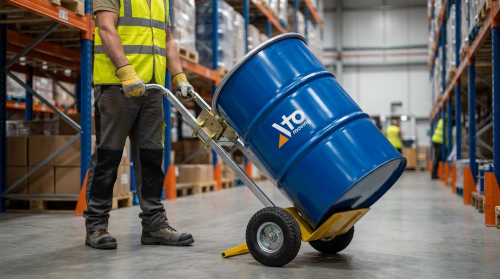
Engineers who ask can you transport diesel in a metal drum must focus on design, not only capacity. Regulatory codes such as 49 CFR 178.504 and 178.506 set the baseline for material, thickness, seams, and closures. Good drum engineering then adds corrosion control, impact resistance, and leak management for real field conditions. The following sections break these design elements into practical checkpoints for plant and logistics engineers.
Material Selection, Thickness, And Corrosion Control
Approved metal drums for diesel use steel or other suitable metals within UN/DOT codes 1A1, 1A2, 1N1, and 1N2. Designers must select sheet metal thickness that meets 49 CFR minimums for the intended capacity and reuse pattern. Thicker walls improve dent resistance and service life but increase tare mass and handling effort.
Corrosion is the main durability risk when you transport diesel in a metal drum outdoors. Rust starts at chimes, seams, and scratched areas where coatings are thin. Typical control measures include:
- External paint systems for weather and splash zones
- Optional internal linings where water contamination or aggressive additives are expected
- Strict limits on outdoor storage time and ground contact
For reusable drums, engineers should define inspection intervals and retirement criteria based on visible corrosion, wall loss, and leak test results. This approach keeps drums within regulatory thickness limits over their life.
Welded Seams, Rolling Hoops, And Structural Integrity
For liquids above 40 litres, 49 CFR required welded body seams. This rule reduced leak paths and improved drum rigidity in transport. Chimes may be welded or mechanically seamed, but they must withstand drop, stack, and vibration tests.
Rolling hoops are critical when you transport diesel in a metal drum through rough handling cycles. Drums above 60 litres must have at least two expanded or separate hoops. These stiffen the shell, reduce denting, and improve rolling and forklift contact.
| Feature | Main function |
|---|---|
| Welded body seam | Prevents weeping leaks along the sidewall |
| Reinforced chimes | Carry impact loads during drops and tipping |
| Rolling hoops | Limit local buckling and spread contact loads |
| Tight hoop fit | Prevents shifting; spot welding is not allowed |
Engineers should verify that hoop geometry matches lifting, strapping, and stacking methods used on site. Poor alignment often causes local crushing and early retirement.
Closures, Gaskets, And Leak-Tight Performance
When you ask can you transport diesel in a metal drum safely, closure design is usually the weak link. Non-removable head drums (1A1 or 1N1) have small openings up to 7 centimetres and rely on threaded plugs or similar fittings. Larger openings classify the drum as removable head (1A2 or 1N2) and require ring clamps or bolted bands.
Key closure design points include:
- Flanges welded or securely seamed to prevent creep and weeping
- Gaskets compatible with diesel, temperature range, and expected storage time
- Torque procedures for plugs and rings to achieve repeatable compression
Regulations require closures to remain secure and leakproof under normal transport conditions. Plants should add periodic leak testing, especially after drum reuse or reconditioning. Clear standard work for opening, resealing, and torque checks reduces operator error during filling and dispatch.
Internal Linings And Compatibility With Diesel
Base metals and diesel are usually compatible, but water, additives, and ageing can change the picture. Regulations state that if the drum metal, closure, or fittings are incompatible with the contents, a protective internal coating or treatment is mandatory. This rule applies equally to steel and non-steel metal drums.
Internal linings serve three main purposes when you transport diesel in a metal drum:
- Limit corrosion from any water phase or sulfur compounds
- Reduce rust particles that could foul engines or filters
- Extend drum service life over multiple fill and return cycles
However, linings can crack, peel, or blister under impact or thermal cycling. Engineers should specify lining type, cure schedule, and inspection methods. Typical controls include visual checks with lights, rejection of drums with exposed bare metal, and limits on the number of reuse cycles.
Compatibility reviews must cover diesel grade, bio-content, and additive package. A lining that worked for low-sulfur diesel in the past might not suit higher bio-blend fuels. Periodic lab testing of fuel cleanliness from sample drums helps validate that the chosen lining and drum design still protect product quality and safety.
Operational Pros, Cons, And Alternatives To Drums
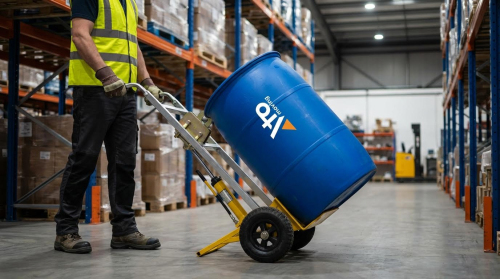
Plant managers who ask can you transport diesel in a metal drum must also weigh real operating behavior. Design codes set a safe envelope, but handling, wear, and spill history decide total risk and cost. This section looks at how drums perform in daily use and how newer options compare in safety, ergonomics, and logistics.
Handling Risks, Ergonomics, And Equipment Needs
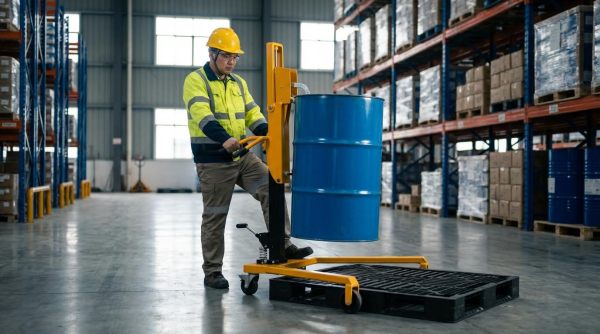
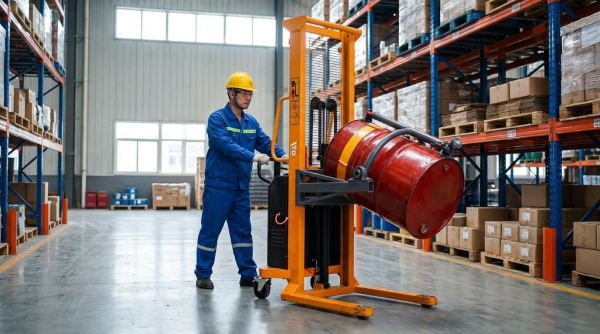
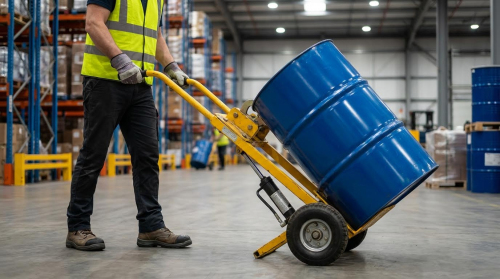
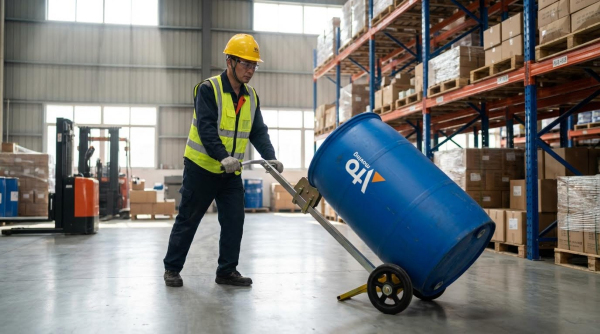
Full 200 litre steel drums carrying diesel often weigh over 200 kilograms. Manual handling is unsafe and usually non-compliant with basic ergonomic limits. Facilities need forklifts, pallet trucks, or drum handlers to move and tilt drums safely.
Common incident modes include drum tipping during rolling, dropping from forks, and impact damage at chimes. These events can shear closures or crack gaskets and cause leaks. Poor grip surfaces, wet floors, and tight aisles increase these risks. Operators also face pinch points at drum grabbers and strain when fitting pumps or gravity taps.
To lower exposure, sites often standardize on palletized handling, use fixed transfer stations, and limit manual tilting. Where space allows, using intermediate bulk containers (IBCs) can cut the number of unit moves for the same diesel volume. However, for remote or off-road delivery, drums still offer flexibility where larger tanks or IBCs are not practical.
Service Life, Damage Modes, And Lifecycle Costs
In theory, a steel drum that meets 49 CFR design rules can support several reuse cycles. In practice, service life depends on storage conditions, handling quality, and inspection discipline. Outdoor yards with rain and temperature swings shorten life sharply.
Typical damage modes include:
- External corrosion at chimes, seams, and floor contact points
- Dents from fork impacts or stacking errors
- Thread damage on bungs that prevents tight closure
- Liner wear or cracking where coated drums are used
Each defect raises leak risk or forces early retirement. Over a full lifecycle, costs include purchase, inbound freight, periodic testing, cleaning, reconditioning, and disposal. If drums carry hazardous residues, disposal and documentation add more cost and liability. When users ask can you transport diesel in a metal drum economically, the answer often depends on reuse rate and damage frequency. Higher damage rates push operations toward IBCs or dedicated bulk tanks, which offer lower cost per litre over long campaigns.
Spill, Fire, And Pollution Hazards In Real Use
Diesel has a relatively high flash point, but it still supports pool fires and soil or water pollution. Small weeps at seams, bungs, or dented areas can go unnoticed in stacked drum rows. Over time, this can release significant fuel volume to the ground.
Typical incident scenarios include puncture from sharp scrap, overfilling during transfer, and failure of a weakened gasket after temperature change. In hot weather, internal pressure can rise and stress closures. In cold weather, some seals become less flexible and lose contact pressure.
Secondary containment design must reflect realistic worst cases, not only code minimums. Bunds or drip trays sized for at least 110% of the largest container help limit spread. Good practice also includes clear segregation of full and empty drums, prompt removal of damaged units, and documented inspections. Fire protection layouts must keep drums away from ignition sources and allow access for extinguishers and firefighting vehicles.
IBCs, Collapsible Drums, And Bulk Tank Solutions
IBCs, collapsible drums, and fixed tanks answer the same core question as drums: can you transport diesel in a metal drum, or is there a better unit for this route and volume. IBCs typically carry about 1 000 litres, so they replace roughly five 200 litre drums. This cuts connection points, handling moves, and potential leak paths.
Collapsible plastic-based drums and disposable totes trade impact strength for lower weight and better backhaul efficiency. They fold flat or compact when empty, which reduces return freight and storage space. For non-hazardous or lower risk products,,
Frequently Asked Questions
Can you store diesel in a metal drum?
Diesel can be stored in a metal drum, but the type of metal matters. Stainless steel is highly recommended because it resists corrosion better than other materials. Galvanized steel, on the other hand, may corrode faster when in contact with diesel. For safe storage, use approved tanks made of stainless steel or double-walled, UL-rated materials to prevent leaks and structural issues. Fuel Storage Guide.
What kind of container can I put diesel fuel in?
The best containers for storing diesel are approved safety cans or tanks specifically designed for flammable liquids. These containers have features that reduce the risk of spills and fires. Plastic gas cans or unapproved containers like glass jars should be avoided. Stainless steel or double-walled, UL-rated tanks are ideal for long-term storage. Safe Fuel Handling Tips.
Will diesel corrode metal?
Diesel itself is not highly corrosive, but impurities or additives in the fuel can cause corrosion over time. Stainless steel shows lower corrosion rates compared to galvanized steel when exposed to diesel. Acidity from certain additives can promote corrosion, so using corrosion-resistant materials like stainless steel is advisable. Corrosion Study.