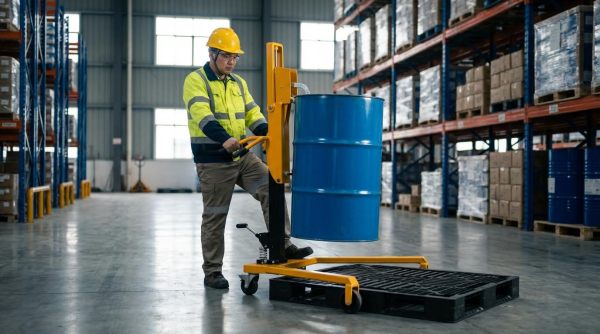
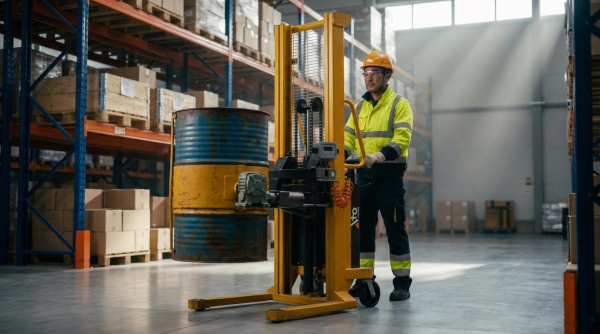
Facilities that ask what do drum dollies and cylinder dollies do usually face repeated handling of heavy, unstable containers. This article explains how both devices move drums and gas cylinders safely, with less manual effort and lower injury risk across production, warehouse, and construction sites.
You will see how core functions differ for drums and cylinders, how frame geometry and wheel choices control stability, and how OSHA rules shape securing methods and inspection routines. The final section turns these points into clear engineering selection guidelines so safety, maintenance, and operations teams can specify the right dolly design for each load type.
Core Functions of Drum and Cylinder Dollies
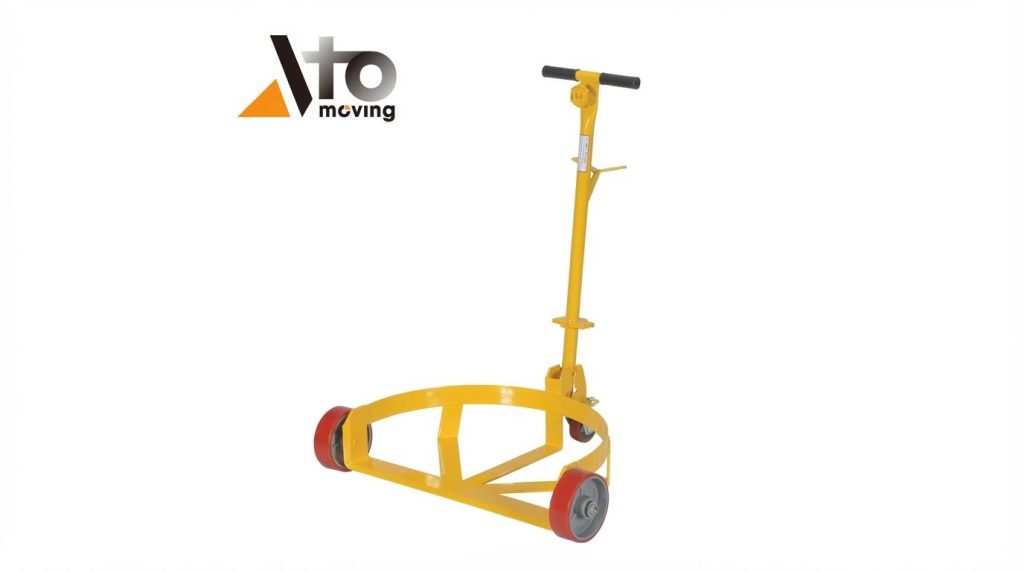
Drum and cylinder dollies exist to move heavy containers with less effort and lower risk. Engineers often ask what do drum dollies and cylinder dollies do in real plants and job sites. This section explains core functions, typical loads, ergonomics, and how these carts behave on different floors. The focus stays on safety, stability, and fit with OSHA expectations.
Load Types and Typical Use Cases
Drum dollies carry liquid or granular products in cylindrical drums. Typical loads include 30 litre to 200 litre steel or plastic drums with chemicals, oils, food ingredients, or construction products. Load capacity often reaches several hundred kilograms, so design must control impact, tipping, and sloshing.
Cylinder dollies support compressed gas cylinders. Typical loads include oxygen, acetylene, argon, nitrogen, and mixed shielding gases. These cylinders store high pressure energy, so the dolly must keep them upright and restrained during every move.
In practice, facilities use drum dollies in production lines, filling areas, and mixing rooms. Cylinder dollies support welding bays, laboratory gas banks, and maintenance shops. The core answer to what do drum dollies and cylinder dollies do is simple: they convert unsafe manual carrying into controlled rolling transport for specific container shapes.
Ergonomics and Manual Handling Risk Reduction
Drum and cylinder dollies reduce push, pull, and lift forces compared with bare-hand handling. The design shifts most of the load to wheels and the floor. Handles and leverage points lower the required operator force and improve posture.
From an ergonomics view, key functions include:
- Lower peak push and pull forces on joints.
- Reduce twisting while turning or starting motion.
- Limit vertical lifting distance when loading containers.
- Keep hands and feet away from pinch and crush zones.
Engineers size dollies so typical forces stay under accepted manual handling limits. They consider slope, surface friction, and start-up resistance. Good ergonomic design also supports glove use and varied operator heights. This directly cuts strain injuries and lost-time incidents.
Mobility on Different Floor and Terrain Conditions
Drum and cylinder dollies must roll safely on smooth concrete, coated floors, and sometimes outdoor paths. Wheel and caster design largely defines what do drum dollies and cylinder dollies do well in each setting. Hard wheels roll easily on flat, clean floors. Soft or pneumatic wheels handle joints, debris, and outdoor surfaces better.
For indoor warehouses, engineers often use dual rigid wheels at the rear and swivel casters at the front. This layout balances straight tracking and turning in narrow aisles. For yards or construction sites, larger diameter pneumatic wheels reduce shock and prevent container bounce.
Mobility performance also depends on wheelbase width and center of gravity. Wider stance and low platform height improve lateral stability when crossing slopes or thresholds. Cylinder dollies often use two-wheel hand truck style frames. Drum dollies more often use four-wheel platforms or cradles for stability during start and stop. Together, these features let operators move heavy containers with predictable, controlled effort across varied terrain.
Design Differences: Drum vs. Cylinder Dollies
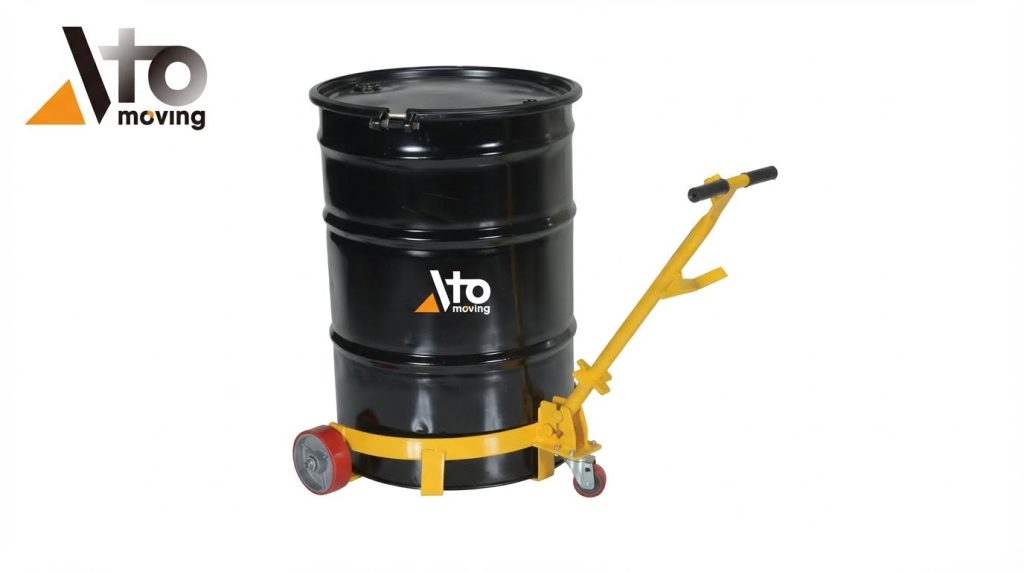
Design differences explain what drum dollies and cylinder dollies do in real plants. Both move heavy containers, but their frames, wheels, and restraints handle very different shapes and risks. Good engineering design keeps the center of gravity low, controls rolling, and limits strain on operators. This section breaks down geometry, running gear, restraint hardware, and material choices so engineers can match each dolly to load type and exposure.
Frame Geometry and Center-of-Gravity Control
Frame geometry is the main reason drum dollies and cylinder dollies behave differently under load. Drum dollies usually support the drum base on a circular or cross-shaped platform. The frame keeps the drum vertical and spreads the footprint to resist tipping. This layout suits 30 litre to 200 litre drums with wide bases and short heights.
Cylinder dollies work with tall, narrow gas cylinders. Frames often use a two‑wheel hand truck style with a toe plate and a tall back frame. The operator tilts the unit back, which shifts the center of gravity over the axle. Cross braces and formed channels stiffen the frame so it does not twist under eccentric loads.
Engineers answer what do drum dollies and cylinder dollies do by looking at stability margins. Drum units keep the load nearly upright and low. Cylinder units intentionally tilt the load to place weight directly above the wheels. Both designs aim to keep the combined center of gravity inside the wheelbase during starts, stops, and turns.
Wheel, Caster, and Tire Selection Criteria
Wheel and caster choices control how each dolly tracks, turns, and crosses defects. Drum dollies often use three or four casters under a ring frame. Typical layouts include:
- Four swivel casters for tight maneuvering in congested aisles.
- Two rigid and two swivel casters for better tracking on long runs.
- Pneumatic or semi‑pneumatic wheels for rough or outdoor surfaces.
Cylinder dollies usually use two larger diameter wheels rather than multiple casters. Larger wheels roll more easily over joints, hoses, and small debris. Pneumatic tires reduce shock into the cylinder valves and regulators. Solid rubber or polyurethane tires suit smooth indoor floors and cut maintenance.
Key selection criteria include floor type, typical trip length, and peak load. Engineers also check rolling resistance, which affects push force and operator fatigue. For mixed indoor and outdoor work, pneumatic or foam‑filled tires on cylinder dollies and drum dollies improve safety margins on uneven ground.
Restraint Systems, Cradles, and Integrated Tools
Restraint hardware is a major design difference between drum and cylinder dollies. Drum dollies usually rely on the drum base sitting in a close‑fitting ring or cradle. Some designs add a short backrest or adjustable clamp. These features prevent sliding during sudden stops. For tilt‑style drum trucks, curved cradles match the drum wall and keep the barrel aligned while tipping.
Cylinder dollies need stronger restraints because gas cylinders can become projectiles if they fall and shear a valve. Designs often include:
- Upper and lower chains or straps at defined heights.
- Formed cradles that match common cylinder diameters.
- Hook points or brackets for quick strap adjustment.
Integrated tools support what do drum dollies and cylinder dollies do beyond simple transport. Drum units may carry bung wrenches, seal removers, or small pail adapters. Cylinder dollies may include trays for torches, regulators, and hoses. These features reduce extra trips and help operators keep critical accessories with the load.
Material Choices, Corrosion, and Chemical Exposure
Material selection follows the fluids or gases each dolly handles and the plant environment. Steel frames offer high strength and low cost for both drum dollies and cylinder dollies. Engineers often specify powder‑coat finishes for general indoor use. In chemical, food, or pharmaceutical plants, stainless steel reduces corrosion and simplifies wash‑down. It also avoids flaking paint near sensitive processes.
Polyethylene and composite frames appear more often on cylinder dollies than drum units. These materials resist rust and many corrosive agents. They also avoid sparking, which helps around flammable gases. However, designers must confirm stiffness and long‑term creep resistance under static cylinder loads.
Wheel materials also affect corrosion resistance and floor marking. Polyurethane treads work well on sealed concrete and resist many chemicals. Pneumatic tires handle outdoor moisture but can degrade under oil exposure. When defining what do drum dollies and cylinder dollies do in corrosive areas, engineers match frame alloys, fasteners, and wheel compounds to expected chemicals, cleaning agents, and temperature ranges.
OSHA, Safety Compliance, and Maintenance
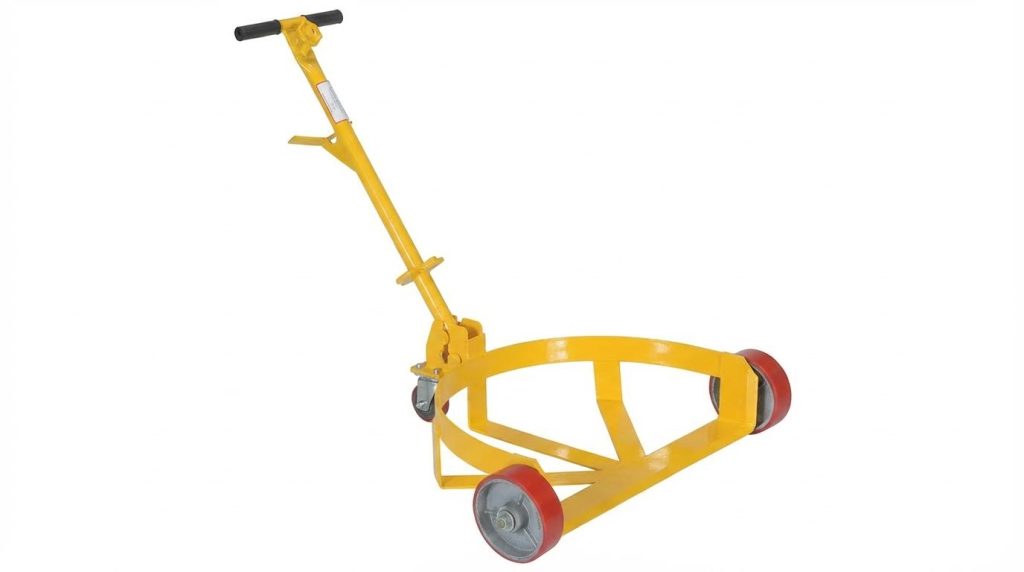
Safety rules for drum dollies and cylinder dollies link directly to what do drum dollies and cylinder dollies do in daily work. They move heavy, unstable loads and shift risk away from the worker’s spine and shoulders. OSHA rules focus on how these loads move, how cylinders stay secured, and how equipment stays reliable over time. Engineers must align design, operation, and maintenance with these rules to keep risk low.
Relevant OSHA 1910 and 1926 Provisions
OSHA 29 CFR 1910 covered general industry material handling and gas cylinder use. It required securement of compressed gas cylinders during storage and transport, and safe use of handling devices. 1910.178 and related sections addressed powered industrial trucks that often moved dollies and carts. They required stable loads, safe travel speeds, and clear aisles.
OSHA 1926 applied to construction sites. It required guarding of moving parts, safe layout of hoists, and proper inspection of lifting gear. These rules affected base-mounted drum hoists and any crane or derrick that lifted drums or cylinder racks. Designers had to ensure that drum and cylinder handling interfaces did not create pinch points or unguarded rotating parts.
When engineers asked what do drum dollies and cylinder dollies do from a compliance view, the answer was simple. They had to support stable loads, prevent tip-over, and work safely with hoists, trucks, and cranes that fell under 1910 and 1926.
Cylinder Securing, Straps, and Transport Rules
Gas cylinders stored or moved on dollies carried high energy. OSHA rules required that cylinders stay upright and secured at all times. Typical cylinder dollies therefore used upper and lower straps or chains. These limited tilt and kept the center of gravity inside the wheelbase during motion.
Good practice during transport included:
- Closing cylinder valves and fitting caps before movement.
- Securing cylinders with two independent restraints where possible.
- Keeping the dolly angle low to reduce overturn risk.
- Crossing thresholds and ramps at slow, controlled speed.
Racks that held several cylinders had to use straps or bars at two heights and match rated capacity. Engineers had to confirm strap strength, anchor points, and frame stiffness. This ensured the system stayed stable under braking, impact, or uneven ground.
Inspection, Preventive Maintenance, and PM Schedules
OSHA expected employers to keep handling gear in safe condition. That requirement shaped preventive maintenance for drum dollies and cylinder dollies. Daily checks usually covered wheels, casters, and visible damage. Operators looked for flat spots, bent frames, loose handles, and worn straps.
Weekly or monthly checks went deeper. Teams inspected welds, joints, and fasteners. They tested brakes and wheel locks where fitted. They removed debris that could jam casters or cut tires. Simple PM tables often included:
- Daily: visual check, strap condition, wheel freedom.
- Weekly: fastener torque, weld inspection, brake test.
- Monthly: lubrication of axles and pivots, corrosion check.
- Yearly: frame integrity review and part replacement plan.
Clear PM records helped prove compliance after an incident. They also answered a key SEO question: what do drum dollies and cylinder dollies do when well maintained? They cut manual handling risk and avoid unplanned downtime.
Digital Tools, Sensors, and Predictive Maintenance
Digital tools started to change how facilities managed simple devices like dollies. Maintenance teams used mobile apps to log inspections and schedule PM tasks. QR codes on each dolly linked to checklists and service history. This improved traceability and reduced missed inspections.
Some sites added simple sensors to higher value carts. Wheel rotation counters and impact sensors flagged harsh use. Location tags helped track where critical drum dollies or cylinder dollies sat on a large site. Data from these tools supported predictive maintenance. Teams could replace casters or straps based on actual use, not just calendar time.
These digital layers did not replace OSHA rules. They supported them. The core remained the same. Keep loads stable, keep equipment sound, and prove that inspections and repairs happened on time.
Summary and Engineering Selection Guidelines
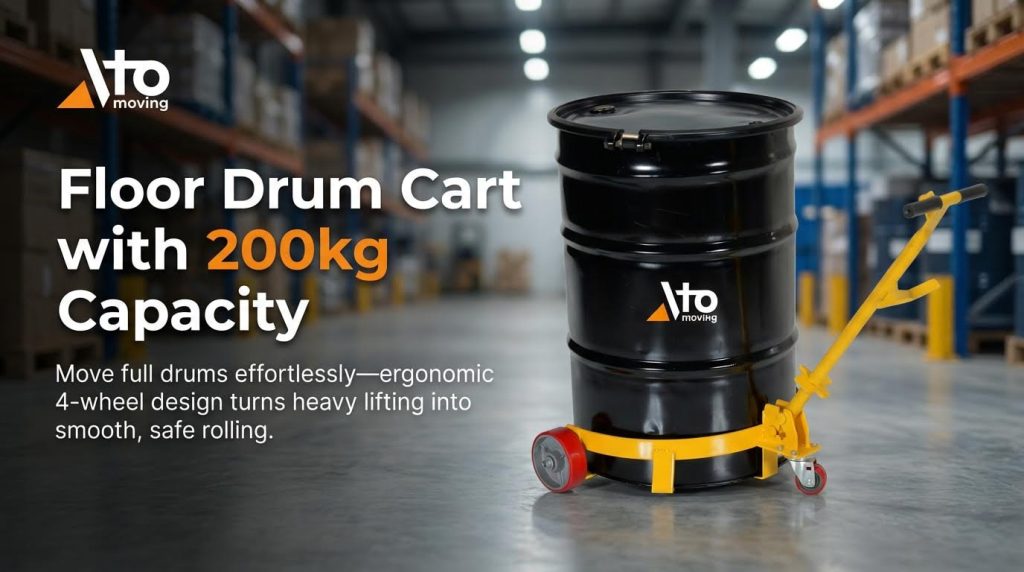
Engineers asking what do drum dollies and cylinder dollies do need clear, practical rules for selection. Both tools move heavy containers with less force and lower manual handling risk, but their design focus differs. Drum units support broad, cylindrical drums at the base. Cylinder units control tall, narrow gas cylinders with secure restraint.
For drum applications, selection starts with drum geometry and mass. Check diameter range, drum height, and fluid density, then match rated capacity with at least a 25–50% safety margin. Low-profile designs suit frequent loading from the floor. Multi-directional or swivel casters work well in tight aisles, while pneumatic wheels fit outdoor yards or damaged concrete.
For cylinders, stability and restraint dominate the choice. Engineers should confirm:
- Maximum cylinder diameter and count per dolly
- Required strap locations and locking method
- Wheel type for interior or exterior routes
- Compatibility with facility cylinder storage rules
OSHA-aligned practice keeps cylinders upright, secured at two points, and restrained during every move. Preventive maintenance plans should group dollies with other mobile handling gear. Standard checklists can cover wheels, welds, straps, and labels on monthly or quarterly cycles.
Looking ahead, more facilities will combine simple mechanical dollies with digital tracking and inspection logs. The core engineering trade-offs stay the same: match the dolly to the container, route, and environment, then apply conservative safety factors for load, stability, and operator ergonomics.
,
Frequently Asked Questions
What do drum dollies and cylinder dollies do?
Drum dollies and cylinder dollies are tools designed to move heavy cylindrical objects like drums or gas cylinders safely and efficiently. A drum dolly allows you to tip the drum slightly, engage it with the dolly, and roll it on wheels. Cylinder dollies function similarly but are specifically tailored for gas cylinders or similar items. These tools reduce the risk of injury and prevent accidents during transport. Drum Dolly Safety Guide.
What are the benefits of using a drum dolly?
Using a drum dolly offers several advantages:
- Reduces the risk of injury from lifting heavy drums.
- Keeps drums secure during movement, minimizing accidents.
- Makes transporting heavy loads easier and more efficient.
What is the purpose of dollies in material handling?
Dollies are compact, wheeled platforms used to move large, heavy, or awkward items more easily. In shipping, warehousing, and logistics, they improve efficiency and safety by reducing manual labor and preventing damage to goods. Dollies are versatile tools for handling various types of loads, including drums and cylinders. Dolly Definition.