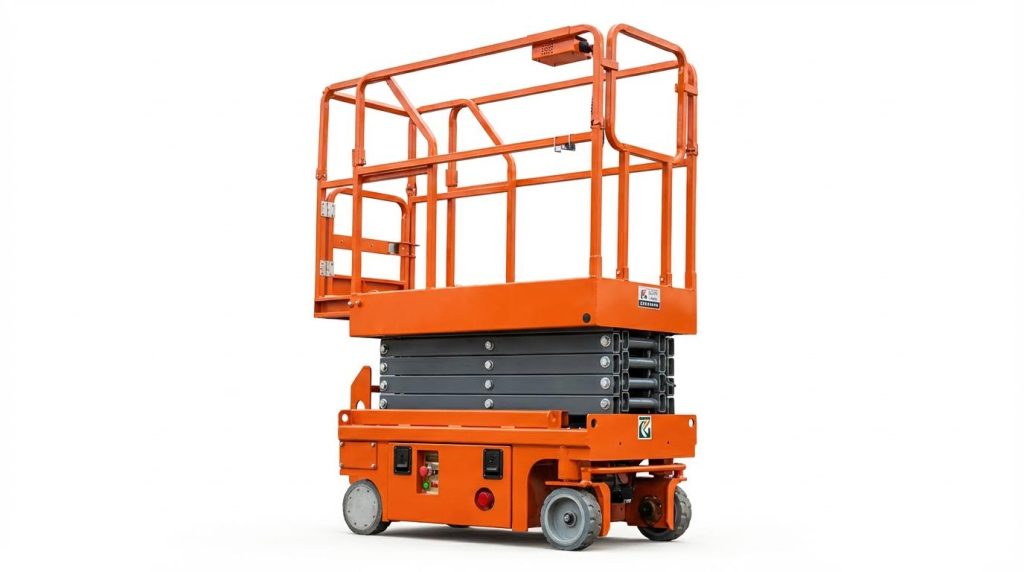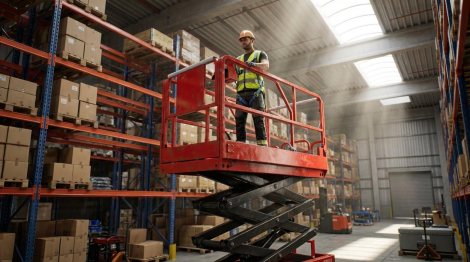
Electric boom lifts answered a core question in modern facilities: how high is electric boom lift equipment that still works safely indoors. This article explains typical platform heights, horizontal reach, and load capacities, then links those specs to real warehouse constraints like aisles, doors, and floor loads.
You will see how electric drive systems, batteries, and safety devices shape gradeability, maneuvering limits, and inspection needs over the full life of the machine. The final sections translate these engineering details into selection guidance, digital integration options, and sustainability choices, including where Atomoving solutions fit into long-term warehouse strategies.
Key Specs: Heights, Reach, And Capacities
Engineers who ask how high is electric boom lift need more than a single number. They must link platform height, outreach, and load with real warehouse constraints. This section explains typical working envelopes, reach trade-offs, load ratings, and stability limits for electric boom lifts in indoor and mixed-use sites.
Typical Platform Heights And Working Envelopes
Electric boom lifts covered a wide height band. Typical platform heights ranged from about 9 metres to over 45 metres. Some straight booms reached working heights near 55 metres in open sites. Warehouse-focused models usually stayed in the 10–22 metre working height range to clear racking, mezzanines, and services.
When users search “how high is electric boom lift,” they often confuse platform height and working height. Working height is normally platform height plus roughly 2 metres for operator reach. A 16 metre working height machine therefore had a platform height near 14 metres. Engineers should always compare like-for-like values in data sheets.
Working envelope defined what areas the basket could reach without moving the chassis. Key elements included maximum up-and-over height, outreach at different boom angles, and rotation limits. Compact electric booms often traded peak height for better up-and-over capability within low roof warehouses.
| Application focus | Approx. working height |
|---|---|
| Light indoor maintenance | 9–12 m |
| Standard warehouse access | 12–22 m |
| Large distribution centres | 22–30 m |
| Outdoor long-reach tasks | 30–45+ m |
Horizontal Reach: Articulating Vs. Telescopic
Horizontal reach determined how far a lift could work away from its chassis. Articulating electric booms in warehouse duty often provided horizontal reach up to about 20–24 metres in larger models. Smaller indoor units offered reach around 4–10 metres, which suited work above aisles and conveyors.
Telescopic electric booms usually achieved longer straight-line outreach. Some models reached about 27 metres horizontally in open yards or external building work. However they needed more clear floor space because the boom swept a larger radius during slewing. This limited use in tight internal aisles.
Articulating designs used multiple joints and sometimes a jib with around 125 degrees articulation. This allowed “up-and-over” access behind pipework, ducts, or mezzanine edges. Selection therefore depended less on the question “how high is electric boom lift” and more on “what obstacles sit between chassis and work point.”
Engineers should review reach curves, not only catalogue maxima. These curves showed how outreach reduced at higher boom angles or with heavier platform loads. They also showed restricted zones where the control system limited motion to protect stability.
Platform Load Ratings And Duty Profiles
Electric boom lifts carried both people and tools, so platform capacity was critical. Typical rated loads ranged from about 225 kilograms up to around 450 kilograms. Some models used dual ratings, for example an unrestricted capacity near 300 kilograms and a higher restricted rating near 450 kilograms within a smaller envelope.
Engineers should match capacity to duty profile:
- Light maintenance: one person plus light tools, about 120–200 kilograms.
- Two-person work with parts: 230–300 kilograms.
- Heavy tools or small components: 350–450 kilograms.
Manufacturers used load-sensing systems to monitor actual mass in the basket. If the load exceeded the rated value, the system locked boom functions until the excess was removed. This protected structural members and maintained stability margins.
Platform size also influenced duty. Typical indoor booms offered platform widths around 0.7–0.8 metres and lengths near 1.8 metres. Larger decks improved working comfort but demanded more clearance when rotating near racking or columns.
Stability, Gradeability, And Maneuvering Limits
Stability for electric boom lifts depended on geometry, load, and ground conditions. Machines were designed to stay within defined tilt limits, often only a few degrees in elevated positions. Control systems restricted boom extension when the chassis sat on a slope above the rated value.
Gradeability figures described how steep a ramp the machine could climb in transport mode. Some rough-terrain capable electric booms reached gradeability values near 45 percent on suitable surfaces. Pure indoor warehouse models used lower gradeability but focused on tight turning radii and low tailswing.
Maneuvering limits were critical in aisles and around pallet racking. A turning radius near 5 metres allowed operation in medium-width aisles, but narrow-aisle sites needed smaller machines or different access methods. Engineers should compare machine width, length, and tailswing with aisle clear width and column grids.
Safe working required flat, strong floors. Warehouse slabs had to support concentrated wheel loads from the boom plus dynamic effects from braking and steering. Operators needed clear rules for maximum travel height, speed, and allowable slopes inside the building to keep the lift within its tested stability envelope.
Electric Drive, Energy Use, And Safety Systems
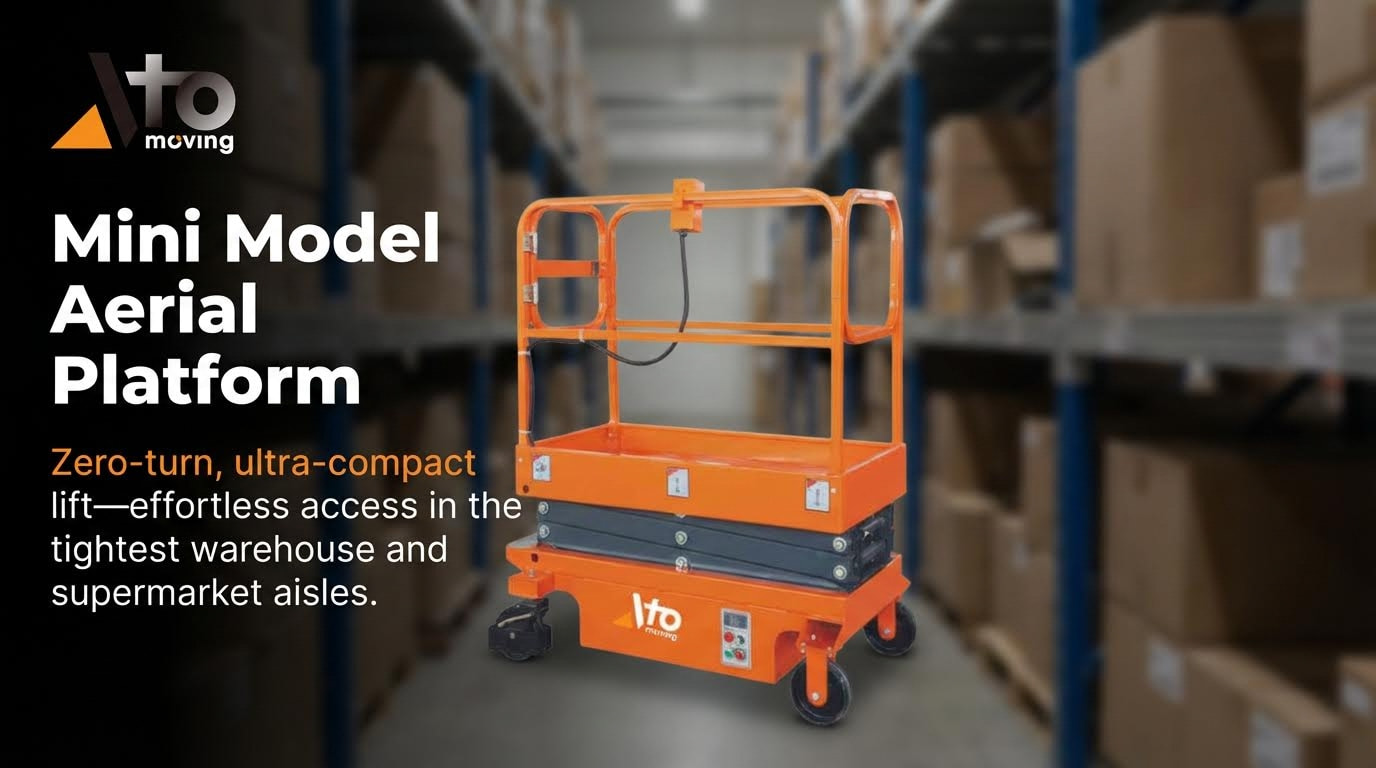
Engineers who ask how high is electric boom lift also need to ask how long it can work and how safely it can move. Electric drive, battery systems, and safety controls define real usable height, not just catalog numbers. This section links endurance, drive technology, and protection systems to working height and duty cycles in warehouses.
Battery Systems, Endurance, And Charging
Battery capacity sets how high and how long an electric boom lift can operate in a shift. Typical machines use traction battery packs in the 24–80 volt class with high amp‑hour ratings. Larger packs, for example 48 V with over 400 Ah, support long indoor duty at platform heights from about 9 m up to more than 40 m. High reach units with long horizontal outreach draw more current because of heavier structures and higher boom cycle times.
Endurance depends on three main factors: drive time, lift cycles, and auxiliary loads. Frequent elevation to maximum working height and long horizontal travel drain batteries faster than light maintenance work. For multi‑shift warehouses, engineers often specify fast or opportunity charging. They place chargers near main travel routes so operators can plug in during breaks.
Key engineering checks include:
- Daily run time at typical duty profile.
- Charger power and grid capacity.
- Ventilation and clearances around charging areas.
- Battery monitoring for temperature and state of charge.
Modern machines use battery management systems that protect cells from deep discharge and overcharge. This protection improves cycle life and keeps lift performance stable across the full height range.
Electric Drive, Steering, And Control Technologies
Electric boom lifts use electric drive motors for traction and hydraulic pumps. AC drive technology became common because it offers high torque at low speed and good efficiency. This helps the lift maneuver smoothly in tight warehouse aisles while supporting platform heights from roughly 10 m to more than 30 m. Precise control matters more as working height increases because small base movements cause large platform shifts.
Steering systems often combine front wheel, rear wheel, or crab steering modes. Compact turning radii, sometimes near 5 m, let the machine swing into narrow rack zones without tail swing strikes. Proportional control valves and joysticks allow fine boom and drive control. Operators can feather movements when close to overhead structures such as sprinklers, ducts, or conveyors.
Common control features include:
- Proportional joysticks for lift, swing, and drive.
- Speed limiting at high boom angles.
- Load sensing that adjusts performance when near rated capacity.
- Integrated diagnostics on the platform display.
These systems reduce overshoot and sway at height and improve repeatability for tasks like picking, light installation, and inspection.
Safety Devices, Standards, And Inspection Intervals
As platform height increases, risk grows, so safety systems become critical. Answers to how high is electric boom lift must always include how safe it is at that height. Standards such as ANSI A92 and OSHA rules defined baseline requirements for aerial work platforms. They covered guardrails, emergency lowering, interlocks, and training.
Typical safety devices include tilt sensors, overload sensors, and motion alarms. Tilt sensors stop boom elevation when the chassis is outside its allowed slope. Load sensing cuts movement if platform load exceeds the rated 225–450 kg range that many models support. Emergency stop and emergency descent systems let ground staff lower the platform if the main controls fail.
Structured inspection programs keep these protections reliable. Good practice uses three levels:
- Pre‑use checks by the operator at the start of each shift.
- Frequent inspections based on hours of use, often near 150 hours.
- Annual detailed inspections by a qualified technician.
Checks cover structural welds, pins, hydraulic leaks, guardrails, and control function. Maintenance teams record all findings and repairs for compliance and traceability. This discipline keeps electric boom lifts safe across their full working height envelope in demanding warehouse operations.
Warehouse Application Scenarios And Selection
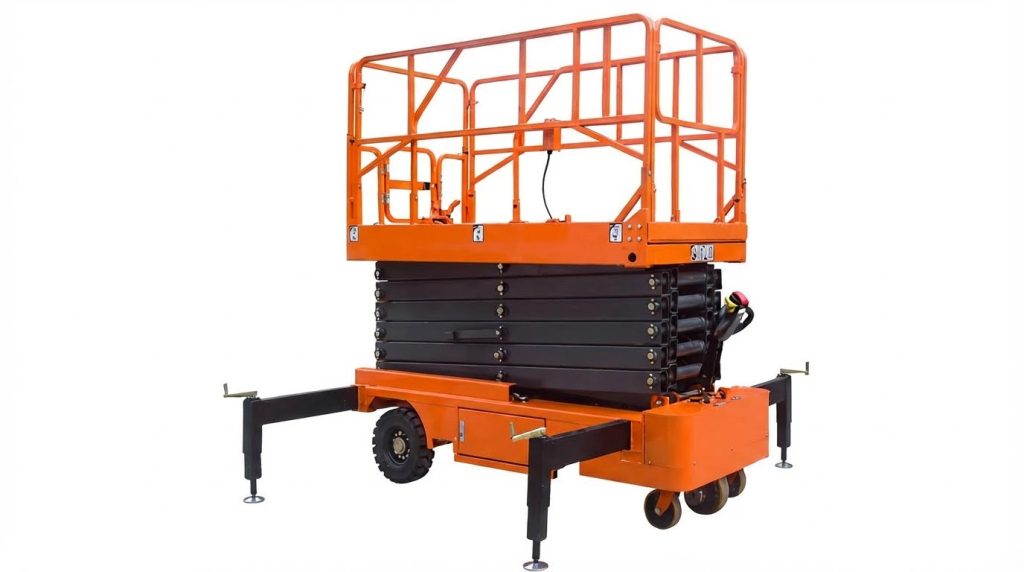
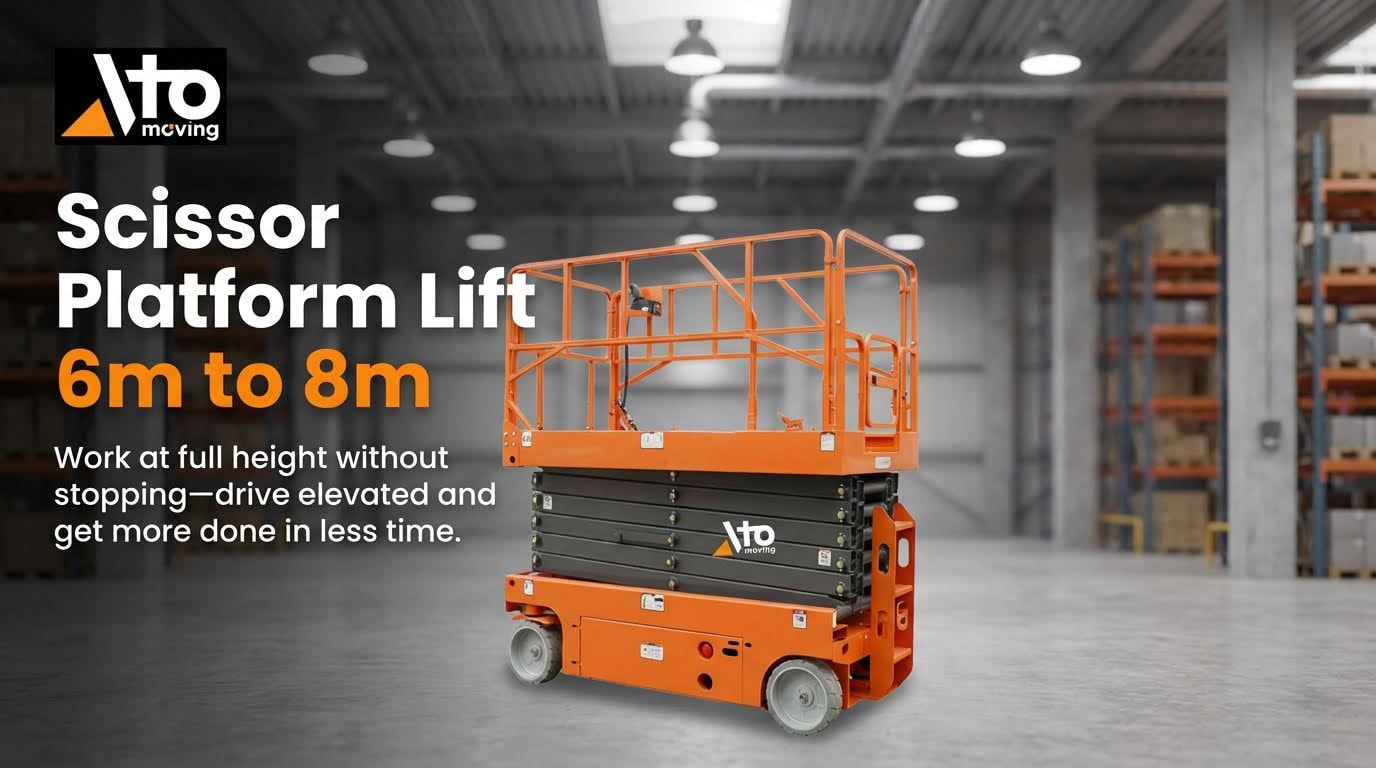
Warehouse engineers often ask how high is electric boom lift when planning indoor access equipment. Height alone is not enough. Aisle widths, door sizes, and floor loads also control what works in real sites. This section links typical boom lift envelopes to real warehouse tasks, digital planning tools, and long term cost and sustainability choices.
Indoor Constraints: Aisles, Doors, And Floor Loads
Warehouse constraints usually limit how high is electric boom lift in practice. Typical electric booms offer platform heights from about 9 metres to over 40 metres. However, machine length, width, and turning radius decide if the lift can even reach the work zone.
Key indoor constraints include:
- Aisles: Narrow racking aisles often range from 2.4 metres to 3.5 metres.
- Doors: Standard industrial doors may be about 2.1–2.5 metres high and 2.5–3.0 metres wide.
- Floor loads: Slab design loads must support concentrated wheel and outrigger forces.
Engineers check machine width, stowed height, and inside turning radius against these limits. They also compare wheel loads with slab capacity and any mezzanine ratings. Compact electric booms with non marking tyres and zero tail swing usually fit best in dense storage areas.
Matching Lift Geometry To Warehouse Tasks
Task analysis should drive the answer to how high is electric boom lift for a given warehouse. Typical indoor work includes lighting maintenance, sprinkler changes, roof deck repairs, and high level sensor or conveyor access. Each task needs a specific working height and horizontal offset.
Articulating booms suit work over racking, conveyors, or machinery. Their joints let the platform move up and over obstacles. Telescopic booms give longer horizontal reach and faster straight line access in more open zones such as cross docks or staging halls.
Selection steps often follow this sequence:
- Set required platform height from the highest work point plus safe reach margin.
- Measure needed horizontal reach from safe machine position to work face.
- Check stowed dimensions against aisles, doors, and turning spaces.
- Confirm platform capacity against tools, parts, and crew weight.
This method avoids oversizing the lift, which can create maneuvering and floor load problems.
Integrating Lifts With Digital Twins And Telematics
Digital twins of warehouses help answer how high is electric boom lift needed before equipment purchase. Engineers can place 3D lift models inside the building model. They can then test access to lights, ducts, and process lines virtually. This reduces on site surprises and rework.
Telematics adds live data once lifts are in service. Typical systems track:
- Usage hours and duty cycles by height band.
- Travel patterns in the warehouse.
- Battery state of charge and charging habits.
- Fault codes and safety shutdowns.
Operations teams use these trends to refine fleet mix, charging plans, and maintenance intervals. Engineers can also compare planned envelopes from the digital twin with actual use, then adjust future specifications.
Sustainability, Lifecycle Cost, And Atomoving Options
Lifecycle thinking changes how buyers frame the question how high is electric boom lift. They look at total energy use, battery life, and maintenance cost over several years, not only purchase price. Electric booms already cut local emissions and noise compared with engine driven units, which suits enclosed warehouses.
Key cost and sustainability factors include battery chemistry, charger type, and duty profile. High reach models that work near their maximum height for long shifts need strong battery capacity and efficient drive systems. Features like regenerative lowering and precise proportional control reduce wasted energy and wear.
Atomoving electric boom lifts can be evaluated on the same basis. Engineers compare platform height ranges, reach, and machine weights against warehouse constraints. They then model energy use and maintenance hours over the planned service life. This approach supports a balanced choice between reach capability, indoor compatibility, and long term operating cost.
Summary: Engineering Guidance For Boom Lift Selection
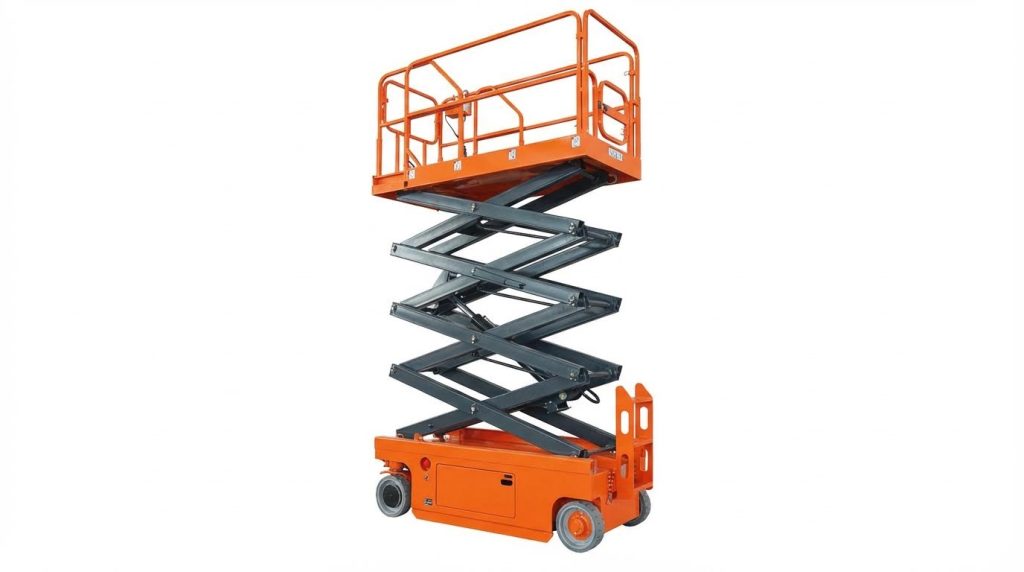
Engineers who ask how high is electric boom lift must link height to reach, load, and site limits. Typical electric booms offered platform heights from about 9 metres to over 45 metres, with working heights up to about 55 metres on large straight booms. Horizontal reach usually ranged between 10 metres and 27 metres, depending on whether the boom was articulating or telescopic. Platform capacities often fell between 225 kilograms and 450 kilograms, which covered one or two technicians plus tools.
For warehouse use, the best choice balanced four factors: working envelope, floor loading, aisle width, and charging logistics. Indoor projects favoured compact articulating booms with zero emission drive, tight turning radius, and non‑marking tyres. Taller straight booms suited outdoor yard work or high bay façades where long horizontal outreach mattered more than tight maneuvering.
Future designs would likely push higher energy density batteries, faster opportunity charging, and deeper telematics integration. These changes would support predictive maintenance, geo‑fenced speed limits, and automatic height or reach derating near constraints. However, core selection practice stayed the same. Engineers still needed clear task height data, realistic duty cycles, verified slab capacities, and strict compliance with ANSI and OSHA rules before approving any electric boom lift for a site.
,
Frequently Asked Questions
How high can an electric boom lift reach?
An electric boom lift’s height depends on the model and type. For towable boom lifts, the maximum platform height typically ranges from 9 to 15 meters, with horizontal outreach spanning 5 to 9 meters. Larger electric telescopic boom lifts, like the 30-meter BT30SERT, offer a working height of up to 30.30 meters. Electric Telescopic Boom Lift Info.
What is the tallest boom lift available?
The tallest boom lift in the world is the JLG 1850SJ Ultra Series Telescopic Boom, which reaches a maximum height of 56.4 meters and provides an outreach of 24.4 meters. While this is not an electric model, it highlights the upper limits of aerial work platforms. World’s Tallest Boom Lift.