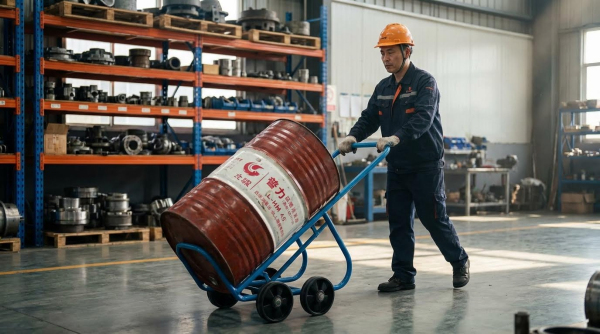
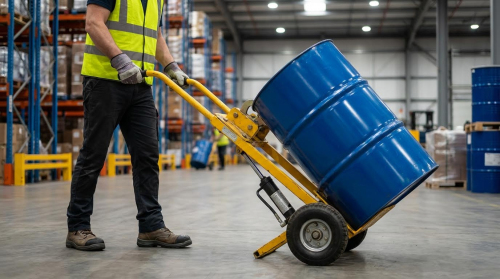
Forklift operators who ask how much lift capacity do you lose on pallet forks need clear, numeric answers, not guesses. This article walks through the full engineering picture, from basic load centers and moments to how height, reach, and mast tilt change the real capacity you can use.
You will see how pallet forks and added attachments shift the center of gravity, increase load moment, and force de-rating under OSHA and ANSI rules. The middle sections explain calculation methods, digital monitoring, and digital twins that help engineers and supervisors validate forks, extensions, and pallet sizes before they reach the floor.
The final summary converts these concepts into simple checks, quick estimates, and safety rules that work in busy yards and warehouses. By the end, you will know how to read a data plate, apply capacity formulas, and decide how much capacity you really lose every time you change forks, pallets, or attachments.
Core Concepts: Load Centers, Moments, And Ratings
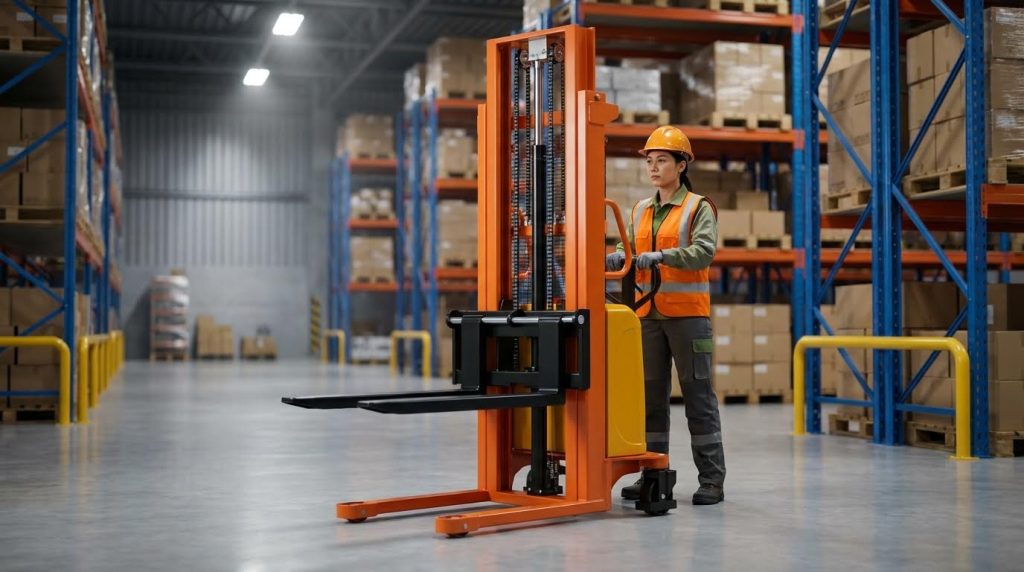
This section explains how much lift capacity you lose on pallet forks when the load center shifts forward. It links the data plate, stability triangle, and real-world de-rating so engineers and supervisors can answer capacity questions with numbers, not guesses. Once you understand these core concepts, later sections on attachments, calculations, and digital tools become easier to apply on busy warehouse floors.
What Load Center Means On A Forklift Data Plate
The load center on a data plate is the design distance from the fork heel to the load’s center of gravity. Most counterbalance forklifts used in pallet work had a rated load center of 500 millimetres. Reach trucks often used 600 millimetres as the standard center. The truck’s stated capacity only applied at that distance and at the rated lift height.
When you ask how much lift capacity you lose on pallet forks, you are really asking how far the center of gravity moved beyond that printed load center. A deeper pallet or a longer load pushes the center of gravity forward. The simple engineering rule is: capacity is inversely proportional to load center. If the load center increases by 25%, the theoretical capacity drops by 20%.
| Truck type | Standard load center |
|---|---|
| Counterbalance | 500 mm |
| Reach truck | 600 mm |
| Rated capacity applies at | Design load center and rated lift height |
Load Moment And The Stability Triangle Explained
The truck and load act like a lever around the front axle. Engineers describe this with load moment, which equals load weight times its horizontal distance from the fulcrum. The stability triangle is the area between the two front wheels and the pivot of the steer axle. The combined center of gravity of truck plus load must stay inside this triangle.
When the load center on the pallet forks moves forward, the overturning moment increases. For the same truck weight, the system reaches the triangle edge at a lower payload. That is why a small change in load center can cause a large loss of usable capacity.
- Increase load distance → moment rises linearly.
- Triangle size is fixed for a given truck.
- Once the combined center crosses the front edge, tip risk rises sharply.
Understanding this geometry lets supervisors explain to operators why a pallet that felt “light enough” at the floor can become unsafe at height.
Rated Capacity Vs. Actual Safe Capacity In The Field
The rated capacity on the nameplate is a lab value under fixed conditions. It assumes a standard load shape, standard load center, rated lift height, level ground, and the factory carriage or forks. Field conditions rarely match this ideal. Uneven pallets, overhang, or non-standard forks push the center of gravity forward and down-rate the truck.
A practical way to estimate how much lift capacity you lose on pallet forks is to use the proportional formula: New capacity = Rated capacity × (Design load center ÷ Actual load center). For example, a 2,000 kilogram truck rated at 500 millimetres can only lift about 1,600 kilograms at 600 millimetres. That is a 20% loss in capacity for a 20% increase in load center.
Safety teams often apply an extra margin beyond the math. They might treat the 1,600 kilogram result as a hard upper limit and then train operators to stay below it. This approach builds in allowance for off-centre loads, mast wear, and minor slopes.
How Height, Reach, And Mast Tilt Change Capacity
Lift height and reach change the effective load center and the stability margin. As the mast rises, the truck’s combined center of gravity moves upward. The stability triangle on the ground does not change, so the system becomes more sensitive to small shifts. That is why capacity charts usually show lower allowed loads at higher lift heights.
Forward reach or carriage extensions move the load center out from the front axle. Telehandlers showed this clearly. A machine rated for 4,000 kilograms at a short reach could drop to 1,500 kilograms at twice the reach. Standard counterbalance trucks follow the same physics, just over shorter distances.
Mast tilt also matters. Forward tilt projects the center of gravity further from the axle and reduces capacity. Back tilt pulls the load closer and improves stability within limits. When operators wonder how much lift capacity you lose on pallet forks at full height with forward tilt, the answer is usually “a lot more than the plate suggests.” Capacity charts and training must stress that the printed rating rarely applies at maximum height with aggressive tilt.
How Pallet Forks And Attachments De‑Rate Capacity
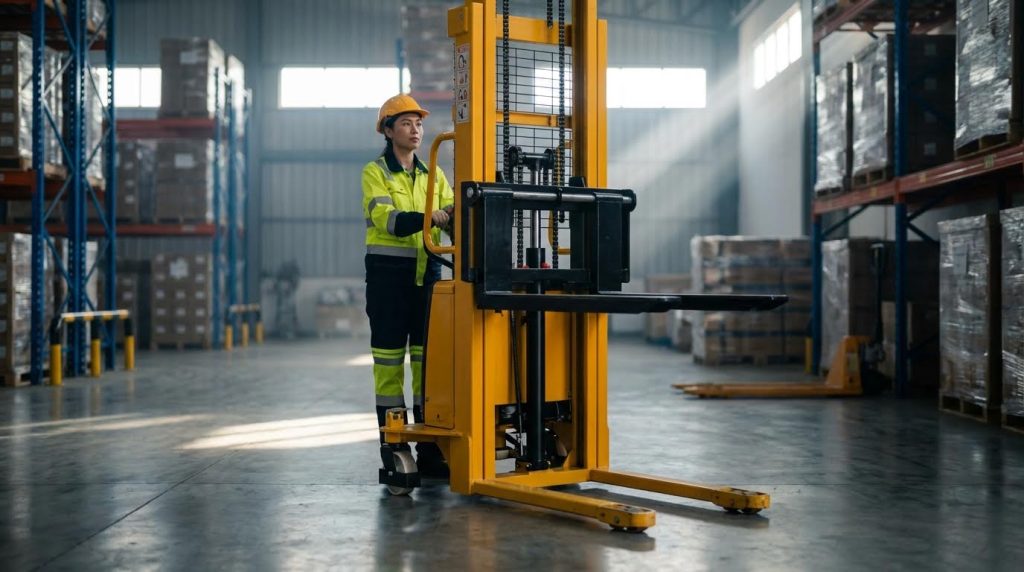
Every operator who asks how much lift capacity do you lose on pallet forks needs to understand de‑rating. Any extra weight in front of the mast reduces the allowable load. Attachments, fork length, and pallet depth all push the load center forward. This section explains how each factor cuts capacity and how to read the limits correctly in the field.
Attachment Weight, HCG/VCG, And Lost Capacity
Any attachment replaces the bare fork carriage and adds weight ahead of the mast. This extra mass uses part of the truck’s rated capacity before you even pick a pallet. The key variables are attachment weight and its horizontal and vertical center of gravity relative to the carriage.
Most capacity loss comes from increased load moment, not just dead weight. The more the attachment shifts the combined center of gravity forward, the more the truck must be de‑rated. You can estimate the new capacity using a simple moment balance:
- Start from the truck’s rated capacity and design load center.
- Calculate the original load moment (capacity × design load center).
- Divide this moment by the new combined load center to get the revised capacity.
Carriage‑mounted clamps, push‑pulls, and scales usually add several tens of kilograms and extend the HCG forward. Even modest shifts can cut usable capacity by 10–25% at standard 500 mm load centers. Taller attachments also raise the VCG, which reduces stability at high lift heights and during mast tilt.
Longer Forks, Extensions, And Oversized Pallets
Longer forks and fork extensions often answer a simple question: how much lift capacity do you lose on pallet forks when loads get deeper. The loss comes from the increased load center, not from the forks alone. For a uniform pallet, the load center is half the pallet depth measured from the fork heel.
| Rated case | 2,000 kg at 500 mm load center |
|---|---|
| Load center 600 mm | Capacity ≈ 2,000 × 500 / 600 ≈ 1,670 kg |
| Load center 750 mm | Capacity ≈ 2,000 × 500 / 750 ≈ 1,330 kg |
| Relative loss | About 17% at 600 mm, about 33% at 750 mm |
Fork extensions that add 200–300 mm to effective length often move the load center by 50–150 mm. That shift alone can cost 20–40% of rated capacity. Long, overhanging loads like 1,200 mm deep pallets or long crates behave the same way. The truck “sees” only the distance from mast to center of gravity, not the fork size.
Operators should load to the correct fork length but keep the center of gravity as close to the carriage as possible. Avoid picking long loads from the narrow side when that creates a larger load center than necessary.
Using Load Charts, Alt Tags, And OSHA/ANSI Rules
Manufacturers publish load charts that show how capacity falls as load center and lift height increase. These charts answer in hard numbers how much lift capacity do you lose on pallet forks with a given attachment. The chart is specific to the truck, mast, and attachment combination.
OSHA and ANSI rules required an alternate capacity tag whenever you add an attachment or change the rated load center. The tag must show:
- New rated capacity in kilograms.
- New rated load center in millimetres.
- Maximum lift height for that rating.
Operators must use the lower value between the base truck rating and the alternate rating. They also must follow the load chart if it shows lower limits at high lift heights. This is critical for reach trucks and high‑mast machines, where capacity can drop by 30–40% near maximum height.
Training should cover how to read the chart and tag together. Digital dashboards and warning lights help, but they do not replace understanding of load moment and stability.
Common De‑Rating Examples And Quick Estimations
Field engineers often use quick rules to estimate how much lift capacity you lose on pallet forks. The basic idea is proportional de‑rating with load center. If the load center increases by 20%, the safe capacity drops by roughly 20%, assuming the maximum load moment stays constant.
Typical examples include:
- Truck rated 4,000 lb at 24 in. At 30 in load center, capacity ≈ 4,000 × 24 / 30 ≈ 3,200 lb.
- Truck rated 2,000 kg at 500 mm. At 600 mm load center, capacity ≈ 2,000 × 500 / 600 ≈ 1,670 kg.
- Fork extensions that move the center 8–12 in forward can reduce capacity by about 30–50%.
These estimates assume level ground, centred loads, and no extra mast tilt. Real operations need extra margin. Many safety teams apply an additional 10–20% reduction for uneven loads, slopes, or unknown weights. The safest practice is to request an engineered capacity rating for each attachment set and then round down for daily use.
Engineering Tools: Calculations, Sensors, And Twins
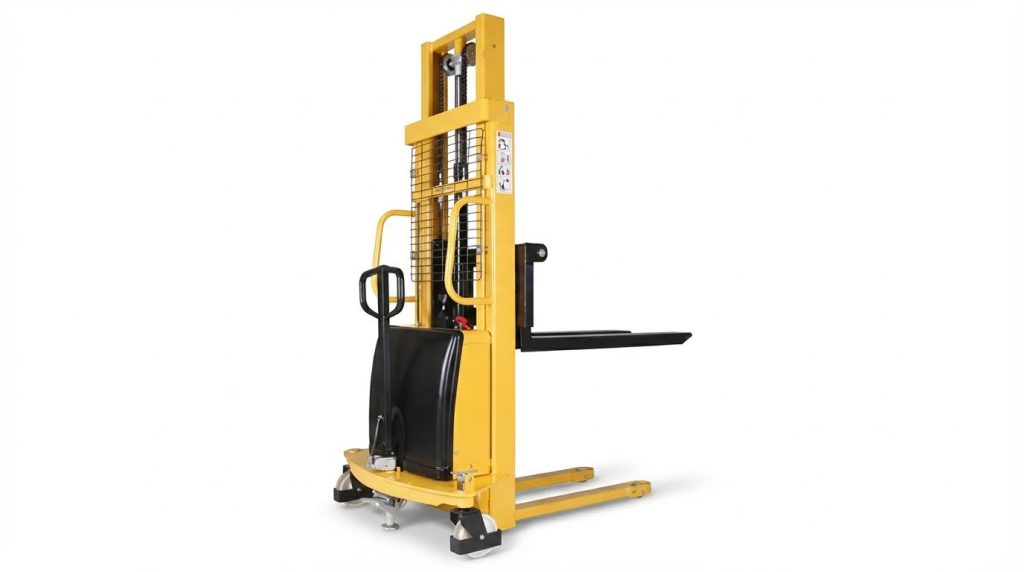
This section explains how engineers answer a key question. How much lift capacity do you lose on pallet forks when load centers and attachments change. It focuses on calculation methods, digital sensing, and model-based checks. The goal is to turn rough guesses into repeatable engineering decisions.
Capacity Formulas For Changing Load Centers
Engineers treat the truck as a lever around the front axle. The key variable is load moment. That is load weight times horizontal distance. When the load center moves out, the moment rises and safe capacity falls.
The basic capacity relation is simple: Revised Capacity = Rated Capacity × (Rated Load Center ÷ Actual Load Center). For example, 2 000 kilograms at 500 millimetres drops to about 1 600 kilograms at 600 millimetres. That matches how much lift capacity you lose on pallet forks when you handle deeper pallets or use extensions. Many safety teams then apply an extra margin, often 10–20%, to set a working limit below the math result.
This formula assumes level ground, centered loads, and no extra attachments. Engineers must also respect the maximum load moment from the data plate. They must always use the lower value between moment-based capacity and hydraulic limits.
Digital Load Monitoring And Predictive Analytics
Modern forklifts and telehandlers started to use sensor systems to track load moment in real time. Typical systems measure hydraulic pressure, mast angle, and sometimes fork height. A controller converts those signals into an estimated load and load center.
These tools answer how much lift capacity you lose on pallet forks at a given height and reach without manual math. The display can show a live capacity bar, warning zones, and lockouts. Some systems log overload events and near misses. Engineers can then review patterns by shift, operator, or attachment type.
Predictive analytics use this history to flag risky tasks. Examples include frequent lifts near the limit at high mast heights or with long pallets. Maintenance teams can also link overload data to component wear, such as mast rollers and steer axles.
Using Digital Twins To Validate Attachments Safely
Digital twins are virtual models of a specific truck, mast, and attachment set. Engineers use them to test how much lift capacity you lose on pallet forks before any field trial. The twin includes geometry, weights, and stiffness of the chassis, mast, and carriage.
With this model, a designer can vary fork length, attachment thickness, and pallet depth. The software then calculates new load centers, moments, and deflections. It can simulate lifts at different heights, tilts, and slopes. That helps reveal when the stability triangle is close to failure.
Digital twins also support “what if” checks for future tasks. For example, a site can test a new carton clamp or longer forks for export pallets. They can confirm that the new configuration still meets internal safety factors and standards.
Design Tips For Specifying Forks And Attachments
Good design starts with a clear duty profile. Engineers define typical pallet sizes, maximum load weights, and lift heights. They then size pallet forks and attachments to keep the load center as close to the mast as possible. This directly reduces how much lift capacity you lose on pallet forks in daily work.
Key checks usually include: fork section strength and deflection at maximum load, attachment weight versus truck capacity, and the combined center of gravity shift. Designers compare results against ANSI and OSHA requirements and the truck maker’s limits.
Practical tips include avoiding fork extensions longer than 50% beyond the original fork length unless a full engineering review is done. Engineers should request updated capacity plates from the truck supplier for every new attachment set. They should also standardize on a small number of fork lengths and attachments across the fleet. That reduces operator confusion and training load while keeping de-rating predictable.
Practical Summary And Key Safety Conclusions
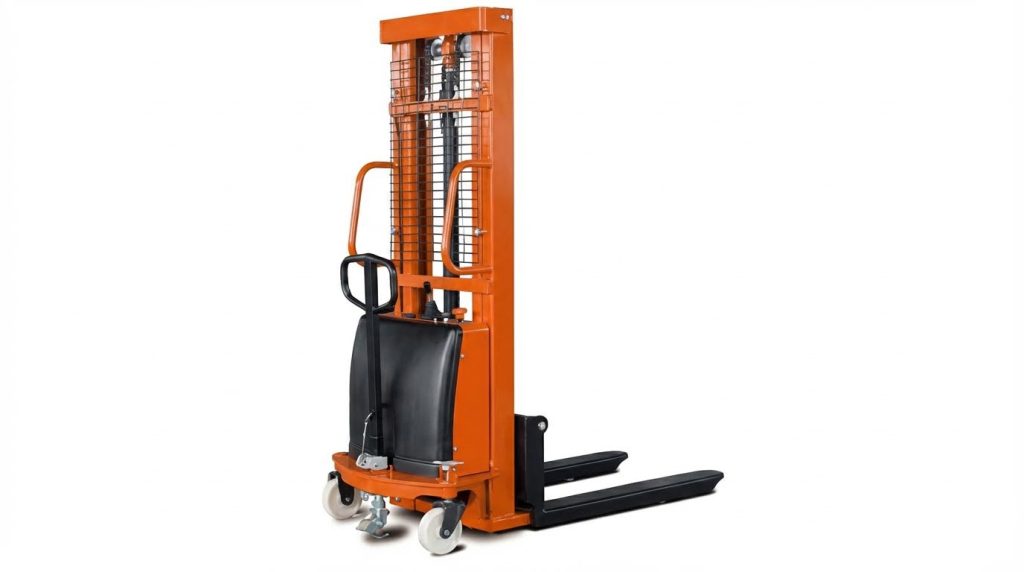
Operators who ask how much lift capacity do you lose on pallet forks need a simple, repeatable method. The core idea is that capacity loss tracks directly with extra load center and attachment weight. If the load center grows, the safe load drops in the same ratio. If the attachment adds weight and moves the center of gravity forward, the loss is even larger.
In daily work, pallet forks and extensions often push the load center from 500 millimetres to 600 millimetres or more. Using the basic moment formula, that change alone cuts rated capacity by roughly 15% to 20%. Fork extensions or long pallets can push losses into the 30% to 50% range. Higher lift heights and mast tilt then remove even more margin, especially above about 4 metres.
From a safety view, the data plate and any alternate capacity tag stay the only trusted numbers. Operators should know the rated capacity, know the actual load weight, and estimate the real load center before lifting. They should keep loads tight to the carriage, avoid overhang, and travel with the mast slightly tilted back. Supervisors should enforce OSHA and ANSI rules, keep attachment documentation with the truck, and refresh training with real de‑rating examples.
Future tools will make this easier but not optional. Digital load sensors, on‑board moment calculators, and digital twins already helped engineers test new forks and clamps before use. These tools will likely give live “green or red” feedback as the operator raises or reaches. Even then, the basic rule will not change. Capacity ratings assume a standard load center and no extra attachment weight. Any change to that setup means you lose lift capacity on pallet forks,,
Frequently Asked Questions
How much lift capacity do you lose when using pallet forks?
Attachments like pallet forks add extra weight and shift the load further from the forklift’s center of gravity. This reduces the forklift’s overall lifting capacity. To operate safely, always account for this reduction. Forklift Safety Tips.
What factors affect the lifting capacity of a forklift with pallet forks?
The lift capacity depends on several factors:
- Weight of the attachment itself.
- Distance of the load from the mast (load center).
- Forklift’s original rated capacity.
Always check the manufacturer’s data plate or manual to determine safe limits after attaching forks.
How is forklift capacity calculated when using attachments?
To calculate the safe lifting capacity, subtract the weight of the attachment and consider the new load center distance. For example, if the attachment weighs 200 kg and shifts the load center, reduce the rated capacity accordingly. Consult your forklift’s specifications or an expert for precise calculations.