Engineers and buyers who search for who manufacturers scissor lifts rarely only want a brand list. They need to understand how different scissor lift architectures, powertrains, and design choices affect safety, uptime, and lifecycle cost across global suppliers.
This article follows that logic from the ground up. It starts with core scissor lift types, from dock and low-profile tables to multi-scissor high-stroke platforms and mobile self-propelled units. It then compares hydraulic, electric, hybrid, and low-emission powertrains, with attention to runtime, load capacity, and terrain use.
Next, it explains how manufacturers differentiate through structural geometry, materials, stability control, safety systems, and maintenance access. The final section turns these technical points into clear selection criteria and a forward-looking market outlook, so project teams can specify scissor lifts and choose between manufacturers with confidence.
Core Scissor Lift Architectures And Use Cases
Engineers who ask who manufacturers scissor lifts usually compare designs by architecture first. Core scissor lift types map directly to lift height, duty cycle, and load geometry. This section explains how dock, low-profile, multi-scissor, big-table, and mobile variants differ in structure and use case. It helps buyers match platform type, stroke, and mobility to real site conditions and safety limits.
Dock, Low-Profile, And Production-Line Tables
Dock and low-profile tables handle short vertical travel with high cycle counts. Typical dock lifts work at about 1 metre stroke and sit at loading bays between trucks and warehouse floors. They often use surface-mount frames with steel chequer plate decks and simple guard rails. Low-profile tables stay very thin at rest so operators can load with pallet trucks without a pit.
Production-line tables focus on repeatable positioning. They support fixtures, jigs, or workpieces at ergonomic heights. Designers size cylinders and scissor arms for fast raise times and precise stops. Common applications include assembly cells, packing stations, and machine infeed or outfeed points. When buyers search who manufacturers scissor lifts, this category usually comes from industrial table specialists rather than aerial work platform brands.
Multi-Scissor And High-Stroke Industrial Platforms
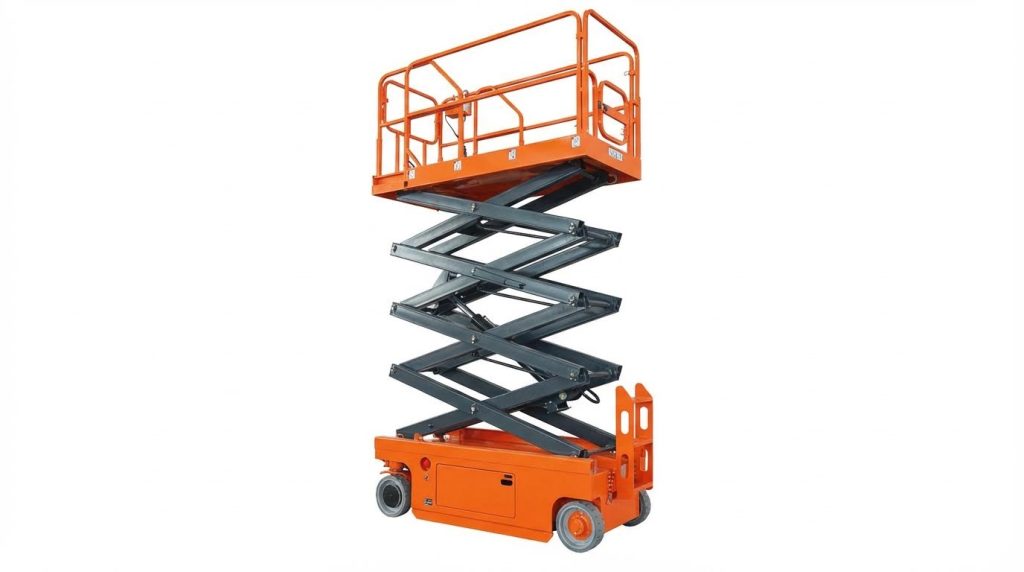
Multi-scissor platforms stack several X-link sets vertically. This geometry multiplies stroke while keeping a compact footprint. Typical lift ranges run from about 2 metres up to 5 metres for indoor industrial use. These units almost always sit in pits so the deck can reach floor level when lowered.
High-stroke designs require careful buckling and fatigue checks. Engineers increase arm section modulus and pin diameters to resist bending and wear. They also tune flow controls to avoid bounce at full extension. Common uses include mezzanine access, goods lifts between floors, and stage or event platforms. When users compare who manufacturers scissor lifts in this segment, they usually examine track record on fatigue life and weld quality.
Big-Table And Vehicle-Handling Scissor Systems
Big-table scissor lifts carry long or wide loads that standard platforms cannot support. Platform sizes can reach about 18 metres long and 3 metres wide for vehicles or large pallets. Designers use multiple scissor sets in parallel under one deck. They link cylinders hydraulically or mechanically to keep the platform level.
Vehicle-handling systems work in workshops, parking systems, and logistics hubs. They support cars, vans, or light trucks for transfer between levels. Ground bearing checks are critical because wheel loads create local peaks. Typical safety features include wheel chocks, mechanical locks, and anti-roll edges. Buyers asking who manufacturers scissor lifts for vehicles should focus on proven synchronization systems and anti-sway bracing.
Mobile, Towable, And Self-Propelled Lift Variants
Mobile scissor lifts add chassis and travel gear under the platform. Towable units mount the scissor pack on a trailer frame. They offer working heights from about 4 metres to 20 metres and payloads up to roughly 2 000 kilograms. Users tow them between sites with light vehicles. Outriggers stabilize the frame on uneven ground.
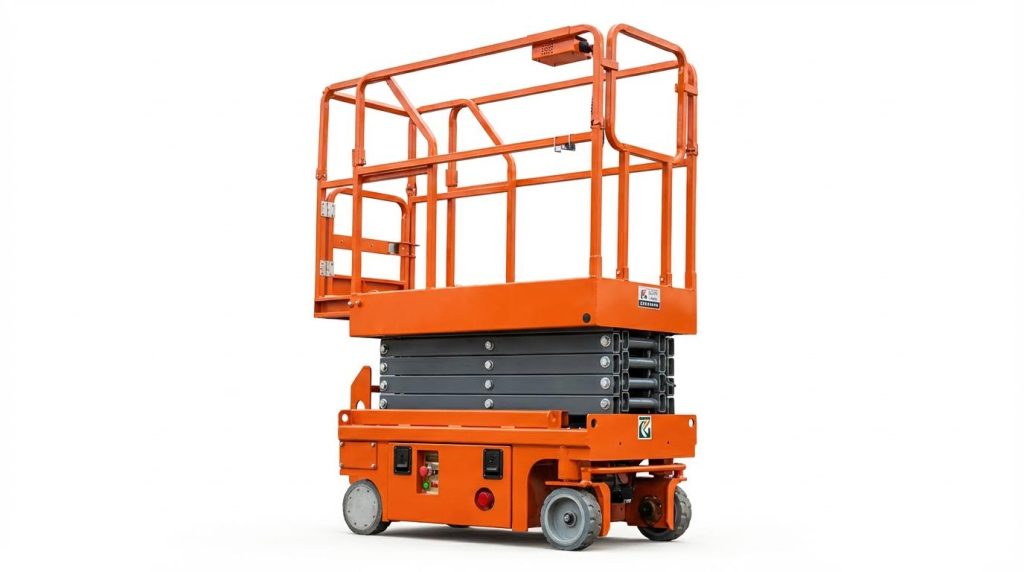
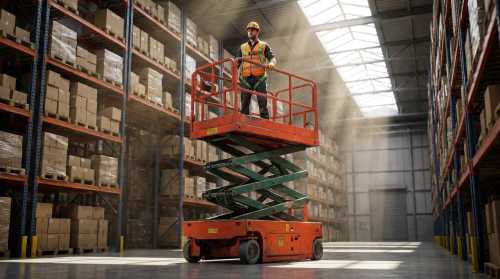
Self-propelled electric scissor lifts target indoor work. Typical working heights range from 3 metres to 16 metres with loads around 227 kilograms to 550 kilograms. Narrow chassis designs pass through standard doors and aisles. Dual electric drive motors allow slow travel at height. Rough-terrain variants add four-wheel drive, larger tyres, and higher ground clearance.
When maintenance teams search who manufacturers scissor lifts for facilities work, they often choose self-propelled platforms. These units cut setup time compared with scaffolding and offer quiet, zero-emission operation. Selection depends on floor flatness, turning radius, and required duty cycle. Electric models suit clean indoor spaces, while towable and engine-powered units fit outdoor and mixed-use projects.
Powertrain Types: Hydraulic, Electric, Hybrid, And More
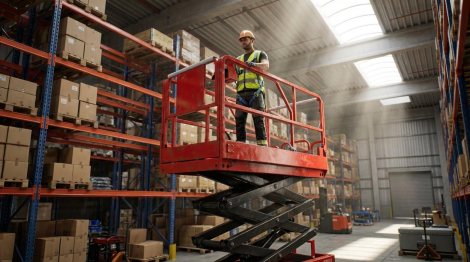
Powertrain choice strongly shapes how a scissor lift behaves, where it can work, and how often it needs service. Engineers and buyers who ask who manufacturers scissor lifts usually compare models by power source first, then by structure and options. Hydraulic, battery-electric, engine-driven, and hybrid layouts each target different duty cycles, heights, and terrain classes. This section explains how these powertrains differ in force density, runtime, emissions, and lifecycle cost so specifiers can narrow the field before looking at individual manufacturers.
Hydraulic Systems: Heavy-Duty And Rugged Operation
Hydraulic scissor lifts use a pump, valves, and cylinders to turn fluid pressure into lift force. Typical systems deliver high force at low pump power, which suits heavy platforms and high load factors. They tolerate shock loads from rough terrain and uneven loading better than most electric screw or belt drives. This makes them common in dock lifts, big-table vehicle platforms, and outdoor construction units.
Key engineering trade-offs include:
- High load capacity and good overload tolerance when valves are sized correctly.
- Simple architecture, but more potential leak points at hoses, seals, and fittings.
- Speed drops in cold weather unless fluid, pump, and orifice sizing consider low temperatures.
- Higher noise and less precise micro-positioning than electric drives.
Designers must manage fluid cleanliness, seal selection, and hose routing to keep lifecycle cost under control. Typical maintenance tasks include checking fluid level, monitoring temperature, and inspecting for leaks or hose abrasion. When buyers research who manufacturers scissor lifts for heavy-duty use, they usually focus on hydraulic platforms rated for frequent full-load cycles and long duty hours.
Battery-Electric Drives, BMS, And Runtime Limits
Battery-electric scissor lifts use electric motors to drive hydraulic pumps or direct mechanical actuators. They suit indoor work where noise and exhaust are not acceptable. Typical working heights range from about 4 metres to over 10 metres, with load capacities that fit one or two workers plus tools. Electric units also help facilities meet low-emission targets in warehouses and plants.
Modern designs rely on a Battery Management System (BMS) to protect cells and extend runtime. A BMS typically:
- Monitors voltage, current, and temperature for each string.
- Balances cells to avoid early capacity loss.
- Limits discharge and charge rates to protect the pack.
- Logs usage data for maintenance planning.
Runtime depends on platform duty cycle, lift frequency, and drive usage between work zones. Lithium-ion packs support faster charging and better low-temperature performance than lead-acid, but they raise initial cost. Engineers should match battery size to shift length and charging windows, not just peak lift power. When end users search who manufacturers scissor lifts with long runtime, they often compare BMS features, charge times, and cold-weather ratings.
Engine, Dual-Fuel, And Rough-Terrain Power Options
Engine-driven scissor lifts use diesel, gasoline, or dual-fuel powertrains to support outdoor and rough-terrain work. An engine usually drives a hydraulic pump, which then powers cylinders and drive motors. This layout offers long runtime as long as fuel is available, with quick refuelling that suits high-utilisation rental fleets and construction sites. Rough-terrain models often add four-wheel drive, oscillating axles, and aggressive tyres.
Dual-fuel units can switch between gasoline and liquefied petroleum gas. This gives flexibility for indoor-outdoor transitions where ventilation is limited. Typical engineering considerations include:
- Engine power sizing for worst-case gradeability and lift at full load.
- Cooling airflow in dusty or hot environments.
- Noise and vibration limits in urban or night work.
These machines usually carry higher platform capacities and larger deck extensions than compact indoor electrics. Buyers who ask who manufacturers scissor lifts for rough terrain should compare ground clearance, allowable slope, and rated wind speed, not only engine brand or power.
Emerging Low-Emission And Energy-Efficient Designs
Recent scissor lift designs moved toward low-emission and energy-efficient powertrains. Hybrid systems pair smaller engines with battery packs, so the engine runs near its best efficiency point and shuts down when load is low. This reduces fuel use, noise, and local exhaust while keeping long runtime. Some hybrids can operate in full-electric mode for short indoor tasks, then recharge the pack outside using the engine.
Energy efficiency improvements also come from:
- High-efficiency hydraulic pumps and load-sensing circuits.
- Regenerative lowering, where the system recovers some potential energy.
- Low-rolling-resistance tyres and optimised drive gearing.
- Smart controls that limit unnecessary high-speed travel or rapid cycling.
Facilities that plan for stricter emission rules often shortlist hybrid or advanced electric models when they compare who manufacturers scissor lifts globally. Engineers should review duty cycles, local fuel and power prices, and emission regulations before choosing between pure electric, hybrid, or conventional engine-driven platforms. Over the full life of the lift, energy-efficient powertrains can offset higher purchase prices through lower fuel or electricity use and reduced maintenance hours.
Design Differentiators Among Manufacturers

Engineers who ask who manufacturers scissor lifts also need to know how designs differ. Competing products may share working height and capacity, yet behave very differently in fatigue life, stability, safety, and uptime. This section explains the main engineering levers manufacturers use to stand out and how these affect lifecycle cost and risk in real projects.
Structural Geometry, Materials, And Fatigue Life
Manufacturers use different scissor geometries to balance stiffness, weight, and cost. Common choices include single-stage sets for low lifts and multi-stage stacks for heights above roughly 6–8 metres. Link length, pin spacing, and cross-bracing patterns drive deflection, side sway, and buckling resistance under full load.
Material choices also diverge. Typical designs use structural steels with yield strengths in the 235–355 MPa range. Higher-end units may use higher-strength grades to reduce section size while keeping safety margins. Thicker sections increase stiffness but add mass, which raises ground loads and power demand.
Fatigue life depends on weld quality, pin–bush design, and stress concentrations at node joints. Better manufacturers optimise:
- Fillet radii at cut-outs and hinge plates
- Weld access for consistent penetration
- Bearing lengths to reduce contact stress
They validate designs with finite element analysis and cycle testing that mirrors duty cycles on docks, production lines, or rough-terrain sites. Buyers should compare rated duty cycles, inspection intervals, and any published fatigue test data when deciding who manufacturers scissor lifts that fit high-cycle applications.
Stability, Ground Pressure, And Terrain Capability
Stability is a key differentiator between manufacturers, especially at larger working heights. Design choices include base footprint, scissor stack stiffness, and centre-of-gravity control across the stroke. Wider bases and heavier chassis increase stability but may limit access in tight aisles.
Ground pressure matters for warehouses with sensitive floors and for outdoor work on soft soil. Crawler or large-diameter tyres reduce contact pressure compared to smaller solid wheels. Some rough-terrain models use oscillating axles or load-sensing systems to keep all wheels in contact and maintain traction.
Engineers should review:
| Aspect | Design impact |
|---|---|
| Max wind rating | Defines safe outdoor use at height |
| Allowable slope | Limits work on ramps or uneven ground |
| Tyre or track type | Affects ground pressure and obstacle crossing |
| Outrigger options | Improves stability for towable or light chassis units |
Manufacturers that target rough-terrain use typically offer higher ground clearance, four-wheel drive, and more robust chassis weldments. Indoor-focused units prioritise compact width, low turning radius, and low floor loading.
Safety Systems, Controls, And Human Factors
When comparing who manufacturers scissor lifts, safety architecture is a decisive factor. Core systems include overload detection, tilt sensors, emergency lowering, and platform guardrails. Better designs integrate these into a simple control logic that operators understand quickly.
Control layouts vary. Some manufacturers use proportional joysticks for precise feathering, while others rely on on/off valves for lower cost. Clear labelling, consistent control directions, and guarded switches reduce human error. Platform consoles should remain readable in bright sunlight and at night.
Key differences between manufacturers often include:
- How the system reacts to overload or tilt alarms
- Whether drive is locked out at unsafe elevations or angles
- Presence of automatic pothole protection or stabilisers
Non-slip decks, entry gates that interlock with lift motion, and descent speed control further improve safety. Some newer designs add simple diagnostic displays that show fault codes, helping technicians and operators resolve issues without guesswork.
Maintenance Access, Lifecycle Cost, And Uptime
Maintenance philosophy separates short-lived lifts from long-life assets. Manufacturers that design for uptime focus on easy access to hydraulic components, batteries, and control modules. Swing-out trays, removable covers, and grouped service points reduce downtime during routine checks.
Lifecycle cost depends on wear part life, service intervals, and diagnostic support. Features such as lubrication-free pins, sealed bearings, and corrosion-resistant finishes reduce the need for frequent greasing and repainting. Electric models with robust battery management systems lower energy and replacement costs over time.
Buyers should compare:
| Item | What to check |
|---|---|
| Service interval | Hours or cycles between scheduled checks |
| Parts commonality | Shared components across models or series |
| Fault diagnostics | Built-in codes versus manual tracing |
| Access design | Time to reach pumps, hoses, and valves |
Manufacturers that support longer inspection intervals, clear manuals, and simple electrics usually achieve higher fleet availability. For operators running mixed fleets, consistent component layouts across models save technician training time and reduce errors.
Summary: Key Selection Criteria And Market Outlook
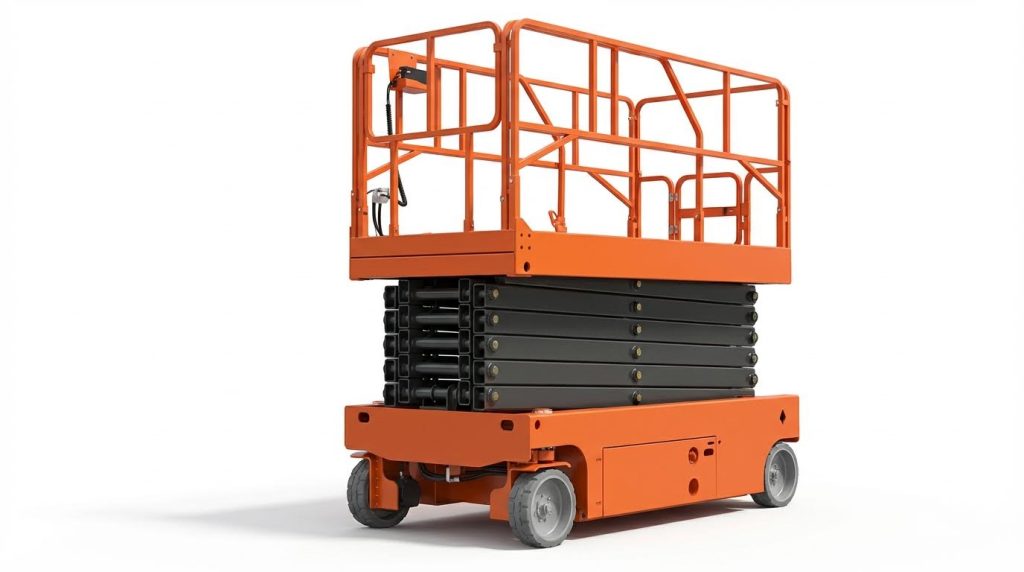
Buyers who ask who manufacturers scissor lifts usually want more than a brand list. They need to match lift architecture, powertrain, and safety systems to real job conditions and lifecycle cost. This section links those design choices to selection criteria and likely market shifts.
Selection starts with working height, platform size, and rated load. Typical self-propelled units cover 3–16 m working height and 227–550 kg capacity. Towable and big-table platforms extend to about 20 m and higher loads, including vehicle handling. Engineers then check ground conditions, indoor versus outdoor duty, and duty cycle. That drives the choice between hydraulic, battery-electric, engine, or hybrid powertrains.
Key decision factors include:
- Required height and reach versus allowed floor loading and ground pressure
- Indoor emission limits and noise limits versus rough-terrain needs
- Expected daily operating hours versus battery runtime and refuel time
- Service access, spare parts support, and total cost over the lift life
Global demand has favored battery-electric and hybrid scissor lifts for indoor work and low-emission sites. Manufacturers have added smart BMS, higher energy-density batteries, and more efficient hydraulic circuits. Rough-terrain and crawler platforms have gained use on sensitive ground and infrastructure projects.
Future designs will likely push longer runtimes, lower energy use per meter lifted, and simpler maintenance. Digital diagnostics and remote monitoring will support higher uptime but will not replace mechanical,
Frequently Asked Questions
Who manufactures scissor lifts?
Scissor lifts are manufactured by a variety of companies globally, ranging from large industrial manufacturers to specialized equipment makers. These manufacturers design and produce different models tailored for construction, warehousing, and maintenance applications.
- Manufacturers focus on producing both electric and engine-powered scissor lifts to meet diverse operational needs.
- Common features include robust lifting mechanisms, safety controls, and platform extensions for added functionality.
Are scissor lifts mechanical or electrical?
Scissor lifts can be both mechanical and electrical, depending on their design and power source. Most modern scissor lifts use an electric motor to drive hydraulic systems that lift the platform. Key components typically include:
- Hydraulic cylinders to provide lifting force.
- An electric motor or internal combustion engine as the power source.
- Control systems for safe operation.
For more details on lift mechanisms, you can refer to this Lift Design Guide.