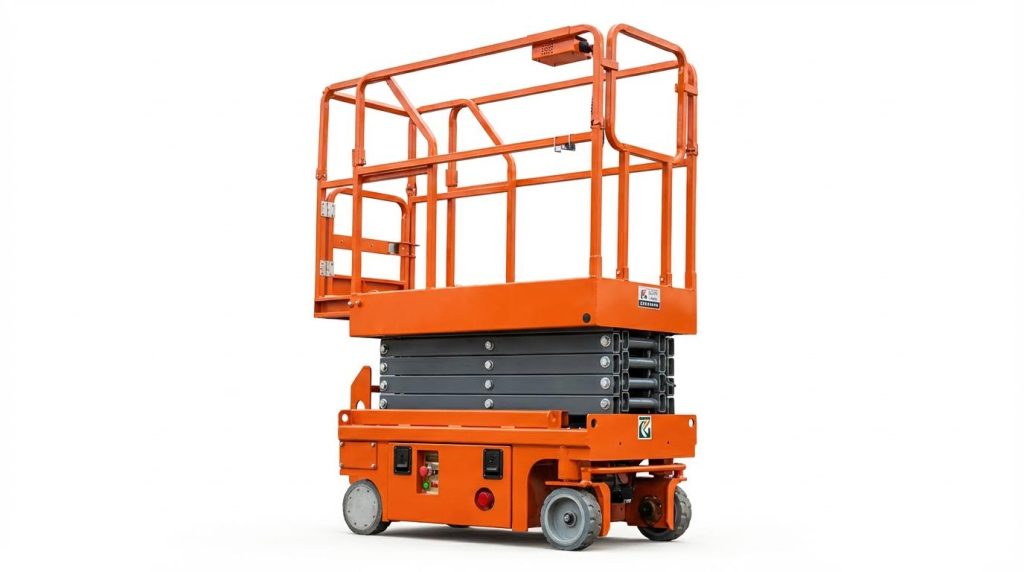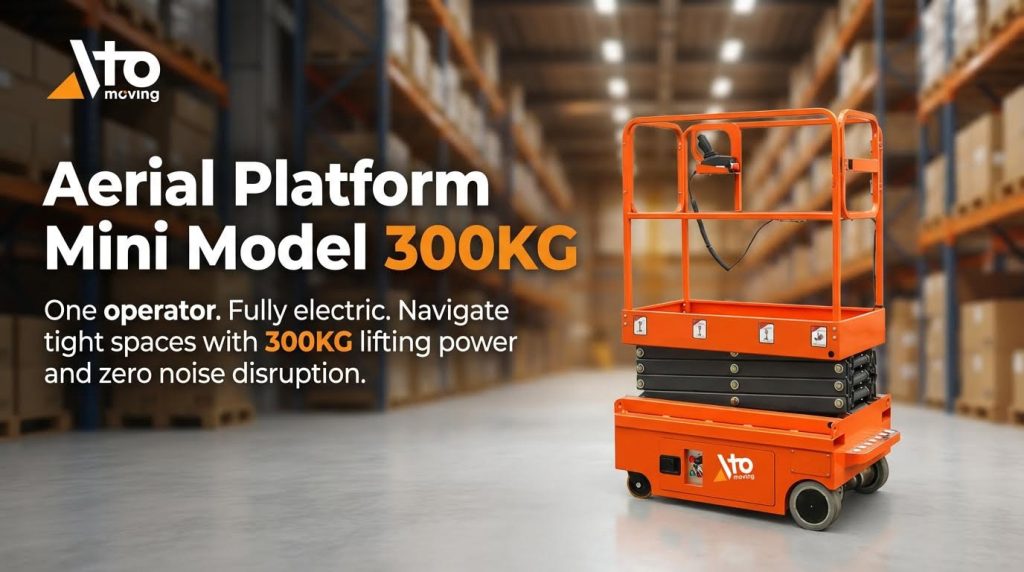
Contractors and facility managers often ask how high does a 19 scissor lift go when planning indoor fit-outs, MEP work, or light maintenance. This article explains the engineering difference between platform height and working height, so teams can match real reach to task needs across the full outline.
You will see how a “19-foot” label on spec sheets translates into about 25 feet of effective reach, and how platform size, deck extensions, capacity, and powertrain options define the true work envelope. The article then links these numbers to OSHA and ANSI rules, common misuse patterns, and digital monitoring practices that affect lifecycle cost and safety. The final section shows how to interpret 19-foot ratings conservatively so planners size lifts correctly without pushing operators into unsafe overreach.
Defining Platform Height Vs Working Height
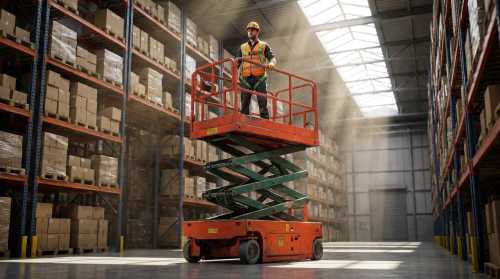
This section explains how high a 19 scissor lift goes in real use. It separates platform height from working height so engineers, planners, and rental users read spec sheets correctly. The focus stays on a 19-foot class machine and how that number translates to safe reach on real jobs.
What “19-Foot” Actually Means On Spec Sheets
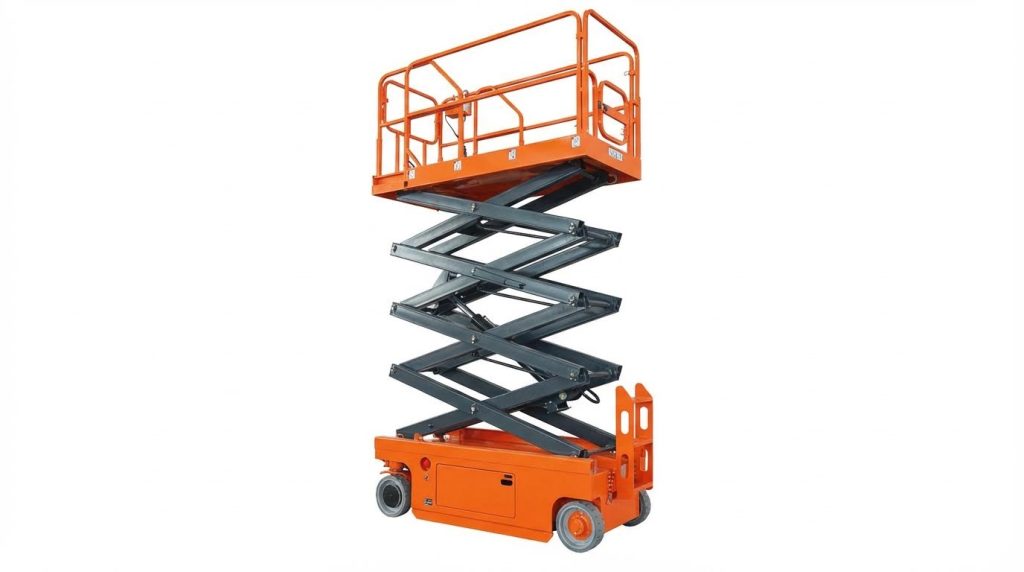
On spec sheets, “19 scissor lift” almost always means 19 feet platform height. This is the vertical distance from the ground to the platform floor at full extension. It does not include the worker’s body height or arm reach. Engineers use platform height when they plan slab loads, doorway clearances, and transport height envelopes. When people ask how high does a 19 scissor lift go, this 19-foot figure is only the structural part of the answer, not the functional reach.
How Working Height Is Calculated In Practice
Working height describes how high a person can actually work from the platform. Industry practice adds about 1.8 metres, or 6 feet, to the platform height. This extra height represents a typical operator standing upright with arms and tools extended. For a 19-foot platform, the working height is therefore about 25 feet. Some data sheets round this value, but the method stays the same: platform height plus a standard reach allowance.
When planning access, teams should compare required task height with this working height, not just the platform figure. They should also include a safety margin so operators do not need to stretch or lean.
Why Rental Listings Emphasize Working Height
Rental customers usually care about the task height, not the machine geometry. For that reason, rental sites highlight working height in bold and list platform height as a secondary line. A user searching how high does a 19 scissor lift go can quickly see if a 25-foot working height covers a 6–7 metre ceiling or service run.
Listings use working height to reduce guesswork and cut the risk of under-sizing a lift. If the listed working height is too close to the required height, users might overreach or stand on objects, which is unsafe. Clear working height data helps supervisors choose the next larger model instead of pushing limits.
Typical Numbers: 19-Foot Lift To 25-Foot Reach
For a 19-foot scissor lift, the typical relationship between platform and working height is consistent across most models.
| Parameter | Typical value |
|---|---|
| Platform height (rated) | 19 ft ≈ 5.8 m |
| Added operator reach | 6 ft ≈ 1.8 m |
| Working height (approximate) | 25 ft ≈ 7.6 m |
This means a 19-foot unit can usually service fixtures, ducts, or lighting up to about 7–7.5 metres high. The exact usable height still depends on task detail, such as overhead obstructions or required tool stance. For borderline cases, engineers should step up to the next height class rather than count on extra reach. In summary, when someone asks how high does a 19 scissor lift go, the practical answer is a platform at 19 feet and a working reach near 25 feet under normal conditions.
Key Specifications Of A 19-Foot Scissor Lift
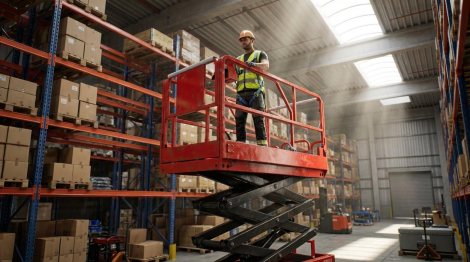
Key specifications explain how high does a 19 scissor lift go in real jobs. Engineers must link rated platform height, structure, and powertrain to safe working reach. This section focuses on typical 19-foot units used in maintenance, fit-out, and light construction work.
Platform Size, Deck Extensions, And Reach Envelope
A 19-foot scissor lift usually provides a 19-foot (about 5.8 metre) platform height. The effective working height is about 25 feet because designers add roughly 1.8 metres for operator reach. Typical platforms are compact, for example about 2,100 millimetres by 1,230 millimetres. This footprint fits through standard industrial doors and into narrow aisles.
Many 19-foot units use a roll-out deck extension. Common stroke is about 0.6 metre. The extension increases horizontal reach without moving the base. That extra offset is critical when operators work over conveyors, ducting, or mezzanine edges. The combined vertical and horizontal reach envelope defines whether the lift can reach the task or not.
Load Capacity, Weight, And Stability Constraints
Typical rated platform capacity for a 19-foot scissor lift ranges from about 225 to 360 kilograms. Heavy-duty variants can carry higher loads, but they also weigh more and need stronger floors. Engineers must check that the total live load, including tools and materials, stays below the nameplate rating. Overloading reduces stability margin and can overstress the scissor structure.
Machine weight for this class ranges from under 1,000 kilograms to several tonnes, depending on design. Narrow electric indoor models sit at the lower end. Rough-terrain or high-capacity units sit at the upper end. Wider chassis and lower centres of gravity improve stability but reduce access in tight spaces. When asking how high does a 19 scissor lift go safely, users must link height to weight, base width, and load distribution, not height alone.
Powertrain Options And Hydraulic Drive Systems
Most 19-foot scissor lifts use hydraulic cylinders to raise the platform. A compact power pack drives a pump that feeds the scissor stack. Electric models usually run the pump from a battery pack, typically several deep-cycle batteries in series. These units suit indoor work because they produce no exhaust and low noise.
Some 19-foot lifts use engine-driven hydraulic systems with diesel or petrol. These suit outdoor or mixed-use sites where long duty cycles and rough ground are common. Travel drive can be hydraulic or electric. Electric drive improves energy efficiency and reduces maintenance. Hydraulic drive tolerates harsh sites and offers strong tractive effort. In all cases, flow control valves and load-holding valves govern lift speed and prevent uncontrolled descent.
Indoor Vs Outdoor Use, Gradeability, And Access
Indoor 19-foot scissor lifts normally have non-marking tyres, compact width, and lower overall weight. They work on flat concrete floors in warehouses, plants, and retail sites. Outdoor-rated models add larger tyres, higher ground clearance, and stronger structures. Manufacturers often limit outdoor operation to wind speeds below about 12.5 metres per second.
Gradeability for this height class often reaches up to about 25% in travel mode. Operators must not elevate on steep slopes, even if the lift can drive them when stowed. Access planning should consider doorway width, threshold heights, and turning radius. For tight industrial layouts, a narrow 19-foot unit offers a good balance between how high does a 19 scissor lift go and where it can physically travel. Proper selection ensures the machine can reach both the work zone and the work height without unsafe positioning.
Safety, Standards, And Selection Considerations
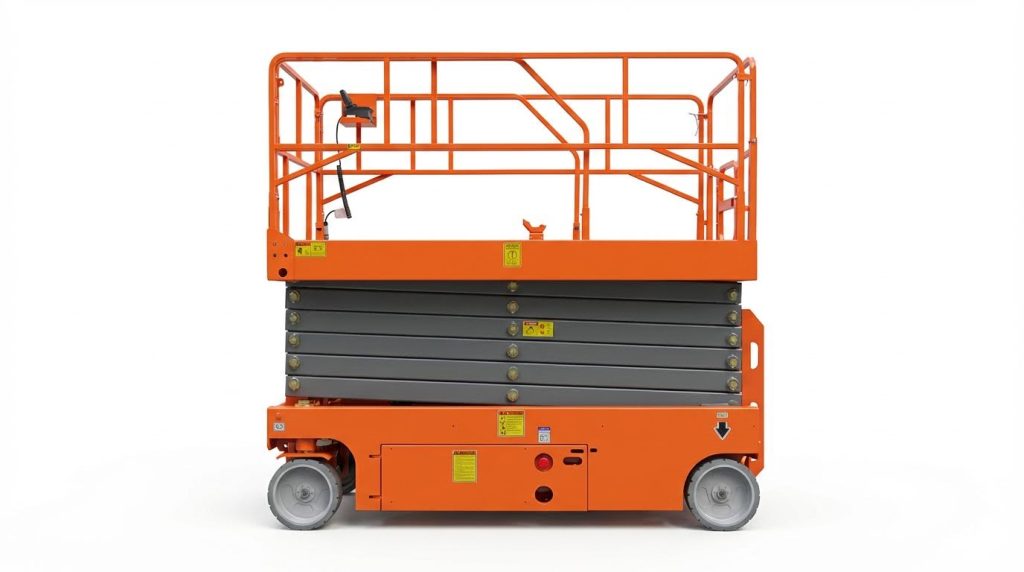
Safety rules answer a key search question: how high does a 19 scissor lift go in real work. Engineers and safety managers must link that 25 foot working height to guardrails, fall protection, and correct task planning. Good selection and maintenance reduce misuse and keep the lift inside its design envelope.
OSHA And ANSI Rules For Heights And Guardrails
OSHA treated a 19 foot scissor lift as a mobile scaffold, not as a boom lift. Guardrails had to control fall risk at the full 19 foot platform height and at the 25 foot working height. Typical rules required a top rail about 1.07 metres above the platform and a mid rail near half height. Toeboards or equivalent barriers had to stop tools from falling. Standards also required safe access, usually through a self closing gate. When teams asked how high does a 19 scissor lift go, safety staff checked both height and rail design against these rules.
Common Misuse: Overreaching And Standing On Rails
Most height incidents did not come from mechanical failure. They came from workers trying to gain extra reach beyond the 25 foot working height. Typical unsafe actions included:
- Standing on guardrails or mid rails.
- Placing ladders or boxes on the platform.
- Leaning far outside the rail to reach a point.
These actions shifted the centre of gravity toward the platform edge. That reduced the stability margin that designers built in for a 19 foot platform height. It also defeated the guardrail system that OSHA and ANSI expected to stop falls. Clear rules and supervisor checks were the only reliable control.
Height Margins, Task Planning, And Lift Sizing
Smart planning started with the question how high does a 19 scissor lift go in real use. A 19 foot model gave about 7.6 metres working height for an average person. Engineers then added a safety margin. Typical practice was to choose a lift that placed the work zone between chest and eye level, not at fingertip reach. Planners also checked:
- Required tool length and material handling height.
- Floor level changes, ramps, or pits under the lift.
- Wind ratings for outdoor jobs at full height.
If the task needed frequent reaching above shoulder level, a taller model reduced fatigue and overreach risk.
Lifecycle, Maintenance, And Digital Monitoring
Safe use at 19 foot platform height depended on condition, not just design. Daily inspections had to cover guardrails, gates, emergency stop, tilt sensors, and brakes. Scheduled maintenance included hydraulic checks, structural weld checks, and battery or engine service. Many fleets used digital systems to log hours, fault codes, and inspection results. These tools helped owners spot lifts that worked at full height often and might need closer structural review. Over the lifecycle, this approach kept the rated platform height and the real safe height aligned.
Summary: Interpreting 19-Foot Lift Height Safely
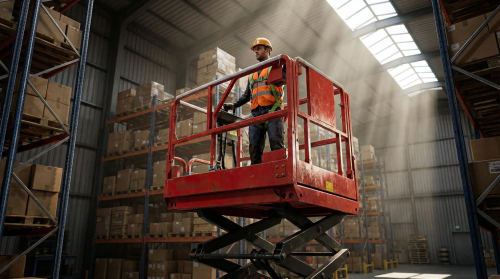
When teams ask how high does a 19 scissor lift go, they usually care about reach at the workface. A 19-foot model gives a platform height of about 5.8 metres and a working height near 7.6 metres. That 6-foot difference comes from the operator’s standing reach, not from extra machine stroke. Treat platform height as the engineering number and working height as the job-planning number.
From a safety view, a 19-foot scissor lift can reach about 25 feet, but only for vertical work. The guardrail top still sits roughly at platform height plus 1 metre, so operators must not stand or climb on rails to gain more reach. If the task needs tools or materials above that 25-foot envelope, engineers should size up the lift instead of accepting overreach. Proper selection reduces the chance of tip-overs, loss of balance, or contact with overhead services.
For most indoor maintenance, retail, and light construction work, a 19-foot unit offers a good balance of reach, footprint, and floor loading. It fits through standard doors and works in narrow aisles, so it often replaces ladders and towers. Future fleets will add more sensors and digital monitoring, but the key rule will not change. Always plan using both platform height and working height, then add a safety margin before deciding how high a 19 scissor lift should go on your site.
,
Frequently Asked Questions
How high does a 19-foot scissor lift go?
A 19-foot scissor lift typically has a platform height of 19 feet and a maximum working height of 25 feet. The working height includes the average height of the operator, which is about 6 feet above the platform. This makes it suitable for tasks like indoor maintenance or construction work at elevated levels. Scissor Lift Specifications.
What factors determine the working height of a scissor lift?
The working height of a scissor lift is determined by adding the platform height to the average height of the operator, which is typically around 6 feet. For example, a scissor lift with a platform height of 19 feet will have a working height of approximately 25 feet. Understanding this helps in selecting the right equipment for specific tasks. Choosing the Right Scissor Lift.