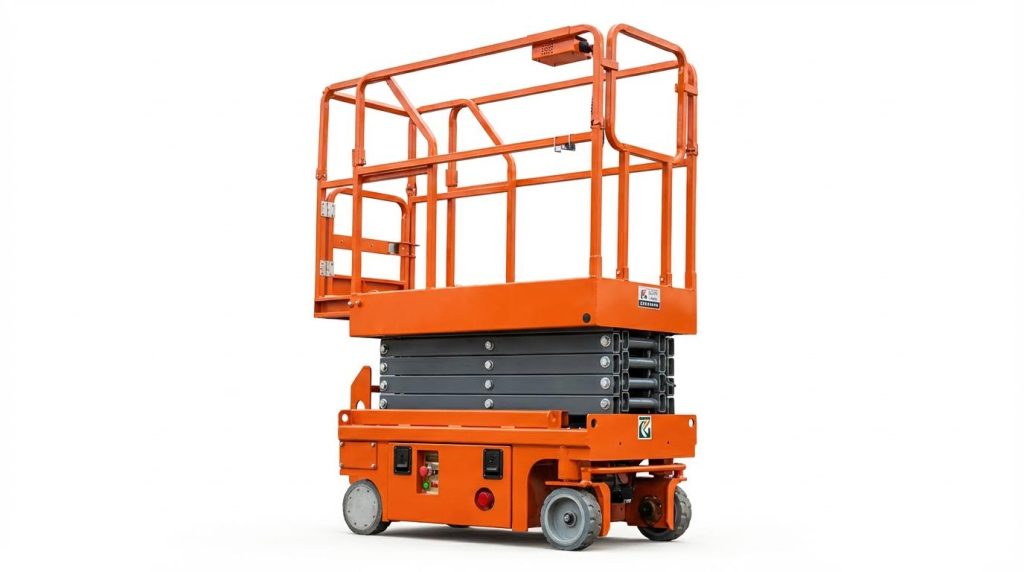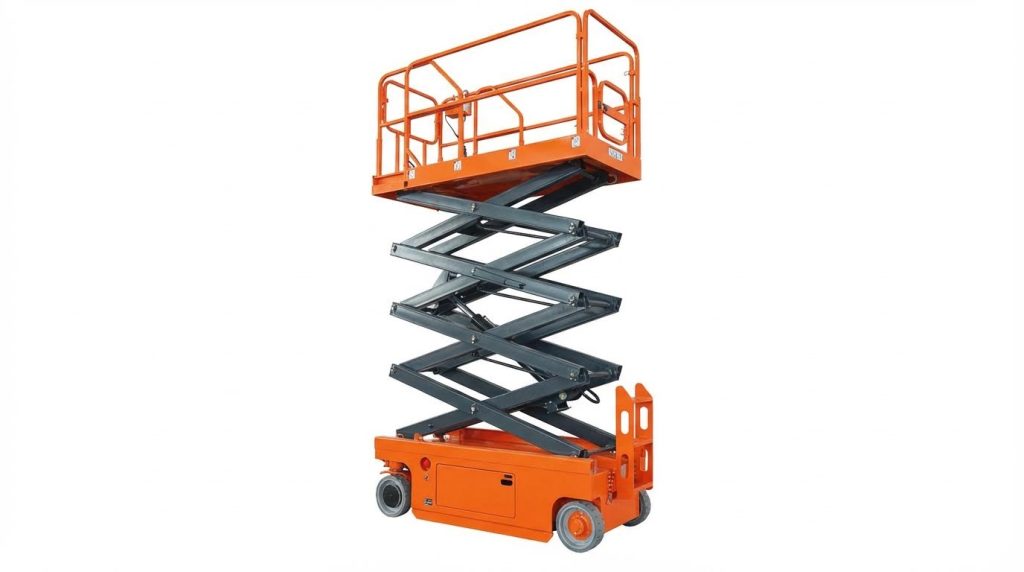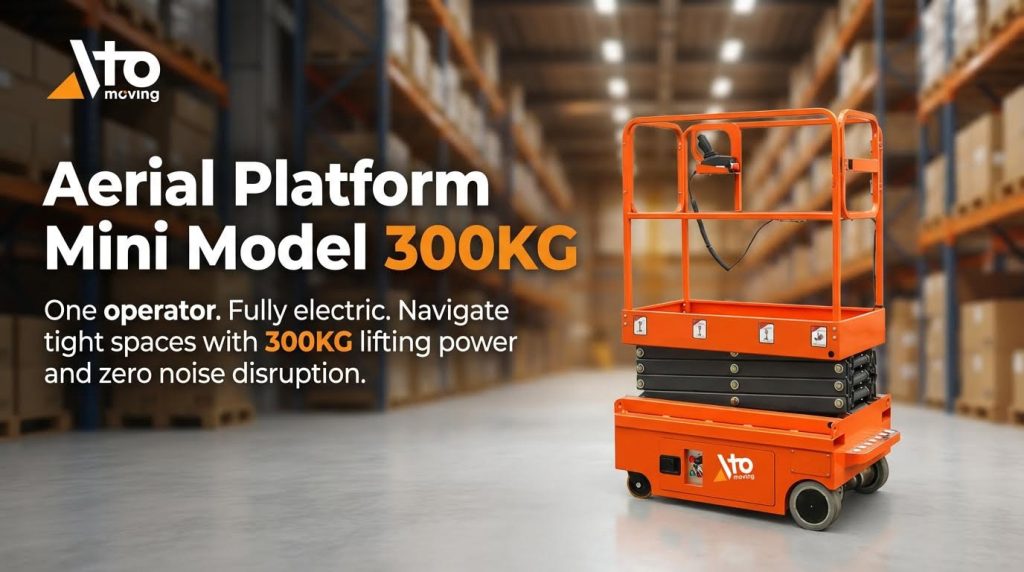
Contractors and fleet managers who ask how much does a 40 foot scissor lift weigh usually also need guidance on transport limits and jobsite setup. This article uses engineering checks and regulatory rules to connect weight, footprint, and ground loading for 40-foot and larger scissor lifts.
You will see how key specs like machine mass, platform capacity, and ground pressure drive trailer selection, axle load calculations, and permit needs. The middle sections explain transport planning, route constraints, and documentation workflows that align with DOT and FHWA rules for heavy mobile elevating work platforms.
The site preparation section then links bearing pressure, soil conditions, and access paths to safe deployment, inspections, and operator training. The final summary turns these details into a short engineering checklist that teams can apply before each new deployment of 40-foot scissor lifts on industrial or construction sites.
Key Specs of 40-Foot and Larger Scissor Lifts
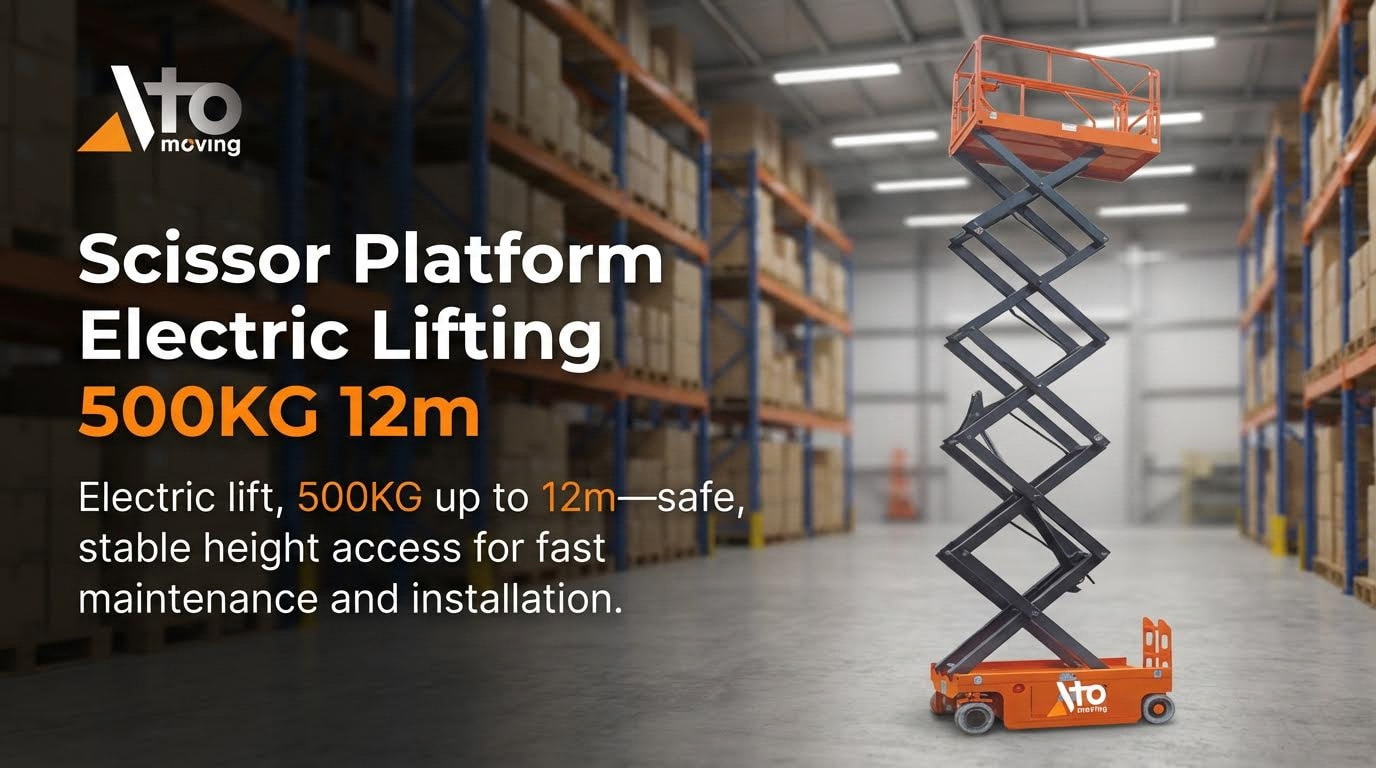
Engineers who ask how much does a 40 foot scissor lift weigh usually need more than a single number. They also need footprint, platform performance, and ground loading data to plan transport and site use. This section groups typical values and engineering checks for 40-foot and larger slab and rough‑terrain scissor lifts so planners can size trailers, verify floor capacity, and set safe work limits.
Typical Weight, Dimensions, and Footprint
A 40-foot scissor lift usually weighs between 3 100 kg and 3 200 kg. Some heavy‑duty or rough‑terrain units reach about 7 000 lb, which is roughly 3 175 kg. Always confirm the exact weight for the specific model, options, and fluid levels before transport or structural checks.
Typical machine dimensions for this class include:
| Parameter | Typical value |
|---|---|
| Stowed length | 2.5–2.7 m |
| Stowed width | 1.14–1.19 m |
| Stowed height (rails up) | 2.5–2.6 m |
| Stowed height (rails folded) | 1.9–2.0 m |
| Ground clearance | 0.05–0.13 m |
These dimensions define the footprint for warehouse storage and trailer deck layout. Folded guardrails reduce transport height and improve doorway clearance. Ground clearance influences ramp angles and the risk of bottoming on uneven access roads.
Platform Height, Reach, and Duty Cycles
A “40-foot” scissor lift usually refers to maximum working height. Working height often equals platform height plus about 2 m allowance for operator reach. Reported maximum working heights for this class range from about 13.8 m to 14 m.
Typical platform height values are:
- Indoor platform height: up to about 12 m
- Outdoor platform height: often limited to about 8.8–9.0 m
Manufacturers set lower outdoor heights to control wind loading and stability. Duty cycle depends on lift and lower times plus travel between work areas. Typical vertical cycle times are 60–70 s to full height and 35–52 s to lower.
Travel speed usually reduces when elevated. Reported values include about 0.8 km/h with the platform raised and 3.2–3.4 km/h when lowered. These figures help planners estimate task cycle time, battery sizing, and shift productivity.
Load Capacity, Ground Pressure, and Stability
Platform capacity is a key selection parameter. For 40-foot slab scissor lifts, typical rated loads include:
| Condition | Typical capacity |
|---|---|
| Indoor rating | ≈770 lb (≈350 kg) |
| Outdoor rating | ≈550 lb (≈250 kg) |
| Alternate spec | 320 kg main + 115 kg extension |
Engineers must include operator mass, tools, and materials within these limits. Dynamic effects during travel or braking can increase effective load, so conservative margins are good practice.
Ground bearing pressure governs floor design and soil checks. Maximum published values for 40-foot units reach about 135 psi, or roughly 9.45 kg/cm², under worst‑case loading. Actual contact pressure depends on tire size, inflation, and load distribution.
Stability depends on several linked factors:
- Wheelbase and track width
- Platform height and extension position
- Wind speed and direction
- Ground slope and compliance
Most machines include inclination sensors that trigger alarms or lockout above warning angles around 1.5–3°. Operators should treat these angles as hard limits and avoid operating near edges, trenches, or underground voids.
Power, Hydraulics, and Control Performance
Most 40-foot slab scissor lifts use battery electric power. Common configurations include four 12 V traction batteries in series, with capacities around 150–300 ampere‑hours per battery. On‑board chargers are often rated near 27–30 A to support overnight charging.
The hydraulic system normally uses a fixed‑displacement gear pump driven by a DC motor. A typical reservoir volume is about 30 L. Multi‑disc friction brakes hold position on slopes within the rated gradeability, which is often about 25%. Hydraulic circuit design must manage flow for smooth starts, controlled stops, and consistent lift speed under varying loads.
Control performance covers both drive and lift behavior. Typical travel speeds include about 0.5 mph (0.8 km/h) with the platform raised and roughly 2.1 mph (3.4 km/h) when lowered. Proportional controls allow fine positioning near work faces and help reduce sway. Warning systems usually monitor tilt, overload, and low battery voltage, and they should integrate with site procedures for safe shutdown and rescue.
Transport Planning and Regulatory Compliance
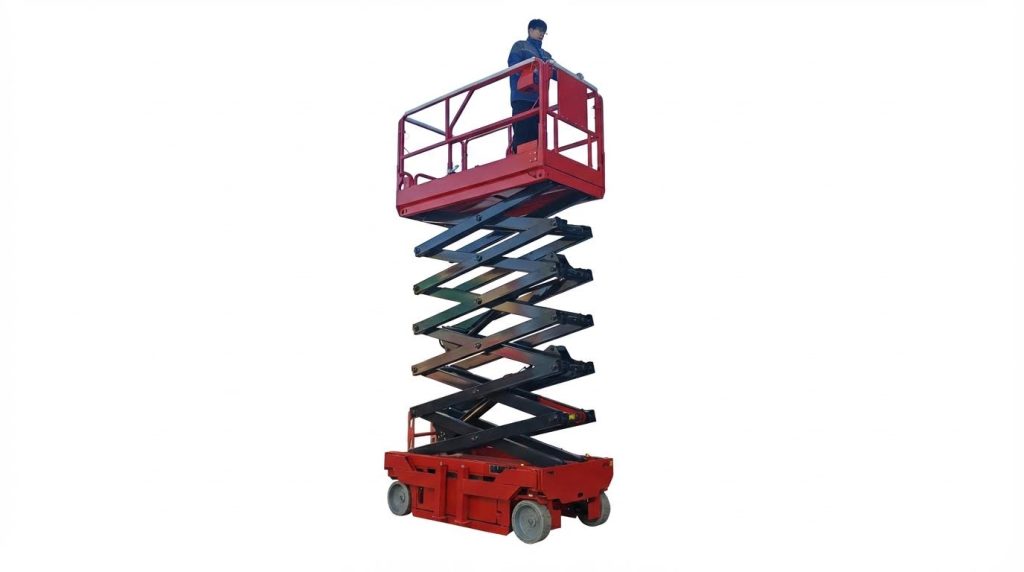
Transport planning for 40-foot scissor lifts starts with one core question: how much does a 40 foot scissor lift weigh in transport trim. Typical units in this class weighed about 3 100 kg to 3 200 kg, but some models approached 3 700 kg. Transport plans must use the certified transport weight from the manufacturer plate, not catalog averages or rental brochures. Engineers also had to account for fuel, batteries, and any installed options when they calculated gross load and axle shares.
Verifying Weights, Dimensions, and Axle Loads
Accurate data answered the query how much does a 40 foot scissor lift weigh and also drove legal compliance. Planners should pull three values from the manual and data plate: transport weight, transport dimensions, and maximum ground bearing pressure. Typical 40-foot units weighed around 3 100 kg to 3 700 kg, with footprints near 2.5 m by 1.2 m. These values allowed quick checks of trailer deck ratings and bridge formula limits.
For highway moves, engineers should convert lift weight into axle loads for the chosen trailer. They then compare those loads against state legal limits and any seasonal restrictions. When the scissor lift shared a trailer with other machines, they should sum all weights and recheck each axle group. A portable scale check at origin reduced the risk of roadside citations and forced reloading.
Trailer Selection, Loading, and Securement
Trailer selection depended on weight, height, and site access. A 40-foot scissor lift rarely exceeded legal height on a standard step deck, but rough-terrain variants with larger tires might. Lowboys helped when the job required extra overhead clearance under bridges or utilities. Removable gooseneck trailers simplified loading for self-propelled lifts that could drive on and off under power.
Loading plans should place the lift so its center of gravity sat between the trailer axles and slightly forward of center. This helped keep steer axle load within limits and avoided light trailer tails. Securement followed cargo securement rules for wheeled machinery. Typical practice used rated chains or straps on each corner, plus wheel chocks or blocks.
- Use tie-downs with working load limits that exceeded half the machine weight in each direction.
- Attach to designated lifting or lashing points, not guardrails or platform structures.
- Recheck tension after the first few kilometres and at each stop.
Permits, Routing, and DOT / FHWA Constraints
Most 40-foot scissor lifts stayed under the common 80 000 lb (36 287 kg) gross vehicle weight limit when hauled alone. Oversize or overweight permits became necessary when the trailer plus other cargo exceeded legal width, height, or gross weight. Each state set its own thresholds, but 2.6 m width and 4.1 m height were typical reference values. If the transport exceeded any limit, planners had to secure oversize or overweight permits before dispatch.
Route planning should use state DOT and FHWA freight tools to avoid low bridges, weight-restricted structures, and construction zones. Some corridors banned oversize loads during peak hours or adverse weather. Escorts or pilot cars might be mandatory for larger loads, especially on two-lane roads. Schedules should include buffer time for permit processing and weather or traffic delays.
Documentation, Insurance, and 3PL Coordination
Paperwork controlled risk when moving high-value access equipment. At minimum, the shipment should include a detailed bill of lading, a load manifest with verified weight and dimensions, and pre- and post-trip inspection reports with photos. These records supported claims if damage occurred during loading, transit, or unloading. Standard carrier liability often did not cover the full replacement cost of a 40-foot scissor lift.
Risk managers should review cargo insurance and, for overseas moves, marine insurance limits. They should confirm coverage for loading, transit, and site handover. Working with a 3PL that specialized in heavy equipment helped with multi-state permits, customs, and multimodal transfers. Clear responsibilities for weight verification, permit purchase, and securement design reduced disputes after delivery.
Site Preparation and Safe Deployment
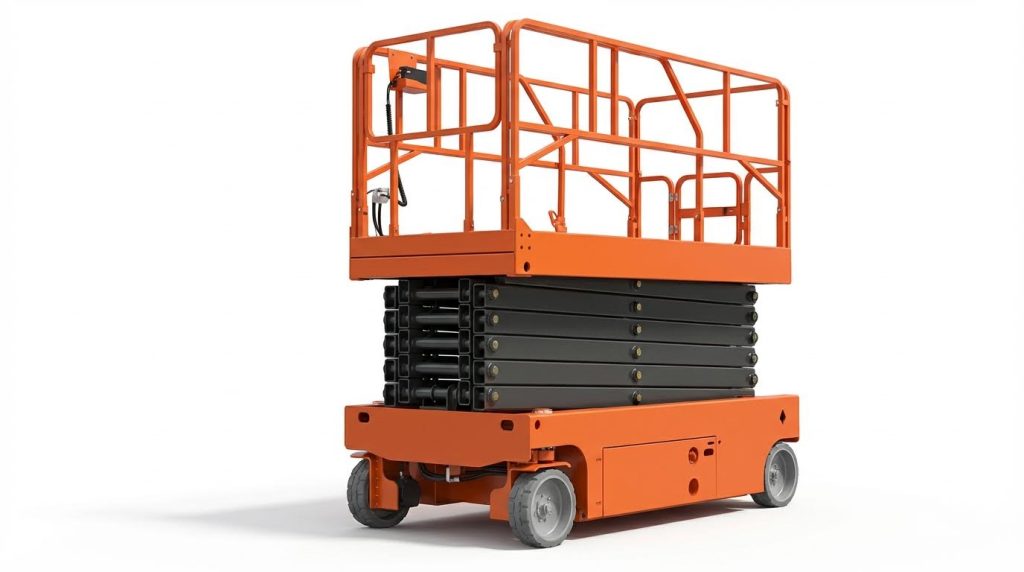
Site preparation for a 40-foot scissor lift starts with one core question: how much does a 40 foot scissor lift weigh in relation to the ground and access route. Typical units in this class weigh around 3 100 kg to 3 200 kg, so planners must assume a concentrated mobile load, not just a static point load. Safe deployment then links that weight to ground bearing pressure, access geometry, weather, and operator behavior. The following sections break down the main engineering checks before a lift ever leaves the transport trailer.
Ground Conditions, Bearing Pressure, and Access
The weight of a 40-foot scissor lift converts into high contact pressure at each tire. Typical maximum ground bearing pressure values reach about 135 psi, so weak subgrades or voided slabs can fail suddenly. Engineers should compare the lift’s published bearing pressure with site soil data, slab thickness, and any underground structures.
Soft ground, trenches, service ducts, or tanks under the surface create hidden risks. Where bearing capacity is low, use timber mats, steel plates, or engineered mats to spread wheel loads. These supports must extend beyond the tire footprint and stay stable when wet.
Access routes must also match the machine weight and geometry. Check:
- Ramp gradients against the lift’s rated gradeability, often about 25%
- Bridge decks and culverts for load limits
- Gate widths, turning radii, and overhead clearances
Plan a one-way traffic path when possible. Keep edges, excavations, and drop-offs well outside the minimum safe distance of the wheel line.
Indoor vs. Outdoor Use and Environmental Limits
Indoor and outdoor operation change how much a 40 foot scissor lift can safely carry. Typical platform capacity values drop from about 770 lb (≈350 kg) indoors to roughly 550 lb (≈250 kg) outdoors. The weight of people, tools, and materials must stay under the correct rating for the environment.
Outdoors, wind is the main extra load. Manufacturers usually define a maximum allowable wind speed and warning tilt angles around 1.5° to 3°. Exceeding these values with a tall, heavy machine increases overturning risk sharply. Never add signs, ducts, or lighting to the guardrails without an engineering review, because extra sail area multiplies wind forces.
Indoors, emissions and noise guide power choice. Electric units suit enclosed spaces, but their weight still affects suspended slabs and mezzanines. Verify floor design loads in kN/m² against the actual wheel loads from the machine. Check ceiling height, sprinkler heads, and beams against maximum platform and working height ranges of about 12 m to 14 m.
Temperature also matters. Batteries, hydraulic oil, and tires behave differently in extreme heat or cold. Follow the manufacturer’s operating temperature range and allow extra stopping distance on wet or icy floors.
Risk Assessment, Inspections, and Safe Workflows
A structured risk assessment should start before the lift arrives on site. The assessment must list hazards linked to the machine’s weight, reach, and task, then assign controls in order of priority. Typical items include ground failure, overhead power lines, falling objects, and collision with other plant.
Daily pre-use inspections are mandatory for safe workflows. A competent person should check:
- Hydraulic lines, cylinders, and reservoir for leaks or damage
- Tires, wheels, and brakes for wear and correct condition
- Guardrails, gates, and toe boards for integrity
- Platform controls, emergency stop, and ground controls for proper function
- Warning devices, tilt sensors, and limit switches
Any fault must place the machine out of service until repaired. Combine these checks with a simple traffic plan: marked exclusion zones, spotters in congested areas, and clear no-go distances from edges and live services. Review the risk assessment whenever the task, weather, or ground condition changes.
Training, Communication, and Emergency Response
Operator training must match the exact class and height of the scissor lift. Courses should explain how much a 40 foot scissor lift weighs, how that weight affects stopping distance, slope limits, and ground failure risk, and how platform load ratings change indoors and outdoors. Training must also cover safe driving with the platform raised, if the manufacturer allows towering.
Clear communication between platform and ground is essential. Use agreed hand signals or two-way radios for movements near structures, power lines, or other equipment. Assign one signaler in complex lifts to avoid mixed instructions.
Emergency response planning should define actions for power loss, entrapment, medical events, or sudden weather changes. Teams must know how to use ground-level emergency lowering controls and how to isolate power safely. Run drills at set intervals so workers can perform rescues without delay.
Document every training session, drill, and incident. Use these records to refine procedures and align future jobs with best practice for heavy mobile elevating work platforms.
Summary: Engineering Checks Before Deployment
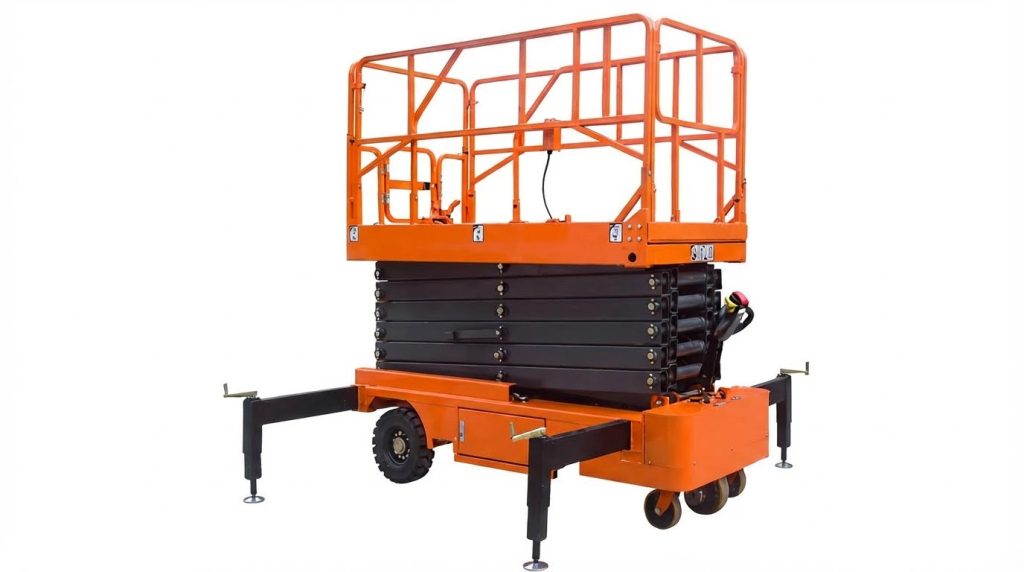
Teams planning 40-foot scissor lift work should start by answering a core question: how much does a 40 foot scissor lift weigh in its actual working configuration. Typical machines in this class weighed about 3100–3200 kilograms, but some models approached 3200–3300 kilograms with options, fuel, or full batteries. Engineers needed this verified weight, plus attachment and load data, before they could check trailers, ground bearing capacity, and access routes.
Key technical checks combined several earlier steps into one workflow. Planners confirmed platform height and working reach against the task. They verified platform capacity for indoor and outdoor ratings, often between 250 and 350 kilograms, including tools and materials. They compared published maximum ground bearing pressure, which reached about 135 psi for some units, with geotechnical data or slab design loads. They then validated transport axle loads and overall dimensions against legal limits and permit rules.
Site readiness,
Frequently Asked Questions
How much does a 40-foot scissor lift weigh?
The weight of a 40-foot scissor lift typically ranges between 5,620 kg and 7,185 kg, depending on the manufacturer and model. Factors such as the type of lift (electric or diesel), platform size, and additional features can influence the overall weight. For more detailed specifications, you can refer to Scissor Lift Specs.
What factors affect the weight of a scissor lift?
Several factors can affect the weight of a scissor lift, including:
- Type of Power Source: Electric lifts are generally lighter than diesel-powered ones.
- Platform Size: Larger platforms add to the overall weight.
- Additional Features: Extensions, railings, and other accessories can increase weight.
For more information on specific models, check out Electric Scissor Lifts Guide.