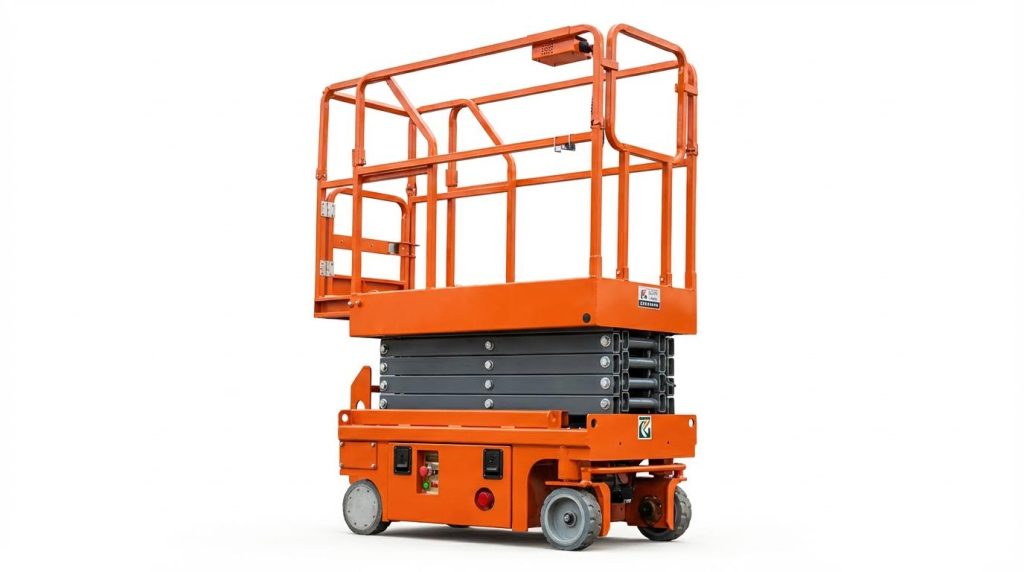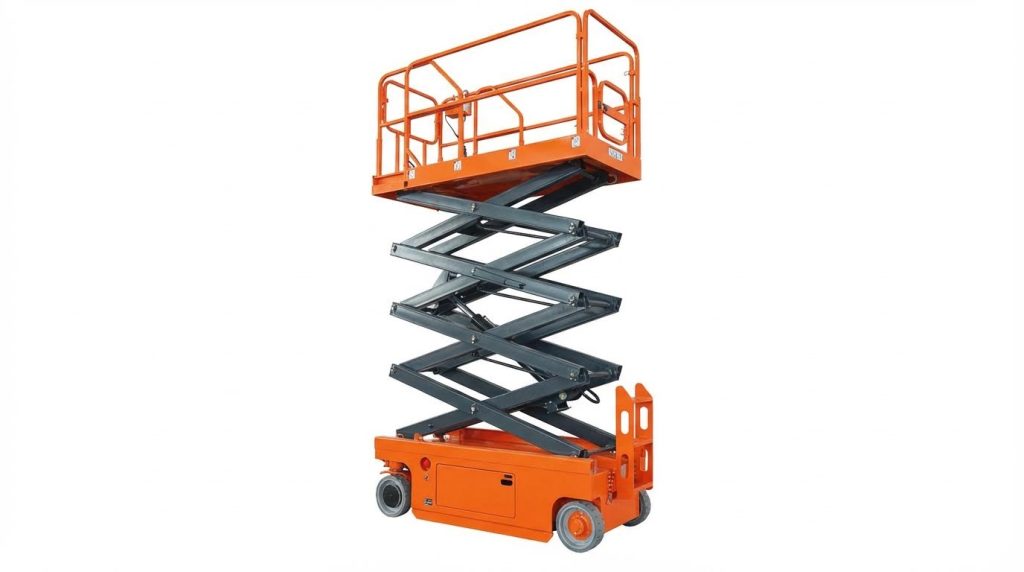
Scissor lift operator training links mobile elevating work platform (MEWP) rules, working at height laws, and strict site procedures. This article explains how OSHA, ANSI, and ISO standards define minimum training, certification, and recordkeeping for scissor lift and aerial lift operators.
You will see how height-related skills such as fall protection, pre-use inspection, load control, and emergency descent fit into a complete MEWP training plan. The article also shows how advanced, blended, and site-specific programs answer the common question do you need working at heights for scissor lift by aligning operator competence with actual site risk.
Core Legal And Standards Requirements
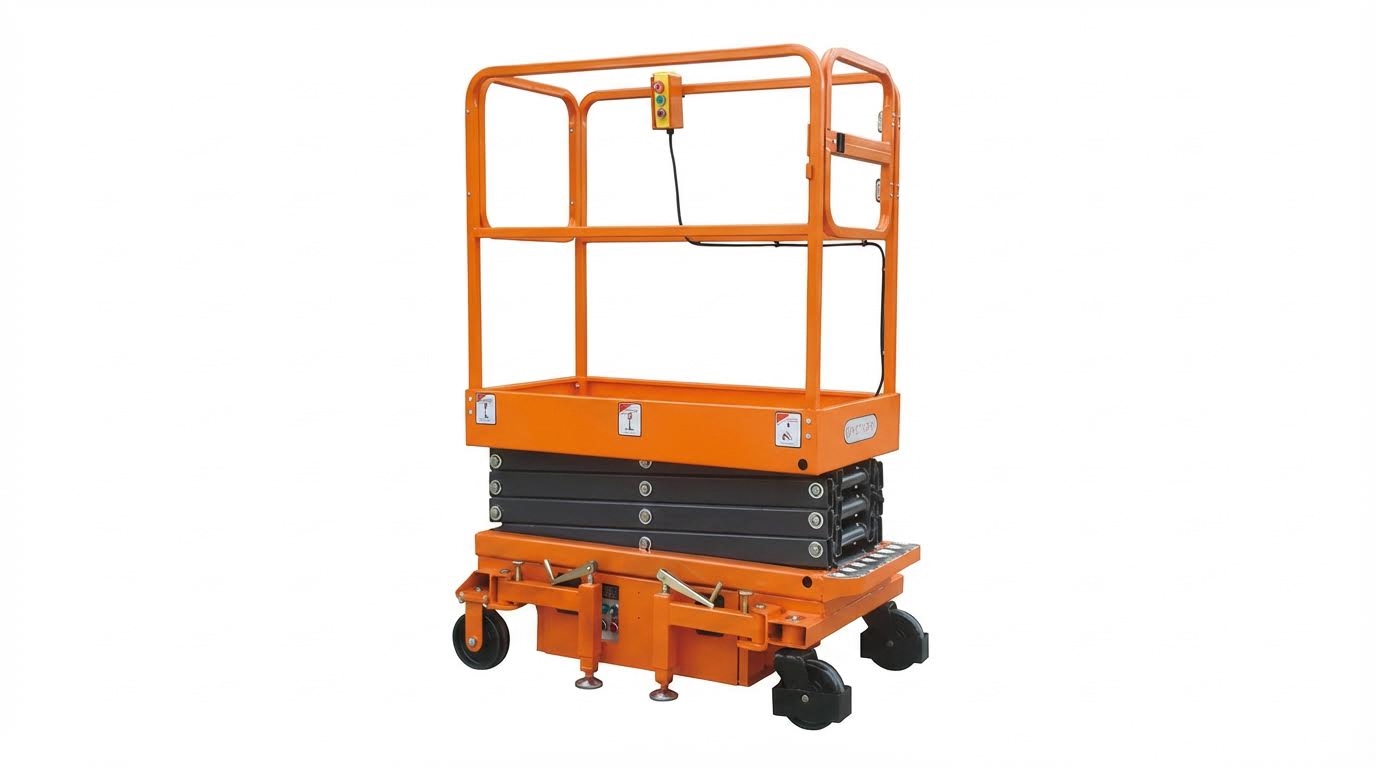
Core legal rules for MEWPs answer a key question for safety teams: do you need working at heights for scissor lift work. Standards link scissor lift operator training, fall protection, and site rules into one program. This section explains how OSHA, ANSI, and ISO requirements fit together and how they treat aerial lifts versus scissor lifts. It also shows how to manage certification periods, renewals, and records so audits run smoothly.
OSHA, ANSI, And ISO Rules For MEWP Training
OSHA required that only trained workers operate aerial lifts and scissor lifts. For scissor lifts, OSHA mainly applied scaffold rules, especially 29 CFR 1926.451, 1926.452(w), and 1926.454. These clauses covered design loads, guardrails, access, training, and fall and electrical hazards.
ANSI/SAIA A92.24-2018 defined how to build MEWP training programs. It set content for theory, practical training, and familiarization. It also defined roles for users, supervisors, and operators. IPAF operator training was audited as conforming to ISO 18878, which gave a global benchmark for MEWP training quality.
When safety teams ask “do you need working at heights for scissor lift,” they usually mean a formal height safety unit or harness course. OSHA did not name a specific “working at heights” ticket. Instead, it required that scissor lift training cover fall hazards, fall protection methods, and correct use of guardrails or personal fall systems. In some countries, such as New Zealand, boom-type MEWPs required a separate working-at-height harness unit standard before training. Scissor lift courses there focused on site assessment, operation, and local legislative rules.
| Framework | Focus |
|---|---|
| OSHA 1926.451 / 452(w) | Mobile scaffold rules applied to scissor lifts |
| OSHA 1926.454 | Training for workers on or near scaffolds |
| OSHA 1926.453 | Aerial lift definitions and rules |
| ANSI/SAIA A92.24-2018 | MEWP training content and administration |
| ISO 18878 | International MEWP operator training standard |
Aerial Lifts vs. Scissor Lifts: Regulatory Status
OSHA treated aerial lifts and scissor lifts differently. Aerial lifts were vehicle mounted and fell under 1926.453. Scissor lifts were classed as mobile scaffolds and fell under 1926.451 and 1926.452(w). That split affected design, inspection, and fall protection rules.
From a MEWP standards view, both aerial and scissor lifts sat under the MEWP umbrella. ANSI A92 and ISO 18878 addressed them together. Training providers usually grouped them in one MEWP operator course, then assessed each category separately. Operators had to show skills on each class of lift they would use.
For SEO users asking “do you need working at heights for scissor lift,” the answer depends on jurisdiction and employer policy. OSHA required scissor lift training plus fall hazard content, but not a named “working at heights” license. Some national systems, however, tied boom lifts to a harness unit and treated scissor lifts under a separate EWP unit. Many companies went further and required a general working-at-height course for all MEWP users to standardize fall protection skills.
In practice, safety programs often applied one rule set to both aerial and scissor lifts. This simplified induction, risk assessment, and supervision. It also reduced confusion over which platform types needed what training and what PPE.
Certification Validity, Renewal, And Recordkeeping
MEWP operator cards, such as PAL Cards, typically stayed valid for five years. Some regional courses used three-year validity. During that period, employers still had to monitor performance and trigger earlier retraining after incidents, near misses, or unsafe use. Advanced options like PAL+ also used a five-year cycle and required logbook evidence before renewal.
Training records had to prove that operators were competent at the time of use. OSHA guidance and industry best practice required at least these data items:
- Operator name and unique ID
- Trainer or provider name
- Lift categories covered, such as scissor or boom
- Training date and expiry or review date
- Assessment type, theory and practical results
Some policies required records to be kept for at least four years. Others matched the full card life plus one extra year. Digital systems, such as app-based cards, made it easier to show proof during site checks.
When planning a program around “do you need working at heights for scissor lift,” link any working-at-height or harness course to the same record set. This lets auditors see that scissor lift operators held both MEWP and fall protection training where required. It also supports blended learning paths, where operators complete online theory, then on-site practical tests, and later advanced modules for high-risk tasks.
Working At Heights And MEWP Operator Skills
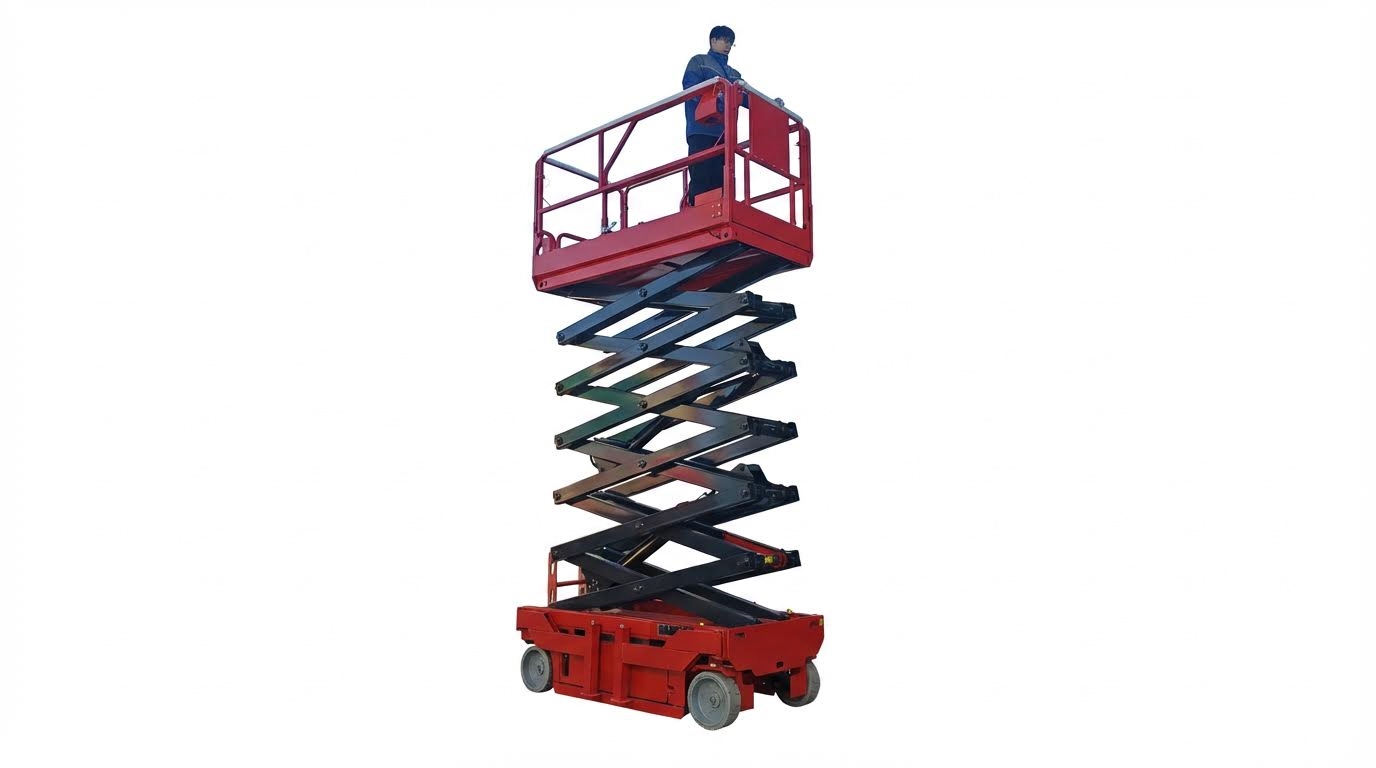
Supervisors often ask do you need working at heights for scissor lift before assigning tasks. The answer links directly to fall risk, platform height, and national training rules. This section explains how height training, MEWP skills, and site rules connect for safe scissor lift use. It focuses on practical operator competencies that safety audits and insurers expect to see.
Fall Protection And Harness Competency Standards
Working at heights rules usually treat scissor lifts as mobile scaffolds, not as boom‑type MEWPs. Many regulators did not mandate a full working at heights course for low‑risk, guardrail‑protected scissor lift work. However, height training became mandatory or strongly recommended when operators used boom lifts, exited the platform, or faced fall exposure beyond guardrails. Safety managers therefore asked do you need working at heights for scissor lift based on task and site policy, not just equipment type.
Good practice required operators to understand when guardrails alone were enough and when harnesses were required. Training programs covered anchor points, lanyard length, and how fall restraint differed from fall arrest. Some blended MEWP courses demanded a separate harness standard, such as a national unit on personal fall prevention, for boom‑type categories. Sites with stricter rules often applied the same harness and working at heights expectations to both scissor and boom lifts to simplify control.
Pre‑Use Inspection, Stability, And Load Control
Pre‑use checks were a core part of every MEWP program. Scissor lift operators had to inspect:
- Guardrails, gates, and toe boards
- Tyres, wheels, and steering
- Scissor stack, pins, and welds
- Controls, emergency stop, and alarms
- Power system, hoses, and visible leaks
Training explained how platform height, wheelbase, and ground slope affected stability. Operators learned that rated load included people, tools, and materials. They had to keep the centre of gravity inside the platform footprint and avoid side loading from pipe, duct, or façade work. Courses also stressed that scissor lifts were not cranes. Lifting or dragging loads from the guardrail increased overturn risk even when total mass stayed under the nameplate limit.
Engineers and safety staff used this skill set to answer do you need working at heights for scissor lift in a structured way. If the task involved complex loads near the capacity chart or work on uneven ground, they often required extra height and stability training beyond a basic operator course.
Hazard Recognition: Power Lines, Entrapment, Weather
Effective scissor lift training built strong hazard recognition skills. Operators learned to scan vertically and horizontally before raising the platform. Overhead power lines, steelwork, ducting, and cable trays all created crush and electrocution risks. In several regions, best practice used minimum approach distances to live lines that matched or exceeded national electrical codes.
Entrapment remained a key concern even for vertical lifts. Operators could be pinned between the guardrail and roof edges, underside of slabs, or steel beams. Courses taught safe approach speeds, spotter use, and emergency stop locations. Weather modules covered wind limits, especially for outdoor slab work with tall platforms. Operators had to understand manufacturer wind ratings and avoid use during storms, lightning, or strong gusts.
Searches like do you need working at heights for scissor lift often came from sites with complex overhead hazards. In those cases, managers usually combined MEWP training with broader working at heights content on edge protection, dropped objects, and rescue planning.
Emergency Descent, Rescue, And Ground Support Roles
Emergency skills were a mandatory part of MEWP competence. Operators had to know how to use platform‑mounted emergency lowers and how to isolate power after a fault. Training also showed ground staff how to use base controls safely without creating extra risk to the person aloft. This included clear steps for hydraulic manual lowering, battery isolation, and preventing unplanned movement.
Rescue planning linked directly to working at heights rules. If a site required harnesses, the plan had to address prompt rescue after a fall or suspension. For scissor lifts, the preferred method was usually controlled descent using built‑in systems, not external cranes. Courses stressed the need for a trained ground person on higher‑risk jobs, especially near traffic, deep drops, or overhead steel.
When safety teams reviewed do you need working at heights for scissor lift, they often checked whether emergency and rescue topics were fully covered in the MEWP course. Where gaps existed, they added separate working at heights or rescue modules so operators could manage both normal operation and credible worst‑case events.
Advanced, Blended, And Site‑Specific Training
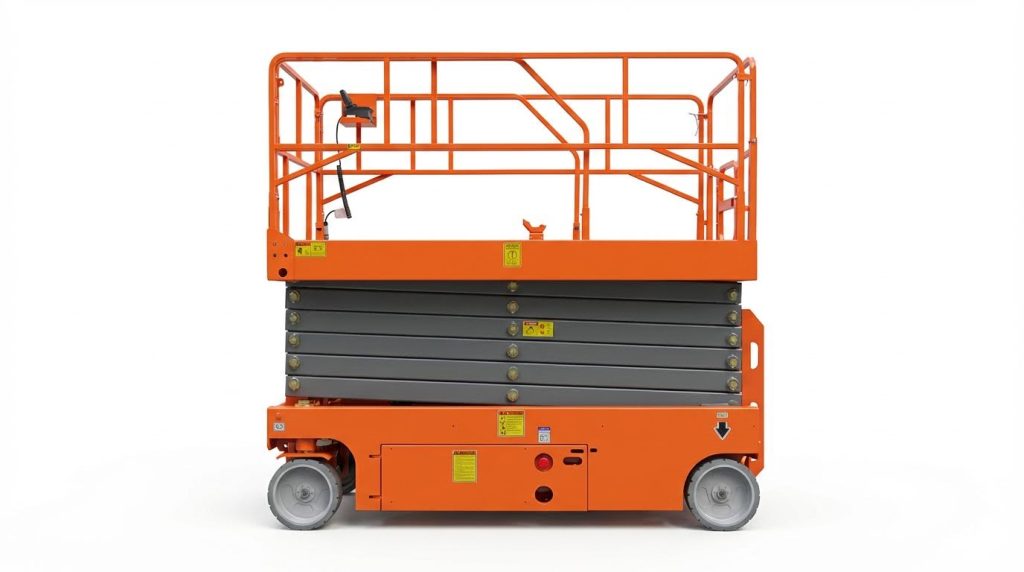
Advanced MEWP training closes the gap between basic scissor lift licenses and real high‑risk work. It links questions like “do you need working at heights for scissor lift” with clear rules, higher skills, and site controls. This section explains how PAL and PAL+ fit in, how blended and VR delivery works, and how site‑specific rules lock everything together for safe, compliant jobs.
PAL And PAL+ Advanced MEWP Training Expectations
PAL and PAL+ programs target operators who already hold core MEWP skills. PAL+ adds advanced content for higher‑risk work such as steel erection, welding, or electrical tasks in tight spaces. Courses use large scissor lifts with typical working heights of 10 metres or more and booms at 15 metres or more.
PAL+ training usually includes:
- Short theory refresh on standards, duties, and risk controls.
- Practical work in confined overhead spaces and difficult ground.
- Formal theory test, practical test, and interview.
Successful operators receive upgraded PAL categories such as 3A+ for mobile vertical lifts. Validity is typically five years, with renewal through a full retake of the PAL+ course. Log books with documented operating hours support renewal and prove recent experience.
For SEO and safety, link “do you need working at heights for scissor lift” to these expectations. Advanced courses assume operators already know fall protection basics and have prior MEWP or working‑at‑height training.
Blended And VR‑Based MEWP Training Approaches
Blended MEWP courses split theory and practice. Operators complete online modules first, then attend a short on‑site practical. This format suits busy construction, maintenance, and warehouse teams that need scissor lift skills without losing full days on travel.
Typical online theory covers:
- MEWP types and correct selection.
- Legal duties, including training and supervision.
- Hazard ID, risk assessment, and emergency actions.
Virtual reality simulators add another layer. Instructors can assess operators on tasks like platform positioning, obstacle avoidance, and emergency descent without real‑world risk. VR is especially useful for boom‑type lifts where power‑line contact and entrapment hazards are higher.
In search terms around “do you need working at heights for scissor lift,” blended and VR options help prove competence. They create records that show formal theory, simulated scenarios, and hands‑on practice all occurred.
Site‑Specific Induction, SOPs, And Risk Controls
Advanced cards and blended courses are not enough on their own. Each site must add local rules, work methods, and hazard controls. Site induction ties general MEWP training to real layouts, ground conditions, traffic routes, and weather patterns.
Effective site‑specific programs usually cover:
| Element | Scissor lift focus |
|---|---|
| Induction | Access routes, exclusion zones, emergency alarms. |
| SOPs | Start‑up, pre‑use checks, platform loading, shutdown. |
| Risk controls | Power‑line clearances, edge protection, overhead clashes. |
| Rescue plan | Who lowers the lift, how fast, and with what tools. |
Supervisors should link site rules back to national standards and operator cards. This helps answer “do you need working at heights for scissor lift” in a practical way. Operators show proof of MEWP and height training, then receive task‑specific briefings and permits before work starts.
Summary: Building A Compliant, Safe Lift Program
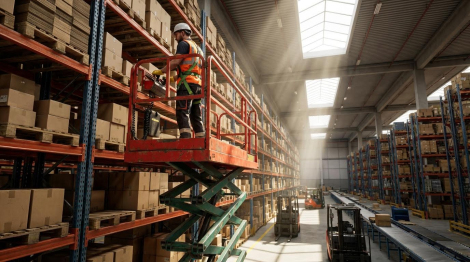
Scissor lift programs worked best when companies treated them as full MEWP systems, not single machines. Legal rules, operator skills, and site controls all had to align. This alignment answered a frequent query from safety teams: do you need working at heights for scissor lift operations. In practice, most regulators and major clients expected formal working at height training plus MEWP‑specific training.
Core compliance came from OSHA scaffold rules, ANSI A92, and ISO‑aligned MEWP standards. These frameworks required documented training, practical evaluation, and periodic refreshers. Records of operators, trainers, dates, and equipment classes had to stay traceable for audits. Retraining triggered after incidents, near misses, or major equipment changes.
Future programs moved toward blended and advanced pathways. E‑learning handled theory. Practical time focused on high‑risk skills such as entrapment avoidance, emergency descent, and complex positioning. VR simulators added safe exposure to rare but serious events. Advanced courses like PAL+ targeted higher‑risk work at greater heights, in congested steelwork, or in harsh weather.
Implementation needed a simple but strict structure: classify each MEWP type, define required working‑at‑height and MEWP modules, then add site‑specific inductions. Supervisors had to check cards, logbooks, and familiarization for each model before use. A balanced program did not chase every new tool, but used technology to reinforce clear rules, strong supervision, and disciplined pre‑use checks.
,
Frequently Asked Questions
Do You Need Working at Heights Certification for a Scissor Lift?
No, you do not always need a specific “working at heights” certification to operate a scissor lift. However, proper training and certification are required by OSHA standards. OSHA Scissor Lift Guide confirms that operators must complete relevant safety training.
- Employers are responsible for providing proper training.
- Certifications like IPAF are recommended but not mandatory in all cases.
Is a Safety Harness Required When Using a Scissor Lift?
Short answer: No, you aren’t legally required to wear a harness when working on a scissor lift. However, it is highly recommended for added safety. Safety Harness Recommendations.
- OSHA does not mandate harnesses unless the scissor lift design requires it.
- Always follow manufacturer guidelines for additional safety measures.