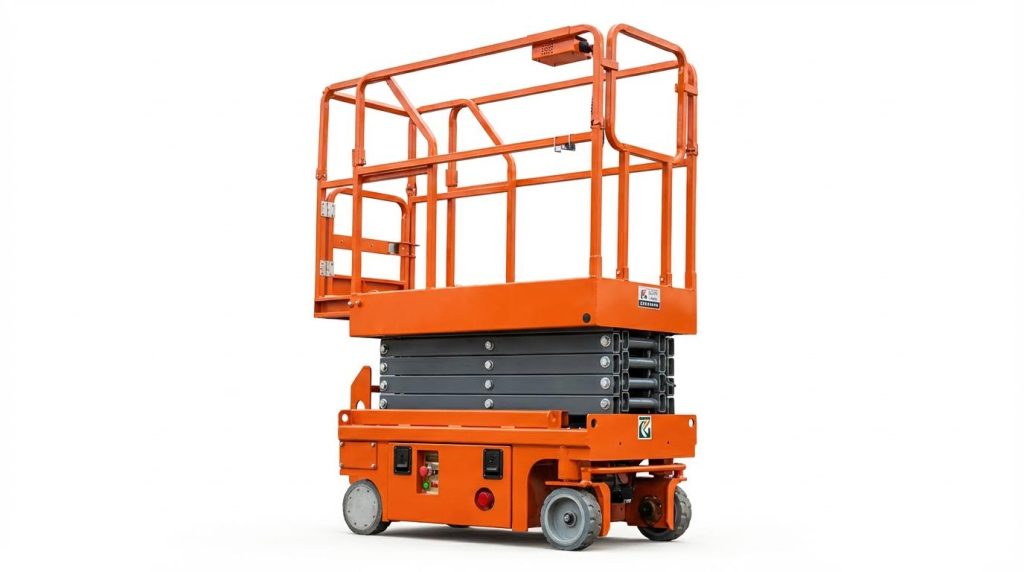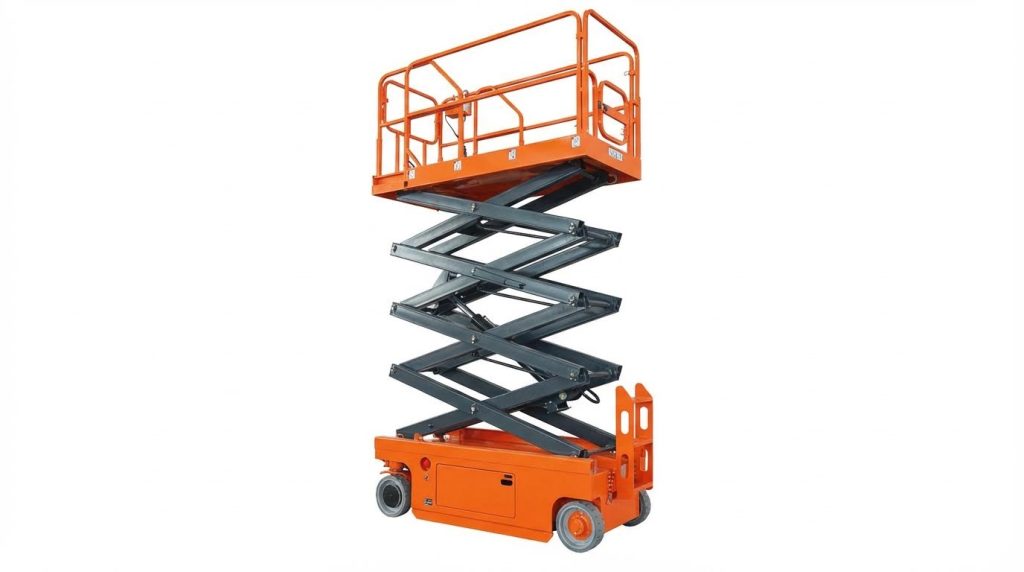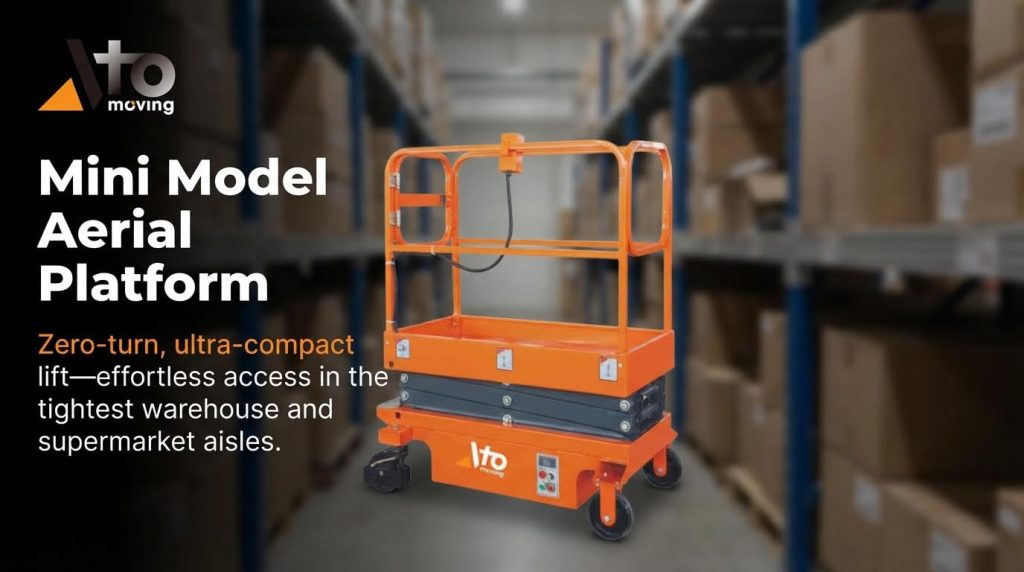
Choosing a scissor lift by asking what is the working height of a scissor lift is not as simple as reading a brochure number. This article explains how platform height and working height are defined, why they differ, and how these values link to real job-site geometry and operator reach.
You will see how to engineer the right height for each task, including measurement methods, obstruction checks, and safety margins that prevent unsafe stretching. The article also reviews load capacity, platform size, stability, power source, terrain limits, and safety standards so you can match scissor lifts and other MEWPs to actual site risks.
Finally, you will learn how digital tools, connected sensors, and predictive maintenance support safer height selection and more reliable operation over the full life of the equipment. These sections together give engineers, safety managers, and rental planners a clear framework for turning height specifications into safe, efficient lift choices.
Defining Platform Height And Working Height
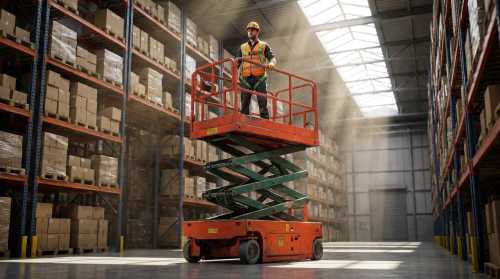
This section explains how to read scissor lift height data correctly. It focuses on the difference between platform height and working height and how this affects safe reach. It also compares the 2 metre and 6 foot rules of thumb used worldwide. These ideas are vital when people search for what is the working height of a scissor lift and try to match a lift to a real job.
Platform Height: What Manufacturers Actually Specify
Platform height is the maximum height of the floor of the lift above ground. Manufacturers define this value under controlled test conditions on level, firm ground. Technical data sheets list platform height as a hard design limit, not a suggestion. Scissor lifts in the market typically offer platform heights from about 6 metres to over 20 metres, depending on model and duty.
Platform height does not include operator reach. It only describes how high the mechanism can raise the platform safely within its design envelope. Engineers use platform height when they check stability, wind loading, and structural stresses. Users should never try to gain extra height with ladders or boxes on the platform, because standards have banned this practice.
Working Height: Platform Height Plus Human Reach
Working height answers the core question: what is the working height of a scissor lift in real use. It describes the height where a person can safely and effectively do the task. Industry practice treated working height as platform height plus a typical vertical reach. Most guidance used a reach allowance of about 2 metres for an average adult operator.
For example, a scissor lift with a 8 metre platform height usually has a 10 metre quoted working height. Some sources used 1.5 metres instead, especially for conservative planning. Working height is a planning figure, not a guarantee for every person or posture. Shorter operators, overhead obstructions, and awkward body angles can all reduce usable working height in practice.
Reconciling 2 m vs. 6 ft Industry Rules Of Thumb
Two main rules of thumb existed for working height. One added 2 metres to platform height. The other added 6 feet. These two figures are close but not identical. Two metres equal about 6.56 feet, so the 6 foot rule gives a slightly lower working height.
The table below shows the effect.
| Platform height | + 2 m rule | + 6 ft rule |
|---|---|---|
| 6 m | 8 m working height | ≈7.8 m working height |
| 8 m | 10 m working height | ≈9.8 m working height |
| 10 m | 12 m working height | ≈11.8 m working height |
Rental firms in metric regions tended to use the +2 metre rule. Firms in imperial markets often used +6 feet. Engineers should treat both as guides only. They should also add task specific margins for operator size, tool length, and body posture.
Why Rental Listings Emphasize Working Height
Rental listings usually highlight working height first. This value answers the user’s main question: will this machine reach the job. For example, a listing might show “12 m working height, 10 m platform height” in the overview. The working height line gives a quick filter when customers compare models online.
However, safe planning should not stop there. Users should still read the platform height, because it links to stability limits, indoor clearance, and door heights. They should also measure the real task height from the ground where the lift will stand. If the required height is close to the quoted working height, it is safer to pick the next larger model. This avoids unsafe stretching, leaning on guardrails, or using banned items like ladders in the basket.
Engineering The Right Height For The Task
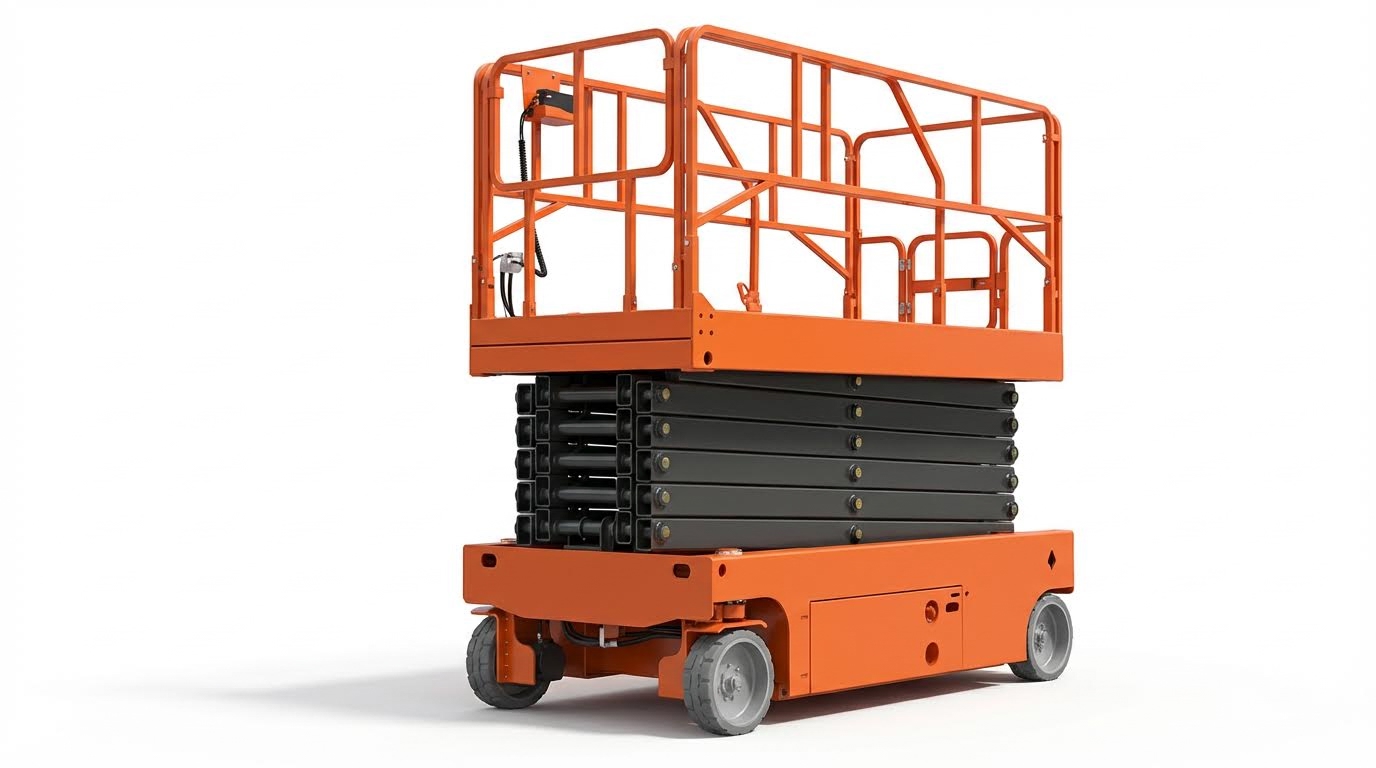
Engineers must convert the question “what is the working height of a scissor lift” into task-based numbers. The goal is to match real task height, access position, and environment with platform height and working height. This section explains how to measure the job, account for obstacles, choose between vertical and articulated access, and add safety margins to avoid unsafe reaching.
Measuring True Task Height And Access Position
Start by measuring the task, not the building. Measure from the ground where the scissor lift will sit to the actual work point. Use a laser distance meter or scaled drawings. Avoid guesswork. Even a 1 metre error can make the lift unusable.
In most specifications, working height equals platform height plus about 2 metres. This assumes an average operator standing upright with arms raised. When you ask “what is the working height of a scissor lift for this job,” convert the measured task height to the needed platform height using this rule. Then check the manufacturer data sheet to confirm both platform and working heights.
Access position also matters. Note if the operator will work directly overhead or to the side. Side reach is limited on scissor lifts. The closer the platform can sit to the work face, the more accurate the working height rule will be.
Accounting For Obstructions, Voids, And Setback
Real sites rarely offer clear vertical access. Ductwork, pipework, beams, and cable trays often sit between the floor and the task. Measure the height from the floor to the lowest obstruction and to the actual work point above it. This reveals if the platform can stop below the obstacle and still reach the work.
Setback distance is another critical factor. This is the horizontal distance from the platform edge to the work face. Scissor lifts provide vertical lift only and almost no outreach. If a void, parapet, conveyor, or machine base forces you to stand back, the effective working height reduces.
Engineers should sketch a side view of floor, voids, and target point. Then they can check if a vertical lift can reach without leaning or climbing. If not, a different MEWP type becomes necessary.
Selecting Between Scissor Lifts And Boom MEWPs
Once you know the task height, obstructions, and setback, you can select the access type. Scissor lifts suit tasks where the platform can stand close to the work and the line of access is almost vertical. Typical examples include ceiling work in open warehouses, racking installation, or straight façade work with clear ground below.
Boom MEWPs add horizontal outreach and up-and-over capability. They become the better choice when:
- Obstacles block a vertical path.
- Setback distance is large.
- The task sits under a projection or inside a recess.
From a height-spec view, the question “what is the working height of a scissor lift” must expand to “what height and outreach do I need.” A scissor lift with adequate working height but no outreach can still be unsafe if workers must stretch sideways. Compare scissor and boom options using manufacturer outreach diagrams, not only platform heights.
Adding Safety Margins To Avoid Unsafe Reaching
The 2 metre reach rule is only a planning guide. It assumes an average operator with comfortable posture and no overhead obstructions. In practice, engineers should add a safety margin above the bare calculated need. This margin reduces the temptation to overstretch or stand on objects in the platform, which standards prohibited.
Typical margins include:
- Extra working height when access is awkward or obstructed.
- Allowance for uneven ground that reduces effective height.
- Allowance for different operator statures and PPE thickness.
If the calculation suggests a required working height of 10 metres, selecting a scissor lift with only 10 metres working height is risky. A taller model gives better ergonomics and keeps work within the chest-to-shoulder zone. That reduces fatigue and maintains three-point balance on the platform floor.
Always treat “what is the working height of a scissor lift” as the minimum engineering input, not the final design value. The final choice should include reserves for safe posture, site variation, and regulatory requirements that ban ladders or improvised height gains inside the basket.
Beyond Height: Key Specification And Safety Factors

Engineers who ask what is the working height of a scissor lift also need to look beyond height alone. Safe selection depends on how load, platform geometry, power source, standards, and maintenance interact. This section links working height to these factors so planners avoid unstable setups and hidden risks.
Load Capacity, Platform Size, And Stability Limits
Working height is only usable if the lift stays within its rated load and stability envelope. Engineers should treat stated safe working load as a hard limit, not a target. A practical rule is to keep real loads at or below about 80% of rated capacity to allow for uneven weight and tool changes.
Platform size also changes how safely teams can use the full working height of a scissor lift. A larger deck allows better stance, material staging, and less reaching, which reduces side loads on the scissor stack. However, wide platforms increase wind area and can reduce stability at maximum extension.
Key checks before selection usually include:
- Total live load: people, tools, materials, and temporary fixtures.
- Load distribution: point loads from heavy components or stacked pallets.
- Dynamic effects: braking, steering, and small impacts at height.
Manufacturers design scissor lifts for vertical lifting with limited horizontal forces. If operators overreach to gain extra working height, they shift the center of gravity and reduce the safety margin against tipping. A well matched platform size and capacity lets operators work inside the guardrails without stretching, so the theoretical working height remains usable in real tasks.
Indoor vs. Outdoor: Power Source And Terrain
Power source and terrain decide whether the stated working height of a scissor lift is actually achievable on site. Electric units suit indoor floors with flat, firm, and level conditions. Their non‑marking tires, low noise, and zero exhaust allow long work periods in warehouses, retail areas, and factories.
Outdoor work often needs diesel or rough‑terrain models. These use larger, treaded tires, higher ground clearance, and stronger chassis to handle gravel, slabs, and compacted soil. On sloping or uneven ground, effective safe working height can be lower than the catalogue value because of derating rules and tilt alarms.
When planning, engineers should verify:
| Factor | Indoor focus | Outdoor focus |
|---|---|---|
| Surface | Slab strength, joints, ramps | Soil bearing, voids, gradients |
| Emissions | Zero exhaust, low noise | Ventilation, noise limits |
| Weather | Minimal effect | Wind speed, rain, ice |
Wind loading is critical outdoors. Manufacturers specify maximum wind speed, often around moderate wind conditions, for full rated working height. If measured wind exceeds this, operators must lower the platform or stop work, no matter what the nominal working height suggests.
Standards, Training, And Fall Protection Rules
Regulations and standards define how operators may use the working height of a scissor lift. ANSI and EN standards required guardrails, toe‑boards, and firm footing on the platform. OSHA and similar bodies treated scissor lifts as mobile scaffolds and expected compliance with scaffold rules on stability, access, and inspection.
Fall protection policies usually started with the guardrail system as primary protection. Rules banned ladders, boxes, or planks on the platform to gain extra reach, because this changed the fall distance and center of gravity. Personal fall arrest or work restraint systems came into play where risk assessments showed extra control was needed.
Effective training linked theory about working height with real controls on site. Good programs covered:
- Pre‑use inspection of guardrails, locking pins, and tires.
- Safe travel with the platform raised only under suitable conditions.
- Recognition of tip‑over risks near edges, voids, and slopes.
Legal frameworks such as PUWER and LOLER required competent planning of lifting operations. That planning had to match machine capability, ground conditions, and weather to the intended working height, so operators did not improvise unsafe methods to reach the task.
Digital Tools, IoT Monitoring, And Predictive Care
Digital tools now help owners use the working height of a scissor lift safely while reducing downtime. Modern fleets often include telematics units that report location, usage hours, fault codes, and sometimes overload or tilt events. Managers can see if units operate near maximum height or capacity for long periods and adjust tasks or models.
IoT monitoring supports predictive maintenance. By tracking duty cycles, hydraulic temperatures, and motor run time, software can flag when components approach wear limits before a failure at height. This reduces the chance of sudden stops or lock‑ups while the platform is extended.
Some systems link access control to operator training records. Only trained users can start lifts, which helps enforce correct use of working height rules. Digital checklists on tablets or phones guide pre‑shift inspections and store records for audits.
For engineers, combining digital data with site surveys gives a more accurate view than catalogue numbers alone. Actual historic working heights, alarm events, and ground condition notes help refine future machine selection and keep workers inside safe, planned envelopes rather than theoretical limits.
Summary: Using Height Specs For Safe Lift Selection
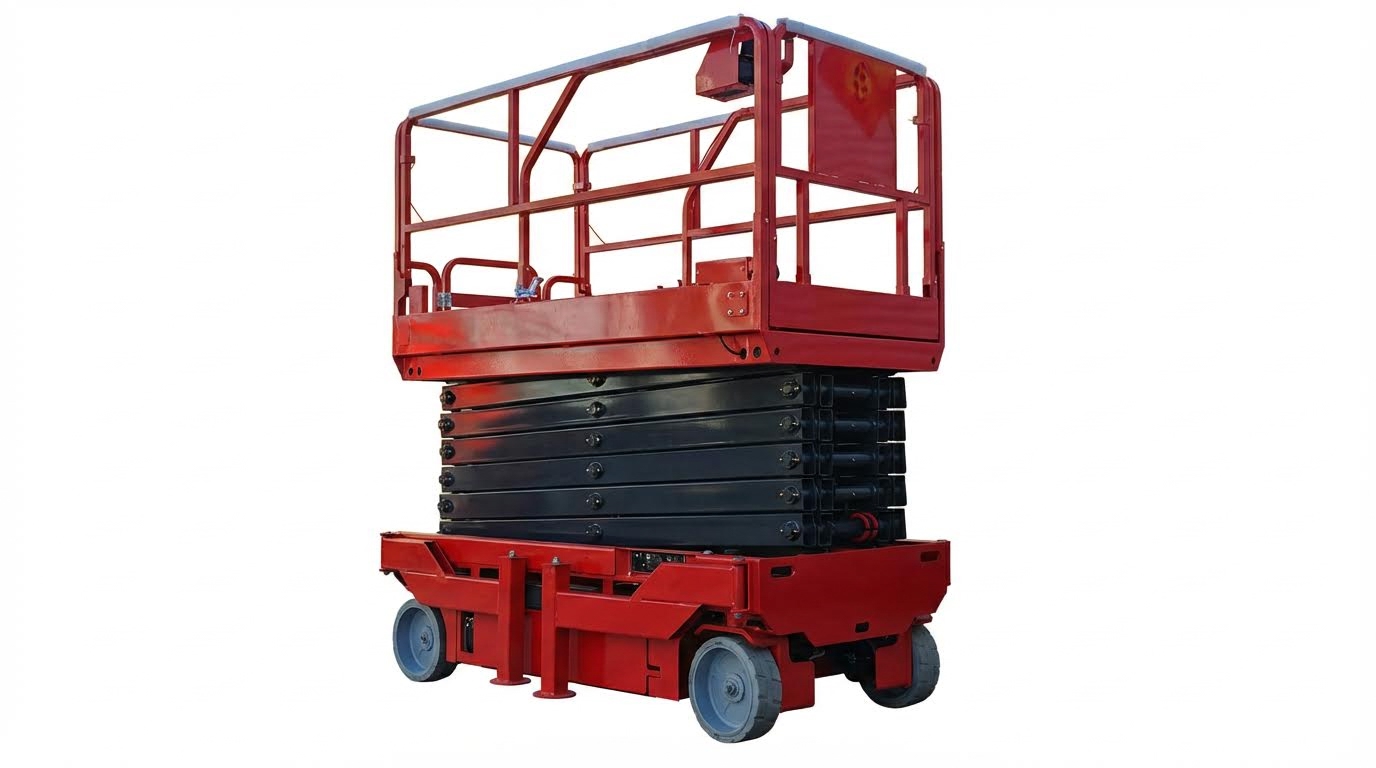
Engineers and safety planners should start with a clear definition of what is the working height of a scissor lift. Working height is the task height a person can reach from the platform, not the platform floor level. The usual industry rule treated working height as platform height plus about 2 metres. Some rental lists instead added about 6 feet, which created confusion and inconsistent selections.
The key lesson is to size the lift from the task height backwards. Teams should measure from the ground or actual machine position to the work point, then add the assumed human reach and a safety margin. Platform height, working height, and reach limits must all match the real geometry of the job, including voids, set-backs, and overhead obstacles. If vertical reach alone is not enough, a boom MEWP may be safer than a tall scissor lift.
Future practice will likely rely more on digital planning tools and connected MEWPs. These tools can link site surveys, BIM models, and live machine data to reduce guesswork on height and loading. However, the core principle will not change. Safe selection depends on understanding that working height governs whether the task is reachable without stretching, climbing on objects, or bypassing fall protection rules. Clear height specs, conservative margins, and trained operators remain the most reliable control set.
,
Frequently Asked Questions
What is the working height of a scissor lift?
The working height of a scissor lift refers to the maximum height at which an operator can safely and effectively perform tasks from the elevated platform. Most scissor lifts have working heights that range from 20 to 40 feet (6 to 12 meters), though some models can reach up to 60 feet (18 meters). Scissor Lift Height Guide.
How is the working height of a scissor lift calculated?
The working height is typically calculated as the platform height plus the average reach of a person, which is approximately 6 feet (1.8 meters). For example, if the platform height is 30 feet (9 meters), the working height would be around 36 feet (11 meters). This ensures the operator can comfortably reach the required area. Working Height Definition.