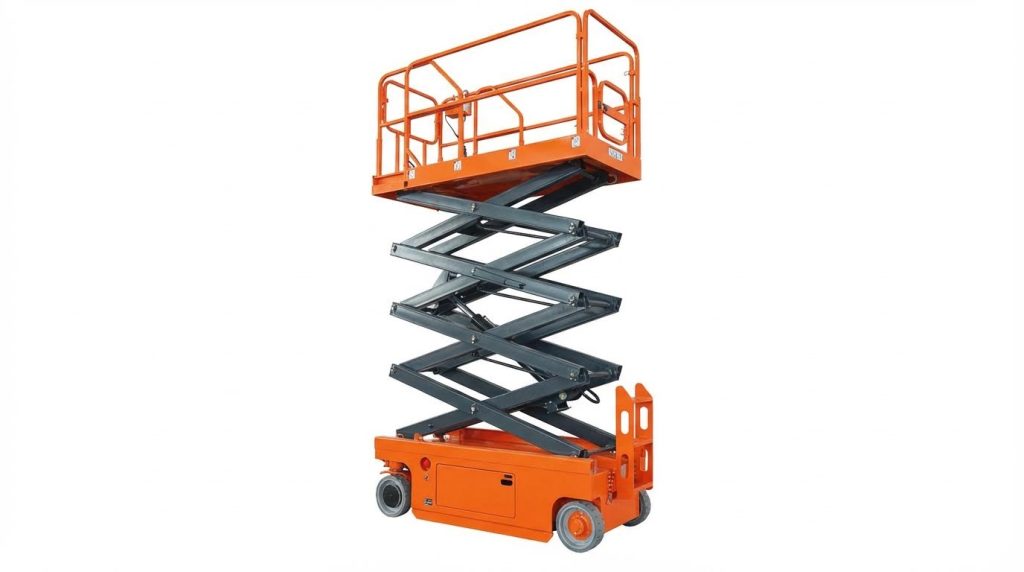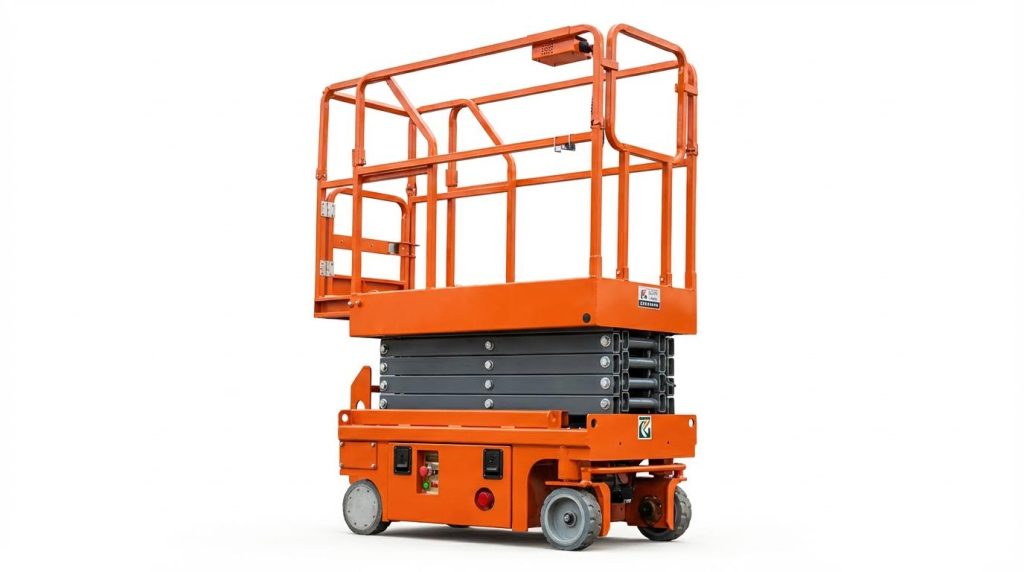
Safe scissor lift wind safety depends on understanding how wind loads interact with platform height, surface area, and ground conditions. This article explains how wind affects stability, what standards and typical wind speed limits apply, and how to manage risk on real job sites. You will see how to read wind ratings, plan work around changing weather, and choose equipment and options that keep operators stable at height. The goal is simple: practical, engineering-based guidance you can apply to plan, supervise, and carry out safe work at elevation in windy conditions.
How Wind Affects Scissor Lift Stability
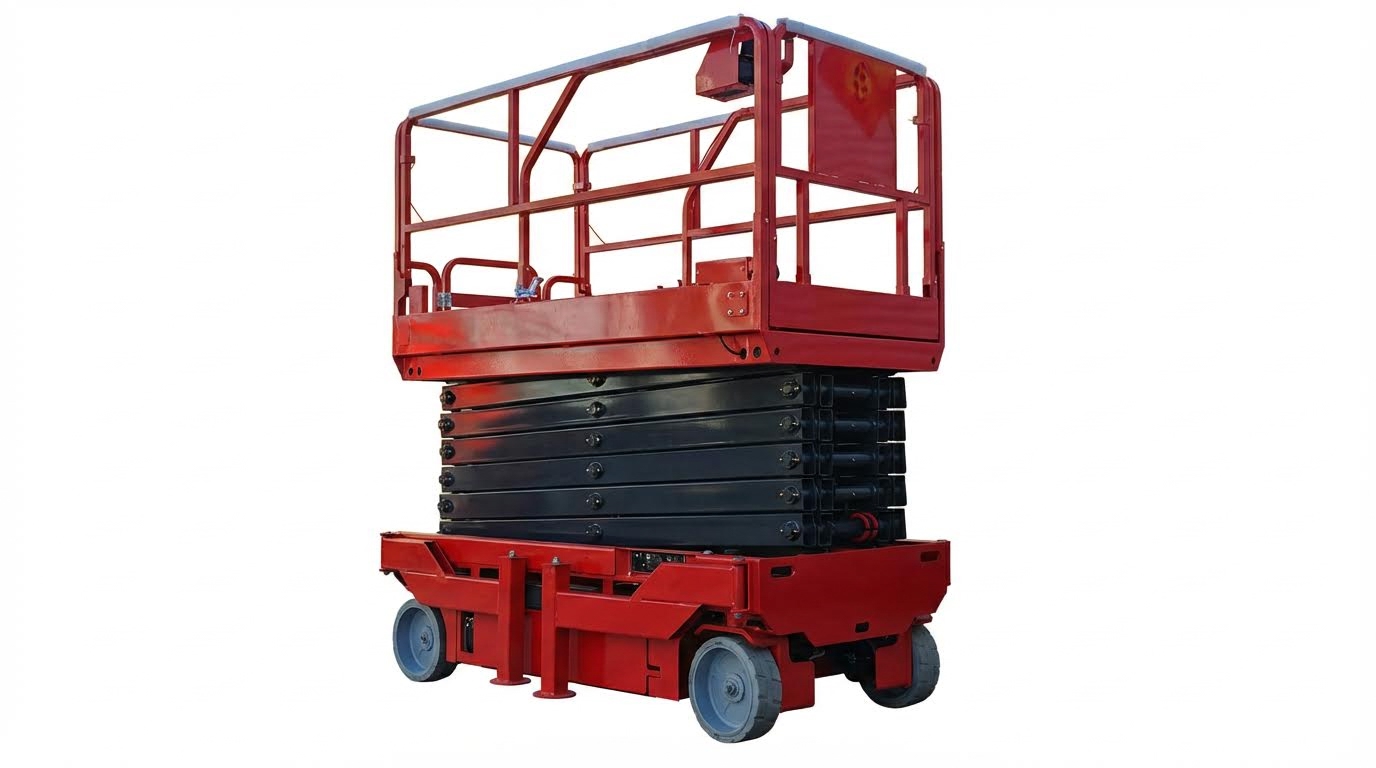
Rated indoor vs outdoor scissor lifts
Indoor‑rated scissor lifts are designed on the assumption of negligible wind load, so manufacturers typically do not approve them for exposed outdoor use. Outdoor‑rated models include a maximum allowable wind speed in the manual, often in the 20–28 mph range for scissor platform wind safety, and use more conservative stability factors. Industry and training guidance stated that outdoor scissor lifts should not be used when winds are in the 15–28 mph range and must be stopped entirely above 28 mph, unless the manufacturer allows otherwise. Some safety courses defined this 15–28 mph band as a caution zone and 28+ mph as a stop-work limit. Outdoor‑rated lifts also assume firm, level ground and correct setup; using them on slopes, soft ground, or near edges reduces the margin built into those wind ratings. OSHA emphasized that scissor lifts must be used only on firm, level surfaces free of holes, drop‑offs, and obstructions to maintain stability. Treat any indoor‑only lift outdoors as “not rated for wind”: if you feel noticeable wind on the platform, the engineering assumption behind its stability has already been exceeded.
Understanding wind load and overturning risk
Wind creates a horizontal force on the platform, guardrails, and any materials, which acts at height and tends to tip the lift. The higher the platform and the larger the exposed area, the greater this overturning moment for the same wind speed. Standards for elevating work platforms limited operation to wind speeds around 12.5 m/s (about 45 km/h) unless the manufacturer specified a lower value, reflecting the point where wind loads can approach design stability margins. Guidance based on UNE‑EN 280:2014+A1:2015 recommended not operating mobile elevating platforms when wind exceeded 12.5 m/s unless a lower limit applied. Wind risk also increases in exposed locations such as open ground, hilltops, near cliffs, or beside large bodies of water, where local wind speed and gusts are higher than general forecasts. Access tower guidance highlighted that terrain and exposure can significantly increase effective wind speed and overturning risk. For aerial platform wind safety, supervisors should treat manufacturer wind ratings as hard limits, derate further for gusty or highly exposed sites, and stop work well before workers feel the platform sway or see loose items move in the wind.
Engineering Limits, Standards, And Safe Wind Speeds
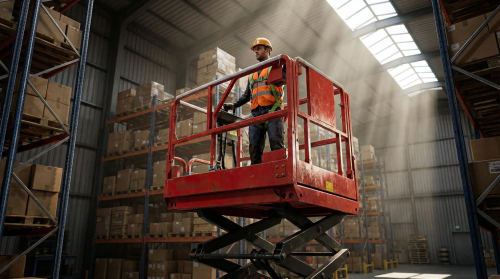
Typical wind speed ratings and 20–28 mph rules
For scissor lift wind safety, you must work to the lowest applicable wind limit: the manufacturer’s rating, site rules, or legal guidance. Many outdoor-rated scissor platform lifts are limited to winds below about 28 mph, and several safety bulletins recommend postponing work once winds reach roughly the 20–28 mph range. Using a lift outdoors in higher winds increases overturning risk because side load on the platform grows roughly with the square of wind speed. As a practical rule, if you do not know the exact rating from the data plate, you should not operate the lift outdoors when winds are above moderate breeze levels.
- Some industry training materials advise postponing scissor lift work when winds are in the 15–28 mph band and canceling entirely above 28 mph, unless the manufacturer clearly allows otherwise. Typical postponement and cancellation thresholds
- Outdoor-rated scissor lifts in general industry guidance are often described as limited to winds below 28 mph to maintain stability. 28 mph upper limit reference
- European design standard UNE-EN 280 for elevating work platforms uses a reference maximum wind speed of about 12.5 m/s (≈45 km/h) for rated outdoor operation, unless the manufacturer specifies a lower value. 12.5 m/s design wind concept
- Other temporary access equipment, like mobile towers, is typically limited to lower wind speeds; for example, some guidance stops use above about 17 mph average wind. Mobile tower wind limits
Applying wind rules in daily operation
For robust scissor lift wind safety, combine the plate rating with on-site measurements. Use an anemometer at platform height where possible, stop work before gusts reach the rated maximum, and add extra margin on exposed sites like rooftops or near large open water.
Key design factors: height, platform area, and load
Aerial platform stability in wind is mainly a balance between overturning moment from the wind and restoring moment from the machine’s weight and footprint. Three design variables dominate: platform height, exposed platform area, and the total load (people, tools, and materials). As platform height increases, the wind force acts further above the ground, increasing the overturning leverage. Larger platform decks and added sheeting or materials act like sails and increase the effective wind area.
- Typical standards for mobile access structures show that allowed heights are lower outdoors than indoors, because wind load is a controlling factor. For example, some tower standards limit outdoor height to about 8 m while allowing up to 12 m indoors. Outdoor vs indoor height limits
- Covering platforms or towers with boards, nets, or sheet materials is prohibited in tower guidance because it greatly increases wind pressure and overturning risk, even at modest wind speeds. “Sail effect” from coverings
- On scissor lifts, the manufacturer’s rated load must never be exceeded, because overloading raises the center of gravity and can reduce the reserve against tipping or structural failure. Load rating requirement
Engineering view of overturning stability
From an engineering standpoint, wind force is proportional to air density, drag coefficient, exposed area, and the square of wind speed. The overturning moment equals that force multiplied by the height of its action. Designers size the base width, structural stiffness, and ballast so the resisting moment exceeds the worst-case wind moment with a safety factor. Operators maintain scissor lift wind safety by staying within the intended height, load, and exposure envelope.
Risk controls: site, positioning, and safety systems
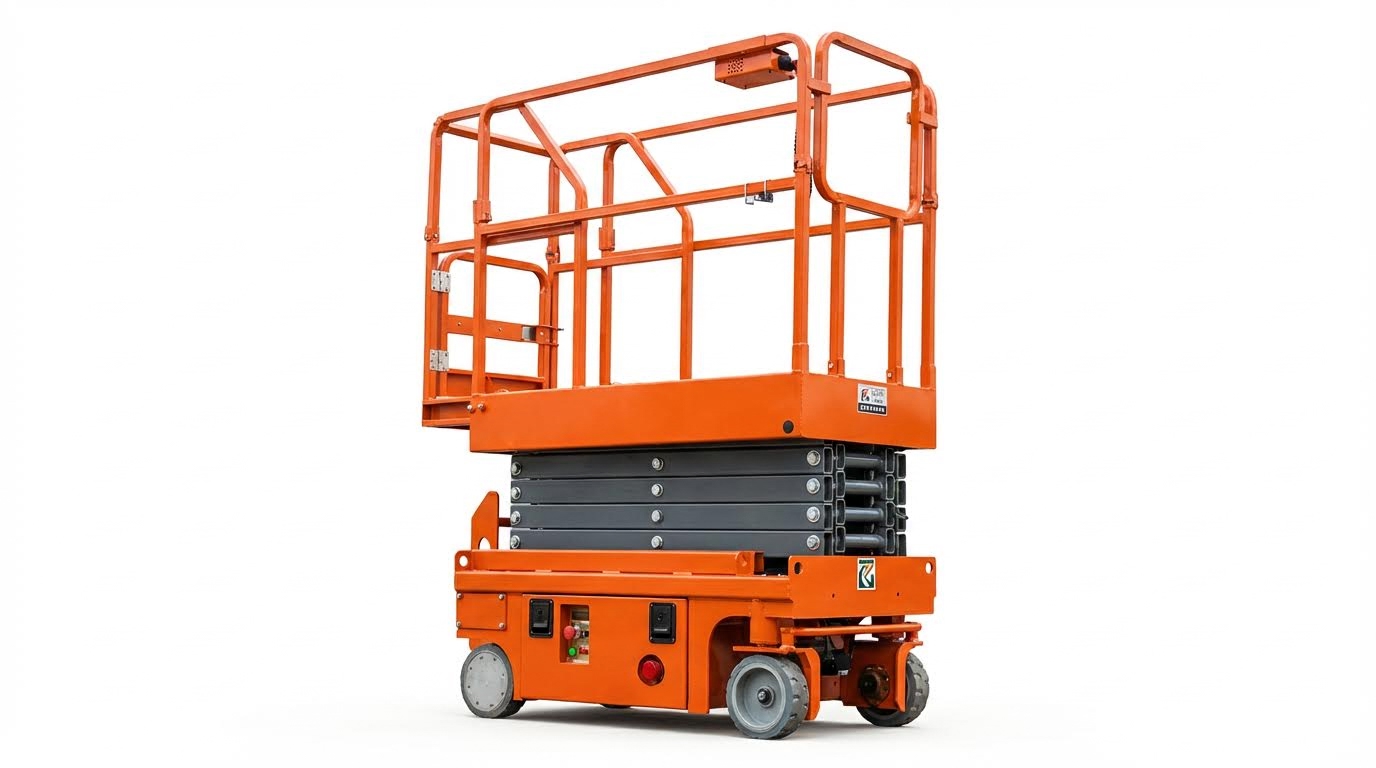
Even within rated limits, scissor lift wind safety depends heavily on where and how you position the machine. Open terrain, hilltops, building corners, and areas near large bodies of water can experience higher local wind speeds than the general forecast. Good practice is to treat these locations as higher-risk and apply more conservative wind cut-offs. The ground itself must also be firm and level to provide the designed stabilizing reaction.
- Guidance for mobile access towers notes that terrain features, slopes, cliffs, and proximity to large water surfaces can amplify local wind and reduce stability. Environmental influence on stability
- Scissor lifts and similar platforms must be placed on firm, level surfaces, clear of holes, slopes, bumps, and debris, and should not be moved while elevated unless the manufacturer explicitly allows it. Ground condition and movement rules
- Real-time weather monitoring, using site instruments or apps, is recommended so that operations can be paused quickly if wind exceeds safe thresholds. Weather monitoring protocols
- Safety systems such as interlocks and emergency stops must be inspected regularly and never bypassed, because they form part of the engineered protection against collapse or loss of control. Safety system maintenance
Integrating site controls into procedures
For robust scissor lift wind safety, incorporate site-specific rules into the lift plan: define no-go areas (e.g., near edges or wind funnels), specify maximum working height for given forecast winds, and require documented checks of ground conditions and safety systems before elevation.
Practical Wind-Safe Operation And Equipment Selection
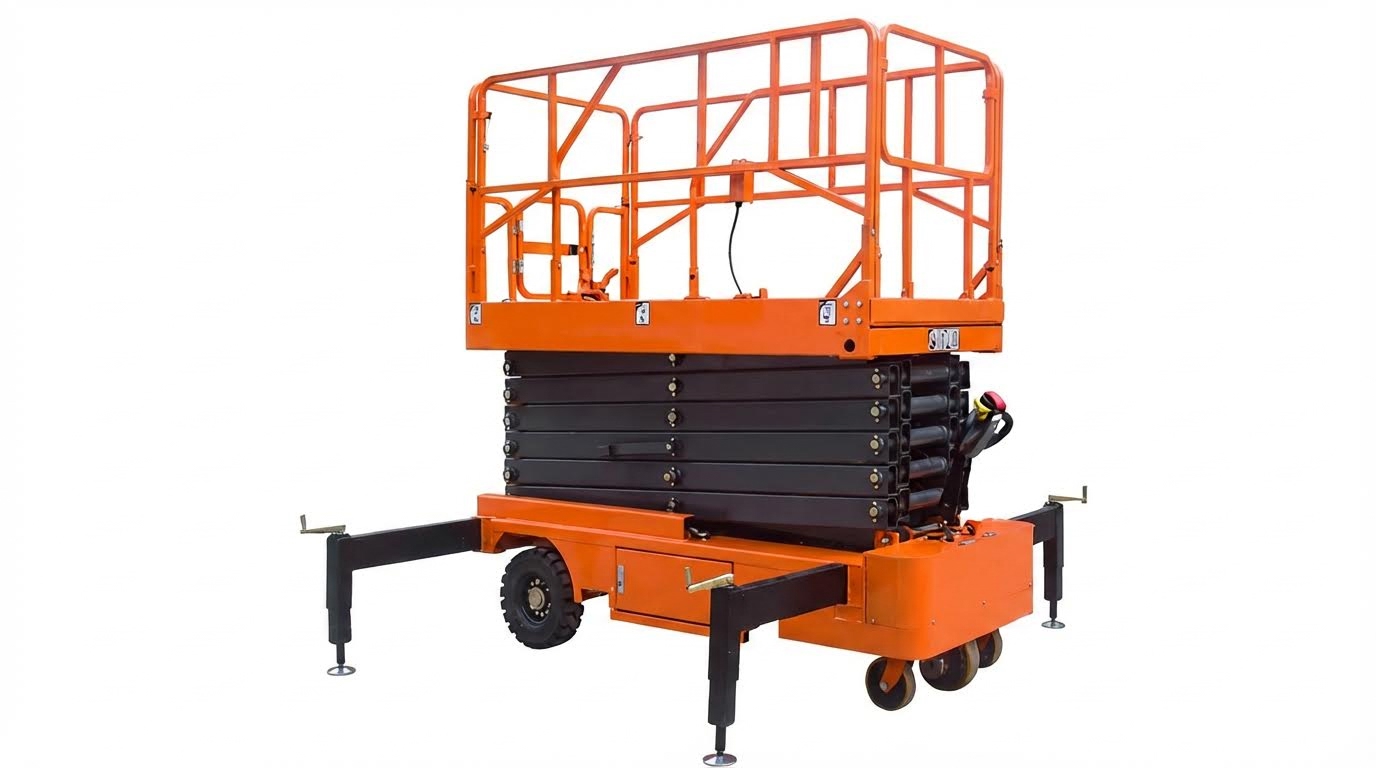
Pre-use checks, wind monitoring, and work practices
Wind-safe operation starts before the platform leaves the ground. Build scissor lift wind safety into every pre-use check and work-planning step so operators never exceed the machine’s stability envelope.
- Pre-use inspection with wind in mind
- Confirm all guardrails and toe boards are present, secure, and never used as a standing surface or step. Guardrails must be installed and workers must not stand on them.
- Check the platform load against the rated capacity on the data plate and job plan. Overloading reduces the safety margin against overturning. Weight limits must never be exceeded.
- Inspect safety systems, controls, and emergency lowering for correct operation. Safety systems must be maintained and not bypassed.
- Verify tires, wheels, and ground-contact components are free of damage or heavy wear that could reduce stability, especially on uneven outdoor surfaces.
- Wind monitoring and go/no-go decisions
- Use a handheld anemometer or on-site weather station at ground level and, where possible, at height to measure actual wind speed at the work location. Real-time weather monitoring is recommended.
- Compare measured wind speeds with the lift’s outdoor rating. Many outdoor-rated scissor lifts are limited to winds below about 28 mph; operations should be postponed or cancelled when winds approach or exceed that range. Outdoor use is generally limited below 28 mph and training material advised postponing work from roughly 15–28 mph and stopping above 28 mph. Wind speed limits for scissor lifts include postponement in the 15–28 mph range and cancellation above 28 mph.
- Remember that some guidance suggested not operating above about 20 mph unless the manufacturer allows it, so always follow the most conservative limit on site. Some best-practice guidance recommended stopping operation above 20 mph.
- Account for gusts, funneling between buildings, and terrain effects near slopes, water, or open ground, which can increase effective wind load. Environmental factors like slopes and open areas can increase wind effects.
- Wind-safe work practices on site
- Set up only on firm, level ground, clear of holes, slopes, bumps, and debris; do not move the lift while elevated unless the manufacturer explicitly permits it. Scissor lifts must be used on firm, level surfaces and not moved while elevated unless allowed.
- Keep at least 10 ft clearance from overhead power lines and other structures to avoid collision or entrapment if the lift sways in gusts. Positioning at least 10 ft from power sources and overhead hazards is recommended.
- Do not attach sheets, tarps, signage, or materials to the guardrails, as these act like sails and dramatically increase overturning risk. Similar rules for access towers explicitly prohibited coverings for this reason. Covering towers with materials is prohibited because they act as sails.
- Ensure operators are trained to recognize wind hazards, respect load limits, and report defects or unsafe conditions. Training must cover operation, weight limits, hazards, and defect reporting.
Selecting the right lift and options for windy sites
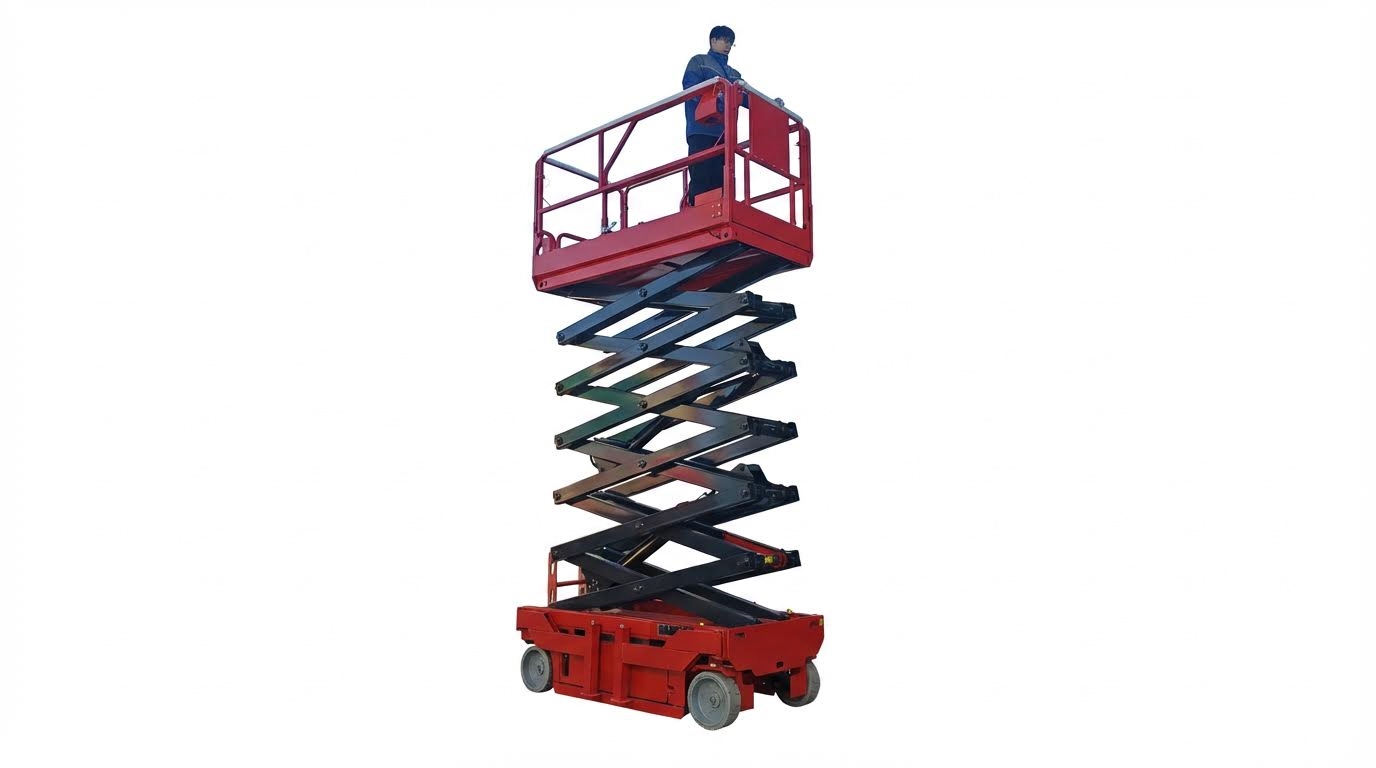
Correct equipment selection is a core part of scissor lift wind safety. The goal is to match the machine’s wind rating, geometry, and features to the site’s exposure and task.
- Match lift rating to environment
- Confirm whether the lift is rated for indoor-only or indoor/outdoor use and check the maximum allowable wind speed on the data plate or manual.
- For exposed locations, choose lifts with an outdoor rating aligned with typical and peak site winds; follow the lowest limit between the standard (often around 12.5 m/s for elevating platforms) and the manufacturer’s rating. A European standard for elevating work platforms uses 12.5 m/s (about 45 km/h) as a key wind limit.
- Limit platform height outdoors where possible; guidance for mobile towers capped outdoor heights to manage wind risk, and the same principle improves scissor lift stability. Outdoor mobile towers were limited to about 8 m height.
- Consider platform size, load, and attachments
- Choose the smallest practical platform area and working height for the job to reduce wind sail effect.
- Plan material handling so that large sheets, panels, or duct sections are not lifted in marginal wind conditions, as they add significant side load.
- Use toe boards and proper material restraints where there is a risk of objects being blown off the platform. manual pallet jack.
- Site-specific options and controls
- On very windy or exposed sites, prefer units with higher-capacity stabilizing systems or outriggers where available, taking a cue from tower standards that required stabilizers even at modest heights outdoors. Stabilizers were mandatory for external tower use regardless of height.
- Integrate weather monitoring into the job plan using apps or local stations, and define clear stop-work thresholds for wind, rain, and storms. Real-time weather monitoring was recommended to anticipate dangerous changes.
- Where frequent high winds are expected, evaluate alternative access methods (such as ground-based systems or different types of elevating platforms) with more favorable wind ratings or lower exposed height.
Why equipment choice matters for wind stability
From an engineering perspective, overturning risk increases with platform height, exposed area, and distance between the center of pressure of the wind and the base. Selecting a lower, narrower, or more sheltered configuration reduces the overturning moment from wind, giving operators more margin between normal operation and tip-over. Aligning equipment selection, training, and procedures around scissor lift wind safety significantly reduces the chance of a wind-related incident.
“”
Final Recommendations For Windy-Weather Operation
Safe scissor lift work in wind comes down to one rule: never ask the machine to do more than its design envelope allows. Wind force rises fast with speed and height, so even a modest increase in gusts can erase the stability margin. Treat manufacturer wind ratings and standards-based limits as hard ceilings, then add extra safety margin for exposed terrain, gusty conditions, and large carried materials.
Engineering factors such as platform height, exposed area, and total load all push the overturning moment up. Ground strength, level setup, and working position provide the resisting moment. If any part of this balance looks doubtful, you must stop, lower, and reassess. Operators and supervisors should plan work around forecast and measured wind, use anemometers at the work face, and apply clear go/no-go thresholds.
For windy or exposed sites, choose equipment and configurations that reduce sail area and height, and consider alternative access if limits will be tight. Build these controls into method statements, training, and daily checks. When in doubt, do not elevate. This conservative, engineering-led approach lets Atomoving users keep productivity high while keeping overturning risk firmly under control.
Frequently Asked Questions
Are scissor lifts safe in wind?
Scissor lifts should only be used outdoors when weather conditions are favorable. For models rated for outdoor use, operation is generally restricted to wind speeds below 28 miles per hour (approximately 45 km/h). Exceeding this limit increases the risk of tipping or falling. OSHA Safety Guidelines.
Can a scissor lift fall over?
Yes, scissor lifts can tip over if not used properly. Common causes include off-center loads, leaning too far out of the platform, high winds, uneven surfaces, inclines, or potholes. To reduce risks, always follow safety procedures and ensure proper training for operators. Scissor Lift Hazards.
Is a scissor lift high risk?
Scissor lifts involve inherent risks such as falls, tipping over, electrocution, entanglement, and crushing. Proper training and adherence to safety protocols are essential to mitigate these risks and ensure safe operation for everyone on site.