
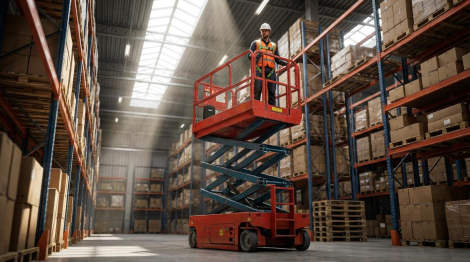
A hydraulic lift platform is a powered lifting device that uses pressurized fluid to raise and lower goods or personnel safely and efficiently. In modern plants, warehouses, and vehicle fleets, it plays a central role in bridging height differences, reducing manual handling, and improving throughput. This article walks through how these systems work, key design choices, and the safety standards that govern them, then links those engineering details to real-world applications and ROI. Use it as a practical guide when specifying, comparing, or upgrading any scissor platform in your operation.
Understanding Hydraulic Lift Platforms In Modern Operations
How Hydraulic Lift Platforms Work
A hydraulic lift platform converts fluid pressure into vertical motion using Pascal’s principle, where pressure applied to a confined fluid transmits equally in all directions. A hydraulic pump sends oil from the reservoir into one or more cylinders, forcing the piston rods to extend and raise the platform under load. Control valves meter flow to control speed and direction, allowing the operator to position loads accurately and stop smoothly at intermediate heights. During lowering, the system releases fluid back to the tank in a controlled way, often allowing the platform to descend largely under gravity to reduce energy use. Typical hydraulic lift platforms use pumps, cylinders, control valves, and a reservoir to achieve smooth, controlled lifting of heavy loads. In vertical rail-guided systems, the motor-driven pump extends a cylinder that drives a sprocket frame and chain, which in turn lifts the cargo platform along guide rails. When descending, an electromagnetic return valve opens so the platform can lower under its own weight without motor assistance, improving efficiency and reducing wear on the drive motor.
Key operating stages of a hydraulic lift platform
- Idle: Pump off, valves closed, platform supported by locked hydraulics or mechanical locks.
- Lifting: Pump pressurizes fluid into the cylinder, extending the piston and raising the platform.
- Holding: Check valves and load-holding valves trap fluid to maintain height under load.
- Lowering: Control valves open a return path to tank, allowing controlled descent under gravity.
Core Components And Design Variants
Every hydraulic lift platform combines a structural frame with a hydraulic power unit and a control system. The core hydraulic elements are the pump, cylinders, control valves, and fluid reservoir, which together generate, direct, and store hydraulic energy. The pump creates pressure, the cylinders convert that pressure into linear motion, and the control valves regulate flow for precise raising and lowering. On the structural side, platforms use welded steel sections, guide rails, and anti-slip deck plates to support loads safely and resist torsion during off‑center loading. Vertical rail-guided designs add sprocket frames, chains, and guide plates to keep the platform tracking straight and to transfer cylinder motion efficiently. Guide rails are typically fabricated from structural channel or tube, while the platform surface uses high-strength checkered plate for slip resistance, which is critical for safe material handling.
| Component group | Typical elements | Main function |
|---|---|---|
| Hydraulic power | Pump, motor, reservoir, relief valve | Generate and limit system pressure |
| Actuation | Cylinders, hoses, fittings | Convert fluid power into vertical motion |
| Control | Directional valves, check valves, overload devices | Control direction, speed, and load safety |
| Structure | Platform, rails, base frame, chains/sprockets (if used) | Carry load, guide motion, resist bending |
| Electrical | Control box, limit switches, emergency stop | Operator interface and safety interlocks |
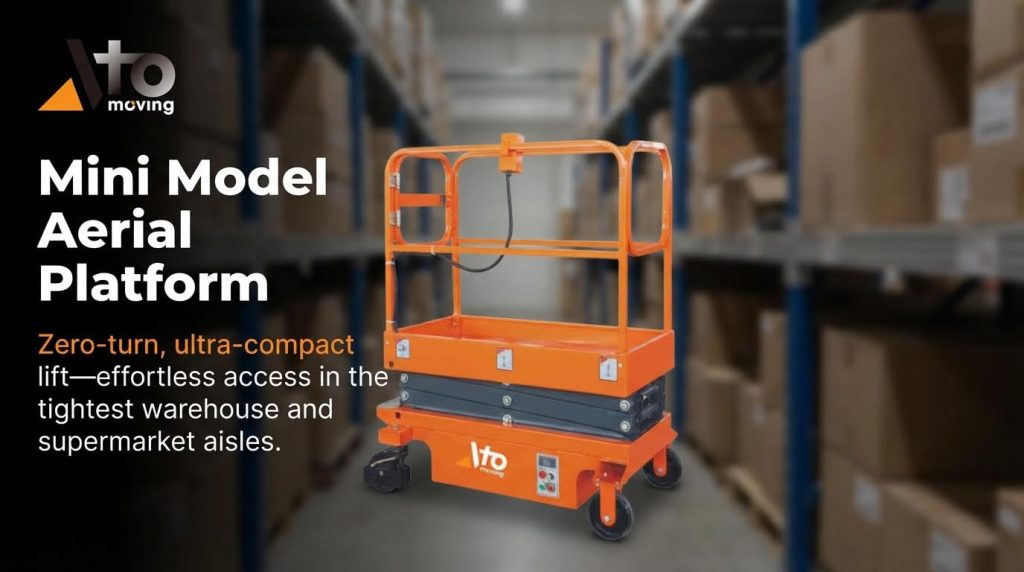
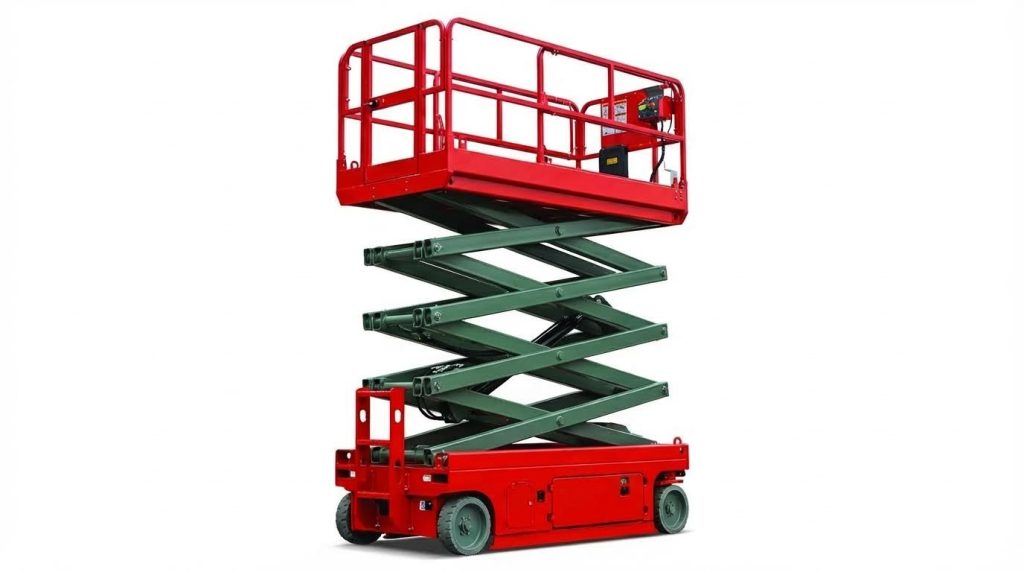
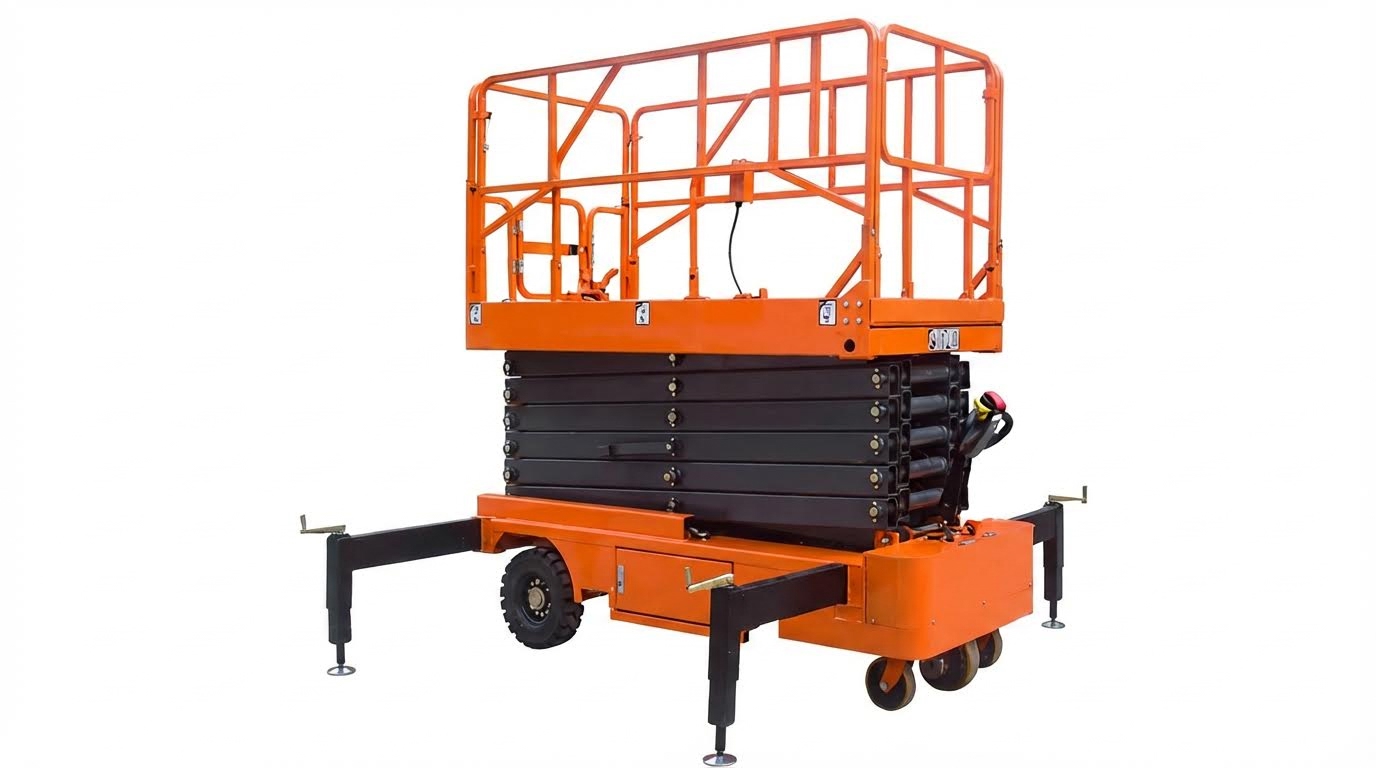
Design variants of the hydraulic lift platform cover a wide range of geometries and duty profiles. Scissor lifts use crossed arms under the deck to provide compact vertical travel, while vertical mast or rail-guided platforms move along fixed guides for higher lifts and tighter footprints. Other hydraulic lift types include portable units and vertical mast lifts, each optimized for particular working heights and environments. Tail-lift style platforms integrate with vehicles and may fold, slide, or run on parallel arms to balance ground clearance, aerodynamics, and ease of loading. Across these designs, engineers size cylinders, structures, and safety devices to match capacity ranges that commonly run from 500 kg up to several tonnes, with custom platforms reaching much higher capacities for heavy industrial service. Some rail-guided hydraulic lift platforms are engineered for lifting heights up to about 30 meters with appropriately rated structures and safety systems, allowing multi-level integration in warehouses and production facilities.
Matching Lift Platforms To Applications And ROI Goals
Selecting The Right Platform For Your Facility
When selecting a hydraulic lift platform, start with your load profile and duty cycle. Typical capacities range from 500 kg to over 3000 kg, with heavy-duty designs reaching up to 30 tons, so engineers usually specify at least 20% headroom above the normal working load for safety and longevity (500–3000 kg typical range and 20% capacity margin) (up to 30 tons). Match platform size to your largest load footprint and handling equipment, using the smallest practical deck to reduce structural weight and power demand. Vertical travel and speed must align with building levels or vehicle bed heights; some vertical platforms reach 30 m at 4–10 m/min, which is adequate for most industrial mezzanines and rack interfaces (30 m height and 4–10 m/min speed). Finally, confirm that your electrical supply (single- or two-phase) and available floor or pit space can support the selected configuration without major infrastructure changes (power and space requirements).
Key selection criteria checklist
- Load: typical, peak, and future growth (with ≥20% safety margin).
- Platform: length/width vs pallet size, carts, or vehicles.
- Travel: required lifting height and floor interfaces.
- Environment: indoor/outdoor, corrosion, temperature, and humidity.
- Integration: docks, conveyors, racking, and traffic flows.
- Power: voltage, phase, and access to hydraulic power.
Operational Efficiency, TCO, And Space Optimization
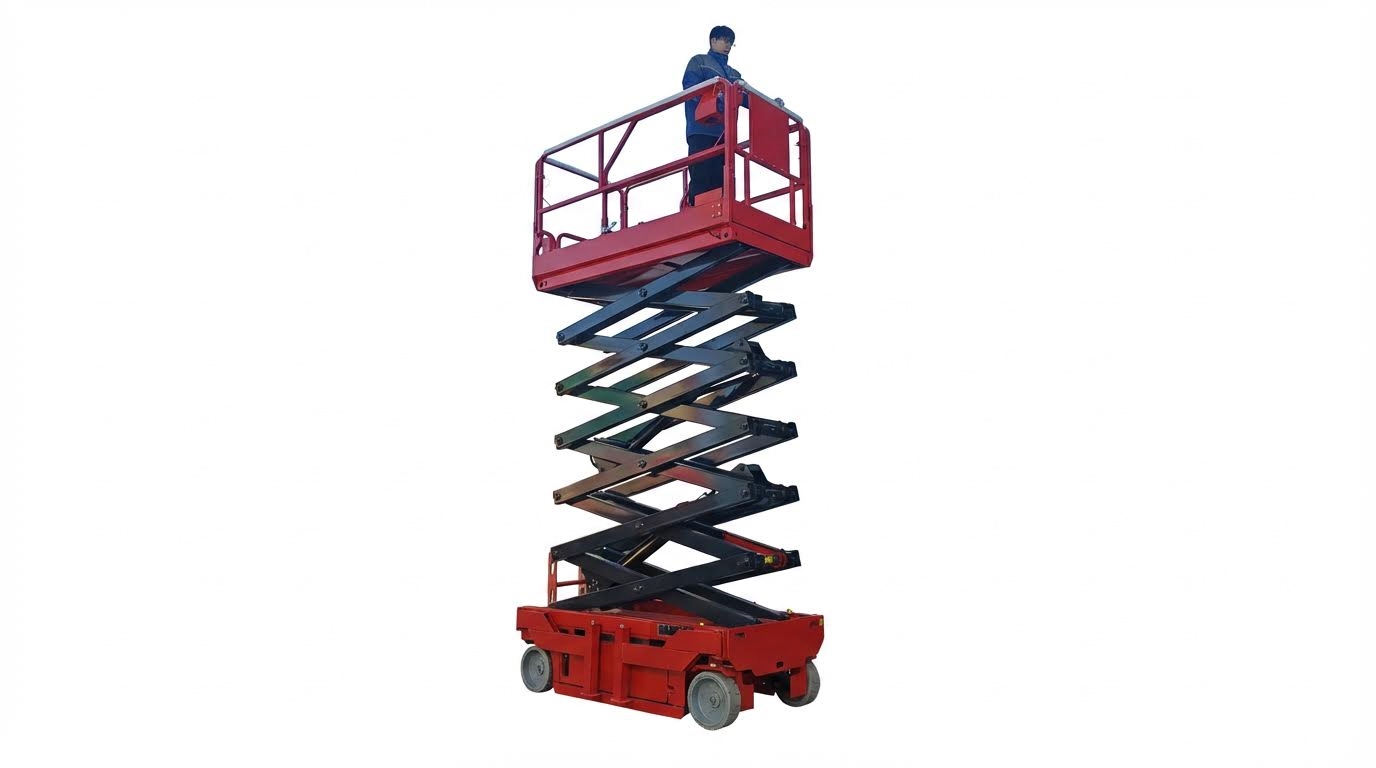
A well-specified hydraulic lift platform improves throughput and reduces handling time per load. Studies in logistics and fleet applications showed 25–30% faster loading and unloading cycles compared with manual or older mechanical methods, directly cutting truck dwell time and labor hours per shift (25–30% time reduction). From a total cost of ownership perspective, you should model both CapEx (platform, installation, civil work) and OpEx (energy, routine maintenance, and reduced manual labor), as many operations recovered their investment within 12–24 months through cycle-time and staffing savings (12–24 month payback). Space optimization is another major ROI lever: a hydraulic lift platform enables safe access to higher storage levels, so facilities can use more vertical storage, narrow aisles, and denser layouts without increasing building footprint (vertical storage and compact layouts). When you evaluate options, compare platforms on lifetime energy use, maintenance intervals, and expected 10–15 year service life to select the hydraulic lift platform that offers the lowest cost per handled ton over its full operating life (10–15 year lifespan).
| Decision Factor | Impact on ROI | How a Hydraulic Lift Platform Helps |
|---|---|---|
| Cycle time per load | Drives labor and equipment utilization | Automated lifting cuts handling time by ~25–30% |
| Facility footprint | Building and rent costs | Vertical movement enables higher racks and denser storage |
| Maintenance and downtime | Service cost and lost output | Preventive maintenance schedules extend life and reduce failures |
| Energy and operator effort | Operating cost and ergonomics | Hydraulics replace manual handling and smooth peak power demand |
Final Thoughts On Specifying Hydraulic Lift Platforms
Hydraulic lift platforms only deliver safe performance when engineers treat structure, hydraulics, and controls as one integrated system. Capacity margins, deck geometry, and guide design must all support real load cases, including off‑center pallets and mixed cargo. Correct cylinder sizing and valve selection then keep speeds controlled and stable across the full stroke, which protects both operators and product. Safety valves, interlocks, and emergency stops add a final protective layer that limits the effect of any single failure.
For operations teams, the best platform is rarely the largest or fastest. It is the unit that matches actual load profiles, travel heights, and building constraints while keeping maintenance simple and predictable. Use life‑cycle cost, not purchase price, as the main decision filter, and insist on clear data for duty rating, service intervals, and expected life. When you apply these engineering and ROI principles together, a hydraulic lift platform from Atomoving becomes a long‑term asset that improves throughput, reduces manual risk, and unlocks vertical space without compromising safety.
Frequently Asked Questions
What is a hydraulic lift platform?
A hydraulic lift platform is a mechanism designed to elevate objects using liquid pressure within a cylinder. Incompressible oil is introduced into the cylinder, which pushes the piston upward to lift the platform. This system allows for the efficient lifting of heavy loads with minimal effort. Hydraulic Lift Guide.
Why are hydraulic lift platforms useful?
Hydraulic lift platforms are useful because they can handle heavy loads efficiently and safely. They are commonly used in warehouses, construction sites, and manufacturing facilities to move goods and equipment to different heights. These lifts provide stability and control, reducing the risk of accidents during material handling. Types of Hydraulic Lifts.
What are the hazards of hydraulic lift platforms?
Hydraulic lift platforms can pose several hazards if not used properly. High pressures can cause ruptures, while low pressures may lead to the platform dropping unexpectedly, potentially injuring people or damaging items below. It’s crucial to use the lift only for its intended purpose and to regularly inspect and service the equipment according to the manufacturer’s instructions. Hydraulic Lift Safety.
Do hydraulic lifts use water?
Hydraulic lifts typically use oil rather than water to generate the necessary pressure for lifting. Oil is preferred because it is incompressible and provides consistent performance under high pressure. While water could theoretically be used, it is less effective due to its compressibility and potential for corrosion. Lifting with Liquids.