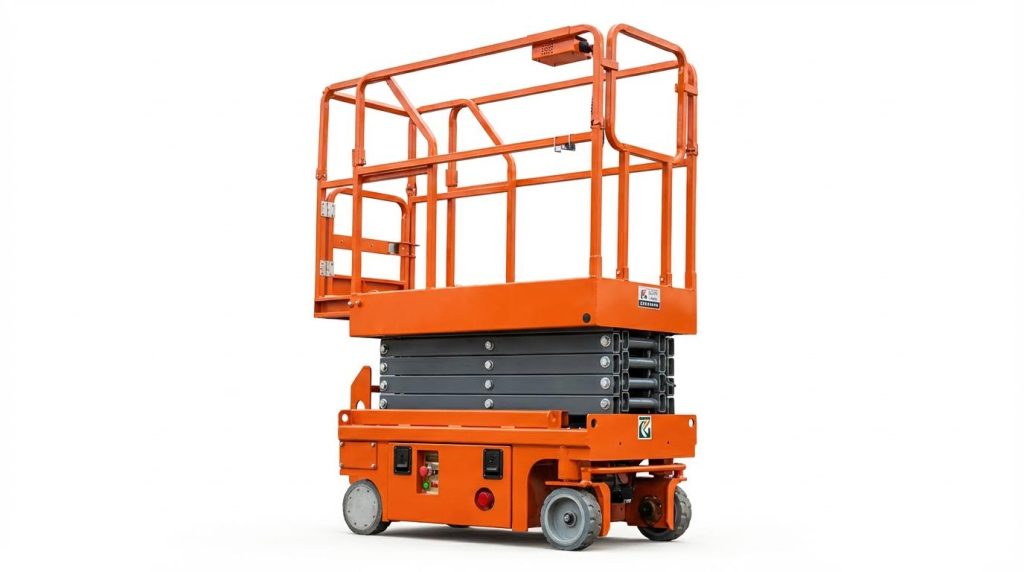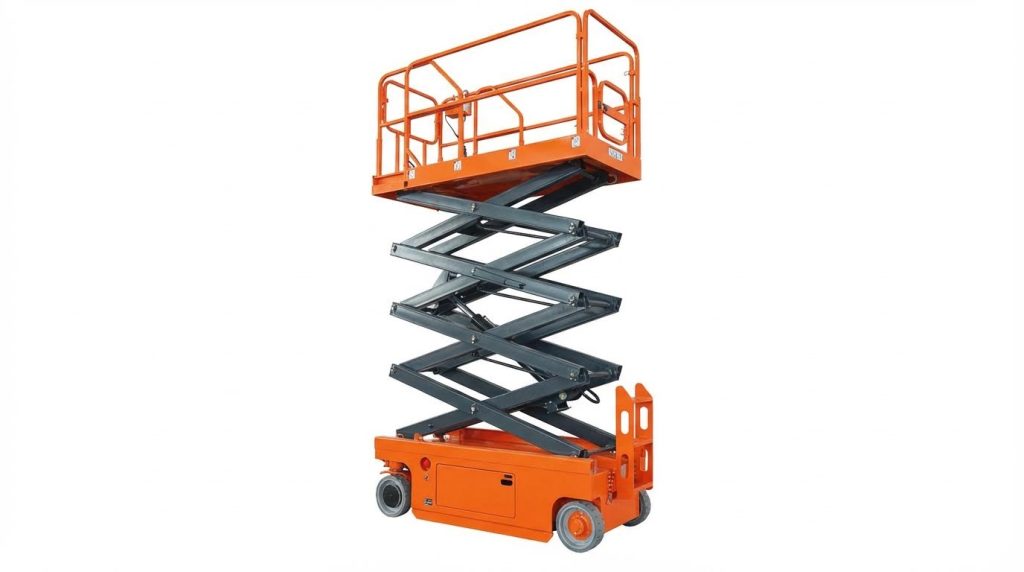
Transporting compact scissor lifts safely depends on good engineering preparation, correct vehicle selection, and disciplined loading and tie‑down practices. This guide walks through the full process of transporting compact scissor lifts, from risk assessment and standards compliance to securement and on‑road checks. You will see how weight, center of gravity, ramp geometry, and strap layout affect stability in real conditions. Use these best practices to reduce damage, prevent incidents, and keep operators and other road users safe during every move.
Key Risks And Standards In Scissor Lift Transport
Typical transport hazards and failure modes
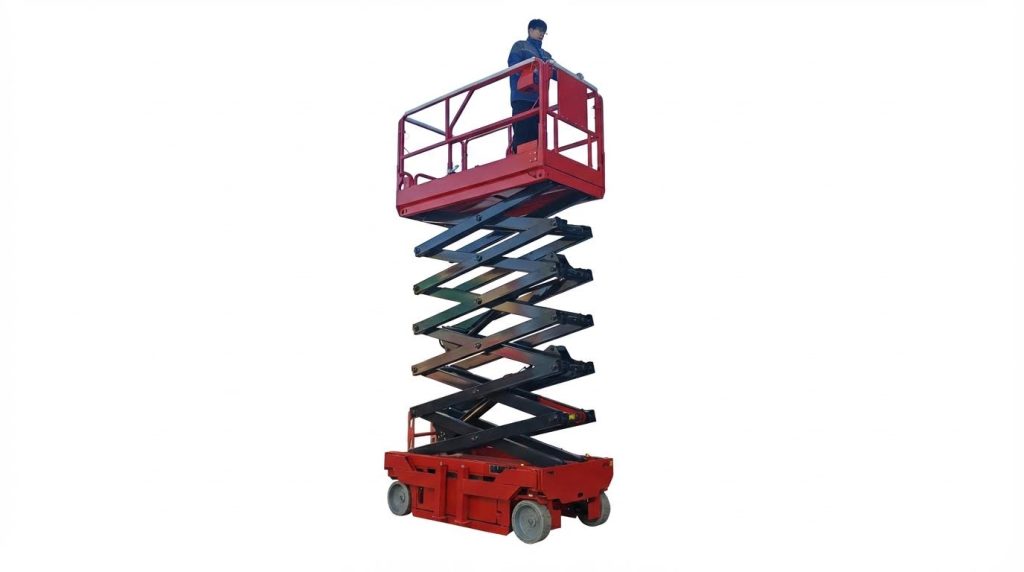
When transporting compact scissor lifts, most serious incidents trace back to basic physics issues: stability, restraint, and load path. A high center of gravity, even with the platform fully lowered, makes these machines vulnerable to tipping if ramps are too steep, surfaces are uneven, or the vehicle corners aggressively. Common failure modes include ramp collapse or slippage, winch or drive loss leading to rollback, and inadequate tie‑downs that allow the lift to walk or rotate on the deck under vibration. Poor pre‑transport inspection also creates hazards, such as hydraulic leaks, damaged wheels, or unlocked steering casters that let the unit shift in transit. Before loading, the lift should be fully lowered and mechanically locked to reduce the center of gravity and movement risk, and any loose components or accessories should be removed or secured. Operators transporting compact scissor lifts must also manage dynamic effects: emergency braking, potholes, or side slopes can multiply the effective lateral load on tie‑downs and anchor points. Over‑tightening chains or straps can damage the base frame or suspension, while under‑tightening leads to shock loading as the lift repeatedly takes up slack. A structured risk assessment should consider entanglement with moving parts, crushing between the lift and vehicle, slips during loading, exposure to high‑pressure hydraulic fluid, and potential contact with electrical sources during yard movements, not just during elevated work.
Typical hazard checklist during loading and transport
- Ramp angle too steep or not rated for machine weight
- Lift not fully lowered or not locked before movement
- Casters not chocked; parking brake not applied
- Straps attached to guardrails or non‑structural parts
- Insufficient number of tie‑downs or poor geometry (no forward/rearward restraint)
- Lack of periodic checks on restraints during long journeys during extended trips
Relevant ANSI, OSHA, and regional standards
Safe practice for transporting compact scissor lifts sits on top of several standards and regulatory frameworks. In the United States, OSHA scissor‑lift guidance requires that units be inspected before use, that brakes hold the lift securely, and that only trained operators move the equipment, including when the lift is in transit on a jobsite. These OSHA expectations align with broader aerial‑lift training rules, which require operators to understand load limits, travel procedures, and worksite hazards such as traffic and electrical contact. From a product and design standpoint, ANSI MH29.1 sets safety requirements for industrial scissor lifts, while international and regional standards such as the JB/T 9229 series and EN‑type documents define specifications, test methods, and safety rules for different scissor‑lift configurations, including pedestrian‑propelled units. These standards focus on structural integrity, stability factors, and braking performance, which directly influence how the lift behaves when transported. Regionally, road‑transport rules add another layer: operators may need oversize‑load permits, warning flags, lights, or escort vehicles for larger machines, and must comply with axle and gross‑weight limits when transporting compact scissor lifts. Good practice is to treat all relevant ANSI/OSHA or local equivalents as the baseline, then add company procedures for tie‑down design, ramp selection, and inspection so that transport risks are controlled as rigorously as on‑platform work.
Engineering Preparation Before Moving The Lift
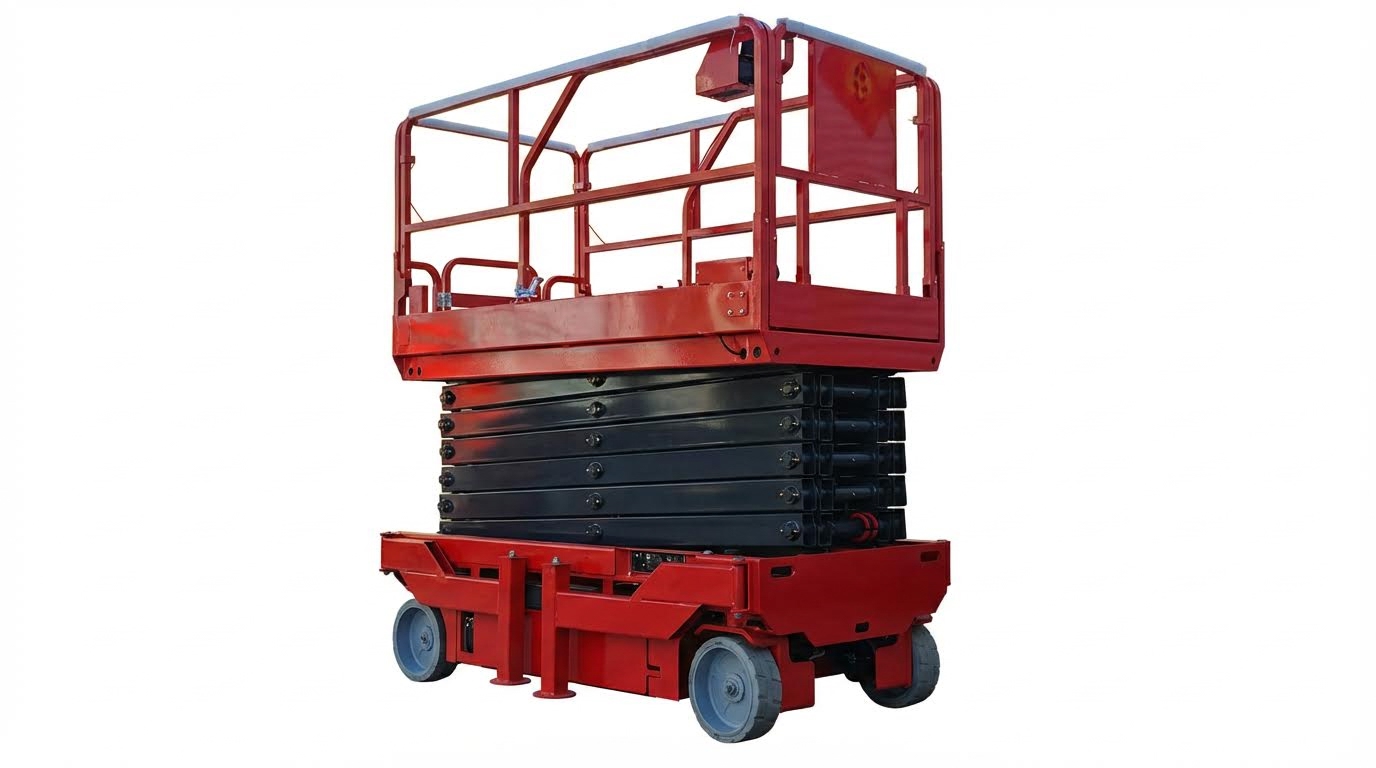
Verifying weight, CoG, and tie‑down points
Before transporting compact scissor lifts, confirm the machine weight, rated load, and any transport configuration limits from the data plate and manual. This lets you match the lift to a vehicle and ramp with adequate capacity, reducing the risk of structural overload. You should also identify manufacturer-approved tie‑down points and structural base-frame members that can safely accept strap or chain loads during road shocks and emergency braking. Lower the platform fully and ensure the scissor stack is pinned or locked in the stowed position to keep the center of gravity as low and central as possible, improving stability during loading and transport. Reviewing general guidelines on weight, tie‑down points, and specifications is a core part of safe preparation for transporting a scissor platform before transport.
- Record total transport weight (lift + any attachments) for vehicle selection and permit checks.
- Confirm tire or wheel condition so they can safely carry the load during winching or driving up ramps as recommended.
- Mark front/rear balance visually so operators understand how the center of gravity will shift on ramps and uneven ground.
Pre‑transport inspection and functional checks
A structured pre‑transport inspection is essential to keep transporting compact scissor lifts safe and predictable. Walk around the lift and check for loose components, damaged guardrails, hydraulic leaks, or obvious structural damage that could worsen under transport vibration before loading. Inspect the platform, wheels, and hydraulic system to ensure they are in good condition and that the brakes can hold on a ramp or flatbed. Verify that guardrails are intact, undamaged, and free from corrosion, and that any access gates latch securely, as these may be subject to aerodynamic and vibration loads during road transport under OSHA guidance.
- Test drive and steering functions at low speed to confirm predictable control during loading.
- Confirm emergency stop and brake functions work correctly so the unit can be halted quickly on a ramp.
- Remove loose items from the platform or secure them so they cannot become projectiles in transit.
- Document any defects and correct them before the lift is moved, in line with pre‑use inspection expectations for safe operation set by OSHA.
Power isolation on electric and Li‑ion units
For electric and Li‑ion compact scissor lifts, power isolation is a critical preparation step to prevent unintended movement during loading and transport. Follow the manufacturer’s instructions to switch off the main power, turn the key to the OFF or service position, and engage any transport or emergency stop interlocks. For many battery-powered units, you should disconnect or lock out the battery circuit as recommended to eliminate the risk of accidental activation while the lift is strapped down during transport preparation. This is especially important when transporting scissor platform lift on long journeys, where vibration or contact with controls could otherwise cause uncommanded motion.
- Apply lockout/tagout where site procedures require it, especially for hired or shared equipment.
- Verify that control joysticks and switches are in neutral and protected from accidental contact.
- For Li‑ion packs, keep them within the recommended state-of-charge and temperature range before travel to reduce thermal risk.
- Confirm any on‑board chargers or cables are stowed and cannot snag during loading or while the vehicle is in motion.
Loading, Securing, And Road Transport Methods
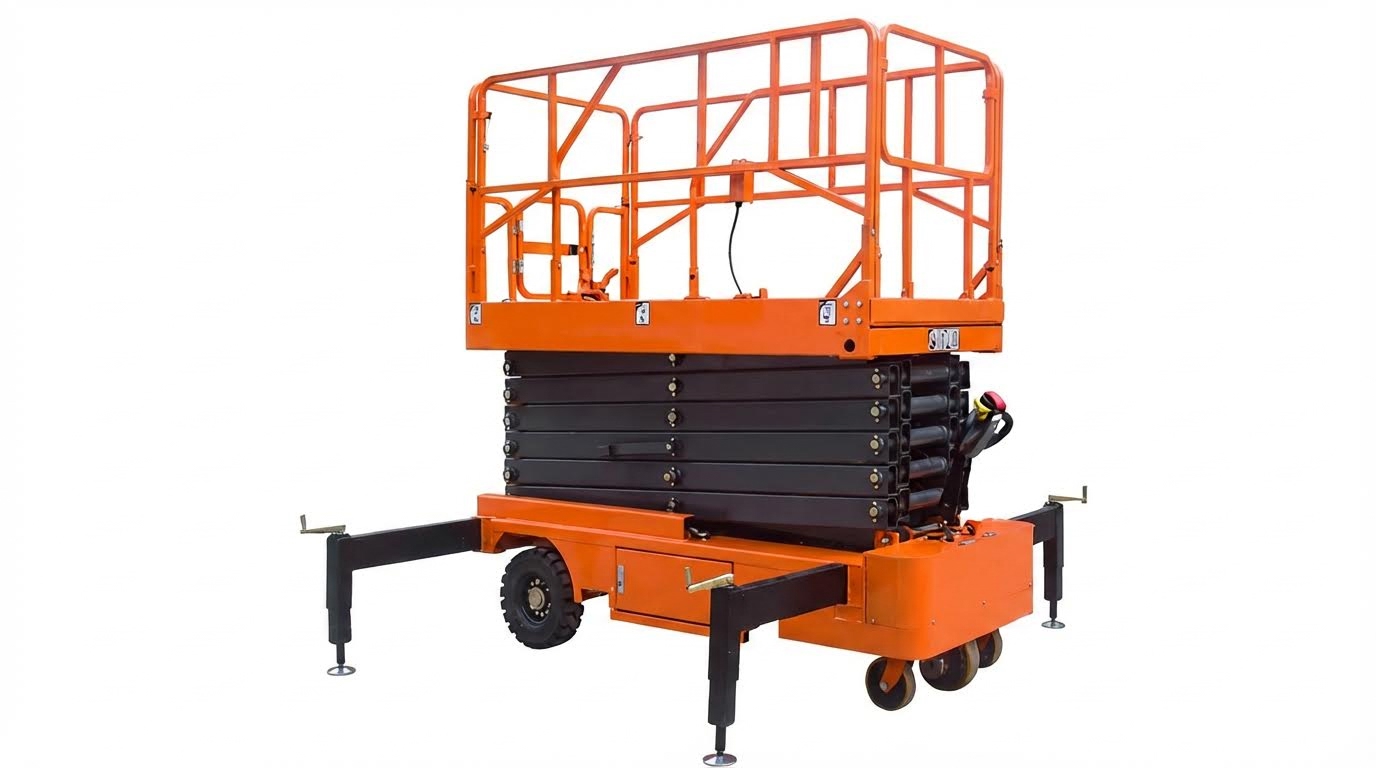
Selecting and sizing the transport vehicle
When transporting compact scissor lifts, the transport vehicle must safely carry both the gross weight and the footprint of the machine with margin. A flatbed truck or trailer with an integrated ramp or lift gate is typically the most controllable option for loading and unloading compact units recommended for transporting a scissor lift. Check that the deck length and width allow for safe approach angles and adequate clearance around the lift for tie-down hardware. For transporting compact scissor lifts on public roads, confirm that the combined vehicle and load remain within legal axle loads, gross vehicle weight rating, and height and width limits.
- Match trailer capacity to the lift’s rated operating weight plus fuel, batteries, and any accessories.
- Prefer low-deck trailers to reduce ramp angle and rollover risk.
- Ensure the deck has adequate lashing points aligned with the lift’s tie-down locations.
- Verify that suspension and brakes are suitable for concentrated loads typical of compact scissor lifts.
Engineering tip
As a rule of thumb, target at least 20–30% spare payload capacity. This improves braking performance and reduces structural fatigue in the transport vehicle over repeated moves.
Ramp, winch, and loading geometry for compact lifts
Loading geometry is critical because compact scissor lifts have a short wheelbase and relatively high center of gravity when elevated, so they must be fully lowered and locked before loading. If the vehicle has no built-in ramp, use a portable ramp that is structurally rated for at least the lift’s full weight and is secured against slip and lateral movement using a portable loading ramp rated to support the scissor lift’s weight. Keep ramp angles as shallow as practical to reduce the risk of traction loss or belly contact at the break-over point. For heavier or non‑self‑propelled units, a winch connected to designated towing or lifting points provides controlled motion and minimizes rollback risk during loading and unloading using a winch can provide additional control during loading.
| Parameter | Engineering consideration |
|---|---|
| Ramp angle | Keep low to maintain traction and avoid chassis grounding at the crest. |
| Ramp width | Wider than the lift’s wheel track, with side edge protection where possible. |
| Surface | High-friction, clean, and dry to prevent wheel slip during loading. |
| Winch rating | Rated above the lift’s weight, with a direct line pull and secure anchorage. |
Safe loading sequence
Park on level ground, chock trailer wheels, lower and secure the platform, then align the lift square to the ramp. Drive or winch the lift slowly up the ramp with a spotter in clear view, stopping to check alignment before cresting onto the deck driving or pushing the scissor lift up the ramp slowly.
Tie-down design, strap layout, and periodic checks
Once the lift is on the deck, the primary control of risk in transporting compact scissor lifts is the tie-down system. Use heavy-duty ratchet straps or chains attached to the manufacturer’s designated tie-down or structural base points, never to guardrails, scissor arms, or removable components secure the scissor lift using heavy-duty chains or ratchet straps attached to designated tie-down points. Arrange restraints in opposing directions (fore–aft and side–side) to resist braking, acceleration, and cornering loads, and tension them evenly to pull the chassis firmly into the deck without overstressing components tightening them securely but avoiding over-tightening that could damage components. On longer journeys, plan periodic stops to recheck strap tension, hardware condition, and overall stability, since vibration and settling can introduce slack over time stop periodically to inspect the straps, chains, and overall stability.
- Use at least four tie-downs, one near each corner of the chassis, with angles low enough to generate vertical clamping force.
- Apply parking brakes and wheel chocks before tensioning straps to limit micro-movement.
- Secure loose strap tails to prevent whipping damage during travel.
- During transport, drive at moderate speeds and avoid harsh steering or braking inputs to limit dynamic loads into the tie‑down system manual pallet jack.
Inspection checkpoints during the trip
At each stop, verify that straps or chains remain tight, hooks are still fully seated, and the lift has not migrated relative to deck reference points. Check for fluid leaks or component damage that could affect stability before continuing the journey.
“”
Summary Of Safe Compact Scissor Lift Transport
Safe transport of compact scissor lifts depends on treating the move as an engineering task, not a simple transfer. Weight, center of gravity, ramp geometry, and tie‑down layout all interact to decide whether the lift stays stable under real road loads. When teams verify machine weight, CoG, and approved tie‑down points, they can select the right vehicle, ramps, and winch and avoid overload or tipping margins. Structured inspections and power isolation stop hidden defects or unplanned motion from turning into failures during loading or on the highway.
Correct ramp design and loading sequence keep the lift within its stability envelope while it crosses the highest risk zone: the ramp and deck interface. Once on the deck, a well‑engineered tie‑down system converts dynamic forces from braking, cornering, and potholes into controlled loads through the chassis and anchor points. Periodic restraint checks close the loop over long trips.
The best practice is clear: apply ANSI/OSHA or local equivalents as the baseline, then build site procedures that treat transport with the same discipline as elevated work. When operators follow these steps consistently, Atomoving compact scissor lifts travel safely, arrive undamaged, and are ready for productive use on site.
Frequently Asked Questions
How do you transport a compact scissor lift?
Transporting a compact scissor lift typically requires a step deck or flatbed trailer, which provides the necessary clearance for safe travel. For smaller models, Air-tow Trailers are often considered the top choice due to their design and functionality. Scissor Lift Transport Guide.
- Ensure the trailer is rated to handle the weight of the scissor lift.
- Use dedicated ramps or hydraulic systems for loading and unloading.
- Drive at a slower, steadier speed to maintain stability during transport.
Can a scissor lift fit in an elevator?
Yes, the smallest scissor lifts are compact enough to fit inside an elevator, making them ideal for indoor construction operations in narrow working sites. Compact Scissor Lift Solutions.