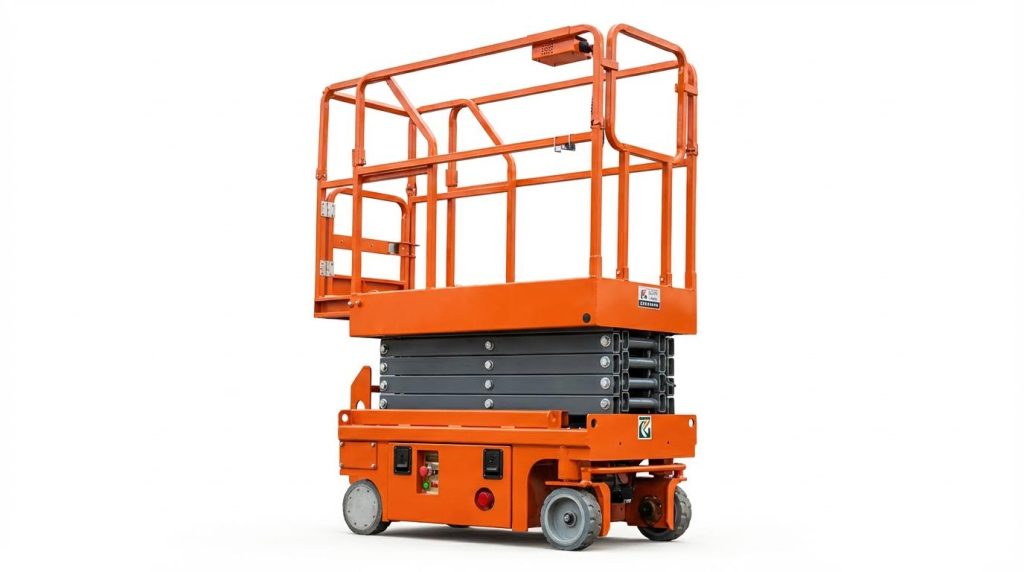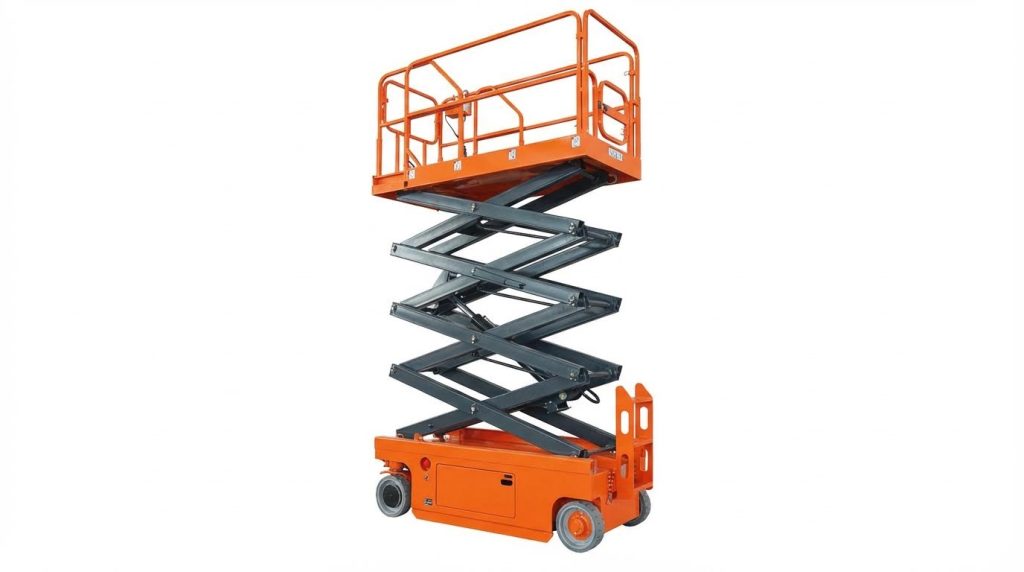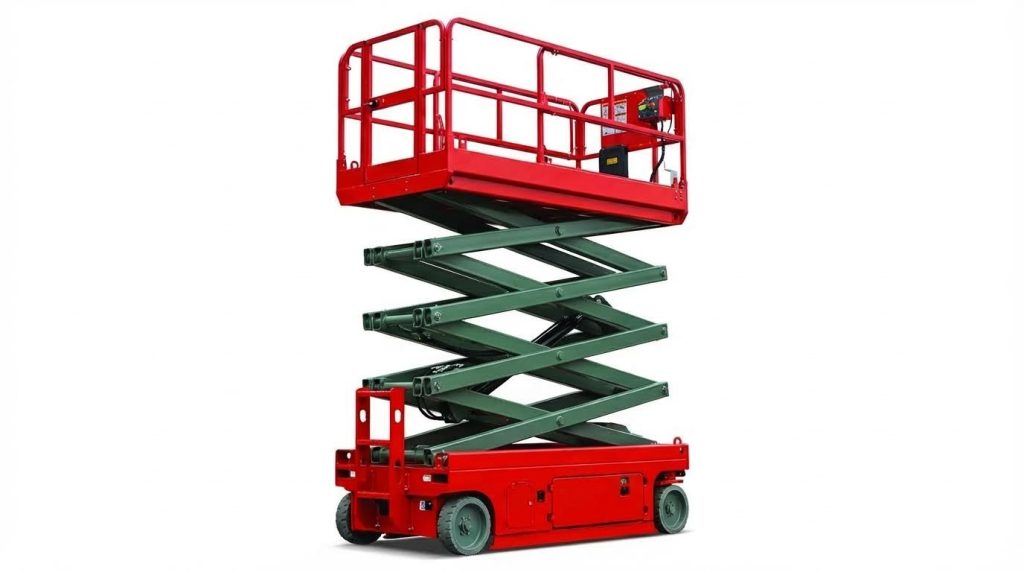
If you’re asking “why is my scissor lift beeping,” your machine is warning you about a condition it has detected—anything from low voltage to tilt, overload, or a hydraulic fault. This guide breaks down what different alarms and codes usually mean, how the onboard diagnostics work, and which systems they monitor. You’ll see clear, safe fix paths for common causes like batteries, fuses, wiring, and hydraulics, plus practical checklists for inspections, cleaning, lubrication, and lockout/tagout. Use it as a structured, field-ready reference to respond to beeps quickly without cutting corners on safety or compliance.
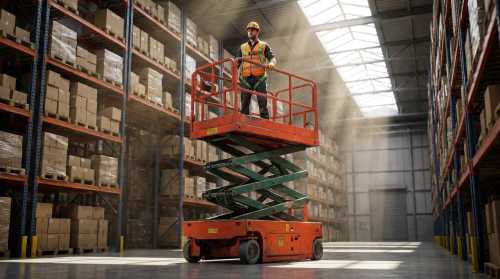
What Scissor Lift Beeping Is Telling You
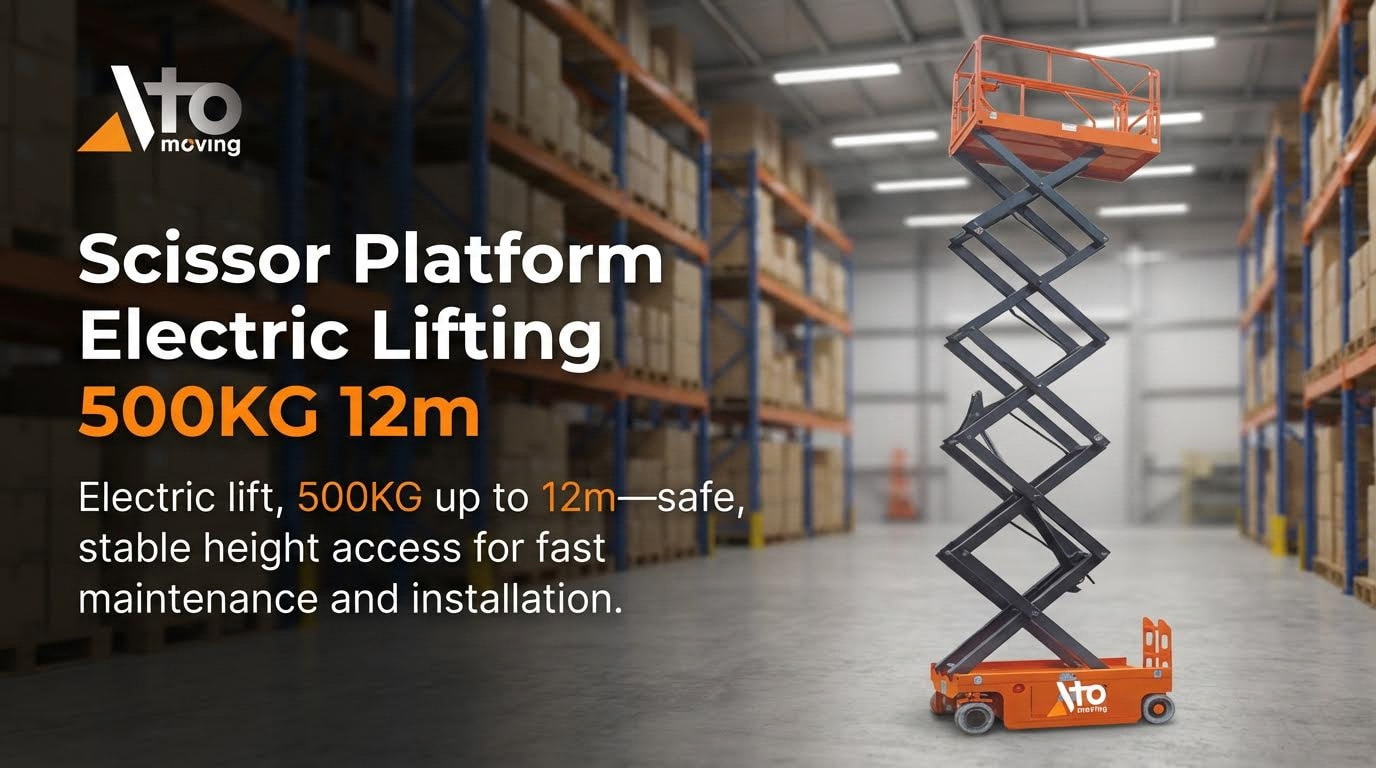
Scissor lift beeps are not random; they are your first warning that something is outside safe operating limits. Understanding what each alarm means is the fastest way to answer “why is my scissor lift beeping” and prevent damage, downtime, or an accident. Modern lifts use beeps, lights, and codes to flag issues from low voltage and overloads to hydraulic or control faults. Decode the patterns, and you can decide whether to stop, reset, or call a qualified tech.
Types of alarms and what they monitor
Different alarm tones and flashing lights usually point to specific systems. The exact pattern varies by manufacturer, but most scissor lifts monitor the same core areas.
Typical alarm categories that explain why is my scissor lift beeping include:
- Power and battery alarms – Low voltage, poor battery connections, or blown fuses; often tied to warning lights or error codes when charge is low or terminals are corroded and electrical malfunctions occur.
- Motor controller alarms – Beeps plus buzzing or clicking from the controller area, loss of power, or jerky movement, indicating controller faults or protection trips with unusual battery drain or intermittent operation.
- Tilt and stability alarms – Audible alarms when the chassis is not level, the platform is unstable, or tilt sensors detect unsafe angles, often locking out lift or drive functions to prevent platform instability or tilt-related incidents.
- Overload / capacity alarms – Continuous or repeating beeps when platform load exceeds rated capacity or is positioned unsafely, often paired with error codes and blocked elevation.
- Hydraulic system alarms – Beeps tied to slow, jerky, or no lift movement, sometimes with error codes when low fluid, leaks, or pump issues reduce pressure or cause abnormal noises and require inspection.
- Safety interlock alarms – Signals when gates, emergency stops, or other safety devices are not in the correct position, or when protective switches (e.g., pit protection, pressure bars) are stuck or obstructed triggering specific alarm faults.
- General electrical fault alarms – Beeps with flashing warning lights when low battery voltage, component malfunctions, or diagnostic trouble codes (DTCs) are present in the system and need diagnosis.
Quick reference: what each alarm is “protecting”
| Alarm type | Primary system monitored | Typical risk if ignored |
|---|---|---|
| Power / battery beep | Battery charge, connections, fuses | Unexpected shutdown, loss of drive/lift, stranded platform |
| Motor controller alarm | Drive and lift power electronics | Intermittent motion, loss of control, component damage |
| Tilt / stability alarm | Chassis level and platform stability | Tip-over or severe platform sway |
| Overload alarm | Platform load and distribution | Structural overstress, stability loss, cylinder damage |
| Hydraulic alarm or fault code | Pump, valves, fluid level/condition | Sudden drops, no lift, accelerated wear |
| Safety interlock alarm | Gates, emergency stops, safety switches | Operation with guards open or protection defeated |
| General electrical/DTC alarm | Sensors, wiring, control logic | Unpredictable behavior, repeated failures |
When you ask why is my scissor lift beeping, start by matching the sound and any warning lights to one of these alarm groups. Then check the display for codes to narrow down the exact fault.
How error, DTC, and OIC codes work
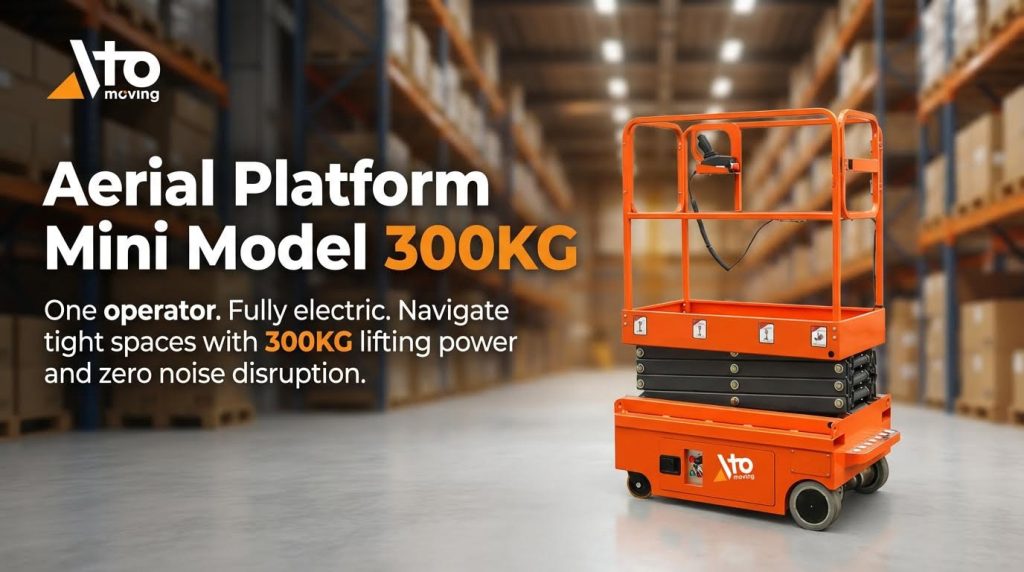
Most modern scissor lifts do not just beep; they also show numeric or alphanumeric codes on the platform or ground control display. These codes are your “X-ray” for the fault behind the alarm.
There are three main code types you will typically see:
- Error codes – General fault indicators that appear on the control display when the system detects issues like platform overloads, battery problems, broken wires, or short circuits on either the platform or ground control readout.
- DTCs (Diagnostic Trouble Codes) – More detailed codes generated by the onboard diagnostics to pinpoint which device or circuit is malfunctioning. These can cover hydraulic, power, user interface, sensors, and control systems, with hundreds of possible codes available to identify specific faults across the machine.
- OICs (Operation Indicator Codes) – Status codes that warn you when the machine is in an abnormal operating condition, such as sitting on an unleveled surface while you attempt to raise. The system then prevents further operation until the unsafe condition is corrected to protect the operator.
| Code type | What it tells you | Typical operator response |
|---|---|---|
| Error code | High-level fault (overload, battery, wiring, short) | Stop, note the code, check obvious causes (load, battery, visible damage) |
| DTC | Specific component/circuit problem in a subsystem | Use service manual or diagnostic tool; usually needs qualified technician |
| OIC | Unsafe operating condition (tilt, configuration) | Correct ground, position, or configuration, then attempt restart |
To use these codes effectively when you are wondering why is my scissor lift beeping, follow a simple workflow:
- Listen and look – Note the beep pattern and check for flashing warning lights or icons that usually indicate a fault or DTC is active.
- Read the display – Look at the platform or ground control display for error, DTC, or OIC codes and write them down before cycling power.
- Check simple causes first – Verify battery charge and connections, load, ground level, and that all gates and emergency stops are correctly set, since many codes are triggered by these basic issues such as low charge or poor connections.
- Consult the manual or service data – Match the exact code to the manufacturer’s list to identify the subsystem and recommended action; many platforms have over 200 DTCs available to narrow down faults for precise troubleshooting.
- Decide on safe next steps – If the code points to structural, hydraulic, or control electronics issues, lock out the machine and call a qualified technician rather than trying field fixes.
Why codes matter more than the beep alone
The same beep pattern can be used for multiple issues depending on context. Codes remove the guesswork by tying the alarm to a specific system and condition. That means faster, safer decisions: you know when a simple reset is reasonable and when continued use could risk a tip-over, sudden drop, or total loss of power.
Common Beeping Causes And Technical Fix Paths
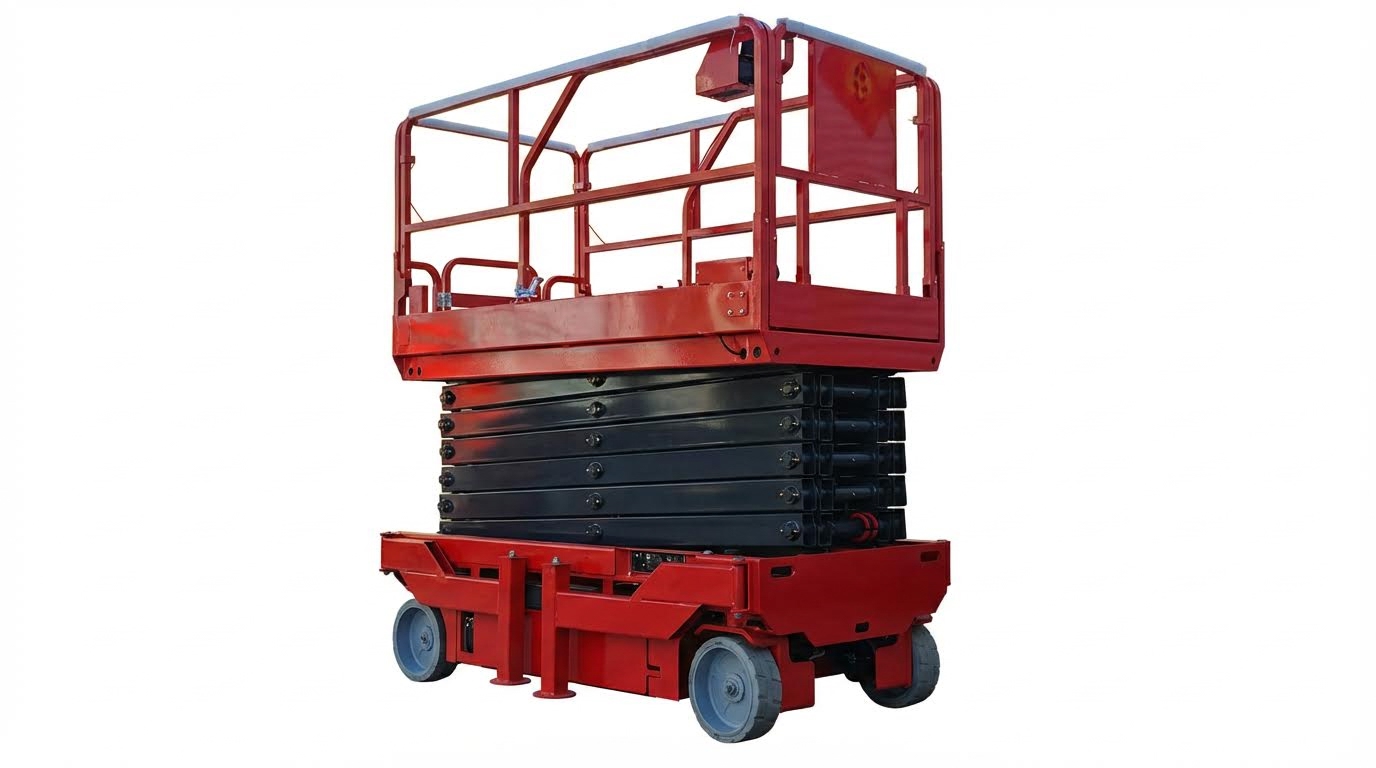
When you ask “why is my scissor platform beeping,” you are usually dealing with one of three buckets: low voltage/power protection, stability and overload alarms, or hydraulic and motor controller faults. The tables and lists below map each alarm type to the most likely cause and a safe first fix path so you can decide what you can handle and what needs a qualified tech.
Low voltage, batteries, and fuse protection
Low-voltage alarms protect the lift from running on weak or unstable power. They often trigger error codes, flashing warning lights, or a constant beep when you try to drive or raise the platform. Start here any time the lift is slow, dies under load, or shows power-related codes.
| Symptom / Alarm | Probable Root Cause | Safe First Checks & Fix Path |
|---|---|---|
| Beeping with slow drive or lift, especially after some use | Low battery charge or weak battery pack |
|
| Beep plus error/DTC related to power or battery | Loose, corroded, or damaged battery cables and terminals |
|
| Lift suddenly dead, continuous beeping or warning light, some functions inoperative | Blown main or branch fuse |
|
| Beeping with flashing warning light, no movement, but controls power up | Electrical system fault: wiring, switch, or sensor issue |
|
When a customer asks “why is my scissor platform lift beeping every time I touch the joystick,” low voltage is one of the first suspects. Many lifts log DTCs for battery and power circuits, which you can read from the platform or ground display to narrow down the circuit involved. Onboard diagnostic systems generate DTCs for hydraulic, battery/power, user interface, sensors, and control systems.
Quick low-voltage troubleshooting checklist
- Confirm charger is working and correctly connected
- Check battery indicator; charge if not at full
- Inspect and clean terminals; tighten all lugs
- Check main fuses and replace blown units with correct rating
- If beeping and codes remain, call a qualified technician for load testing and circuit diagnostics
Tilt, overload, and platform stability alarms
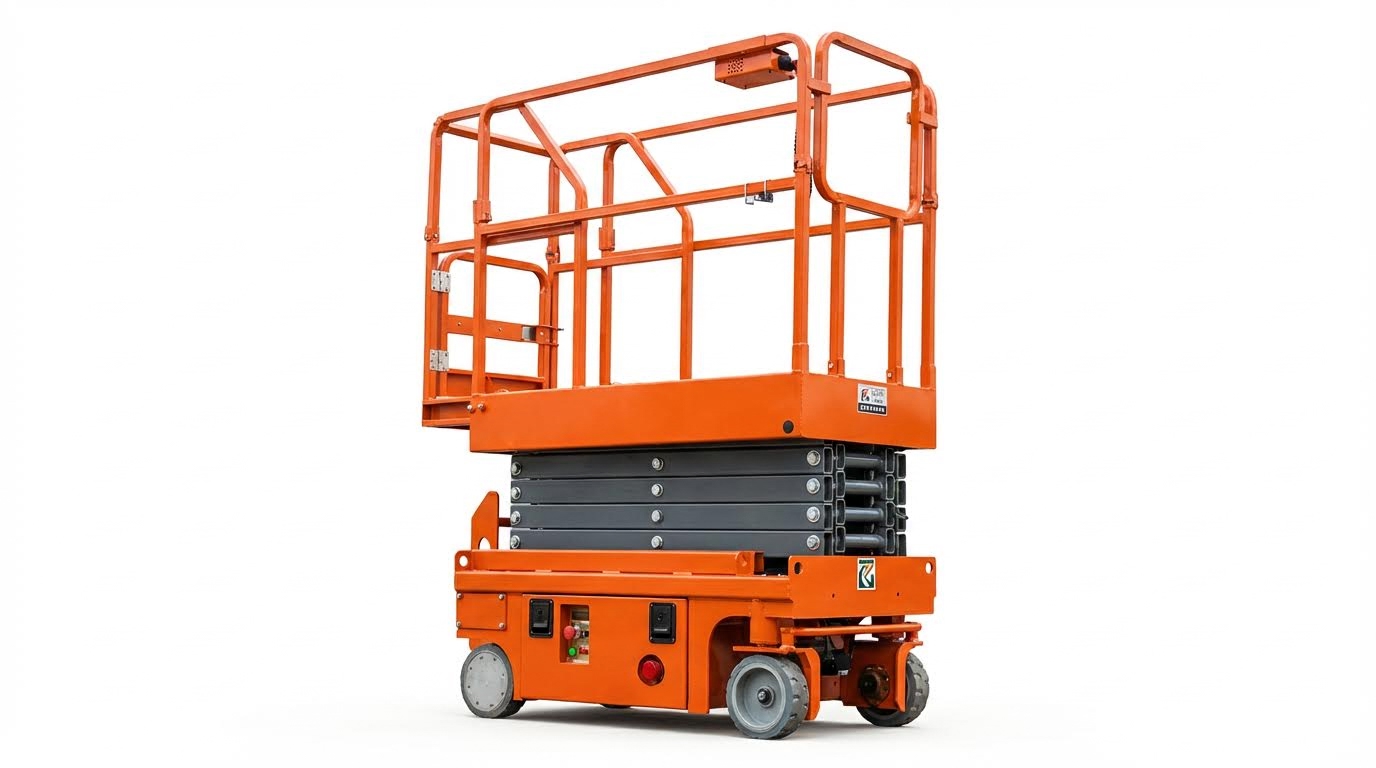
Tilt and overload alarms are designed to keep the machine upright and stable. These alarms often beep continuously and may lock out lift or drive functions until you fix the unsafe condition. If your first thought is “why is my aerial platform beeping and won’t go up,” this section is usually the answer.
| Symptom / Alarm | Likely Cause | Safe Operator Actions |
|---|---|---|
| Continuous beeping when trying to raise, platform feels wobbly or lift stops part way up | Tilt sensor detecting out-of-level condition or unstable base |
|
| Beeping plus error/OIC when raising with heavy load, elevation restricted | Platform overloaded beyond rated capacity or load not evenly distributed |
|
| Alarm when trying to raise on a noticeable slope, lift refuses command | Operation Indicator Code (OIC) for abnormal operating status, such as on an unleveled surface |
|
| Beeping with noticeable sway, clunking, or visible misalignment of scissor arms | Mechanical misalignment, wear, or structural damage in scissor stack |
|
Many modern lifts use operation indicator codes to lock out motion when stability is at risk. OICs alert operators when the lift is in an abnormal operating status, such as being on an unleveled surface while attempting to raise, and prevent further operation until the issue is resolved. That is by design; the correct “fix” is to change the setup, not the electronics.
- Never silence or bypass a tilt or overload alarm.
- Always correct the ground condition or load before trying again.
- If alarms continue on level ground with proper load, tag the lift out and request service.
Hydraulic, motor controller, and wiring faults
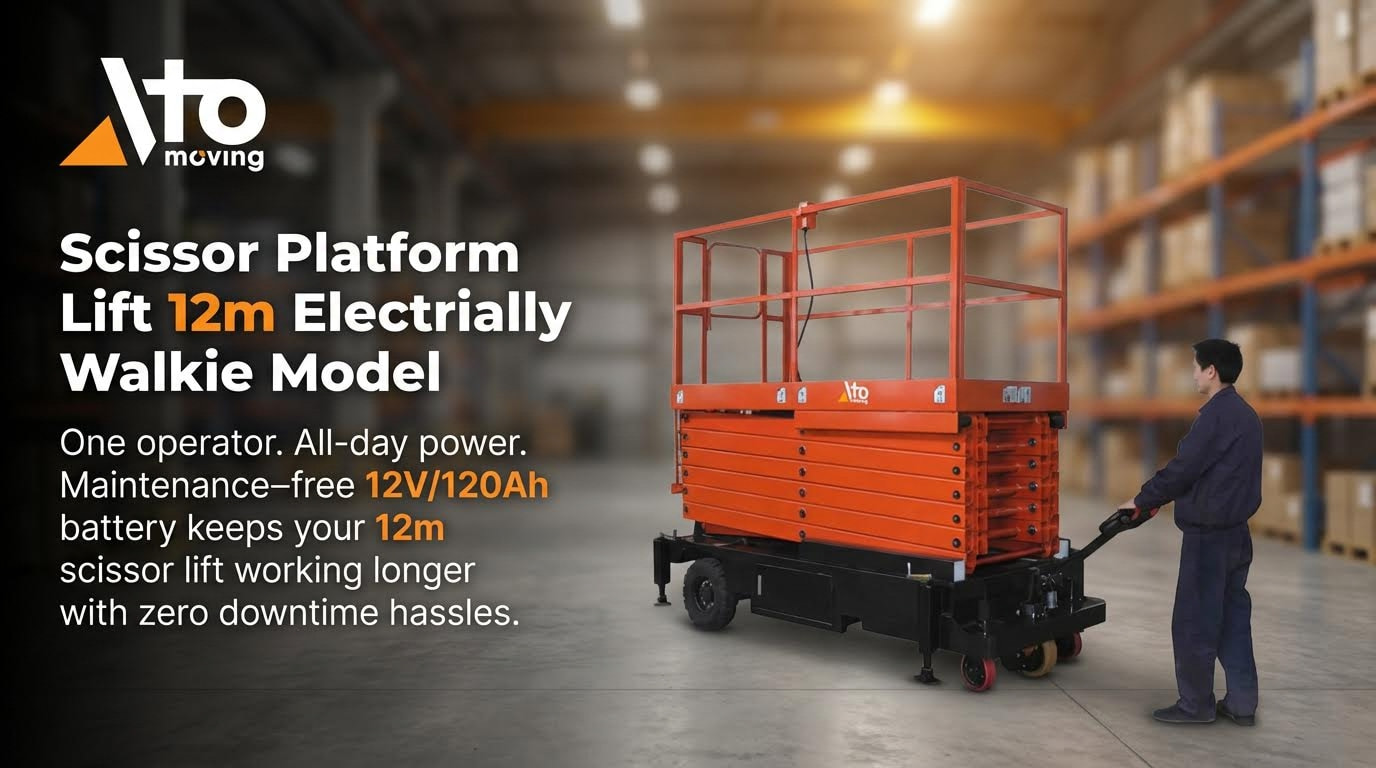
If power and stability look good but the question “why is my scissor platform lift beeping” is still on the table, you are likely in the hydraulic, motor controller, or wiring category. These faults often combine beeping with slow, jerky, or completely dead functions, and they usually generate DTCs that a technician can read.
| Symptom / Alarm | Subsystem | Likely Cause | Recommended Technical Path |
|---|---|---|---|
| Beeping, slow or jerky lift, unusual hydraulic noise | Hydraulic system | Low or contaminated fluid, air in system, worn pump or valves |
|
| Beeping plus intermittent drive or lift, buzzing/clicking from controller area, odd battery drain | Motor controller / drive electronics | Controller fault or failing power electronics |
|
| Beeping, flashing warning light, some functions inoperative, others OK | Control wiring / safety circuits | Broken wire, short circuit, or defective switch/sensor |
|
| Specific numeric alarm (e.g., “18” alarm) with beeping during lift | Safety interlock / mechanical obstruction | Foreign object, stuck safety switch, rusted or damaged components |
|
Modern lifts can log hundreds of distinct diagnostic trouble codes. On some machines there were 272 DTCs available to pinpoint specific device or circuit malfunctions. That means the safest and fastest way to chase a persistent beeping fault is usually to:
- Record the exact code shown at the platform and ground controls
- Note what you were doing when the beep started (driving, lifting, lowering, etc.)
- Provide that data to a qualified technician along with machine model and serial number
When to stop and call a technician immediately
- Any beeping accompanied by burning smell, smoke, or visible arcing
- Hydraulic beeping plus sudden or uncontrolled movement
- Repeated motor controller alarms with harsh jerks or loss of control
- Beeping after you have already confirmed level ground and correct load
Safe Troubleshooting, Maintenance, And Compliance
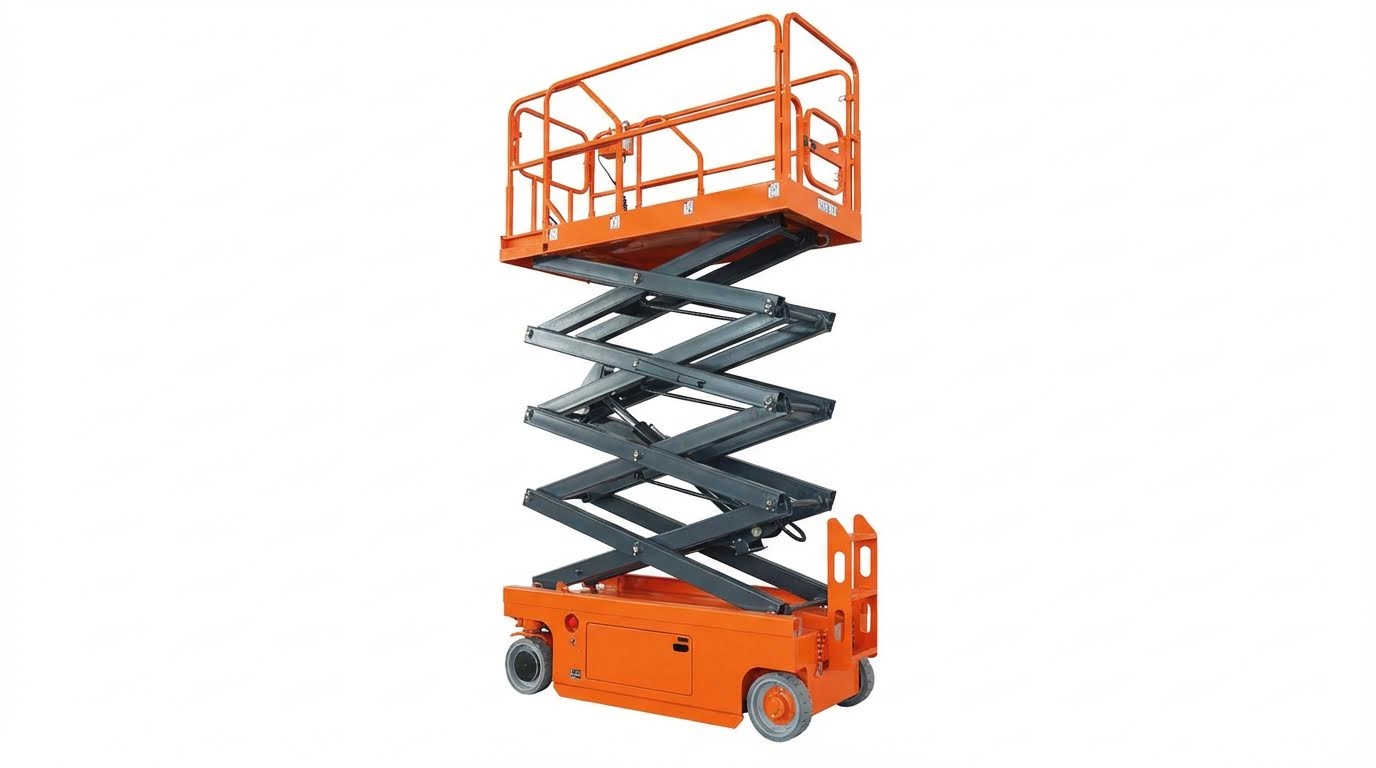
Lockout/tagout and pre-maintenance checks
Any time you ask “why is my scissor lift beeping” and decide to investigate, you must first control energy and stabilize the machine. This protects the technician from crush, electrical, and unexpected-motion hazards while alarms and faults are being diagnosed.
Use this structured lockout/tagout (LOTO) and pre-maintenance sequence before opening panels or touching wiring, hydraulics, or drive components.
- Review the job and hazards
- Read the work order and understand what system you will touch (electrical, hydraulic, mechanical).
- Review the Job Hazard Assessment or site risk assessment for the task before starting maintenance.
- Confirm rated capacity, maximum platform height, and ground conditions if the lift must be repositioned.
- Position and secure the lift
- Park on firm, level ground; avoid slopes, voids, and soft fill.
- Lower the platform fully and retract any extending decks.
- Chock wheels if there is any chance of rolling.
- Apply lockout/tagout to all energy sources
- Turn the key switch to “OFF” and remove the key.
- Open the main battery or power disconnect (if fitted) and apply a lock and tag with your name, date, and reason.
- For engine-powered units, shut the engine down and lock out the starter circuit or battery feed.
- Block or mechanically support raised structures if work requires the platform or scissor stack to remain elevated.
- Verify zero energy before touching components
- Try to operate lift and drive controls; there should be no response.
- Use a meter to confirm low-voltage control circuits are de-energized before handling relays, switches, or wiring and check tightness of terminations.
- Discharge stored energy where applicable (bleed down hydraulic pressure according to manufacturer procedures; allow capacitors in controllers to discharge).
- Confirm safety guards and emergency systems
- Ensure all factory guards, covers, and interlocked doors are present and functional when you later run the lift for tests while it is running.
- Test emergency stop and emergency lowering controls after re-energizing to verify correct operation.
- Who should perform troubleshooting
- Only trained, competent persons should troubleshoot alarms, error codes, or wiring faults.
- Non-professionals should not repair the lift, and they must never bypass or short lines or switches to silence a beep because this defeats safety devices.
Quick pre-maintenance checklist (printable)
- Work order and hazard assessment reviewed.
- Lift parked level, platform fully lowered, wheels chocked if needed.
- Key removed, main disconnect open, LOTO applied and tagged.
- Controls tested and confirmed dead before opening panels.
- Hydraulic and mechanical supports in place if structure is raised.
- Only trained personnel working on electrical and hydraulic systems.
Daily inspections, cleaning, and lubrication
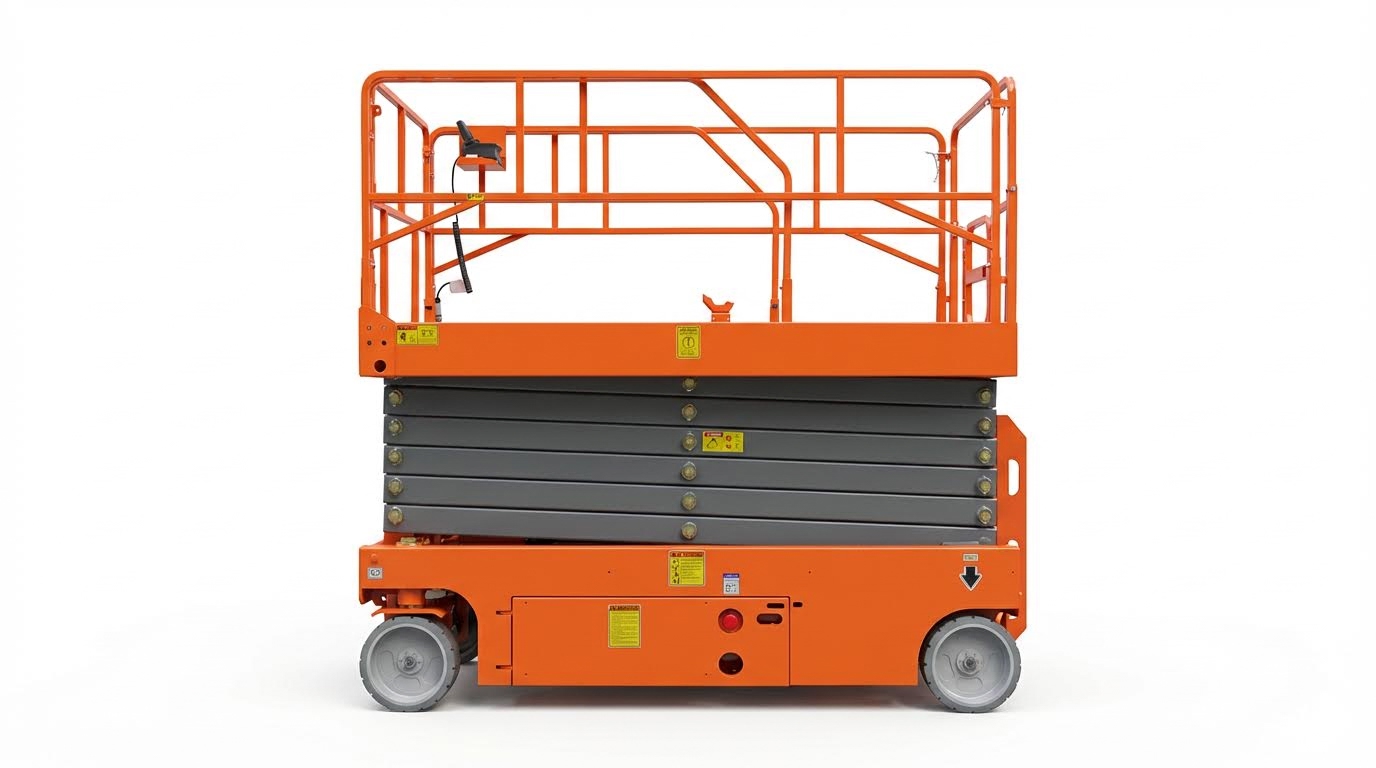
Most “why is my scissor lift beeping” complaints trace back to issues that daily inspections and basic care would have caught early. A disciplined routine keeps sensors, switches, and hydraulics working so alarms stay meaningful instead of constant background noise.
Use the following data-driven checklist every shift before operating the lift.
| Area | What to check daily | Why it matters for beeps/alarms |
|---|---|---|
| Fluids | Hydraulic oil level, fuel (if applicable), battery water level | Low hydraulic fluid or battery electrolyte can cause slow functions, overheating, or electrical faults that trigger alarms during operation. |
| Tires & structure | Tire inflation and damage, wheel lugs, scissor arms, welds, platform rails | Damage or low tires can cause tilt alarms; structural issues threaten stability and may activate interlocks. |
| Controls | Ground and platform controls, emergency stop, joystick, deadman, limit switches | Sticky or damaged switches can create intermittent faults and nuisance beeps instead of clean signals. |
| Safety devices | Tilt sensor, overload indication, guardrails, gates, toe boards, decals and warning labels | Faulty tilt or overload sensors may keep the unit in a permanent alarm state or prevent elevation until repaired. |
| Hydraulics | Hoses, cylinders, fittings, and the pump area for leaks or damage | Leaks and low pressure lead to slow or jerky motion and can trigger fault codes in systems that monitor performance and safety. |
| Electrics | Battery charge indicator, cables, terminals, visible wiring, fuses | Low charge, corrosion, or blown fuses are common causes of beeping, error codes, and intermittent shutdowns during use. |
Cleaning and lubrication are low-cost tasks that dramatically reduce nuisance alarms and extend component life.
- Daily/regular cleaning
- Keep the platform floor, controls, and foot pedals free of mud, debris, and spilled materials so switches and pedals can fully return and are not jammed.
- Clean hydraulic components and the undercarriage to spot fresh leaks and damage early instead of after failure.
- Wipe labels and indicator lights so operators can read warnings and error messages clearly.
- Scheduled lubrication
- Lubricate scissor arm pivot pins, cylinder pins, and linkage points at the intervals in the service manual to prevent binding and squeal.
- Grease wheel bearings and steering pivots to reduce drag that can overload drive motors.
- Apply only the specified type and quantity of lubricant to avoid attracting grit or damaging seals and bushings.
Operator responsibilities that reduce alarm-related downtime
- Be trained to recognize normal machine noises and behavior; stop the lift immediately if abnormal sounds appear and request inspection instead of continuing work.
- Never overload the platform and always distribute the load evenly to prevent tilt and overload beeps.
- Complete and sign off the daily inspection checklist before first use each shift.
- Report any new alarm, beep pattern, or error code to maintenance with time and conditions so technicians can trace the cause quickly.
Final Thoughts On Responding To Scissor Lift Beeps
Scissor lift alarms exist to protect people, structure, and components. Each beep links to a real engineering limit such as voltage, load, tilt, or hydraulic pressure. When you treat beeps as early warnings, you stop faults while the machine is still stable and controllable.
Error codes, DTCs, and OICs turn a vague noise into clear data. They point you to the affected circuit or unsafe condition so you can decide whether to correct setup, perform basic checks, or lock out and call a technician. Ignoring those signals or trying to bypass them risks tip-over, sudden drops, or total loss of power.
The safest strategy is simple. Keep batteries, hydraulics, and wiring in good shape through daily inspections, cleaning, and lubrication. Respect capacity charts and ground limits so stability alarms stay rare. Always use lockout/tagout before deeper work and leave complex electrical or hydraulic diagnosis to trained personnel.
Operations and maintenance teams should build a standard workflow: identify the alarm type, read and record codes, rule out simple causes, then escalate with full details. When you follow that process, your scissor lifts beep less, last longer, and keep crews working at height with a strong safety margin. Atomoving equipment responds best when you treat every alarm as useful information, not noise.
Frequently Asked Questions
Why is my scissor lift beeping?
A beeping scissor lift usually indicates a safety alert or malfunction. Common reasons include low battery, overload, or an obstruction in the work area. Check for warning lights on the control panel to identify the exact issue. If the problem persists, consult the Scissor Lift Troubleshooting Guide.
- Low battery charge may trigger a beeping sound.
- Overloading the platform beyond its rated capacity.
- Obstructions detected by sensors during movement.
Why won’t my scissor lift go up or down?
If your scissor lift isn’t raising or lowering, inspect the hydraulic system for issues like low fluid levels, air in the lines, or damaged hoses. A common cause is a malfunctioning holding valve, which can prevent proper operation. Tightening the holding valve clockwise often resolves this. For detailed guidance, refer to Hydraulic System Fixes.
- Check hydraulic fluid levels and refill if necessary.
- Bleed air from the hydraulic lines to restore function.
- Inspect and replace damaged hoses or fittings.