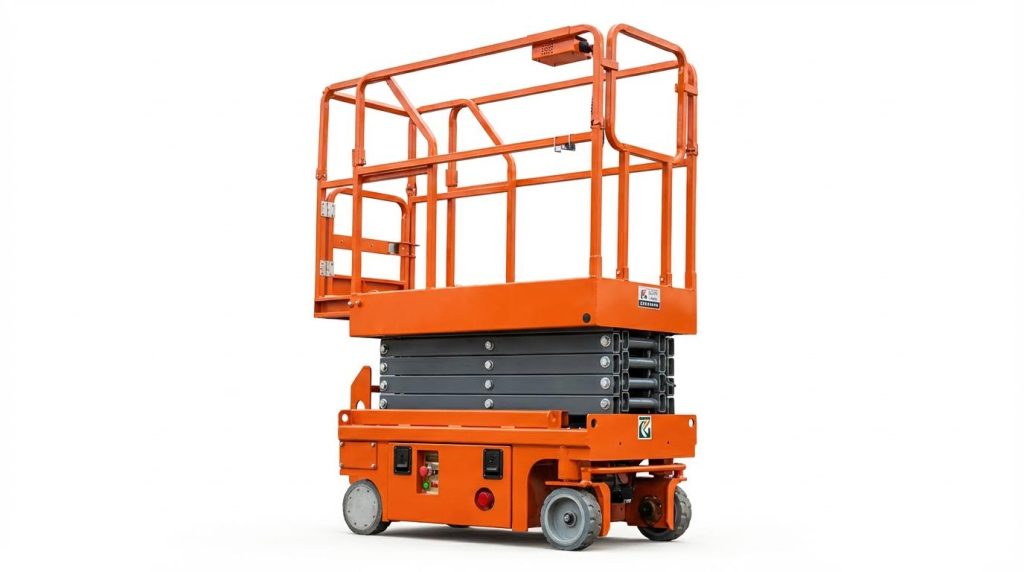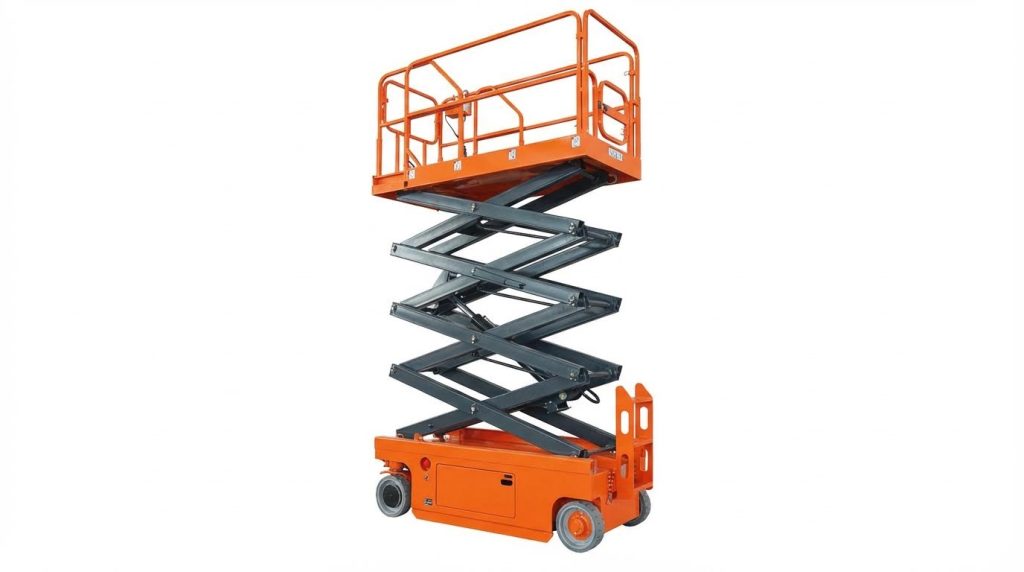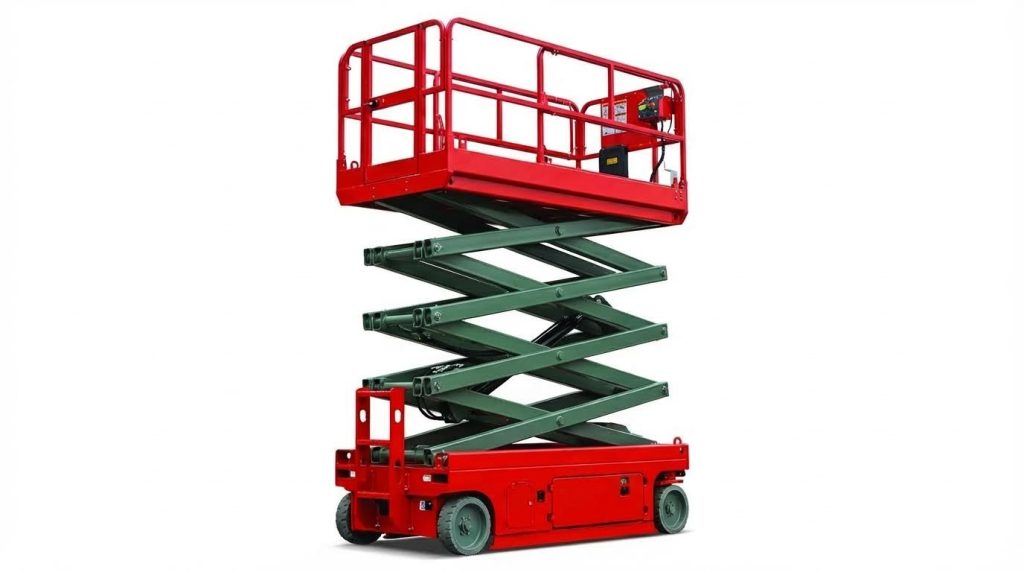
Knowing exactly which publications must be kept on the aerial platform is not just paperwork; it is a core safety control. This guide walks through the essential manuals, certificates, records, and placards that should always travel with or be fixed to every aerial platform. You will see how the right documentation supports compliance, operator training, and safe loading and use at height. Use it as a quick reference to build or audit your own AWP documentation package.
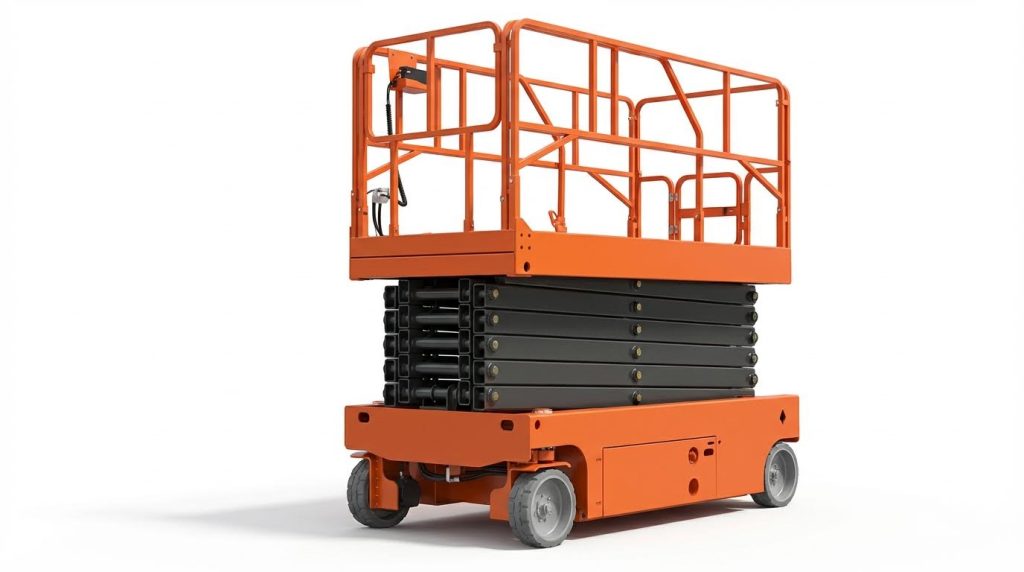
Core Regulatory Documents Required On The Platform
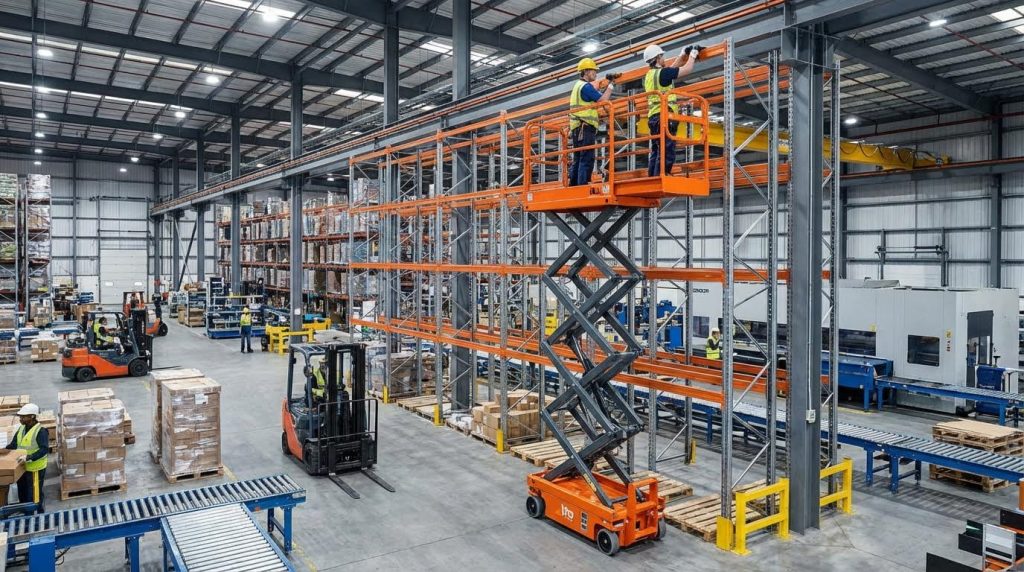
Regulators and standards bodies are very clear on which publications must be kept on the aerial platform and which can stay in the office. For compliance, you need a small, well‑defined “document pack” physically on the machine, and a broader set of records available on site. This section focuses only on the core manuals and certificates that should travel with every aerial work platform (AWP).
Operator’s manual and safety instructions
The operator’s manual and safety instructions are the primary answer to the question “which publications must be kept on the aerial platform.” They give the operator immediate access to operating limits, safety systems, and emergency actions.
- Keep the full operator’s manual on the machine, in the designated storage box or compartment, so it is accessible whenever the AWP is in use. Guidance required manuals to be stored on the equipment when not in use.
- Ensure the manual covers: normal operation, start‑up and shutdown, emergency lowering, tilt and overload protection, and platform stability factors. Training standards emphasized the purpose and use of manuals and factors affecting stability.
- Include safety instructions and quick‑reference emergency procedures in a weather‑resistant format (laminated card or booklet) on the platform controls.
- Use the same language(s) that operators actually speak and understand on site.
- Update or replace the manual if the platform is modified, derated, or upgraded.
Why manuals must be on the platform, not just in the office
Standards and institutional safety programs required that manuals be accessible to operators during use, not only during classroom training. Guidance stressed that manuals must be stored on the equipment and used in training to recognize malfunctions and safe procedures. Without the document on board, an operator cannot quickly verify limits or emergency steps at height.
From a mechanical and safety‑engineering perspective, the on‑platform manual should, at minimum, allow an operator to confirm:
- Rated platform load and how to calculate combined load of people, tools, and materials.
- Permitted wind speeds and slope/grade limits.
- Safe operating speeds and movement rules when the platform is elevated.
- Inspection points for daily pre‑use checks and what defects require lock‑out.
Many training programs required that operator training explicitly cover the purpose and use of the manual, pre‑start inspection procedures, and recognition of common malfunctions, so keeping the manual on the scissor platform closes the loop between training and field practice. Training materials specified these topics as mandatory content.
Compliance certificates and declarations
Beyond the operator’s manual, several formal certificates and declarations document that the AWP design and build meet regulatory requirements. Some must be available with the machine at all times; others can be kept in a site file but should be easy to produce during inspections.
| Document | Purpose | Where it should be kept |
|---|---|---|
| Declaration / Certificate of Conformity | Confirms the platform complies with applicable design and safety standards. | Copy recommended on the vehicle or in the platform document box; original in site or company file. Guidance noted that a certificate of conformity must be provided and shown to authorities on request. |
| Regulatory compliance references (OSHA / national standards) | Show which regulations govern operation (e.g., vehicle‑mounted elevating and rotating work platforms). | Referenced in the manual and safety program; a brief summary or code list may be kept with the on‑platform documentation. Safety guidance cited OSHA 29 CFR 1910.67 and ANSI A92 standards for aerial devices. |
| Inspection / verification booklet (where required) | Records periodic verifications or first check reports for CE‑type platforms. | Often travels with the platform so inspectors can see the latest verification without returning to the office. Guidance listed a booklet of periodic checks or first check report and EC Declaration of Conformity among required documents. |
| Test booklet / inspection logbook (non‑CE jurisdictions) | Shows type testing and in‑service inspection history for legacy or non‑CE platforms. | Preferably kept on the vehicle with the machine so inspectors and supervisors can review condition and limits on site. Guidance mentioned test booklets and inspection logbooks as required for non‑CE platforms. |
In practical terms, when safety managers ask which publications must be kept on the scissor platform lift for inspections, they usually mean:
- The operator’s manual and safety instructions (in full).
- A copy of the declaration or certificate of conformity, or equivalent national type‑approval.
- The current inspection or verification booklet, where law or insurer requires it to travel with the machine.
Other documents such as detailed maintenance logs, full inspection reports, and insurance certificates are critical for compliance but can normally remain in the site or company safety file, provided they are immediately available to an inspector. Guidance grouped maintenance logs, inspection reports, and insurance certificates with the core conformity documents as part of the documentation set for safe use..
Inspection, Maintenance, And Training Records
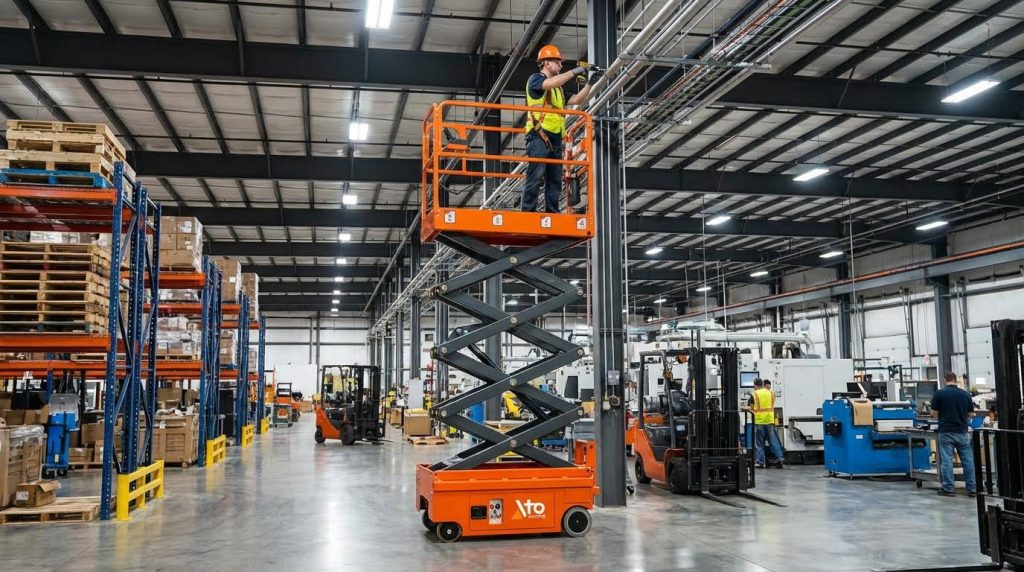
Inspection, maintenance, and training records prove that the aerial platform is safe and that operators are competent. They also answer a key compliance question: which publications must be kept on the aerial platform and which can stay in the site office. The following subsections break down what to keep, how long to keep it, and how to organize it for fast checks during audits or incident investigations.
Maintenance logs and repair documentation
Maintenance and repair records show the full technical history of the machine. They must be structured, legible, and traceable to specific dates, components, and technicians. A clear system makes it easy to prove that defects were found, assessed, and corrected before the platform went back into service. Annual inspections and major repairs always require written evidence. Written records of annual inspections must identify the inspector, defects, repair personnel, and post‑repair inspector.
| Record Type | What It Must Show | Where To Keep It | Typical Retention |
|---|---|---|---|
| Maintenance log | All interventions: inspections, servicing, adjustments, component changes, software updates, safety device checks A structured maintenance log is a core document | Normally in the site file or digital CMMS; quick summary or last entry can be kept on the platform | At least life of machine for major structural, safety, and control work; 3–5 years minimum for routine service |
| Repair records | Fault description, root cause, corrective action, replaced parts, test results, authorization to return to service | Workshop or maintenance office; reference tag or QR code on platform to access digitally | For as long as the repaired component or system remains in service |
| Annual inspection report | Scope (structural, welds, bolted joints, suspension, controls), defects, repair verification, inspector identity Annual inspection by qualified personnel is mandatory | Central safety/maintenance file; inspection validity sticker or plate on the platform | Commonly 3+ years; follow local regulation if it specifies a minimum |
| Daily / pre‑use check forms | Visual and functional checks performed by operator before use (leaks, tires, brakes, emergency stops, controls) Pre‑operation inspections are recommended before each use | On the platform in a weatherproof pouch, or electronically accessible via QR code on the basket | Often 3 months to 1 year, depending on company policy |
To keep maintenance records usable and audit‑ready, standardize the content of each entry.
- Use a unique ID for each platform (fleet number, serial number).
- Record date, operating hours, and work order or job number.
- Describe symptoms, not just parts (for example “boom drift under load,” not only “changed valve”).
- Reference the maintenance or inspection procedure used (OEM manual, internal SOP, or standard).
- Capture sign‑off by the technician and, for safety‑critical work, by a competent verifier.
Which maintenance publications must be kept on the aerial platform?
For maintenance, the key publication that must be either on the platform or immediately accessible to the operator is the user or operator manual, which contains routine maintenance and pre‑use check procedures. Guidance requires that manuals for aerial work platforms be stored on the equipment or in an accessible location when not in use. Full historical maintenance logs can stay in the maintenance office or digital system, provided operators can confirm that inspections and repairs are current.
Periodic inspection and test reports
Periodic inspections prove that the platform still meets design intent and regulatory requirements after months or years of service. They are separate from routine maintenance and daily checks. Different inspection levels (daily, monthly, annual) complement each other and should not be skipped. Daily, monthly, and annual autonomous inspections with defined record retention periods are recommended.
| Inspection Level | Performed By | Typical Scope | Record Location |
|---|---|---|---|
| Pre‑use / daily inspection | Trained operator or designated competent person | Visual walk‑around, controls check, safety devices, leaks, tires, interlocks, emergency lowering Pre‑inspection checklist verifies safety and functionality before operation | Checklist or app record kept on or with the machine for quick verification |
| Monthly inspection | Competent maintenance person | Hydraulic, electrical, drive, and wear parts; more detailed than daily check Monthly checks must be recorded and retained | Maintenance records (paper or digital); inspection status tag on platform |
| Annual (or statutory) inspection | Qualified inspector or third‑party body | Structure, welds, bolted joints, suspension, control systems, safety devices, stability tests Annual inspection must be complete and documented | Central compliance file; proof of validity (label, sticker, or certificate) on the platform |
For both CE‑marked and non‑CE‑marked platforms, specific inspection booklets and verification reports are required.
- CE‑marked machines typically use a “First Check Report” and a booklet of periodic checks, plus an EC Declaration of Conformity and a control register. These documents support periodic inspections and regulatory checks.
- Non‑CE‑marked machines may rely on an official test booklet, an inspection logbook, and periodic inspection reports with capacity, size, weight, and work area indications. These documents prove continued suitability for service.
Which inspection publications must be kept on the aerial platform?
For inspections, at least the following should stay physically on or immediately with the platform: the current pre‑use inspection checklist or digital access to it, the latest periodic inspection or test certificate, and any statutory inspection booklet that must accompany the machine. Supporting documents such as full historical reports and control registers can be stored in the safety office, as long as the platform clearly shows that inspections are in date.
Operator authorization and training records
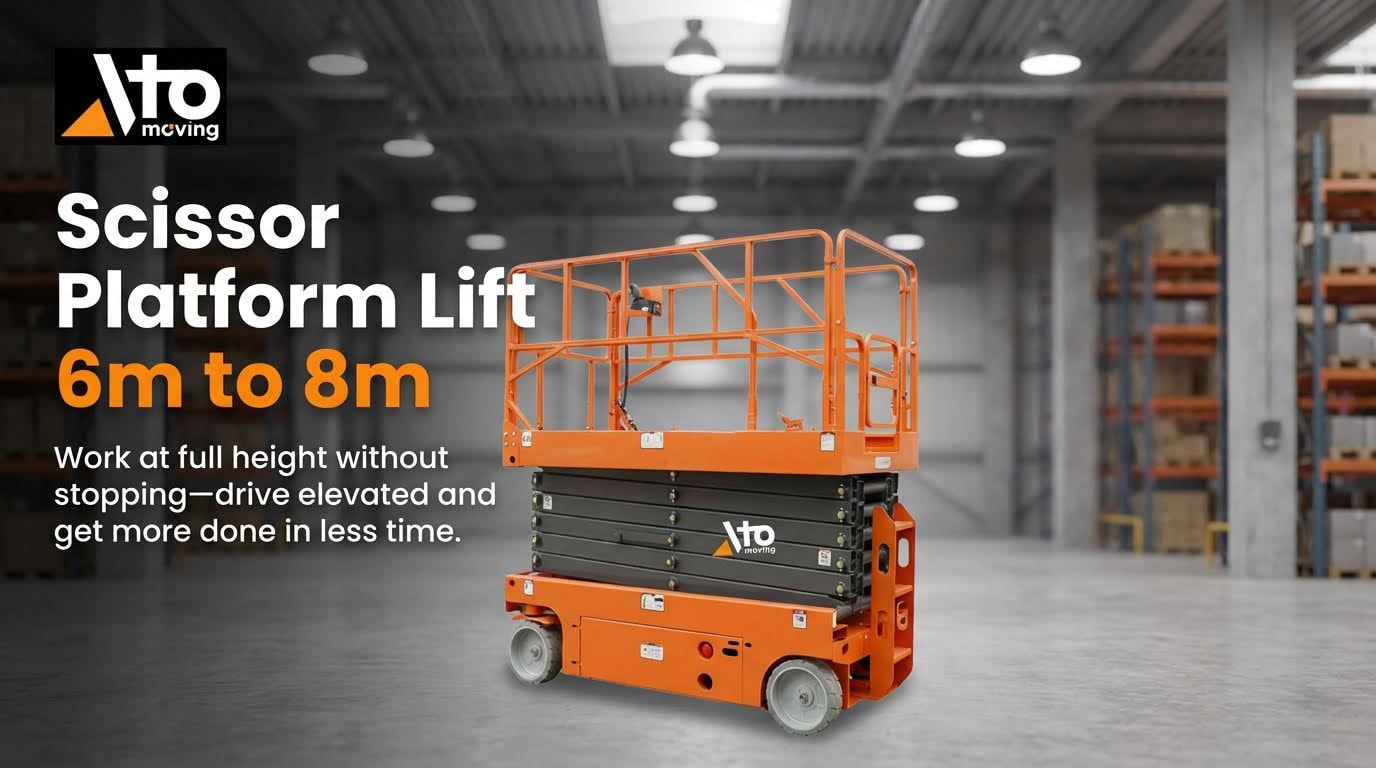
Even a perfectly maintained AWP is unsafe in untrained hands. Operator authorization and training records demonstrate that only competent persons use the equipment and that they understand which publications must be kept on the scissor platform for safe operation. Training programs must cover manuals, pre‑start inspections, and recognition of malfunctions. Operator training content includes the purpose and use of manuals and pre‑start inspection procedures.
| Training / Authorization Record | Key Content | Where It Is Kept | Why It Matters |
|---|---|---|---|
| Operator training certificate | Operator name, machine type, training provider, theory and practical modules completed, test results Certification schemes require theoretical and practical training for each machine type | HR or training file; copy or card carried by operator; site register | Proves competence during audits, client checks, or incident investigations |
| Authorization to operate (site‑specific) | Written permission from employer or supervisor, listing the AWP types and tasks permitted | Supervisor or safety office; sometimes posted on site or integrated into access control | Shows that management has formally allowed the operator to use that platform |
| Refresher / conversion training records | Updates for new models, control layouts, or standards; corrective training after unsafe acts | Training management system or safety file | Keeps skills current and aligned with new equipment and procedures |
Supervisors and departments that own or use AWPs carry clear responsibilities.
- Ensure operators complete required training before first use and again when new equipment types are introduced. Personnel must complete authorized training before operating aerial work platforms.
- Provide and enforce correct use of personal protective equipment, including fall protection. Safety programs must address operation, maintenance, inspection, and training.
- Keep a training matrix that links each operator to the specific AWP models they are cleared to use.
- Audit operator practice in the field and trigger refresher training when unsafe behaviors appear.
Which training publications must be kept on or with the aerial platform?
The full training file normally stays with the employer, not on the machine. However, operators should carry proof of training or certification, and the platform itself must carry the operator’s manual and safety instructions so trained users can apply what they learned. Manuals and placards inform operators about safety devices, operating characteristics, and stability factors. Together, these documents close the loop between training, authorization, and real‑world operation.
On-Platform Placards, Load Data, And Emergency Info

On-platform markings are the quickest way to answer which publications must be kept on the aerial platform and what limits apply in real time. They tell the operator how much weight is allowed, how many people are permitted, what fall protection is required, and what to do in an emergency. If these plates and placards are missing or unreadable, even a trained operator is working partly blind.
Load plates, capacity charts, and use limitations
Load plates and capacity charts translate design calculations into simple, visible limits at the point of use. They must be legible from the normal operating position and match the actual configuration of the aerial platform.
| Item on the platform | Typical content | Engineering / regulatory purpose |
|---|---|---|
| Main load plate | Maximum rated load (people + tools + materials), maximum number of occupants, sometimes working height and outreach | Ensures the combined weight on the platform stays within the structural and stability limits defined by design standards and regulations. Load calculations typically include the platform, suspension components, each occupant (often assumed at about 250 lb including tools), and any extra equipment or supplies with a safety factor of four on permissible loading. |
| Passenger / cargo sign | “Max X persons” and “Max additional cargo Y lb/kg” on the outside of the side panels | Makes it obvious, even from the ground, when the platform is overloaded. These signs must remain clear and legible on each side panel to comply with loading rules. |
| Capacity / outreach chart (for booms) | Allowable load vs. boom angle, extension, or outreach; restricted zones | Prevents tip-over by showing how rated capacity changes with boom position. Operators use this chart before moving the boom with a given load. |
| Floor / deck limitation note | “Do not modify deck” or note on maximum floor opening size | Supports rules that platform floors must not have openings larger than about 2 in in the greatest dimension, which reduces trip and fall hazards through the deck surface and keeps small tools from dropping. |
| Attachment / suspension rating plate | Information on suspension system, such as wire rope bridle or solid rods, and rated load | Supports the requirement that the platform attachment and haulrope interface provide at least a 4:1 strength factor on the combined weight of the platform and maximum permissible loading and prevent accidental displacement while riding level when empty to maintain structural safety. |
To use these plates correctly, operators should always:
- Read the main load plate before stepping on the platform, not after loading tools.
- Count both people and tools/materials against the rated load.
- Respect any reduced capacities shown on outreach or configuration charts.
- Refuse to use the platform if any load plate or chart is missing, damaged, or illegible.
Why load data belongs on the platform (not just in manuals)
Even when manuals are available, operators often make quick loading decisions at the job face. On-platform plates make it possible to check limits without leaving the basket. They also help supervisors, inspectors, and safety officers verify compliance visually. This is a key part of answering which publications must be kept on the scissor platform: the operator’s manual provides the full context, while plates and charts provide the fast, enforceable limits.
Safety placards, warnings, and fall protection notices
Safety placards and fall protection notices turn regulatory text into simple, location-specific instructions for the people actually riding the scissor platform lift. They complement the operator’s manual and formal documentation by addressing the most common and most severe hazards directly where they occur.
- General warning placards
- “Read and understand the operator’s manual before use.” Supports the requirement that manuals and safety information be accessible to operators on or near the equipment. Guidance documents emphasized that manuals must be stored on the equipment when not in use, so the placard and the manual work together.
- “Operate only if trained and authorized.” Aligns with requirements that personnel complete specific training and authorization before operating aerial lifts and with institutional safety programs that define authorization rules.
- Fall protection and guardrail notices
- “Use approved fall protection at all times when required.” Supports compliance with personal fall protection regulations such as OSHA 29 CFR 1926.502, which govern harnesses, lanyards, and anchorage use during aerial lift work and related fall protection standards.
- Special sign when guardrails are low: if the side guardrail assembly is less than roughly 36 in high on all sides, a sign inside the platform must instruct passengers that they must wear a safety belt and lanyard at all times to compensate for the reduced guardrail height.
- Notices near guardrails and toeboards: reminders that toeboards and guardrails must be in place and not modified, supporting requirements for minimum toeboard height (about 4 in) and compliant guardrail configurations on all sides of the platform and applicable fall protection chapters.
- Behavioral and operating instruction placards
- “Face direction of travel when lift is moving.” This simple instruction reduces the chance of a passenger losing balance or striking obstructions and reflects rules that passengers must face the direction of travel while the lift is in motion for safer transit.
- “Secure tools and materials; keep clear of towers and structures.” This supports requirements that tools, equipment, and supplies be loaded to allow safe passage past towers and appurtenances and that heavy items be secured to prevent hazards during movement in line with good loading practice.
- “Do not exceed safe operating speed.” A reminder that the lift must operate only at a speed that is safe for the system and conditions while transporting a crew, as required by operating rules for aerial lifts to prevent dynamic instability.
- Emergency and inspection-related notices
- Basic emergency lowering and stop instructions near the control station, pointing operators back to the full emergency procedures in the operator’s manual.
- Space for inspection stickers or tags showing the date and result of annual or periodic inspections by qualified personnel, which must be documented and kept on record, including defects, repairs, and inspector identification as part of the maintenance documentation set.
How placards tie into “which publications must be kept on the aerial platform”
Formal publications that must be kept available for an scissor platform lift typically include the operator’s manual, conformity or compliance declarations, inspection and maintenance records, and training or authorization documentation. Placards and plates do not replace these documents, but they make the most critical rules instantly visible: load limits, required fall protection, passenger behavior, and basic emergency actions. When you combine on-platform plates with the manuals and records stored on or with the machine, you create a complete documentation system that supports both regulatory compliance and everyday safe operation.
Final Thoughts On Documentation Compliance For AWPs
Keeping the right publications on every aerial work platform is a direct safety control, not an admin task. Manuals, certificates, inspection records, and placards work together as a single engineering and compliance system. The manual explains design limits, stability factors, and emergency actions. Conformity and inspection documents prove that the platform still meets those limits in real use. Maintenance and repair records show that defects do not accumulate into structural failure. Training records link each machine to competent, authorized operators.
On-platform plates and placards then turn calculations and legal text into clear, real-time rules. Load plates and outreach charts prevent overload and tip-over. Guardrail and fall protection notices reduce fall risk. Emergency instructions and inspection stickers support fast response and easy audits.
The best practice is simple. Build a standard document pack for every AWP in your fleet and audit it often. Keep the operator’s manual, key certificates, current inspection proof, and critical checklists on or at the machine. Keep full history and training files in a controlled system. When you follow this structure, each Atomoving platform stays traceable, defensible, and safe to operate at height.
Frequently Asked Questions
What publications must be kept on an aerial platform?
While none of the provided references directly answer the query about required publications, industry standards like OSHA and ANSI dictate essential documents that must be present. Typically, these include:
- Operator’s Manual: Provides detailed instructions for safe operation and maintenance.
- Safety Guidelines: Outlines safety protocols to prevent accidents during use.
- Maintenance Records: Documents inspections, repairs, and servicing history.
For more information, consult resources like OSHA Safety Standards.
What are the main components of an aerial work platform?
An aerial work platform typically consists of three key components:
- A base structure, often mounted on wheels or tracks for mobility.
- An extendable structure or lifting mechanism, such as a boom or scissor lift.
- A platform or bucket where operators can safely stand and work.
This design ensures both mobility and versatility, making it ideal for various tasks at height. For further details, see Aerial Platform Components.