
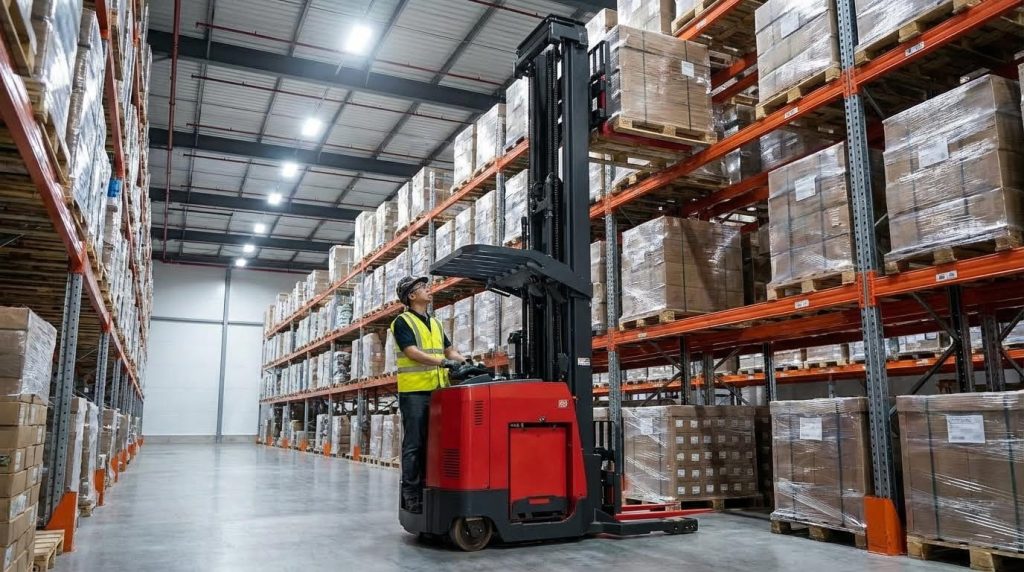
This guide explains how to drive an electric forklift safely, step‑by‑step, while complying with OSHA‑style training, inspection, and documentation requirements. You will learn core driving techniques, battery and site safety, and how to build a robust, auditable training program.
We focus on practical, operator‑level actions: pre‑shift checks, low‑speed control, stable load handling, pedestrian separation, and maintenance routines. Every section links real‑world risks—tip‑overs, collisions, battery faults—to concrete procedures you can train, test, and document..
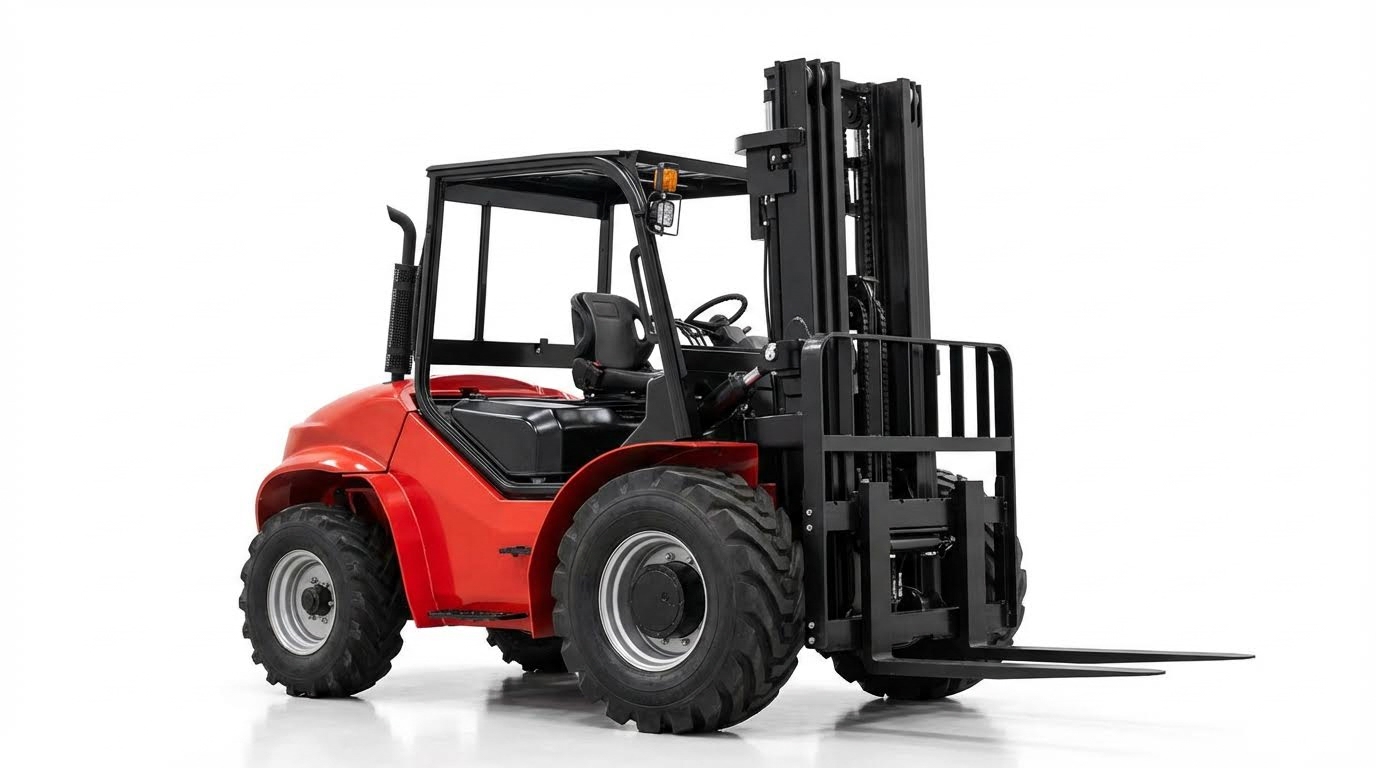
Core Principles Of Safe Electric Forklift Operation
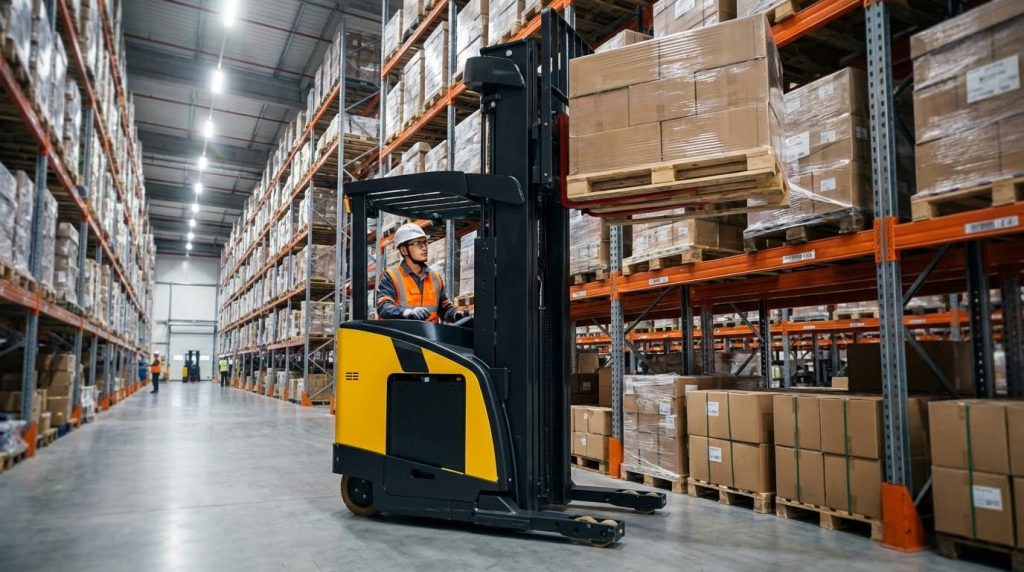
Core principles of safe electric forklift operation focus on stability, visibility, battery power limits, and strict operator discipline so anyone learning how to drive an electric forklift can move loads efficiently without tipping, collisions, or battery‑related failures.
Electric forklifts feel simple to drive, but they are rear‑steer, heavy, and unforgiving if misused. OSHA treats them as powered industrial trucks, requiring structured training, inspections, and documented compliance, not “learn‑as‑you‑go” driving.
- Stability First: Keep the load low, centered, and within capacity – this prevents tip‑overs, the most serious forklift accidents.
- Controlled Speed: Drive slowly, especially when turning or in tight aisles – this cuts collision and load‑drop risks.
- Line‑of‑Sight: Never travel blind behind a tall pallet – good visibility or a spotter prevents pedestrian strikes.
- Fit‑for‑Use Equipment: Only operate trucks that pass pre‑shift checks – small hydraulic or brake defects quickly become major incidents.
- Battery Awareness: Respect charge limits and charging rules – this avoids mid‑shift power loss and electrical hazards.
💡 Field Engineer’s Note: When teaching new operators how to drive an electric forklift, I start with low‑speed figure‑8s with an empty pallet, then add load and tighter spaces. Most “near misses” happen when people jump to full speed before they understand rear steering.
Key Differences From Cars And IC Forklifts
The key differences from cars and internal‑combustion (IC) forklifts are rear steering, counterbalanced weight, electric torque delivery, and battery charging limits, all of which change how to drive an electric forklift safely in tight warehouse spaces.
OSHA requires that operator training explicitly cover differences between powered industrial trucks and automobiles, including steering, visibility, stability, and controls, because car driving experience does not transfer safely to forklifts. OSHA training guidance
| Aspect | Electric Forklift | Car / Light Vehicle | IC Forklift | Operational Impact |
|---|---|---|---|---|
| Steering | Rear‑wheel steer; tight turning radius | Front‑wheel steer | Rear‑wheel steer | Back end swings wide; operators misjudge tail swing near racking and pedestrians. |
| Weight & Balance | Very heavy (often >3,000 kg) with rear counterweight | Weight more evenly distributed | Similar counterweight concept | High mass and raised loads increase tip‑over energy; stability triangle training is critical. |
| Power Source | Battery (e.g., lead‑acid or Li‑ion) | Combustion or electric | Diesel, LPG, gasoline | Requires charging discipline; no “quick refuel” like IC, so poor planning causes downtime. |
| Torque Delivery | Instant electric torque at low speed | More progressive acceleration | Strong but less “instant” feel | Easy to wheel‑spin or jerk loads if throttle is snapped open, especially on ramps. |
| Braking | Service brakes + regenerative braking on some units | Friction brakes only (typical) | Friction brakes | Lift may decelerate as you release the accelerator; operators must learn smooth stopping. |
| Visibility | Mast, carriage, and load block front view | Clear forward view through windshield | Similar mast obstruction | Often safer to drive in reverse with tall loads; requires neck and shoulder awareness. |
| Controls & Levers | Hydraulic levers or joystick for lift/tilt/side‑shift | Gear selector, no mast controls | Similar hydraulic controls | Incorrect lever use can drop or tilt loads; training must include each function. |
| Typical Environment | Indoor warehouses, smooth floors | Roads, car parks | Indoor/outdoor, rougher surfaces | Tight aisles (often 2.5–3.5 m) demand low speed and precise steering. |
| Noise & Cues | Quiet; more reliance on horns and lights | Engine sound provides movement cues | Louder engine noise | Pedestrians may not hear approach; visual warning systems and disciplined horn use are vital. |
| Emissions | Zero point‑of‑use exhaust | Varies by engine type | Produces exhaust gases | Ideal indoors, but can create complacency about ventilation and battery charging safety. |
- Rear‑Steer Handling: Forklifts pivot around the front axle – this makes tight turns easy but increases tail‑swing collision risk.
- High Center Of Gravity With Load: Raising the mast shifts the center of gravity forward – sharp turns or slopes can cause side or forward tip‑overs.
- Limited Escape Options: You must stay seated with belt on during a tip – jumping clear, like from a car, often leads to fatal crush injuries.
- Electric Range And Charging: Battery state of charge dictates usable shift time – poor charging habits reduce capacity and interrupt production.
- Indoor Pedestrian Density: Electric forklifts often run where people walk – low noise means you cannot rely on sound alone for warning.
How these differences change daily driving technique
When planning how to drive an electric forklift day‑to‑day, train operators to: approach racks square, stop fully before lifting, avoid turning with the load raised, and choose travel direction based on best visibility rather than habit.
💡 Field Engineer’s Note: Most new operators “drive it like a car” and cut corners with the rear end. I mark floor arcs with tape during training so they can see actual tail swing versus what they think the truck does.
Operator Responsibilities And OSHA Compliance
Operator responsibilities and OSHA compliance for electric forklifts center on proper training, documented certification, pre‑shift inspections, safe load handling, and refresher training, all of which are non‑negotiable if you want to teach how to drive an electric forklift legally and safely.
OSHA requires formal instruction, practical training, and workplace evaluation for powered industrial truck operators, plus refresher training and written certification records maintained by the employer. OSHA training requirements
| Responsibility Area | What OSHA / Best Practice Requires | Who Owns It | Operational Impact |
|---|---|---|---|
| Initial Training | Formal theory + practical demonstration + performance evaluation on the specific truck type. Training content | Employer to provide; operator to attend and demonstrate competence. | Reduces learning‑curve incidents and ensures operators know controls, limits, and site rules before moving loads. |
| Truck‑Related Topics | Operating instructions, warnings, controls, steering, visibility, capacity, stability, inspection, charging. Truck‑related topics | Trainer and operator. | Ensures operators understand how electric power, mast functions, and ratings affect safe handling. |
| Workplace‑Related Topics | Surface conditions, load types, pedestrian traffic, ramps, ventilation, and narrow aisles. Workplace topics | Employer to define; operator to follow. | Aligns driving style with real site risks (e.g., wet floors, dock edges, mezzanines). |
| Refresher Training | Required after unsafe operation, accidents, near misses, new truck type, or changed conditions; evaluation at least every 3 years. Refresher criteria | Employer to schedule; operator to participate. | Catches bad habits early and updates skills for new layouts or equipment, cutting repeat incidents. |
| Certification Records | Document operator name, training date, evaluation date, and trainer/evaluator identity. Certification documentation | Employer. | Proves compliance during audits and investigations, and structures your training program. |
| Daily Pre‑Operation Checks | Inspect tires, brakes, steering, horn, lights, mast, forks, hydraulics, and battery charge before each shift. Pre‑operational inspections | Operator (with maintenance support). | Prevents using unsafe trucks; small leaks or cracks are caught before they cause failures under load. |
| Safe Load Handling | Never exceed rated capacity; keep loads balanced and secured; avoid obstructed view; use spotter when needed. Load handling practices | Operator. | Reduces tip‑overs and dropped loads, especially on racking up to several meters high. |
| Workplace Rules | Use designated paths; obey speed limits; separate pedestrians; keep aisles clear. Workplace measures | Employer sets; operator complies. | Prevents congestion and blind‑corner collisions in busy warehouses. |
| Emergency Procedures | Training on what to do in fires, spills, mechanical failures, and accidents. Emergency procedures | Employer trains; operator executes. | Shortens response time and limits damage when incidents occur. |
| Maintenance Oversight | Follow routine and preventive maintenance; remove damaged trucks from service; only qualified personnel repair. Maintenance oversight | Employer and maintenance team. | Keeps fleets reliable and reduces unexpected breakdowns mid‑lift or mid‑travel. |
- Know And Respect Capacity Plates: Operators must understand that rated capacity drops as lift height and load center increase – guessing capacity is a common root cause of tip‑overs.
- Use Checklists, Not Memory: Daily inspection checklists standardize pre‑shift checks – this prevents “I forgot to look at the forks” scenarios.
- Report Defects Immediately: Any hydraulic leak, bent fork, or brake issue must be logged and the truck tagged out – continuing to use it turns a minor fault into a major accident.
- Participate In Refresher Training: Operators must treat refreshers as skill upgrades, not punishment – this is where new hazards, layouts, and near‑miss learnings are shared.
- Protect Pedestrians: Maintaining eye contact, using horns, and respecting walkways is a core duty – most serious incidents involve people on foot, not racking.
What a compliant training course typically covers
A compliant course on how to drive an electric forklift usually includes: theory on risks and responsibilities, truck components and controls, pre‑operational checks, starting and stopping, travelling loaded/unloaded, lifting and stacking, using attachments, parking, and shutdown. Typical course objectives
💡 Field Engineer’s Note: During audits, the fastest way I see sites fail is missing or incomplete certification records. The operators may drive well, but without names, dates, and evaluator details, you cannot prove they were ever trained.
Final Thoughts On Building A Safe Forklift Program
A safe electric forklift program does not start with the truck. It starts with clear rules, trained people, and repeatable checks. Geometry, weight, and rear steering make every maneuver a stability problem, so training must drill low, centered loads, slow turns, and line‑of‑sight travel until they become habit.
OSHA‑style requirements give a useful framework. Formal instruction, practical evaluation, and written records turn “experienced drivers” into proven, auditable operators. Daily inspections close the loop by keeping only fit‑for‑use trucks in service and catching brake, mast, and battery faults before they fail under load.
Battery care and site design carry equal weight. Planned charging, correct ventilation, and clear pedestrian routes cut unplanned stops and serious collisions. Digital checklists and maintenance logs, such as those used with Atomoving fleets, help standardize behavior across shifts and sites.
The best practice is simple but strict. Treat every electric forklift as a high‑energy lifting system, not a convenient cart. Define site‑specific rules, train to them, test them, and document them. When leaders enforce these standards every shift, safe operation becomes part of the culture, not a one‑time course.
Frequently Asked Questions
How to Drive an Electric Forklift Safely?
Driving an electric forklift involves understanding controls, safety protocols, and operational techniques. Here’s a step-by-step guide:
- Always travel in reverse, whether the forklift is loaded or empty, to ensure better visibility. Safe Operating Procedures.
- Lower the forks and position them under the load. Use the hydraulic controls to lift the load just enough to clear the ground.
- Move slowly and maintain a steady speed, especially in areas with other personnel or obstacles.
- Avoid sudden stops or sharp turns to prevent tipping or dropping the load.
Do You Need Certification to Operate an Electric Forklift?
Yes, certification is required to operate an electric forklift safely. To become certified, you must complete formal instruction, practical training, and a performance evaluation. Many online courses allow you to complete the formal instruction at your own pace. Forklift Certification Guide.