Plants that search for how to get aerial work platform operation certificate usually need a clear, repeatable process that meets OSHA, ANSI, and local rules. This guide explains how regulations, platform types, and hazard profiles shape training content and legal duties for both employers and operators.
You will see what core training and certification must include, how to combine theory, hands‑on practice, and evaluation, and how to keep records ready for audits and recertification. A detailed step‑by‑step path then shows how to move from basic prerequisites and online coursework to practical skills testing and digital tools that support safe, efficient aerial work platform use in modern plants.
Understanding Aerial Work Platform Regulations
Regulations for aerial work platforms defined how to get aerial work platform operation certificate in each region. Standards set minimum training content, testing methods, and record rules. Engineers and safety managers had to match equipment choice, site risk, and legal duties. Clear knowledge of frameworks, hazards, and roles helped plants build compliant, efficient certification systems.
OSHA, ANSI, and global regulatory frameworks
OSHA rules in the United States set the legal baseline for aerial work platform training. Key parts included 29 CFR 1926.453 for construction and 29 CFR 1910.67 for general industry. These rules required employers to train, evaluate, and authorize each operator before use. ANSI standards, such as A92 series, added detailed design and use guidance that manufacturers and trainers followed.
Outside the United States, regulators used similar structures but different labels. Japan, for example, required special education below 10 metres and skills training at or above 10 metres. Both paths required at least 18 years of age and combined theory with practice. When planning how to get aerial work platform operation certificate, multinational plants had to map each job site to its local rule set.
Aerial work platform types and risk profiles
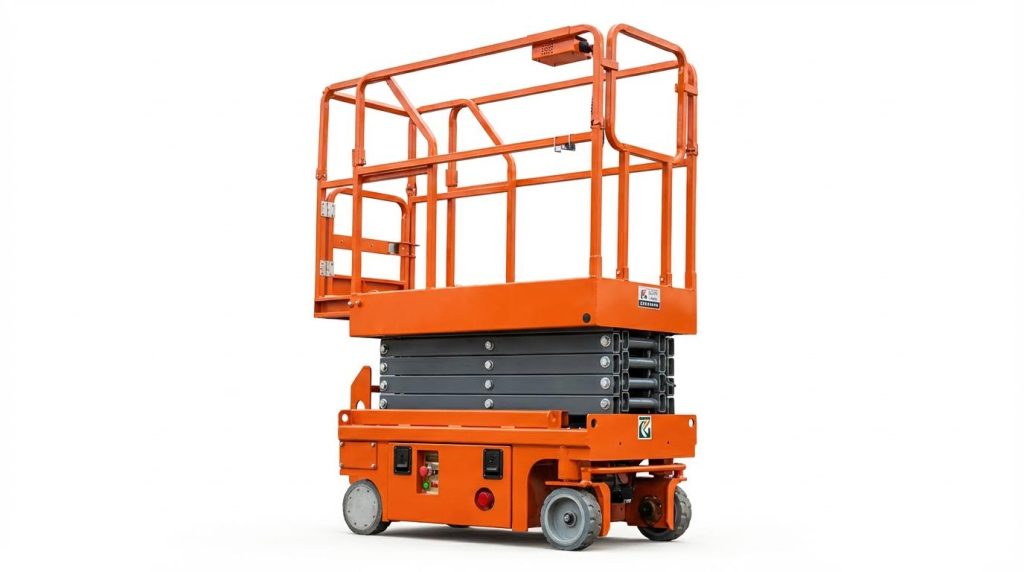
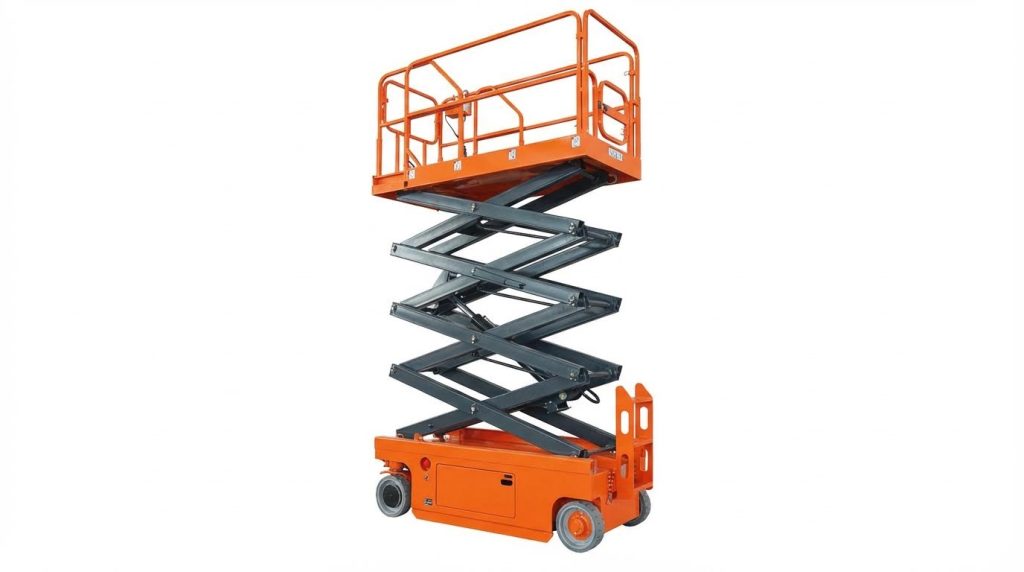
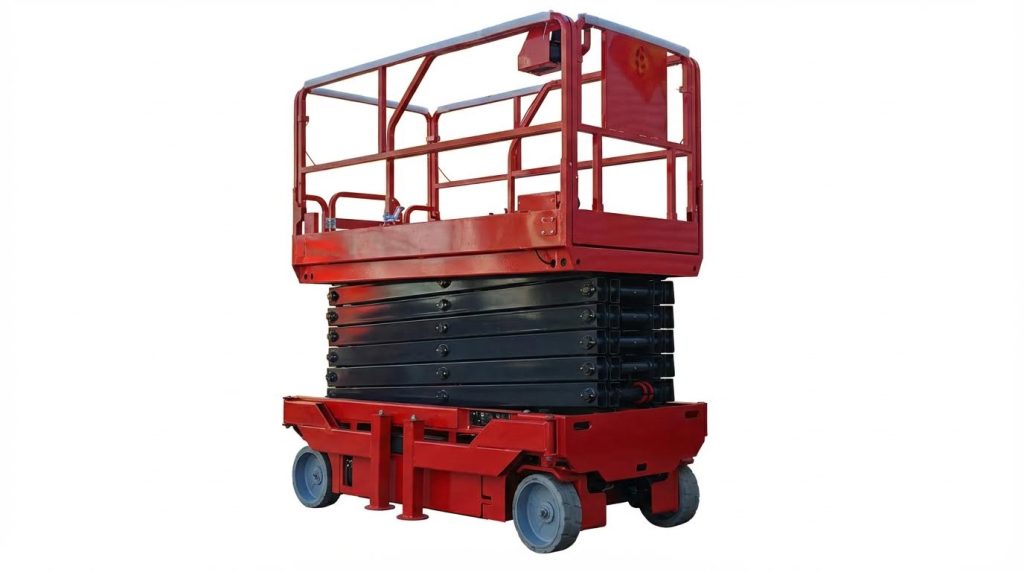
Regulations treated aerial work platforms as a group but risk profiles differed by type. Common categories included boom lifts, scissor lifts, vehicle‑mounted lifts, mast lifts, and specialty units. Each type had different stability limits, outreach patterns, and control layouts. That meant training and certification had to match the exact machine class and sometimes the specific model.
Risk profiles depended on movement pattern and working height. Boom lifts carried higher fall and tip‑over risk due to outreach and rotation. Scissor lifts had more vertical motion but tighter lateral limits, so guardrail use and platform loading were critical. Vehicle‑mounted lifts added traffic and roadway hazards. A structured matrix helped safety teams link each platform type to needed topics when planning how to get aerial work platform operation certificate for mixed fleets.
Key hazards: falls, tip‑overs, and electrocution
Regulations focused on a short list of high‑energy hazards. Falls from height remained the dominant fatal risk on aerial work platforms. Typical root causes included missing fall protection, open gates, misuse of guardrails, and sudden platform movement. Training programs therefore stressed harness use where required, proper lanyard anchorage, and safe entry and exit.
Tip‑overs came from overload, excessive outreach, wind, and poor ground support. Rules required operators to respect rated load, follow slope limits, and perform pre‑use inspections for tyres, outriggers, and ground conditions. Electrocution risks arose near overhead power lines and conductive structures. OSHA training topics therefore included minimum approach distances, line voltage recognition, and safe positioning. Any serious incident, near miss, or pattern of unsafe behaviour triggered retraining and sometimes early recertification.
Employer vs. operator legal responsibilities
OSHA placed the primary legal duty on employers, not on rental firms or training vendors. Employers had to ensure operators received formal instruction, hands‑on practice, and a performance evaluation by a qualified person. They also had to document dates, content, trainer identity, and equipment types covered. Without this documentation, a site could not prove compliance during an audit or after an accident.
Operators still carried personal responsibility for safe use. They had to follow procedures, refuse unsafe tasks, and report defects. However, they could not self‑certify. Rental companies could explain basic controls but could not issue site‑specific authorization. For plants studying how to get aerial work platform operation certificate programs right, a clear RACI chart helped. Typical allocations were: employer owned training system and records, trainers delivered instruction, and operators applied rules in daily work.
Core Training And Certification Requirements
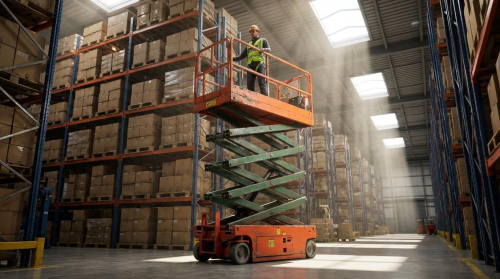
Core requirements answered the search intent behind how to get aerial work platform operation certificate. OSHA rules defined the minimum training content, delivery method, and evaluation steps. Plants then added site rules, documentation controls, and recertification logic on top. This section explained how those parts fit together into a repeatable system.
OSHA training components: theory, hands‑on, evaluation
OSHA required three linked elements before an operator used an aerial work platform. Formal instruction covered regulations, equipment types, and typical hazards such as falls, tip‑overs, and electrocution. Providers delivered this theory in classrooms, online modules, or blended formats. Typical topics included:
- Applicable OSHA standards for construction and general industry
- Controls, emergency lowering, and stability principles
- Fall protection, safe approach distances, and load limits
- Pre‑use inspection and shutdown procedures
Hands‑on training then moved operators onto actual equipment under supervision. Trainers demonstrated start‑up, function tests, safe driving, elevation, and emergency actions. Trainees repeated each task until they showed stable control and hazard awareness. A performance evaluation closed the loop. A qualified person observed operators on the real job site or a realistic mock‑up. The evaluator checked that the operator applied theory, used PPE correctly, and respected site rules. Only then could employers sign off certification for that equipment class and environment.
Site‑specific vs. generic operator training
Generic courses gave broad knowledge on how to get aerial work platform operation certificate in any sector. They explained lift families, hazard types, and standard safe work methods. However, OSHA expected employers to add site‑specific content. Site‑specific training addressed unique conditions such as floor loading, congestion, traffic routes, and local power line layouts. It also covered plant rules, permit systems, and rescue plans. A practical way to split the two layers used this structure:
| Aspect | Generic training | Site‑specific training |
|---|---|---|
| Regulations | OSHA and national standards overview | Company procedures and enforcement |
| Equipment | Lift categories and basic functions | Exact models, options, and limits on site |
| Hazards | Falls, tip‑overs, electrocution | Actual overhead services and ground risks |
| Rescue | General emergency principles | Local rescue gear, roles, and timings |
Employers could buy generic online training and then run short toolbox talks or on‑floor walk‑downs to close the site gap. This combined approach kept costs low while meeting OSHA expectations for real‑world relevance.
Documentation, recordkeeping, and audit readiness
OSHA required written proof that each operator was trained and evaluated. At minimum, records had to link the person, the equipment type, and the evaluation date. Plants that treated how to get aerial work platform operation certificate as a controlled process usually kept:
- Training rosters with course titles, dates, and trainers
- Test scores for theory modules and quizzes
- Signed practical evaluation checklists
- Copies of operator cards or internal licenses
Digital systems made audit readiness easier. Safety teams stored certificates, refresher due dates, and incident history in one database. During inspections, they could show that operators on a lift matched valid records. Good practice also linked training files to equipment asset IDs. That link helped prove that training covered the actual platform type and control layout in use.
Recertification intervals and trigger events
Most OSHA‑aligned programs used a three‑year recertification cycle. This matched the common validity period of aerial work platform cards and internal licenses. However, time alone was not enough. Employers also had to retrain or re‑evaluate operators after specific trigger events. Typical triggers included:
- A recordable incident or near miss involving a lift
- Evidence of unsafe driving, loading, or fall protection use
- Introduction of a new lift type or major site layout change
- Long periods without operating the equipment
Recertification usually combined a short theory refresher with a focused skills check. Plants used this step to update operators on new rules, new attachments, or changed rescue plans. A structured recertification program kept skills current and showed regulators that management treated aerial work platform risks as ongoing, not one‑time, issues.
Step‑By‑Step Path To Getting Certified
Plants that ask how to get aerial work platform operation certificate need a clear, repeatable path. A structured process reduces training gaps, speeds onboarding, and supports OSHA audits. The steps below link legal rules, online theory, and on‑site skills checks into one workflow. Safety teams can then scale training for new hires, contractors, and cross‑trained staff.
Prerequisites, age limits, and licensing needs
OSHA rules required operators to be trained and evaluated, but they did not set a federal age limit. In practice, employers usually aligned with general labor rules and set 18 years as a minimum for aerial work. Some countries, such as Japan, formally required 18 years for aerial platform courses. Local law, insurance policies, and union rules often added stricter limits.
Before starting, employers should confirm three points:
- Minimum age allowed by national and state law
- Need for a standard driving license inside the facility or on public roads
- Medical or fitness rules in company policy or collective agreements
Fire and rescue sectors sometimes required extra prerequisites, such as firefighter certification, before aerial operator training. For plants, the usual entry conditions were simpler. Workers needed basic literacy, language skills for the training material, and the ability to use personal protective equipment safely.
Online coursework and formal instruction flow
When people search how to get aerial work platform operation certificate, they usually start with online theory. OSHA‑compliant programs used a three‑part model. First came formal instruction on hazards, regulations, and safe operation. Then hands‑on practice followed under a qualified person. Finally, a performance evaluation closed the loop.
Online courses worked well for the formal instruction part. Typical flows included:
- Account creation and course selection for the right lift type
- Self‑paced modules on equipment types, controls, and hazard recognition
- Short quizzes after each module to lock in concepts
- A final written test with a defined pass score, often 70% or higher
Good courses covered OSHA 29 CFR 1926.453 or 1910.67, plus related scaffold rules when scissor lifts applied. They also explained employer duties, pre‑use checks, fall protection, and emergency lowering. Online completion alone did not create a valid operator; it had to be paired with on‑site evaluation.
Practical skills testing and performance evaluation
The core of any aerial work platform certificate was the skills test. OSHA required employers to ensure operators could use the specific machine at the actual site. A qualified evaluator observed the operator performing key tasks. The evaluator then documented the result.
Typical test elements included:
- Walk‑around inspection and function tests before use
- Safe mounting, harness use, and guardrail practices
- Driving, elevating, and positioning in tight areas
- Working near obstacles, overhead structures, or power lines
- Parking, shutdown, and post‑use checks
Plants should use a standard checklist so every operator faces the same criteria. The checklist should record date, trainer name, equipment model, and pass or fail status. Failed evaluations should trigger extra coaching and a retest. Once the operator passed, the employer could issue an in‑house card or badge and update training records.
Integrating digital tools and predictive maintenance
Digital tools made it easier to manage how to get aerial work platform operation certificate across large fleets. Learning management systems stored course completions, quiz scores, and evaluation dates. Supervisors could see who was current, who was due for recertification, and which sites had gaps. Mobile apps allowed trainers to complete evaluation checklists on tablets and capture signatures in the field.
Linking training data with maintenance systems added more value. Plants could connect operator inspections to work orders when defects appeared. Over time, this supported predictive maintenance. Repeated faults on one model or location pointed to deeper issues, such as rough ground or misuse. Analytics also highlighted patterns, for example, whether new hires generated more near‑miss reports before extra coaching.
These digital records helped during OSHA inspections and customer audits. They showed that the plant trained people on the right machines, at the right time, and reacted to incidents with retraining. Combined with well‑kept lift logs and preventive maintenance schedules, they formed a strong safety and compliance package.
Summary And Practical Takeaways For Plants
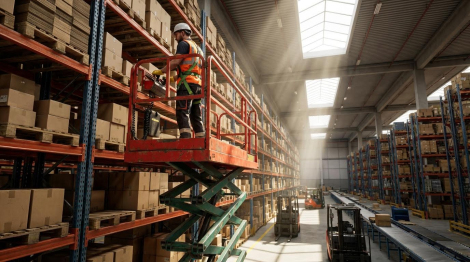
Plant managers who ask how to get aerial work platform operation certificate need a clear, repeatable system. Certification was never only about passing a test. It tied regulations, equipment risks, and site rules into one controlled process. This section turns the earlier guidance into a simple checklist for industrial sites.
From a compliance view, plants had to align with OSHA 29 CFR 1910.67 and 1926.453 or the local equivalent. That meant every operator completed three parts before use: structured theory, supervised hands‑on practice, and a documented performance evaluation. Rental company familiarization did not replace this. Employers stayed legally responsible for who drove each lift, on each site.
For practical rollout, plants usually built a standard path: define prerequisites and age limits, select an online or classroom course, then schedule on‑site evaluations. Good programs covered falls, tip‑overs, electrocution, and pre‑use inspections in detail. Plants kept training records, evaluation forms, and operator cards together for audits. Typical recertification cycles ran every three years or after an incident, near‑miss, or major process change.
Digital tools now helped plants track who was certified on which aerial work platform type and where gaps existed. Linking training data with maintenance and inspection histories supported predictive actions and fewer breakdowns. Future programs would likely add more simulation, remote learning, and real‑time monitoring. Still, the core stayed the same: clear rules, solid training, verified skills, and strict documentation at plant level.