Plant engineers and safety managers who need to know how to get aerial work platform operation certificate must navigate technical, regulatory, and training details. This guide explains the full certification pathway for Mobile Elevating Work Platforms and Aerial Work Platforms, from understanding equipment categories and OSHA/ANSI requirements to defining employer and operator duties and retraining triggers.
You will see a structured step‑by‑step process for achieving compliant operator certification, including prerequisites, provider selection, training formats, and testing. The article also covers safety engineering practices such as inspections, load and stability checks, fall protection, and telematics, then closes with actionable takeaways for plant teams building or upgrading their aerial platform training programs.
Understanding Aerial Work Platform Certification
Engineers who want to know how to get aerial work platform operation certificate must first understand the underlying technical and regulatory framework. Certification processes worldwide referenced OSHA and ANSI principles, and required clear differentiation between machine categories, workplace responsibilities, and refresher triggers. This section explained how MEWP and AWP types affected training scope, how standards shaped course content, and when employers had to schedule retraining or recertification.
MEWP and AWP types engineers must distinguish
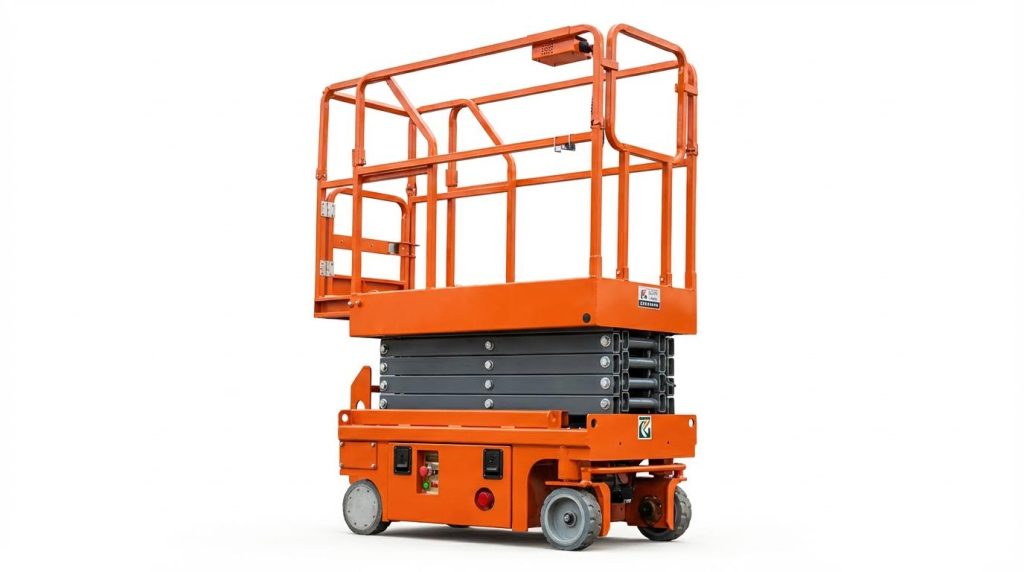
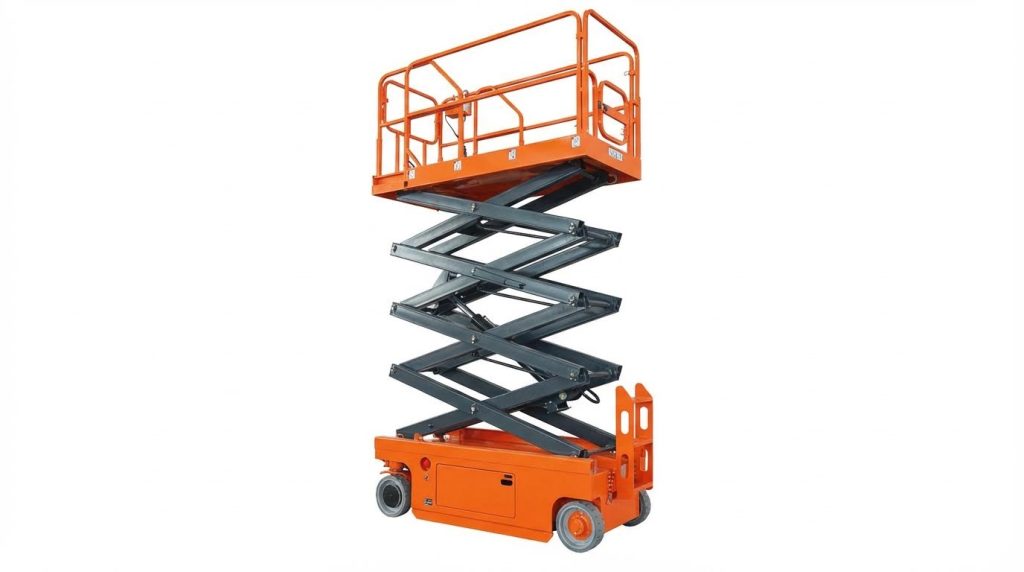
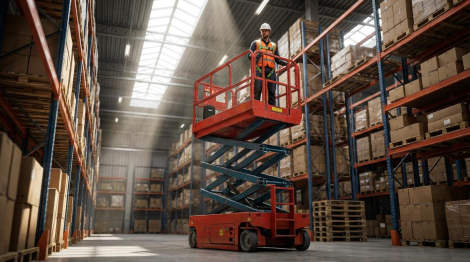
Engineers pursuing how to get aerial work platform operation certificate needed to distinguish core platform families because each type drove different risk profiles and training content. Mobile Elevating Work Platforms (MEWPs) included boom lifts, scissor lifts, and vehicle‑mounted platforms, typically classified under ANSI A92 categories by drive type, elevation method, and intended environment. Articulating and telescopic booms introduced complex outreach and overturning risks, while scissor lifts presented vertical stability and guardrail integrity concerns. Vehicle‑mounted lifts fell under additional road‑use and electrical proximity rules. Training providers aligned modules with specific categories, so engineers had to match their certification scope to the machine types used on site to remain compliant and technically competent.
OSHA, ANSI, and key regulatory requirements
OSHA standards such as 29 CFR 1910.67 and 1926.453 defined minimum federal requirements for aerial lift training, inspection, and operation, forming the baseline for how to get aerial work platform operation certificate in industrial plants. These rules mandated that only trained and authorized personnel operated lifts, that pre‑start inspections occurred before each shift, and that work near energized lines followed 1910.333(c)(3) clearance rules. ANSI A92 standards historically added design, stability, and safe‑use criteria, including limits on tilt angles, wind speeds, and platform loading, which training providers incorporated into course curricula. Certification programs that claimed OSHA compliance typically covered hazard recognition, fall protection, electrical approach distances, proper use of manufacturer manuals, and documentation of training records with trainee identity, trainer signature, and completion dates retained for audit.
Employer vs. operator responsibilities
Regulations placed primary responsibility for aerial work platform safety on employers, even when operators held individual cards. Employers had to select appropriate MEWP or AWP types for the task, verify that operators completed OSHA‑compliant training, and maintain written certification records for the duration of employment. They also had to enforce pre‑shift inspections, tag‑out of defective units, worksite hazard assessments, and implementation of corrective actions for issues like unstable ground, overhead power lines, or high winds. Operators, in contrast, bore responsibility for following procedures taught during certification: conducting functional tests, respecting load ratings, using personal fall protection correctly, and refusing to operate equipment that appeared unsafe. Effective programs for how to get aerial work platform operation certificate clearly separated these roles so plant teams could assign accountability and close gaps.
When retraining and recertification are required
OSHA required retraining whenever an incident, near miss, or observed unsafe behavior indicated that existing knowledge was inadequate, which directly influenced long‑term strategies for how to get aerial work platform operation certificate and keep it valid. Employers also had to retrain operators when new MEWP types entered the fleet, when workplace conditions changed significantly, or when manufacturer instructions were updated. Industry practice, aligned with ANSI guidance and online training providers, used a three‑year recertification cycle as a maximum interval, with shorter periods in high‑risk operations. During recertification, operators reviewed hazard recognition, fall protection, electrical approach distances, and inspection techniques, and often repeated both written and practical evaluations. Documented retraining and renewed operator cards helped plants demonstrate due diligence during OSHA inspections and internal safety audits.
Step‑By‑Step Path To AWP Operator Certification
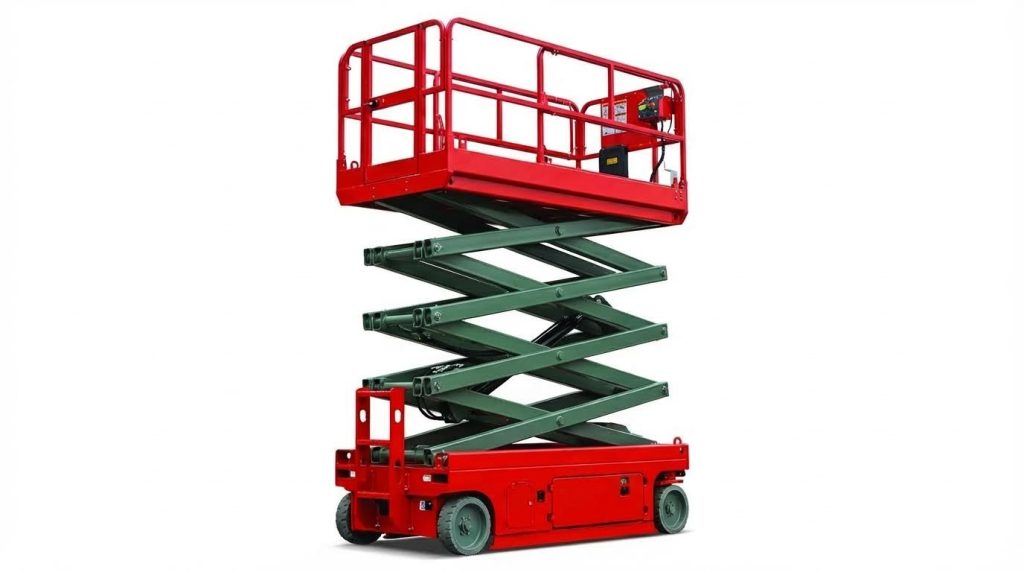
Engineering teams that ask how to get aerial work platform operation certificate should treat it as a structured project. The path combines medical and skill prerequisites, an OSHA‑aligned training provider, a delivery format that fits plant constraints, and documented testing that produces valid operator cards. A disciplined, step‑based approach reduces downtime, standardizes safety performance, and simplifies future audits.
Prerequisites, medical, and driving requirements
Before pursuing certification, employers should define baseline medical and competency criteria. Operators must have adequate vision, hearing, and coordination to detect hazards and control MEWPs precisely. Many industrial sites required medical clearance confirming fitness for work at height and for wearing fall‑protection equipment. Where self‑propelled or truck‑mounted platforms operate on public roads, a valid driver’s license and clean driving record were typical prerequisites. For emergency‑services aerial devices, agencies often required Firefighter I or equivalent plus a state Department of Transportation driver’s license. Regardless of sector, candidates needed sufficient literacy to understand load charts, placards, and operating manuals. Employers also had to verify that workers understood site language for signals, signage, and emergency procedures.
Choosing an OSHA‑compliant training provider
To answer how to get aerial work platform operation certificate in a compliant way, the training provider must align with OSHA 29 CFR 1910.67 and 1926.453 plus relevant ANSI A92 standards. Providers should document that their curriculum covers hazard recognition, fall and electrical risks, safe operating procedures, inspections, and manufacturer‑specific requirements. Online platforms that offered structured modules, untimed tests, and documented completion records gave plants flexibility, but employers still remained responsible for on‑site practical evaluation. Engineering managers should compare providers on curriculum depth, update frequency to track regulatory changes, and clarity of recordkeeping support for OSHA audits. Multi‑equipment providers that also covered fall protection and related topics allowed plants to standardize training frameworks across fleets. Contract terms should specify language support, data retention periods, and how operator records export into existing EHS or HR systems.
Online vs. on‑site training: pros, cons, and costs
Online training modules allowed operators to complete theory work in about 60 minutes using smartphones or plant computers. This reduced travel time and made scheduling easier for multi‑shift operations, often at per‑operator costs below traditional classroom courses. However, OSHA required hands‑on evaluation, so employers still needed a qualified person to conduct local skills testing on each MEWP type. On‑site classroom and practical training provided direct interaction, immediate clarification of plant‑specific scenarios, and standardized practical drills, but typically involved higher cost and production downtime. Hybrid models combined online theory with in‑house practical assessment, which worked well for large fleets or multi‑site enterprises. When selecting a format, engineers should quantify lost production hours, trainer travel, and rework risk if operators failed initial evaluations. Plants with high turnover or frequent contractor use often favored scalable online systems integrated with digital learning management tools.
Written testing, skills evaluation, and operator cards
The final step in how to get aerial work platform operation certificate is formal assessment and documentation. Written tests verified understanding of load limits, stability, electrical clearances, fall protection, and emergency procedures. Reputable programs allowed exam retakes while ensuring mastery of missed questions, which reduced knowledge gaps. A qualified evaluator then performed a skills test on the actual MEWP models used at the facility, checking pre‑start inspections, control familiarity, smooth maneuvering, and correct response to simulated hazards. Only after passing both components should the employer issue or accept an operator card that listed equipment class, operator identity, trainer or evaluator, and completion date. Cards could be printed immediately for field use, while digital records supported audits and recertification planning. Employers needed to track expiry intervals and trigger retraining after incidents, observed unsafe behavior, or introduction of new AWP types.
Safety, Inspection, and Technical Best Practices
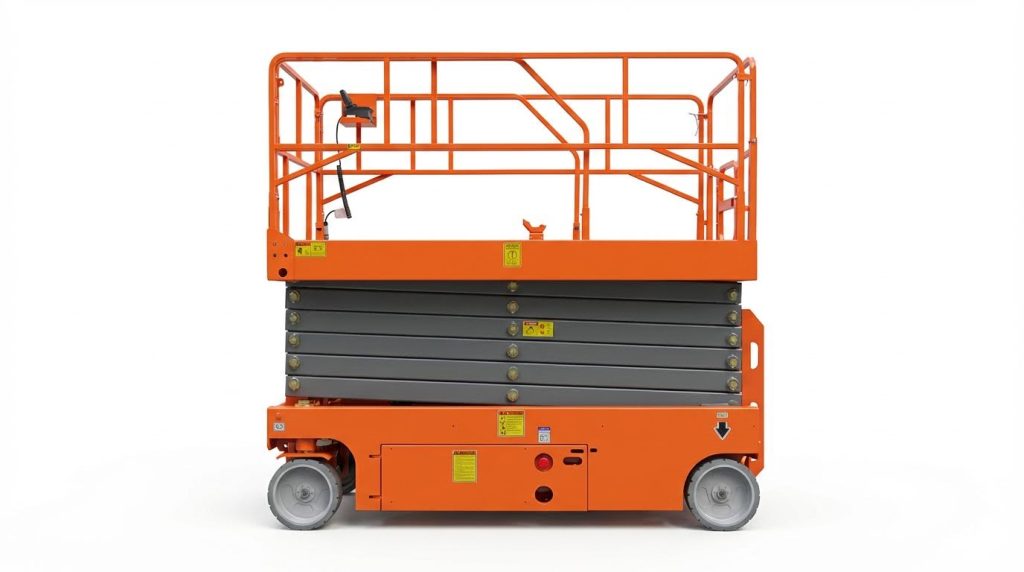
Safe operation is central to how to get aerial platform operation certificate and keep it valid on industrial sites. Certification programs consistently emphasized that operators must integrate structured inspections, load control, fall protection, and use of digital tools into daily routines. These practices aligned with OSHA and ANSI standards and formed a large portion of written and practical exam criteria. Engineers who design, specify, or supervise MEWP and AWP use needed to understand these technical requirements to set up compliant procedures and documentation.
Pre‑start inspections and functional tests
Certification training required operators to perform a documented pre‑start inspection before each shift. They checked vehicle systems such as fluid levels, leaks, tires, wheels, steering, service brakes, parking brake, horn, lights, gauges, and backup alarms. They also inspected lift components including operating and emergency controls, limit switches, hydraulic hoses, cylinders, electrical wiring, insulating components, placards, fasteners, cables, guardrails, outriggers, and stabilizers. Functional tests followed the visual check and verified lift, drive, rotation, emergency stop, and emergency lowering functions. If any defect appeared, operators had to tag the unit out of service until a qualified person repaired and cleared it, which was a frequent audit point during certification skills evaluations.
Load limits, stability, and ground condition checks
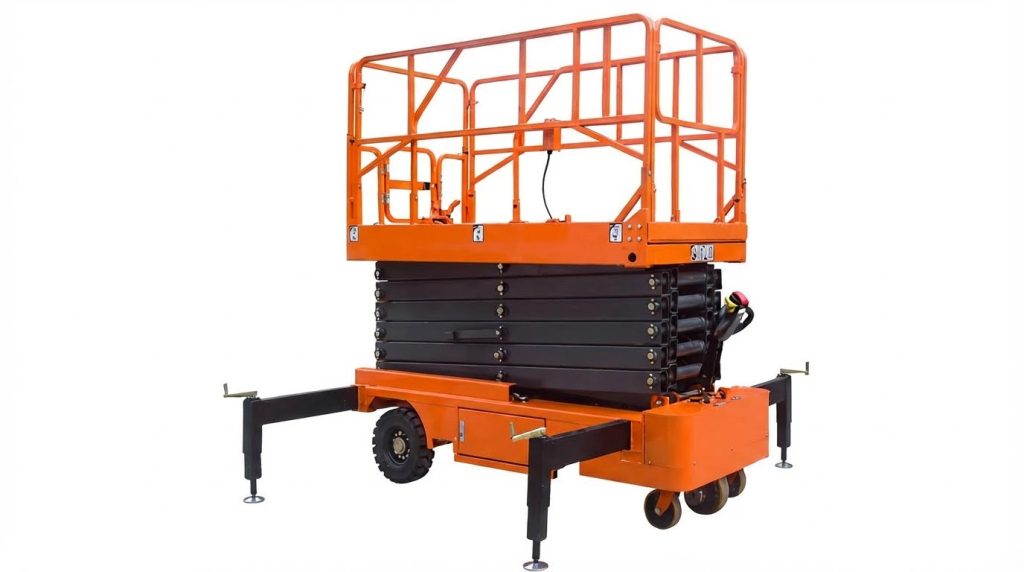
Training programs linked safe loading directly to how to get scissor platform operation certificate because exam questions focused on rated capacity and stability margins. Operators learned to calculate the total platform load as the sum of personnel, tools, and materials and to compare it to the manufacturer’s rated capacity on the data plate. They verified that the machine sat on firm, level ground, typically within a maximum tilt of about 5 degrees, and relied on tilt alarms where installed. Outriggers had to rest on pads or solid surfaces, with brakes set and wheel chocks used on permitted slopes. Work area assessments included checking for drop‑offs, trenches, soft fill, debris, overhead obstructions, and ensuring that lifts were not used as cranes or for carrying objects larger than the platform footprint, which could shift the center of gravity and cause tip‑over.
Fall protection systems and electrical hazard controls
Certification courses devoted substantial time to fall protection and electrical hazards because these topics dominated accident statistics and OSHA citations. Operators had to demonstrate proper use of full‑body harnesses and lanyards, attached only to approved anchor points on the platform or boom and never to adjacent structures. They learned to keep access gates closed, stand firmly on the platform floor, and avoid climbing or sitting on guardrails to gain extra reach. For electrical hazards, training reinforced maintaining at least a 3 meter minimum safe approach distance from overhead power lines and treating all lines as energized unless the utility confirmed de‑energization. Insulated booms reduced but did not eliminate shock risk, especially if alternate paths to ground existed. Written exams and practical tests often required candidates to identify unsafe practices such as overriding interlocks, working in high winds, or positioning the platform between fixed overhead objects.
Digital tools, telematics, and predictive maintenance
Modern certification content increasingly referenced digital support tools because they improved compliance and traceability for how to get scissor platform lift operation certificate and keep fleets audit‑ready. Digital companion apps provided machine‑specific operator manuals, pre‑use checklists, control layout videos, and hazard awareness modules accessible on smartphones. Telematics systems transmitted usage hours, fault codes, tilt or overload events, and battery or fuel status to maintenance teams, enabling condition‑based service rather than purely calendar‑based intervals. Engineers could configure alerts for missed inspections or operation in prohibited wind speeds or slope ranges, which helped enforce site rules. Aggregated data supported predictive maintenance by identifying recurring component failures or misuse patterns, feeding back into training content and engineering controls. During audits, electronic inspection logs and telematics histories served as objective evidence that operators followed OSHA and ANSI‑aligned procedures taught during certification.
Summary And Key Takeaways For Plant Teams
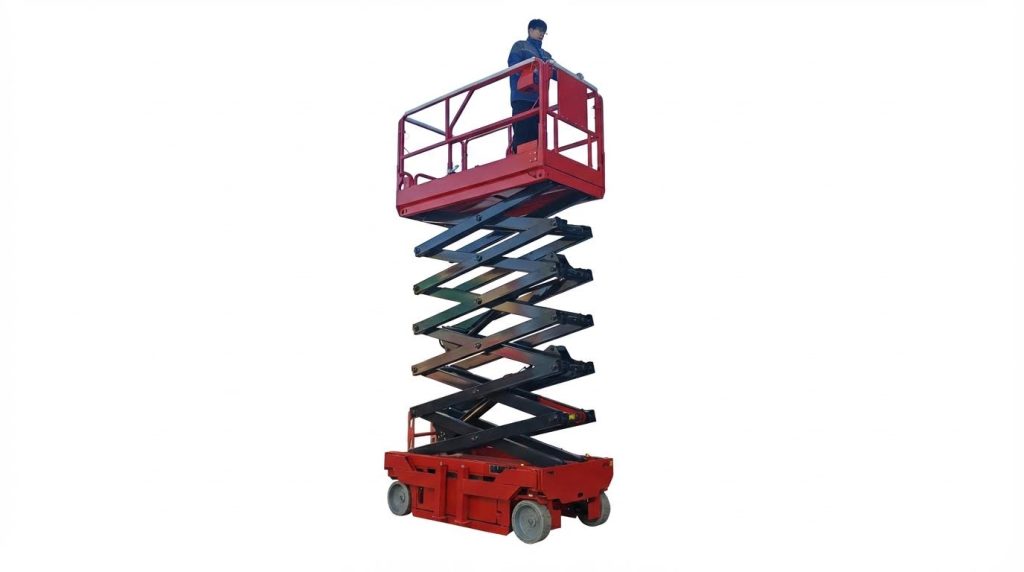
Plant teams that want to know how to get aerial work platform operation certificate should view certification as a recurring lifecycle, not a one-time event. Operators needed formal theory training, a written test, hands-on evaluation on the exact MEWP or AWP type, and documented authorization from the employer to be compliant. Programs that combined online modules with on-site practical evaluation reduced downtime and offered traceable records that satisfied OSHA and ANSI expectations. Typical courses took about 60 minutes of e-learning plus local skills checks and produced operator cards that remained valid for roughly three years, after which recertification became mandatory.
From a technical and safety standpoint, certification focused on four pillars. First, hazard recognition: electrical, fall, tip-over, and struck-by risks, along with minimum approach distances to power lines and wind limits near 11 m/s. Second, equipment limits: platform capacity in kilograms, gradeability, tilt alarms around 5°, and clear rules against using AWPs as cranes or tie-off points. Third, inspection discipline: structured pre-start checks of vehicle systems, lift structures, hydraulics, controls, and safety devices before every shift, with immediate tag-out of defective units. Fourth, operating practices: firm, level support surfaces, correct outrigger use, controlled travel when elevated, and strict adherence to manufacturer instructions.
Strategically, plants that centralized aerial platform certification achieved better compliance and lower incident rates. They standardized provider selection on OSHA-aligned content, integrated digital recordkeeping, and scheduled retraining after incidents, near-misses, equipment changes, or observed unsafe behavior. Future trends pointed toward wider use of telematics, digital checklists, and app-based training that linked individual operator IDs, machines, and inspection histories. For plant engineering and EHS leaders, the practical path was clear: define prerequisites, select a compliant training route, enforce documented inspections, and treat recertification as a core element of the site’s mechanical integrity and worker-safety program. Additionally, incorporating tools like scissor platform lifts and walkie pallet truck solutions can enhance operational efficiency while maintaining safety standards.