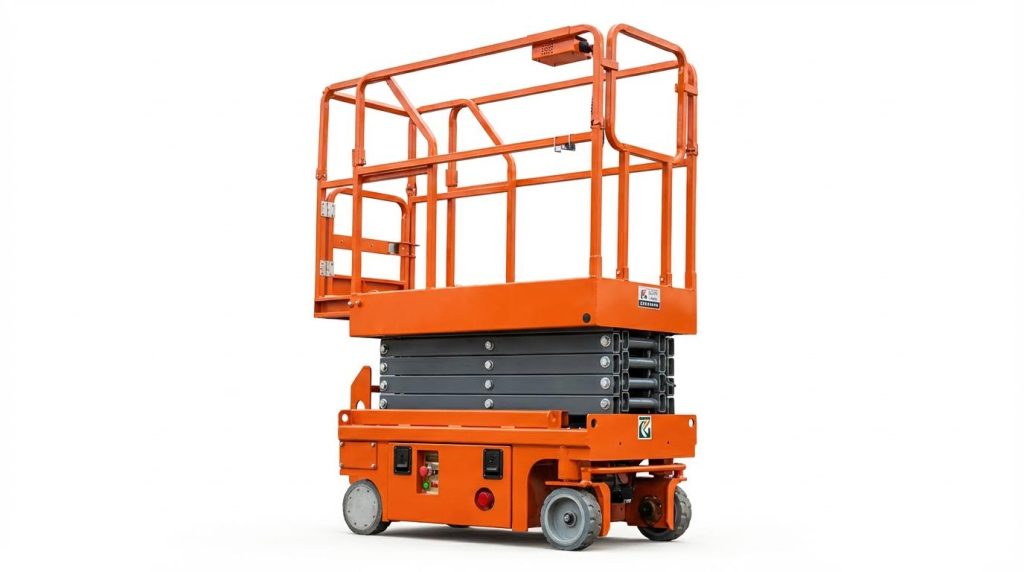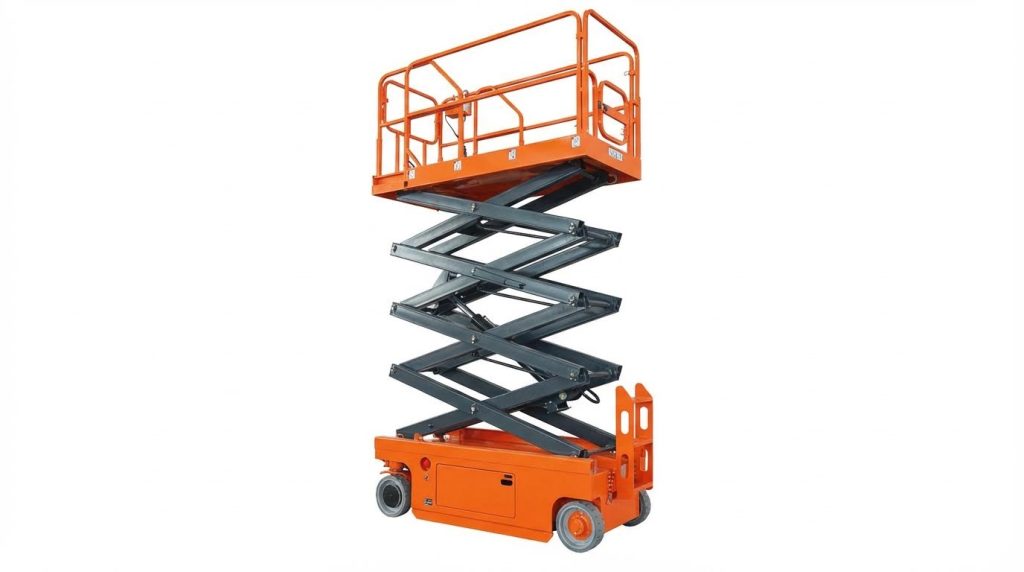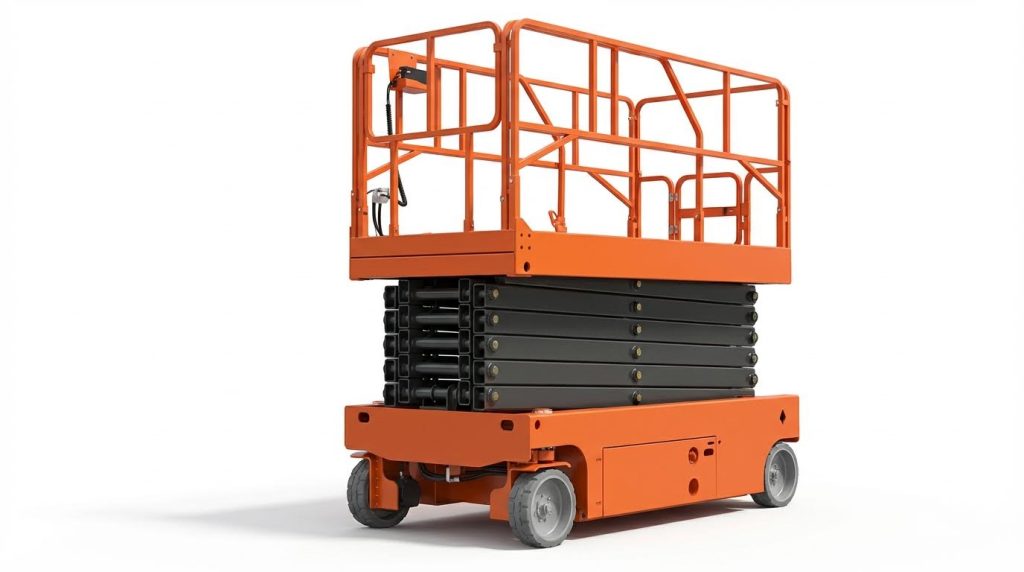
Knowing exactly when an aerial platform training expires is critical if you manage MEWPs, boom lifts, or scissor platform lifts. This guide explains the three‑year renewal cycle, what OSHA and ANSI really require, and the events that trigger early recertification. You will also see what must be covered in classroom and hands‑on refreshers, how site hazards and equipment changes drive retraining, and how to set a compliant, engineering‑sound schedule. If you have ever asked “when does an aerial platform training expire” for your fleet or crew, this article gives you a clear, data‑driven answer.
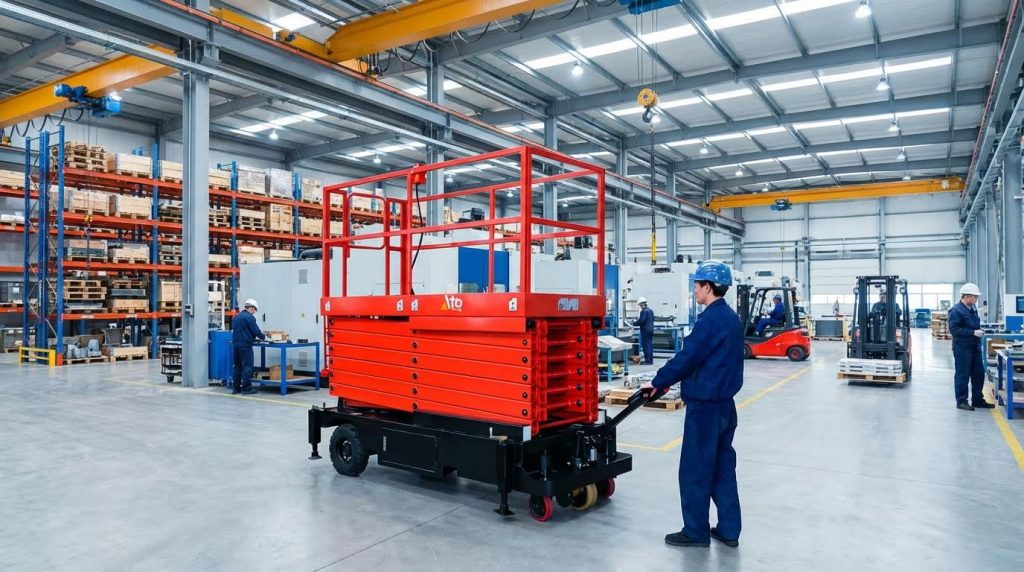
Regulatory Rules For AWP Training Expiry

OSHA vs. ANSI: What The Rules Actually Say
When companies ask “when does an aerial platform training expire,” they are really asking how OSHA’s enforceable rules and ANSI’s consensus standards fit together. OSHA sets the legal duty to train and keep workers competent, while ANSI spells out the recommended training cycle and conditions for retraining.
- OSHA’s role (legal minimum):
- Requires employers to provide a safe workplace and all necessary training for aerial platform and MEWPs.
- Failure to train or renew training can lead to fines, penalties, shutdowns, and potential criminal or civil liability for employers for injuries or fatalities linked to non-compliance.
- Construction requirements are set out in 29 CFR 1926.453, which covers aerial lift use and operator training expectations. ANSI A92 standards complement these OSHA rules.
- ANSI’s role (technical “how-to”):
- Provides detailed guidance on classroom and hands‑on training content for aerial lifts like boom lifts and scissor lifts. Operators must be trained and evaluated before operating.
- Recommends that aerial lift and MEWP operator training be renewed on a three‑year cycle to maintain proficiency. OSHA uses these ANSI recommendations as a reference point.
- How this answers “when does an aerial work platform training expire” in practice:
- There is no single “expiration date” written in OSHA law, but OSHA expects training to be current and effective.
- ANSI’s three‑year renewal interval has become the de‑facto industry answer for when aerial work platform training expires, and OSHA inspectors often use it as a benchmark.
- If training is older than three years or clearly ineffective, OSHA can still cite the employer for inadequate training.
Legal duty vs. best practice (OSHA and ANSI together)
OSHA enforces the requirement that operators are trained, competent, and evaluated. ANSI defines what “good” training and retraining look like, including frequency, topics, and evaluation methods. Treat the ANSI three‑year cycle as the default expiry for aerial work platform training if you want to stay comfortably inside OSHA’s expectations.
Three-Year Cycle And Early Recertification Triggers
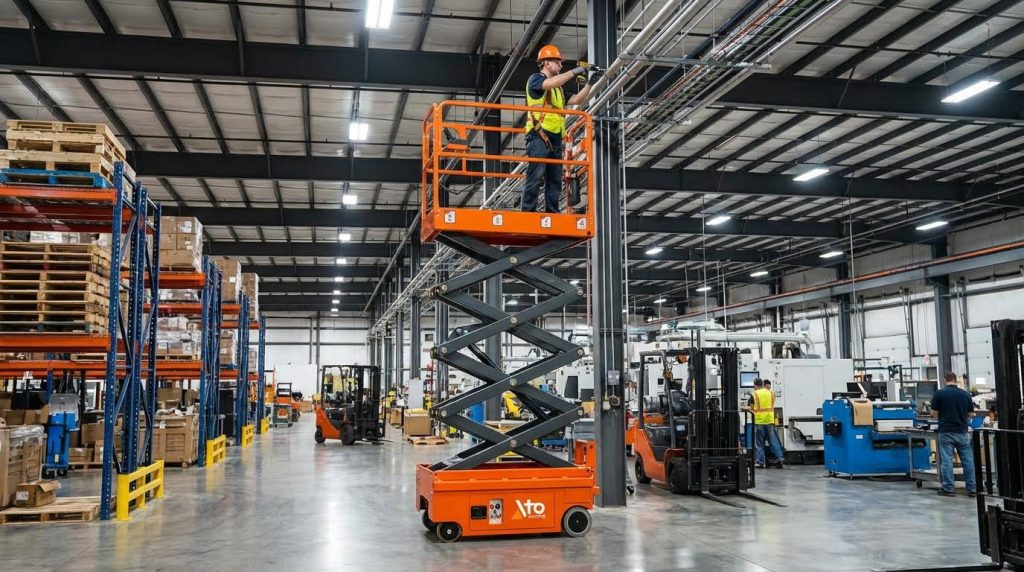
The most common engineering‑safe and regulator‑aligned answer to “when does an aerial work platform training expire” is three years from the last successful evaluation. However, several operational and safety events can force that date to move forward.
| Training Type / Situation | Typical Validity / Timing | Regulatory / Standard Basis | What It Means For Employers |
|---|---|---|---|
| Standard AWP / MEWP operator training | Valid for up to 3 years in typical conditions | Three‑year renewal recommended by ANSI and referenced by OSHA expectations for aerial lift operators and by other guidance on certification validity over a three‑year period. | Plan a formal refresher and hands‑on re‑evaluation at or before the 3‑year mark. |
| Scissor lift operator license | 3 years from date of issue | Industry guidance states that scissor lift certification lasts three years, with employers required to ensure licenses remain valid to avoid OSHA penalties. | Track issue dates; block work on expired scissor lift cards. |
| HAZWOPER initial training (for hazardous sites) | 40‑hour initial course for new workers | OSHA’s HAZWOPER rule requires a 40‑hour course for new workers at hazardous waste or similar sites before exposure to those environments. | Required in addition to AWP training when lifts are used on hazardous sites. |
| HAZWOPER refresher | 8‑hour refresher annually | Annual 8‑hour refresher is required to keep HAZWOPER certification active and up to date for workers at hazardous sites. | Do not align HAZWOPER with the 3‑year AWP cycle; manage it as a separate annual requirement. |
Beyond the three‑year cycle, several early recertification triggers effectively “expire” an operator’s current authorization before the card date. These reflect real risk changes: new behavior, new equipment, or new hazards.
- Conditions that trigger early AWP recertification:
- Accident or near‑miss: If an operator is involved in an incident, many programs require immediate retraining and a fresh performance evaluation. Guidance notes that operators may require recertification if they are involved in an accident or near‑miss event before the normal three‑year interval.
- Observed unsafe operation: If a supervisor or safety professional sees an operator using a MEWP unsafely, this is a clear trigger for early retraining and re‑evaluation under ANSI‑aligned guidance.
- New equipment type: Assignment to a different class of aerial work platform or MEWP (for example, from a scissor lift to an articulating boom) requires task‑ and machine‑specific training and a hands‑on check‑off.
- New worksite hazards: Introduction of new site conditions, such as hazardous waste cleanup, chemical storage areas, or emergency response scenarios, can require additional training like HAZWOPER for aerial lift operators at those locations.
- Evaluation requirement after refresher:
- After refresher training, operators must pass a hands‑on performance evaluation carried out by a qualified person to confirm they can safely operate the specific aerial lift type they are authorized to use before returning to normal duties.
- Consequences of letting training “expire” in reality:
- Operators with lapsed or clearly outdated training may not legally or safely operate AWPs or MEWPs on site.
- Employers risk substantial penalties, lawsuits, and even operational shutdowns if they allow untrained or out‑of‑date operators to continue working on aerial lifts under OSHA enforcement.
Practical rule-of-thumb for expiry dates
If you need a simple rule for scheduling: treat aerial work platform training as “expired” at 3 years or immediately after any serious incident, observed unsafe behavior, major equipment change, or major hazard change. Then require both refresher theory and a documented hands‑on evaluation before the operator goes back in the air.
“”
Engineering And Operational Drivers For Retraining
Engineering changes and site conditions often force you to retrain operators long before the three‑year cycle that usually answers the question “when does an aerial platform training expire.” These drivers come from hard data: new machine behavior, new load cases, and inspection findings that show how the fleet is really being used. Aligning refresher intervals with these triggers keeps MEWPs within their design envelope and reduces the risk of fines, tip‑overs, and unplanned downtime. Below are the three main technical levers that should reset your training clock.
Equipment Changes: MEWP design, controls, and batteries
Any significant change in machine design or control logic can make existing skills obsolete. ANSI guidance already ties early recertification to assignment to a different type of equipment or design change. Operators may require recertification before the standard three-year period when equipment changes occur. That is an engineering reality, not just a paperwork rule.
- New platform control layouts (joysticks, toggles, deadman switches, emergency stops)
- Software updates that alter speed profiles, ramp rates, or automatic descent functions
- Transition from engine‑powered to hybrid or full electric MEWPs with different duty cycles
- Battery chemistry changes (flooded lead‑acid to AGM or lithium) affecting charge behavior and weight
- New stability or envelope control systems that limit outreach or height
- Added safety systems (load sensors, tilt sensors, interlocks, telematics)
From an engineering standpoint, each of these changes modifies the system response to operator input. That means old “muscle memory” can produce unsafe reactions until operators are retrained.
When equipment changes should trigger refresher training
Trigger examples that justify immediate retraining:
- Fleet upgrade to a new MEWP family with different control consoles
- Software patch that changes lift/lower speeds or braking characteristics
- Battery retrofit that increases machine weight and alters stability margins
- Added overload or tilt cut‑out that stops functions in situations where operators previously continued working
These are the moments to stop asking “when does an scissor platform training expire on paper” and start asking “does the current training match how the machine behaves today?”
Worksite Hazards, Load Cases, And Stability Margins
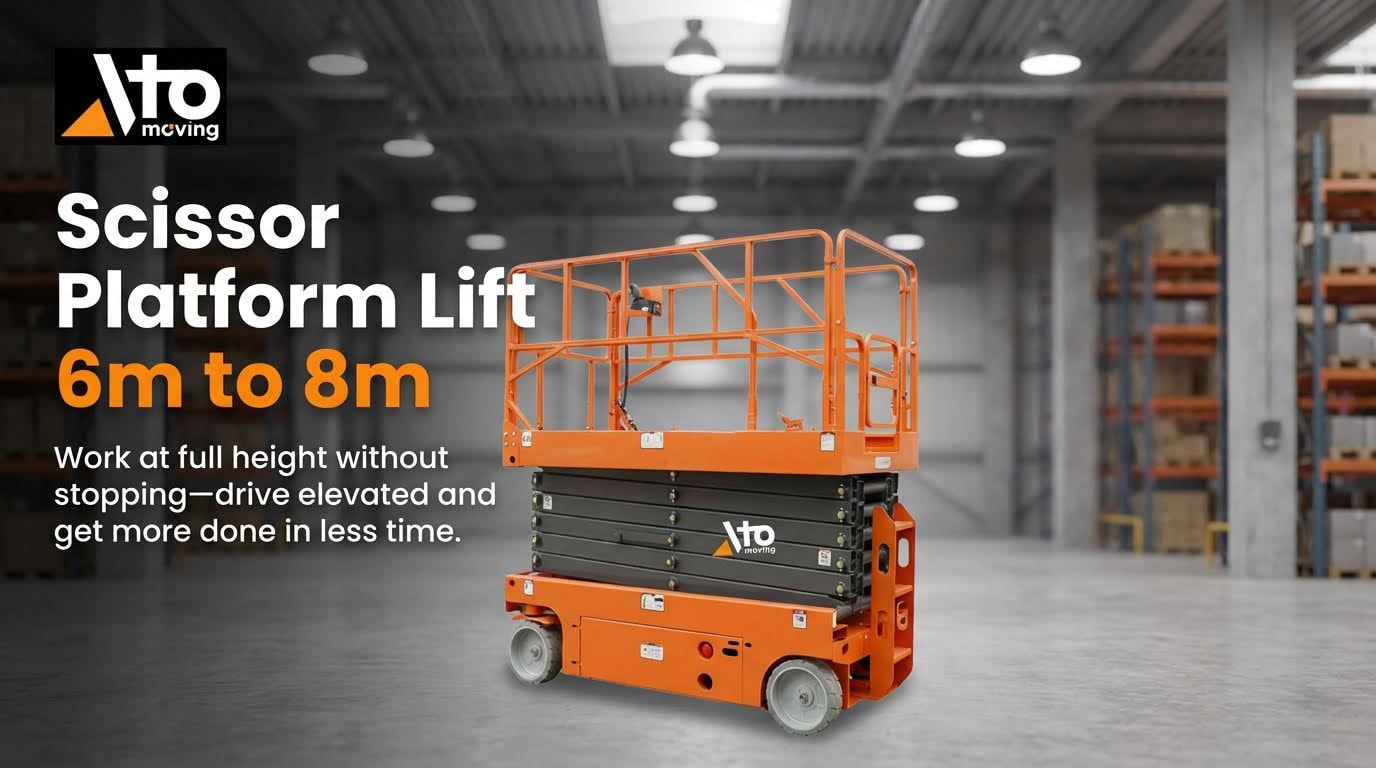
Even if the machine stays the same, the jobsite rarely does. ANSI notes that new hazards at the worksite are a valid reason to retrain operators before the three‑year mark. Early recertification is recommended when new hazards are introduced. Engineering analysis of tip‑over incidents shows they almost always involve a mismatch between actual load case and what the machine was designed for.
| Engineering Factor | What Changes On Site | Why It Demands Retraining |
|---|---|---|
| Ground conditions | Soft soil, backfilled trenches, slopes, potholes, curbs | Reduces effective support area and stability; increases tip‑over risk if operators are not trained to recognize and avoid these conditions. Operators are instructed to inspect the path of travel for such hazards. |
| Static load | Heavier tools, more materials, extra occupants | Consumes platform capacity; increases overturning moment. Operators must understand and respect load capacity limits. |
| Dynamic load | Wind, sudden movements, impact loads | Causes oscillation and additional forces on the structure. Training must cover how wind and motion affect stability. |
| Obstacles and overhead hazards | Power lines, steelwork, pipe racks | Requires precise positioning and awareness; small control errors can become severe incidents. |
| Hazardous materials | Chemicals, vapors, contaminated soils | Triggers HAZWOPER and emergency response requirements; operators need extra training beyond basic MEWP operation. HAZWOPER rules apply for hazardous waste and emergency response sites. |
As these factors change, the safe operating envelope shrinks unless operators update their mental model of how the lift behaves. That is why many companies tie refresher sessions to project mobilization, not just calendar dates.
- New site → retrain on access routes, ground bearing limits, and overhead obstructions
- New task → retrain on tools, materials, and their impact on platform loading
- New environment (chemical plants, refineries, cleanup sites) → integrate HAZWOPER and emergency procedures into MEWP training
Linking hazards to expiration of training
From a compliance view, the three‑year interval often answers “when does an scissor platform lift training expire.” In practice, the training “expires” the moment the hazard profile changes enough that old habits become unsafe. Use incident data, near‑miss reports, and hazard assessments to decide when that point is reached.
Maintenance, Inspections, And Data-Driven Intervals

Maintenance and inspection findings provide hard evidence of how your MEWPs are really operated. Frequent damage, repeated defects, or missed checklist items are strong engineering signals that operator behavior has drifted away from the training baseline. Before the nominal three‑year renewal, these signals should trigger targeted refreshers.
- Pre‑operation inspections: Required before each use; operators must check structural components, fluid levels, tires, and guards. Guidance calls for detailed pre‑operational inspection including manuals, leaks, and guardrails.
- Functional tests: Lower and upper controls, emergency stop, steering, brakes, and lift functions must be tested. Operators are instructed to test all operating controls and remove defective equipment from service.
- Routine maintenance logs: Repeated repairs to the same components (rails, gates, tires) often indicate misuse rather than random failure. Regular maintenance and service records are emphasized for safety and longevity.
- Telematics and usage data: High percentages of overload alarms, tilt cut‑outs, or impact events show where operators need focused retraining.
Use this data to move from calendar‑based to condition‑based refresher intervals. The regulatory three‑year period recommended by ANSI and referenced by OSHA remains the maximum. ANSI recommends renewing aerial lift operator training every three years, with earlier retraining when unsafe practices or new hazards are observed. But engineering evidence often shows you should retrain sooner.
| Field Indicator | What The Data Shows | Recommended Training Action |
|---|---|---|
| Frequent damage to guardrails, gates, or platforms | Impacts with structures, poor spatial awareness | Immediate refresher on maneuvering, speed control, and obstacle clearance; reinforce pre‑job planning. |
| Repeated low fluid levels or missed defects | Inadequate pre‑operation inspections | Focused retraining on inspection checklists and criteria for removing units from service. |
| High count of overload or tilt alarms | Operators working at or beyond stability margins | Retrain on load charts, capacity limits, and ground condition assessment. |
| Near‑miss or actual incidents | Documented unsafe operation | Reset the clock: full refresher training and hands‑on evaluation for involved operators. Accidents and near‑misses are explicit triggers for early recertification. |
Connecting maintenance data to “training expiry”
Instead of waiting a fixed three years to decide when does an manual pallet jack training expire, use:
- Inspection failures per 100 operating hours
- Overload/tilt alarms per shift
- Damage incidents per machine per year
When these metrics exceed your internal thresholds, treat the existing training as “expired” for that group and schedule targeted refreshers, even if the formal certification date is still valid.
Final Thoughts On Setting A Compliant Training Schedule
Aerial work platform training does not truly “expire” on a date; it expires when reality changes faster than your program. OSHA creates the legal duty, while ANSI’s three‑year cycle gives a clear ceiling, not a guarantee of ongoing competence. Engineering changes, new hazards, and field data often shorten that interval.
Equipment updates change control response, weight, and stability. New sites change ground conditions, loads, and exposure to power lines or chemicals. Maintenance records and telematics expose real misuse and near‑miss trends. Each factor erodes the safety margin that designers build into MEWPs and scissor platforms.
The most robust approach is simple. Treat three years as the maximum interval. Then reset the clock whenever you see an incident, unsafe behavior, major equipment change, or major hazard change. Always pair refresher theory with a documented hands‑on evaluation on the exact machine type.
Operations and safety teams that follow this method keep training aligned with physics, not just paperwork. They protect people, reduce damage and downtime, and stay well inside OSHA expectations. Whether you run a small fleet or a large Atomoving‑based operation, build your schedule around real risk, not just the calendar.
Frequently Asked Questions
When does aerial work platform training expire?
Aerial work platform training typically needs to be renewed every three years, according to ANSI recommendations. Aerial Lift Training Renewal. However, recertification may be required sooner if the operator demonstrates unsafe practices or if there are changes to equipment or worksite conditions.
Does OSHA require training for aerial lifts?
Yes, OSHA requires training for all workers who operate or work with aerial lifts under regulation 1926.454. Employers must ensure their employees are properly trained. OSHA Aerial Lift Training.