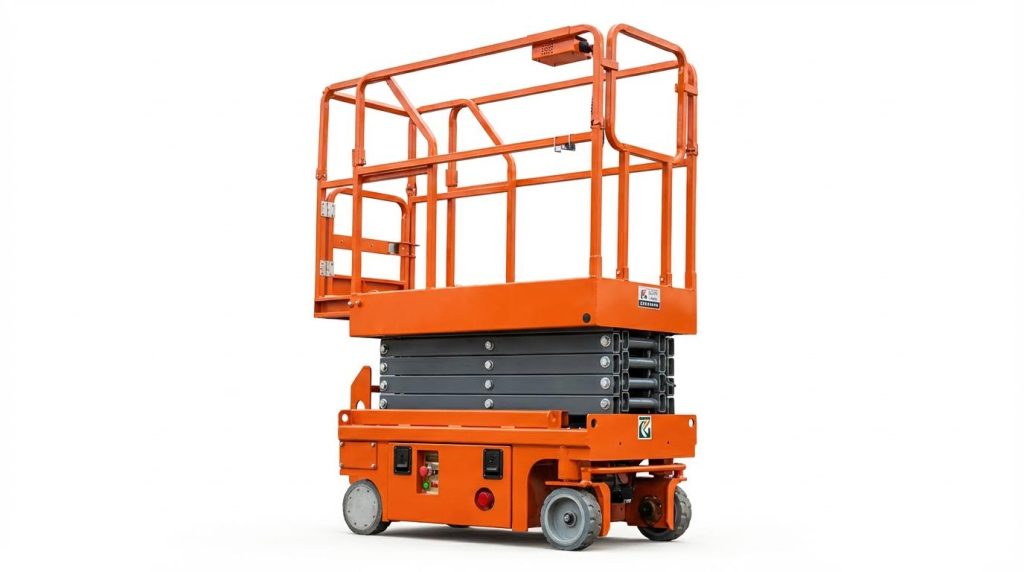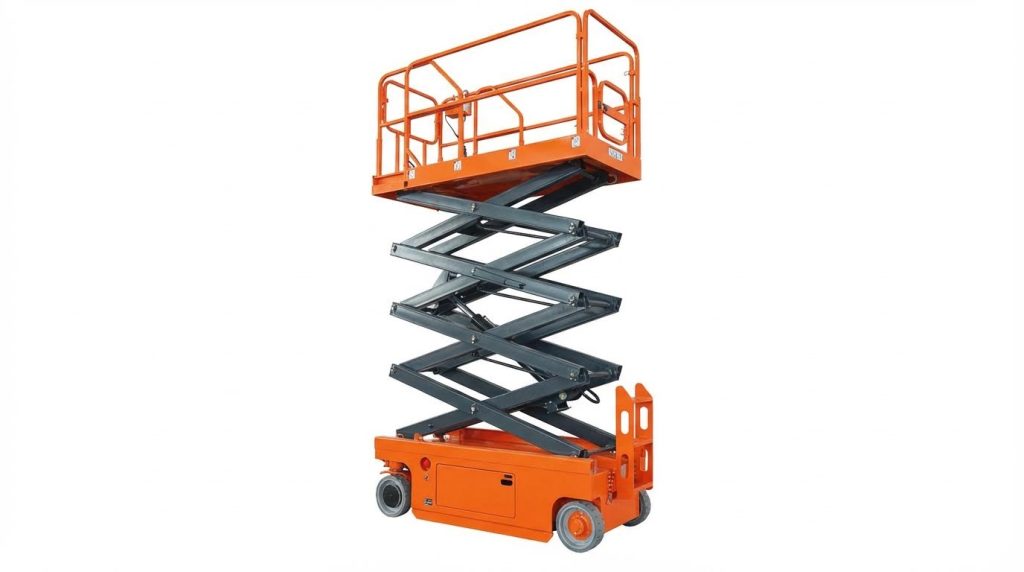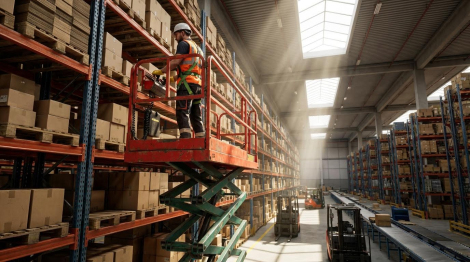
Aerial work platform training answered the question “what is aerial work platform training” by defining the legal, technical, and operational competencies required to operate MEWPs and AWPs safely. This article outlined core regulatory obligations, standards-based requirements, and how CSA, ANSI, OSHA, and provincial rules shaped certification, renewal, and site-specific instruction.
It then detailed what AWP training needed to cover, including hazard identification, inspections, safe operation, stability, load management, fall protection, and emergency response. Further sections examined delivery formats, theory and practical evaluation methods, integration with preventive maintenance, and the growing role of digital tools and AI-based monitoring.
Core Legal And Standards-Based Training Requirements
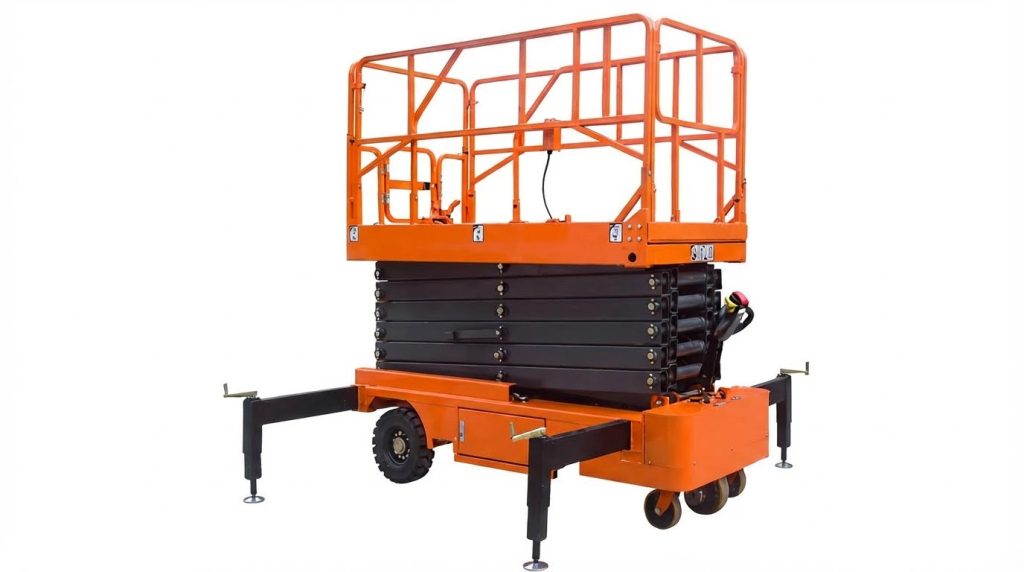
Core legal and standards-based requirements define what aerial work platform training must include to be compliant and defensible. Anyone asking “what is aerial work platform training” needs to understand that regulators focus on operator competence, documented proof of training, and machine- and site-specific instruction. These requirements link legislation with CSA/ANSI/OSHA standards and impose clear duties on employers, supervisors, and operators. Properly structured programs reduce fall, tip-over, and electrocution risks and support safe daily operation.
Regulatory Obligations For AWP/MEWP Operators
Regulatory obligations for AWP and MEWP operators arose from occupational health and safety laws and specific powered-lift regulations. In jurisdictions such as Ontario, industrial and construction regulations required that only trained and competent workers operated elevated work platforms, with explicit references in sections like Reg. 851 s.51(2) and Reg. 213/91 s.96(1). Similar duties existed under OSHA 29 CFR 1926.453 in the United States and under national OHS acts in other regions. Employers had to ensure operators understood hazards, controls, fall protection, and emergency procedures before operating. Regulators also expected employers to verify competency, not just provide a course, through supervision and practical evaluation on the actual or equivalent equipment.
CSA, ANSI, OSHA, And Provincial Compliance
Compliance frameworks combined statutory law with consensus standards. CSA B354 series and ANSI A92 standards defined technical requirements for MEWP design, safe use, and training content, while OSHA and provincial ministries enforced legal obligations. Typical aerial work platform training aligned theory modules with these standards, covering legislation, machine classifications, load charts, stability principles, inspections, and safe operating rules. Programs that followed CSA B354.1, B354.2, B354.4 and ANSI A92.3, A92.5, A92.6 supported due diligence because they reflected industry best practice. Provincial or state-level regulations often added requirements for fall protection, rescue planning, and documentation, so employers had to map their training matrix to both national standards and local law. Auditable alignment between course content, written exams, and practical evaluations helped demonstrate compliance during inspections or incident investigations.
Certification Validity, Renewal, And Recordkeeping
Certification rules for aerial work platform training specified validity periods, renewal triggers, and documentation formats. In Ontario, operator certificates typically remained valid for 36 months, after which refresher training or re-evaluation was required. Some employers adopted shorter internal intervals where risk exposure was high or equipment changed frequently. A compliant program kept detailed records that included trainee name, date of theory and practical completion, equipment categories covered, instructor or evaluator identity, and exam results. These records supported legal defense and internal safety management, especially after incidents. When operators changed employers, portable certificates documented prior training, but the new employer still had to verify competency and provide any missing site- or model-specific instruction.
Site-Specific And Model-Specific Training Needs
Beyond generic aerial work platform training, standards and regulations required site-specific and model-specific instruction. Site-specific training addressed local hazards such as slopes, traffic routes, overhead power lines, confined spaces, and weather exposure. Operators learned designated travel paths, exclusion zones, communication protocols, and local emergency procedures, including rescue plans for work at height. Model-specific training focused on the exact MEWP type the operator used, including control layouts, safety devices, emergency lowering systems, fuel or energy source hazards, and unique stability limitations. ANSI A92.2 and related standards obligated employers to ensure operators received familiarization on each distinct unit, not just on a generic class. Combining legal, site, and model requirements created a layered training system that better controlled real-world risk than a single one-time course.
What Aerial Work Platform Training Must Cover
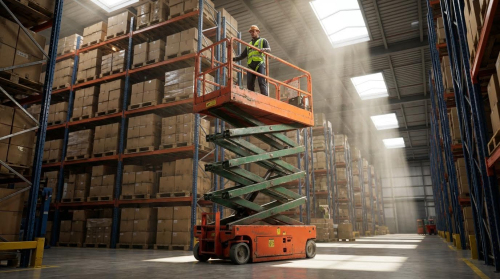
When safety managers ask “what is aerial work platform training,” they refer to a structured program that builds operator competency for AWPs and MEWPs. A compliant program covers hazard recognition, inspections, safe operation, load management, fall protection, and emergency procedures aligned with CSA, ANSI, OSHA, and provincial rules. Content must address both theory and hands-on skills, tied to specific models and site conditions. The following sections outline the technical scope that competent training must cover.
Hazard Identification And Risk Assessment
Aerial work platform training must teach operators to identify task, equipment, and environmental hazards before elevation. Workers learn to recognize overhead power lines, energised conductors, traffic, unstable ground, slopes, depressions, and obstructions that could cause tip-over or collision. Training explains typical incident patterns, including entrapment, crushing against structures, falls from height, and dropped-object strikes on ground workers. Operators practice structured risk assessment: defining the task, mapping travel and elevation paths, rating likelihood and severity, and selecting controls such as exclusion zones, spotters, or alternate access methods. Courses also stress the importance of consulting the operator’s manual, safety decals, and site procedures to capture model-specific and site-specific hazards. By the end, operators must demonstrate they can document a pre-job hazard assessment and adjust work methods when conditions change.
Pre-Use Inspection, Function Tests, And Tag-Out
Competent AWP training defines a systematic pre-use inspection process consistent with manufacturer instructions and CSA/ANSI requirements. Operators learn to inspect structural components such as booms, scissor stacks, welds, platforms, guardrails, and anchorage points for cracks, deformation, or corrosion. Training covers checking tires, wheels, lug nuts, hydraulic hoses, cylinders, electrical cables, batteries, fluid levels, and visible leaks, as well as verifying the condition and legibility of safety decals and load charts. Function tests include operating all controls from the platform and ground, testing emergency stop, emergency lowering, brakes, steering, tilt or load sensors, alarms, and interlocks before elevating. Courses must clearly define tag-out criteria: abnormal noises, sluggish or erratic controls, warning lights, structural damage, leaking hydraulics, or malfunctioning safety devices require immediate removal from service. Operators learn to apply tags, secure keys, document defects, and ensure only qualified maintenance personnel return the unit to service, linking daily checks to the broader preventive maintenance program.
Safe Operation, Stability, And Load Management
Training must explain the stability principles that govern aerial work platform operation. Instructors describe the stability triangle or polygon, centre of gravity movement, the effect of platform extension, and how wind, slope, and dynamic braking influence tip-over risk. Operators learn to verify that the selected machine matches the required height, outreach, and rated load, including tools and materials, without exceeding the platform capacity or allowable occupants. Courses emphasize proper load distribution on the platform floor, avoiding concentrated loads at the guardrails, and preventing entanglement with hoses, cords, or cables. Safe driving practices include maintaining low travel speed, avoiding sudden starts, stops, or turns, respecting slope and wind limits, and never using the platform as a crane, jack, or support against structures. Training also covers approach to edges, loading docks, and floor openings, as well as restrictions on travelling elevated, based on manufacturer limits. Operators must understand that any instability indicator, unexpected motion, or snagging event requires lowering the platform, unloading occupants, and using ground controls to free the machine.
Fall Protection, Rescue, And Emergency Response
Aerial work platform training must define fall protection requirements by platform type and manufacturer instructions. Operators and occupants learn correct use of guardrails as primary fall protection and when personal fall protection systems such as restraint or arrest lanyards and harnesses are mandatory. Instruction covers proper anchorage points on the platform, lanyard selection, adjustment to limit free-fall distance, and the prohibition on tying off to external structures. Courses teach safe body positioning: maintaining firm footing on the deck, keeping both feet inside the platform, and never standing on guardrails, toe boards, ladders, or makeshift supports for extra reach. Rescue and emergency response modules explain how to use ground and auxiliary lowering controls, how to communicate with ground crews, and how to activate site emergency plans. Trainees review procedures for platform entrapment, medical emergencies at height, power loss, and severe weather, including high winds or lightning. Employers must integrate this training with site-specific rescue plans so that all involved personnel know their roles and can execute a timely, coordinated response.
Training Delivery, Evaluation, And Maintenance Links
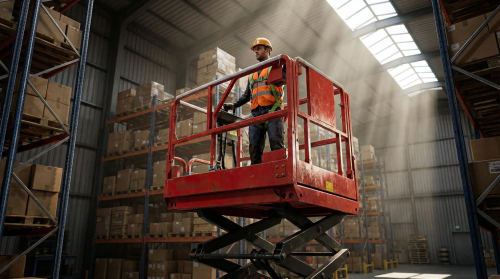
When safety managers ask what is aerial work platform training, they usually focus on delivery, evaluation, and how it links to maintenance. This section explains how to structure theory and practical training, verify operator competence, and embed training into preventive maintenance and digital documentation systems.
Classroom, Online, And Blended Training Formats
Aerial work platform training used structured formats that balanced regulatory content and practical relevance. Traditional classroom delivery supported detailed discussion of CSA, ANSI, OSHA, and provincial rules, machine stability principles, and case studies of incidents. Typical in‑class theory blocks lasted 3–4 hours and ended with a written exam. Online courses offered self‑paced modules of similar duration, often around 4 hours, that covered legislation, hazard types, inspection requirements, and operational rules using interactive media. Blended formats combined online theory with in‑person demonstrations and hands‑on operation, which improved scheduling flexibility while still supporting direct instructor feedback. Safety managers selected the format based on workforce literacy, shift patterns, and site risk profile, but ensured every format met jurisdictional and standard-specific content requirements. For SEO, clearly explaining what is aerial work platform training across these formats helped align user intent with technical detail.
Theory Exams, Practical Evaluations, And Competency
Competency-based assessment answered a key aspect of what is aerial work platform training for regulators and insurers. Theory exams typically required at least 80% to pass and verified understanding of legislation, machine components, stability, fall protection, and emergency procedures. Providers often allowed up to three attempts, but documented all scores for audit purposes. Practical evaluations had to occur on the specific AWP or MEWP models used at the site, within defined time windows, for example within 90 days of theory completion in some jurisdictions. Evaluators checked pre‑use inspections, function tests, safe driving and elevating, load management, and communication with ground crews. Organizations treated competency as ongoing, not a one‑time event, by using refresher training cycles, supervisor ride‑alongs, and incident-triggered re‑evaluations. This approach aligned with CSA and ANSI expectations that operators demonstrated both knowledge and skill for each equipment category and configuration.
Integrating Training With Preventive Maintenance
Linking training content to preventive maintenance closed a critical safety loop. Operators learned not only how to perform pre‑use inspections but also why defects such as hydraulic leaks, damaged guardrails, worn tires, or unreadable decals created specific failure modes. Training modules referenced daily, weekly, monthly, and annual inspection regimes and clarified which findings required immediate tag‑out versus scheduled repair. Maintenance teams used feedback from operator checklists and defect reports to adjust inspection intervals based on duty cycle, environment, and seasonal stressors such as heat or humidity. When workers understood how their pre‑start checks influenced component life and downtime, compliance with inspection procedures improved. Organizations also integrated training outcomes into maintenance KPIs, tracking defect trends by crew or site to identify gaps in understanding. This integration made the answer to what is aerial work platform training broader than operator skills alone; it became a core element of asset management.
Digital Tools, AI Monitoring, And Documentation
Digitalization reshaped how organizations delivered and documented aerial work platform training. Learning management systems stored course content, tracked learner progress, and issued digital certificates that supervisors could verify in real time. Electronic pre‑use inspection apps replaced paper forms, enforced mandatory fields, and time‑stamped findings, which improved traceability for audits and investigations. Some fleets adopted telematics and AI‑assisted monitoring to flag unsafe behaviors such as overloads, excessive tilt, abrupt stops, or frequent overload alarms. These data streams fed back into targeted refresher training for specific operators or crews. Centralized digital records linked training dates, exam scores, practical sign‑offs, and maintenance history for each unit and operator, supporting compliance with 36‑month recertification rules in jurisdictions such as Ontario. By explaining what is aerial work platform training in this data-driven context, safety programs moved from static certification toward continuous performance management and risk reduction.
Summary Of AWP Training Requirements And Best Practices
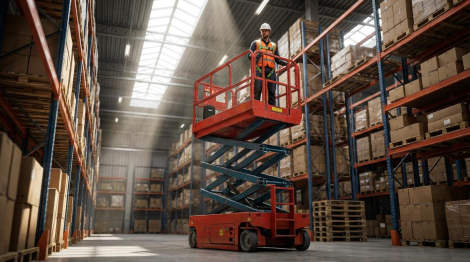
Aerial work platform training answered the core question “what is aerial work platform training” by defining it as a structured legal requirement, not optional upskilling. Regulations such as OSHA 1926.453, CSA B354 series, ANSI A92 standards, and provincial rules in Ontario and other jurisdictions mandated formal instruction, practical evaluation, and documented certification before an operator used any MEWP or AWP. Validity periods typically reached 36 months, after which refresher or recertification training restored compliance and addressed new technology, incidents, or site conditions.
Best-practice training programs integrated four technical pillars. First, they focused on hazard identification, risk assessment, and site evaluation, including terrain, overhead power lines, traffic, weather, and dropped-object risks. Second, they embedded pre-use inspection, function testing, and strict tag-out procedures so defective units never entered service. Third, they emphasized safe operation, stability, and load management, with clear limits on platform capacity, reach, wind ratings, and slope operation. Fourth, they covered fall protection, rescue planning, and emergency response, linking PPE use and rescue drills directly to manufacturer instructions and standards.
Delivery models evolved toward blended formats that combined classroom or online theory with supervised hands-on practice on the exact model used on site. Digital tools, AI-based monitoring, and electronic recordkeeping improved traceability of certifications, inspection history, and maintenance actions. Forward-looking organizations tied operator training to preventive maintenance programs, ensuring that inspection findings flowed into maintenance work orders and that technicians understood operational risk factors. Over time, the industry trend pointed toward more data-driven oversight, faster update cycles for training content, and closer alignment between regulatory expectations, equipment design, and real-world jobsite practices, while still relying on competent trainers and supervisors to verify operator competency in the field.