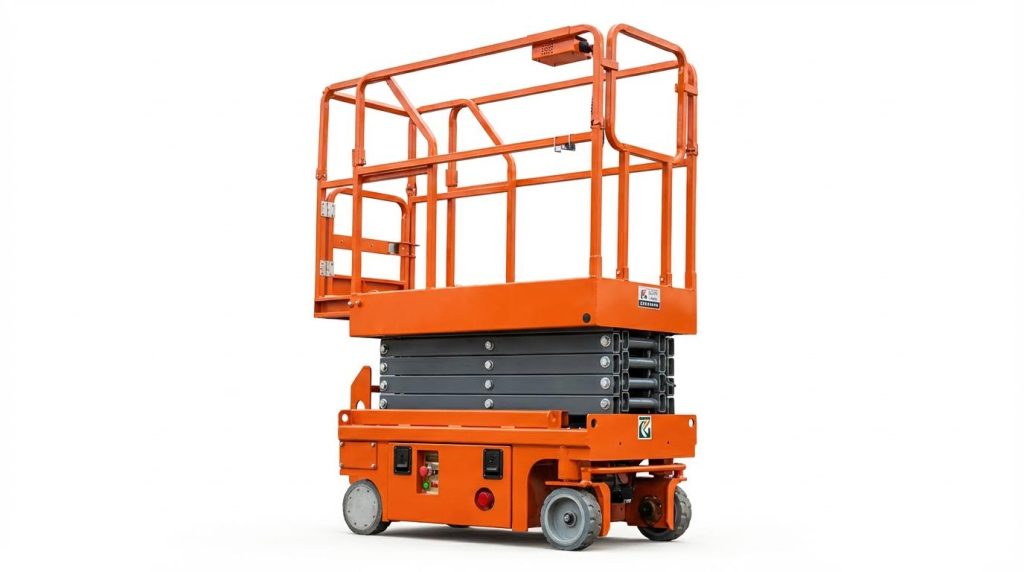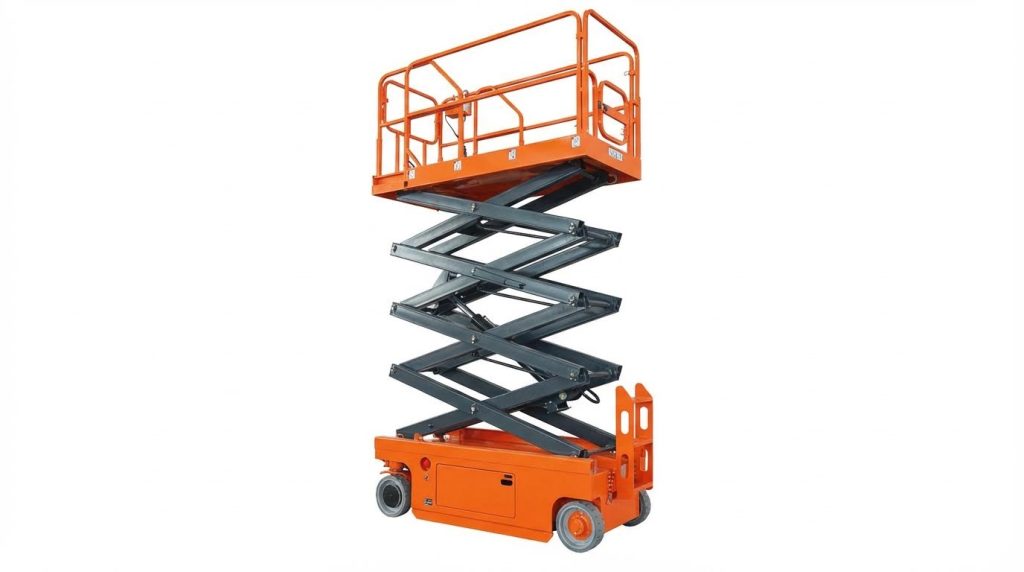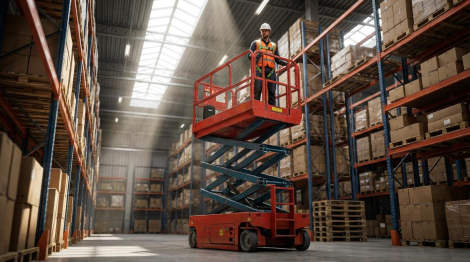
If you are asking “why won’t my aerial platform lift,” you need a structured, technical way to isolate the fault quickly and safely. This guide walks through how modern MEWP lift systems work, what symptoms to look for, and how to diagnose hydraulic, electrical, and control issues step by step. You will also see how to build ANSI/OSHA-compliant inspection routines that prevent repeat failures and protect uptime. Use this as an engineering-focused checklist to get the platform elevating again while controlling risk, cost, and total cost of ownership.
Understanding Why MEWPs Fail To Elevate
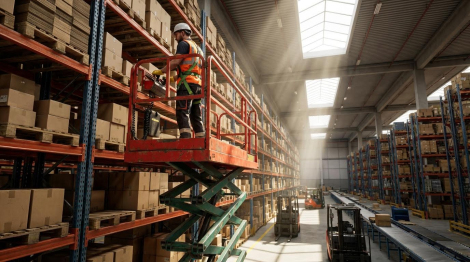
Key lift systems in modern aerial platforms
When you ask why won’t my aerial platform lift, you are usually dealing with a fault in one of three core systems: hydraulic, electric, or control/safety. Modern MEWPs rely on a hydraulic power pack, cylinders, and valves to generate lifting force, with electric motors, batteries, and wiring providing the energy and logic to move oil and command actuators. A properly maintained hydraulic system keeps platform and boom movements smooth and reliable and prevents leaks that degrade performance and safety. Hydraulic components, electrical circuits, and structural elements such as booms, pins, and platforms must all work together for safe elevation. To protect against unintended motion, manufacturers integrate interlocks, tilt and load sensors, foot switches, emergency stops, and control valves that must all be in the correct state before the machine will lift. Regular inspection of safety devices, structural integrity, and fluid levels is essential to keep these systems available when elevation is commanded.
- Hydraulic subsystem: pump, reservoir, control valves, hoses, and lift cylinders.
- Electrical subsystem: batteries or engine-driven power source, wiring, relays, and control modules.
- Control and safety: joysticks, platform controls, foot switches, tilt and load sensors, and emergency stops.
Failures in any of these areas can prevent the platform from leaving the ground, even if the rest of the machine seems to power up normally.
Typical symptoms when the platform will not lift
Typical field complaints start with a simple question: why won’t my aerial platform lift even though it turns on. The answer often lies in recognizable symptoms that point toward hydraulic, electrical, or control issues. Reduced or zero lifting speed, difficulty raising rated loads, or a platform that creeps down after reaching height are classic signs of hydraulic cylinder wear, including worn seals and joints that allow internal or external leakage. Visible oil around rod seals, misaligned components, or physical damage such as dents and cracks are strong indicators of cylinder failure and loss of lifting capacity. Erratic or jerky elevation, hissing noises, or pauses in movement can indicate air trapped in actuators or lines, contamination, or partially obstructed ports and fittings. In some cases, twisted gear teeth, internal leaks in counterbalance or control valves, or fittings protruding into the flow path cause slow or halted motion. Other machines will refuse to lift at all if safety circuits detect a fault, such as a pressed emergency stop, open gate, failed tilt sensor, or load-sensing system reading an overload. Routine operational and safety inspections are designed to catch these issues before they result in total loss of elevation.
- No lift at all: often linked to interlocks, emergency stops, or complete hydraulic/electrical power loss.
- Slow or weak lift: commonly associated with low pressure, low flow, internal cylinder leaks, or pump problems.
- Jerky or erratic lift: frequently caused by air ingress, contamination, or mechanical binding in actuators or booms.
- Platform drifting down: typically points to internal leakage in valves or cylinder seals that cannot hold position. Internal leakage tests and valve bypass checks help confirm these faults.
Understanding these patterns allows technicians and supervisors to move quickly from the question of why the platform will not lift to targeted diagnostics on the correct subsystem.
Step-By-Step Diagnostics: Hydraulic, Electric, And Control
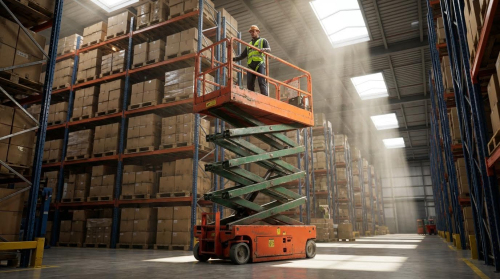
Verifying power supply, interlocks, and safety devices
When you ask “why won’t my aerial platform lift,” start by confirming the machine can actually enable lift commands. Verify the main power source first: battery voltage or engine charging output must be within the manufacturer’s range, and all battery, chassis, and ground connections must be tight and free of corrosion. Inspect the electrical system wiring, controls, and terminals for loose lugs, damaged insulation, or burnt contacts that could interrupt power to lift valves or drive pumps. Regular checks of wiring, controls, batteries, and connections helped prevent many lift malfunctions in the field. Electrical system inspections reduce malfunctions and electrical hazards.
- Confirm all emergency-stop buttons are released and functional.
- Check platform foot switch or enable switch for correct operation and proper “neutral” return. Proper foot switch and neutral switch operation are critical inspection items.
- Verify tilt, load-sensing, and other cutout sensors are not tripped and that wiring to these devices is intact. Routine inspection of tilt and load sensors helps detect issues early.
Finally, perform a functional test from ground and platform controls with no load. If the machine drives or steers but will not elevate, the problem is likely in the lift control circuit, interlocks, or hydraulic path rather than the main power source.
Hydraulic pressure, flow, and cylinder integrity checks
If power and interlocks are correct and the platform still will not rise, move to the hydraulic system. Many “why won’t my scissor platform lift” complaints trace back to low pressure, insufficient flow, or a compromised lift cylinder. Start with a visual inspection for external leaks at hoses, fittings, and components, and look for cracks or corrosion on hydraulic parts. Leaks, wear, cracks, and corrosion are primary inspection targets in hydraulic systems.
Next, connect pressure gauges at the lift circuit test ports and compare readings to the specified range under load. Pressure gauges are standard tools to detect deviations from normal operating pressure. If pressure is correct but lift speed is slow or stalled, verify pump output and valve settings with a flow meter. Flow meters confirm whether the circuit delivers the expected flow or is restricted.
Assess cylinder integrity by checking for:
- Reduced lifting speed or capacity under rated load.
- Visible fluid leaks at rod seals and ports.
- Dents, cracks, or misalignment of the barrel and rod. Reduced lift performance, external leaks, and physical damage are key signs of cylinder failure.
Worn seals, overpressure, and harsh environments often caused these failures in service. Overloading, extreme temperatures, and corrosive conditions accelerate cylinder wear and leakage. If test results show that the cylinder cannot hold pressure or extend smoothly at rated load, plan for repair or replacement before returning the machine to service.
Detecting internal leaks, air ingress, and contamination
When external components appear intact but the platform still refuses to elevate or drifts down, focus on internal leakage, trapped air, and fluid contamination. Internal leaks in control valves or piston seals can cause the boom or scissor stack to creep or fail to maintain position. Failure to maintain selected position is often linked to internal valve or piston seal leakage, or air in the actuator.
To confirm internal leaks, technicians typically:
- Isolate sections of the circuit by temporarily bypassing or blocking valves.
- Disconnect return lines and observe excess flow from ports that should be closed. Service procedures recommend internal leakage tests to pinpoint faulty valves or actuators.
Air ingress and contamination also contribute to “why won’t my scissor platform lift” issues. Air trapped in actuators or lines causes spongy, erratic motion and noisy operation. Erratic operation is frequently tied to air in the actuator or mechanical binding. Use proper bleeding procedures after hose or component changes. Check the fluid with contamination tests and viscosity measurements to ensure it is within the correct range. Particle counting and viscosity checks reveal contamination and out-of-spec fluid that can damage pumps and valves.
Abnormal hissing, knocking, or cavitation noises often indicate air or pump distress, so listen carefully during test cycles. Noise analysis helps identify air in the system or failing pumps. Correcting these underlying fluid issues restores stable pressure and flow, which is essential for reliable lifting performance.
Preventive Strategies To Avoid Future Lift Failures
Structuring ANSI/OSHA-compliant inspection routines
Well-structured inspections are the main reason you avoid asking “why won’t my aerial work platform lift” in the first place. Build a three-tier routine: pre-use checks by operators, frequent inspections at set hour intervals, and annual inspections by a qualified person to align with ANSI A92 and OSHA expectations. Pre-use checks should cover hydraulic leaks, electrical controls, tires, platform structure, decals, and safety devices, using a simple checklist format for consistency. Frequent and annual inspections must go deeper into structural integrity, hydraulic and electrical systems, and control logic, with findings documented and tracked for corrective actions.
- Hydraulic and electrical systems: Inspect hoses, fittings, and components for leaks, wear, cracks, and corrosion, and verify wiring, terminals, and connectors for damage or looseness. Checking for leaks and visible wear is a core step of hydraulic system inspection and should be logged with date, hour meter, and inspector name.
- Platform, boom, and structure: Check platform and guardrails for tight fasteners, intact toe boards, latches, and railings, and verify control panel operation and labels. Routine inspection of boom pins, pivot points, and lube fittings keeps elevation smooth and controlled, reducing the risk of binding or sudden loss of motion.
- Safety devices and documentation: Test emergency stop buttons, tilt and load sensors, alarms, and interlocks for correct function. Confirm decals, capacity charts, and warning labels are legible and complete, replacing any that are missing or damaged to maintain OSHA-compliant operator information. Regular inspection of safety devices, structural components, and fluid levels is a key recommendation for MEWP reliability.
- Inspection governance: Use standardized forms tied to asset ID and hour meter readings, and store them centrally for audits. Align your inspection frequencies with OEM guidance, but ensure at least annual inspections by a certified technician to meet OSHA and ANSI requirements. Annual inspections by qualified personnel are widely recommended for regulatory compliance and reliability.
Typical inspection checklist elements
Common checklist items include: fluid level checks, visible leak checks, tire/track condition, platform controls, ground controls, emergency descent, alarms, harness anchor points, and surrounding work area hazards. Standardizing these items across your fleet improves consistency and training quality.
Fluid management, temperature control, and component testing
Many cases where an owner asks “why won’t my aerial platform lift” trace back to poor fluid management and untested components. Hydraulic fluid must be kept at the correct level, cleanliness class, and viscosity range for the climate to protect pumps, valves, and cylinders. Regular fluid analysis for particles and contamination helps you detect wear, ingress, or wrong oil before they cause low pressure or sluggish lift. Temperature monitoring and periodic component testing then close the loop, confirming that the system performs within design limits under load.
- Fluid quality and contamination control: Implement scheduled sampling of hydraulic fluid to measure particle count and contamination levels, and verify viscosity against OEM recommendations. Contaminants and incorrect viscosity are known contributors to pump and component failures, which quickly show up as reduced lifting speed or inability to reach full height.
- Temperature monitoring and operating conditions: Track hydraulic fluid and key component temperatures using installed sensors or handheld thermometers. Temperatures above the optimal range indicate lubrication or cooling problems and accelerate seal and oil degradation. Combine this with rules for avoiding extreme ambient temperatures and corrosive environments, which are known to shorten cylinder life and increase leak risk. Operating cylinders within moderate temperatures and stable conditions significantly reduces failure risk.
- Component-level testing: At planned intervals, test pumps, valves, cylinders, and actuators individually to confirm smooth motion and correct response. Component testing verifies that cylinders move without sticking and that valves shift cleanly, helping you catch internal leaks or binding before they become lift failures.
- Pressure, flow, and performance trending: Use gauges and flow meters at test points to record system pressure and flow under standard load. Monitoring pressure and flow against specified ranges, and comparing performance with OEM data, is a proven way to detect emerging hydraulic issues. Combine these readings with noise analysis to identify cavitation, air ingress, or pump distress early, long before the platform refuses to elevate.
| Preventive action | Primary objective | Failure mode prevented |
|---|---|---|
| Routine ANSI/OSHA-aligned inspections | Early detection of defects and non-compliance | Unexpected no-lift events due to missed damage |
| Scheduled fluid analysis and changes | Maintain cleanliness and correct viscosity | Pump, valve, and cylinder wear leading to low lift force |
| Temperature and noise monitoring | Identify abnormal operating conditions | Overheating, cavitation, and accelerated seal failure |
| Periodic component testing | Verify individual component function under load | Hidden internal leaks and sticking actuators |
“”
Final Thoughts: Restoring Uptime And Protecting TCO
Lift failures in aerial work platforms rarely come from a single weak part. They usually reflect how the hydraulic, electrical, and control systems interact under real loads and real environments. When you follow a structured diagnostic path, you cut downtime and avoid guesswork. Start with power, interlocks, and safety devices. Then prove hydraulic pressure, flow, and cylinder health. Finally, rule out internal leaks, air, and contamination. Each step protects technicians from unsafe tests and prevents damage to pumps, valves, and cylinders.
The same logic applies to prevention. ANSI/OSHA-aligned inspections, disciplined fluid management, and periodic component testing turn random “no lift” events into predictable, manageable maintenance tasks. Uptime and total cost of ownership improve when you treat pressure readings, flow tests, fluid samples, and temperature trends as decision data, not paperwork. For operations and engineering teams, the best practice is clear: lock in a written inspection program, standardize test methods and tools, train technicians on failure patterns, and act early on small deviations. That approach keeps Atomoving aerial platforms lifting on demand while protecting people, budgets, and schedules.
Frequently Asked Questions
Why won’t my aerial work platform lift?
If your aerial work platform isn’t lifting, start by checking the hydraulic fluid levels. Low fluid can prevent proper operation. Also, inspect for any debris blocking the valve and clean it if necessary. Lubricating moving parts may help if stiffness is causing the issue. For persistent problems, examine the hydraulic hoses for leaks or damage. If these steps don’t resolve the issue, consult a professional technician to avoid further damage or safety risks. Troubleshooting Help.
What are common reasons for lift failure?
Common reasons for lift failure include low hydraulic fluid levels, air trapped in the hydraulic lines, or damaged hoses. Check the latches and ensure they are properly adjusted. Insufficient air pressure in pneumatic systems can also cause issues. If simple fixes like refilling fluids or bleeding air don’t work, there might be a major leak or component damage requiring professional repair. Lift Troubleshooting Guide.
How do I maintain my aerial work platform?
To maintain your aerial work platform, regularly check and refill hydraulic fluids. Ensure all moving parts are well-lubricated to prevent stiffness. Inspect hoses and lines for signs of wear or leaks. Keep the area around valves clear of debris. Routine inspections and timely repairs can extend the life of your equipment and prevent unexpected failures. For detailed maintenance schedules, refer to the manufacturer’s guidelines. Scissor Lift Maintenance Tips.