Plants and contractors asking what is aerial work platform need a clear view of both design and risk. This article explains how aerial work platforms are built, how they move, and which performance metrics matter for safe work at height.
You will see how different platform types, from scissor lifts to truck-mounted booms, match specific industrial and construction tasks. The safety section links OSHA and ANSI rules to real hazard modes and practical engineering controls on site.
The final part turns these details into strategic guidance for selecting, operating, and standardizing AWPs across fleets and facilities. It helps engineers, safety teams, and project managers align on one consistent approach to elevated work access.
Core Functions And Design Of Aerial Work Platforms
Engineers who ask what is aerial work platform focus on three design pillars. These are safe elevation, precise positioning, and stable support at height. This section explains how AWPs deliver these functions through their components, kinematics, and structural choices. It also links performance metrics to real job site constraints like reach, capacity, and duty cycles.
Definition, Components, And Key Performance Metrics
An aerial work platform is a mechanical device that lifts people or tools to elevated work areas. It replaced ladders and temporary scaffolds on many sites because it moves faster and controls risk better. Typical systems include a base chassis, lifting structure, platform or basket, and control systems.
Key subsystems usually include:
- Support system: wheels, tracks, or outriggers for stability.
- Lifting system: scissor stack, telescopic boom, or articulated boom.
- Powertrain: electric, diesel, hybrid, or manual actuation.
- Safety systems: guardrails, interlocks, load sensors, and emergency descent.
Core performance metrics answer what is aerial work platform capability on a given model. Common metrics include maximum working height, horizontal outreach, and rated platform capacity. Engineers also track platform size, gradeability, and setup envelope. Typical safe working loads range from about 150 kilograms for compact vertical masts to over 300 kilograms for larger booms. Duty cycle, lift speed, and positioning accuracy affect productivity and battery or fuel sizing.
Common AWP Configurations And Motion Envelopes
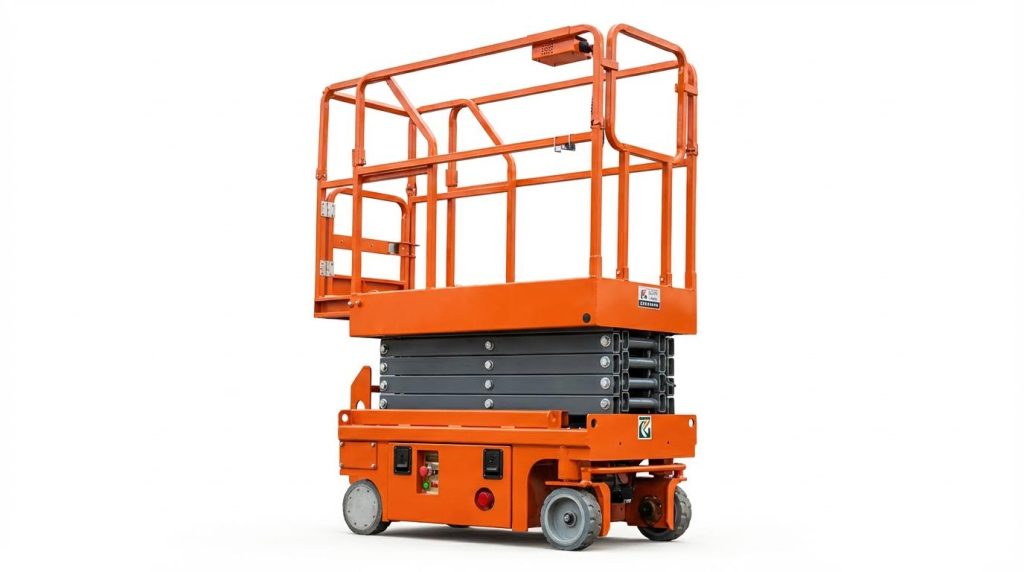
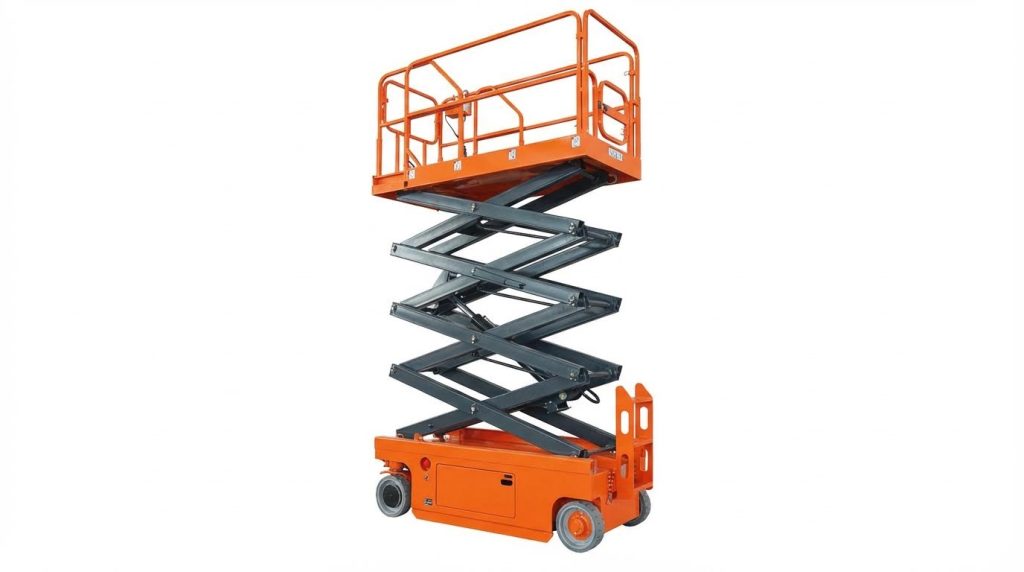
AWPs fall into several mechanical layouts that define how the platform moves in space. Scissor lifts provide vertical motion inside a fixed footprint. They suit slab work where reach is less important than deck area and capacity. Vertical masts offer small platforms with compact bases. They fit tight aisles and indoor maintenance.
Boom-type AWPs use articulated or telescopic sections to reach over obstacles. Articulating booms create complex motion envelopes with up-and-over reach. They access work behind pipe racks, conveyors, or façade elements. Telescopic booms extend in a near straight line. They offer long horizontal outreach and high working heights, useful for steel erection or façade work.
Vehicle-mounted and truck-mounted platforms add road mobility. Their motion envelope depends on boom geometry and outrigger span. Engineers review manufacturer load charts that link outreach, boom angle, and platform load. These charts define the safe working envelope and limit controls. Understanding each motion envelope is key when users search what is aerial work platform best suited for a task.
Materials, Powertrains, And Structural Design Choices
Structural design balances strength, stiffness, weight, and corrosion resistance. Main booms and scissor arms usually use high-strength low-alloy steel for good fatigue life. Some designs add aluminum or fiber-reinforced composites in platforms and covers to cut mass and improve insulation. Guardrails and floors must resist impact and local loads from tools and materials.
Powertrain choice depends on work environment. Electric drives and battery power dominate indoor and urban sites because they emit no exhaust and reduce noise. Typical systems use electric traction motors with hydraulic pumps for lift functions. Diesel or dual-fuel units support rough terrain use and long duty cycles outdoors. Hybrid concepts combine battery operation with engine charging to cut idle time and fuel use.
Engineers design chassis and outriggers to control ground pressure and stability. Wide wheelbases, low centers of gravity, and automatic leveling systems increase the safe operating window. Control architectures integrate proportional valves, sensors, and logic to limit motion when loads, slopes, or outreach approach limits. When users ask what is aerial work platform reliability driven by, the answer lies in these structural and system-level choices plus disciplined inspection and maintenance.
Major AWP Types And Industrial Applications
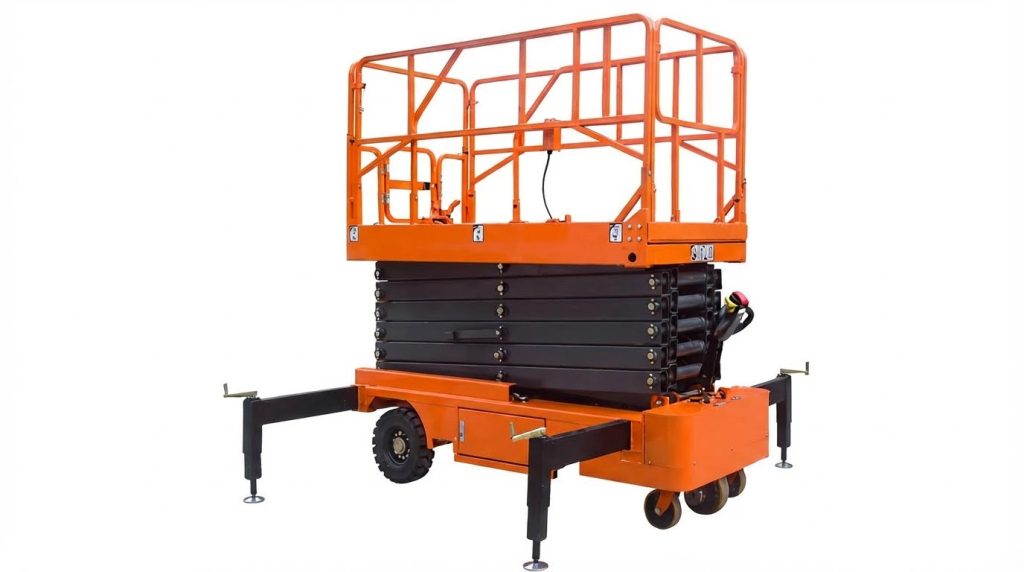
Engineers who ask what is aerial work platform usually want to match lift type to task, height, and work envelope. This section explains how scissor lifts, boom lifts, and vehicle-mounted platforms differ in reach, stability, and mobility. It links each aerial work platform type to typical plant, construction, and maintenance applications. The goal is a clear selection logic that supports safe, efficient work at height.
Scissor Lifts, Vertical Masts, And Personnel Lifts
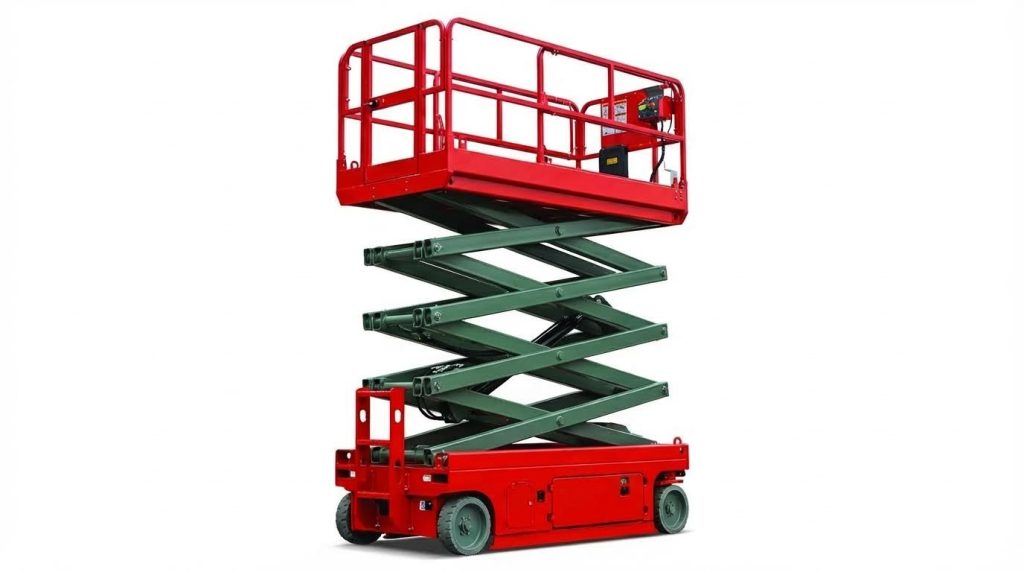
Scissor lifts raise a rectangular platform using crossed steel arms. They move only vertically and offer high platform capacity. Typical uses include indoor maintenance, fit-out work, and low to mid-height construction tasks. Their simple motion and large deck suit repetitive up-and-down work with tools and materials.
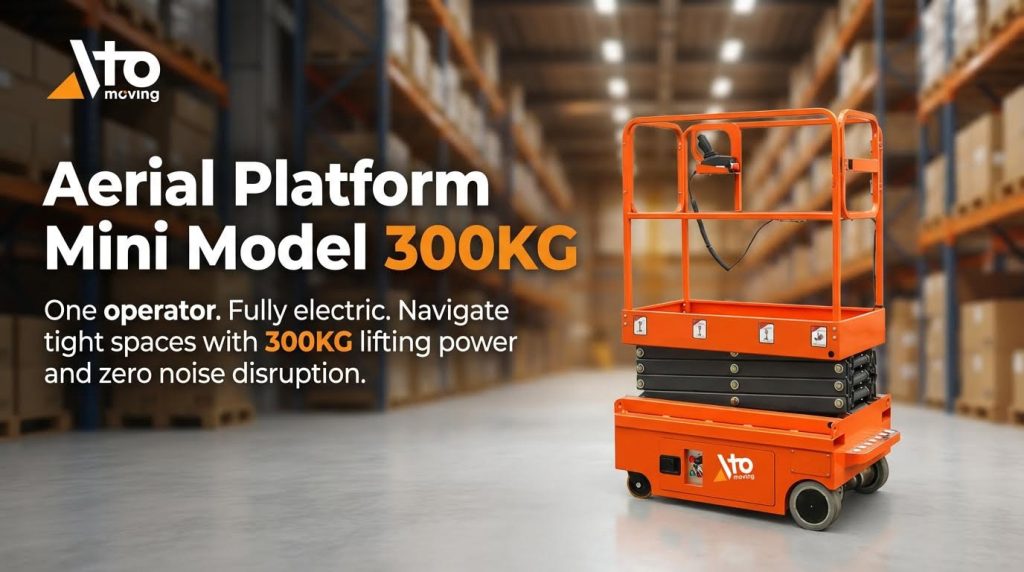
Vertical mast lifts use a telescopic mast with a compact base. They fit through standard doors and narrow aisles. Plants use them for racking maintenance, light installations, and equipment access in congested zones. Personnel lifts are even lighter and often push-around units, ideal for short-duration tasks that replace ladders.
| Type | Primary motion | Typical strength | Typical use |
|---|---|---|---|
| Scissor lift | Vertical only | High capacity, stable deck | Installations, indoor construction |
| Vertical mast | Vertical, small outreach | Small footprint | Aisle and plant maintenance |
| Personnel lift | Vertical | Very light, simple setup | Service work replacing ladders |
Articulating And Telescopic Boom Lifts
Articulating booms use multiple joints to move up-and-over obstacles. They reach around pipe racks, conveyors, and building features. This makes them effective where direct vertical access is blocked. They are common in refineries, process plants, and complex building facades.
Telescopic boom lifts use straight extending sections. They provide long horizontal outreach with precise positioning. These lifts suit steel erection, façade work, and wind turbine or tower maintenance. When engineers compare what is aerial work platform capability, they often focus on working height and horizontal outreach of these boom types.
Typical engineering checks include:
- Required working height plus safety clearance.
- Horizontal reach to the work face.
- Rated platform load for people and tools.
- Ground conditions for wheel or track loads.
Boom lifts often integrate advanced controls, envelope management, and automatic limiting. These systems help keep operation within safe load and reach limits.
Vehicle-Mounted Platforms And Truck-Mounted Booms
Vehicle-mounted platforms place a boom lift on a road-going chassis. They move quickly between dispersed sites. Utilities, telecom, and roadside maintenance teams use them for poles, signs, and lighting. Setup time is short, which improves productivity on multi-stop routes.
Truck-mounted booms can reach very large heights and outreach. Heavy-duty units support work on high façades, bridges, and industrial stacks. Outriggers spread loads into the ground and stabilize the chassis. Engineers must verify bearing pressure, outrigger pad size, and space for deployment.
When deciding what is aerial work platform best suited for mobile tasks, teams compare:
- Road speed and legal transport limits.
- Set-up footprint and jacking range.
- Working height and outreach window.
- Need for below-grade or under-bridge reach.
These platforms often support short-term jobs where cranes or fixed scaffolds would be uneconomical.
Selection Criteria For Plants And Construction Sites
Selection starts with a clear job profile. Engineers define task type, height, reach, duration, and load. They also map access routes, floor capacity, and indoor versus outdoor use. Only then does the question what is aerial work platform best for this job have a precise answer.
For plants, key drivers are:
- Narrow aisles and doorway widths.
- Slab capacity and local point loads.
- Interaction with process equipment and overhead lines.
- Emission limits that favor electric or hybrid drives.
For construction sites, priorities shift to terrain and reach. Rough-ground capability, gradeability, and wind performance become critical. Boom lifts often dominate structural and façade work, while scissor platform lift handle slab-level trades. Many operators rent specialized units for peak tasks and keep a core fleet for routine work.
From a lifecycle view, teams balance purchase, rental, and maintenance strategies. They track utilization, downtime, and safety performance for each AWP type. This data supports standardization around a small set of platform classes that cover most tasks with minimal complexity.
Safety Standards, Risks, And Engineering Controls
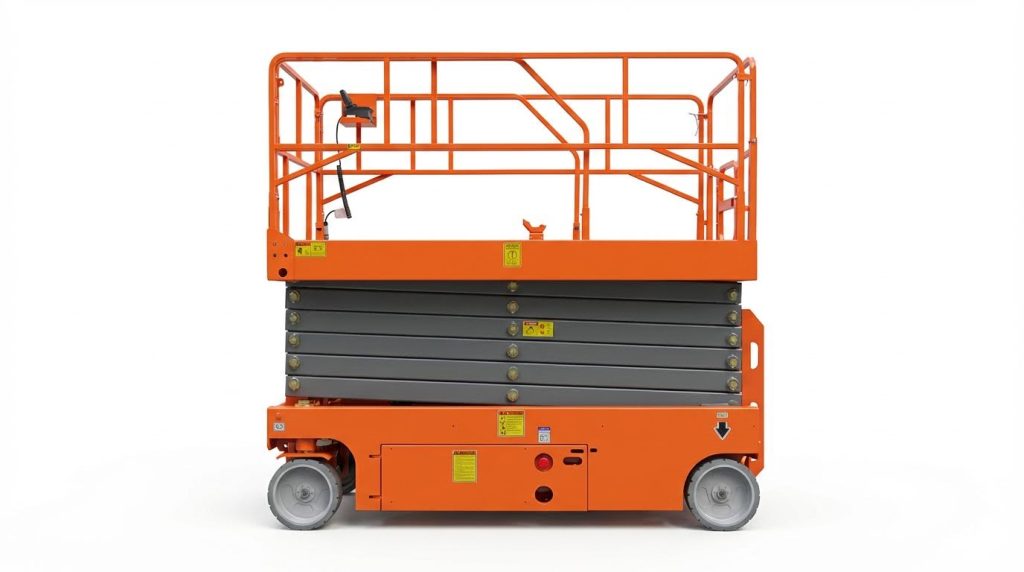
Safety defines how engineers design and operate every aerial platform. Anyone asking what is aerial work platform also needs to understand the regulatory rules and real accident modes. This section links OSHA and ANSI requirements with practical hazard controls, inspections, and new digital tools that reduce risk in daily work.
OSHA And ANSI Requirements For Aerial Lifts
OSHA treated aerial work platforms as aerial lifts under 29 CFR parts 1910 and 1926. These rules set minimum safety duties for employers and operators. They covered design, operation, training, and work near power lines.
Key OSHA references for aerial work platforms included:
- 1910.67 for vehicle‑mounted elevating and rotating work platforms
- 1910.333(c)(3) for work near overhead lines
- 1926.20(b) and 1926.21 for accident prevention and training
- 1926.453 for aerial lifts on construction sites
ANSI A92 standards added design and use guidance that went beyond OSHA minimums. They addressed stability, guardrails, controls, labeling, and test methods. Engineers used ANSI to size platforms, define load limits, and set control layouts. Safety managers used these standards to build site rules, operator training content, and inspection checklists for each aerial work platform type.
Hazard Modes: Falls, Tip-Overs, And Electrocution
When people ask what is aerial work platform in a safety context, they focus on failure modes. The main severe risks were falls, tip‑overs, and electric shock. Each mode linked directly to predictable site or operator errors.
Typical hazard paths included:
| Hazard mode | Typical causes |
|---|---|
| Falls from height | Open gates, climbing rails, no harness, sudden movement |
| Tip‑overs | Overloading, soft ground, slopes, high wind, over‑reach |
| Electrocution | Contact or arcing to overhead lines, poor clearance |
| Falling objects | Unsecured tools or materials kicked from the platform |
| Structural failure | Poor maintenance, corrosion, fatigue cracks, misuse |
Engineering controls reduced these risks at the design level. Examples included interlocked gates, load‑sensing systems, tilt sensors, and travel speed limits with the platform raised. Site controls then added wind limits, exclusion zones under the lift, and strict minimum clearances from live conductors, often at least 3 m.
Inspection, Training, And Work Area Control
OSHA and ANSI both required that only trained and authorized people operate scissor platform. Training covered hazard recognition, safe controls use, and limits on platform load and reach. Operators also had to show practical skills before solo use.
Pre‑start inspections focused on two groups of items:
- Vehicle systems: brakes, steering, tires, fluids, alarms, lights, and drive controls
- Lift systems: emergency controls, guardrails, harness anchor points, hoses, wiring, placards, outriggers, and stabilizers
Supervisors had to tag out any defective scissor platform lift until a qualified person repaired it. Work area checks were just as important as machine checks. Teams scanned for holes, slopes, debris, overhead lines, tight ceilings, and high winds before elevating. They then set cones or barriers to keep people out from under the platform. This combination of competent operators, systematic inspections, and controlled work zones cut the likelihood of severe incidents.
Emerging Tech: Sensors, Telematics, And Predictive Maintenance
New technology changed how fleets managed aerial work platforms and risk. Modern machines used sensors and control logic to prevent unsafe moves. Common examples included tilt sensors, overload detectors, and automatic envelope control that slowed or blocked motion near limits.
Telematics modules sent usage, fault, and location data to cloud systems. Fleet managers used these data to track run hours, duty cycles, and abuse events like overload alarms. That information supported condition‑based maintenance and better training focus.
Predictive maintenance tools processed sensor trends to flag problems before failure. For example, rising hydraulic temperature or abnormal motor current could trigger inspection orders. These tools reduced in‑service failures that might lead to sudden stops, collapses, or loss of control. As these systems matured, engineers had to balance automation with clear, simple human‑machine interfaces so operators still understood what the aerial work platform could and could not do in each situation.
Summary And Strategic Considerations For AWP Adoption
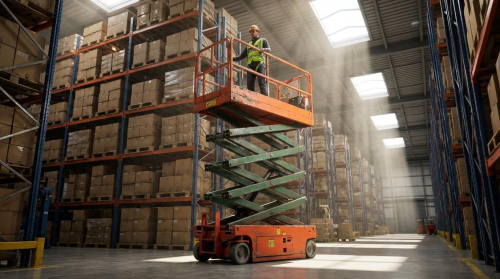
Decision makers who ask what is aerial work platform usually face a second question. Does it make sense to own or to rent this height access equipment. The answer depends on safety goals, duty cycles, and total cost of ownership across the fleet.
From a technical view, aerial work platforms replace ladders and scaffolds with controlled elevation, better stability, and defined load ratings. Typical platforms support one to three workers plus tools, with capacities that often range from about 150 kilograms to 450 kilograms. Matching platform height, outreach, and ground conditions to each task reduces oversizing and improves utilization.
Strategic adoption needs a structured approach. Key steps include: clarify use cases by reviewing past work orders; map required working heights and outreach; define indoor versus outdoor usage; and screen sites for power lines, wind, and floor capacity. This process narrows the choice between scissor lifts, vertical masts, boom lifts, and vehicle‑mounted units.
Ownership offers better availability and control of maintenance schedules. It suits high utilization, long projects, and standardized tasks. Renting or leasing offers fast access to newer models and avoids storage and resale risk. It suits short projects, variable work scopes, and sites with changing regulations.
Future trends will influence both options. Sensors, telematics, and predictive maintenance will improve uptime and support data‑driven inspections. Integration with digital permits, access control, and load monitoring will tighten compliance with OSHA and ANSI rules. Plants and contractors should plan for operator training, digital record keeping, and periodic technology refresh, while keeping core principles stable: correct machine selection, conservative loading, and disciplined work area control.