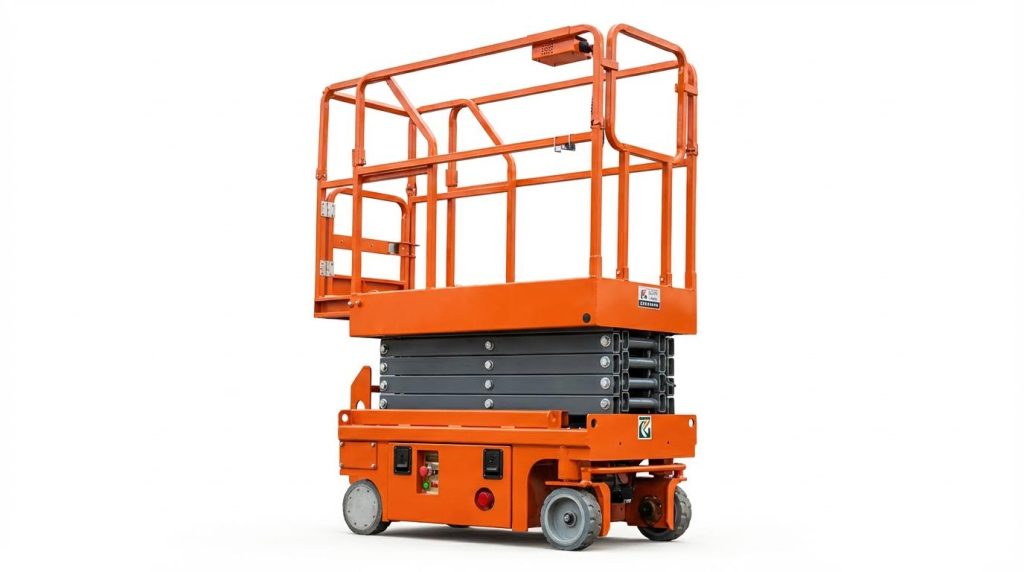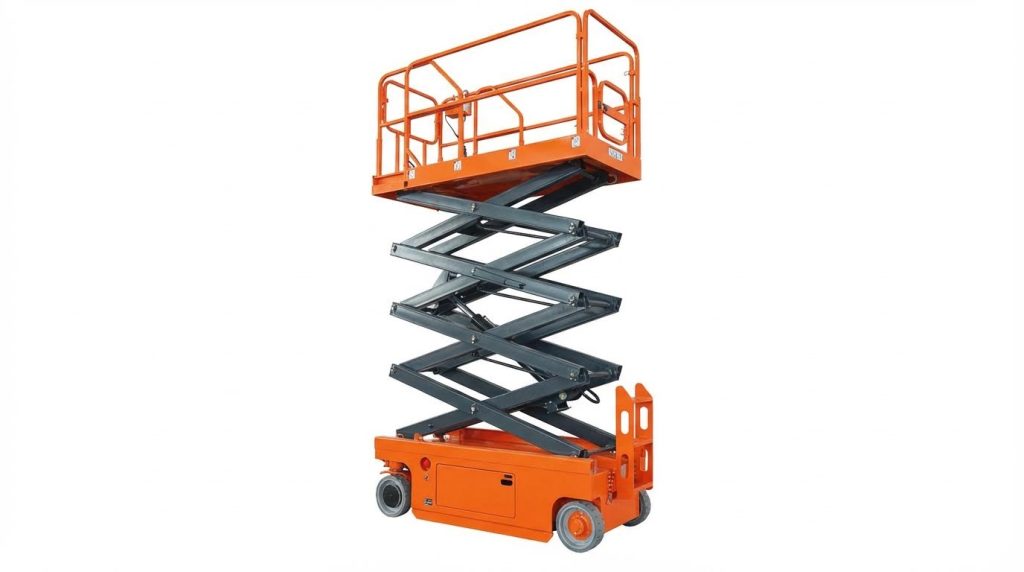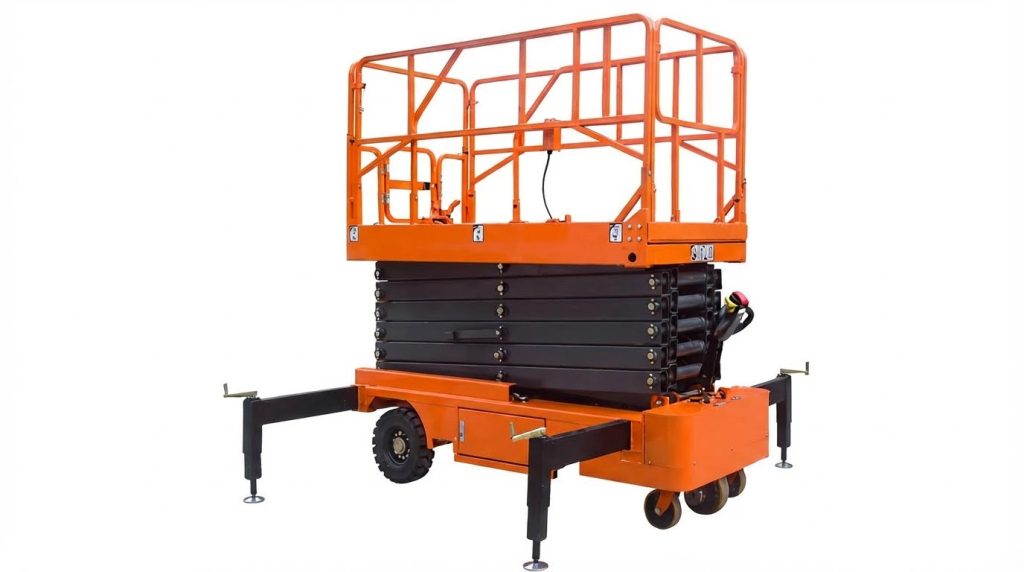
In most facilities the real question is not just “is a scissor lift an aerial work platform”, but how current MEWP standards classify it and what that means for safety, training, and selection. This article walks through how modern ANSI, ISO, and OSHA rules define scissor lifts, how they fit into MEWP groups and types, and which technical features matter for compliance. You will see how geometry, capacity, wind ratings, and use conditions all connect back to correct classification and safer day‑to‑day operation. By the end, you can confidently match the right scissor platform to your job while staying aligned with today’s MEWP standards.
How Standards Define Scissor Lifts And MEWPs
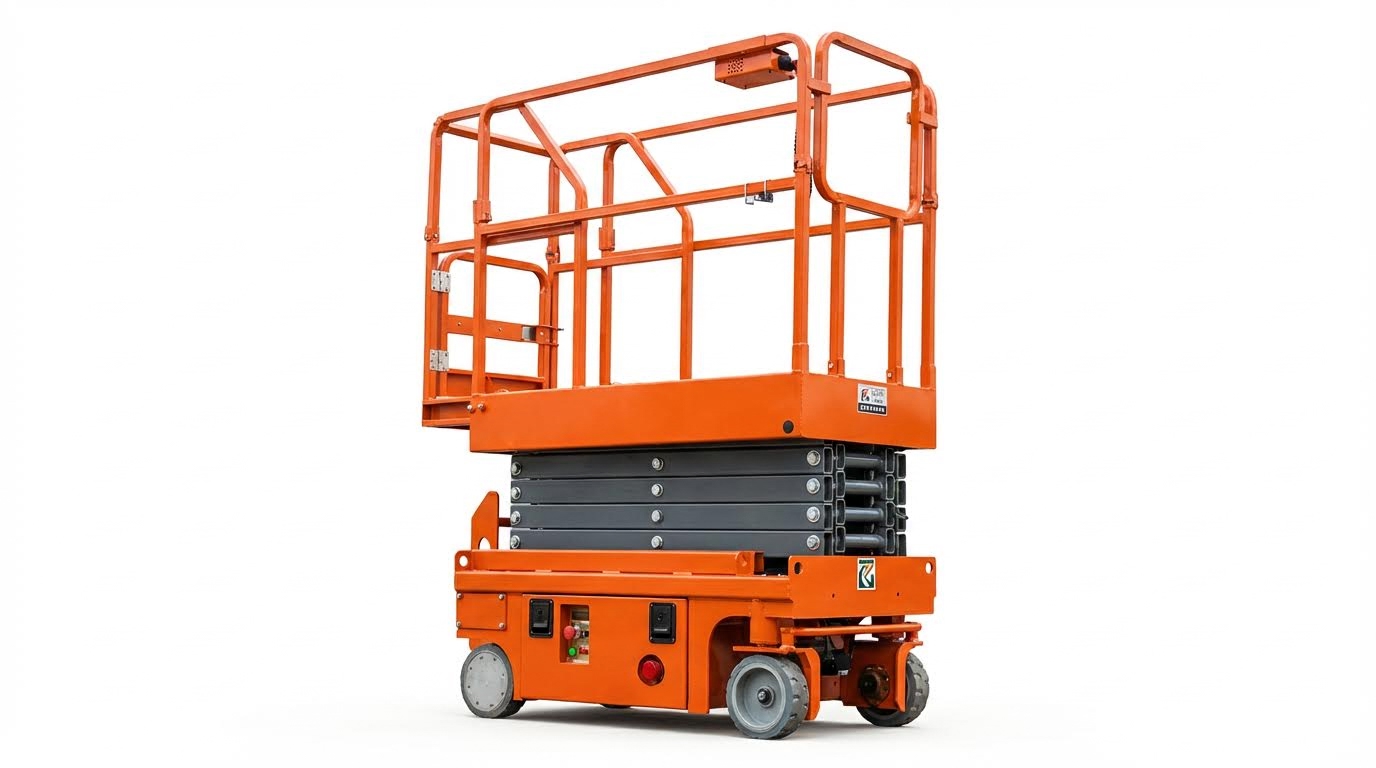
From Aerial Work Platforms To MEWPs: Terminology Shift
Many users still ask “is a scissor lift an aerial platform” because older standards used that term. Current ANSI and ISO documents replaced “Aerial Work Platform (AWP)” with “Mobile Elevating Work Platform (MEWP).”
Key points in the terminology shift:
- “Aerial work platform” was a broad, older term covering scissor lifts, boom lifts, and other powered platforms.
- New standards group all these machines under “MEWP” and then classify them by group and type based on how they move and lift. Scissor lifts are identified as a type of MEWP.
- The change aligned ANSI and ISO language and tightened links between design, training, and safe-use rules.
- Regulators and safety trainers now expect the term “MEWP” in documentation, risk assessments, and training materials.
So if you are asking “is a scissor lift an aerial platform,” the practical answer is: it used to be called that, but in today’s codes it is formally a MEWP.
Why the wording change matters in practice
Using the correct MEWP terminology helps you match your lift to the right standard, verify training content, and avoid gaps in inspection or rescue planning that were clarified in the newer MEWP-focused documents.
Group And Type Classification In ANSI And ISO
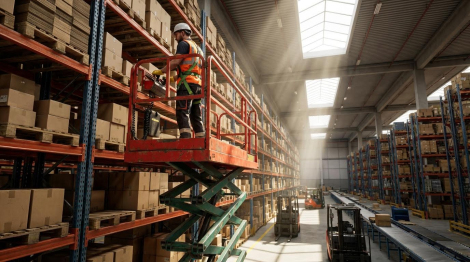
Modern standards do not stop at calling a machine a MEWP. They classify every unit by “Group” (how it reaches the work area) and “Type” (how it travels when elevated). This is critical when you decide how and where to use a scissor lift.
Typical MEWP group and type logic for scissor lifts and other platforms:
| Classification Element | What It Describes | How Scissor Lifts Fit |
|---|---|---|
| MEWP vs AWP | Current generic term for powered access platforms | Scissor lifts are a MEWP, replacing older “AWP” label |
| Group A | Platform stays inside the tipping line / chassis envelope | Scissor lifts are Group A because the deck rises vertically without overreaching the chassis under ANSI A92.20 |
| Group B | Platform can extend beyond the tipping line (e.g., booms) | Not applicable to standard scissor lifts |
| Type 1 | Travel only with platform fully stowed | Some smaller or trailer-style scissors fall here per MEWP type definitions |
| Type 2 | Travel elevated, controls on chassis | Certain specialized scissor configurations may be Type 2 |
| Type 3 | Travel elevated, controls on the platform | Most self‑propelled construction and facility scissors are Group A, Type 3 MEWPs as described in MEWP guidance |
ANSI’s 2019 updates consolidated earlier standards into a unified MEWP framework. They also tied group/type classification directly to design and safety features such as platform gates, higher guardrails, and integrated sensors.
- Gated entrances and higher railings were required to improve fall protection. The 2019 ANSI update raised standard railing height and mandated gates.
- Load, tilt, and wind sensors became standard elements so the machine can warn or stop before stability limits are exceeded.
- Training and safe-use planning requirements were expanded to cover operators, occupants, and supervisors.
How ISO and ANSI align on MEWP classes
ISO standards use similar group/type logic and add criteria such as side-force limits, wind rating, and platform load sensing to decide if a MEWP is indoor-only or suitable for outdoor use. These ISO rules influence how scissor lifts are rated for wind and terrain.
Why Scissor Lifts Are Group A Vertical MEWPs
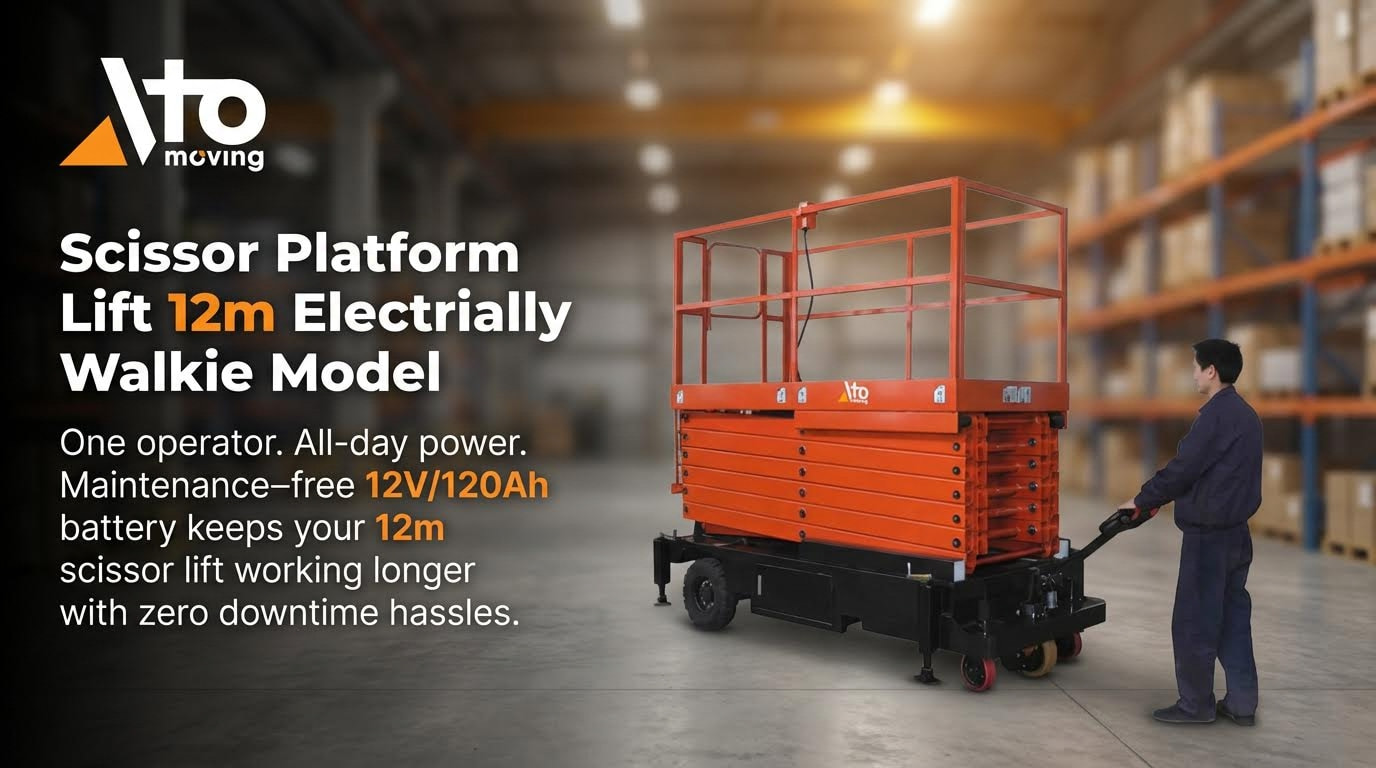
To answer “is a scissor lift an aerial platform” in standards language, you need to look at its geometry and motion. The scissor mechanism lifts the platform straight up and down inside the footprint of the chassis, which is why standards treat it as a vertical, Group A MEWP.
Core reasons scissor lifts fall into Group A vertical MEWP classification:
- Vertical lift path: The pantograph (scissor) stack raises the deck vertically, without slewing or telescoping beyond the base.
- Platform within tipping lines: The platform center of gravity stays inside the machine’s tipping lines, a defining feature of Group A machines under ANSI A92.20.
- Self‑propelled operation: Most industrial scissor lifts are designed to drive while elevated with controls on the platform, so they are Type 3 MEWPs in common MEWP classifications.
- Integrated stability controls: Modern units include load sensing, tilt alarms, and wind ratings that are specified differently for indoor-only versus outdoor-rated Group A MEWPs in ISO-based guidance.
For facility managers and safety professionals, the practical takeaway is:
- On paper, a scissor lift is no longer labeled an “aerial platform” in the main standards. It is a Group A MEWP, usually Type 3.
- In everyday language, people still say “aerial work platform,” but risk assessments, training records, and manuals should use the MEWP group/type terms.
- Knowing your machine’s exact group and type is essential when applying rules on wind limits, travel while elevated, and rescue planning.
Linking classification to your internal procedures
When you write site rules or safe-use plans, explicitly state that your scissor lifts are Group A MEWPs and note whether they are Type 1, 2, or 3. That simple line removes ambiguity when you apply manufacturer instructions and national MEWP standards to specific jobs.
Technical Design, Safety, And Compliance Criteria
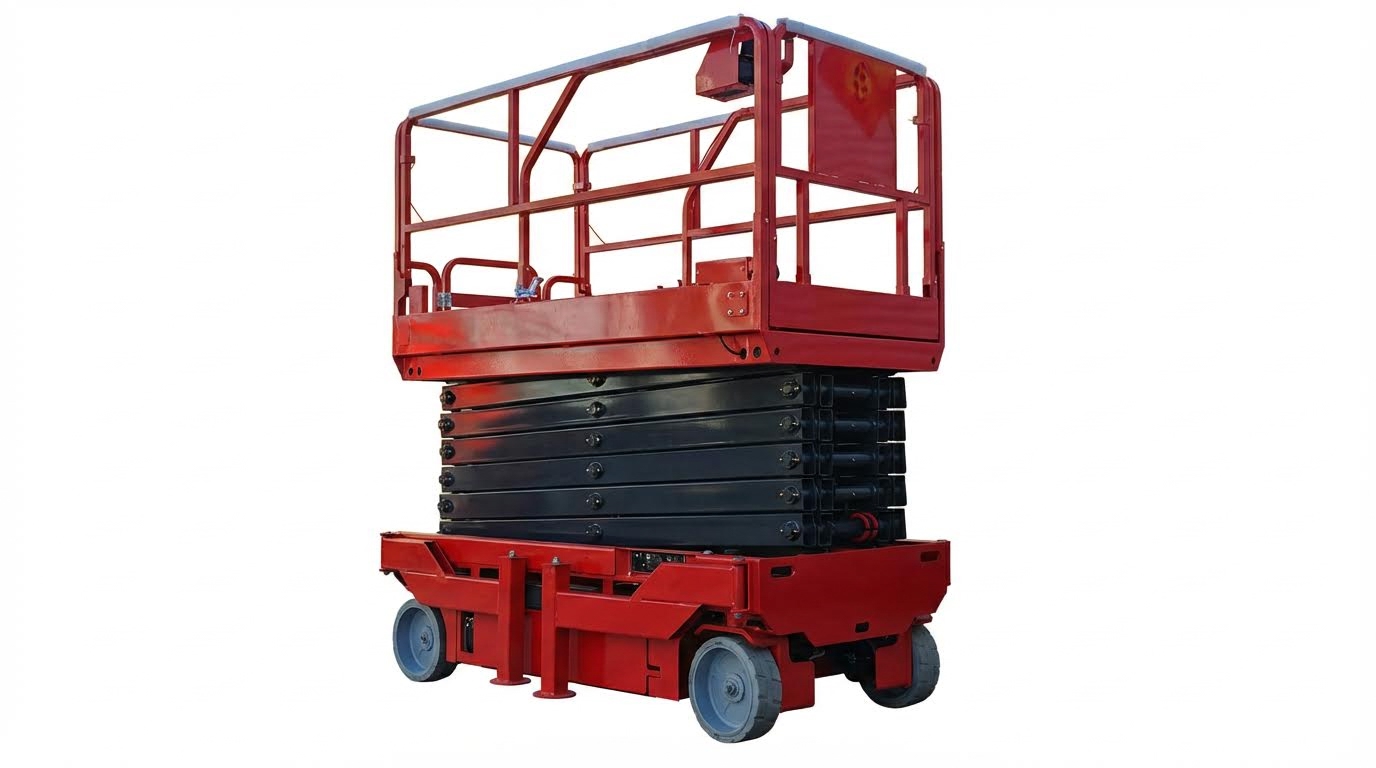
Vertical Lift Geometry And Stability Envelope
When facility managers ask “is a scissor lift an aerial work platform,” the answer today is that it is a Group A mobile elevating work platform (MEWP) with a strictly vertical lifting geometry. That geometry drives how stability, guardrails, and sensors are designed to meet modern standards.
- Scissor lifts are classified as Group A machines because the platform stays within the tipping lines and does not extend outside the drive chassis envelope. This differentiates them from boom-type Group B MEWPs.
- The scissor stack forms a vertical “stability envelope,” so side forces (wind, impact, overreaching) are the primary risk to tipping.
- Modern standards require sensors and structural controls to keep operation inside this safe envelope.
Key geometry and stability controls
Scissor lift stability is managed by a combination of mechanical design and electronic monitoring.
- Chassis and wheelbase sized to keep the center of gravity inside the support polygon through the full stroke.
- Guardrail systems required on all platforms to prevent falls. OSHA standards mandate guardrails and prohibit standing on them to gain extra height.
- Stability practices require firm, level surfaces, with movement in the elevated position only if the manufacturer allows it. Soft ground, slopes, and drop‑offs must be avoided.
- Modern scissor lifts use stabilizers or outriggers, automatic brakes, and tilt sensors with alarms to prevent operation outside safe limits. These features became standard on many recent models.
The 2019 MEWP standards update tightened platform and guardrail geometry requirements. Platform entrances must now be gated, and minimum rail height increased from about 39 in to 43.5 in to improve fall protection. These dimensional changes directly affect chassis and scissor link design.
Powertrains, Duty Cycles, And Working Height Ranges
Powertrain choice and duty cycle determine how and where a scissor MEWP can safely operate. They also influence whether a machine is optimized for indoor, outdoor, or mixed-use environments.
| Feature | Electric Scissor Lifts | Engine / Diesel Scissor Lifts |
|---|---|---|
| Typical use | Indoor, low‑emission areas | Outdoor, construction, rough terrain |
| Noise & emissions | Very quiet, zero on‑site emissions | Loud, exhaust emissions present |
| Working height range | Commonly low to mid heights (e.g., up to ~40 ft) | Broader range, including higher platforms |
| Maneuverability | Compact, tight turning radius | Larger footprint, higher ground clearance |
| Power source | Battery and electric drive | Internal combustion engine and hydraulics |
| Best applications | Warehouses, factories, retail, finished floors | Sites with uneven ground, higher wind exposure |
Electric scissor lifts were widely used where quiet, clean operation was required. They produced zero local emissions and were highly maneuverable, which made them ideal for indoor environments. Engine-driven units provided more power, larger platforms, and higher reach for outdoor work.
Typical scissor lift working heights spanned roughly 20–40 ft for many common models, with some designs reaching around 60 ft and beyond. This range covered most facility maintenance and construction tasks.
Duty cycle and maintenance considerations
- High‑duty applications require robust hydraulic systems and appropriate cooling to avoid overheating.
- Daily checks should cover visible damage, fluid levels, and function of brakes and emergency stops. Weekly and monthly inspections focus on structural components and safety systems.
- For electric units, battery state of charge and charging practices strongly affect available duty cycle per shift.
Load Capacity, Platform Sizing, And Wind Ratings
Understanding load capacity, platform dimensions, and wind ratings is critical when deciding if a scissor lift is suitable for a task and when answering “is a scissor lift an aerial work platform under current MEWP rules.” These parameters define the safe operating envelope for vertical access work.
| Design Aspect | Typical Engineering Considerations | Example / Standard Reference |
|---|---|---|
| Safe working load (SWL) | Must include workers, tools, and materials within rated capacity | A 50‑ft scissor lift can carry around 680 kg in heavy‑duty configurations. Heavier models are designed for multiple workers and materials |
| Platform sizing | Length and width must support expected personnel and material flow without exceeding SWL or stability limits | Wider, longer platforms are often paired with higher capacities and rough‑terrain chassis |
| Guardrail system | Must fully enclose platform with mid‑rails and toe boards where required | OSHA requires guardrails and forbids workers from standing on them to gain extra height. Pre‑use checks must verify rail condition |
| Wind rating | Defines maximum allowable wind speed when the platform is elevated | Modern scissor lifts are typically rated either 0 mph (indoor only) or up to 28 mph (outdoor). This is aligned with ISO wind evaluation |
Wind and side load limits are especially important for Group A vertical MEWPs. If actual wind speeds exceed 28 mph while an outdoor‑rated scissor lift is raised, the platform must be lowered and work stopped until conditions improve. Operating in gusty winds or with large sheet materials increases overturning risk.
- ISO standards distinguish indoor‑only machines (0 mph rating) from outdoor‑rated units based on side force, chassis tilt, and platform load sensing. This allowed development of smaller, lighter “indoor only” MEWPs.
- Outdoor‑rated scissor lifts must not be used when wind speeds exceed about 28 mph, as tip‑over incidents in high winds have caused fatalities. OSHA guidance emphasizes this limit.
- Dual‑zone operation, introduced around 2020, lets some scissor lifts switch between indoor and outdoor operating envelopes, reducing fleet complexity and maintaining performance such as ramp climbing and floor loading. These designs comply with ISO indoor/outdoor criteria.
In practice, compliance means matching platform size, rated load, and wind category to the task and environment, then enforcing those limits through training and supervision. When those conditions are met, a scissor lift operates as a compliant aerial platform under the MEWP framework, providing controlled, vertical access with a defined safety envelope.
Selecting And Operating Scissor Lifts For Your Facility
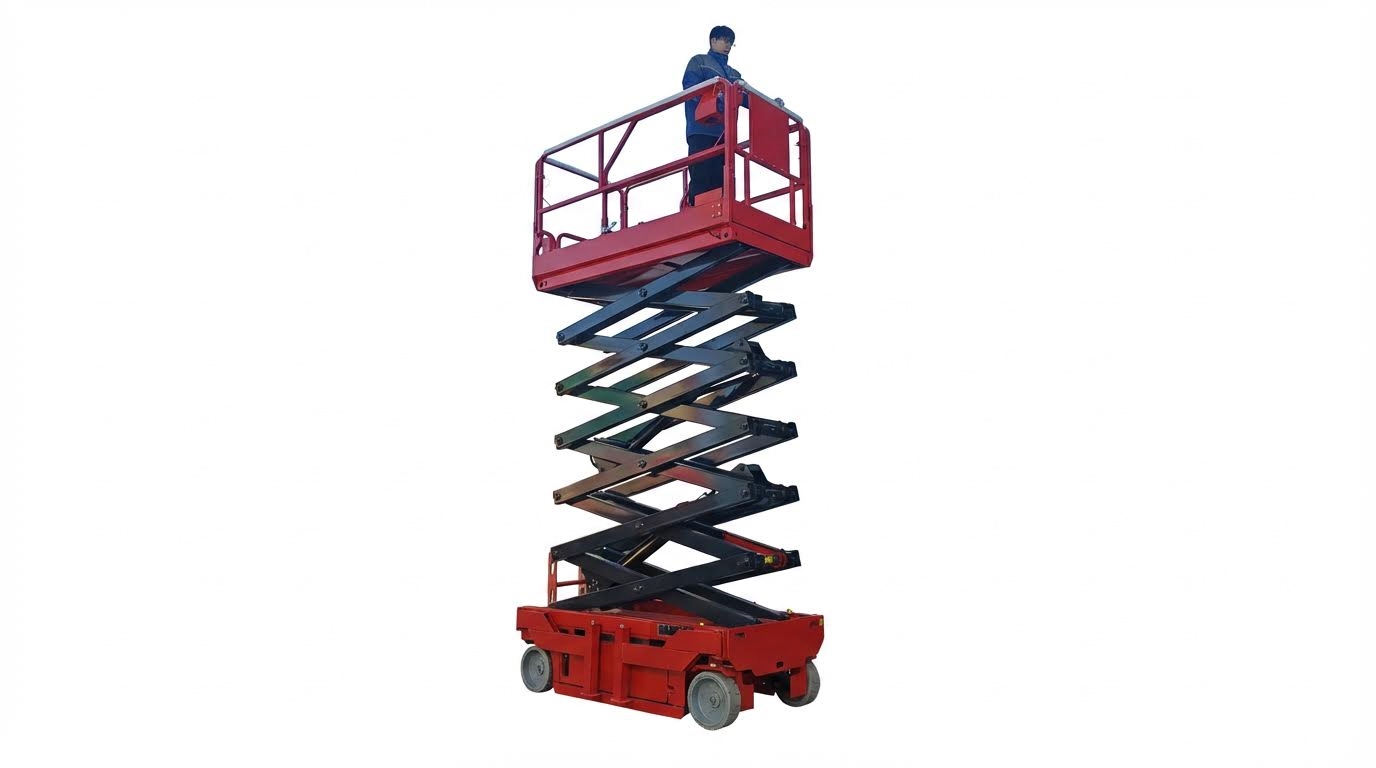
Indoor Vs Outdoor Use, Tires, And Floor Loading
When you ask “is a scissor lift an aerial platform,” you are really asking how and where it can be used safely in your facility. Selection starts with matching wind rating, tires, and floor capacity to your environment, then backing that up with correct operating limits.
Modern standards classify scissor lifts as MEWPs with either “indoor only” (0 mph wind) or “outdoor” ratings up to 28 mph wind. This is based on ISO side‑force, tilt, and platform load‑sensing criteria. Your selection has to follow those labels.
- Confirm whether the lift is marked “indoor only” (0 mph) or rated for outdoor winds up to 28 mph.
- Never use an indoor‑only unit in any area exposed to wind or strong drafts (dock doors, open walls, atriums).
- If wind exceeds 28 mph while elevated, lower the platform and stop work until conditions improve. Gusts and added sail area from sheathing or panels can quickly destabilize the machine.
- For mixed indoor/outdoor work, consider dual‑zone MEWPs that limit height in outdoor mode but keep full performance indoors. These designs were introduced globally from 2020 to simplify fleets.
Power source and tires must also match the space. Electric scissor lifts are typically preferred indoors because they are quiet and have zero local emissions, while diesel units dominate outdoors. Diesel models usually offer higher working heights, widths, and capacities for rough sites.
- Indoor (finished floor, warehouses, plants)
- Electric drive, non‑marking tires to avoid floor damage.
- Indoor‑only or dual‑zone machines set to “indoor” when under a roof.
- Low exhaust and noise critical near people or sensitive processes.
- Outdoor (construction, yards, rough terrain)
- Diesel or high‑capacity electric with rough‑terrain or foam‑filled tires.
- Outdoor wind rating up to 28 mph and higher ground clearance.
- Greater tolerance for uneven, compacted ground but still needs to be firm and level. Standards still require avoiding drop‑offs, slopes, and debris.
Floor loading is where many facilities underestimate risk. Scissor platforms concentrate weight into a relatively small contact patch, and high‑capacity units can easily overload mezzanines or suspended slabs even if static floor ratings look generous.
| Selection Factor | Indoor Priority | Outdoor Priority |
|---|---|---|
| Wind rating | 0 mph (indoor only) or indoor mode on dual‑zone units | Rated to 28 mph maximum; stop work if exceeded |
| Power source | Electric, low noise, zero emissions | Diesel or high‑capacity electric |
| Tires | Solid / non‑marking, small diameter | Foam‑filled / solid rough‑terrain, larger diameter |
| Typical working height | 20–40 ft common in warehouses (within the 10–60 ft overall range) | 30–60 ft for building envelopes and steelwork |
| Floor loading | Check slab thickness, reinforcement, and mezzanine rating; avoid placing near edges or over voids | Check for underground services, trenches, and soft spots; avoid backfilled or un‑compacted areas |
Before approving any scissor platform lift on an elevated floor, mezzanine, or suspended slab, have a competent engineer compare the machine’s gross weight and wheel loads to the structural rating. This is critical if you use heavy‑duty units that can carry multiple workers and materials: a 50‑ft class machine can carry around 680 kg on the platform alone, not counting the base weight. That payload is in addition to the machine’s own mass.
Quick indoor/outdoor decision checklist
Use this before each job:
- Is the work area fully enclosed and protected from wind? If not, treat it as outdoor.
- Does the lift’s rating plate match the environment (indoor only vs outdoor)?
- Is the floor or ground confirmed to handle the total machine + load weight?
- Are there slopes, pits, or underground voids under the planned travel path?
- Is ventilation adequate for the chosen power source?
Training, Rescue Planning, And Safe Use Programs
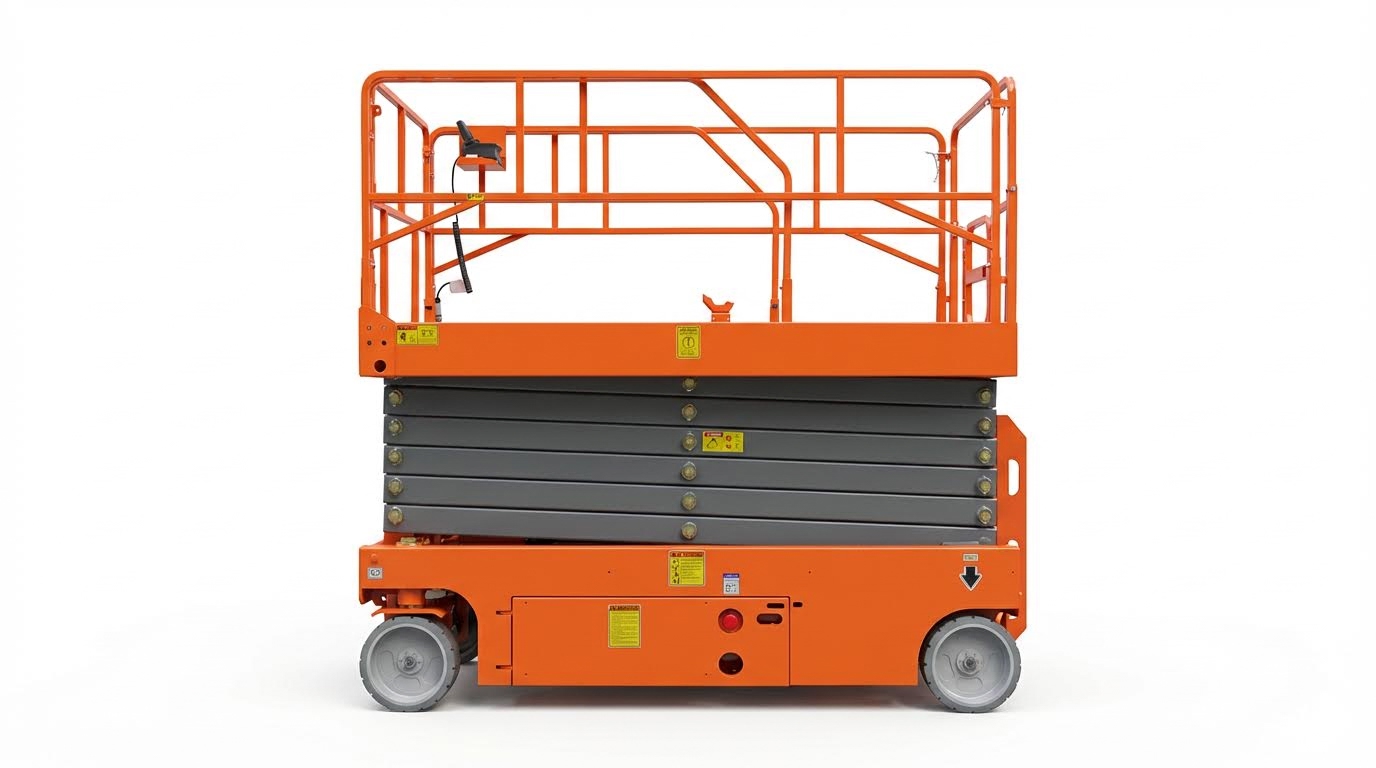
Because a scissor lift is a scissor lift an aerial work platform under modern MEWP standards, you must treat it with the same rigor as any other powered access equipment. Recent ANSI and ISO updates tightened rules around training, supervision, and documented safe‑use plans.
Training now covers not just operators but also occupants and supervisors. Under ANSI A92.24, occupants must understand fall protection systems, while supervisors must know how to choose the right MEWP, apply site‑specific procedures, and control hazards. These requirements formalized roles and accountability.
- Operator training should include:
- Machine capabilities and limits (height, load, wind rating, travel limits).
- Reading and applying the manufacturer’s manual and decals.
- Stability practices: level ground, avoiding drop‑offs and overhead obstructions. Moving while elevated is prohibited unless the manual clearly allows it.
- Fall protection setup and correct use of guardrails and personal systems.
- Electrical hazard avoidance, including minimum 10 ft clearance from power lines. This distance increases with voltage.
- Supervisor training should include:
- MEWP selection by height, reach, load, and environment.
- Review and approval of safe‑use and rescue plans.
- Verification of inspections, maintenance, and documentation.
- Monitoring behavior and triggering refresher training when needed. Guidance called for retraining at least every three years or after unsafe use, equipment changes, or job changes.
A written safe‑use program ties all of this together. It should be task‑specific and site‑specific, not a generic binder on a shelf.
| Safe‑Use Program Element | Key Content | Why It Matters |
|---|---|---|
| Risk assessment | Identify fall, crush, tip‑over, electrical, and traffic hazards for each job | Prevents “surprises” once the platform is in the air |
| Equipment selection | Choose Group A scissor vs other MEWPs, indoor vs outdoor rating, power source | Ensures the lift’s design matches the environment and task |
| Site preparation | Verify ground/floor capacity, mark exclusion zones, manage traffic | Reduces collision and ground failure risks |
| Training & authorization | List who is trained, on which models, and who may supervise | Controls who can operate and who can sign off work |
| Inspection & maintenance | Daily pre‑use checks, periodic inspections, and annual exams | Prevents failures of brakes, controls, guardrails, and hydraulics |
| Rescue & emergency | Documented plan for entrapment, medical events, and machine failure | Reduces time to get a worker down to under 90 seconds where feasible |
Rescue planning is often the weakest link. Standards expected every site to have a documented plan describing how to lower a trapped or incapacitated worker quickly and safely. Guidance called for ground personnel to be able to lower an operator within about 90 seconds using emergency controls, with options for self‑rescue, assisted rescue, or technical rescue depending on the scenario. These expectations were built into the A92 safe‑use standard.
Minimum pre‑use and rescue checklist
Before elevating:
- Complete a documented pre‑use inspection of controls, brakes, guardrails, and emergency stop. OSHA expected checks before each use.
- Confirm wind rating vs conditions and verify ground/floor capacity.
- Review the rescue plan with all workers on the shift.
- Verify that at least one trained person is on the ground with access to emergency lowering controls.
If an incident occurs:
- Stabilize the scene, stop other equipment, and secure the area.
- Use ground controls or emergency descent to lower the platform without creating secondary hazards.
- Escalate from assisted to technical rescue only if simple methods are not safe or possible.
When you combine correct indoor/outdoor selection, floor‑loading checks, structured training, and a live rescue plan, a scissor lift becomes a controlled and predictable MEWP in your facility—not a guesswork aerial work platform.
Final Thoughts On Scissor Lifts As MEWPs
If you are still asking “is a scissor lift an aerial work platform,” the modern answer is that it is a Mobile Elevating Work Platform, specifically Group A and typically Type 3, used for vertical access. Current standards classify scissor lifts as Group A MEWPs with vertical lifting action inside the chassis envelope. This classification drives how you select, operate, train, and plan rescue for these machines.
From an engineering and safety perspective, three points matter most for your facility:
- Scissor lifts are vertical MEWPs, not boom-type machines, so their stability envelope is simpler but very sensitive to load, wind, and surface quality.
- Indoor vs outdoor rating, wind rating (0 mph or up to 28 mph), and power source must match your real job conditions, not just your budget. Outdoor-rated units are typically limited to wind speeds below about 28 mph.
- Standards such as ANSI A92 and ISO MEWP rules shifted the focus to documented safe-use plans, formal training for operators, occupants, and supervisors, and realistic rescue planning. The 2019 updates tightened design, training, and wind/load sensing requirements.
For owners and safety managers, the practical takeaway is simple: treat every scissor lift as a MEWP governed by modern standards, not as “just a platform.” Build your program around:
- Correct MEWP selection (Group A scissor vs other types) based on height, reach, load, and environment.
- Documented safe-use and rescue plans, including wind limits, floor loading, and electrical clearances.
- Structured training and retraining for operators, occupants, and supervisors, plus disciplined pre-use inspections and maintenance.
Handled this way, scissor lifts deliver efficient, repeatable access at heights from roughly 20–40 ft working height for most facility tasks, with higher ranges available where needed. scissor platform combine predictable vertical geometry with modern safety systems such as load sensing, tilt alarms, and emergency descent. When you align machine choice, standards, and training, the question stops being “is a scissor lift an aerial work platform” and becomes “is this MEWP correctly specified, controlled, and maintained for the job at hand?”.
Final Thoughts On Scissor Lifts As MEWPs
Scissor lifts sit firmly inside the MEWP framework as Group A, mainly Type 3, vertical machines. Their straight‑up geometry, defined stability envelope, and integrated sensors only deliver safety when users respect the limits on load, wind, and ground conditions. Treating them as generic “aerial platforms” hides these critical details.
Engineering rules on center of gravity, wheel loads, guardrail height, and wind rating translate directly into day‑to‑day controls. When you match indoor or outdoor rating, floor capacity, power source, and tire type to the real job, you keep the machine inside its designed safety window. When you ignore those links, the same design margins can be lost in seconds by overload, soft ground, or unexpected wind gusts.
The best practice is clear. Classify every unit by group and type. Verify that its geometry, capacity, and wind rating suit the task and surface. Back that up with structured training for operators, occupants, and supervisors, plus a written safe‑use and rescue plan that people actually follow. If you build your program around those points and choose compliant equipment from suppliers such as Atomoving, a scissor lift becomes a predictable, low‑surprise MEWP rather than a source of hidden risk.
Frequently Asked Questions
Is a scissor lift an aerial work platform?
Yes, a scissor lift is considered a type of aerial work platform (AWP). It is a motorized device designed to lift people to heights that are otherwise inaccessible. Scissor lifts feature crisscrossing metal braces that raise or lower the platform. They are lightweight, easy to move, and safe to use. Scissor Lift Basics.
What are the key differences between a scissor lift and other aerial work platforms?
Scissor lifts typically have larger platforms, allowing multiple workers to operate on them simultaneously. They are also more affordable and easier to store compared to other aerial lifts. However, unlike boom lifts or other specialized aerial platforms, scissor lifts can only move vertically and cannot extend over or around obstacles. Scissor Lift vs Aerial Lift.
Are scissor lifts classified as elevating work platforms (EWP)?
Yes, scissor lifts fall under the category of elevating work platforms (EWP). EWPs include various types of equipment such as scissor lifts and self-propelled boom lifts, all designed to elevate workers safely. EWP Overview.