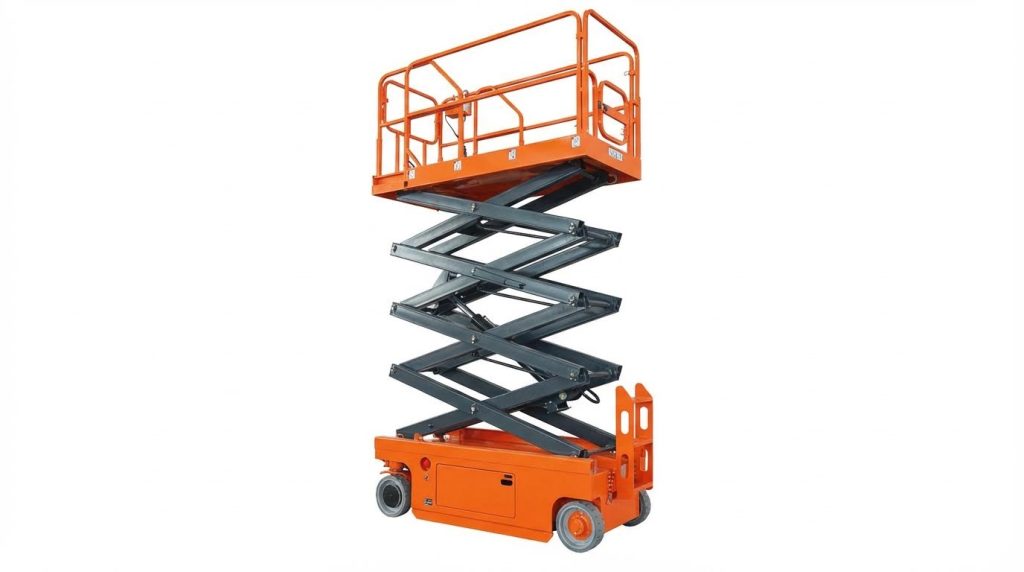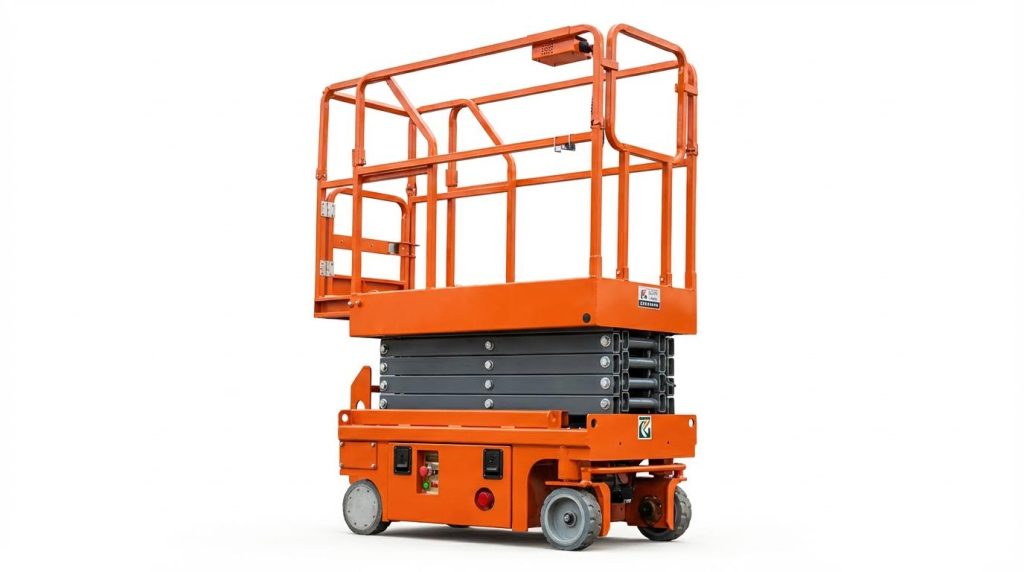
If you are asking what is aerial platform training, it is the mandatory process that prepares operators to use scissor platform, boom lifts, and other MEWPs safely and legally. This article explains what a compliant program must cover, from OSHA/ANSI requirements to technical skills like inspections, load limits, and fall protection. You will also see how to structure site-specific training, maintain documentation, and stay audit-ready. Use it as a practical checklist before anyone in your facility steps onto an aerial platform.
What Aerial Work Platform Training Really Covers
Defining AWPs, MEWPs, and Applicable Standards
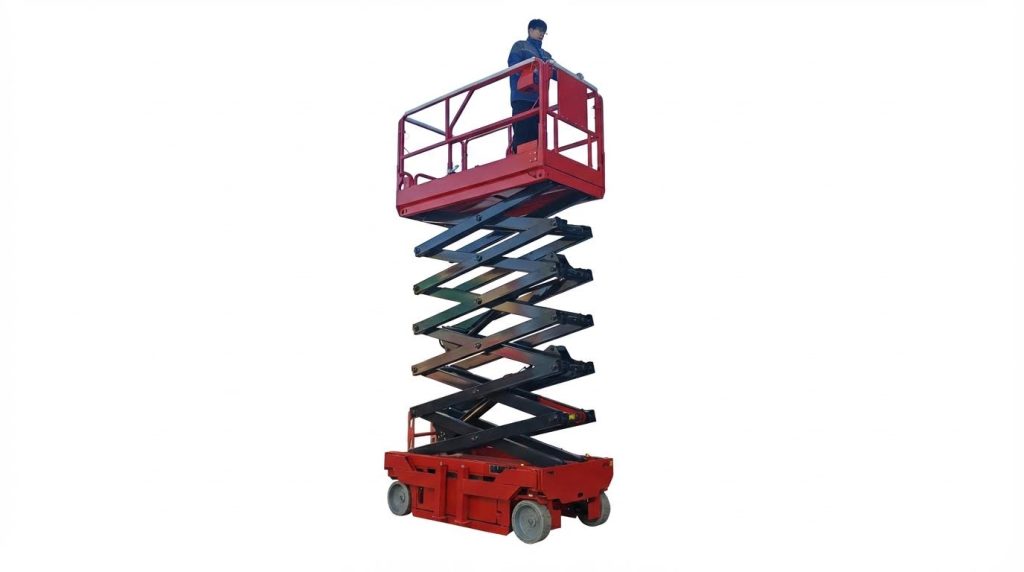
When companies ask what is aerial platform training, they are usually referring to a structured program that teaches safe use of any powered platform that lifts people to height. This includes aerial work platforms (AWPs) and mobile elevating work platforms (MEWPs) such as boom lifts, scissor lifts, and vehicle-mounted platforms used for maintenance, construction, and inspection tasks. Training clarifies that these machines are designed to lift personnel and light tools only, not to act as material hoists or cranes, because using them outside their intended purpose can severely reduce stability and increase overturn risk. Core modules also explain related powered-platform rules on rated load, environmental limits, heat exposure, and housekeeping, so operators understand the full regulatory context, not just how to drive the machine.
- AWPs/MEWPs are classified as powered platforms with defined rated loads and operating envelopes. Operators learn that platforms must never be loaded beyond the rating shown on the load plate on the equipment.
- Environmental rules cover working on snow, ice, or other slippery surfaces only when removing them, protecting platforms and lifelines from corrosive substances, and not operating in winds above about 25 mph except to move to a safe storage position as specified in OSHA guidance.
- Training also stresses protection of structural members, wire ropes, and lifelines from heat-producing processes, since any rope or lifeline exposed directly to such processes is considered permanently damaged and must be removed from service under OSHA rules.
- Good housekeeping is treated as a safety requirement, not an option: tools, materials, and debris unrelated to the task must not accumulate, and stabilizer ties must be arranged so they do not obstruct movement or foul rollers and hoists as OSHA specifies.
Key standard families covered in AWP/MEWP training
Modern AWP/MEWP training aligns with OSHA’s general industry and construction requirements for powered platforms and aerial lifts, as well as ANSI/SAIA design and training standards for MEWPs. Operators learn how these standards translate into day-to-day rules on inspections, worksite assessment, fall protection, and emergency procedures so they can recognize hazards and apply the correct control measures in the field.
Core OSHA and ANSI Training Requirements
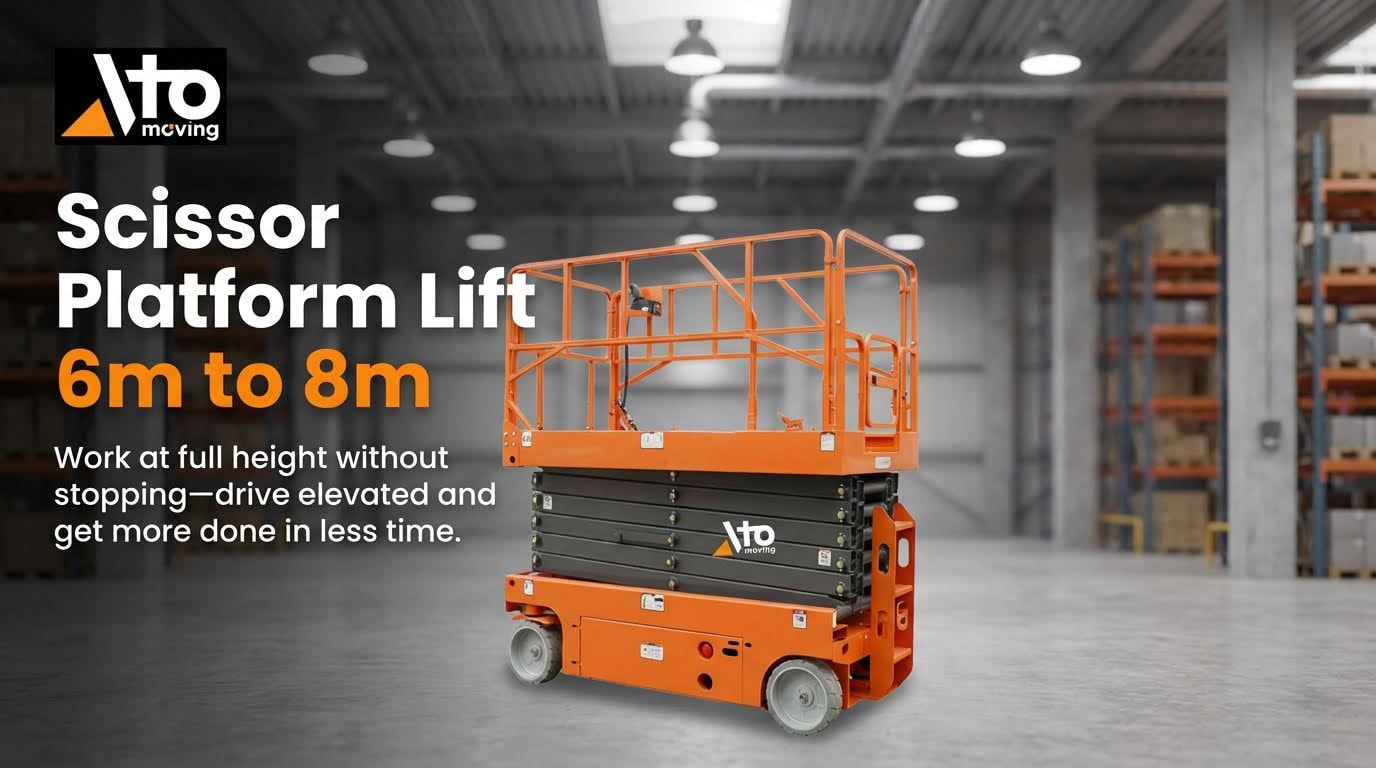
A central part of answering what is scissor platform training is understanding that it is a compliance requirement, not just a best practice. OSHA requires that aerial work platform operators be trained by a competent person on hazard recognition, preventive measures, work procedures, emergency actions, and inspection and use of personal fall arrest systems in its powered-platform standard. Employers must certify each trained operator, documenting the employee’s identity, the trainer’s or employer’s signature, and the completion date, and they must keep that record available for the duration of employment as OSHA requires.
- OSHA aerial and scissor lift courses typically include modules on hazard recognition, selecting the right lift type, pre-use inspections, safe-use precautions, and post-use procedures, often with quizzes and a final exam where a minimum passing score such as 70% is required before issuing a certificate according to common course formats.
- MEWP training content has been updated to reflect ANSI/SAIA A92.22 and A92.24, which became mandatory in 2020 and define responsibilities for owners, users, and operators, along with detailed requirements for safe-use programs and training syllabi as industry training providers note.
- Personal fall protection is a core element: operators must be trained to use, inspect, and care for personal fall arrest systems that meet mandatory performance requirements, and retraining is required whenever systems or procedures change under OSHA’s fall protection rules for platforms.
- Most compliant programs recognize a three-year cycle as a practical maximum between formal refreshers, even when certificates themselves do not technically expire, so that new standards, equipment technology, and site procedures are kept current in line with common industry practice.
Why compliance details matter for your training program
From an engineering and safety-management standpoint, aligning your internal training with OSHA and ANSI requirements reduces the risk of falls, tip-overs, and electrical contacts while also improving audit readiness. Clear documentation of who was trained, on which equipment types, and on what date supports both legal compliance and internal risk control, especially when incidents are investigated or when you onboard contractors and temporary workers.
Technical Competencies Every Operator Must Master
Pre-use inspection and functional test checklist
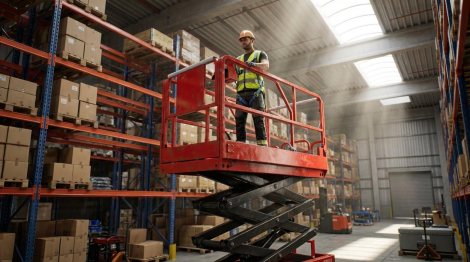
When people ask what is aerial work platform training, a core element is learning a disciplined pre-use inspection and function-test routine. Operators must inspect the machine before each shift and after any incident, following the OEM manual and a site-specific checklist. Typical visual checks include tyres or wheels, power source, hydraulic fluid, hoses and cables, outriggers and stabilisers, chassis, boom or scissor platform, platform structure, and safety decals. Pre-use visual checks should confirm no leaks, no critical wear, and all safety devices present.
- Verify the platform or cage has sound guardrails, access steps, and anchor points, with no cracks or corrosion on structural parts. Structural integrity inspection must focus on welds, guardrails, baseboards, and anchoring points.
- Check hydraulic and electrical systems for leaks, damaged hoses, exposed wires, or loose connectors, and confirm the battery is charged enough to support normal and emergency systems. Hydraulic and electrical component checks are essential for safe elevation and travel.
- Inspect tyres, wheels, or tracks for damage, correct inflation, and embedded debris, and ensure the ground surface can support the total machine and load weight. Work environment assessment must identify holes, steep ramps, dangerous slopes, and overhead lines.
- Confirm emergency controls, including emergency stop and emergency lowering systems, operate correctly and that lower controls can override upper controls if needed. Emergency control functionality is a standard checklist item.
After the visual inspection, the operator must perform functional tests from the ground and platform controls. These tests verify smooth and correct operation of drive and steer, elevation and rotation, brakes, safety interlocks, alarms, and limit switches. Any abnormal noise, delay, or fault requires the machine to be tagged out and repaired by a qualified technician before use. Functional checks must cover controls, translation system, safety devices, brakes, steering, and indicators.
Key inspection and test items at a glance
| Area | What to verify |
|---|---|
| Structure | No cracks, deformation, corrosion, or loose welds on chassis, boom, scissor platform lift, guardrails |
| Hydraulics/electrics | No leaks, damaged hoses, exposed wires; terminals clean; connectors tight |
| Controls & safety | All motions work correctly; emergency stop, alarms, limiters, tilt sensors respond instantly |
| Support & tyres | Outriggers/stabilisers function; tyres/wheels/tracks in good condition |
| Documentation | Manual, inspection records, and certificates up to date |
Load limits, stability, and safe operating envelopes
Another core competency in what is aerial work platform training is understanding how load, geometry, and ground conditions affect stability. Operators must know the rated platform capacity from the load plate and never exceed it with people, tools, and materials combined. OSHA requires that working platforms not be loaded beyond their rated load as stated on the load rating plate. Training must emphasize that adding materials, paneling, or tarps that increase surface area can reduce stability and increase wind loading. Machine usage limitations specify lifts are designed primarily for personnel and light tools.
- Operators must assess the ground or slab bearing capacity and avoid soft soil, trenches, vaults, or covers that may fail under concentrated wheel loads. Workplace inspection includes verifying the travel route and work area can support the lift weight.
- Safe slope limits are typically low; many units are rated for only modest inclines, and some advanced systems allow limited operation between about five and ten degrees with reduced functions. Stability guidance notes most aerial lifts are limited to slopes of up to five degrees, with special technology required beyond that.
- Wind and weather must be part of every stability assessment. Platforms must not be operated in winds exceeding 25 mph (40.2 km/h) except to move to storage, and external installations require an anemometer.
- Operators must keep platforms free of unnecessary tools, debris, and materials that shift the center of gravity and create trip or snag hazards. Housekeeping rules prohibit accumulation of unrelated tools, materials, and debris on platforms.
Training should also cover safe operating envelopes: how outreach, elevation, and rotation interact with load and ground conditions. Operators must understand that rated capacity often assumes specific boom angles and extension positions, and that derating may apply in certain configurations or with add-ons. They also need to recognize environmental limits such as snow, ice, corrosive substances, and heat-producing processes that can weaken components or increase slip risk. OSHA prohibits work on snow, ice, or slippery materials except for removal and requires protection from acids, corrosives, and heat processes.
Fall protection, electrical hazards, and emergency controls
Any complete answer to what is aerial work platform training must include fall protection, electrical hazard awareness, and emergency procedures. Operators and occupants must use personal fall arrest or restraint systems that meet regulatory requirements and are compatible with the platform’s anchor points. Standards require personal fall protection systems to be properly inspected, cared for, and used, with employees trained before initial use or system changes. Training must stress 100% tie-off where required, correct harness fitting, and strict prohibition of climbing guardrails or using makeshift height extensions.
Electrical safety near overhead lines is another critical competency. Operators must know minimum approach distances, how to read voltage information from site documentation, and when only qualified persons may work closer. OSHA guidance requires maintaining minimum clearances from energized lines unless specific insulation, covering, or equipotential grounding measures are in place. Operators must also recognize induced voltages, arcing risk, and the need to treat all unknown lines as energized.
- Training must cover safe work practices such as positioning the platform to avoid reach into energized zones and routing the travel path away from lines and conductive structures.
- Operators need to understand ground crew roles, including spotting for overhead hazards and managing exclusion zones.
- Procedures for weather-related electrical risks, such as storms or lightning, must be clear and enforced.
Emergency controls and procedures tie these competencies together. Operators must know how to use emergency stop, manual descent, and lower controls, and how ground personnel can safely lower an incapacitated worker. Checklists require verification that emergency lowering systems and override controls operate correctly and are protected against inadvertent activation. Training should include drills on loss of power, entrapment, and contact with power lines, using the manufacturer’s emergency procedures. Safety guidance recommends regular emergency drills and periodic review of protocols as equipment or site conditions change. Together, these competencies ensure operators can prevent incidents and respond effectively when abnormal situations occur.
Building a Compliant, Efficient AWP Training Program
Structuring site-specific and equipment-specific training
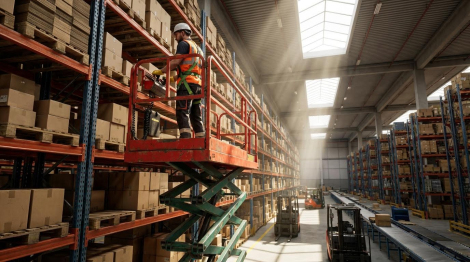
A compliant answer to what is aerial work platform training must go beyond generic classroom content and address both the site and the specific MEWP or aerial platform models in use. Start with a formal worksite assessment that identifies hazards such as overhead power lines, uneven or weak ground, traffic routes, and weather exposure so these conditions are built into your scenarios and practical exercises. Worksite assessments should also define travel paths, exclusion zones, and communication methods for spotters and ground personnel.
Equipment-specific training then focuses on the exact make, model, and configuration of each lift type your employees will operate. Operators must practice pre-use inspections and function tests using the actual machine, including controls, brakes, hydraulic systems, stabilizers, emergency stop, and emergency lowering systems. Pre-operation inspections and function tests should follow the operator’s manual and be reinforced with checklists tailored to each unit. Site rules for load limits, wind limits, and use of fall protection are then layered on top of the manufacturer’s instructions to create a consistent, enforceable operating envelope.
- Include hands-on driving, elevation, rotation, and positioning tasks on typical site surfaces.
- Simulate common hazards (tight access, overhead obstructions, nearby traffic) in a controlled way.
- Require operators to demonstrate correct use of personal fall arrest systems and anchor points. Fall protection training must cover inspection, fitting, and proper tie-off.
Minimum elements to cover in site/equipment-specific training
- Local traffic management and barricading rules.
- Approved set-up areas and maximum slope or ground bearing limits.
- Model-specific control layouts, safety devices, and alarms.
- Emergency rescue procedures for each location and shift.
Documentation, recertification, and audit readiness
To stay compliant and audit-ready, your AWP training program needs disciplined documentation and a clear recertification cycle. OSHA requires employers to certify that aerial work platform operators have been trained, including the identity of the trainee, the signature of the employer or trainer, and the date the training was completed. This training certification must be kept for the duration of employment and made available for review on request. OSHA aerial work platform training requirements also expect written work procedures, which can be supported by pictorial methods where literacy or language are issues.
For MEWPs, many programs align their recertification interval with common industry practice of refreshing training every three years, consistent with typical certification validity periods. MEWP training programs often allow repeated exam attempts until the operator reaches a passing score, which you can mirror in your internal assessments. Good documentation practice includes keeping training records, evaluation forms, copies of written tests, and practical evaluation checklists linked to each operator and each equipment category.
| Documentation Type | Purpose | Typical Retention |
|---|---|---|
| Training certificates | Prove each operator completed what is aerial work platform training content and passed evaluations | Duration of employment |
| Written work procedures | Standardize safe operation, inspection, and emergency actions | Keep current and archived versions for audits |
| Inspection and maintenance logs | Demonstrate that equipment remained in safe condition | Per company policy and regulatory requirements |
For audit readiness, maintain a clear link between each unit’s serial number, its inspection and maintenance history, and the list of operators authorized to use it. Updated technical reports, inspection certificates, and manuals should be available near the equipment or in a central digital system. Periodic internal audits of training content against current OSHA, ANSI/SAIA A92.22 and A92.24 standards, and your own incident data help keep the program both compliant and effective, while providing evidence of due diligence if regulators or clients review your operations. Updated MEWP standards should trigger a documented review and, if needed, retraining of affected operators.
Key Takeaways for Safer, Smarter AWP Operations
A strong aerial work platform program links engineering limits, safe behavior, and clear procedures into one system. Training must show operators why geometry, load, and ground support matter, not just quote rules. When operators understand how capacity plates, slope limits, and wind ratings tie into tipping risk, they make safer choices in the field.
Disciplined pre-use inspections and function tests keep defects from turning into failures at height. Fall protection, electrical clearance, and emergency controls then form the second safety layer when conditions change or mistakes occur. Site-specific and equipment-specific training closes the gap between generic standards and real jobs, so people practice with the exact Atomoving platforms and hazards they will face.
For operations and engineering teams, the best practice is clear. Build your program directly around OSHA and ANSI/SAIA rules. Use checklists for inspections, evaluations, and documentation. Refresh skills on a fixed cycle and after any incident or equipment change. Keep tight control of who is trained, on which machine, and to what standard. When you treat AWP training as an engineered control, not a paperwork task, you cut fall, tip-over, and contact risk while improving productivity at height.
Frequently Asked Questions
What is an aerial work platform?
An aerial work platform (AWP), also known as a boom lift, cherry picker, or scissor lift, is a mechanical device used to provide temporary access for people or equipment to elevated areas. These platforms are commonly used in construction, maintenance, and inspection tasks. Aerial Work Platform Overview.
How long is aerial work platform training valid?
Aerial work platform training typically needs to be refreshed every three years to ensure operators stay up-to-date with safety protocols and operational standards. However, some employers may require more frequent training depending on the complexity of the equipment or specific job requirements. For detailed guidelines, consult OSHA or ANSI standards. MEWP Safety Guidelines.
What are examples of tasks performed using aerial work platforms?
- Building and construction projects.
- Safety inspections at height.
- Window cleaning and repairs on tall structures.
- Tree trimming and orchard maintenance.
- Electrical wiring repairs.
- Entertainment setups for broadcasting or special events.
Aerial work platforms are versatile tools used across various industries to perform tasks at elevated heights safely and efficiently. Popular Aerial Lift Jobs.