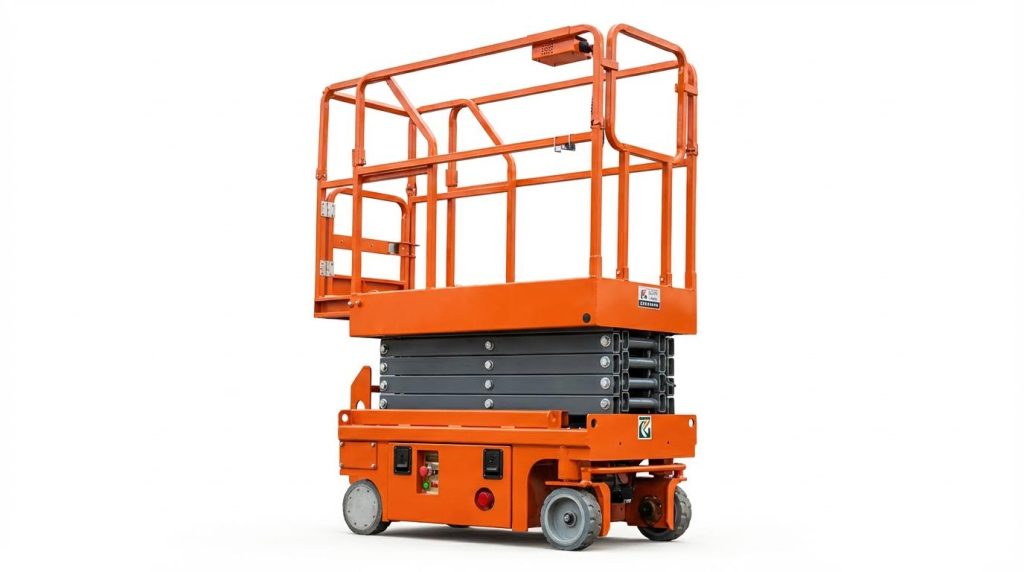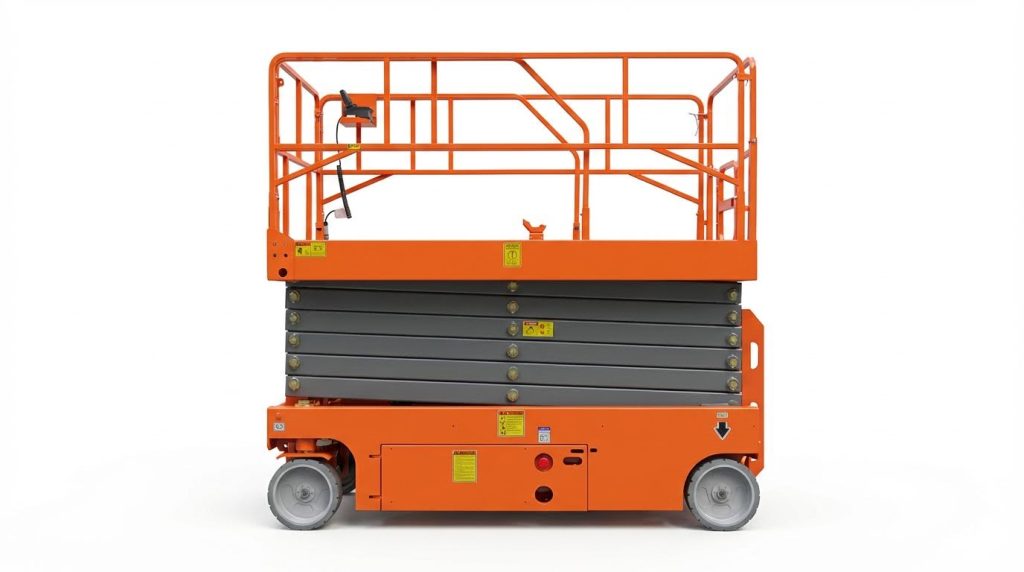
Facility teams asking how high can a compact scissor lift go need more than a catalog answer. They need a clear link between height class, load, and the real work done in tight industrial spaces. This article explains compact scissor lift height ranges from sub-6 feet workstations up to high-bay access near 45 feet, and how each band fits specific facility tasks.
You will see how different height classes support lean manufacturing cells, warehouse picking, labs, cleanrooms, airports, and data centers. The middle sections translate engineering criteria like floor loading, reach envelope, and power source into simple selection rules for each height band. The conclusion then aligns these height classes with operational needs so engineers, safety teams, and facility managers can specify compact scissor lifts with confidence and predictable performance.
Key Height Classes For Compact Scissor Lifts
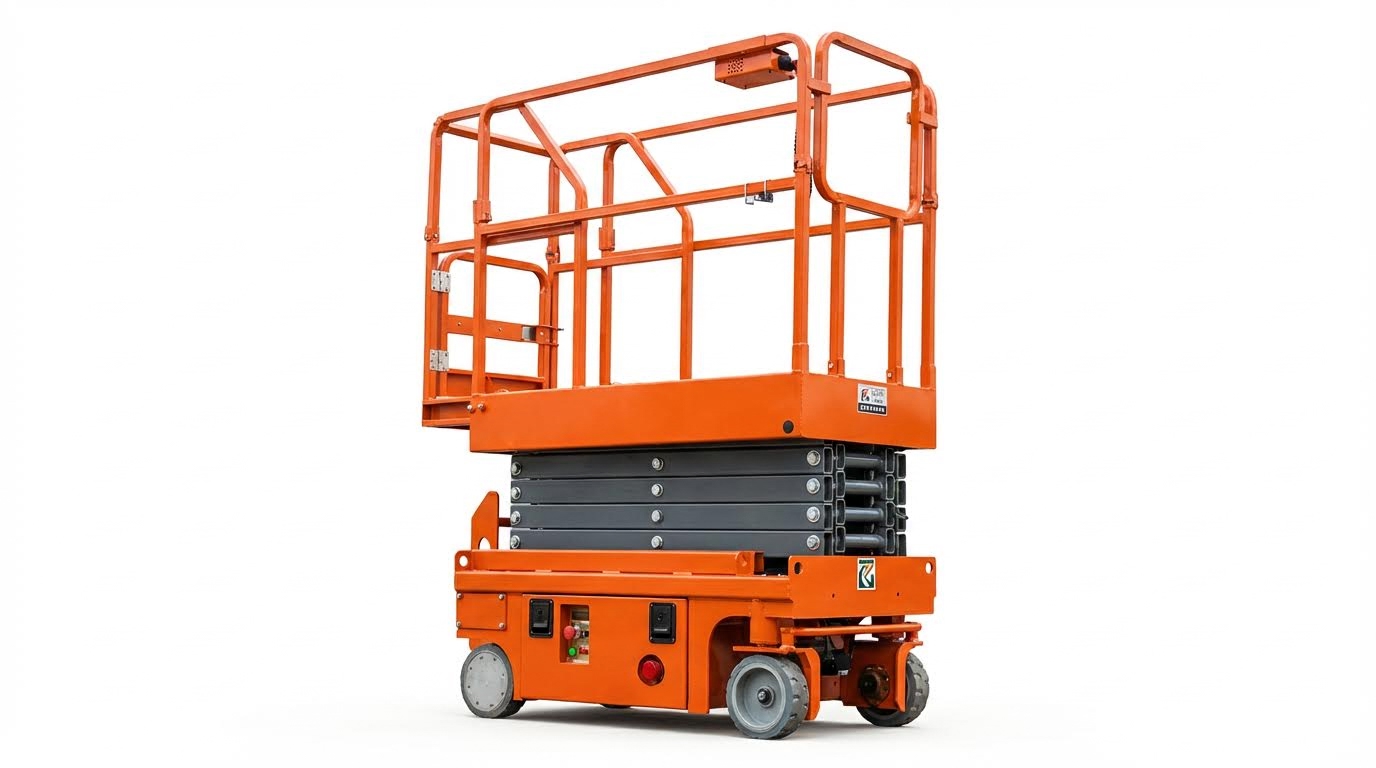
Engineers who ask how high can a compact scissor lift go should think in height bands, not single numbers. Modern compact units cover working heights from roughly 3 metres to over 14 metres, with very small ergonomic tables below this range. Each band fits different ceiling heights, floor capacities, and task profiles. This section breaks the range into four practical classes so facility teams can match reach, weight, and maneuverability.
Sub-6 Ft: Ergonomic Workstations And Benches
Sub‑1.8 metre compact scissor tables work as ergonomic positioners, not access platforms. They usually raise loads to 0.5–1.8 metres and keep operators at neutral posture. Typical capacities sit below 120 kilograms, which suits bins, totes, and small components. Engineers integrate these units into benches, packing lines, and lab stations where workers stay at floor level.
These tables answer a different form of the question how high can a compact scissor lift go. The goal is micro height adjustment, not ceiling access. Low collapsed heights allow floor-level loading with pallet jacks or carts. Simple mechanical or electric drives keep maintenance low and cycle times short.
10–20 Ft: Indoor Maintenance And Light Access
The 3–6 metre class covers most indoor maintenance in offices, small warehouses, and retail. Working heights around 3–6 metres support tasks like lamp changes, sprinkler checks, and light duct work. Compact scissor lifts in this band often carry 230–360 kilograms and weigh from roughly 550–600 kilograms upward. Narrow widths and short machine lengths let them pass through standard doors and navigate tight aisles.
| Working height | 3–6 m (approx. 10–20 ft) |
|---|---|
| Platform capacity | ≈ 230–360 kg |
| Machine weight | ≈ 560–1,800 kg |
| Typical use | Indoor maintenance, light access, order picking |
Within this range, electric drive and zero‑emission operation matter. Facilities use these lifts during operating hours without disturbing staff because noise and fumes stay low. For SEO and specification work, this band often appears in searches like “indoor compact scissor lift 20 ft” or “how high can a compact scissor lift go for office maintenance”.
21–32 Ft: Medium Reach In Constrained Facilities
The 6.5–10 metre class answers the next step in how high can a compact scissor lift go while still fitting tight spaces. Working heights around 8–10 metres reach high racking, data hall ceilings, and airport concourses. Capacities typically stay in the 250–360 kilogram range, enough for two people plus tools. Machine weights and footprints grow, but widths often remain near 0.8–1.2 metres for aisle access.
This band suits facilities with higher clear heights but strict floor loading. Engineers check slab ratings because some units in this group approach or exceed 2,000 kilograms. Direct electric drive and leak‑containment features help protect sensitive floors and equipment. When users search “compact scissor lift 10 m” they usually want this balance of reach and maneuverability.
33–45+ Ft: High-Bay Access With Compact Footprint
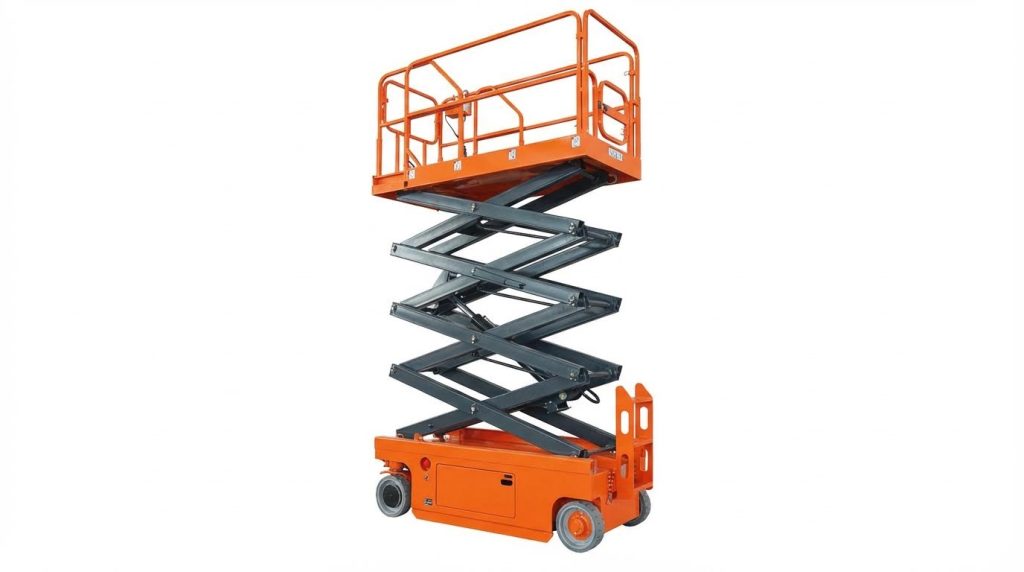
High‑bay buildings push the upper bound of how high can a compact scissor lift go. Compact models now reach working heights around 10–14 metres while staying narrower than traditional construction scissors. Capacities often sit between 340 and 750 kilograms in this class, depending on deck size and extension. These lifts handle high‑rack maintenance, convention centres, and tall industrial halls.
Designers trade weight and stability for reach in this group. Larger units can exceed 3,000 kilograms, so floor loading and travel routes need review. Some models add extended decks of about 0.5 metres to increase working envelope without changing base size. Enhanced control systems and hazard warnings support safe operation at these heights, especially near sprinklers and overhead services.
From a selection view, this band is the practical ceiling for compact designs before facilities move to larger rough‑terrain or boom lifts. For search intent, users who ask “how high can a compact scissor lift go” usually mean this 10–14 metre working height limit in indoor or semi‑indoor spaces.
Matching Lift Heights To Facility Applications
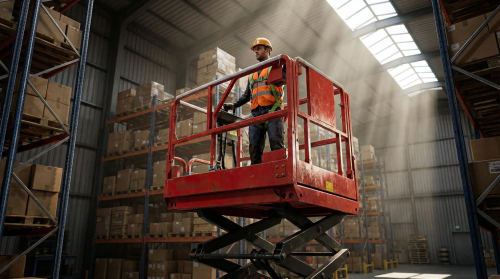
Compact scissor lifts cover working heights from about 3 metres to over 14 metres. Engineers planning how high can a compact scissor lift go in each area should link height class to task type, floor strength, and traffic patterns. The same 20 metre rated machine rarely suits both lean cells and public concourses. This section maps typical height bands to core facility uses so planners can standardise fleets and reduce non‑value moves.
Manufacturing, Assembly, And Lean Cells
Production areas usually need short to mid-height reach, not maximum vertical travel. Sub‑2 metre table lifts support ergonomic work at benches, kitting zones, and pack stations. They raise parts or totes up to about 1.5–1.8 metres so operators avoid bending and overreach. Self-propelled compact scissor lifts with 4–8 metre working height suit line changeovers, small ducting, and light MEP work above cells.
For lean layouts, footprint and turn radius matter more than absolute height. Narrow platforms move between machines without rework of aisles. Typical choices are:
- Up to 6 metres: fixture change, light maintenance over cells
- 6–10 metres: roof services in standard industrial bays
These ranges keep weight and wheel loads low, so slabs and mezzanines stay within design limits.
Warehousing, Order Picking, And Retail Spaces
Warehouse and retail teams often ask how high can a compact scissor lift go while still fitting narrow aisles. Typical racking in small warehouses runs 6–10 metres. Compact electric scissors with 8–12 metre working height cover most pick faces and sign work. They stay narrow enough, often 0.8–1.2 metres wide, to pass standard pallet aisles.
Order picking near customers or staff needs quiet, low-emission units. Electric drives and non-marking tyres protect floors and reduce noise. In big-box retail, 6–9 metre working heights handle signage, lighting, and seasonal resets. For high-bay storage up to about 12–14 metres, taller compact units work in wider service aisles, not main pick lanes, to avoid congestion.
Labs, Cleanrooms, And Electronics Operations
Labs and cleanrooms rarely exploit the full height of compact scissor lifts. Ceiling heights often sit between 3 and 6 metres. Push-around or very small electric scissors with 4–6 metre working height usually suffice for filters, lights, and HEPA housings. Key selection filters are surface cleanliness, low tyre loading, and minimal hydraulic exposure.
Electronics plants use low-profile lift tables to set ergonomic soldering and test heights, often under 1.2 metres of travel. Where overhead cable trays or minienvironments sit at 4–5 metres, ultra-compact vertical lifts or narrow scissors give enough reach without disturbing tools and benches. Weight and vibration must stay low to protect sensitive equipment, so oversizing by height alone is a poor choice.
Airports, Data Centers, And Public Buildings
Airports and public buildings push the upper end of how high can a compact scissor lift go while staying manoeuvrable. Departure halls and atriums often need 10–14 metre working height for façades, signage, and sprinkler heads. Narrow electric scissors can reach these levels yet still pass through standard doors and service corridors.
Data centres usually have lower but congested spaces. Typical cold-aisle heights stay within 4–6 metres, so compact units in this band handle cable trays and overhead busways. Low point loading protects raised floors. In offices, schools, and civic buildings, 6–9 metre working height covers most atriums and stairwells. Here, priority goes to quiet operation, low emissions, and safe use among the public, rather than maximum rated height.
Engineering Criteria For Lift Selection By Height
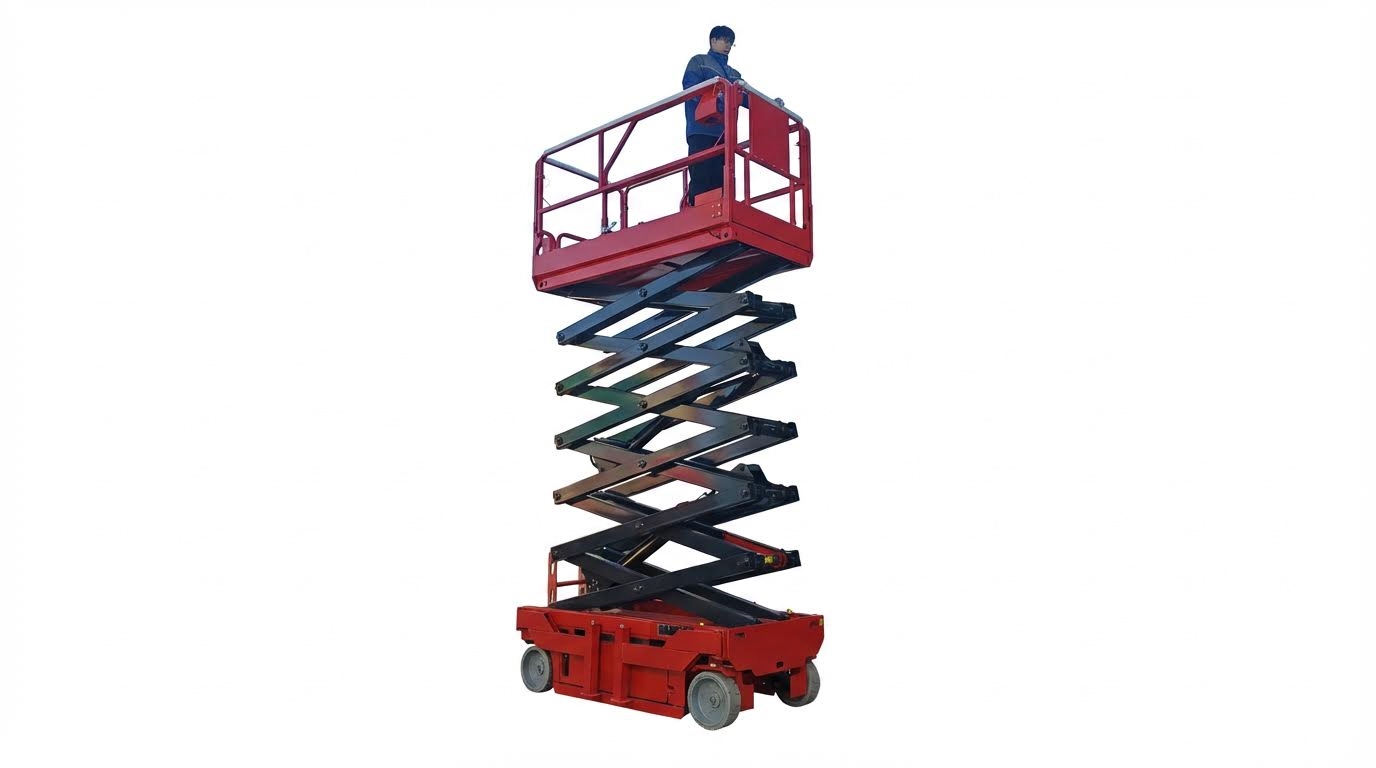
Engineers who ask how high can a compact scissor lift go must link height to design limits. Working heights from about 3 metres to 18 metres covered most compact models in the market. Each height class changed platform size, mass, and floor loading. This section explains how to translate those changes into safe, efficient lift choices for real facilities.
Load Capacity, Deck Size, And Reach Envelope
Compact scissor lifts answered how high can a compact scissor lift go with typical working heights from about 3 metres to 14 metres. Some units reached about 18 metres while still classed as compact. At lower heights under 6 metres, units often carried lighter loads around 100 kilograms and used small decks for ergonomic tasks. Mid‑range models around 6–10 metres usually carried 200–350 kilograms with wider decks and optional extensions.
Engineers matched deck size to task type. Short decks suited single‑person inspections. Longer decks with slide‑out extensions supported two people plus tools. A simple selection process helped:
- Define maximum live load, including tools and materials.
- Check rated capacity at full height, not just at ground.
- Confirm deck area and extension length support work pattern.
The reach envelope combined platform height and horizontal clearances. Compact units with narrow chassis worked between racks and under ducts but limited side reach. For repeated work at the same elevation, engineers often standardised on one or two height classes to simplify planning and training.
Floor Loading, Weight, And Stability Margins
As working height increased, machine weight also increased. Light compact units under 6 metres sometimes weighed near 600 kilograms. Taller models near 14 metres could exceed 3,000 kilograms. Engineers checked how high can a compact scissor lift go in each building by comparing wheel loads to slab ratings and mezzanine limits.
Floor loading analysis focused on:
| Factor | Engineering focus |
|---|---|
| Total weight | Compare to floor design load in kN/m². |
| Wheel load | Check local punching shear at thin slabs. |
| Outriggers (if fitted) | Verify bearing plates spread load enough. |
Stability margins reduced as height increased, especially on narrow models. Engineers assessed base width to height ratio and any slope limits in the manual. Indoor compact lifts usually required firm, level floors and banned use on ramps above a small gradient. For tall units above about 10 metres, policies often restricted travel at height and set tighter wind limits, even indoors near large doors.
Power Source, Duty Cycle, And Noise Constraints
Power choice depended strongly on duty cycle and where the lift worked. Electric compact scissor lifts dominated indoor heights up to about 14 metres. They offered zero local exhaust, low noise, and long runtimes with direct electric drive. Small ergonomic tables under 6 metres often used manual or simple electric actuation with short duty cycles.
Engineers sized batteries and chargers from realistic use patterns. Key checks included:
- Number of full‑height cycles per shift.
- Travel distance between tasks.
- Available charging windows and power supply.
Where tasks moved outdoors or onto rough ground, diesel or hybrid units at similar heights provided more traction and higher capacities. Noise and emissions then limited use near occupied offices, labs, and public spaces. In noise‑sensitive areas like hospitals or data halls, electric compact lifts were preferred even if that constrained maximum working height.
Safety, Compliance, And Digital Maintenance Tools
Safety limits also shaped how high can a compact scissor lift go in each facility. Standards and local rules set guardrail, access gate, and emergency stop requirements. Designers verified that rated working height, capacity, and wind limits matched the intended tasks. Taller compact units above about 10 metres often included extra sensors and tilt alarms to protect stability margins.
Compliance programs used structured checks:
| Aspect | Typical control |
|---|---|
| Operator training | Height‑specific licences and refresher courses. |
| Pre‑use inspection | Daily checks of guardrails, tyres, leaks, and controls. |
| Fall protection | Guardrails plus harness rules where required. |
| Work permits | Needed near overhead services or public zones. |
Digital maintenance tools improved uptime as fleets grew. Telematics tracked hours by height class, flagged overload events, and logged fault codes. Planners then adjusted which height ranges they actually needed. Data often showed that a lower class compact lift covered most tasks, keeping floor loads lower and reducing energy use while still meeting reach needs.
Summary: Aligning Height Class With Operational Needs
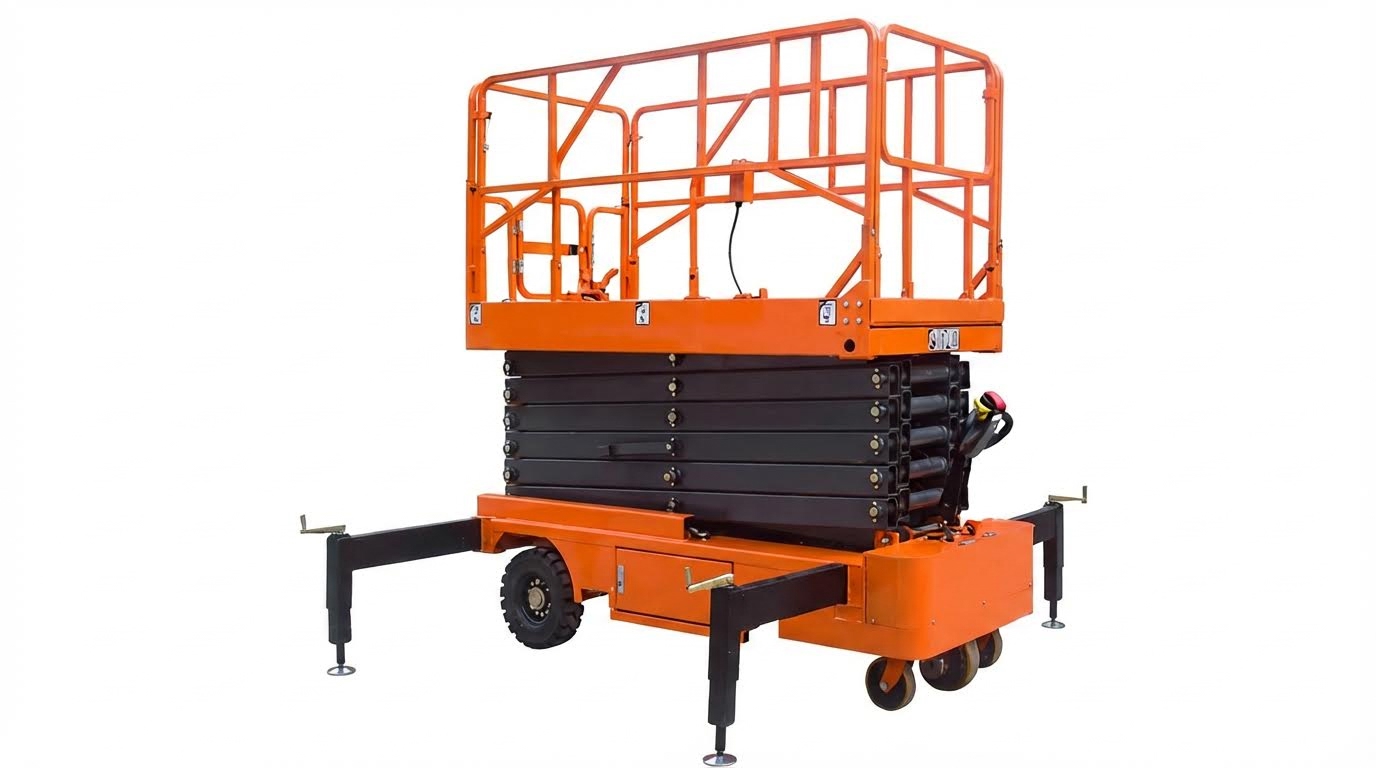
Facility teams asking how high can a compact scissor lift go should link that question to real tasks, floor ratings, and safety rules. Modern compact units covered in this guide reached working heights from about 3 metres to over 14 metres, with some small workstation lifts staying under 2 metres. Across these classes, platform capacities typically ranged from roughly 110 kilograms on light ergonomic tables up to over 700 kilograms on high‑reach indoor machines.
From an engineering view, the key is not only maximum height. Teams must match height class with load, deck size, reach envelope, and stability margins. Lower classes under 6 feet suit ergonomic workstations, benches, and light parts handling. Mid ranges from 10 to 32 feet fit indoor maintenance, order picking, and medium‑bay access. High compact classes around 33 to 45 feet support high‑bay racking, atriums, and service corridors while still fitting tight aisles.
Future designs will likely push higher working heights within compact footprints, supported by lighter structures, direct electric drives, and smarter control systems. Digital maintenance tools and telematics will help track duty cycles, safety events, and battery health by height class. For now, best practice is simple. Define the highest routine task, add clearance for tools and guarding, verify floor and slab loads, and then select the smallest height class that safely meets that need with adequate capacity and stability.
,
Frequently Asked Questions
How high can a compact scissor lift go?
A compact scissor lift typically has a platform height range of 12–20 feet and a working height range of 18–26 feet. This makes it suitable for tasks that require access to heights up to approximately 8 meters. Scissor Lift Size Guide.
What factors determine the maximum height of a scissor lift?
The maximum height of a scissor lift depends on the specific model. Compact or small scissor lifts generally reach heights between 12 to 20 feet (3.6 to 6 meters), while larger models can extend up to 40 feet (12 meters) or more. The design, stability, and intended use case influence these height capabilities.
- Platform height range: 12–20 ft for compact models
- Working height range: 18–26 ft for compact models
- Larger models can reach up to 40 ft or more