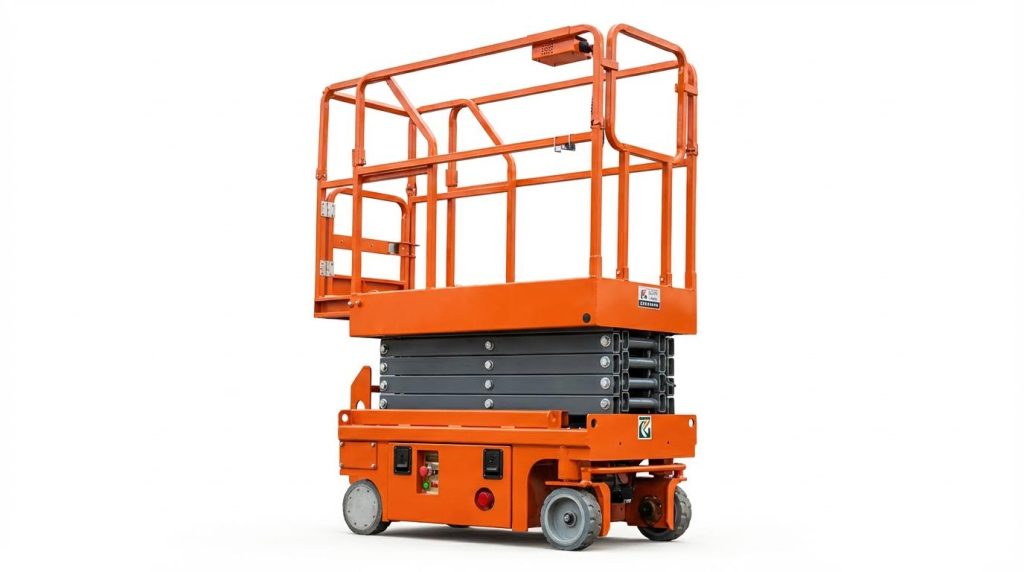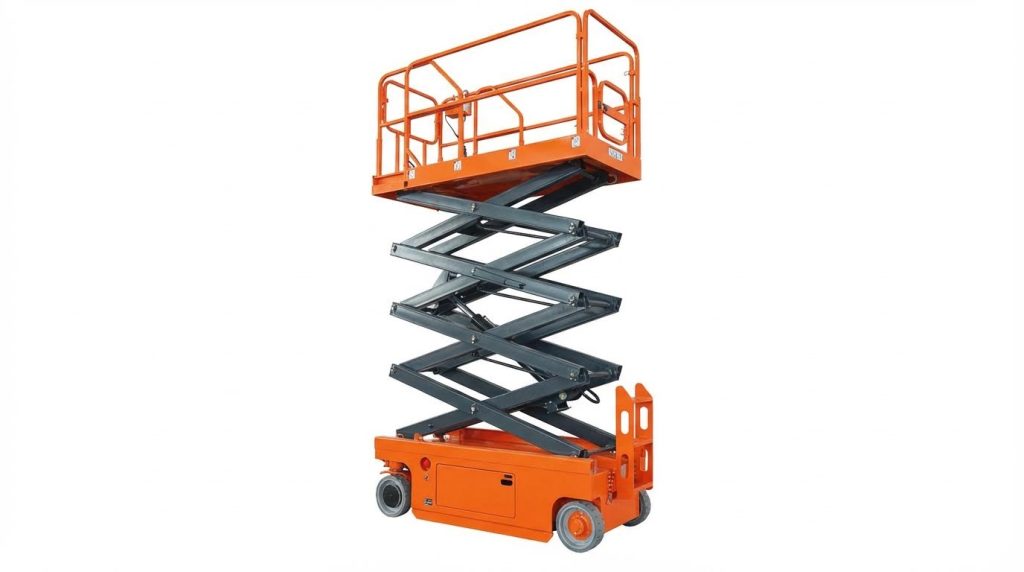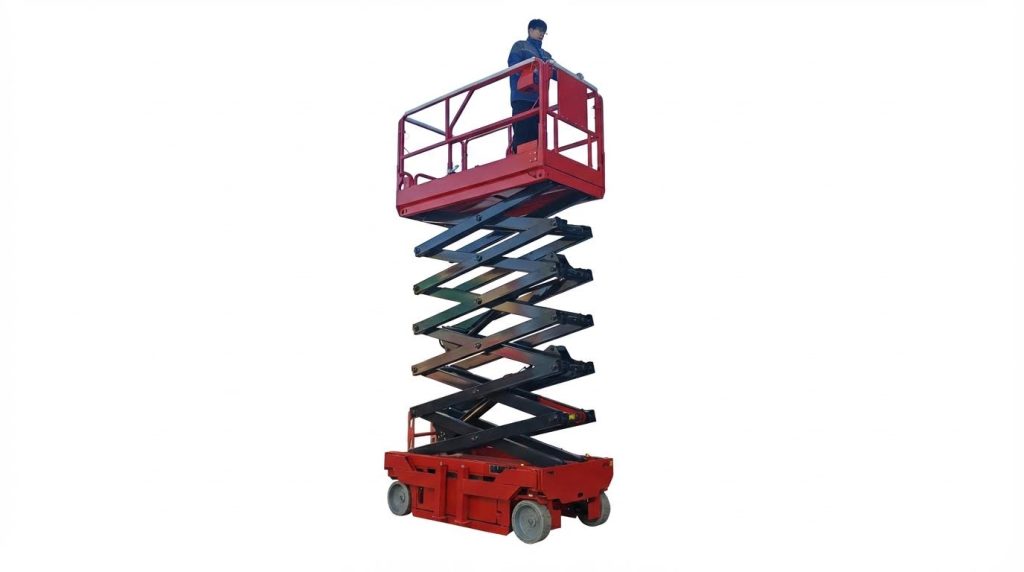
Electric scissor lifts provide safe, vertical access for technicians and material handlers working at height in maintenance, warehousing, and construction environments. Understanding what scissor platform lift are used for requires linking their mechanical design, load ratings, and stability limits with real job-site tasks and regulatory requirements. This article explains core design and safety fundamentals, then details typical indoor maintenance, facility, warehousing, and construction applications, including integration with digital maintenance systems. The final section summarizes best practices for safe, efficient deployment of aerial platform across their full lifecycle, from selection and planning to operation and service.
Core Design, Performance, And Safety Fundamentals
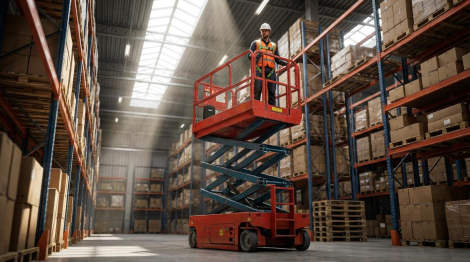
Understanding core design, performance, and safety fundamentals is essential when answering the question “what are electric scissor lifts used for” in professional environments. Their vertical lifting mechanism, stability behavior, and regulatory framework directly determine where they can safely support work at height in maintenance, warehousing, and construction. Engineers and safety managers must match lift specifications to ground conditions, weather, and operator competence to keep risk within acceptable limits.
Vertical Lift Mechanics And Load Ratings
Electric scissor lifts used for indoor maintenance, warehousing, and construction rely on a stacked, cross-braced linkage that converts hydraulic or electro-hydraulic force into pure vertical motion. The platform travels on a near-vertical trajectory, which makes these machines ideal when tasks require straight-up access to ceilings, racks, or façade elements without horizontal outreach. Typical rated capacities range from about 230 kg to 320 kg for compact units, up to roughly 680 kg or more for larger industrial platforms, including workers, tools, and materials. Engineers must treat the nameplate rating as an absolute limit, apply an appropriate safety factor in work planning, and consider dynamic effects such as braking, starting, and minor impacts. Load must distribute evenly across the deck, because point loading at one edge increases local stress in the scissor arms, pins, and platform structure. When specifiers consider what electric scissor lifts are used for, they should match platform size, stroke height, and duty rating to tasks like light MEP work, stock picking, or heavier fit-out activities. Pre-use checks of hydraulic circuits, structural welds, and pivot wear help maintain the original load rating and reduce the risk of structural failure.
Stability, Ground Conditions, And Tip-Over Risks
Stability governs where electric scissor lifts can be used safely and which tasks are acceptable at full height. The machine’s center of gravity rises as the platform extends, reducing the stability margin against overturning from wind, impact, or sudden travel. Manufacturers designed slab-type electric units for firm, level surfaces; using them on soft soil, ramps, or debris-covered floors increases the risk of tilt and collapse. Operators must verify ground bearing capacity against the machine’s total mass and wheel or outrigger contact area, especially on suspended slabs or mezzanines. If a tilt alarm activates, best practice requires lowering the platform immediately and relocating to a compliant surface before resuming work. For tasks that involve lateral forces, such as drilling into concrete or handling duct sections, planners should minimize side loading and prohibit workers from climbing guardrails to gain extra reach. Site procedures should define exclusion zones, traffic management, and spotter roles to prevent vehicle contact, which is a frequent contributor to scissor platform lift tip-overs.
Regulatory Standards, PPE, And Operator Training
Electric scissor lifts used for access at height fall under scaffold and mobile elevating work platform regulations in most jurisdictions. Historical OSHA rules referenced general scaffold requirements such as 29 CFR 1926.451 and fall protection provisions, while ANSI A92 series standards defined design, performance, and operator responsibilities. Compliance requires employers to implement documented pre-operation inspections, lockout procedures for defective units, and safe-use plans tailored to each site. Operators must complete model-specific training that covers controls, emergency descent, load charts, and environmental limits, not just generic aerial work platform theory. Personal protective equipment typically includes hard hats, protective footwear, and high-visibility garments; harness use depends on local regulations and company policy but must follow manufacturer anchorage guidance when required. Clear instructions must prohibit standing on guardrails, using ladders on platforms, or defeating interlocks to extend reach. Refresher training and periodic competency assessments help maintain safe behavior as tasks, layouts, and project phases change.
Indoor Vs. Outdoor Operating Limits And Weather
When professionals evaluate what electric scissor lifts are used for, they must distinguish between indoor and outdoor operating limits. Indoor applications such as ceiling maintenance, lighting replacement, or racking access benefit from electric drives that produced low noise and zero exhaust emissions, which protected indoor air quality. However, even indoors, planners must check floor load ratings, overhead clearances, and interactions with other mobile equipment. Outdoor use introduces additional constraints, with wind speed as a critical parameter; manufacturers historically limited operation to moderate winds, often below about 12.5 m/s, and prohibited use during storms or gusty conditions. Rain, ice, and uneven ground reduce tire friction and can trigger tilt alarms or uncontrolled movement. Operators should verify the machine’s classification for indoor-only or indoor/outdoor service and respect occupant limits that usually allow more people indoors than outdoors. Work planning should integrate weather forecasts, emergency lowering procedures, and clear stop-work criteria so that elevated operations cease before environmental conditions compromise aerial platform stability.
Indoor Maintenance And Facility Operations
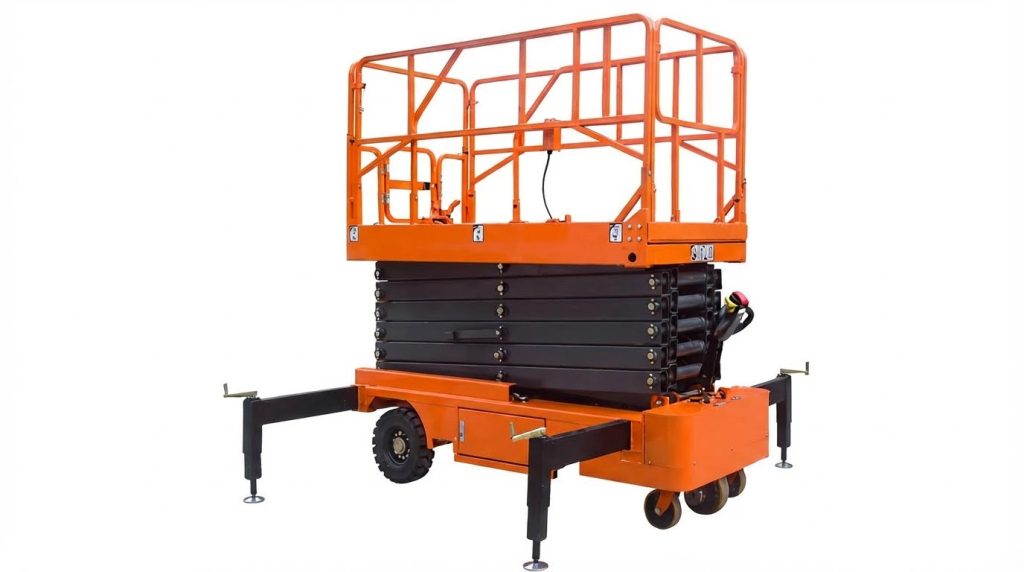
Indoor operations answer a core SEO question: what are electric scissor lifts used for inside facilities. In maintenance and asset management, they provide repeatable, safe access to elevated systems while controlling floor loads, noise, and air quality. This section explains how scissor platform lift support building services, handle tight spaces, and integrate with digital maintenance workflows.
Ceiling, MEP, And Building Systems Maintenance
Electric scissor lifts are used for indoor ceiling and MEP work where stable vertical access is critical. Technicians use them to reach luminaires, cable trays, sprinkler heads, smoke detectors, and ductwork between roughly 6 m and 14 m working height. The platform supports two occupants plus tools within the rated capacity, often 230 kg to 320 kg for indoor configurations. Compared with ladders or mobile towers, the guardrailed platform reduces fall risk and allows hands-free work on overhead components.
Maintenance teams deploy scissor platform for periodic inspections, cleaning, and replacement of filters, diffusers, and sensors in HVAC systems. They also support routing and fastening of electrical conduits, data cabling, and low‑voltage lines along ceilings and high walls. Because electric drives produce zero exhaust emissions, lifts operate safely near return air intakes and sensitive electronics. Their precise proportional controls allow small vertical adjustments, which is important when aligning fixtures or working close to fire protection equipment.
Space-Constrained Access And Floor Load Limits
Indoor facilities often combine high storage or service heights with narrow aisles and restricted turning radii. Compact electric scissor lifts address this by using slim chassis widths, frequently around 0.8 m to 1.2 m, and tight steering geometry. They can pass through standard industrial doorways and navigate service corridors where traditional scaffolding would block circulation. Operators position the machine directly below the work area, minimizing outreach and reducing the need for step‑stools or unsafe body positioning.
Engineers must verify that floor slabs or mezzanines can support concentrated wheel and outrigger loads from the lift. This requires comparing the lift’s total mass plus rated platform load with slab design capacity, expressed in kilonewtons per square metre. Manufacturers publish machine weight and maximum wheel load, which maintenance planners cross‑check against structural drawings. In older buildings or raised access floors, temporary load‑spreading mats or restriction of lift type may be necessary. Proper assessment prevents cracking, differential deflection, or local punching shear failure under the lift.
Noise, Emissions, And Indoor Air Requirements
Electric scissor lifts are used indoors where noise and air quality limits are strict, such as hospitals, laboratories, and logistics hubs. Their battery‑electric drive eliminates exhaust gases, so they do not add carbon monoxide or nitrogen oxides to indoor air. This aligns with occupational exposure limits and reduces demands on mechanical ventilation systems. Typical sound pressure levels remain low compared with engine‑powered units, improving speech intelligibility and worker comfort.
Facilities managers still consider secondary emissions from the work itself, including dust from drilling or fumes from coatings, and coordinate with building ventilation strategies. Because electric lifts do not require engine warm‑up, operators can perform short, intermittent tasks without prolonged idling. Low noise output supports night‑shift maintenance in retail or airport terminals without disturbing occupants. For clean or temperature‑controlled spaces, non‑marking tyres and leak‑resistant hydraulic circuits further protect indoor environmental quality.
Integration With CMMS And Predictive Maintenance
Electric scissor lifts are used not only as access tools but also as mobile assets within a broader maintenance ecosystem. Many facilities register each lift in a computerized maintenance management system, or CMMS, with asset IDs, inspection intervals, and service history. Technicians receive planned work orders that specify when to use a lift for periodic ceiling or MEP inspections. This scheduling reduces unplanned outages and coordinates lift availability across departments.
Telemetry‑enabled lifts can feed usage hours, fault codes, and battery status into fleet or building management platforms. Maintenance teams analyse this data to predict wear on hydraulic components, steering systems, and batteries before failures occur. Predictive maintenance reduces downtime and supports safer operation because faults are addressed early. Work orders can also record exact platform height and location for recurring tasks, improving planning of future interventions. In large campuses, integrating lift data with digital floor plans helps planners allocate the right machine type and capacity to each indoor maintenance job.
Warehousing And Construction Use Cases
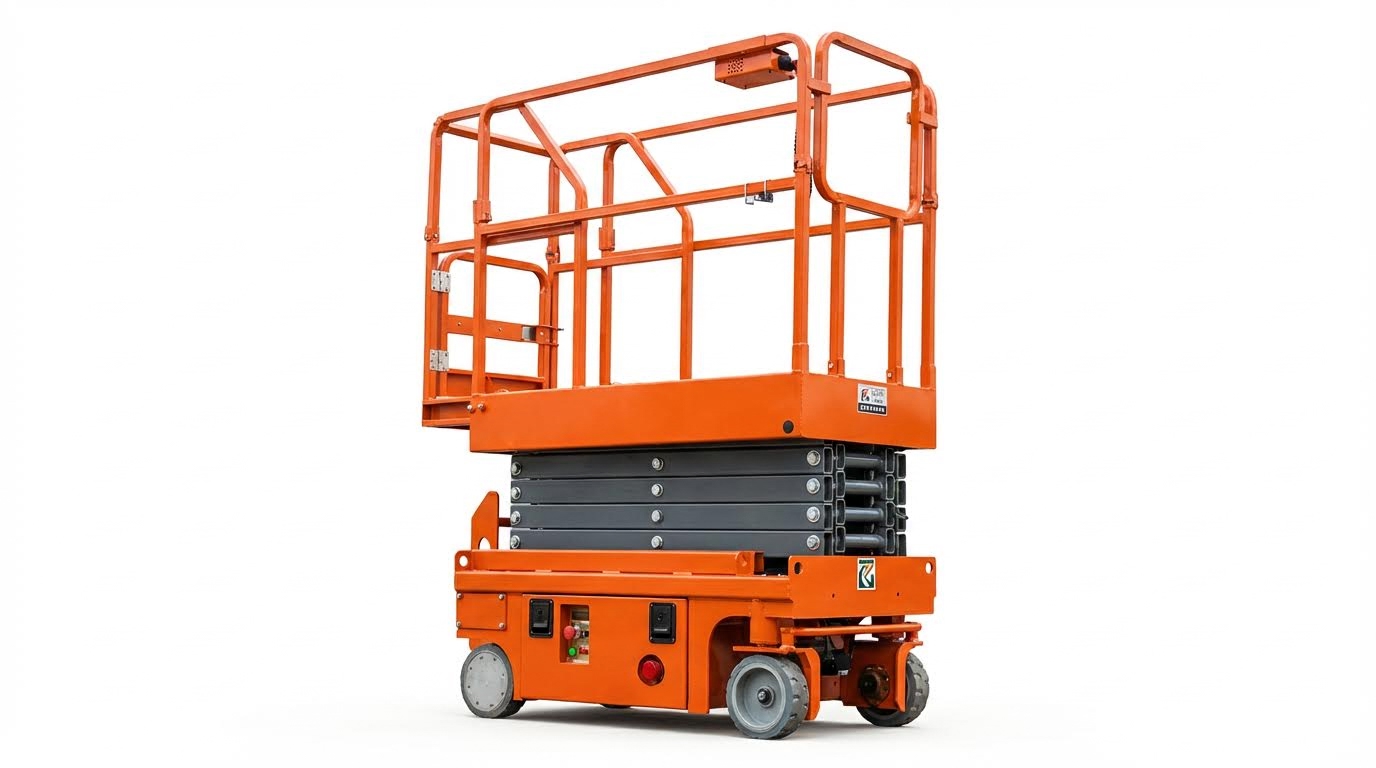
When professionals ask “what are electric scissor lifts used for,” warehousing and construction applications provide some of the clearest answers. These platforms support repetitive vertical access tasks, reduce manual handling, and improve productivity where ladders or fixed scaffolds would be inefficient or unsafe.
Order Picking, Racking Access, And Inventory Tasks
In warehousing, electric scissor lifts provide stable vertical access to high racking levels for order picking and stock replenishment. Operators can lift both personnel and light to moderate loads such as cartons, tools, and handheld scanners within the rated capacity, typically 230–320 kg for compact indoor models. The large, guarded platform allows workers to position pallets, tote bins, or roll cages securely while maintaining three points of contact and clear walking space. Compared with rolling ladders, scissor platform lift reduce climb frequency, lower fall risk, and enable precise positioning at each pick face.
Facilities use these lifts for cycle counting, inventory audits, and barcode label replacement at upper beam levels. The vertical-only motion and zero tail swing reduce collision risk with racking uprights in narrow aisles. Low noise and zero local emissions make electric units suitable for food, pharmaceutical, and retail distribution centers with strict indoor air and hygiene requirements. Pre-use checks on brakes, guardrails, and emergency stops remain essential, especially when operating near pallet conveyors, automated storage systems, or pedestrian walkways.
Construction Fit-Out, Finishing, And MEP Install
On construction projects, electric scissor lifts support interior fit-out activities such as drywall finishing, painting, and ceiling works. Mechanical, electrical, and plumbing (MEP) trades use them to install cable trays, ductwork, sprinkler lines, and lighting at consistent ceiling heights. The vertical platform provides a stable work surface for precision tasks like aligning diffusers, terminations, and fixtures, while keeping tools and small components within reach. Zero emissions and relatively low noise make electric models suitable for enclosed spaces, occupied refurbishments, and healthcare or commercial projects with tight environmental controls.
Contractors select platform height and capacity based on finished floor elevation, ceiling height, and the combined mass of workers, tools, and materials. For example, a typical indoor unit with 8–12 m working height can handle two occupants and installation materials within its rated load. Operators must respect indoor occupant limits defined by standards such as ANSI and CE, which usually restrict indoor use to two persons. Movement while elevated follows manufacturer limits on travel speed, often below 0.8 km/h, to maintain stability and avoid impact with unfinished walls, glazing, or overhead services.
Site Hazard Assessment And Traffic Management
Effective deployment in warehousing and construction starts with a structured site hazard assessment. Supervisors evaluate ground capacity, slope, and surface conditions to ensure the scissor lift operates only on firm, level floors or slabs that can carry both machine and rated load. They also identify overhead hazards such as beams, power lines, ductwork, and sprinkler pipes to maintain required clearances during elevation. In busy warehouses, planners map travel routes that avoid blind corners, dock edges, and high-traffic forklift intersections.
Traffic management plans typically include marked exclusion zones, cones, or barriers around the work area to segregate the lift from pedestrians and other mobile equipment. Spotters or signalers support operations in congested aisles, especially where racking limits visibility. Operators must understand site speed limits, right-of-way rules, and procedures for crossing doorways or transition plates. In construction environments, risk controls also address weather for partially enclosed structures; work must stop if wind speeds exceed manufacturer limits, since elevated platforms become more susceptible to tip-over.
Lifecycle Costs, Uptime, And Service Strategies
In both warehousing and construction, the answer to “what are electric scissor lifts used for” increasingly includes cost and uptime optimization. Fleet owners analyze lifecycle costs by combining acquisition price, energy consumption, scheduled maintenance, and downtime-related productivity losses. Electric models typically offer lower energy and maintenance costs than internal combustion alternatives, because they have fewer moving engine parts and no exhaust after-treatment systems. However, battery health and charging discipline directly affect uptime, especially in multi-shift warehouse operations.
Structured maintenance strategies include daily pre-use inspections, weekly lubrication of pivot points, and periodic checks of hydraulic systems, drive components, and emergency lowering functions. Planned service intervals by qualified technicians reduce unexpected failures and extend service life of cylinders, hoses, and structural components. Data from telematics or maintenance management systems helps track utilization, fault codes, and inspection history, allowing operators to remove units from service before minor issues escalate. Investment in operator training also forms part of lifecycle cost control, since correct use reduces damage, extends component life, and improves overall availability of the lift fleet.
Summary: Safe, Efficient Deployment Of Electric Scissor Lifts
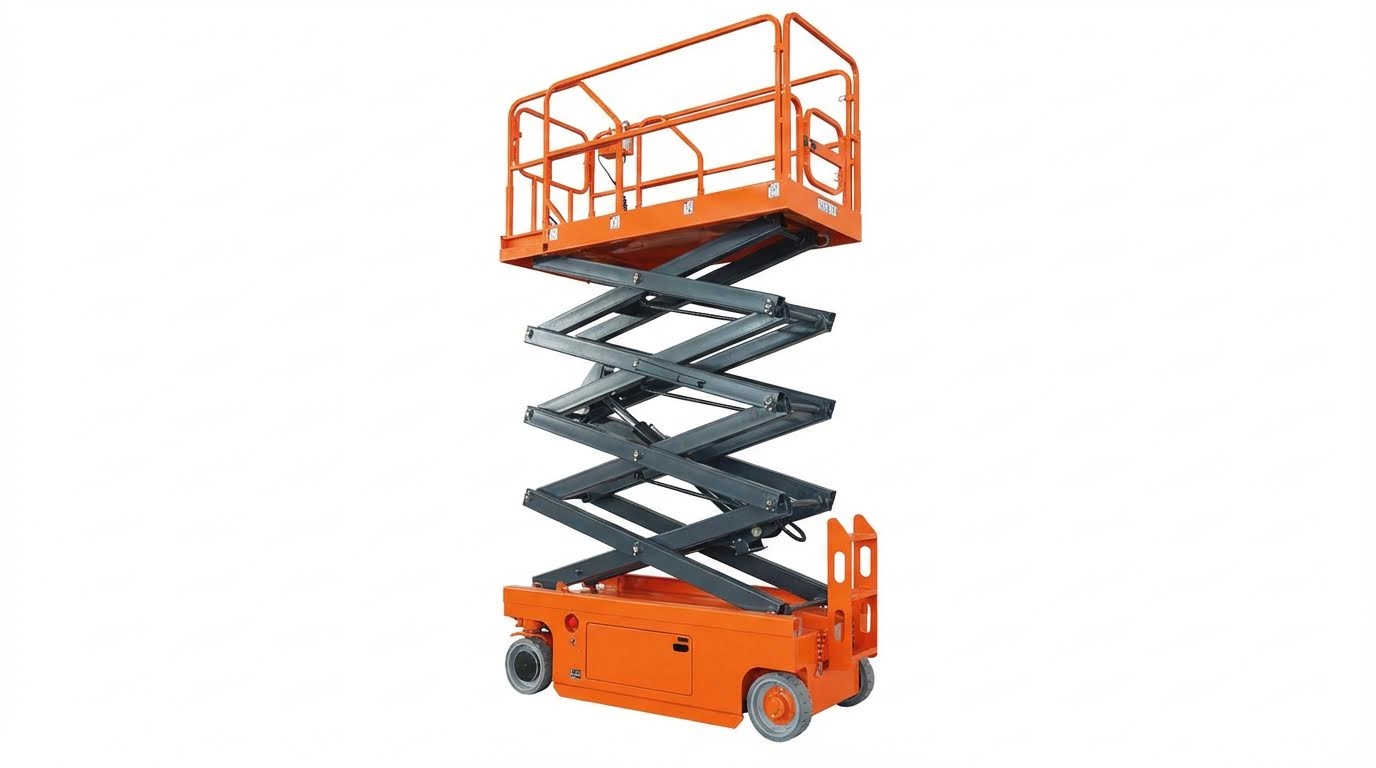
Electric scissor lifts answered the question “what are electric scissor lifts used for” across maintenance, warehousing, and construction by providing stable, vertical access for people, tools, and light materials. They supported ceiling and MEP servicing, racking access, and interior fit-out work while meeting strict indoor requirements for noise, emissions, and floor loading. When matched correctly to load rating, platform height, and operating environment, they delivered predictable positioning accuracy and high uptime with relatively low lifecycle cost. However, safe deployment always depended on disciplined pre-use inspection, trained operators, and adherence to regulatory limits on load, occupants, and weather exposure.
From an industry perspective, electric scissor lifts formed the backbone of short-duration, repetitive work at height in controlled facilities and developed construction sites. Future designs were trending toward higher energy density batteries, integrated telematics, and closer integration with CMMS and fleet-management platforms. These trends enabled predictive maintenance, better utilization tracking, and tighter control of unsafe behaviors such as overloads or operation on excessive slopes or wind speeds.
Practical implementation required engineers and safety managers to coordinate on four points: verify floor bearing capacity and ground conditions; select platforms with adequate working height and reserve capacity; define traffic, charging, and parking zones; and implement structured inspection and training programs. A balanced technology roadmap treated electric scissor platform lifts as part of a broader work-at-height strategy that also considered mobile scaffolds and other access systems. Organizations that aligned equipment selection, maintenance planning, and operator competence achieved safer operations, lower total cost of ownership, and clearer answers when stakeholders asked what scissor platform lift were used for and how to deploy them responsibly. Additionally, proper use of aerial platform solutions ensured compliance with safety standards.